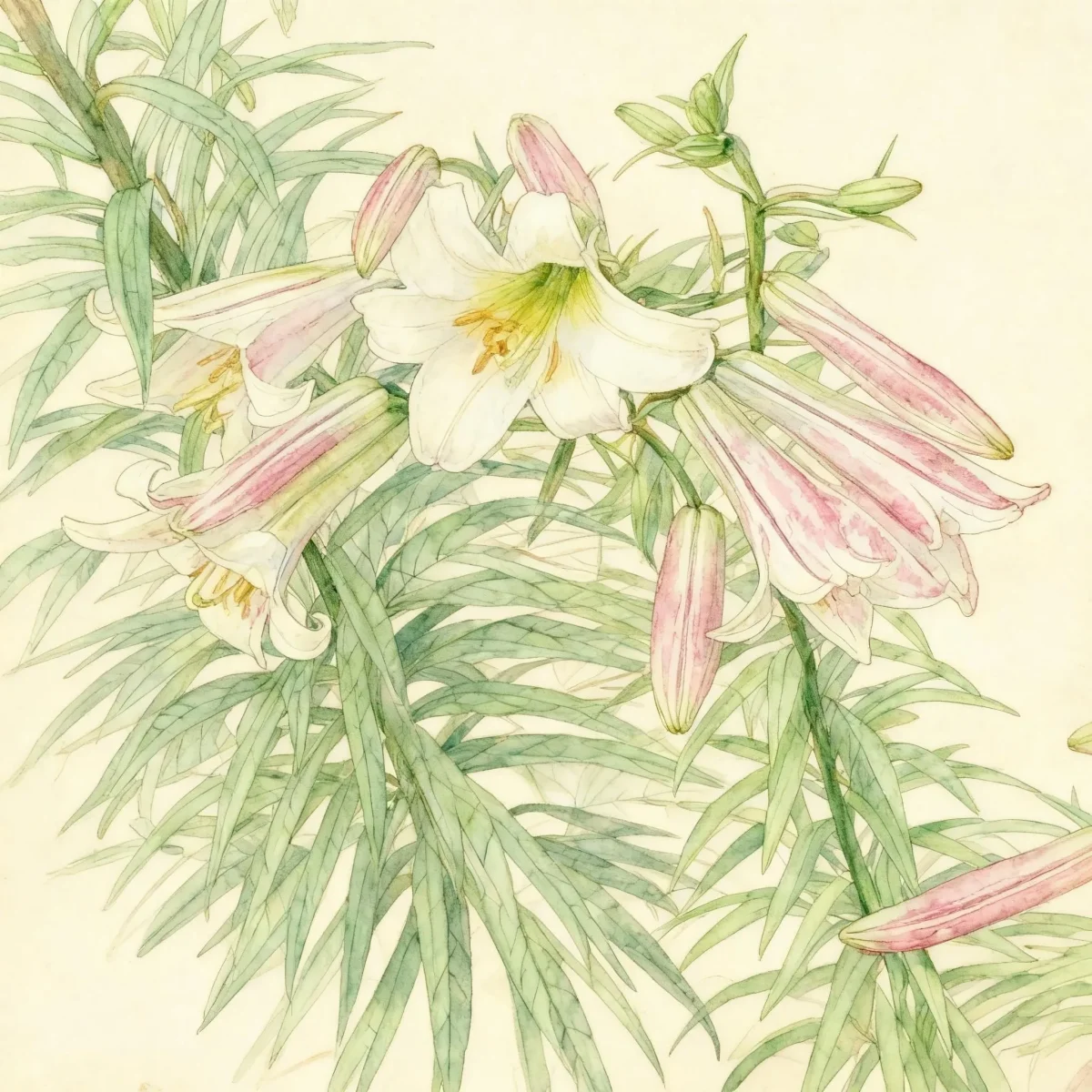
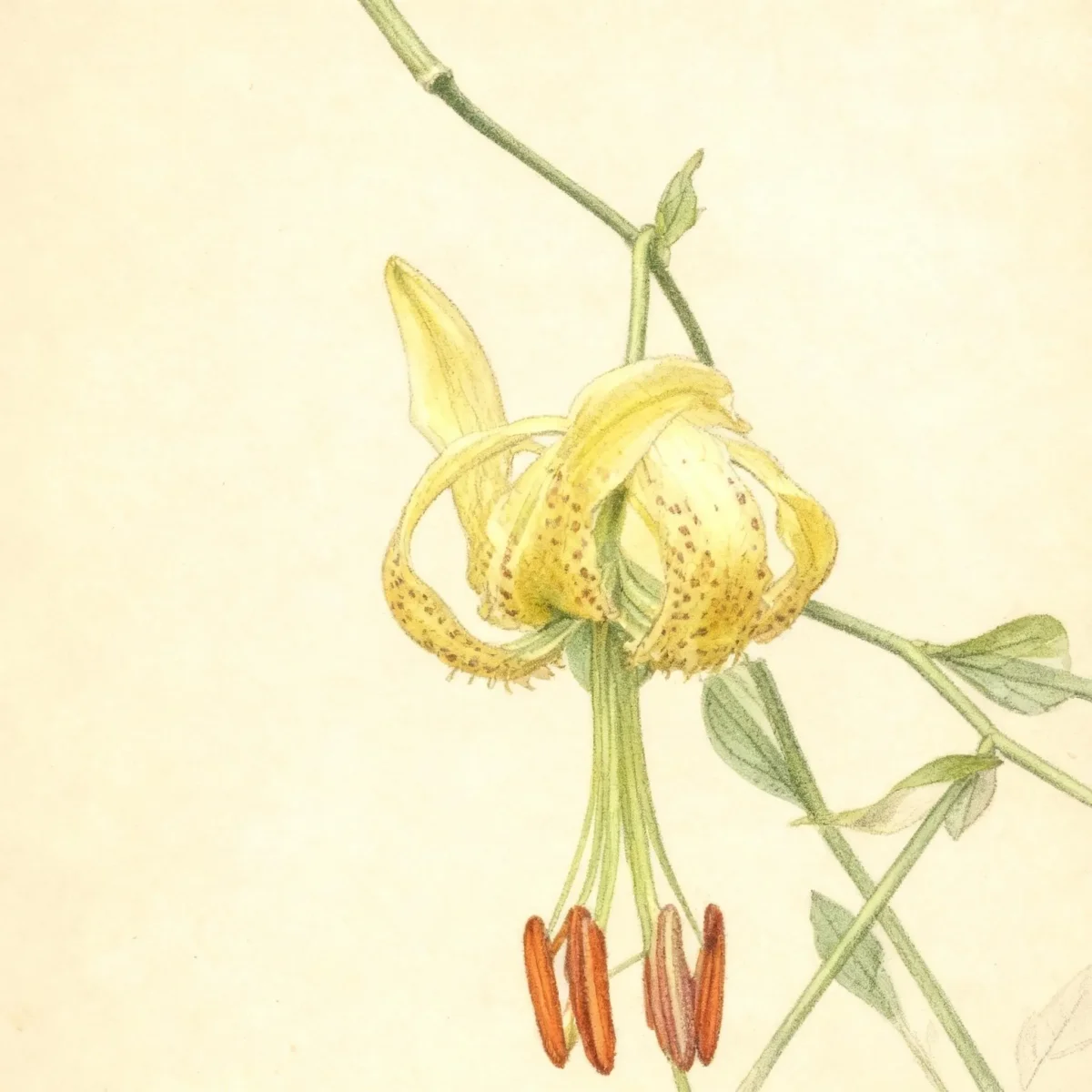
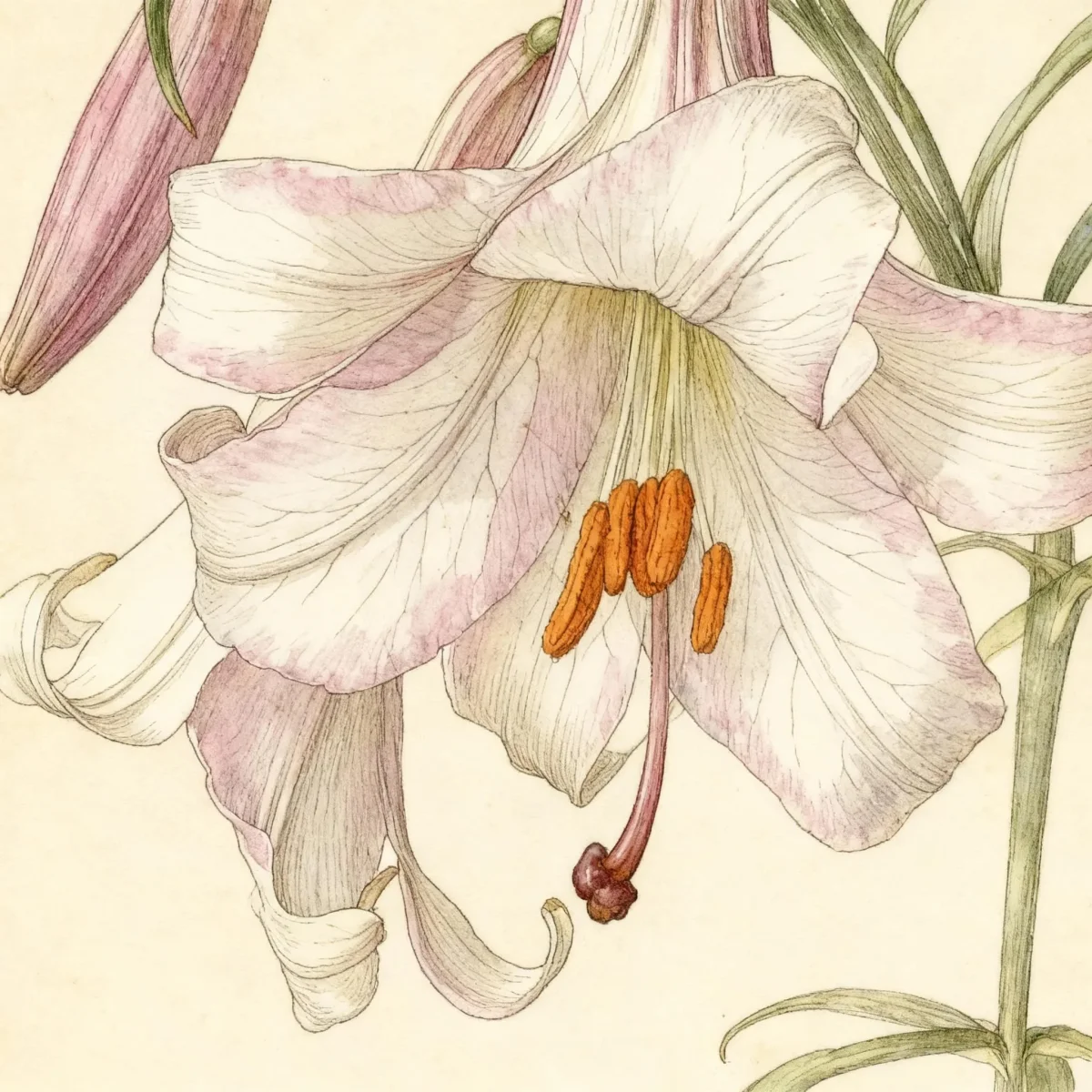
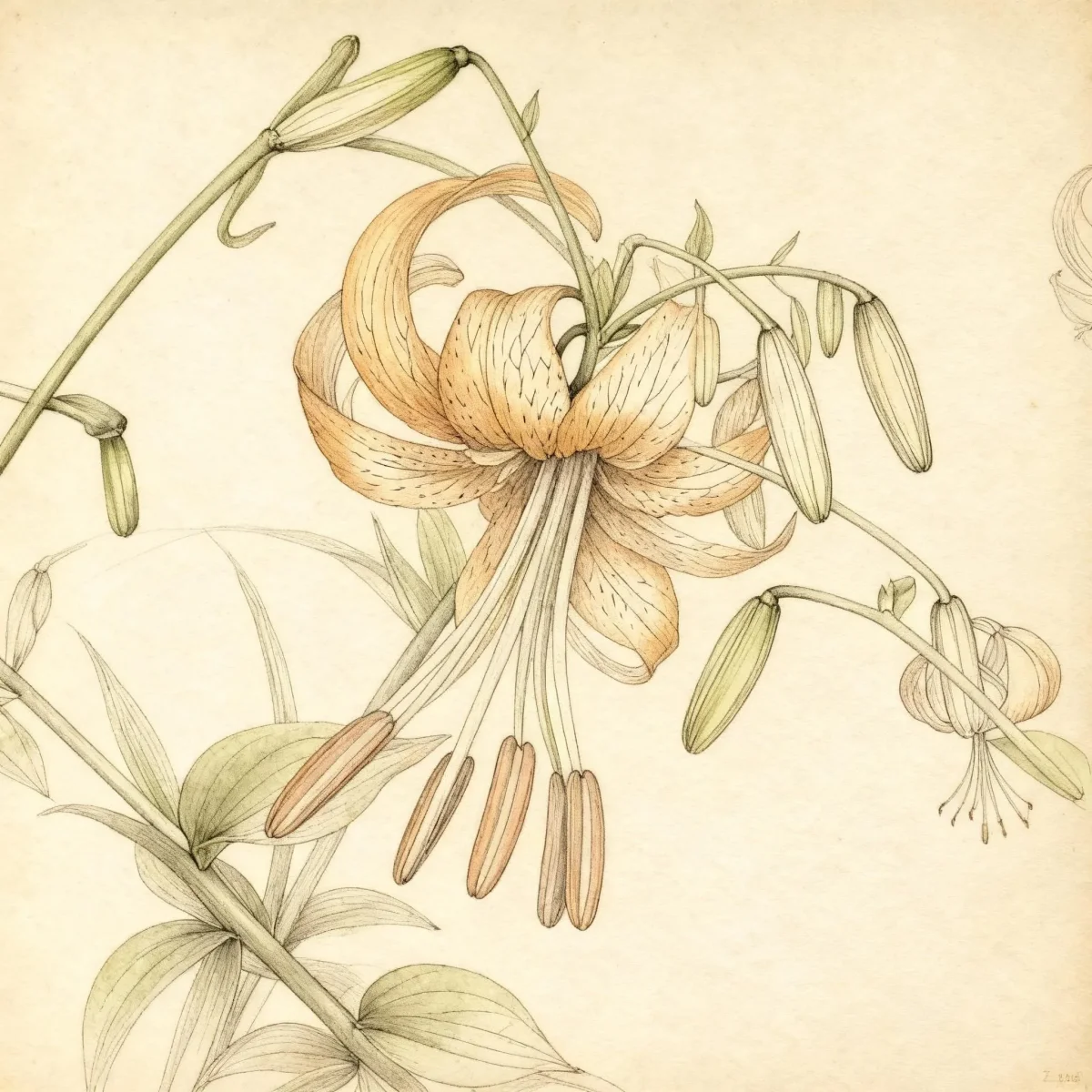
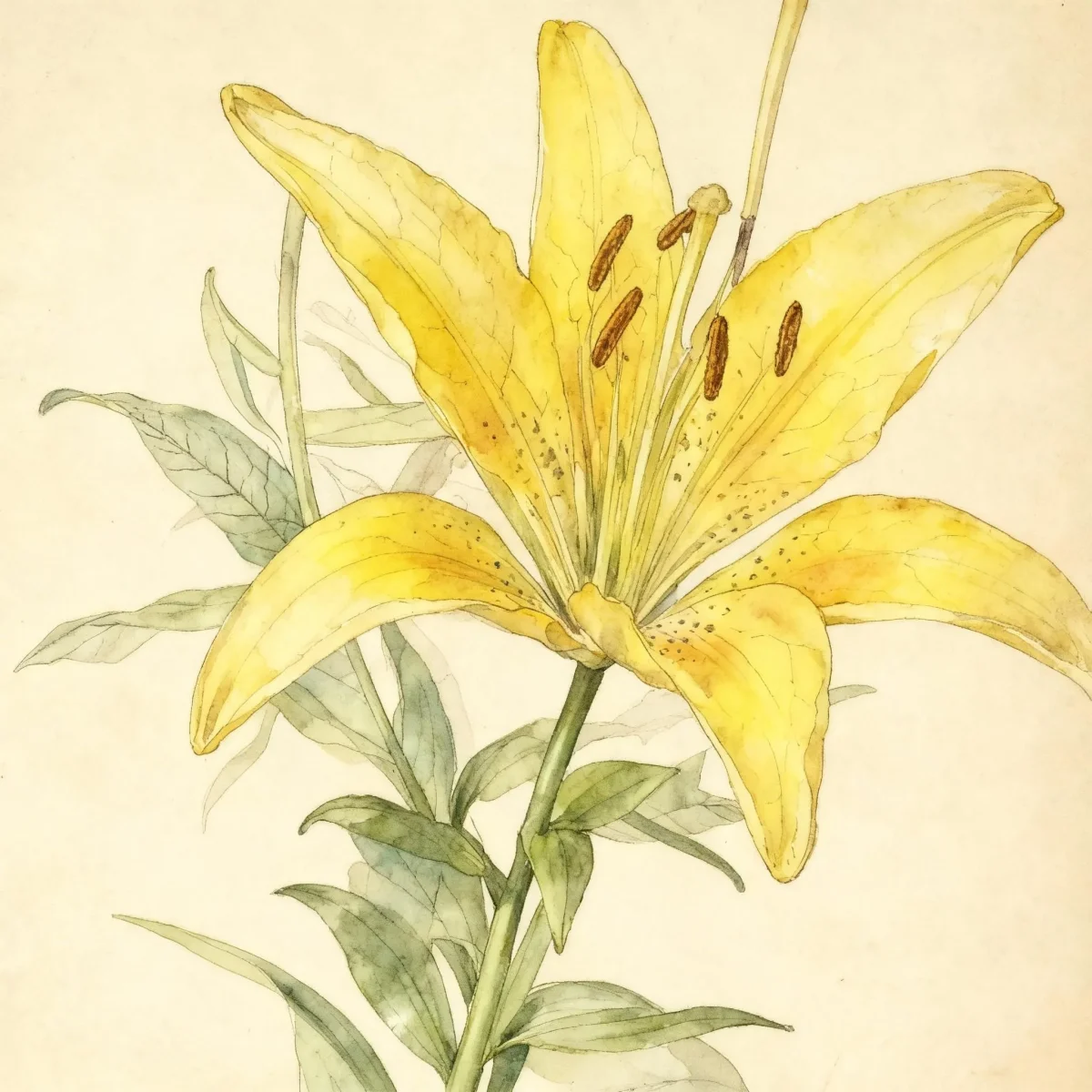
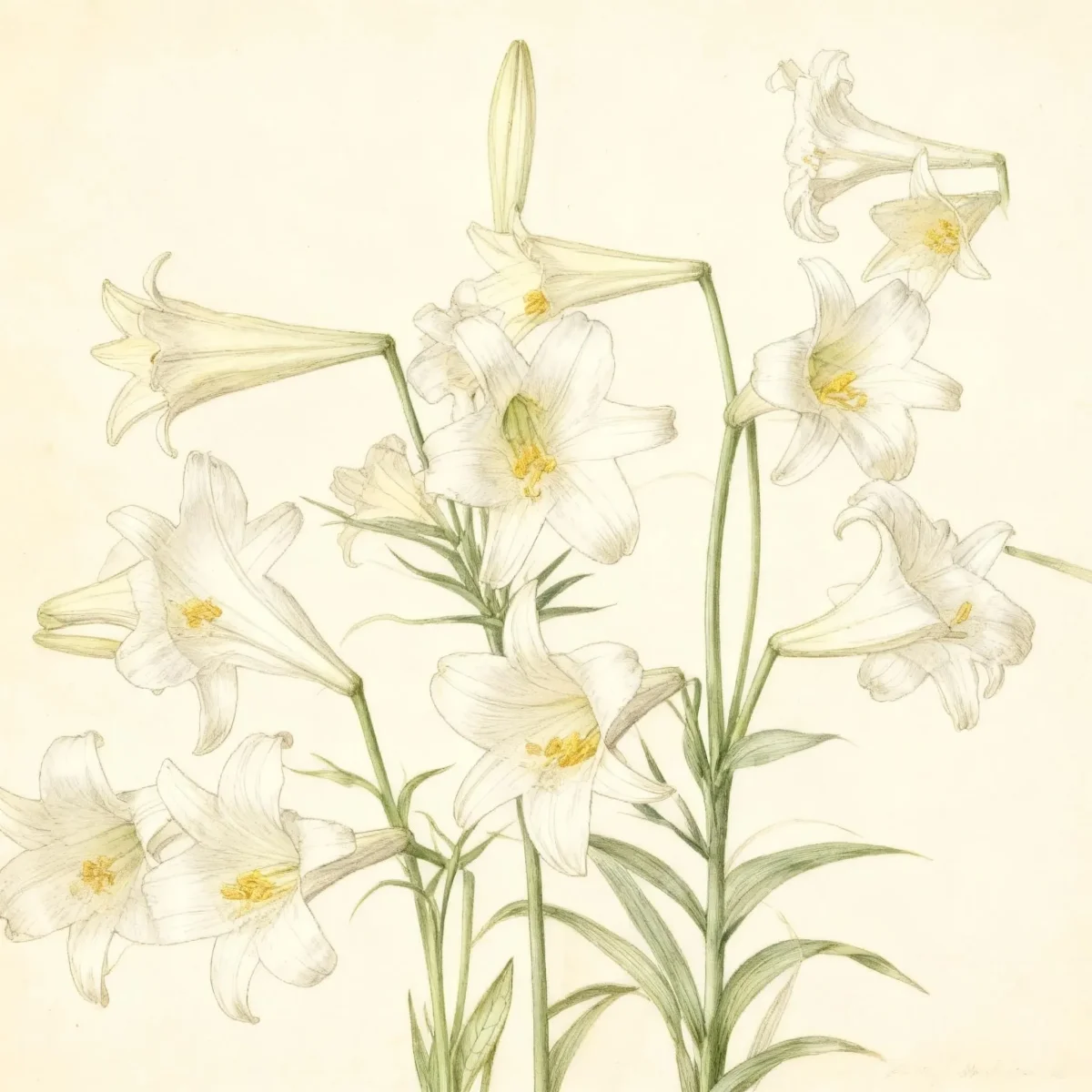
Trumpet lily (Lilium longiflorum)
Discover the magnificent Trumpet lily (Lilium longiflorum), prized for its large, fragrant, pure white trumpet blooms in mid-summer.
Scroll down to discover growing tips, care requirements, companion plants, and more
Complete Plant Information
Overview
The Trumpet lily, scientifically known as Lilium longiflorum, is a highly valued summer-blooming perennial celebrated for its dramatic and intensely fragrant white flowers. Its large, pure white, trumpet-shaped blooms create a striking visual statement in the garden during the heat of July and August. This species lily brings formal structure and a heady perfume to any perennial border or container grouping.
As a classic bulb, Lilium longiflorum is relatively easy to cultivate, fitting well into average, well-drained garden soils. It exhibits moderate stature, typically reaching heights between two and three feet, supported by rigid stems that hold the glorious blossoms aloft. Gardeners appreciate the low maintenance commitment required to enjoy the showy attributes of the Trumpet lily.
Native to parts of southern Japan, Taiwan, and the United States, this magnificent variety offers dependable seasonal color. Whether used as a focal point in mixed beds or cultivated specifically for its exceptional fresh cut flowers, Lilium longiflorum promises elegance and a classic fragrance profile for the summer landscape.
Fast Facts
- Plant Family: Liliaceae
- Plant Type: Bulb
- Native Range: Southern Japan, Taiwan, United States
- Hardiness Zones: USDA Zones 4-8
- Size at Maturity:
- Height: 2-3 ft
- Spread: 0.75-1 ft
- Bloom Time: July to August
- Bloom Description: White
- Sun Exposure: Full sun to part shade
- Water Needs: Medium
- Maintenance Level: Low
How to Grow
Planting Lilium longiflorum bulbs should occur in the fall or in very early spring, placed in sheltered landscape areas. Ensure the soil is well-drained and enriched, as the bulbs thrive in average to rich, organic soil mediums. Successful placement involves planting the bulbs 4 to 6 inches deep, spacing them about 12 inches apart, ideally in clusters of three for the best visual impact.
Ongoing care for the Trumpet lily requires consistency, particularly regarding moisture. These bulbs demand good moisture year-round; never allow the soil to fully dry out. A critical cultural tip involves managing the light exposure: aim for the upper parts of the plant to receive full sun, while the root zone remains shaded and cool—mulching the soil around the base helps achieve this ideal microclimate.
Maintenance is generally low for this bloom-ready plant. Water moderately, maintaining even soil moisture. After the brilliant summer flowers fade, resist the urge to prune immediately. Wait until the leaves and stems have completely yellowed before cutting back the growth, allowing the foliage to properly replenish the energy stored in the bulb for next year’s display of the Trumpet lily.
Landscape Uses
The showy, trumpet-shaped flowers of Lilium longiflorum provide undeniable impact, offering excellent color and contrast when placed throughout the summer perennial border. Their upright structure makes them superb additions near pathways or flanking taller shrubs, drawing the eye upward during the peak blooming period. These lilies perform best when integrated within mass plantings rather than isolated specimens.
Beyond traditional borders, the resilience and beauty of the white blossoms make them excellent candidates for container culture, although blooms may be slightly smaller when potted compared to those grown in the ground. For gardeners seeking materials for elegant floral arrangements, these become good fresh cut flowers, easily filling vases with their potent fragrance. Consider pairing the stately Lilium longiflorum with late-blooming, lower-growing perennials to hide the yellowing foliage after flowering concludes.
Standout Features
Flower Qualities
- Showy
- Fragrant
Noteworthy Characteristics
Lilium longiflorum is distinguished as a Division IX true species lily, originally hailing from the southern islands of Japan and Taiwan. It produces large, fragrant, outward-facing, trumpet-shaped, pure white flowers, often measuring 5 to 7 inches long, which appear between July and August. The rigid stems rise 24 to 36 inches tall, clad with narrow, lance-shaped, dark green leaves that are 5 to 8 inches long.
Tolerances
This section is unavailable for this species data set.
Potential Problems
This lily is generally robust against pests, usually remaining pest free under normal conditions. However, cultural stress or environmental factors can invite issues. A primary concern is bulb rot, which occurs frequently if the soil drainage is poor and the soil remains too wet, emphasizing the need for well-drained conditions.
Disease management focuses heavily on controlling aphids, as they vector the highly problematic lily mosaic virus, for which there is no cure once infection occurs. Additionally, Botrytis fungal blight can manifest in damp, humid conditions. If stems weaken due to excessive shade or high winds, staking the plants proactively will prevent breakage and protect the display of your Lilium longiflorum.
Frequently Asked Questions
What hardiness zones is Trumpet lily suitable for?
The Trumpet lily (Lilium longiflorum) is reliably hardy in USDA Zones 4 through 8.
How large does Trumpet lily grow?
This species typically achieves a height between 2 and 3 feet, with a spread of 0.75 to 1 foot.
When does Trumpet lily bloom?
The classic white, trumpet-shaped flowers of Lilium longiflorum bloom reliably from July into August.
What sun exposure does Trumpet lily need?
This plant performs best in locations receiving full sun to light part shade.
Conclusion
The Lilium longiflorum, or Trumpet lily, is an essential addition for gardeners seeking formal structure and intense summer fragrance. Its ease of growth and stunning white, showy flowers make it a low-maintenance star. Before planting this season, confirm that your garden falls within USDA Zones 4-8 and plan for that critical balance of sun exposure and consistent moisture support.
Companion Planting
Selecting appropriate neighbors helps ensure the optimal growing conditions for Lilium longiflorum, particularly ensuring their roots stay cool and shaded while the tops enjoy sunlight. Pair your Trumpet lilies with medium-height perennials whose foliage matures later in the season, such as Hostas or Astilbes, which create a dense canopy over the lily bulbs. Lower-growing groundcovers work exceptionally well to shade the soil base, mitigating heat stress on the bulb structure throughout the summer months.
Seasonal Care Calendar
Fall preparation is crucial for the success of your Lilium longiflorum bulbs; ensure planting occurs before the deep freeze sets in. Spring is the time to apply a protective layer of mulch to maintain cool soil temperatures as new shoots emerge, simultaneously ensuring regular, medium watering. During the summer bloom period, monitor moisture levels closely, providing consistent water intake. After the July-August bloom, practice patience: avoid cutting down the stems until they have naturally yellowed completely, signaling that the bulb has completed its energy replenishment cycle for the following year.