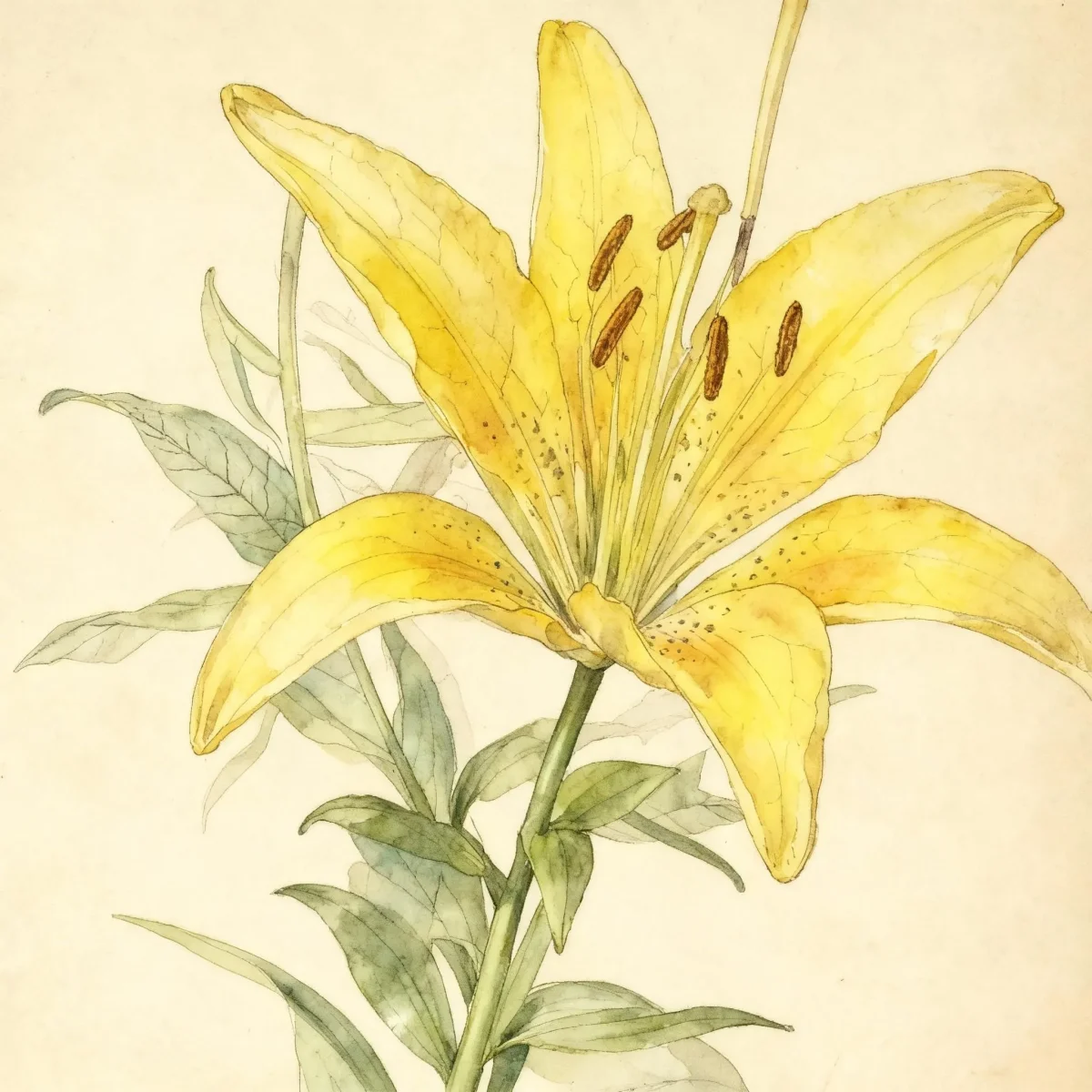
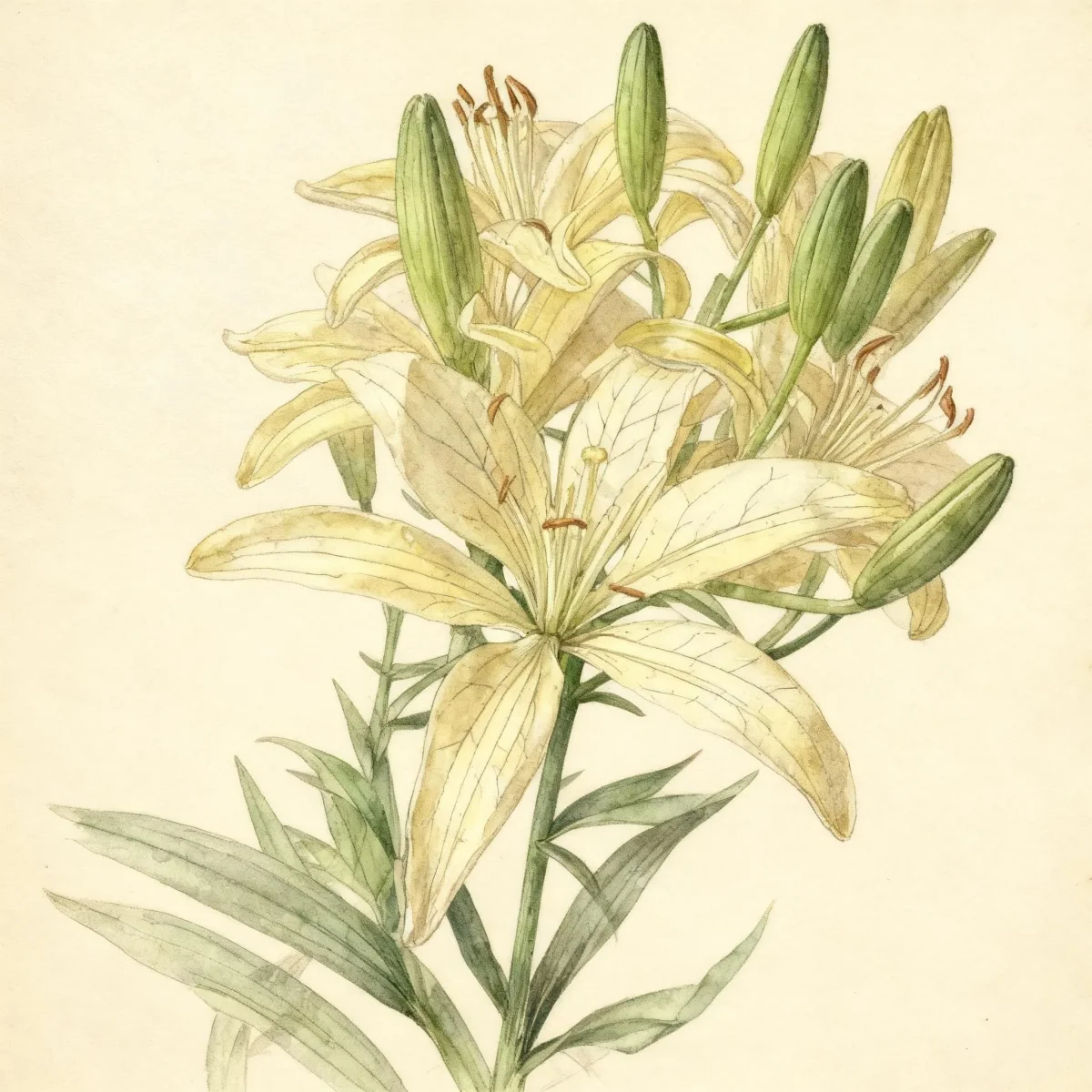
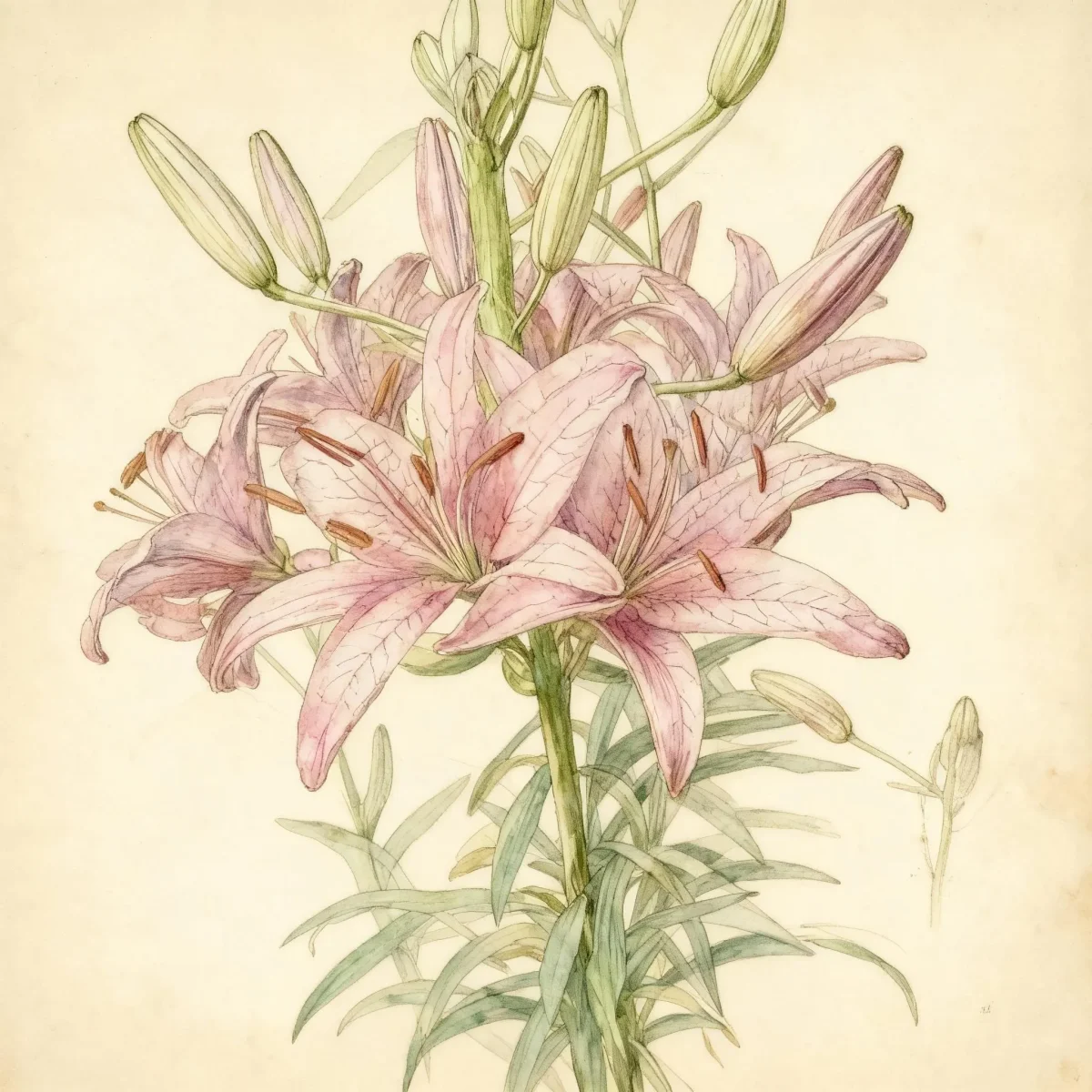
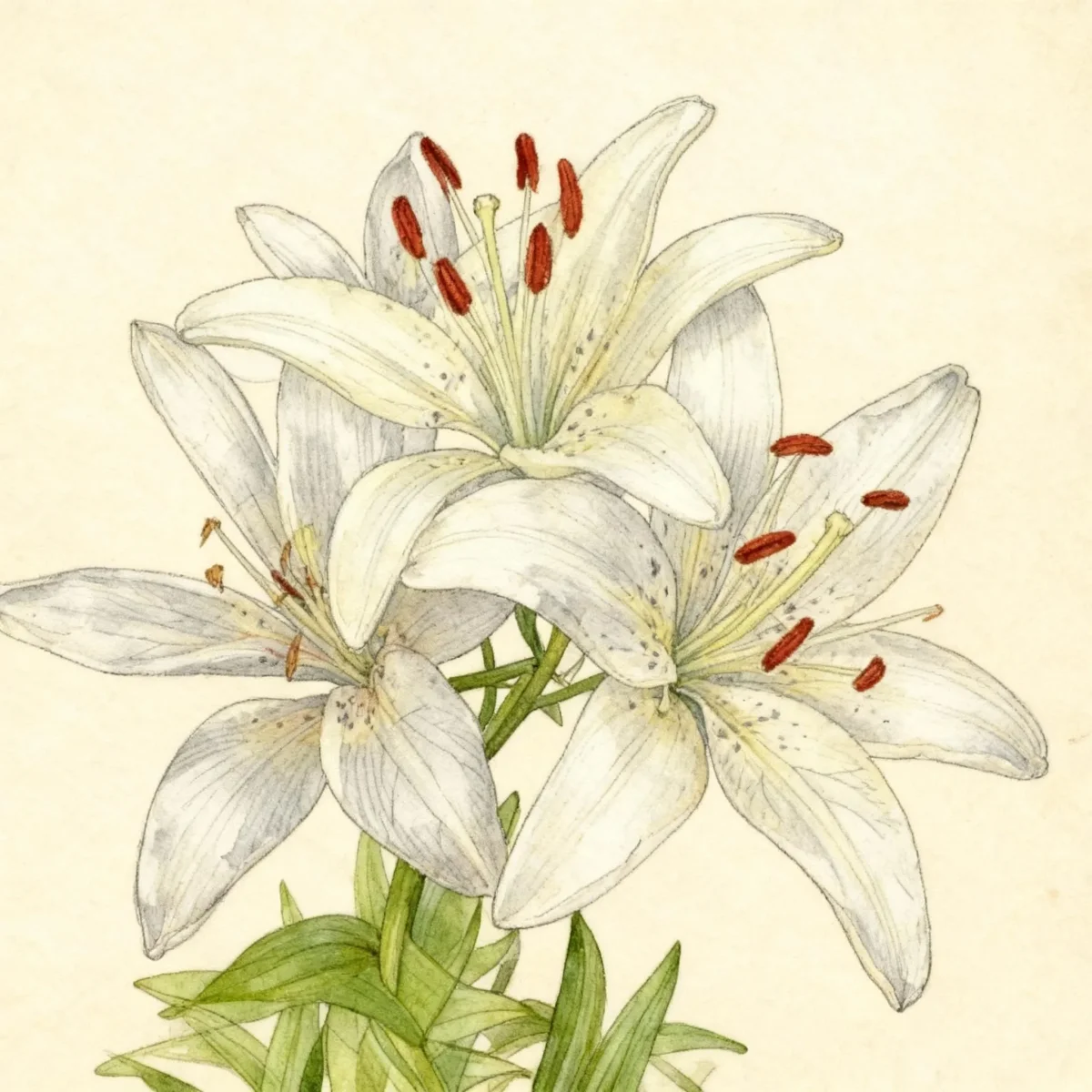
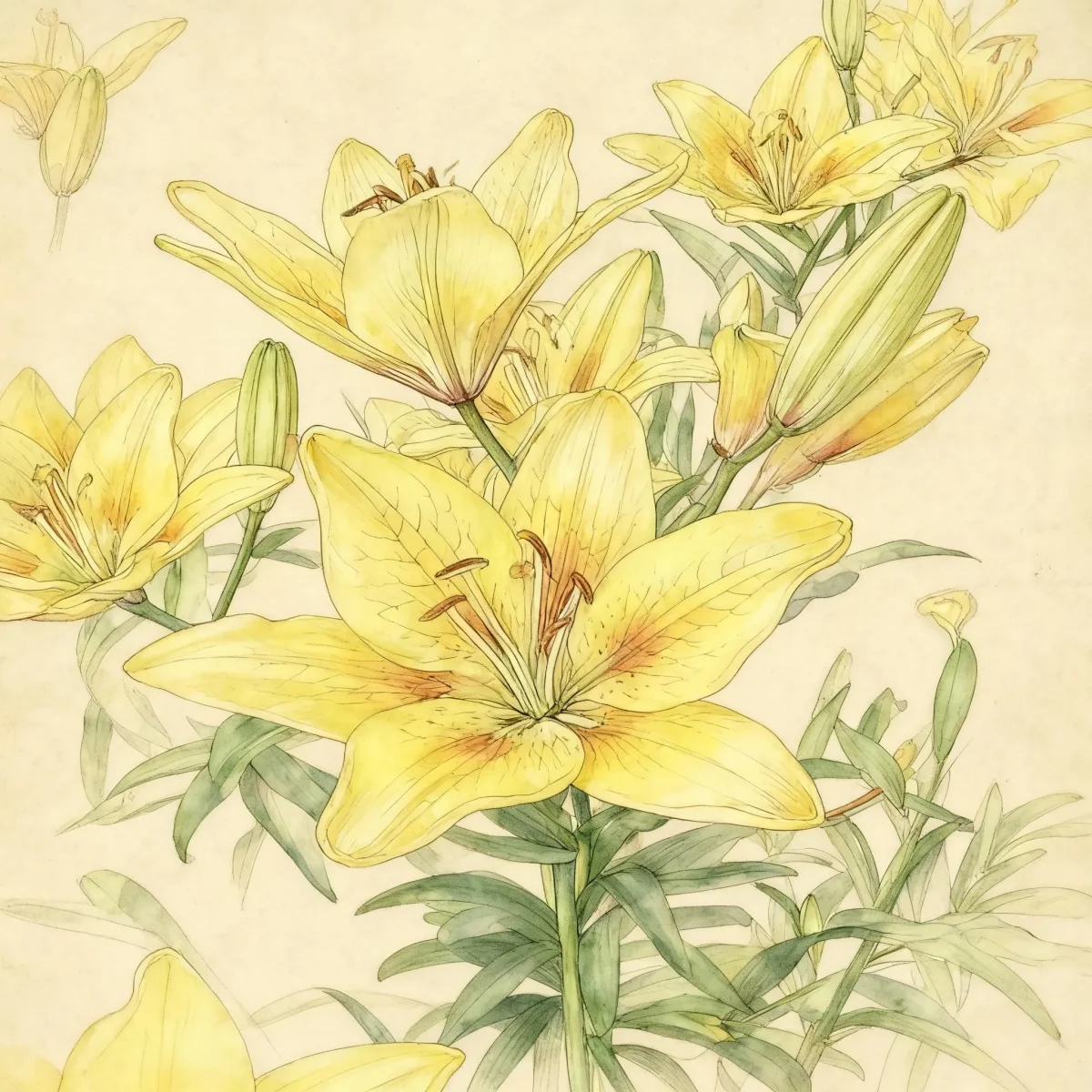
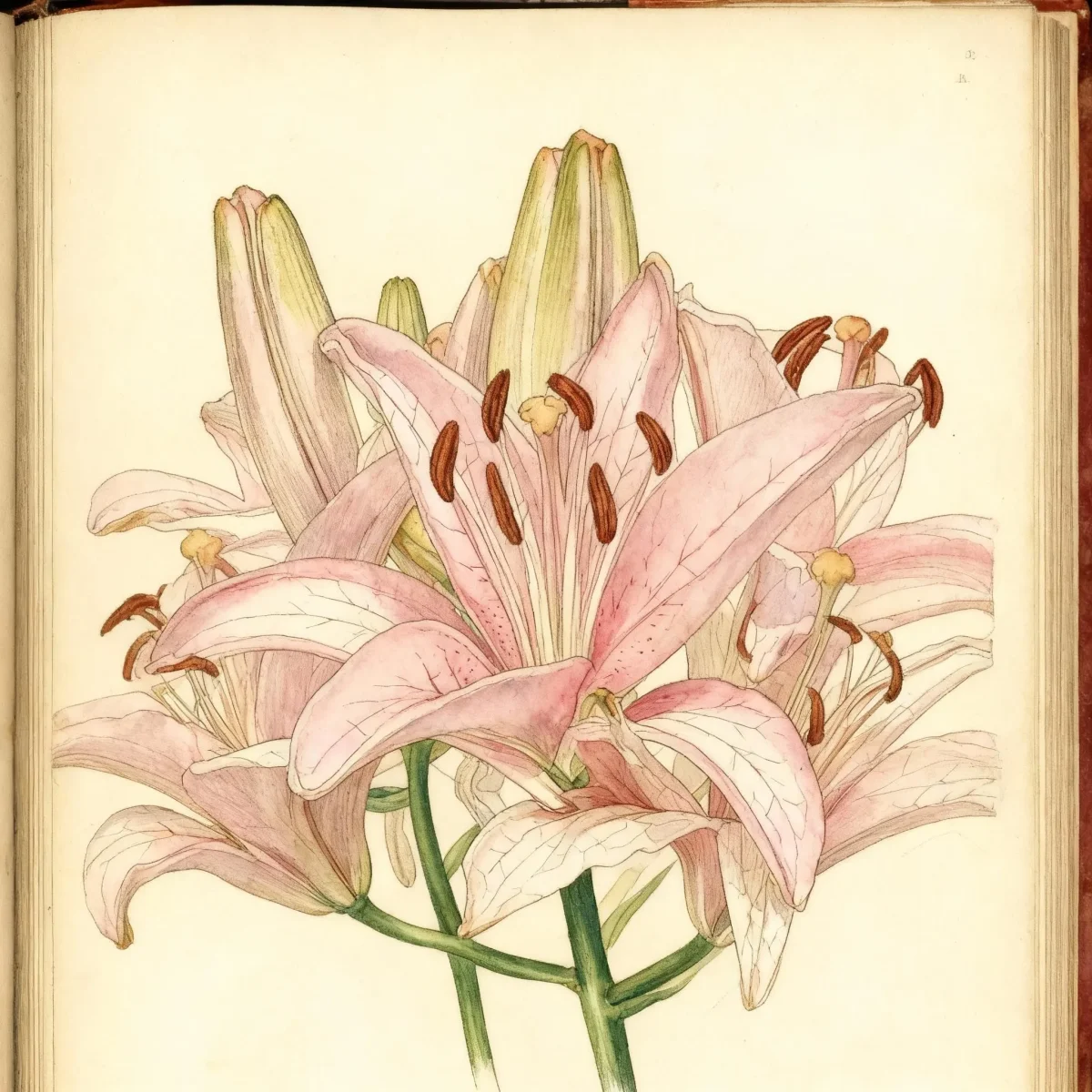
Coral lily (Lilium pumilum)
The delicate Coral lily (Lilium pumilum) offers fragrant, coral-scarlet blooms in early summer. A low-maintenance bulb perfect for naturalizing.
Scroll down to discover growing tips, care requirements, companion plants, and more
Complete Plant Information
Overview
The Coral lily, scientifically recognized as Lilium pumilum, is a charming, diminutive lily prized for its vivid flower color and appealing fragrance. Native to the mountainous grassy regions of Siberia and China, this bulb brings striking vertical interest to the late spring garden. Gardeners value the Coral lily for its easygoing nature and the spectacular display of recurved, nodding flowers that appear atop slender, upright stems.
Despite its beauty, this species is known for having somewhat short-lived bulbs, lasting typically only 2 to 4 years. This characteristic is mitigated by its excellent tendency to remain established through reliable self-seeding, ensuring a continuous presence in the landscape. Lilium pumilum is a low-maintenance choice for adding unexpected pops of coral-scarlet color.
This species adds texture with its narrow, linear, grass-like leaves whorled around the stem. Whether used in mass plantings or integrated near pathways, the compact nature of the Coral lily makes it a versatile addition to mixed borders and cottage designs.
Fast Facts
- Plant Family: Liliaceae
- Plant Type: Bulb
- Native Range: Northern China, North Korea, Mongolia, Siberia
- Hardiness Zones: USDA Zones 3-7
- Size at Maturity:
- Height: 1-2 ft
- Spread: 0.75-1.5 ft
- Bloom Time: June to July
- Bloom Description: Coral red
- Sun Exposure: Full sun to part shade
- Water Needs: Medium
- Maintenance Level: Low
How to Grow
Planting Lilium pumilum bulbs is best done in the fall. Select a location receiving full sun to light or filtered shade, ensuring the soil drains well. The Coral lily thrives in average, medium soils that are consistently moist and humusy; allowing the soil to dry out completely should be avoided.
When planting, space bulbs roughly 4-5 inches deep. Applying a layer of mulch around the base can be highly beneficial as it helps keep the critical root zone cool throughout the growing season. Water requirements are medium, focusing on consistent moisture rather than saturation.
Because the bulbs are inherently short-lived, success with Lilium pumilum relies on allowing natural self-seeding. Minimize fall cleanup in the immediate vicinity of established clumps to ensure offspring have time to establish themselves for the following years. This species requires very little intervention once established.
Landscape Uses
The Coral lily is perfectly suited for naturalizing—allowing it to spread and inhabit an area somewhat freely—making it a natural fit for meadows or informal garden pockets. Its height (1-2 ft) means it won’t overwhelm smaller neighbors.
Use Lilium pumilum to soften the edges of borders or integrate into cottage garden settings where its bright, nodding flower form provides contrast among foliage. They look excellent when grouped or massed, as this maximizes the impact of their vibrant blooms in early summer. Avoid planting them where they will compete with aggressive perennials.
Standout Features
Flower Qualities
- Showy
- Fragrant
Noteworthy Characteristics
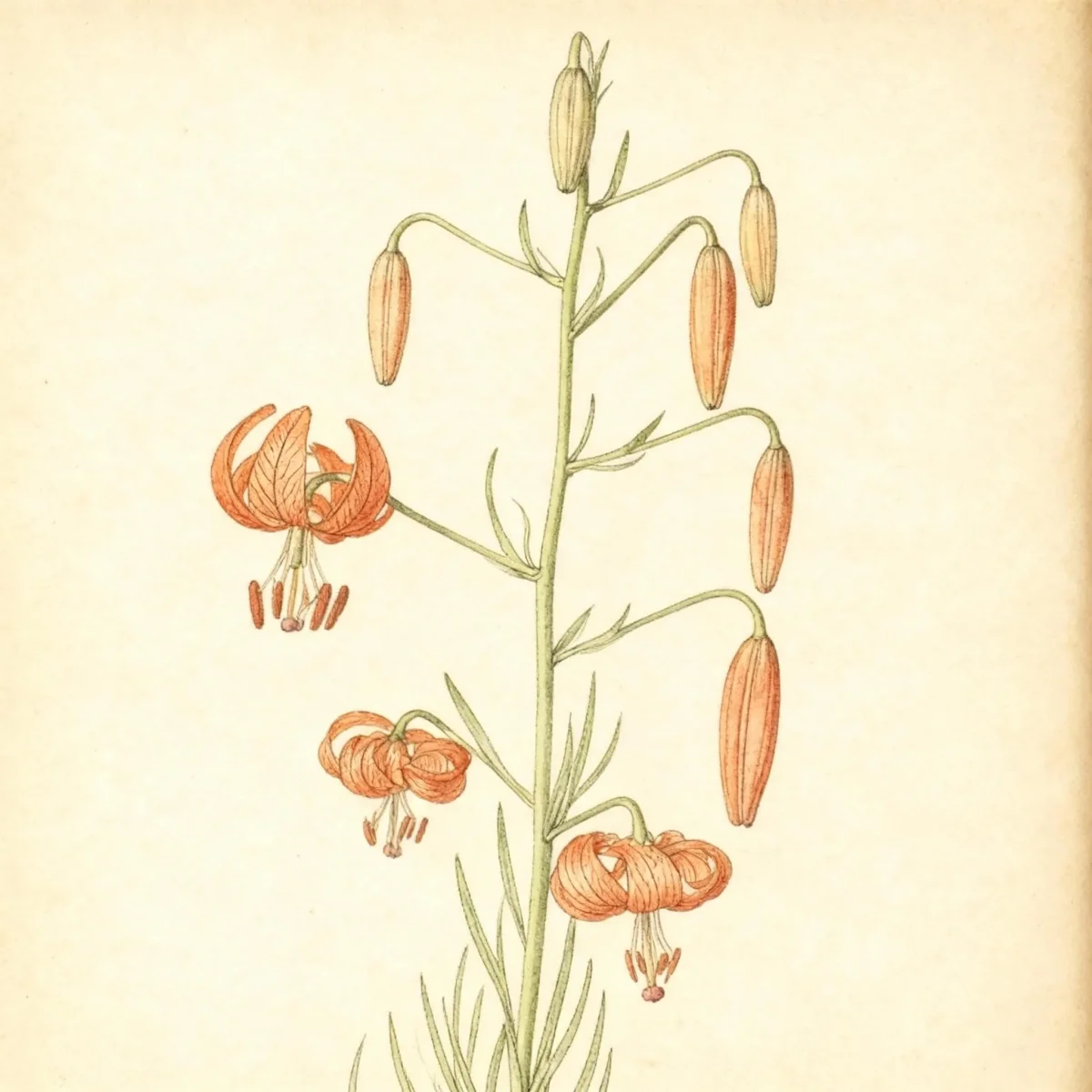
Lilium pumilum, commonly known as coral lily, is native to grassy mountainous areas of Siberia and China. Nodding, turk’s cap-type, waxy, coral-scarlet lily flowers (to 2” wide) with sharply recurved tepals appear in 7-20 (typically 10)-flowered racemes atop stems rising 1-1.5’ tall. Blooms in early to mid summer. Flowers are fragrant.
Tolerances
Potential Problems
Fortunately, this species generally experiences no serious insect or disease problems, contributing to its low maintenance rating. Ensure proper drainage remains the primary focus to prevent bulb rot, which is the most common issue for lilies grown in overly saturated conditions. Good air circulation can help minimize fungal spotting if the plant is situated in heavier shade.
Frequently Asked Questions
What hardiness zones is Coral lily suitable for?
The Coral lily (Lilium pumilum) is reliably hardy across USDA Zones 3 through 7.
How large does Lilium pumilum grow?
This dwarf variety typically reaches a height of 1 to 2 feet tall, with a spread ranging from 0.75 to 1.5 feet wide.
When does Coral lily bloom?
Lilium pumilum produces its signature blooms between June and July, showcasing striking coral-red flowers.
What sun exposure does Coral lily need?
This species performs best when provided with full sun conditions, though it can tolerate partial or filtered shade.
Conclusion
The inclusion of Lilium pumilum, or Coral lily, offers low-effort, high-impact color to the perennial garden, famed for its fragrant, nodding scarlet blooms. Its ease of care and naturalizing behavior, coupled with its ability to self-seed, makes it a reliable summer feature. Before planting, confirm that your hardiness zone falls between 3 and 7 and prepare well-drained, humus-rich soil to ensure years of enjoyment.
Companion Planting Suggestions
When planning arrangements for Lilium pumilum, consider plants that enjoy similar seasonal moisture profiles but offer contrasting textures and bloom times. Companions that appreciate the morning sun and afternoon shade provide the best environment, especially in hotter climates. Look towards plants with fine foliage to complement the narrow leaves of the lily.
Excellent companions include Siberian Iris (Iris sibirica) or various types of hardy Geraniums, which fill in the space around the thinning lily foliage after the bloom fades. For height contrast directly behind your massed Lilium pumilum, consider taller Alliums that bloom slightly later or early-season ornamental grasses whose emerging blades provide excellent cover.
Seasonal Care Calendar
Spring: As new growth emerges, ensure consistent watering, especially if the lilies are situated in a sunny location. A light application of balanced, slow-release fertilizer around the base, avoiding direct contact with the stem, can promote stronger flowering.
Summer (Bloom Time): Enjoy the coral-red flowers! Keep soils moist during this peak growth and flowering period. Deadheading is generally not necessary, as the seed heads can be left initially to encourage natural seeding.
Fall: This is the ideal time to plant new bulbs 4-5 inches deep. After the foliage has completely yellowed and died back naturally, you can lightly tidy the area, although leaving stems slightly intact over winter can offer some protection to the crown.