Siberian squill (Scilla siberica)
Discover Scilla siberica, the famed Siberian squill, offering brilliant blue early spring color. Hardy, low-maintenance, and naturalizing ground cover.
Scroll down to discover growing tips, care requirements, companion plants, and more
Complete Plant Information
Overview
The Siberian squill, scientifically known as Scilla siberica, is a quintessential harbinger of spring, often appearing shortly after snowdrops. Its value lies in its intense, vibrant blue flowers, which provide a critical splash of color when few other plants are emerging. This small bulb is highly prized for its resilience and ability to spread.
Scilla siberica is characterized as a tough, extremely cold-hardy perennial that requires very little coddling once established. It thrives with minimal intervention, making it perfect for gardeners seeking naturalized carpets of blue across their properties. This plant reliably returns year after year, often increasing its colony size naturally.
For practical landscape design, the Siberian squill functions beautifully as an informal ground cover or edging plant. Its compact size ensures it won’t overwhelm other spring bulbs, yet its massed color creates a dramatic visual impact during its brief but brilliant blooming period in April.
Fast Facts
- Plant Family: Asparagaceae
- Plant Type: Bulb
- Native Range: Southern Russia
- Hardiness Zones: USDA Zones 2-8
- Size at Maturity:
- Height: 0.25-0.5 ft
- Spread: 0.25-0.5 ft
- Bloom Time: April
- Bloom Description: Blue
- Sun Exposure: Full sun to part shade
- Water Needs: Medium
- Maintenance Level: Low
How to Grow
The best approach for planting Scilla siberica is in the autumn before the ground freezes solid. Plant bulbs 2 to 3 inches deep in average, medium, well-drained soil. While they tolerate a range of conditions, they perform best in locations receiving full sun to light part shade. Avoid overly rich or exceptionally heavy clay soils, as these can increase the risk of rot.
Once established, the Siberian squill requires medium water, primarily during the active growth period in spring. Fertilizing is generally unnecessary due to their low maintenance requirements. The most important cultural instruction is to allow the foliage to fully die back naturally after blooming. This process enables the bulb to store energy for the following year and supports rapid naturalization.
These plants will naturalize rapidly by both bulb offshoots and self-seeding, creating sweeping drifts over time. If naturalizing in a lawn, resist the urge to mow until the foliage has turned yellow or brown. Scilla siberica is exceptionally hardy, making winter preparation minimal across its suitable hardiness range.
Landscape Uses
The primary recommended use for the Siberian squill is to naturalize areas throughout the garden. They excel when planted in large, sweeping groupings under deciduous trees or shrubs, where they receive full sun before the canopy leafs out, followed by cooling dappled shade during summer dormancy. This ephemeral beauty provides intense blue color to the rock garden or border front very early in the season.
For a dramatic effect, mass the bulbs heavily in woodland settings, along shady banks, or in wild garden areas. They contrast beautifully with white snowdrops or yellow daffodils. Furthermore, the Siberian squill is perfectly suited for naturalizing within turf lawns, behaving much like crocus, as their foliage matures quickly enough not to interfere heavily with lawn care schedules if managed correctly.
Their small stature makes them effective when planted near the front of perennial borders, framing larger spring bloomers like tulips or hyacinths. Since they are deer-resistant, they provide worry-free early color where browsing animals are an issue.
Standout Features
Flower Qualities
- Showy
- Good Cut
Noteworthy Characteristics
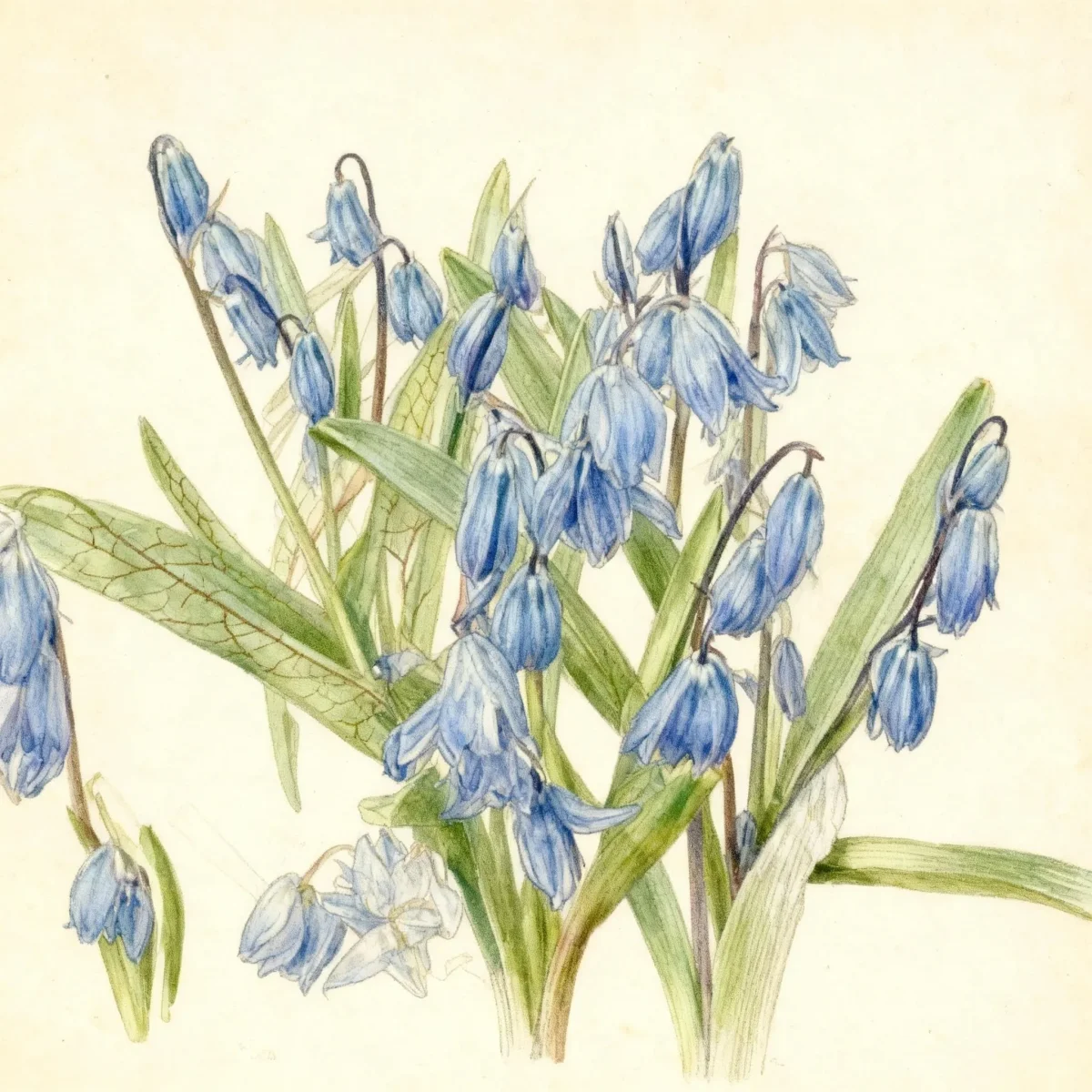
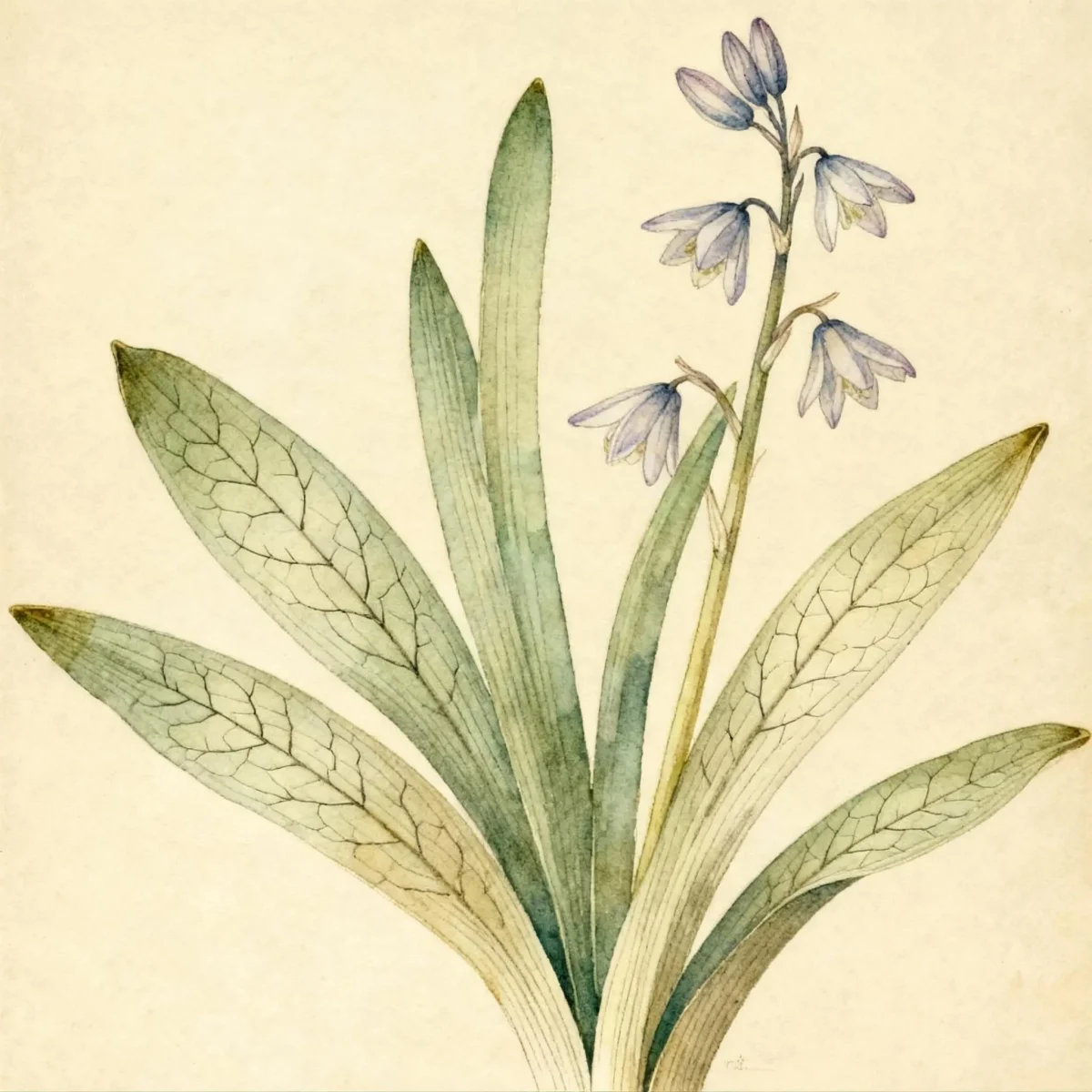
Scilla siberica produces 3-4 thin scapes, reaching 3-6 inches high, with 1-3 drooping, bell-like, deep blue flowers featuring blue anthers per scape. The flowers emerge in early spring, usually just after Galanthus (snowdrops). Foliage consists of 3-4 medium green, strap-like leaves per bulb, growing about 6 inches long.
Tolerances
- Deer
- Black Walnut
Potential Problems
Crown rot is an occasional but potentially serious problem for Scilla siberica bulbs. This fungal issue thrives in overly wet or poorly draining soil conditions, especially if bulbs are planted too deeply or kept waterlogged through the summer dormancy period. To mitigate this risk, ensure your planting location has excellent drainage before planting your Siberian squill bulbs in the fall.
Frequently Asked Questions
What hardiness zones is Siberian squill suitable for?
Scilla siberica is exceptionally cold-hardy and is suitable for USDA Zones 2 through 8.
How large does Siberian squill grow?
This bulb reaches a modest height of 0.25 to 0.5 feet tall and spreads to a similar width of 0.25 to 0.5 feet at maturity.
When does Siberian squill bloom?
The Siberian squill typically blooms in April, displaying vibrant blue flowers.
What sun exposure does Siberian squill need?
Scilla siberica performs best when planted in locations receiving full sun to part shade.
Conclusion
The Siberian squill (Scilla siberica) deserves a place in every spring garden for its reliable, brilliant blue display and exceptionally low maintenance needs. Its ability to naturalize rapidly into dense carpets makes it an ideal choice for foundational springtime color. Before autumn arrives, plan where you will plant your bulbs to welcome the earliest burst of color from Scilla siberica.
Companion Planting
Given that Scilla siberica thrives in rich, well-drained soil and appreciates the shade provided by overhead trees before leaf-out, companion planting can enhance the layered spring display. Consider pairing them with other early bulbs like Galanthus (snowdrops) or Crocus species, which share similar dormant periods. As the foliage of the Siberian squill yellows, later-emerging perennials such as Hostas or certain shade-tolerant Geraniums can take over the ground space, concealing the dying foliage.
Seasonal Care Calendar
For gardeners managing Scilla siberica, cultural practices are heavily front-loaded into the fall and spring. In early autumn, plant your bulbs 2-3 inches deep, ensuring the soil drains well. During the active bloom period in April, provide medium moisture. After flowering concludes, the most critical task is patience; do not cut back the foliage until it has yellowed completely, usually by late May or early June, allowing the bulb to replenish its energy stores for the following year.