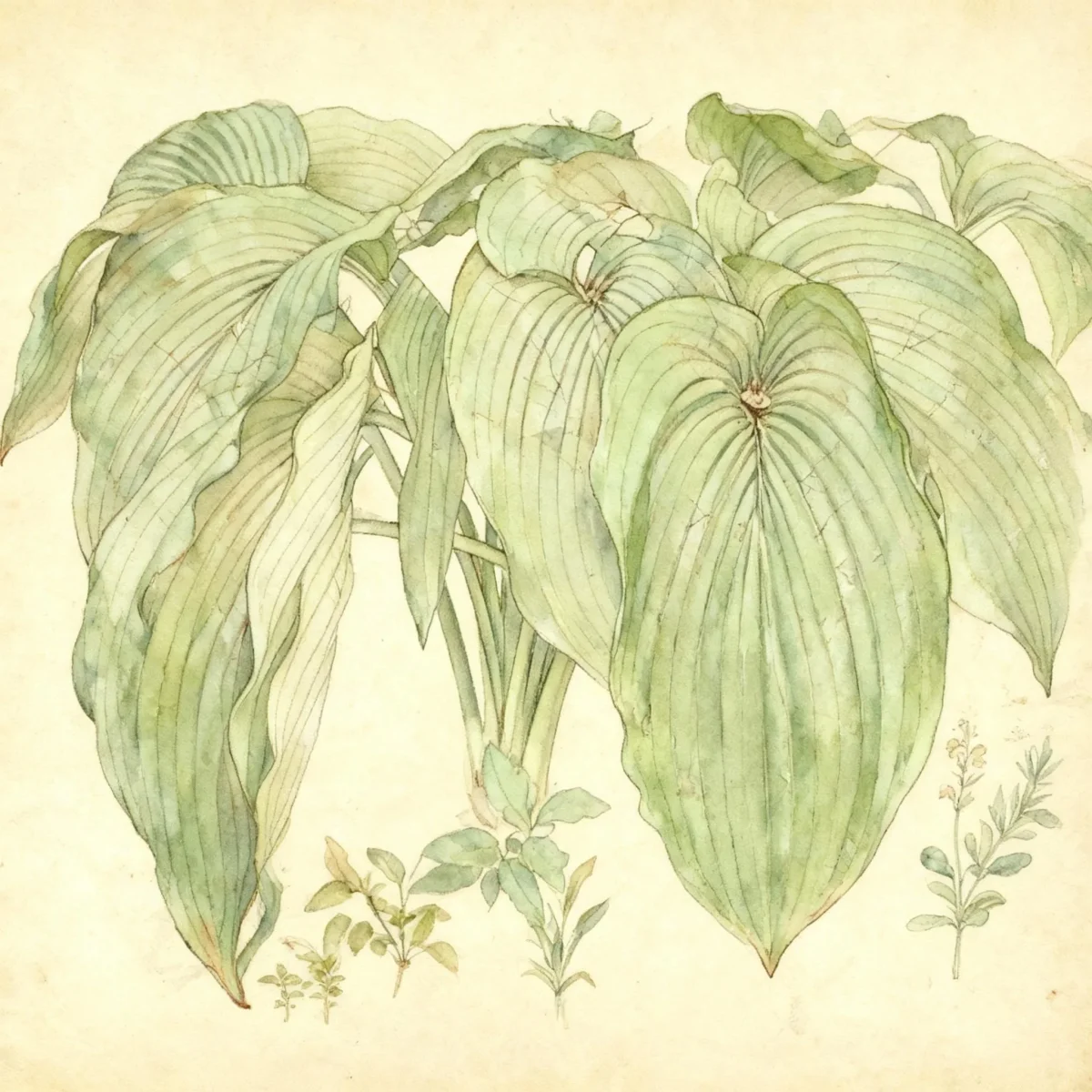
Narrow-leaved hosta (Hosta lancifolia)
The Narrow-leaved hosta (Hosta lancifolia) offers elegant, upright foliage and violet blooms, ideal for low-maintenance shade gardens in Zones 3-8.
Scroll down to discover growing tips, care requirements, companion plants, and more
Complete Plant Information
Overview
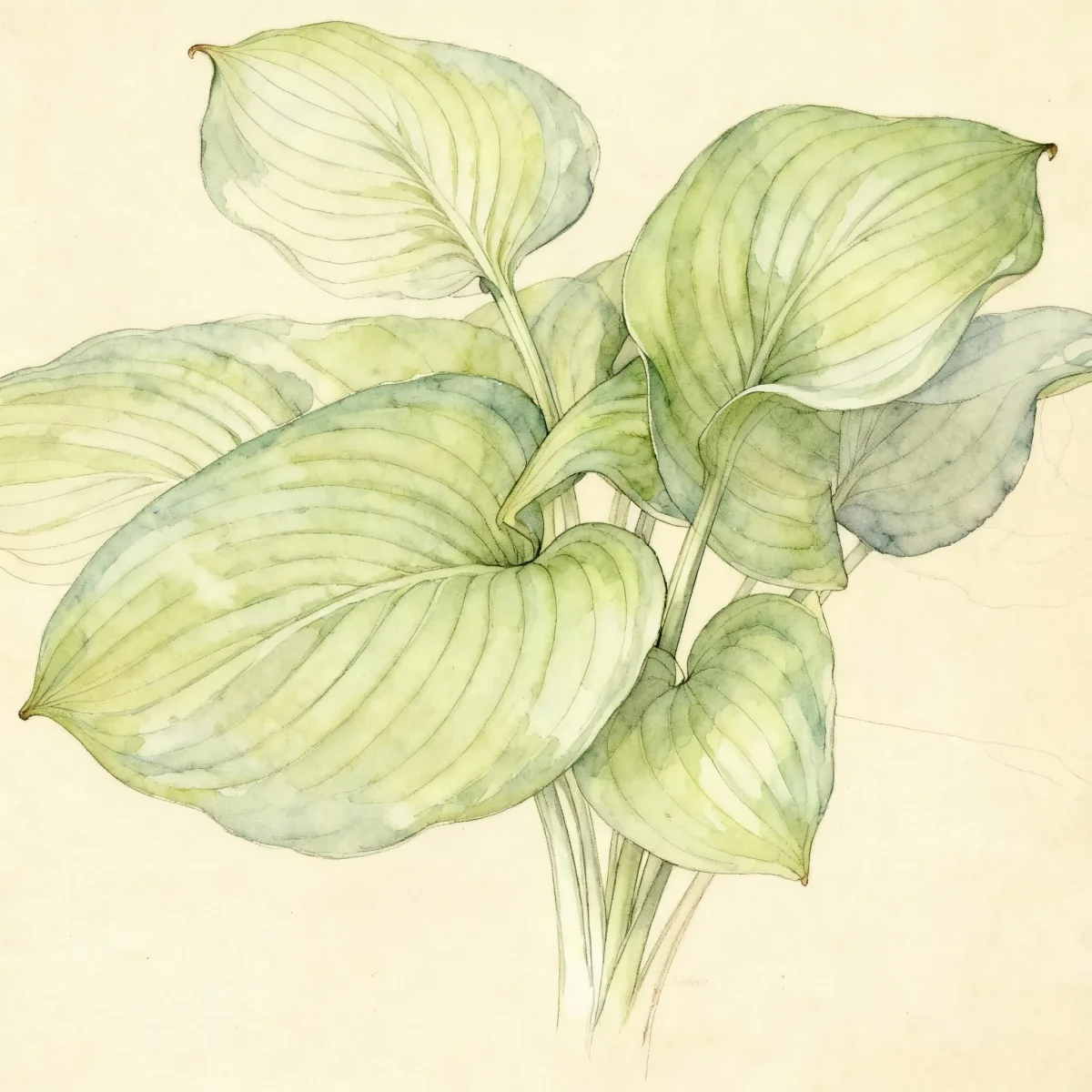
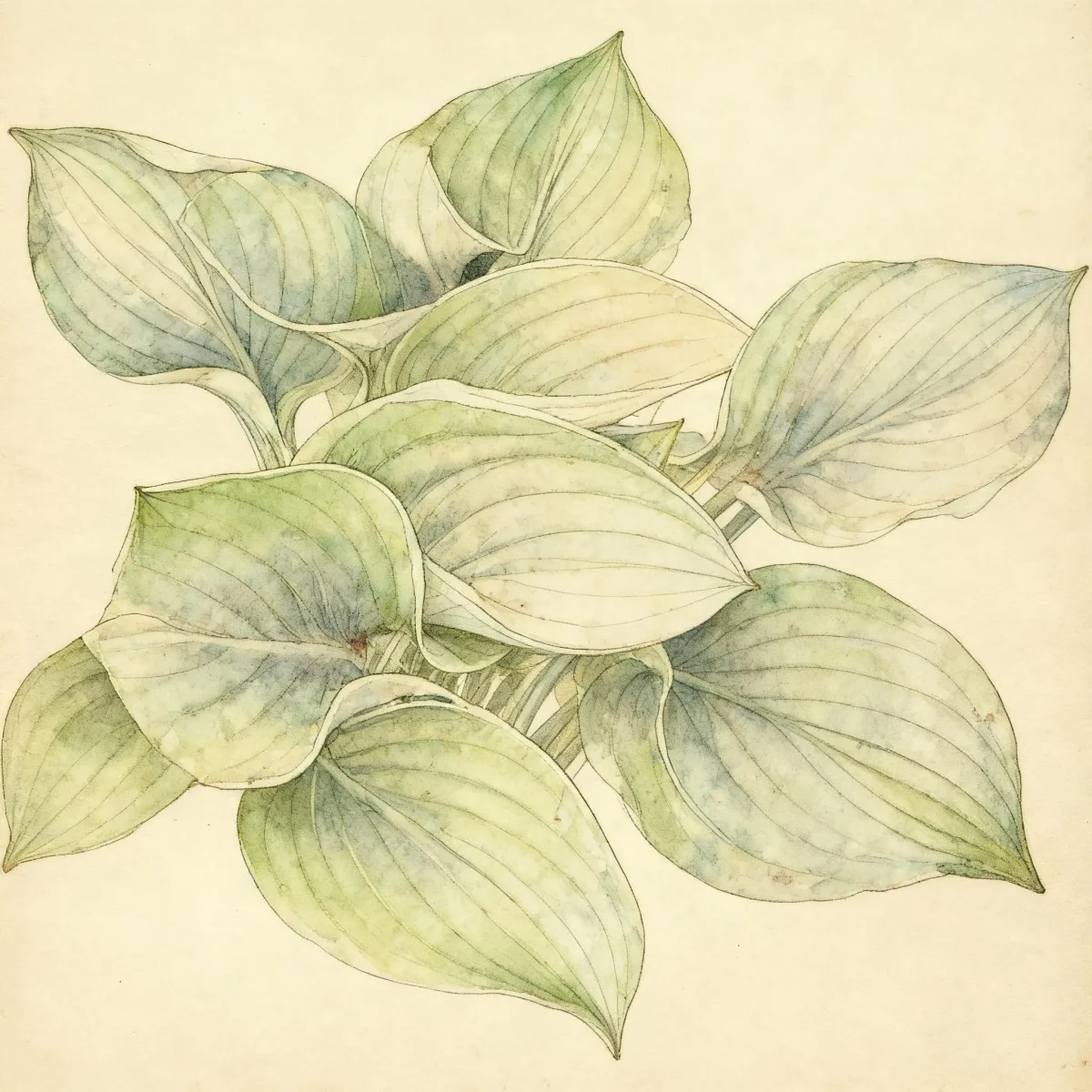
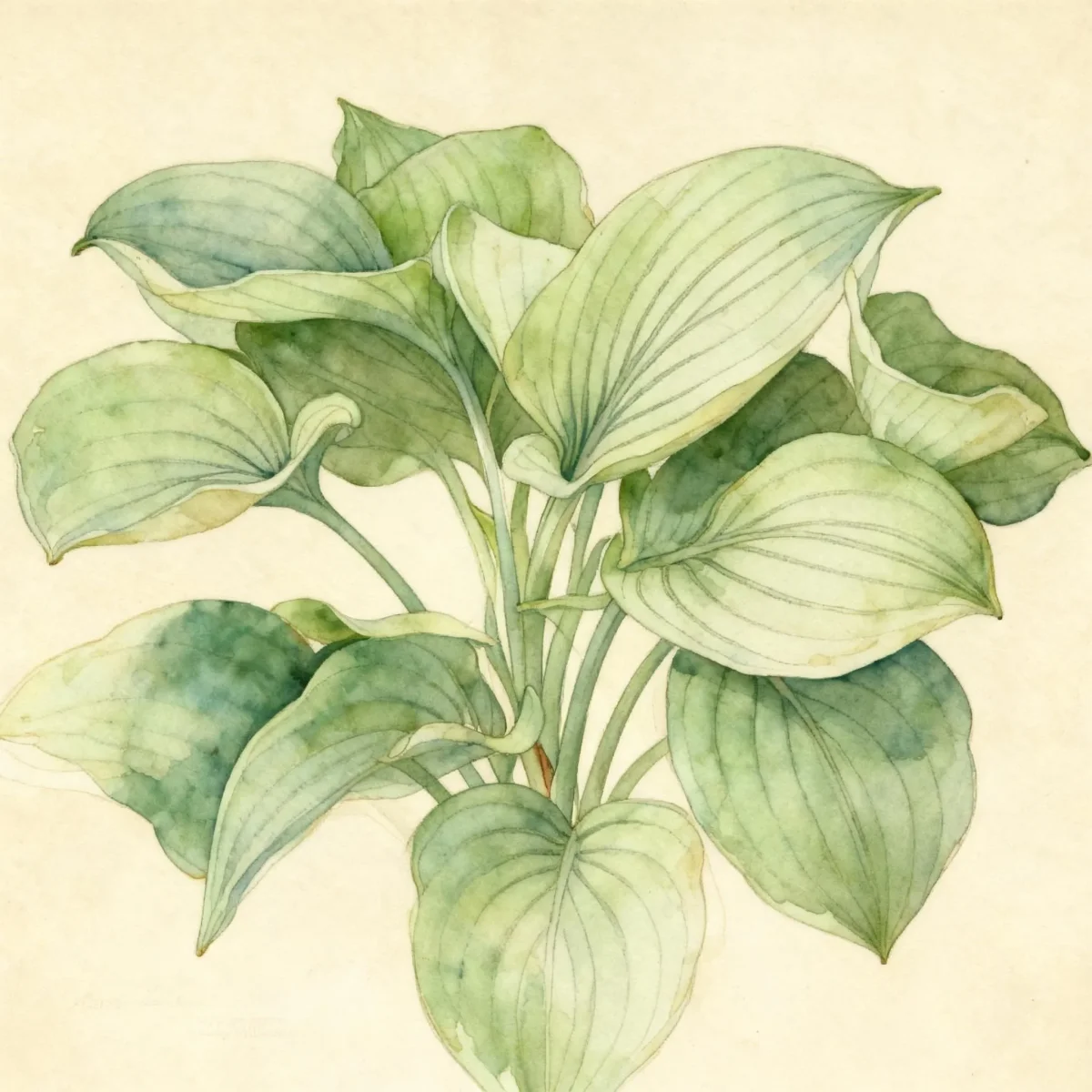
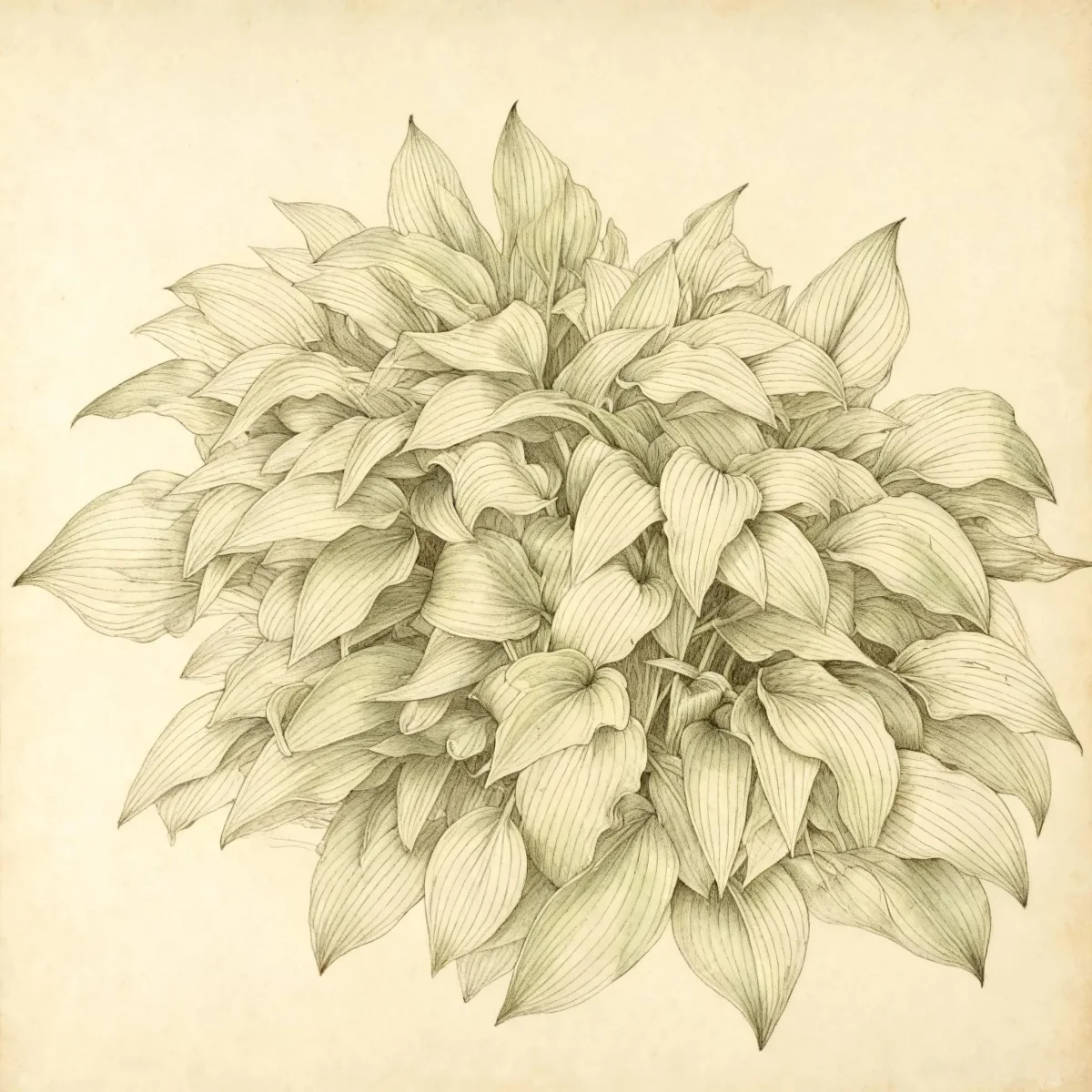
The Narrow-leaved hosta, or Hosta lancifolia, is a staple in landscapes requiring reliable texture and structure beneath the canopy. This plant is prized for its erect, vase-shaped growth habit featuring mounds of slender, lance-shaped leaves that maintain good color contrast against brighter foliage plants. Unlike many broader-leaved cultivars, Hosta lancifolia delivers a somewhat finer texture while still providing dense ground coverage.
This dependable perennial thrives in shade environments, making it invaluable for brightening darker corners of the garden. While it generally requires medium moisture, established Narrow-leaved hosta plants exhibit surprising resilience, tolerating dry shade once settled, though consistent moisture ensures peak performance and size. Its versatility and low maintenance profile secure its place as one of the most beloved shade perennials.
Blooming from July into September, the plant features delicate racemes of funnel-shaped violet flowers atop arching scapes, adding vertical interest to its foliage display. The robust nature of Hosta lancifolia ensures a stunning seasonal impact with minimal intervention from the gardener.
Fast Facts
- Plant Family: Asparagaceae
- Plant Type: Herbaceous perennial
- Native Range: Garden origin
- Hardiness Zones: USDA Zones 3-8
- Size at Maturity:
- Height: 0.75-1 ft
- Spread: 1-1.5 ft
- Bloom Time: July to September
- Bloom Description: Violet
- Sun Exposure: Part shade to full shade
- Water Needs: Medium
- Maintenance Level: Low
How to Grow
Planting the Narrow-leaved hosta is best done in spring or autumn in locations protected from harsh winds. Select sites offering even moisture and organically rich, well-drained soil. While the plant prefers part shade—receiving morning sun or dappled light—it adapts well to rich, heavy shade environments.
Watering should remain consistent to achieve the best size and foliage quality, aiming for medium moisture levels. Apply water directly to the root zone beneath the foliage rather than overhead to keep the leaves dry and minimize fungal spotting. Routine fertilization is generally unnecessary due to the low maintenance level of Hosta lancifolia.
Dividing established clumps can refresh the plant and increase your supply. This is most easily accomplished in early spring before new leaves emerge, or in the autumn after the heat subsides. The dense foliage naturally helps suppress most common garden weeds, minimizing the cleanup required during the growing season.
Landscape Uses
The Narrow-leaved hosta excels as a foundational component in woodland settings or shade borders where structural uniformity is desired. Its upright, slightly narrower profile allows it to be placed toward the front or middle of a mixed perennial grouping without overwhelmingly shadowing smaller companions. It functions brilliantly as an edging plant along walkways or under large deciduous trees.
When massed, Hosta lancifolia quickly forms a dense, weed-suppressing ground cover, transforming bare soil into a lush green carpet throughout the summer months. Consider pairing it with plants that offer seasonal interest, such as spring-blooming bulbs that fade before the hosta reaches its full stature, or fine-textured ferns that complement the Hosta lancifolia foliage.
Standout Features
Flower Qualities
- Showy
- Good Cut
Noteworthy Characteristics
Hosta lancifolia is an erect, vase-shaped, medium hosta to 12” tall featuring a mound of lance-shaped, wavy-margined leaves that are medium green above and a glossy, lighter green beneath and racemes of funnel-shaped, violet flowers on arching scapes to 20”. A dependable and versatile perennial requiring little care. Grown primarily for its beautiful foliage which provides color, contrast and texture to the landscape. Dense foliage crowds out most garden weeds.
Tolerances
- Drought
- Heavy Shade
- Clay Soil
- Dry Soil
- Black Walnut
Potential Problems
Slugs and snails represent the most significant challenge for any hosta, including Hosta lancifolia. These pests chew characteristic holes in the leaves, especially when environmental conditions are damp. Management often involves proactive baiting or utilizing barriers early in the season before the damage becomes widespread.
Lesser issues include leaf spot diseases and crown rot, usually resulting from excessive moisture retention or poor air circulation. To mitigate these fungal risks, ensure soil drains well and avoid overhead watering. If crown rot occurs, prompt division and isolation of healthy sections may be necessary. Overall, the Narrow-leaved hosta is remarkably pest and disease resistant outside of these common shade garden troubles.
Frequently Asked Questions
What hardiness zones is Narrow-leaved hosta suitable for?
The Narrow-leaved hosta is highly adaptable, thriving in USDA Hardiness Zones 3 through 8.
How large does Hosta lancifolia grow?
This plant typically reaches a modest height between 0.75 and 1 foot tall and spreads modestly to between 1 and 1.5 feet wide.
What sun exposure does Hosta lancifolia need?
Hosta lancifolia performs best in part shade conditions, though it safely handles full shade, reflecting its origins as a shade garden mainstay.
When does Narrow-leaved hosta bloom?
The violet flowers of the Narrow-leaved hosta emerge and are present from July straight through September.
Conclusion
The Hosta lancifolia is a highly effective, low-effort perennial celebrated for delivering reliable texture, dependable shade tolerance, and attractive violet blooms. As a low-maintenance, versatile choice, the Narrow-leaved hosta perfectly answers the need for durable beauty in woodland and shade environments. Evaluate your landscape’s moisture and light conditions and plan to incorporate this superior variety this season.
Companion Planting
When selecting companions for Hosta lancifolia, prioritize plants that offer contrasting textures or complementary bloom times. Shade-loving ferns, such as Japanese Painted Ferns (Athyrium niponicum) or Autumn Ferns (Dryopteris erythrosora), create beautiful textural foils against the hosta’s lance-shaped leaves. Mid-summer bloomers like Astilbe or Japanese Forest Grass (Hakonechloa macra) thrive under similar moist, shaded requirements, ensuring consistent visual interest throughout the growing season.
Propagation Tips
The established herbaceous nature of Hosta lancifolia makes division the simplest and most effective propagation method. These plants form tight crowns that can be separated easily, especially when done in early spring before foliage expansion obscures the structure. Use a sharp spade or knife to cut the clump into sections, ensuring each new division retains a healthy section of root structure and several growth buds. Plant these divisions immediately at the same depth they were previously growing.