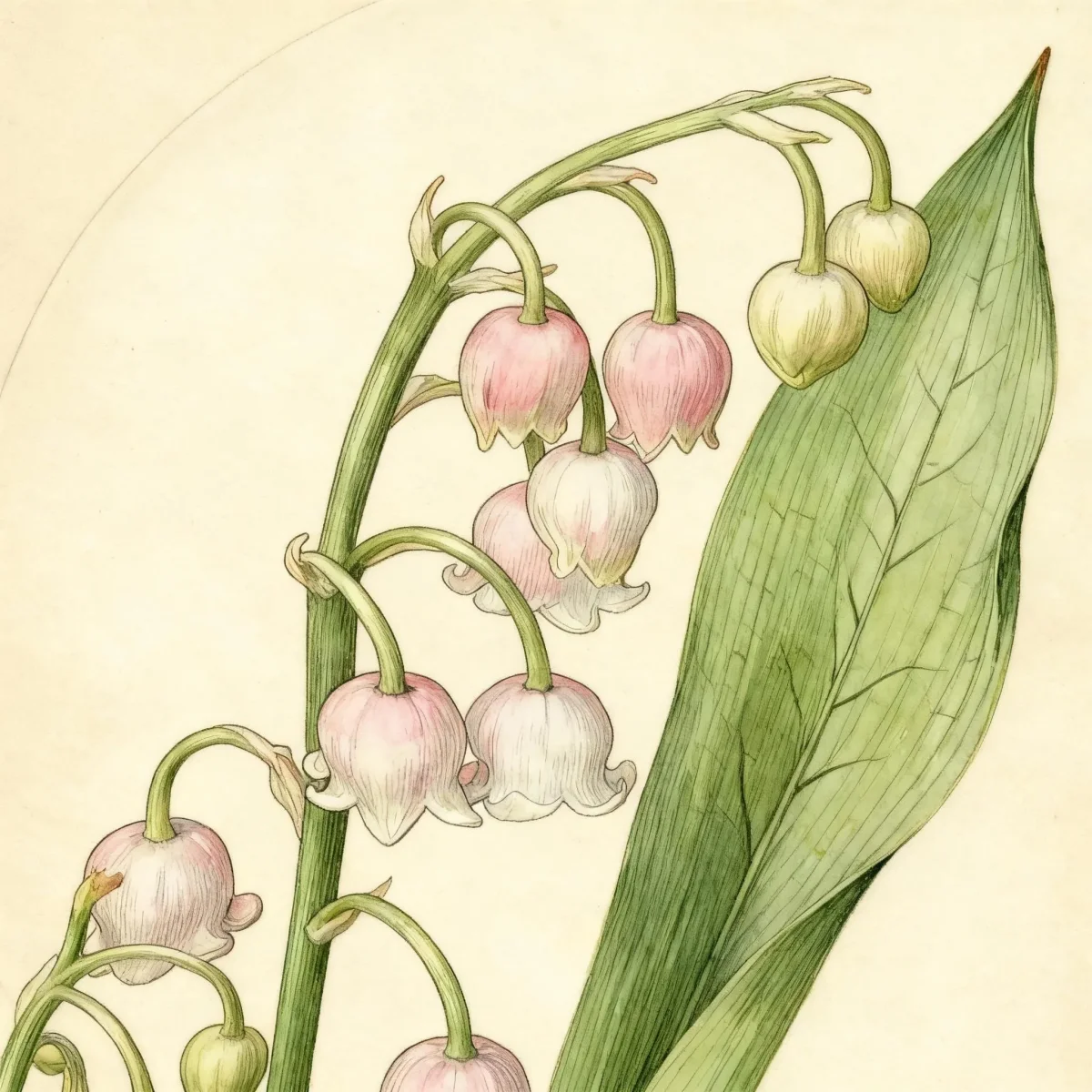
False lily of the valley (Maianthemum bifolium)
False lily of the valley (Maianthemum bifolium) is an attractive woodland perennial boasting white spring flowers and red berries in late summer.
Scroll down to discover growing tips, care requirements, companion plants, and more
Complete Plant Information
Overview
Maianthemum bifolium, commonly known as false lily of the valley, is a delicate yet resilient herbaceous perennial ideal for woodland garden settings. Its charm lies in its simple, clean foliage and the contrast provided later in the season by its small, bright red berries. This species spreads via rhizomes, making it an excellent, slowly spreading ground cover once established in suitable conditions.
Gardeners appreciate this plant for its ability to thrive in shady environments where many flowering plants struggle. While the flowers are not large, they appear in profuse, fluffy racemes, lending a soft texture to the spring garden. Maianthemum bifolium offers multi-season interest, transitioning from fresh spring growth to appealing fruit in late summer under the canopy of taller shade dwellers.
As a woodland native, Maianthemum bifolium performs best when mimicking its natural habitat—moist, humus-rich soil beneath partial shade. Proper cultural care ensures dense colonies of this useful ground cover, providing dependable texture and seasonal highlights without demanding excessive attention once sited correctly.
Fast Facts
- Plant Family: Asparagaceae
- Plant Type: Herbaceous perennial
- Native Range: Western Europe to Japan
- Hardiness Zones: USDA Zones 3-7
- Size at Maturity:
- Height: 0.5-0.75 ft
- Spread: 1-1.5 ft
- Bloom Time: May to June
- Bloom Description: White
- Sun Exposure: Part shade
- Water Needs: Medium
- Maintenance Level: Medium
How to Grow
For successful cultivation of Maianthemum bifolium, focus on soil preparation and location selection. Plant rhizomes in the early autumn, ensuring they are placed in average, medium-moisture, well-drained soil. The plant thrives best where the soil is rich, loose, and consistently moist, especially during warmer summer months, mimicking the forest floor environment.
Watering should be consistent; Maianthemum bifolium is intolerant of dry soils. While it requires medium water, avoid waterlogged conditions. Fertilization is generally unnecessary if the soil is rich in organic matter. If necessary, a thin top-dressing of compost in early spring is usually sufficient due to its preference for humusy conditions.
Cultivation requires caution regarding heat; this species is intolerant of the hot and humid summers common in the deep South. Consider mulching to maintain cool root temperatures during summer stress periods. Propagation is straightforward, primarily achieved through division of the rhizomes in early autumn, or by sowing seeds.
Landscape Uses
The primary ornamental value of false lily of the valley lies in its effectiveness as a ground cover and naturalizing agent within shady areas. Its short stature and spreading habit make it perfect for softening the edges of wooded borders or creating a verdant carpet beneath mature trees where turf struggle to grow.
Consider using Maianthemum bifolium along perennial borders, particularly alongside plants with different textures and heights. It pairs exceptionally well with hostas, which appreciate similar moisture and shade conditions, and various ferns, creating an authentically damp woodland tapestry. This plant is also suitable for damp peripheries near ponds or streams, enhancing naturalized water features.
Because it spreads via rhizomes, plant Maianthemum bifolium where you intend it to form a colony; it is not well-suited for restrained, formal edging unless actively managed. Allow it to naturalize freely to achieve the lush, woodland aesthetic it provides best.
Standout Features
Flower Qualities
- Showy
Fruit Qualities
- Showy
Noteworthy Characteristics
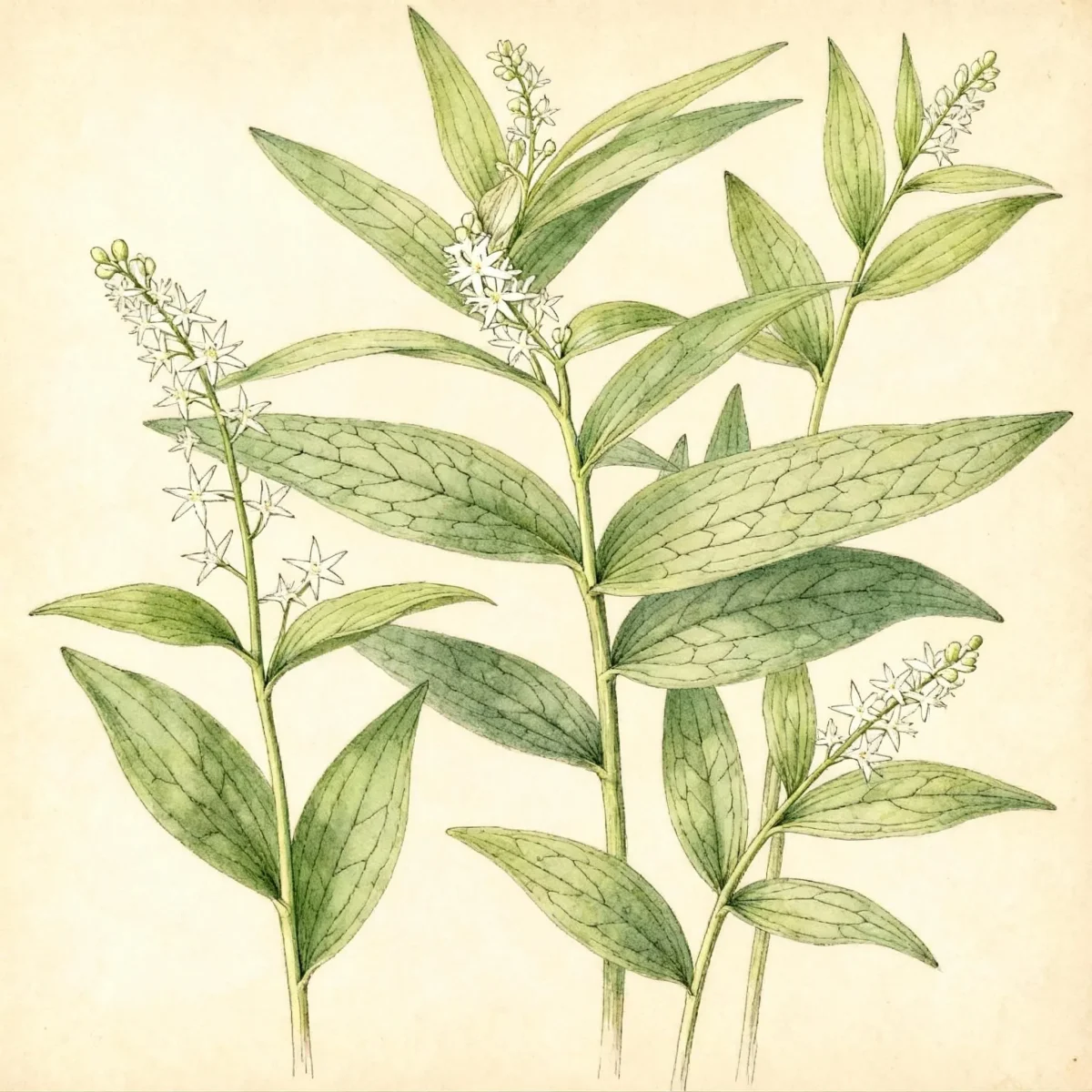
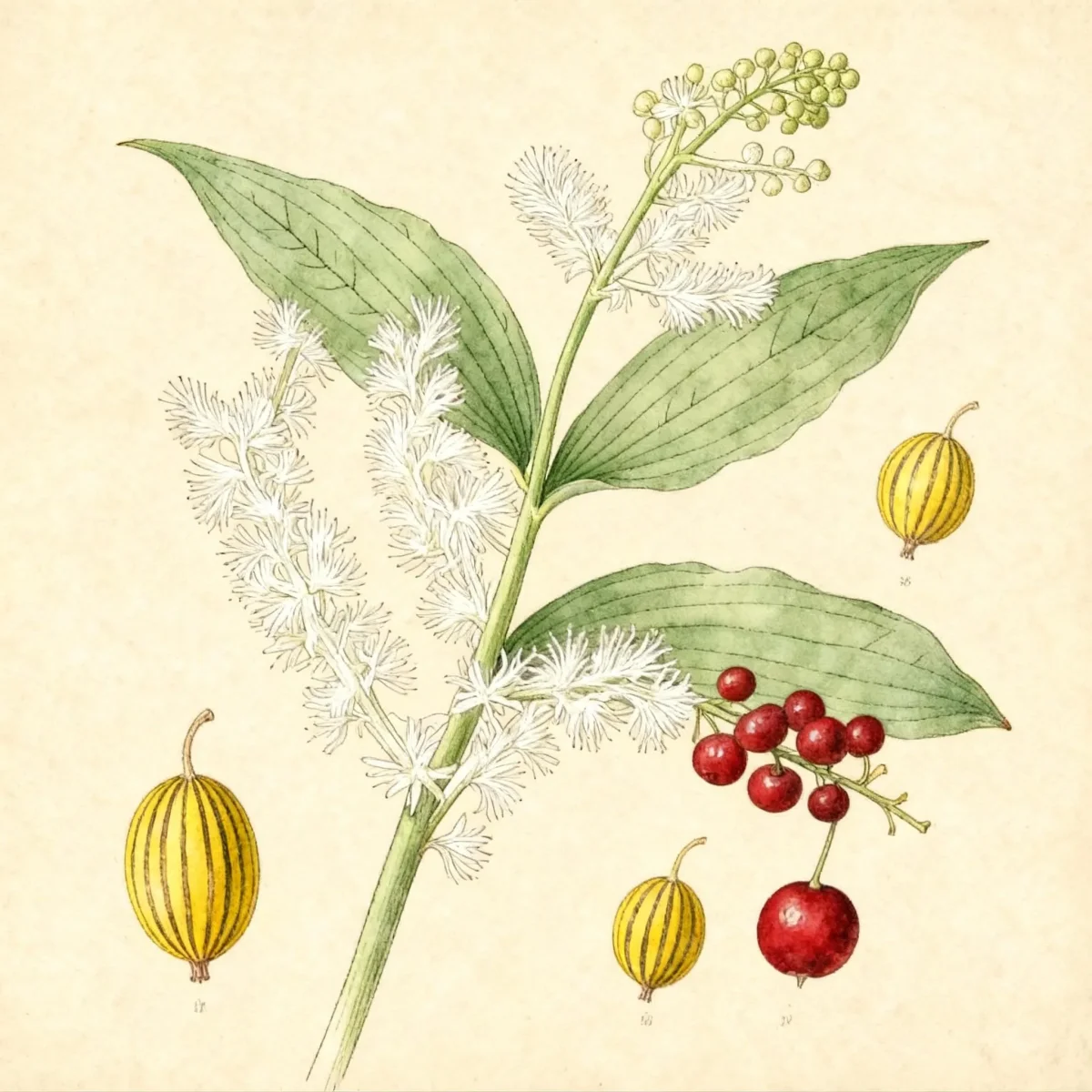
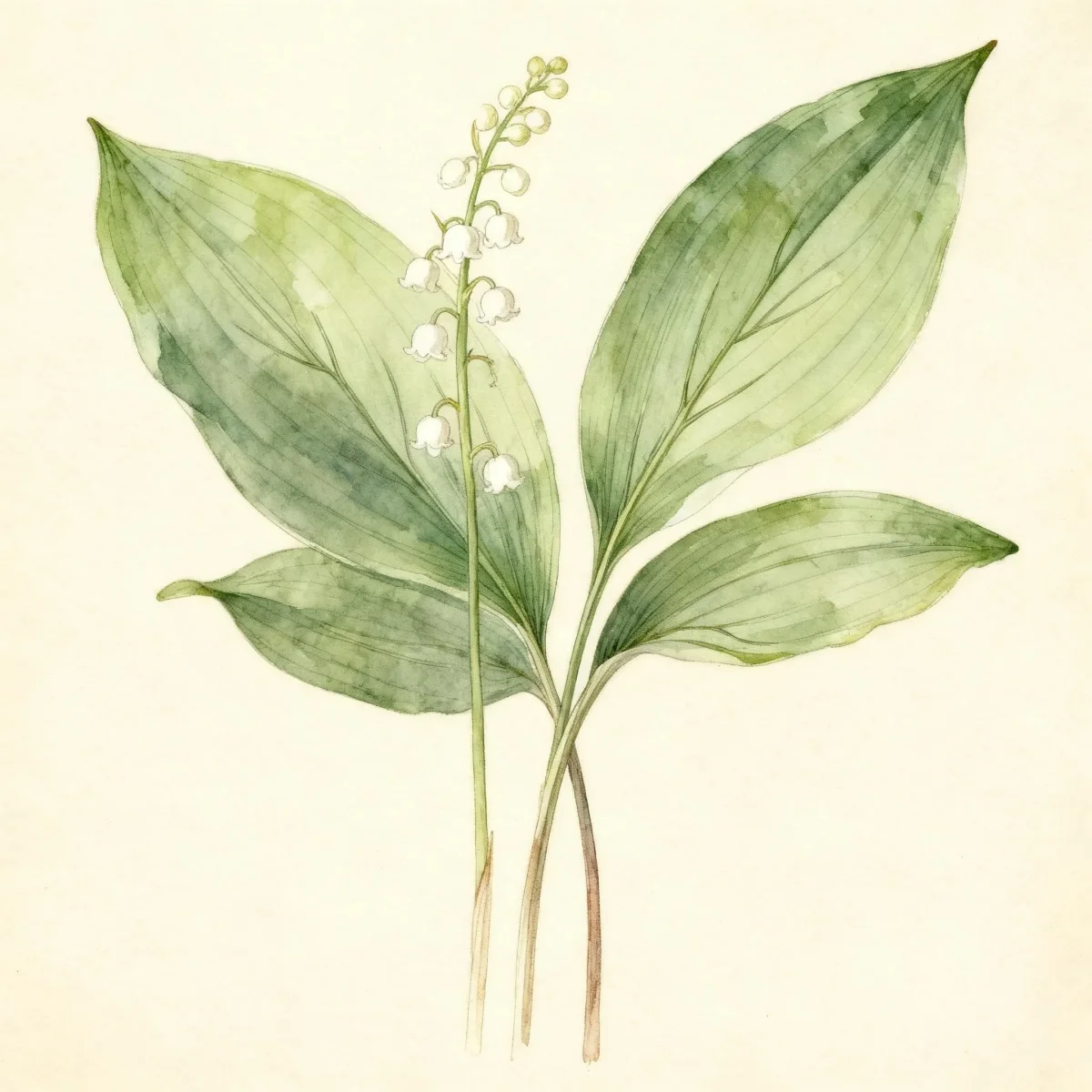
Maianthemum bifolium, commonly known as false lily of the valley or false Solomon’s seal, is native to forests, thickets, stream banks and moist hillsides from Europe to Siberia, China and Japan. It is a rhizomatous, clump-forming perennial that typically grows to 6-8” tall and slowly spreads to 20” wide by thick rhizomes, often forming large colonies in the wild. Each stem features two cordate-ovate leaves (to 3” long). Small fluffy star-like flowers bloom in May-June on upright racemes (each containing 15-20 flowers) to 2” tall. Flowers are followed by tiny red berries which mature in August-September. M. Bifolium has similar foliage to that of the true Solomon’s seals (Polygonatum spp.), except the flowers and fruit of these plants are quite different: M. Bifolium has tiny flowers in upright inflorescences followed by red fruit whereas the Polygonatums have single bell-shaped flowers hanging from the leaf axils followed by blue-black fruit. M. Bifolium is synonymous with and formerly known as Smilacina bifolia and Convallaria bifolia. Genus name comes from the Greek words Maios meaning “May” and anthemon meaning “blossom”. Specific epithet means twin-leaved.
Tolerances
No data available for specific environmental tolerances beyond cultural preferences.
Potential Problems
This species generally exhibits no serious insect or disease problems, enhancing its value for low-maintenance gardening when its specific needs are met. The primary challenge gardeners face is environmental management rather than pest control.
Ensure sharp drainage, even though it requires medium moisture, as consistently waterlogged soil can lead to root issues. Furthermore, avoid planting in full, hot sun or allowing the soil to dry out completely, as Maianthemum bifolium is intolerant of these stressed conditions.
Frequently Asked Questions
What hardiness zones is False lily of the valley suitable for?
This charming groundcover is hardy across USDA Zones 3 through 7, offering good tolerance for cold winters in many regions.
How large does Maianthemum bifolium grow?
At maturity, this perennial typically reaches a height between 0.5 and 0.75 feet, spreading to cover an area of 1 to 1.5 feet wide.
When does False lily of the valley bloom?
You can expect the small, white flowers of Maianthemum bifolium to appear throughout the late spring and early summer, generally from May to June.
What sun exposure does False lily of the valley need?
Maianthemum bifolium thrives best when situated in part shade conditions, mimicking its native woodland habitat.
Conclusion
The striking yet subtle beauty of Maianthemum bifolium makes it an invaluable component for shady, moist garden areas needing reliable coverage. From its fluffy white spring blooms to its late-season red berries, false lily of the valley provides consistent, low-fuss texture. Check your local USDA hardiness rating and ensure you can provide consistent moisture before planting this excellent woodland perennial.
Companion Planting
Selecting companions that share the need for consistent moisture and partial shade will ensure a healthy and cohesive woodland scene. Plants that offer contrast in foliage texture work exceptionally well with the broad leaves of Maianthemum bifolium. Consider pairing it with low-growing ferns, such as Japanese Painted Ferns (Athyrium niponicum), which provide silvery texture and delicate structure.
Hostas are perhaps the classic companion, offering bold, varied foliage that contrasts beautifully with the delicate sprays of the May lily. Additionally, other shade-loving woodland flowers like Lungwort (Pulmonaria) or Tiarella (Foamflower) can provide contrasting spring color near the emerging Maianthemum bifolium.
Propagation Tips
Propagating Maianthemum bifolium is most easily achieved through vegetative division, which also serves to manage its spread. The best time to undertake this is in the early autumn, just as the foliage begins to die back, allowing the disturbed root systems to settle before winter cold.
Carefully dig up clumps of the rhizomatous perennial and gently separate pieces, ensuring each division has several viable buds or root sections attached. Replant these divisions immediately at the same depth in prepared, enriched soil to encourage establishment before the first hard frost.
While propagation by seed is possible, it requires patience as germination can be slow and erratic, often taking multiple seasons to produce mature plants. For maximum success and colony expansion, division remains the recommended method for gardeners growing false lily of the valley.