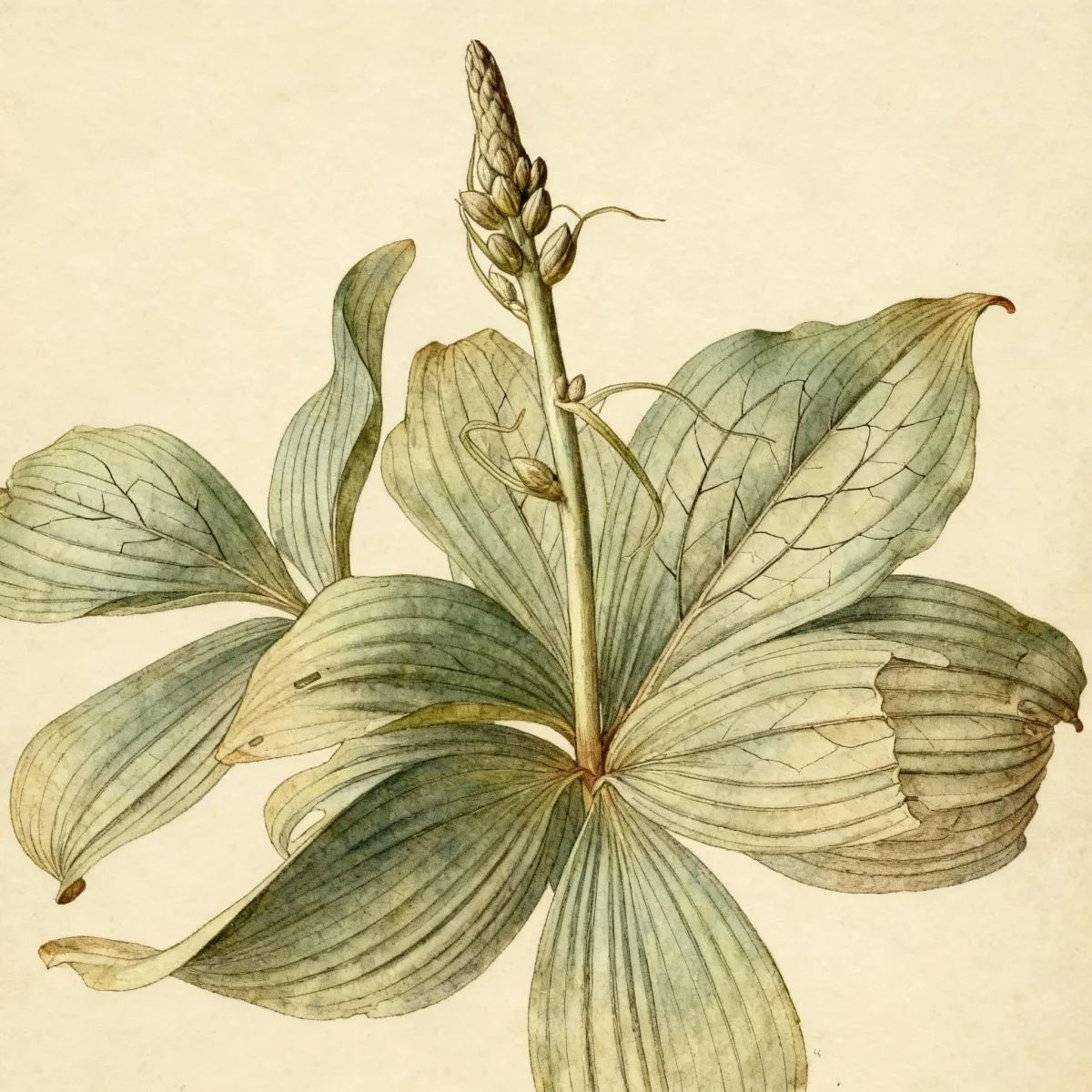
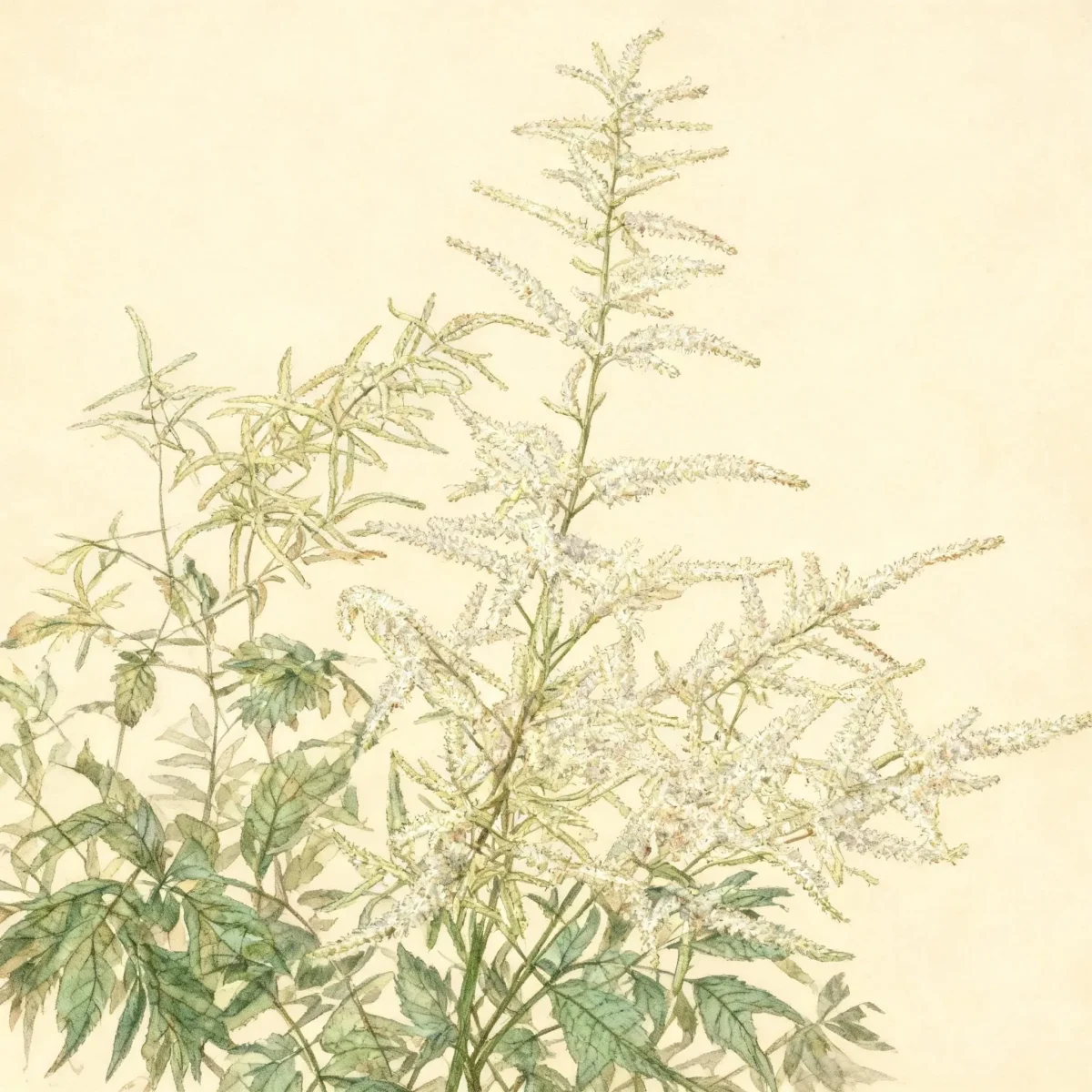
Bunchflower (Melanthium virginicum)
Melanthium virginicum, or Bunchflower, is a moisture-loving perennial with showy creamy white summer blooms.
Scroll down to discover growing tips, care requirements, companion plants, and more
Complete Plant Information
Overview
The Bunchflower, Melanthium virginicum, is a striking native perennial well-suited for water-retentive areas of the landscape. Its dramatic 3 to 5-foot architectural presence, culminating in a panicle of creamy white flowers in midsummer, makes it a valuable asset. This plant is particularly appreciated for bridging the gap between formal borders and functional wet plantings.
This species is highly adaptable, thriving even in challenging clay soils, though it performs best in consistently moist, rich, slightly acidic conditions. Native to wet prairies and fens across the Eastern United States, Melanthium virginicum provides excellent vertical interest once established, with persistent seed capsules extending its appeal long after the June to July bloom period concludes.
Gardening with Melanthium virginicum offers the reward of low maintenance combined with significant visual impact. Its dense basal rosettes of grass-like leaves provide structure, while its intolerance to browsing due to inherent alkaloids makes it a practical choice in areas frequented by deer and rabbits.
Fast Facts
- Plant Family: Melanthiaceae
- Plant Type: Herbaceous perennial
- Native Range: Eastern United States
- Hardiness Zones: USDA Zones 4-8
- Size at Maturity:
- Height: 3-5 ft
- Spread: 1-2 ft
- Bloom Time: June to July
- Bloom Description: Creamy white
- Sun Exposure: Full sun to part shade
- Water Needs: Medium to wet
- Maintenance Level: Low
How to Grow
Planting Melanthium virginicum should ideally occur in spring or early fall, allowing the root system time to establish before summer heat or winter dormancy. Select a site that receives full sun to partial shade, keeping in mind its preference for moisture. While vigorous enough to handle clay soil, amending heavy soil with organic matter will encourage faster establishment in that context.
Watering needs are crucial for this species; ensure consistent moisture, particularly during dry periods until the plant is fully established. It mimics its native habitat—wet prairies and bogs—so do not let the soil dry out completely. Fertilization is rarely necessary if the soil is reasonably rich; excessive fertility may promote weak, floppy growth rather than robust flowering stems.
Maintenance is simple. As a low-maintenance perennial, pruning is mostly limited to cutting back the dead foliage in late fall or early spring before new growth emerges. Note that this native perennial can take several years to fully mature and reach its maximum height and flowering potential, so patience is key during the initial years.
Landscape Uses
The primary documented use for Melanthium virginicum is in functional waterscaping, making it an outstanding choice for rain gardens and bog gardens where standing water or consistently saturated soil is common. Its ability to tolerate wet soil and clay makes it a superb stabilizing element in low-lying areas of the yard. Even when utilized in these damp settings, the tall, elegant flower spikes offer a formal vertical accent.
Beyond saturated zones, consider integrating Bunchflower into a more traditional, large-scale perennial border, provided the soil moisture requirements can be met. Plant it alongside other moisture-loving natives like Joe Pye Weed (Eutrochium spp.) or Iris species that thrive in damp conditions. The narrow, architectural foliage contrasts beautifully with broader-leaved companions.
Standout Features
Flower Qualities
- Showy
Noteworthy Characteristics
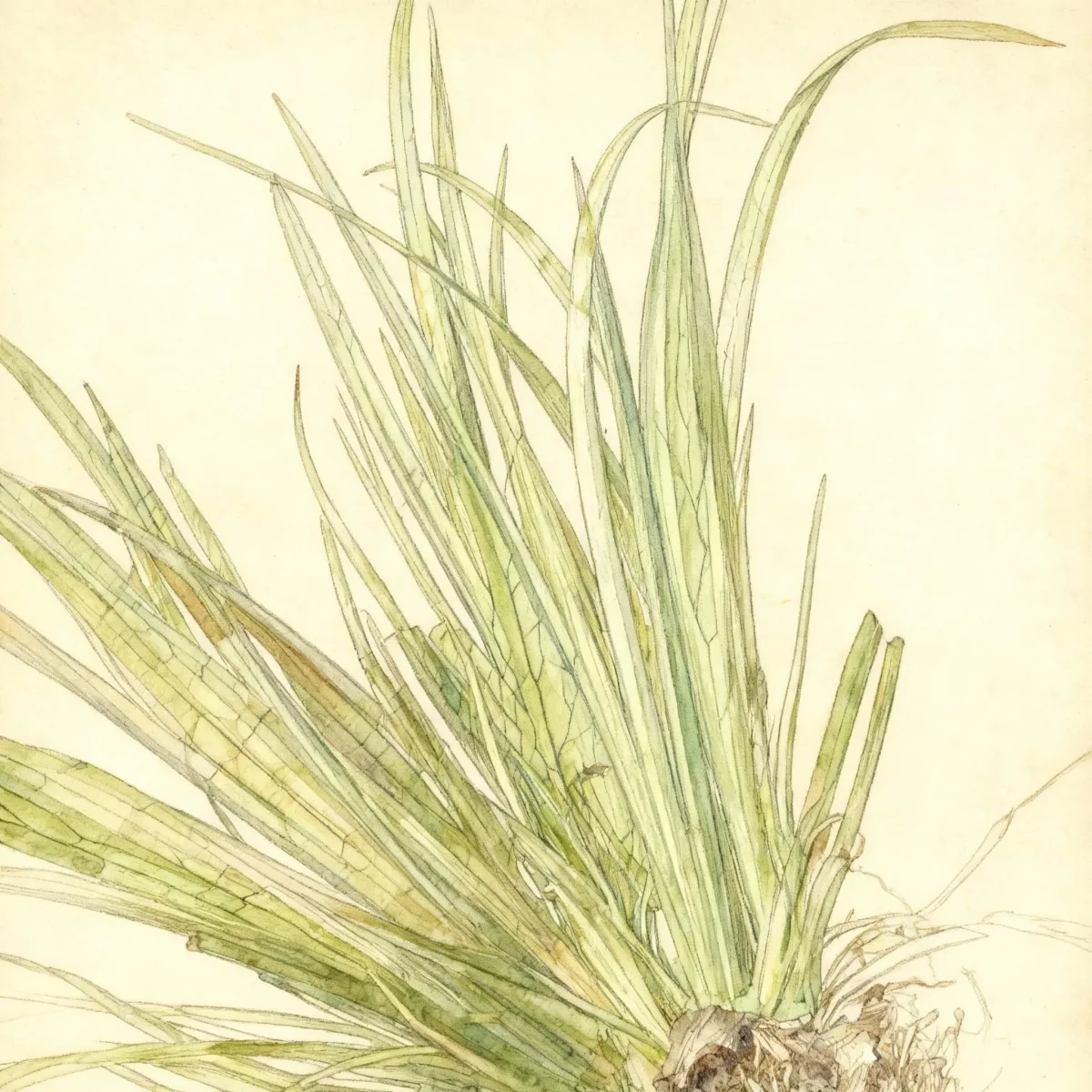
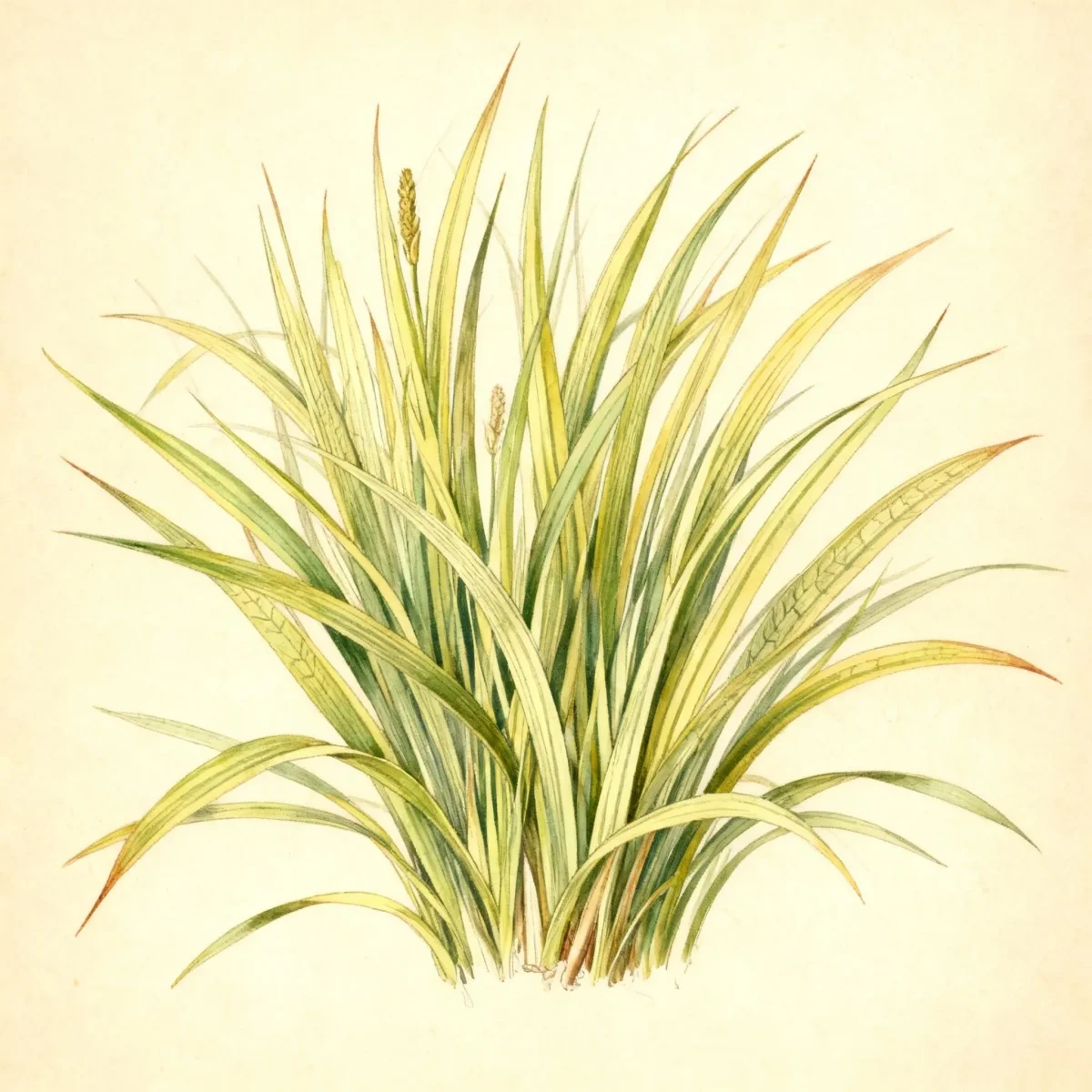
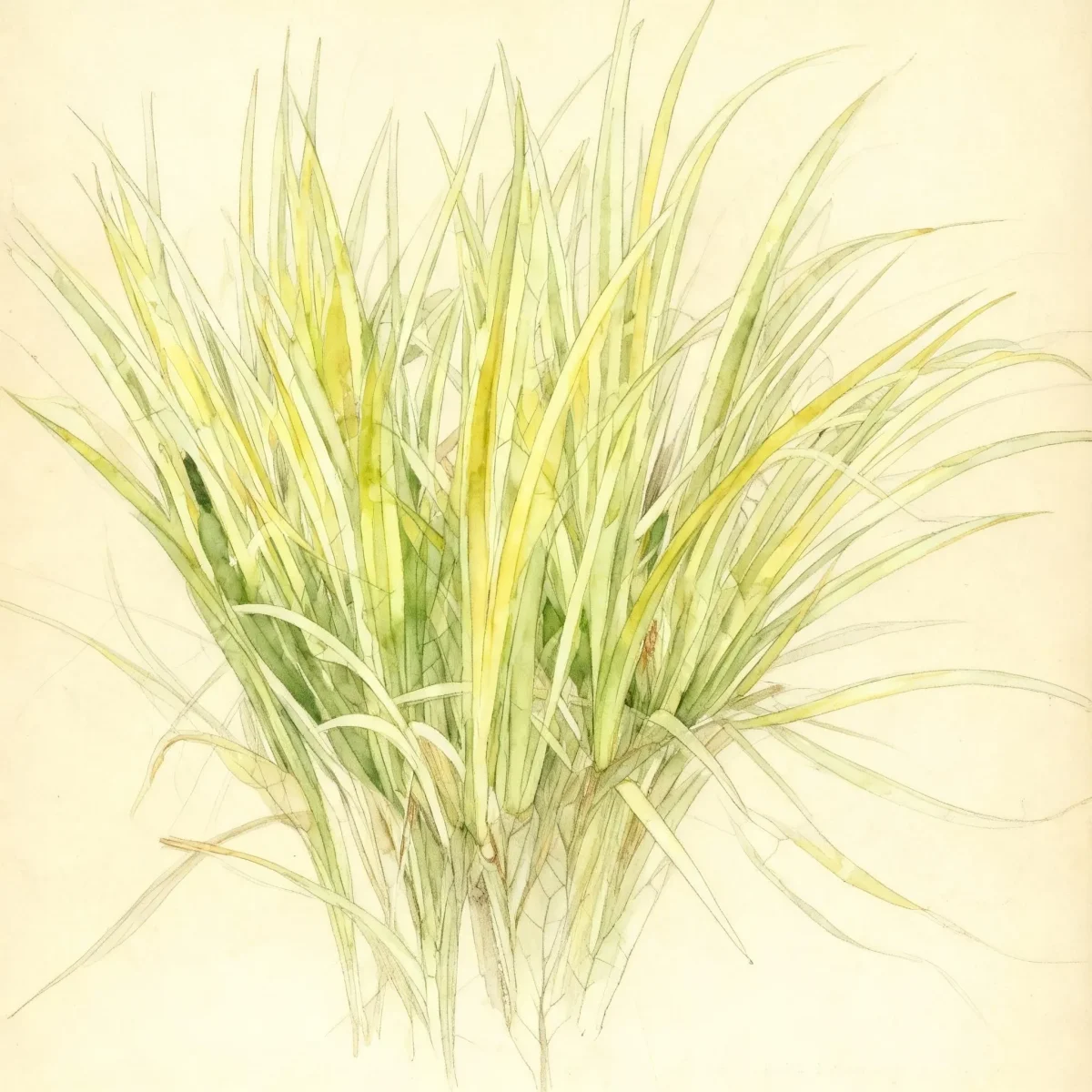
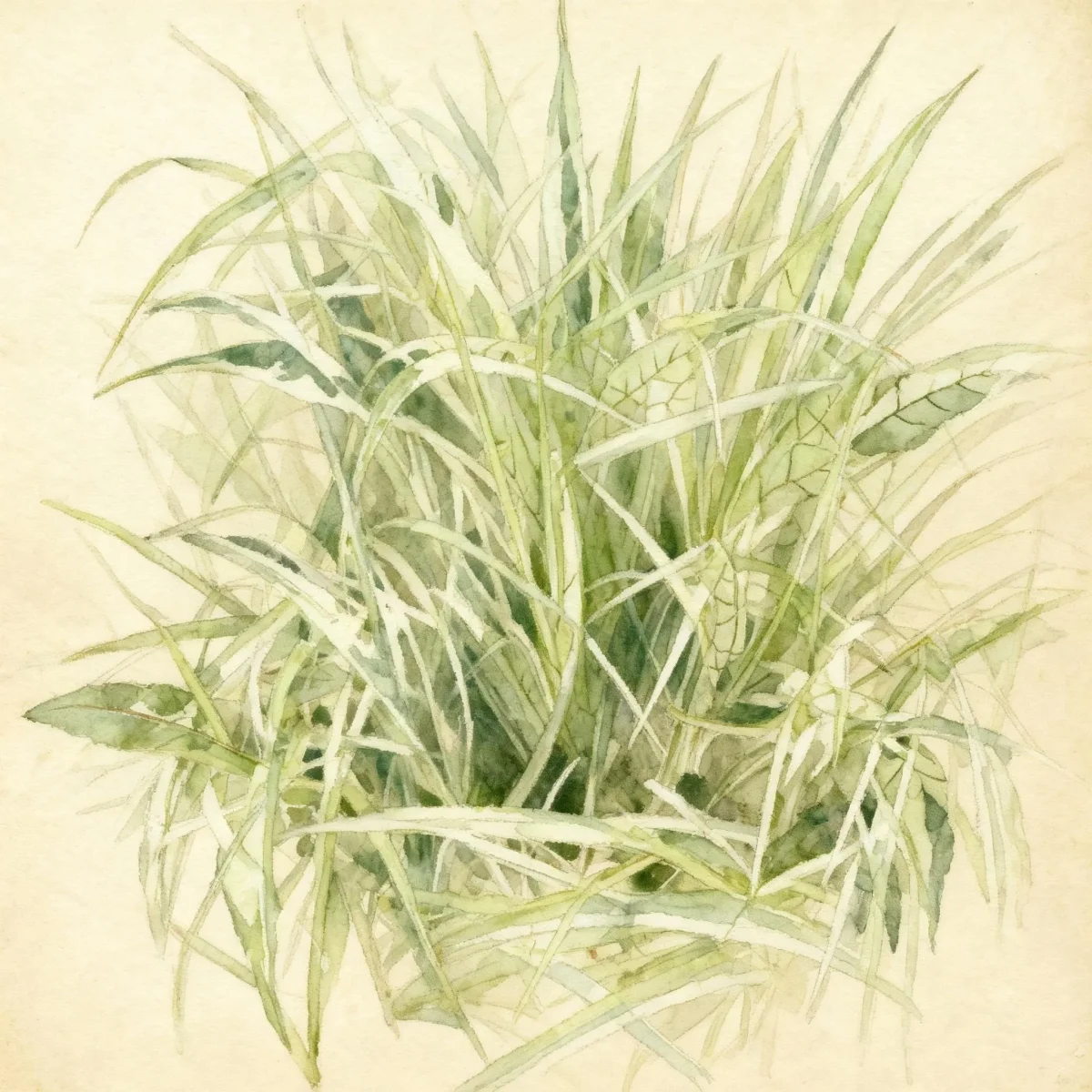
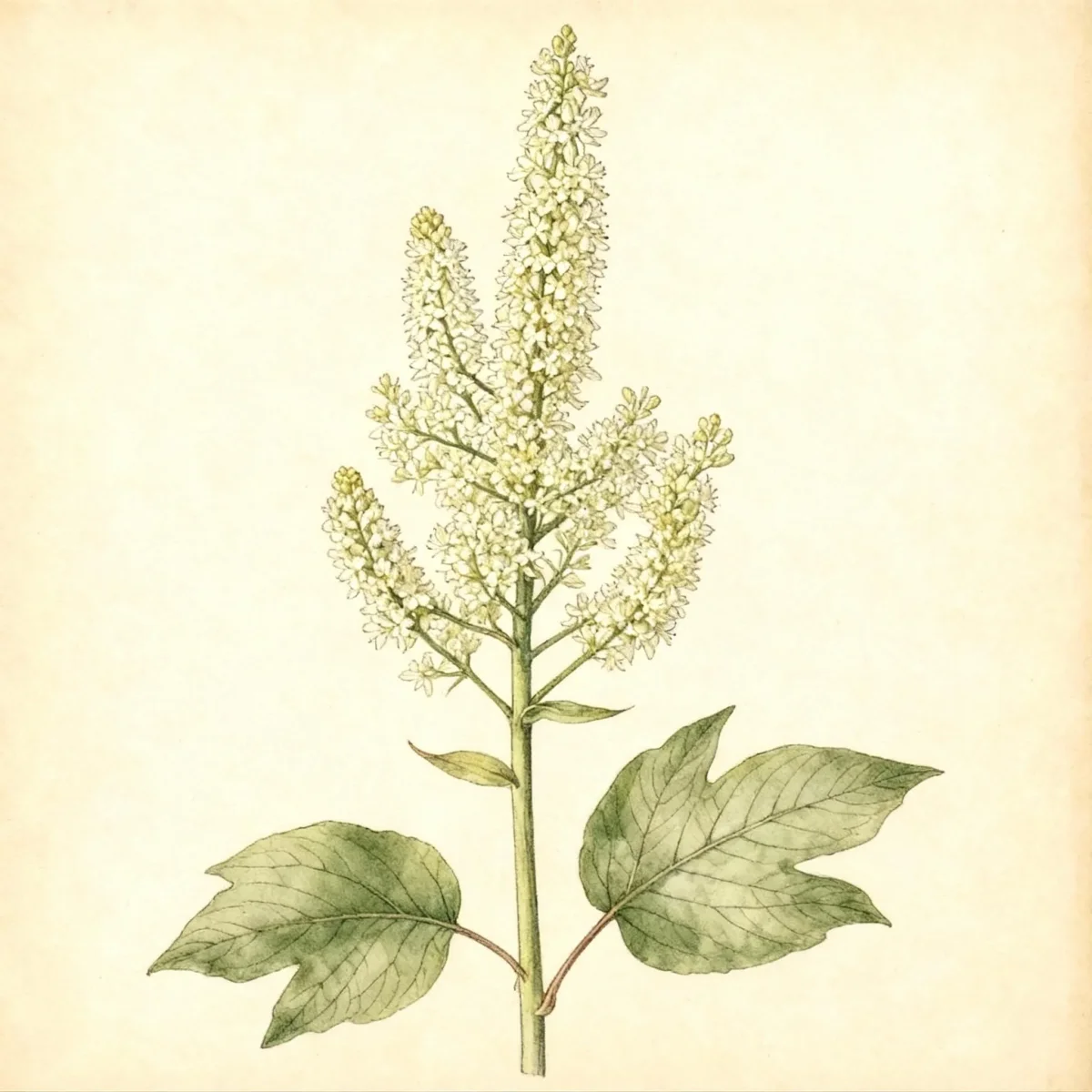
This native perennial can take several years to mature. But once it does, the 3-5’ tall inflorescence topped with a panicle of creamy, white to green flowers does not disappoint. The narrow, slightly arching, almost grass-like leaves, reaching about 15” long, form a basal rosette. This plant blooms in June to July, but the seed capsules are persistent and extend the interest of this plant in the garden.
Tolerances
- Rabbit
- Deer
- Clay Soil
- Wet Soil
Potential Problems
Gardeners should note that Melanthium virginicum is generally free from significant insect pests or serious diseases, contributing to its low maintenance profile. Its chemical composition, containing alkaloids, actively deters grazing animals, which is a major advantage in deer country. Proper siting in appropriately wet locations is the best preventative measure against general stress that might invite secondary issues.
Frequently Asked Questions
What hardiness zones is Bunchflower suitable for?
The Bunchflower, Melanthium virginicum, is hardy across USDA Zones 4 through 8.
How large does Bunchflower grow?
This plant typically reaches a height between 3 and 5 feet tall, with a relatively narrow spread of 1 to 2 feet.
When does Bunchflower bloom?
Melanthium virginicum blooms during the peak summer months, generally from June to July, displaying distinctive creamy white flowers.
What sun exposure does Bunchflower need?
This species prefers full sun to partial shade conditions to thrive and produce the best flower display.
Conclusion
The versatility and low-maintenance nature of Melanthium virginicum make it an invaluable plant for sites needing reliability and height near water features or in heavy soils. By incorporating the striking summer blooms of Bunchflower into your landscape, you add functional elegance to wet corners. Always confirm the area provides consistent moisture before planting this excellent eastern native.
Companion Planting
When selecting partners for Melanthium virginicum, focus on other moisture-loving perennials that share management needs or provide contrasting textures when the Bunchflower is dormant. Native plants such as Joe Pye Weed, Cardinal Flower (Lobelia cardinalis), and various bog irises create stunning groupings in rain garden settings. Companion species should tolerate the medium to wet soil conditions this species demands for optimal growth.
Wildlife Benefits
While the toxic alkaloids in Melanthium virginicum discourage mammalian browsing, the towering flower spikes attract attention during the blooming season. The clustering of small, creamy flowers can be beneficial to generalist pollinators seeking midsummer nectar sources. Furthermore, the persistent seed capsules provide architectural interest late into the season, which can offer structure in the winter landscape before necessary cleanup.