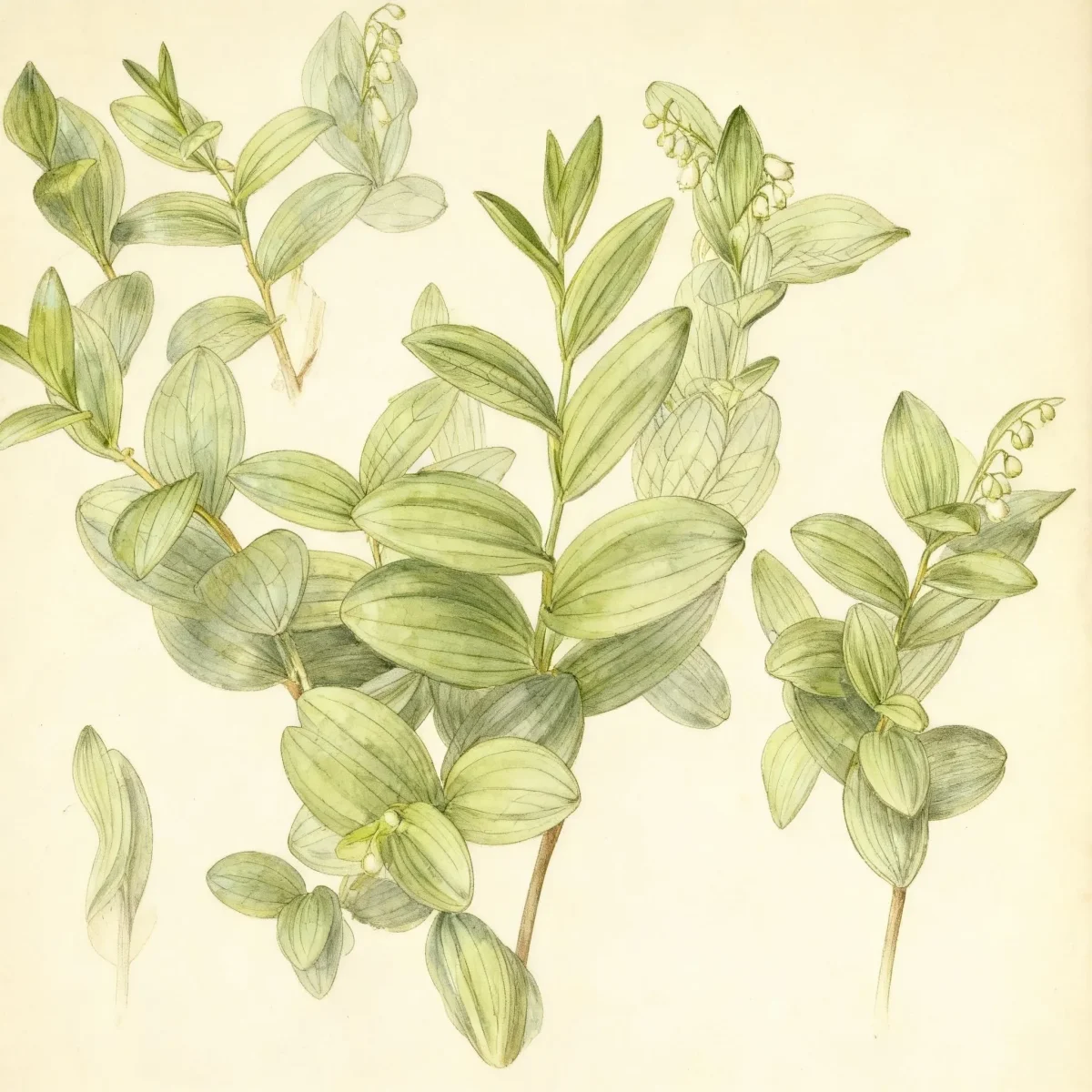
Solomon's seal (Polygonatum biflorum)
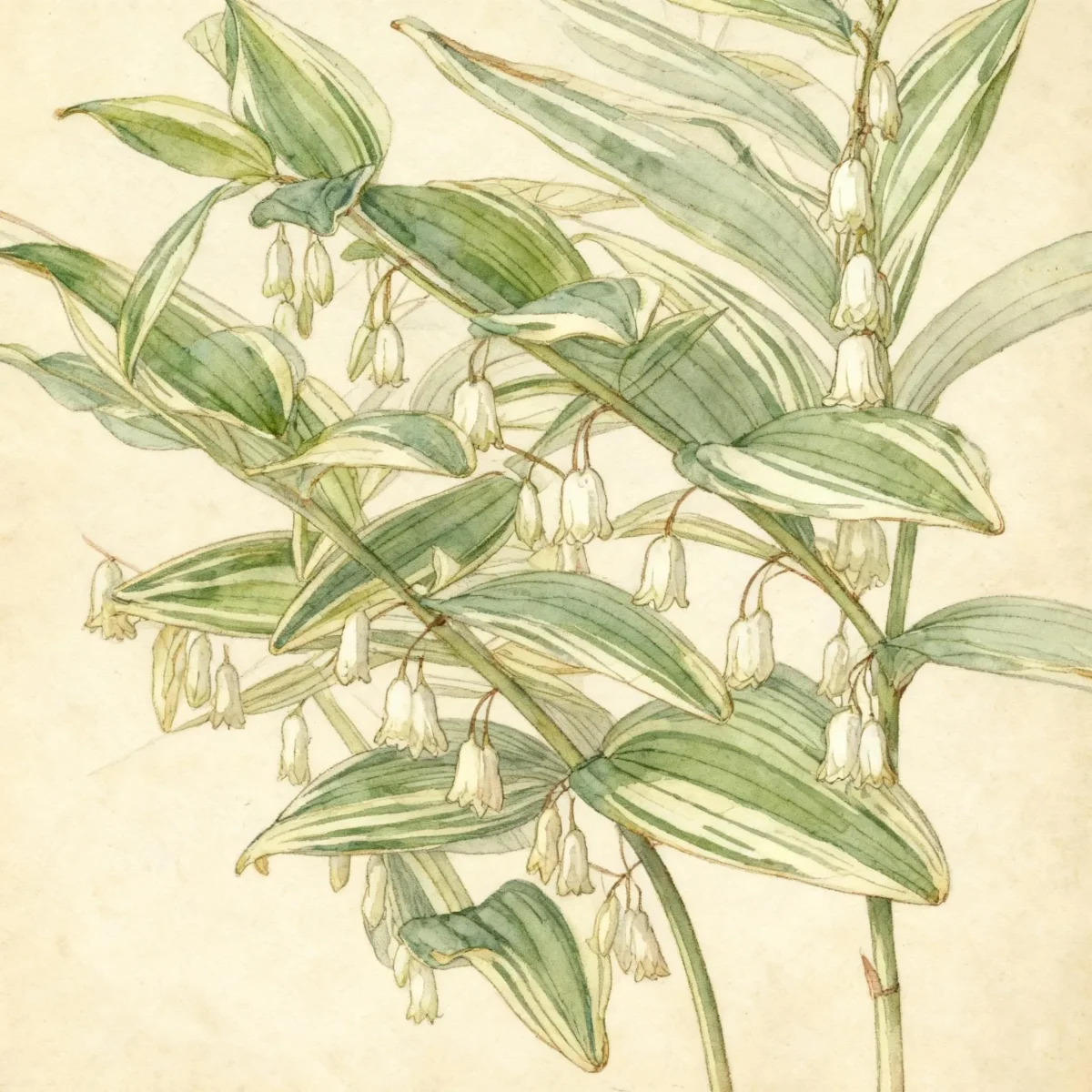
Elegant Polygonatum biflorum, or Solomon's seal, offers arching wands of greenish-white blooms in spring and bright fall color.
Scroll down to discover growing tips, care requirements, companion plants, and more
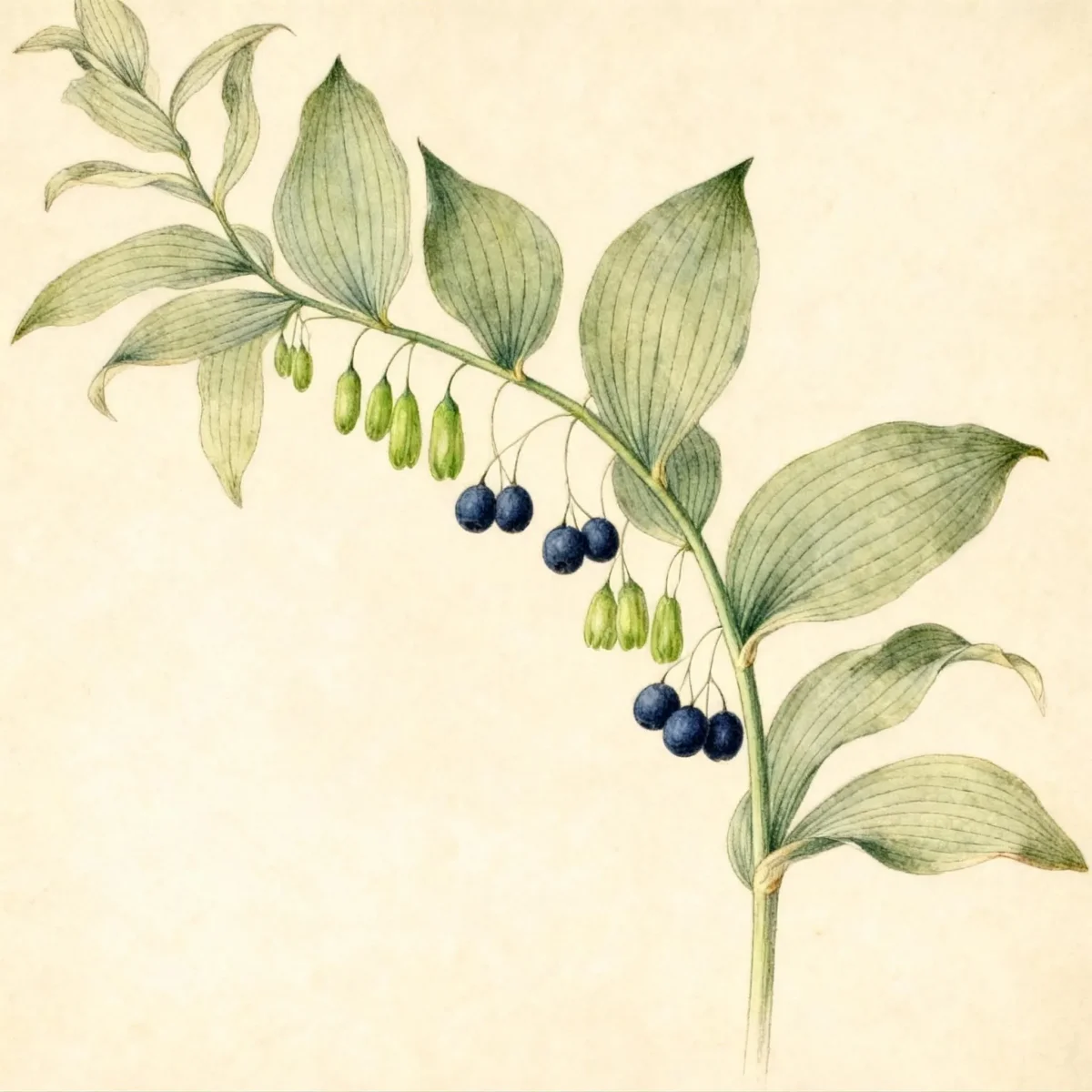
Complete Plant Information
Overview
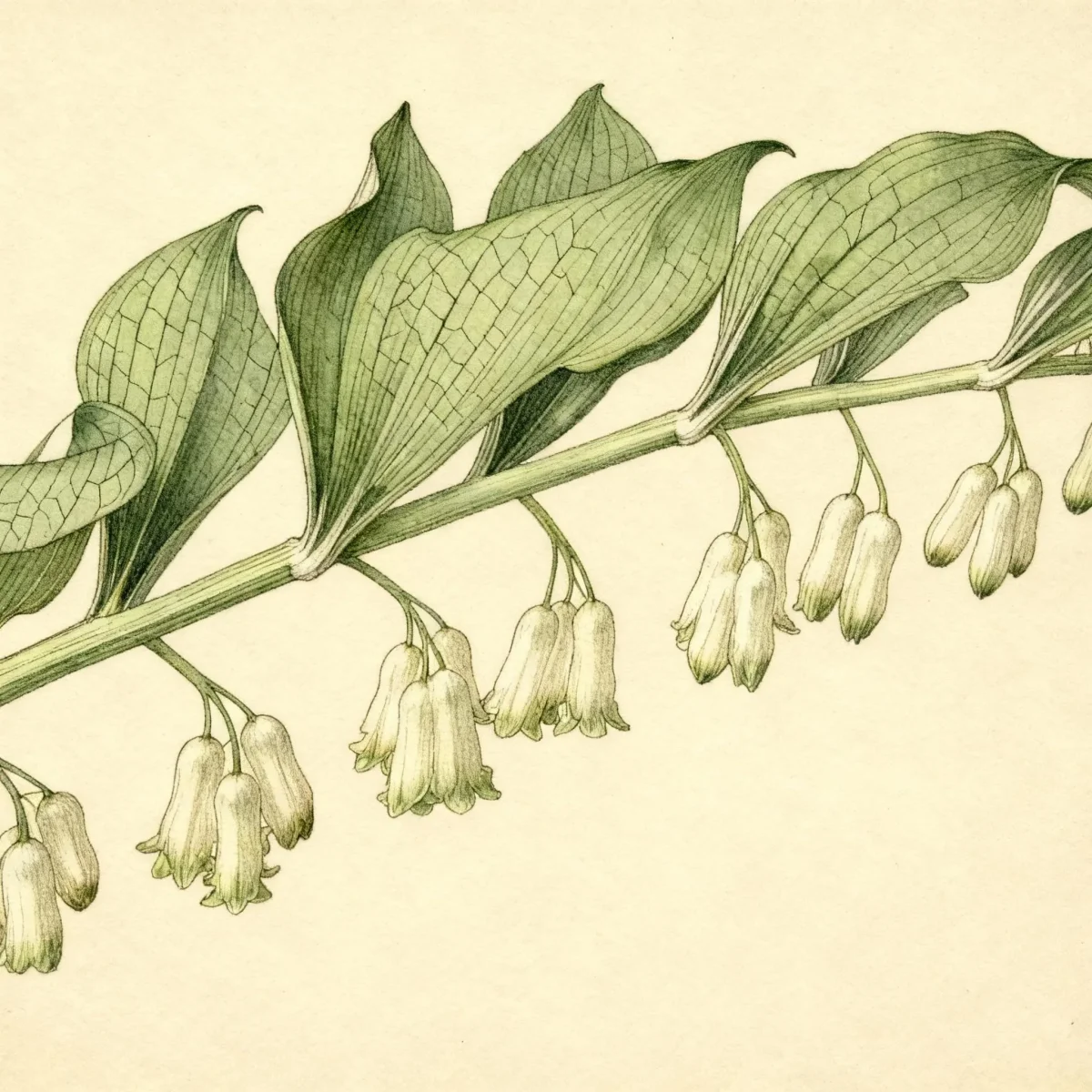
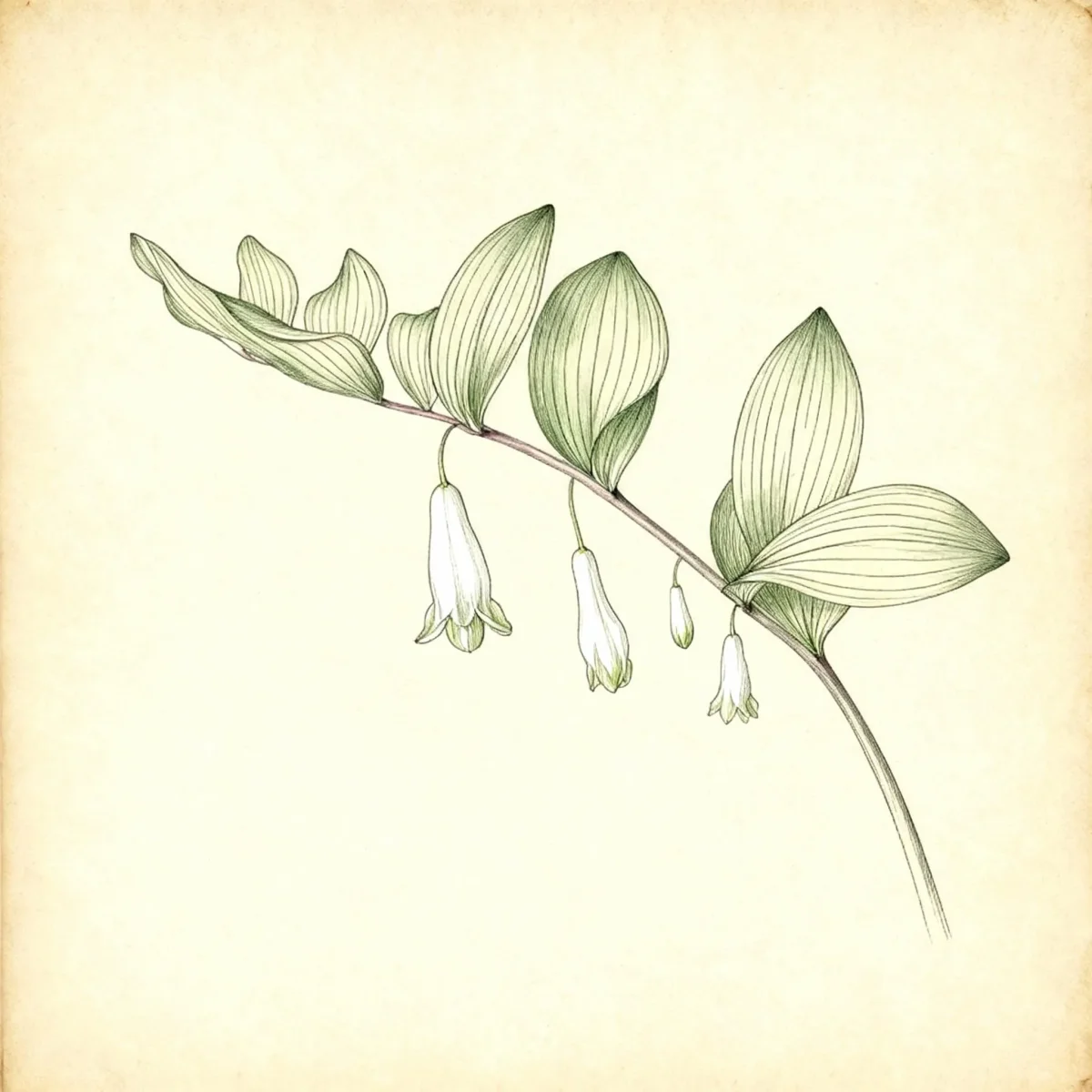
Polygonatum biflorum, commonly known as Solomon’s seal, is a stunning addition to shaded woodland gardens. This herbaceous perennial is characterized by its gracefully arching, nearly unbranched stems from which delicate, bell-shaped flowers dangle in spring. Its upright and arching form provides excellent vertical texture where many shade plants offer only low groundcover.
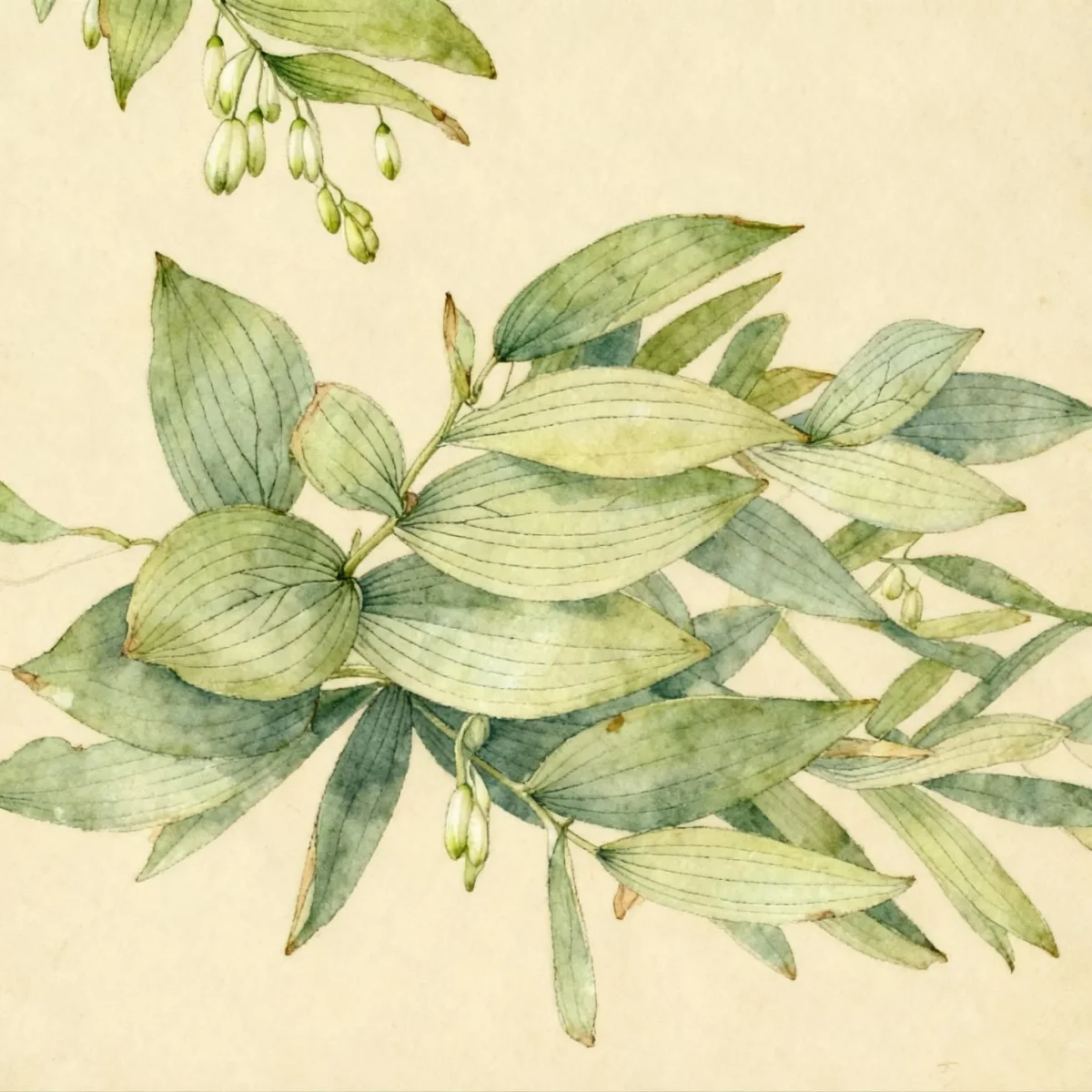
The beauty of Solomon’s seal extends beyond its bloom period; its conspicuously parallel-veined foliage turns an attractive yellow color before dormancy. Cultivating Polygonatum biflorum is straightforward, as it thrives in consistent moisture and tolerates deep shade well. It establishes slowly via rhizomes, eventually forming beautiful, dense colonies perfect for naturalizing.
Gardeners value this native wildflower for its low maintenance and reliable performance across USDA Zones 3 through 8. Whether tucked into a rain garden or established under a canopy of trees, Solomon’s seal brings sophisticated, architectural structure to shady landscapes while requiring minimal intervention once positioned correctly.
Fast Facts
- Plant Family: Asparagaceae
- Plant Type: Herbaceous perennial
- Native Range: Eastern and central North America
- Hardiness Zones: USDA Zones 3-8
- Size at Maturity:
- Height: 1-3 ft
- Spread: 1-1.5 ft
- Bloom Time: April to May
- Bloom Description: Greenish white
- Sun Exposure: Part shade to full shade
- Water Needs: Medium to wet
- Maintenance Level: Low
How to Grow
Planting Solomon’s seal is best achieved in the spring or fall when conditions are cool and moist. Select a location that provides part shade to full shade, mimicking its native woodland habitat. Polygonatum biflorum requires average, medium to wet, well-drained soil, highly favoring humus-rich environments. Ensure the soil remains consistently moist, particularly through the hot summer months.
Maintenance for this perennial is generally low once established. No routine fertilization is usually necessary if the soil is enriched with compost or leaf mold annually. Deadheading is not required, as the flowers give way to ornamental blue-black berries in the autumn. Allow the foliage to senesce naturally in the fall; this process feeds the rhizomes for the following season’s growth.
This plant slowly spreads by rhizomes, a desirable trait for creating woodland colonies. If necessary, division of the rhizomes can be done in early spring or fall to propagate new plants or manage spread, though patience is key as they can be slow to establish initially.
Landscape Uses
Polygonatum biflorum is exceptionally suited for creating naturalized drifts within woodland gardens. Its arching stems look spectacular when massed beneath deciduous trees or along the edge of a shaded border where it can catch dappled sunlight. Because it prefers moist conditions, it excels when incorporated directly into dedicated rain garden designs.
When planning mixed shade plantings, pair Solomon’s seal with companions whose textures contrast nicely. It looks excellent alongside ferns, which share similar moisture and shade requirements, and Astilbe, which provides contrasting plumes of color in early summer after the Solomon’s seal blooms fade.
Utilize its upright habit in modestly sized, partially shaded borders for year-round interest, or integrate it into native plant gardens to support local ecosystems. Its structural elegance within these settings makes it an invaluable component for designers focusing on shade perennial borders.
Standout Features
Flower Qualities
- Showy
Noteworthy Characteristics
Polygonatum biflorum, commonly called small Solomon’s seal, is a rhizomatous, upright, arching, Missouri native wildflower which occurs in rich woods throughout the State. Small, bell-shaped, greenish yellow flowers (usually in pairs) on short pedicels dangle in spring from the leaf axils along and underneath the arching stems, followed by blue-black berries in autumn. The common name refers to the large, circular leaf stalk scars on the rhizomes, resembling seals, although some suggest it references ancient “wound sealing properties” of the plant.
Tolerances
- Erosion
- Wet Soil
Potential Problems
This plant generally demonstrates excellent resistance to most common garden pests and diseases, making it a reliable choice for low-input gardens. Serious insect or disease problems are rarely reported, which contributes significantly to its low maintenance profile. Gardeners should primarily focus on ensuring adequate moisture levels rather than scouting for common pests like aphids or slugs.
If the plant fails to thrive, look immediately to the soil moisture and light levels. Prolonged drought or overly dense competition from aggressive neighbors can stress the dormant rhizomes, but generally, Polygonatum biflorum establishes a resilient presence in its preferred environment.
Frequently Asked Questions
What hardiness zones is Solomon’s seal suitable for?
Polygonatum biflorum is versatile and reliably cold-hardy, thriving in USDA Zones 3 through 8, making it suitable for a vast range of North American climates provided shade and moisture needs are met.
How large does Solomon’s seal grow?
This species typically achieves a mature height between 1 and 3 feet tall, with a moderate spread generally ranging from 1 to 1.5 feet wide, forming attractive, upright clumps.
What sun exposure does Polygonatum biflorum need?
Solomon’s seal prefers environments ranging from part shade to full shade. Planting it in locations that receive afternoon sun should be avoided unless the soil remains reliably moist.
When does Polygonatum biflorum bloom?
The bloom time for this stately perennial is typically early to late spring, specifically between April and May, showcasing distinctive greenish white, nodding flowers.
Conclusion
Solomon’s seal, or Polygonatum biflorum, offers unmatched architectural grace to shaded garden spaces through its arching stems and subtle spring flowers. Its tolerance for wet soil and low maintenance profile cement its status as an essential native plant. Before planting, ensure your garden site falls within USDA Zones 3-8 and offers the deep, humusy shade that Polygonatum biflorum requires for best performance.
Companion Planting
When designing a layered woodland setting, consider pairing Solomon’s seal with plants that complement its architecture without competing for below-ground resources aggressively. Shade-loving hostas, particularly dwarf varieties, provide colorful, mounding foliage near the base of the vertical stems. Another excellent companion is the woodland phlox (Phlox divaricata), which offers a carpet of blue or white blooms around the time Polygonatum biflorum is flowering.
The contrast between the delicate, airy leaves of ferns and the bold, parallel venation of the Solomon’s seal leaves creates rich textural depth. Since both enjoy consistent moisture, combining them in a bed amended with organic matter ensures all components thrive together harmoniously throughout the growing season.
Seasonal Care Calendar
Spring is the primary time for establishing and feeding your Polygonatum biflorum. Top-dress the soil surface around the clumps with a half-inch layer of well-rotted compost as shoots emerge in April or May. This natural fertilization mimics woodland conditions and helps retain the vital moisture this plant demands.
In summer, the focus remains squarely on watering. If your natural rainfall is insufficient for your medium to wet soil requirements, supplement with deep watering, especially during dry spells. Avoid tilling or cultivating near established clumps, as the rhizomes are near the surface and easily damaged.
As the leaves yellow in fall, resist the urge to clean up immediately. Allow the foliage to die back completely through autumn. This natural senescence transfers energy back into the rhizomes, ensuring robust arching stems return the following April to May across your planting area.