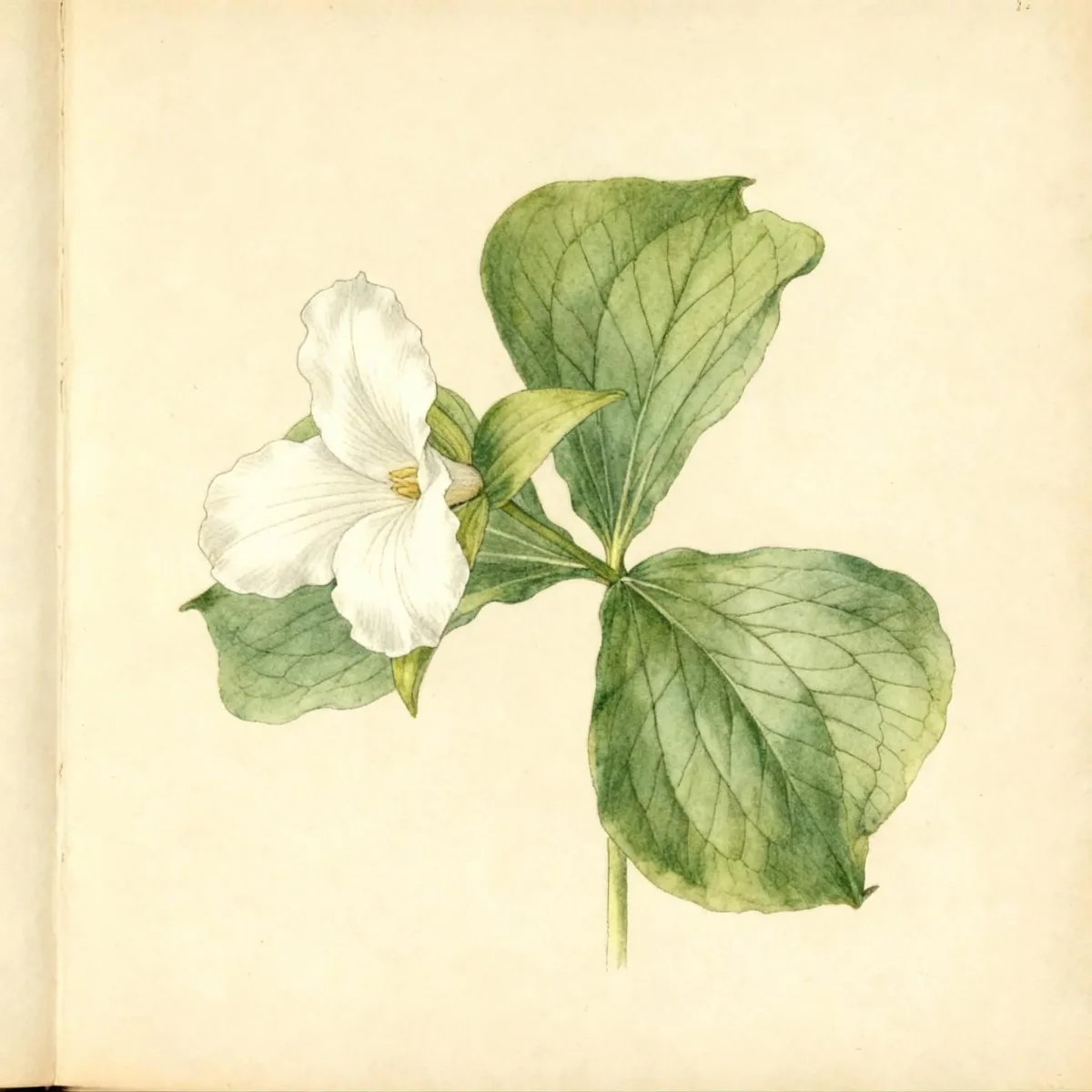
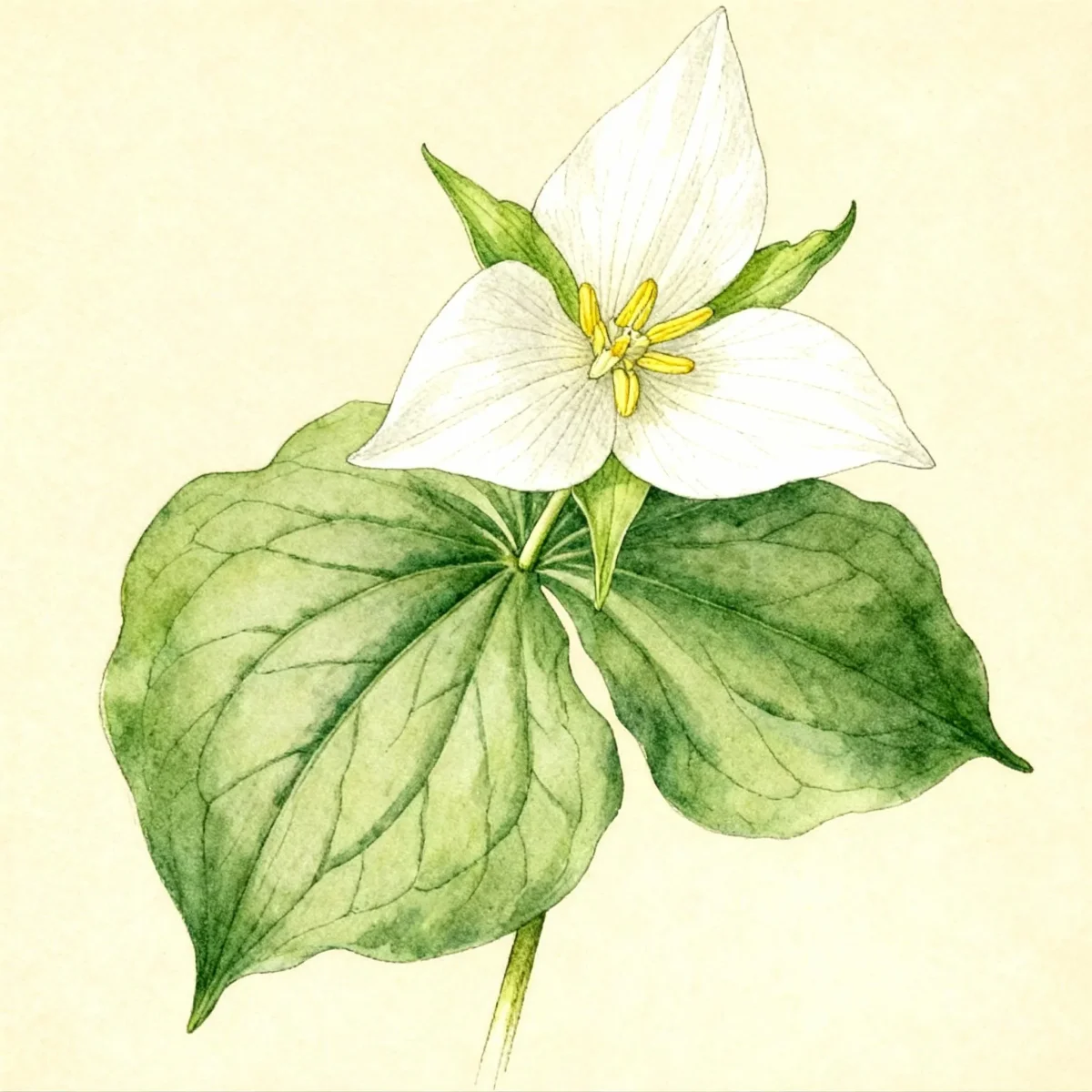
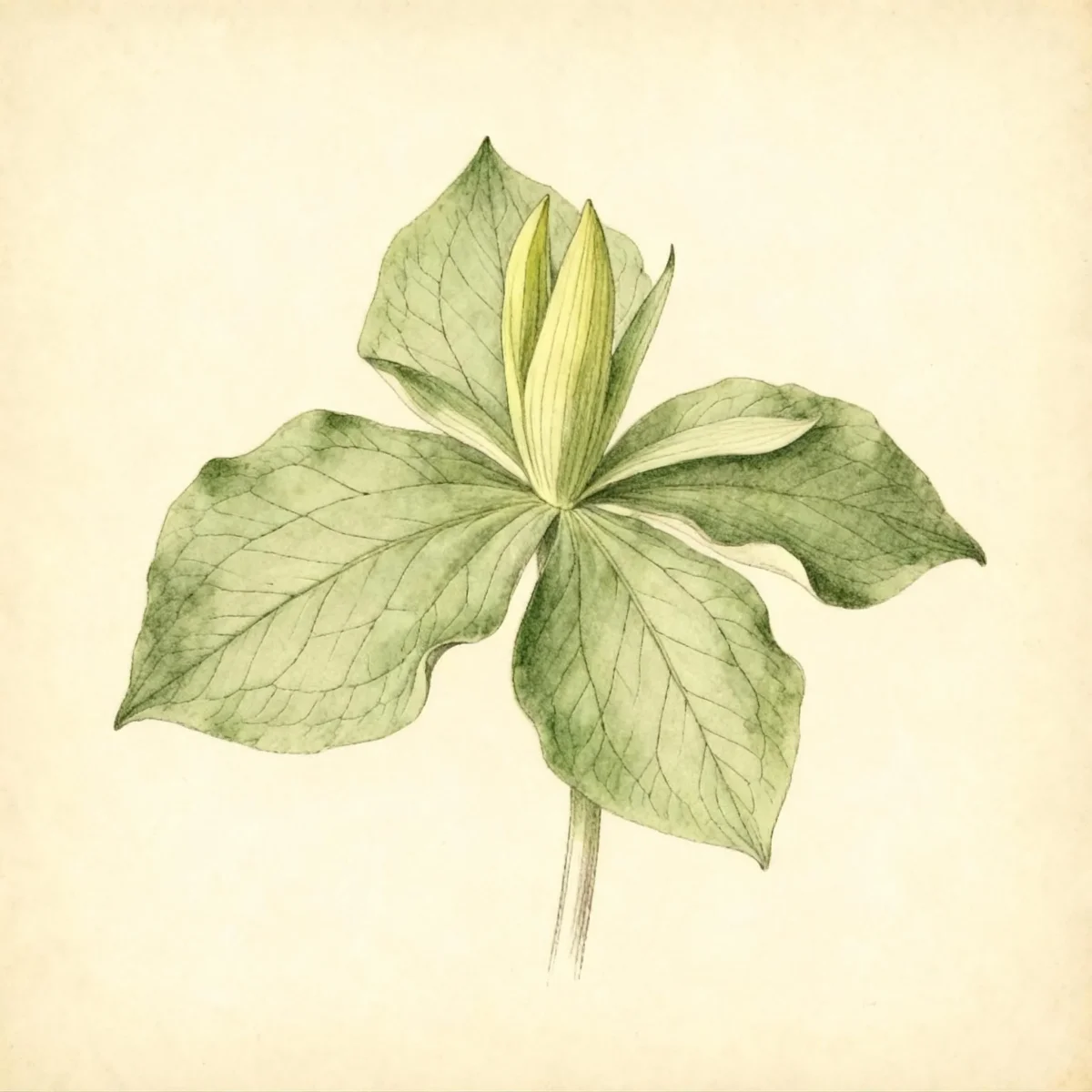
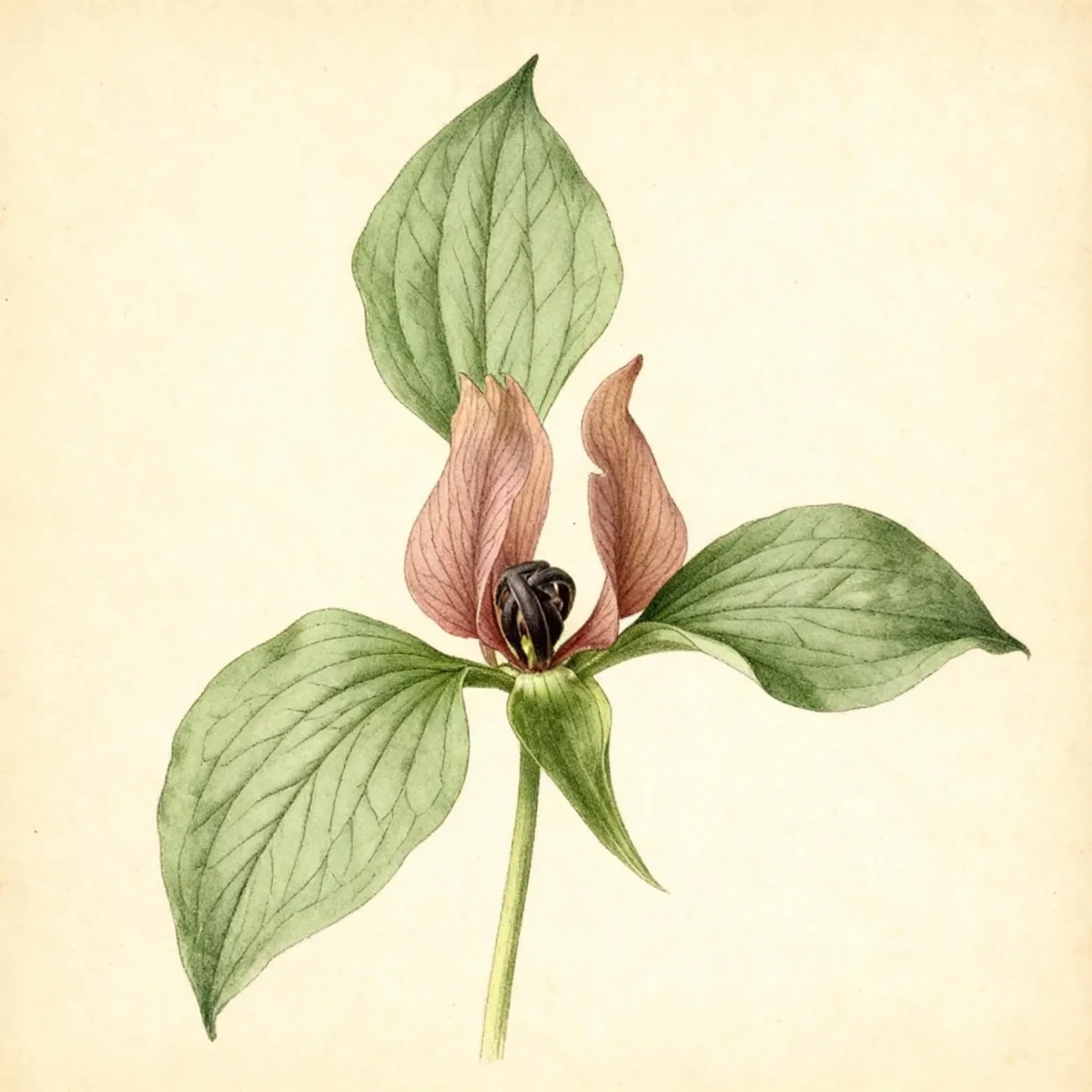
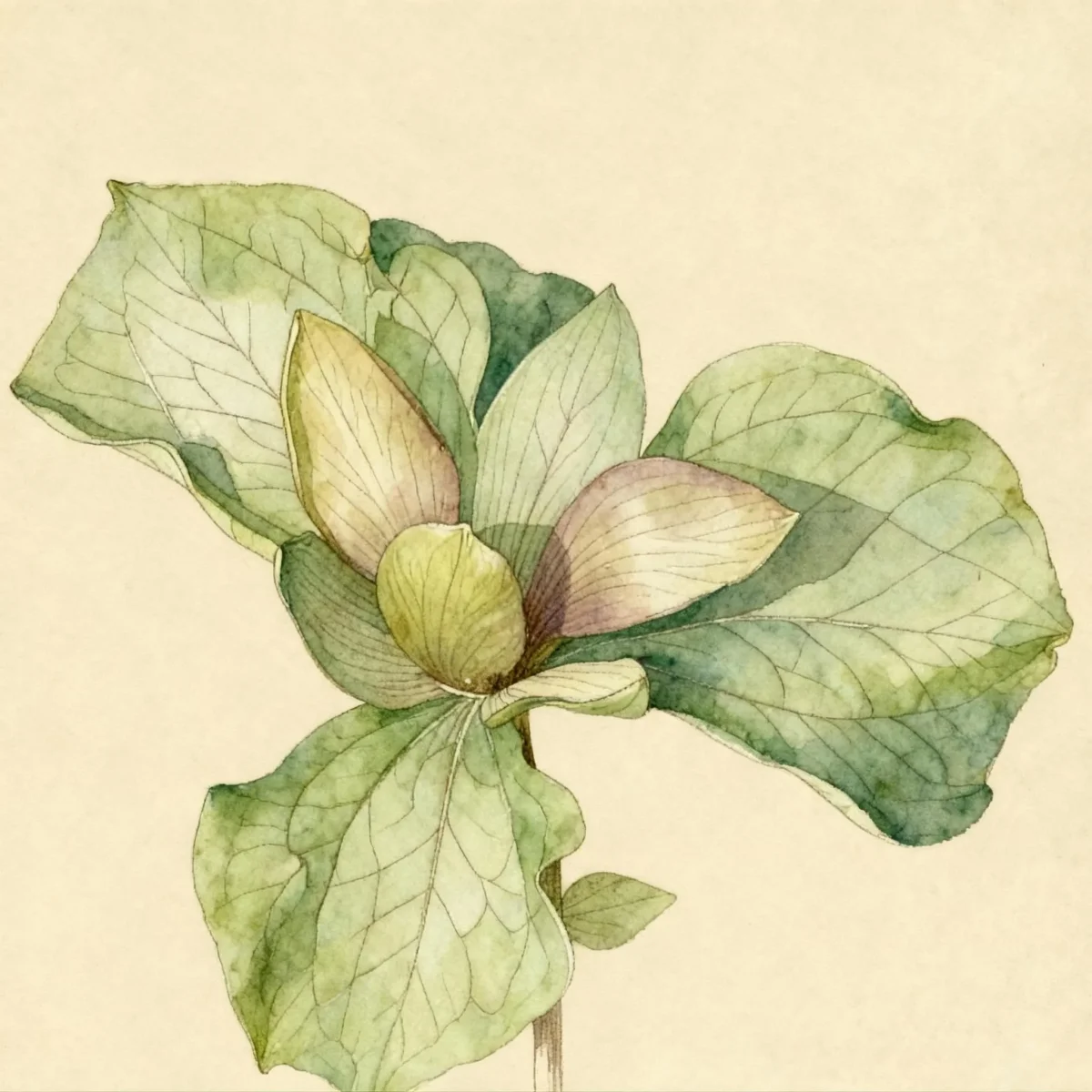
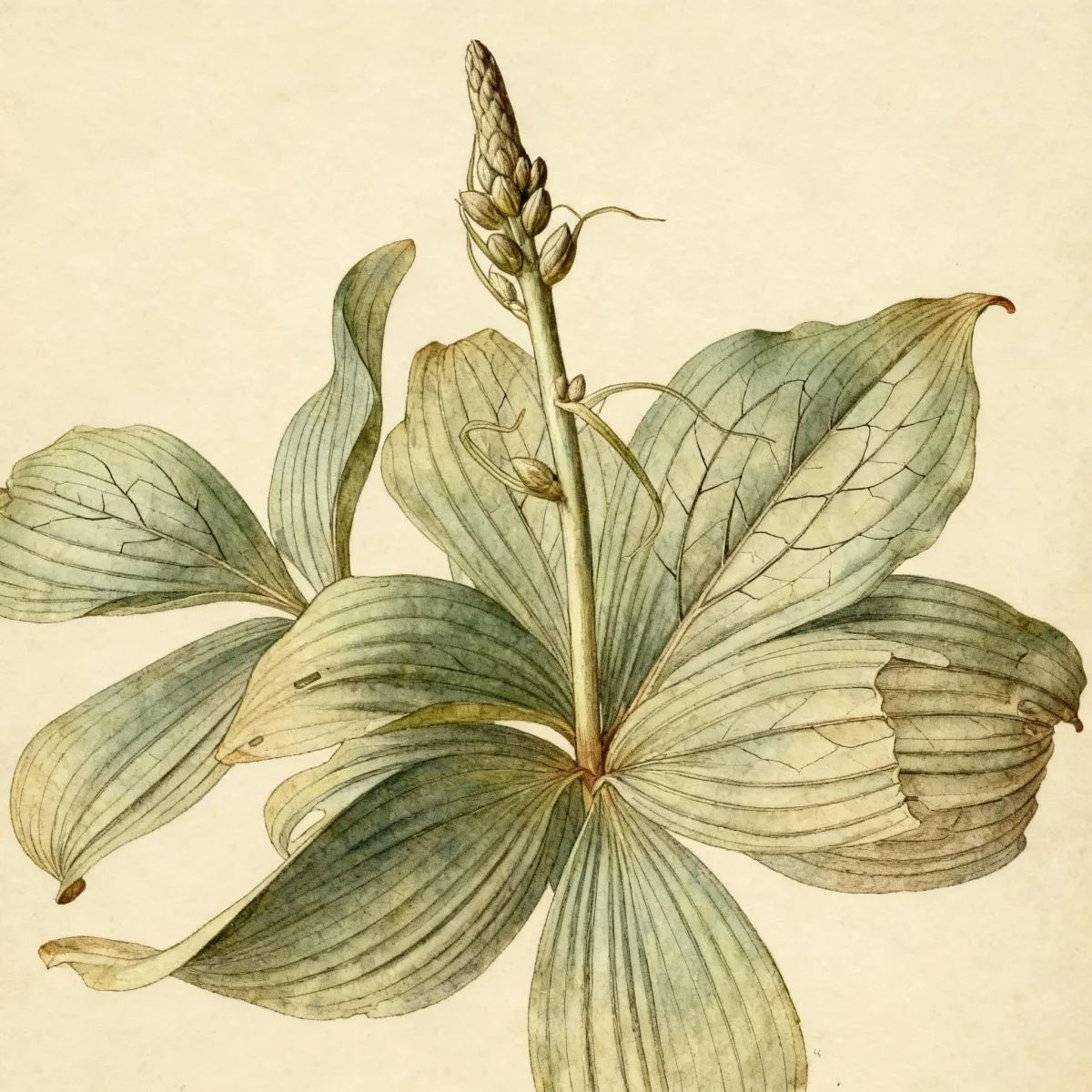
Little sweet Betsy (Trillium cuneatum)
Little sweet Betsy (Trillium cuneatum) is a vigorous, low-maintenance perennial ideal for deep shade. Enjoy its showy flowers in spring.
Scroll down to discover growing tips, care requirements, companion plants, and more
Complete Plant Information
Overview
Little sweet Betsy, scientifically known as Trillium cuneatum, is a highly valued native woodland plant, prized for its robustness in deep shade situations where few other plants thrive. This sessile trillium is one of the largest and most vigorous forms native to the eastern United States, offering deep, rich color in early spring. Gardeners appreciate Trillium cuneatum for its low maintenance needs once established in the right environment.
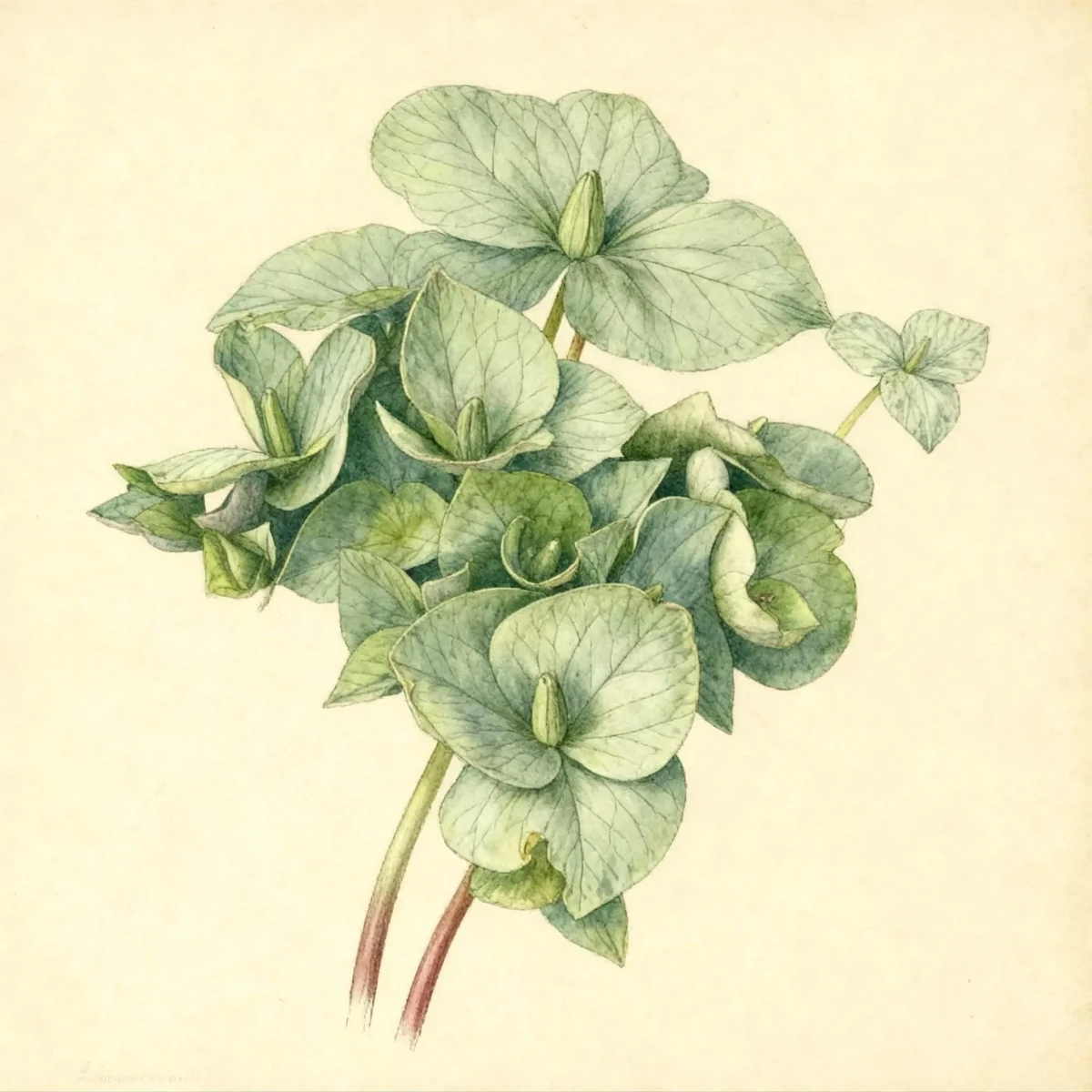
The signature visual appeal comes from the whorl of three mottled, leaf-like bracts supporting a solitary, often maroon to reddish-green, three-petaled flower characteristic of the genus. While some call it Stinking benjamin, the flowers of Little sweet Betsy often carry a sweet, faintly fruity fragrance, lending credence to its kinder common name. This plant spreads slowly via rhizomes, gradually forming lovely, undisturbed colonies perfect for replicating a natural woodland floor aesthetic.
Fast Facts
- Plant Family: Melanthiaceae
- Plant Type: Herbaceous perennial
- Native Range: Southeastern United States
- Hardiness Zones: USDA Zones 5-8
- Size at Maturity:
- Height: 1-1.5 ft
- Spread: 0.75-1 ft
- Bloom Time: April to May
- Bloom Description: Maroon to yellow to orange to reddish-green
- Sun Exposure: Part shade to full shade
- Water Needs: Medium
- Maintenance Level: Low
How to Grow
The key to successfully growing Trillium cuneatum is mimicking its native woodland home. Plant this perennial in late fall or very early spring when dormant, ensuring it receives deep, organically rich, humusy soil that retains consistent moisture but drains impeccably well. Avoid planting areas that hold standing water, as rhizomes can rot.
Care for Little sweet Betsy is minimal once established. It requires medium water, meaning the soil should approach dryness only slightly between rainfalls or waterings during the growing season. Do not fertilize heavily; the best amendment strategy is to apply a generous layer of leaf mulch in the fall each year to mimic the natural nutrient cycling of the forest floor.
Because this rhizomatous plant spreads very gradually, patience is crucial; it is slow and difficult to propagate from seed. Do not disturb established clumps, as Trillium cuneatum does not transplant well if moved after it begins growth. Allow the foliage to die back naturally to the ground by late summer, especially if the soil has dried out, which signals dormancy.
Landscape Uses
Trillium cuneatum excels in creating authentic woodland scenes, making it an ideal choice for woodland gardens and moist, shaded borders where its distinctive foliage and muted flowers can be appreciated up close. Its requirement for deep shade means it integrates perfectly under dense canopies of mature trees.
Consider using Little sweet Betsy in shady areas of rock gardens where the texture contrast between the rocks and the upright, three-part structure of the trillium is highlighted. It functions beautifully as an underplanting beneath early-blooming deciduous shrubs, ensuring the ground plane is interesting before summer heat arrives. For native plant gardens, this species is a cornerstone, supporting local ecosystems while demanding little in return.
Standout Features
Flower Qualities
- Showy
- Fragrant
Noteworthy Characteristics
Trillium cuneatum, commonly known as wood lily or sweet Betsy, is the largest and most vigorous of the sessile trilliums native to the eastern U. S., typically found in rich woods ranging from Kentucky down to Mississippi. Each plant features three prominent, mottled, leaf-like bracts subtending a solitary, sessile flower. The flower possesses three maroon petals, though variation can include yellowish bronze or reddish-green hues, and may emit a sweet, faint fragrance. Foliage typically retreats underground by late summer, a natural cycle.
Tolerances
- Heavy Shade
Potential Problems
Watch for slugs and snails, which find the emerging spring foliage highly appetizing. Protect new growth by setting out slug bait or using cultural controls early in the season. Potential disease issues for Trillium cuneatum include leaf spot, smut, and rust, usually exacerbated by high humidity combined with poor air circulation. Ensure adequate spacing where possible, though avoid transplanting altogether, as this species is notorious for failing to establish successfully after being moved.
Frequently Asked Questions
What hardiness zones is Little sweet Betsy suitable for?
Little sweet Betsy (Trillium cuneatum) is suitable for USDA Hardiness Zones 5 through 8.
How large does Trillium cuneatum grow?
At maturity, Trillium cuneatum typically reaches a height between 1 and 1.5 feet, with a spread of 0.75 to 1 foot wide.
What sun exposure does Little sweet Betsy need?
This plant thrives best in conditions ranging from part shade to full shade. It is exceptionally tolerant of heavy shade.
When does Trillium cuneatum bloom?
The bloom time for Trillium cuneatum is generally from April to May, producing flowers described as maroon to yellow to orange to reddish-green.
Conclusion
Trillium cuneatum, or Little sweet Betsy, offers unmatched reliability and structure for the deeply shaded understory, presenting a subtle yet beautiful floral display in the spring. Its low maintenance needs and association with rich woodland habitats make it an essential component of native plantings. Before incorporating this species, confirm your growing site offers moist, well-drained soil within Zones 5-8 and commit to providing that critical leaf mulch annually.
Companion Planting
When designing settings for Trillium cuneatum, select other spring ephemerals and shade lovers that share its cultural needs for rich, moist soil. Excellent companions include Bloodroot (Sanguinaria canadensis), Virginia Bluebells (Mertensia virginica), and various native woodland ferns that can tolerate the dense shade cast by the summer canopy. These companions emerge and retreat around the same time, ensuring the woodland garden provides continuous interest without overcrowding the slow-growing Trillium cuneatum.
Propagation Tips
While Trillium cuneatum is slow to propagate via seed—requiring several years for germination and maturation—division of mature rhizomes is a practical, albeit cautious, method. Perform division only in late fall after the foliage has fully died back. Gently lift the clump and look for natural separations between rhizomes. Ensure each division retains healthy root tissue and at least one growth point. Successful division requires replanting immediately into identical, rich soil conditions to minimize transplant shock.