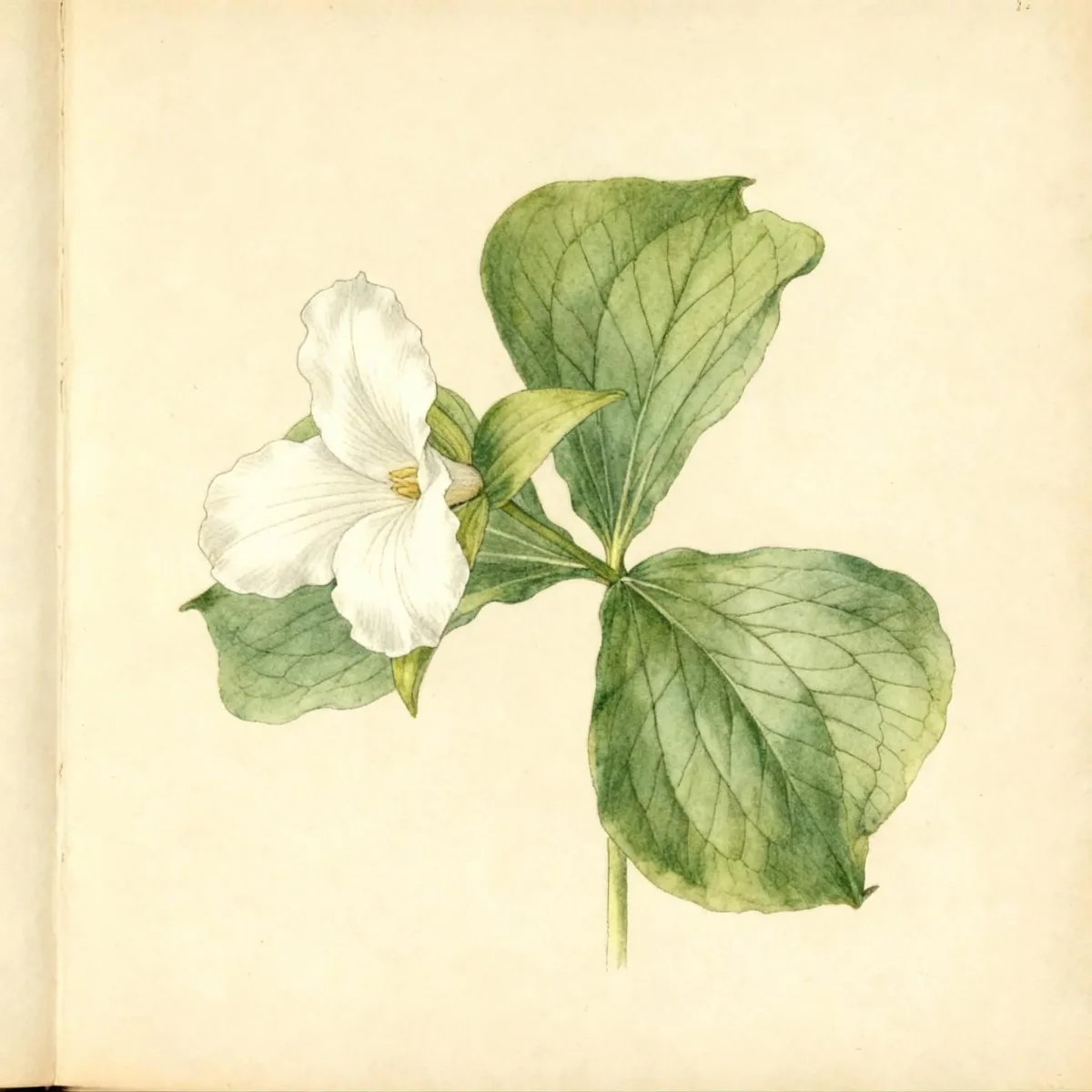
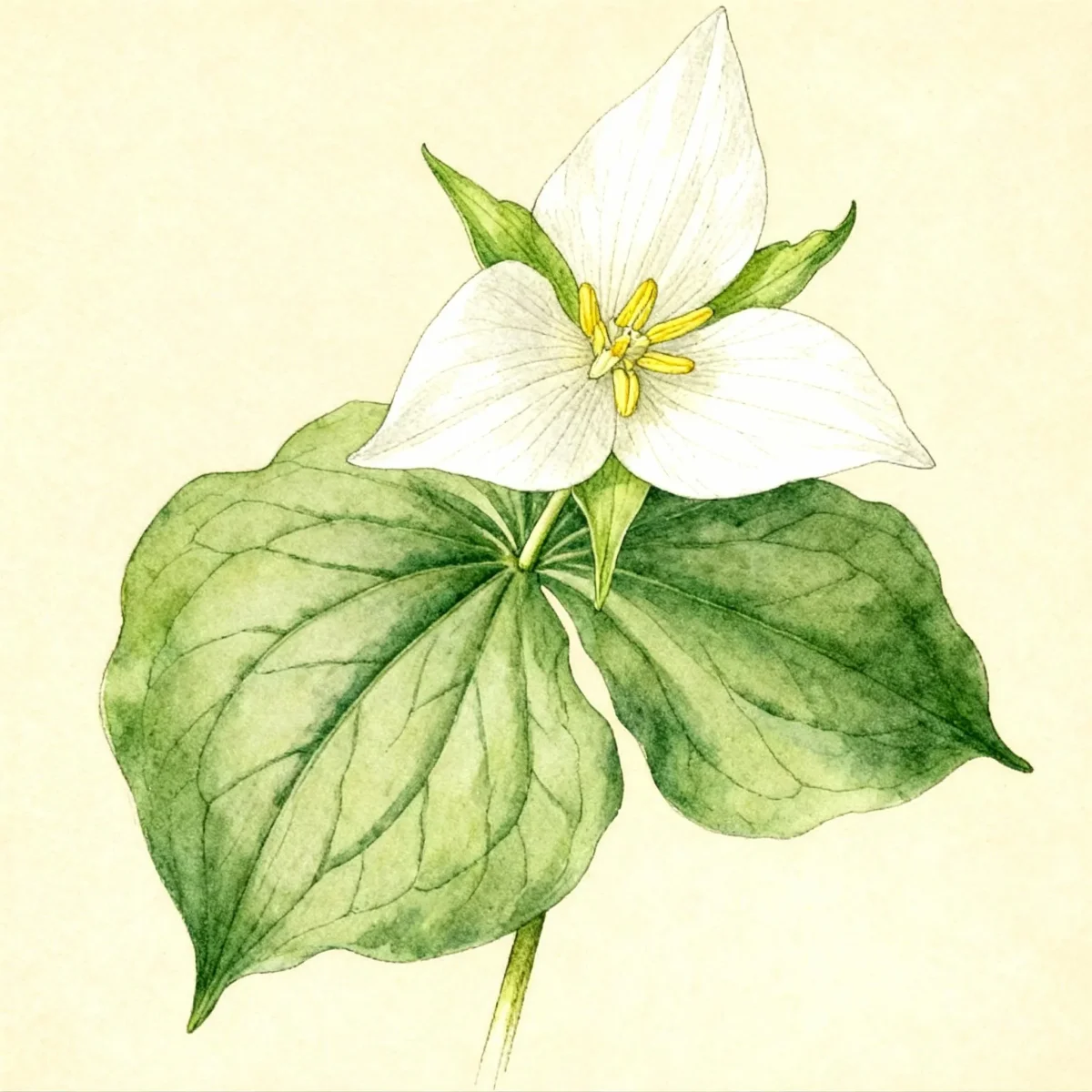
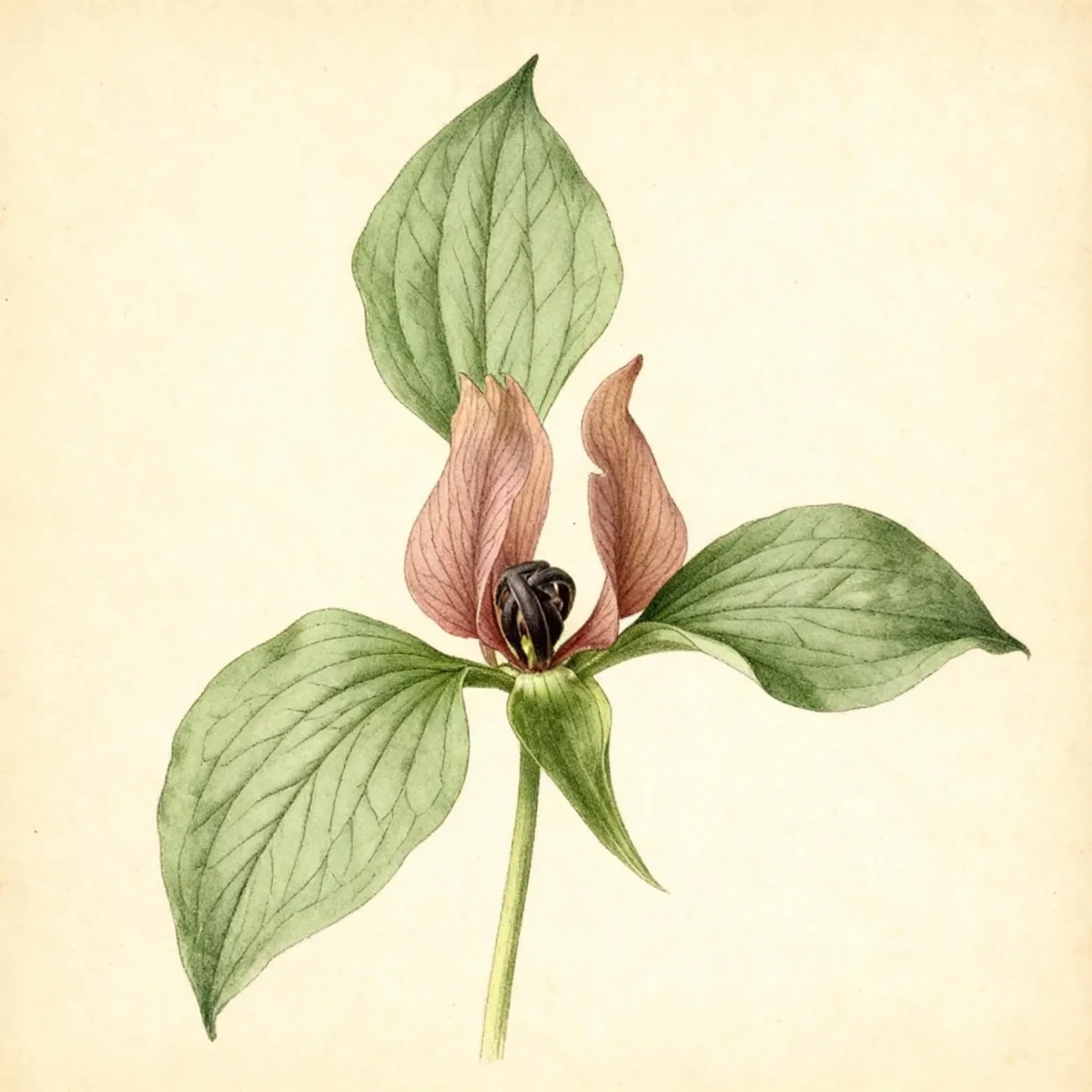
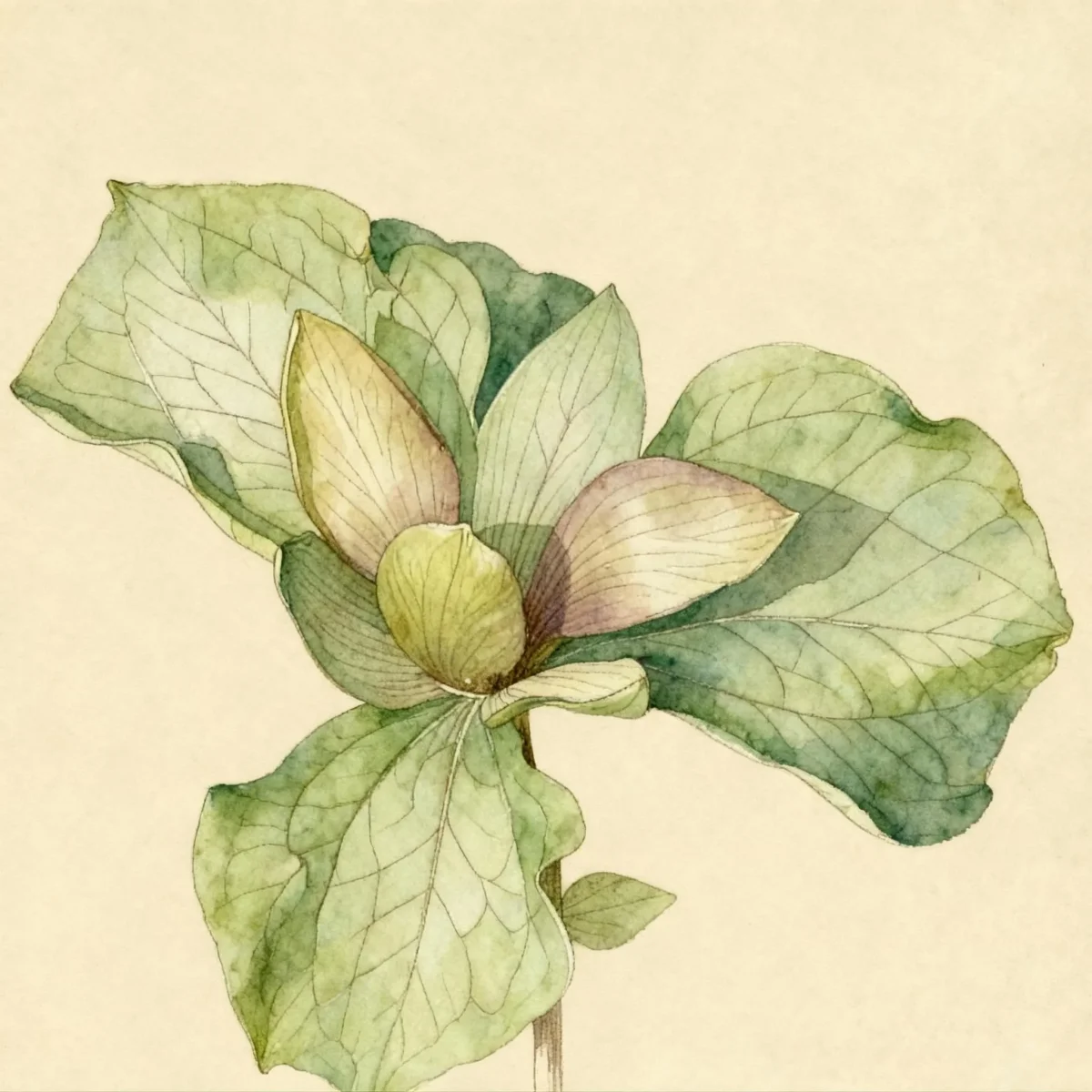
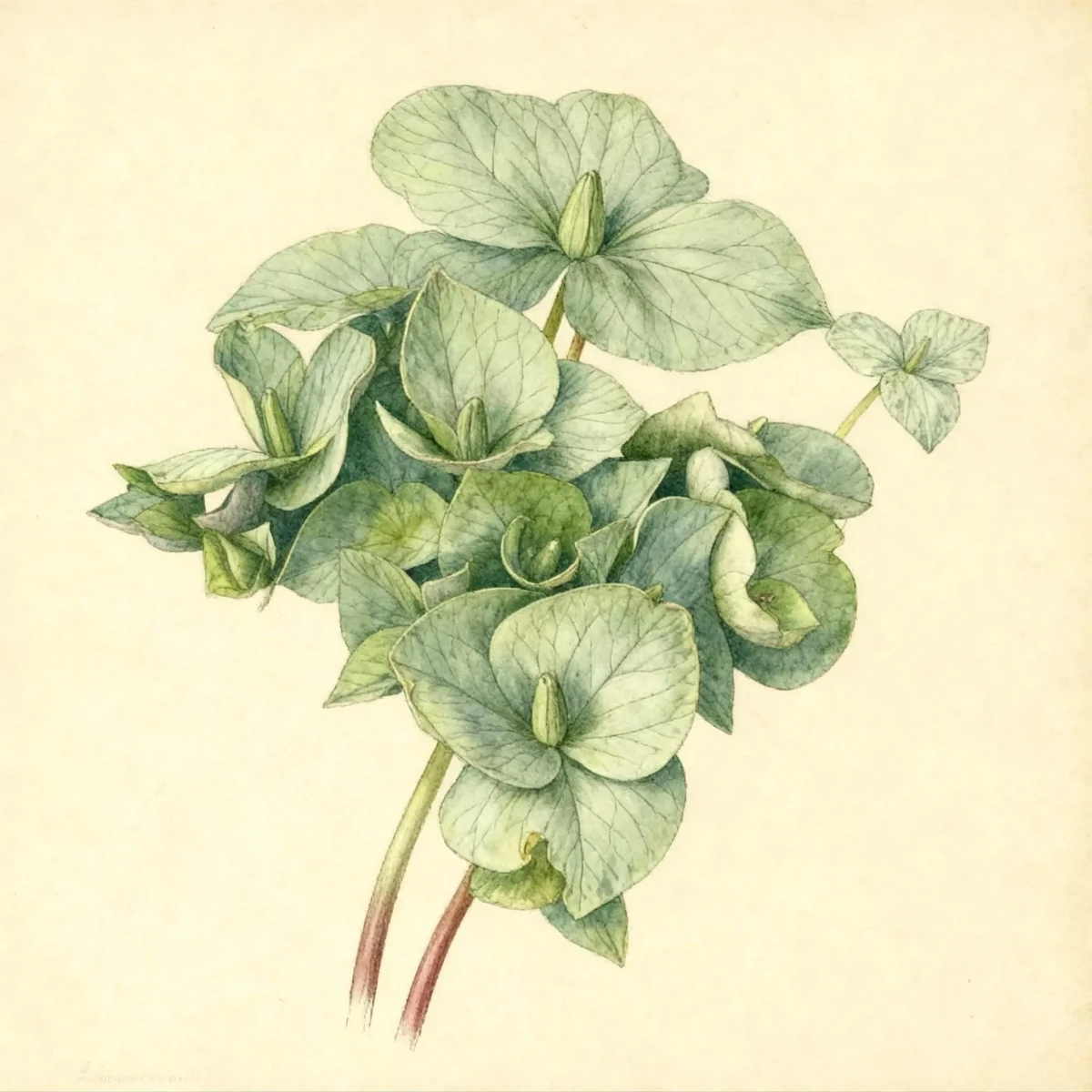
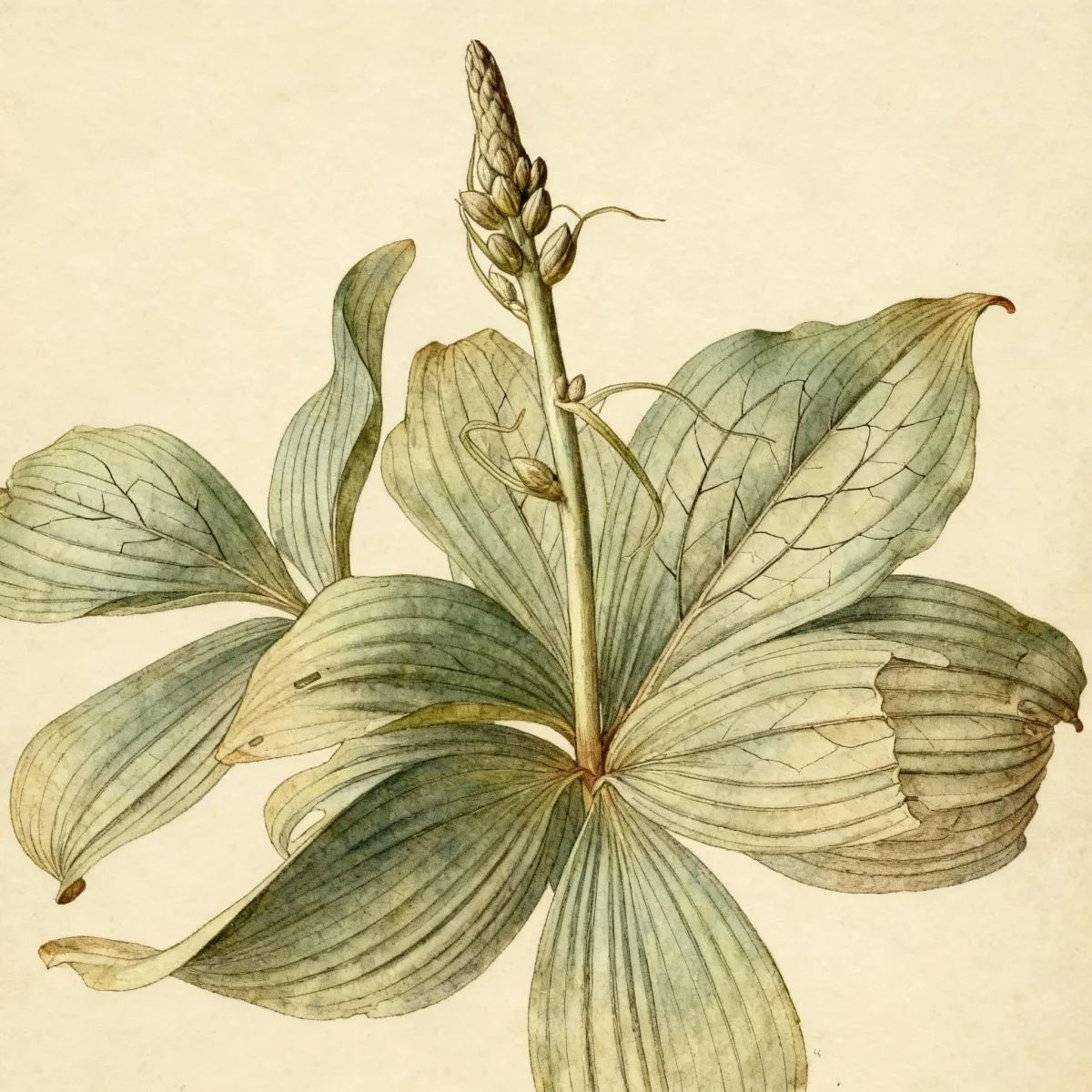
Yellow wake robin (Trillium luteum)
Discover Trillium luteum, the Yellow wake robin, a fragrant, showy spring wildflower for shady woodland gardens. Hardy zones 4-8.
Scroll down to discover growing tips, care requirements, companion plants, and more
Complete Plant Information
Overview
The Yellow wake robin, scientifically known as Trillium luteum, is a quintessential native spring ephemeral, prized for its delicate yet distinctive appearance beneath the emerging canopy. This graceful perennial brings early color to shaded areas, featuring three whorled, often mottled dark green leaves topped by a solitary, stalkless yellow flower. Its value lies in its ability to naturalize slowly, providing reliable structure once the woodland wakes up from winter dormancy.
As a rhizomatous plant, Trillium luteum establishes slowly but forms increasing colonies over time, offering a natural, layered look in woodland designs. While its scent is sometimes faint, it is generally noted for having a light lemon fragrance. Gardeners appreciate its symmetry, as the genus name Trillium refers to the plant parts typically occurring in groups of three: three leaves, three sepals, and three petals.
Cultivating Yellow wake robin successfully requires mirroring its native habitat. It thrives in cool, moist, humus-rich soils that are well-drained, avoiding the harsh afternoon sun common in many landscapes. While not difficult to grow under ideal conditions, its slow propagation rate means patience is essential for establishing large drifts of this beloved woodland native.
Fast Facts
- Plant Family: Melanthiaceae
- Plant Type: Herbaceous perennial
- Native Range: Southeastern United States
- Hardiness Zones: USDA Zones 4-8
- Size at Maturity:
- Height: 1-1.5 ft
- Spread: 1-1.5 ft
- Bloom Time: April to May
- Bloom Description: Yellow
- Sun Exposure: Part shade to full shade
- Water Needs: Medium
- Maintenance Level: Medium
How to Grow
The ideal time to plant Trillium luteum is in the fall, allowing the rhizomes to establish over the winter months before spring growth. Select a location that mimics a woodland floor: rich, humusy soil that offers excellent drainage is non-negotiable. While this plant needs part shade to full shade, ensure it receives dappled light early in the spring before deciduous trees fully leaf out.
Water management is crucial for this perennial. Maintain medium moisture levels throughout the growing season, ensuring the soil never remains waterlogged. Needs regular watering, especially during dry spells, as foliage management is tied directly to moisture availability; if the soil dries out drastically, the leaves will hasten their mid-summer dieback. Fertilization is usually unnecessary if the soil is amended annually with plenty of leaf mold or compost.
Maintenance for Yellow wake robin is relatively low once established. Avoid disturbing the planting area, as this species does not transplant well. Pruning is minimal; typically, only dead or damaged foliage is removed in late summer or fall after the plant has gone dormant. Do not cut back the foliage prematurely, as the leaves are necessary to photosynthesize resources back into the underground rhizome for next year’s bloom.
Propagation from seed is notoriously slow, often taking several years to reach maturity. Gardeners should focus on encouraging slow, rhizomatous spread by leaving the clumps undisturbed rather than attempting difficult divisions or seed starting unless they are experienced native plant enthusiasts.
Landscape Uses
Trillium luteum excels where a delicate, early-season woodland tapestry is desired. It is a classic spring-blooming wildflower best utilized when massed beneath deciduous trees, creating a stunning carpet effect as temperatures rise. This species is highly recommended for shaded woodland gardens or naturalized areas where native plants are favored.
Due to its relatively short period of above-ground activity, mix the Yellow wake robin liberally with plants that emerge later to ensure continuous interest. Excellent companions include various ferns, wild gingers (Asarum species), spring ephemerals like bloodroot, and early-blooming woodland phlox. Avoid planting in highly visible, formal perennial borders where its early summer dormancy might leave gaps.
The compact size of Trillium luteum (reaching about 1.5 feet tall) makes it perfect for softening the edges of shaded paths or nestled amongst rocks in a woodland scree garden. Its visual impact comes from quantity rather than sheer height, reinforcing the natural, gentle mood of a shaded retreat.
Standout Features
Flower Qualities
- Showy
- Fragrant
Noteworthy Characteristics
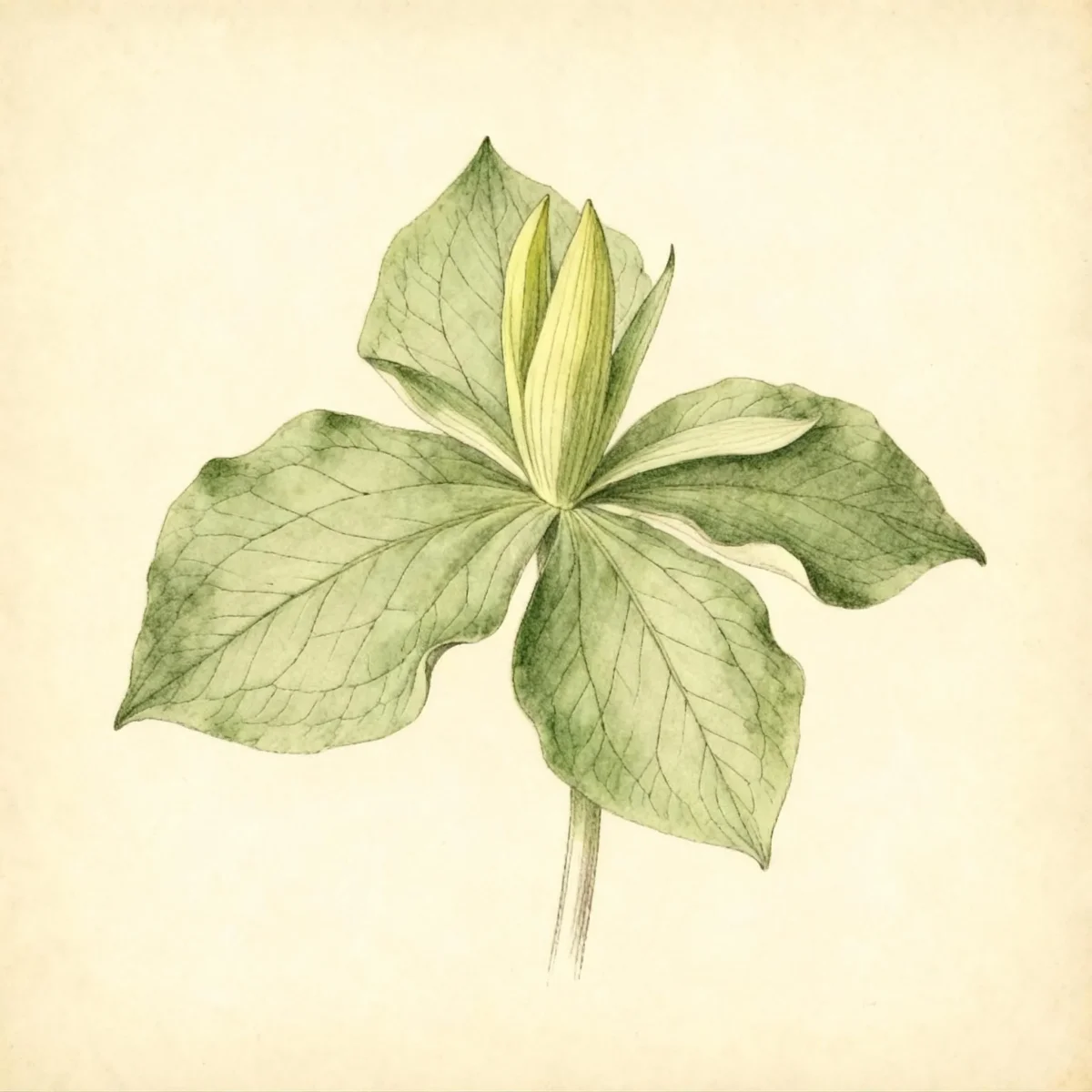
Trillium luteum, sometimes commonly called yellow trillium, grows up to 15” high. An unbranched, naked stem is topped by three, evenly-spaced, sessile, lanceolate to rounded, dark green, bract-like leaves (4” long) that are often mottled. The flower (2” high) features three erect, yellow petals and three narrow, greenish sepals and appears stalkless atop the center of the whorl, sometimes exhibiting a faint lemon scent. This species forms clumps slowly via thick, underground rhizomes which spread gradually if left undisturbed, offering graceful structure characteristic of the trillium.
Tolerances
Potential Problems
Trillium luteum generally enjoys excellent pest and disease resistance, making it a resilient choice for the shaded garden when established correctly. The most significant “problem” is horticultural rather than biological: Trillium luteum does not transplant well and should never be dug up from the wild.
If the foliage browns prematurely, it is almost always a sign of insufficient moisture during the summer, or perhaps excessive heat exposure throughout the season. Ensure the soil remains consistently moist but never soggy to prevent foliage decline before its natural senescence period. This plant rarely suffers from serious insect or disease issues under its preferred cultural conditions.
Frequently Asked Questions
What hardiness zones is Yellow wake robin suitable for?
The Yellow wake robin (Trillium luteum) is reliably hardy across USDA Zones 4 through 8.
How large does Trillium luteum grow?
This herbaceous perennial typically reaches a height between 1 and 1.5 feet, with a similar spread of 1 to 1.5 feet.
What sun exposure does Yellow wake robin need?
Trillium luteum requires protection from intense afternoon heat, thriving best in conditions ranging from part shade to full shade.
When does Trillium luteum bloom?
You can expect the distinctive yellow flowers of the Yellow wake robin to appear from April to May.
Conclusion
The Trillium luteum offers unmatched early spring elegance with its striking whorled foliage and cheerful yellow blooms, making it a treasure for any woodland setting. Successfully growing Yellow wake robin depends on replicating the rich, moist, and shaded environment of its native Southeastern US habitat. Before planting, confirm your space falls within USDA Zones 4-8 and plan to incorporate ample humus into your soil preparation.
Companion Planting for Woodlands
Creating a harmonious understory relies on selecting partners that share the cool, humus-rich, and moist requirements of Trillium luteum. Because the trillium goes dormant by mid-summer, companion plants should emerge later to fill the seasonal gap gracefully. Consider native woodland ferns, such as Christmas fern (Polystichum acrostichoides), whose evergreen fronds provide winter interest when the trillium is sleeping.
Groundcovers like Virginia Waterleaf (Hydrophyllum virginianum) or wild ginger work well, as they appreciate the same filtered light and soil composition. These companions help maintain consistent soil moisture around the trillium’s rhizomes throughout the drier summer months, which is crucial for the long-term health of Trillium luteum.
Propagation Tips for Trillium luteum
Successfully increasing your colony of Yellow wake robin is a long-term project best managed by allowing natural rhizomatous division, which occurs slowly if the plant is left undisturbed. For dedicated propagation, the only realistic method is through seed collection. Seeds should be collected when ripe in summer and sown immediately in cold frames, as Trillium seeds exhibit complex dormancy requirements (sometimes requiring two seasons of cold stratification) before germination.
Do not attempt to divide the rhizomes unless absolutely necessary, as this species is known to dislike being moved or divided, often leading to the loss of the plant. Patience is paramount here; home gardeners should prioritize proper cultural conditions over aggressive propagation efforts to ensure the longevity and continued beauty of their Trillium luteum patch.