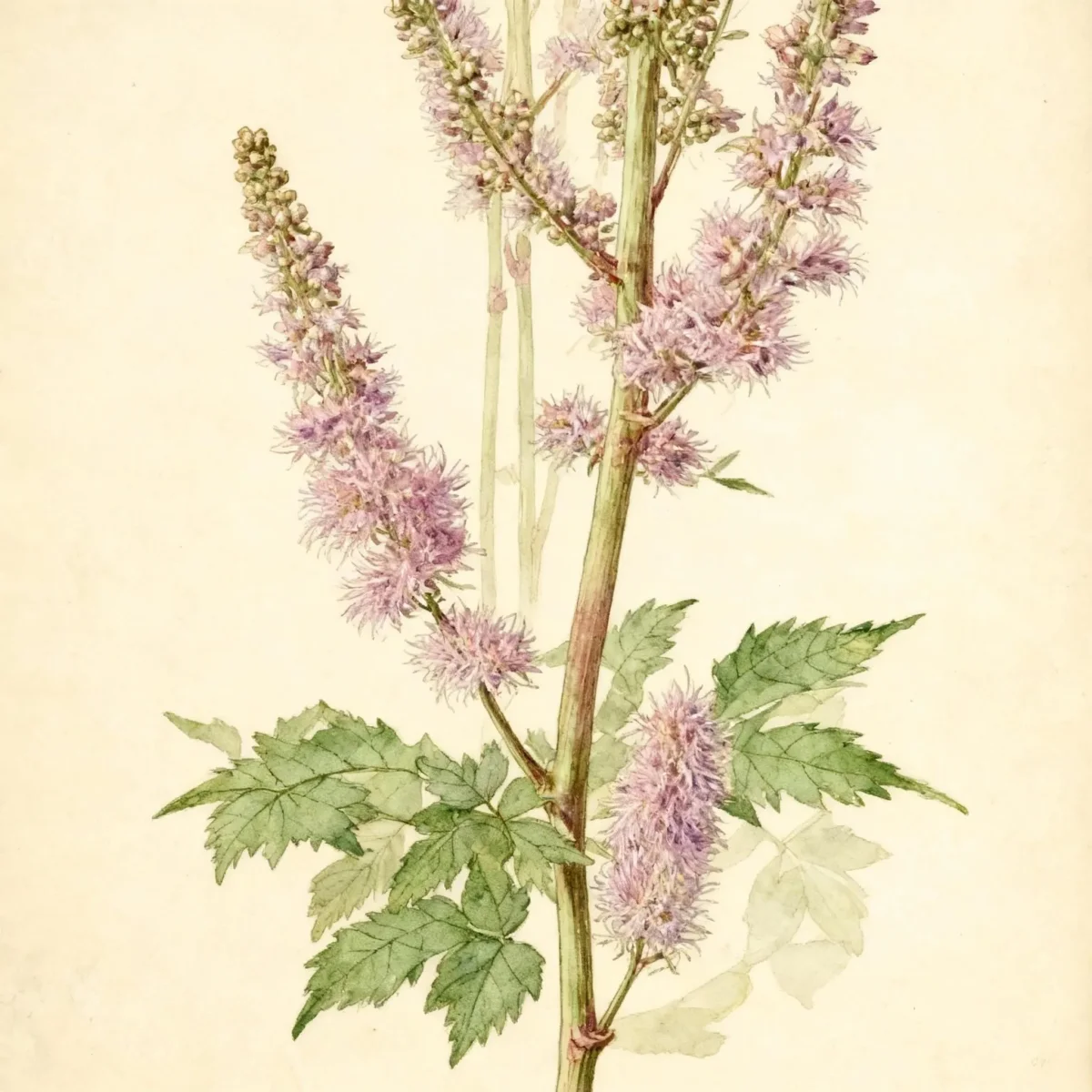
Large-flowered bellwort (Uvularia grandiflora)
Discover Large-flowered bellwort (Uvularia grandiflora), an elegant native perennial featuring showy, pendulous yellow blooms in spring shade gardens.
Scroll down to discover growing tips, care requirements, companion plants, and more
Complete Plant Information
Overview
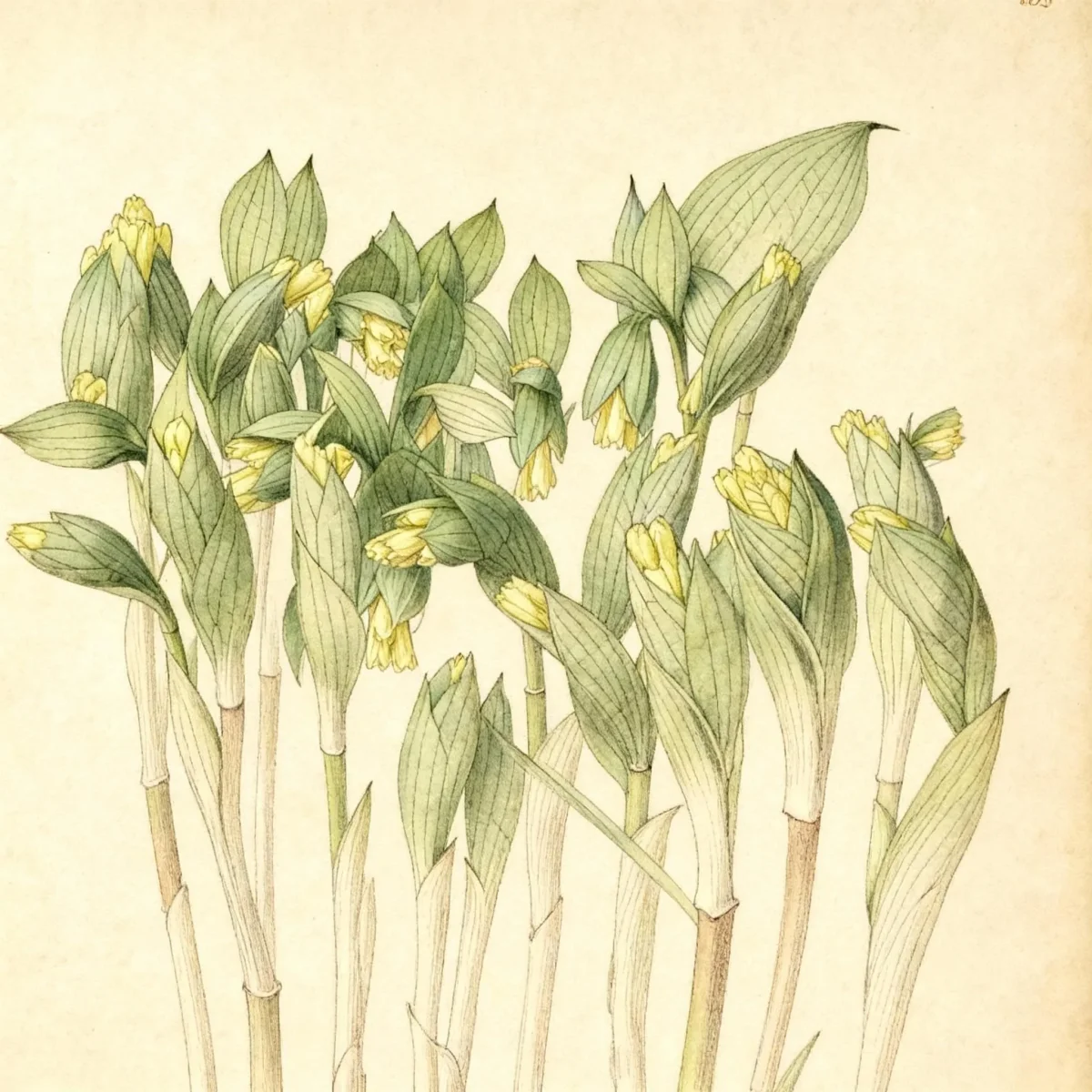
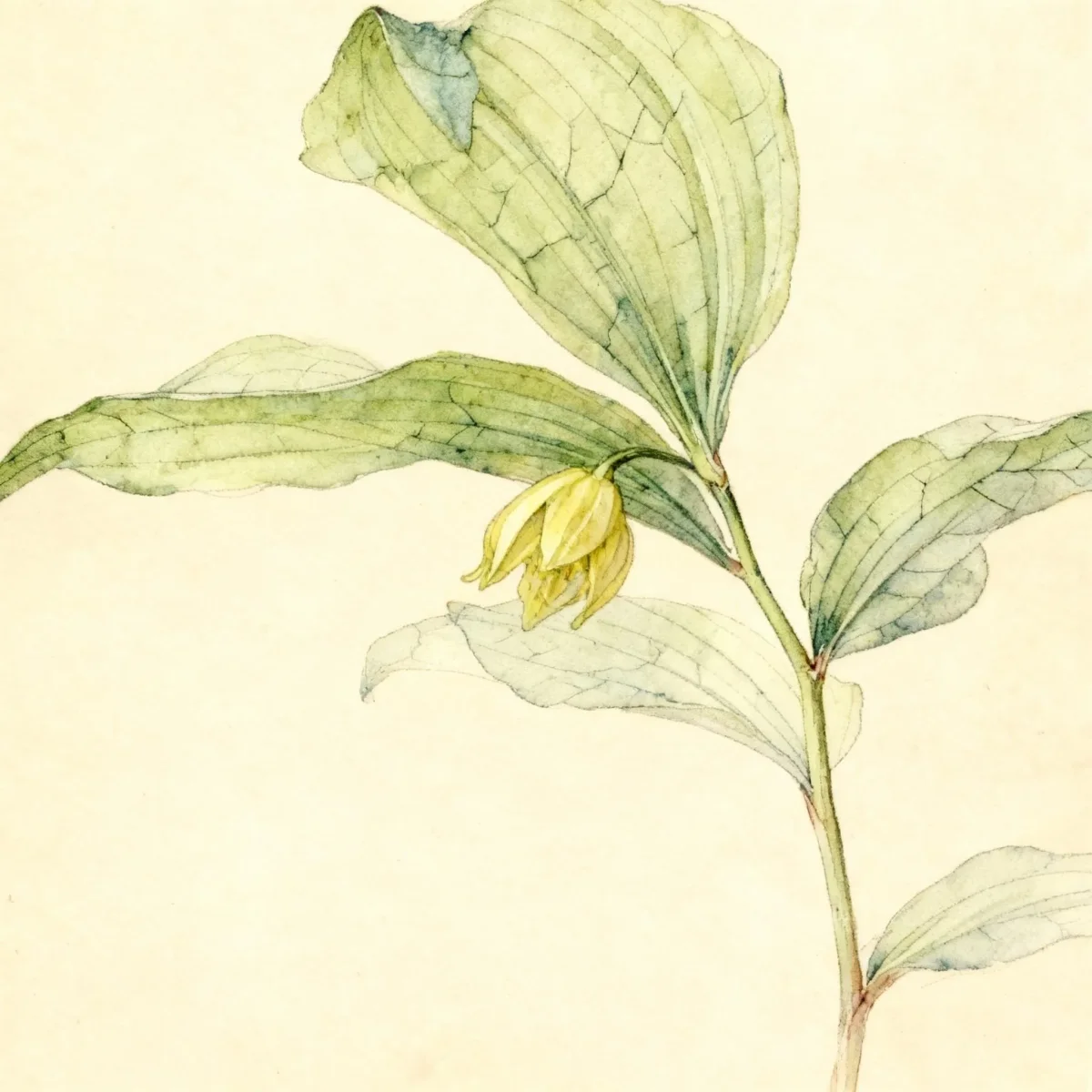
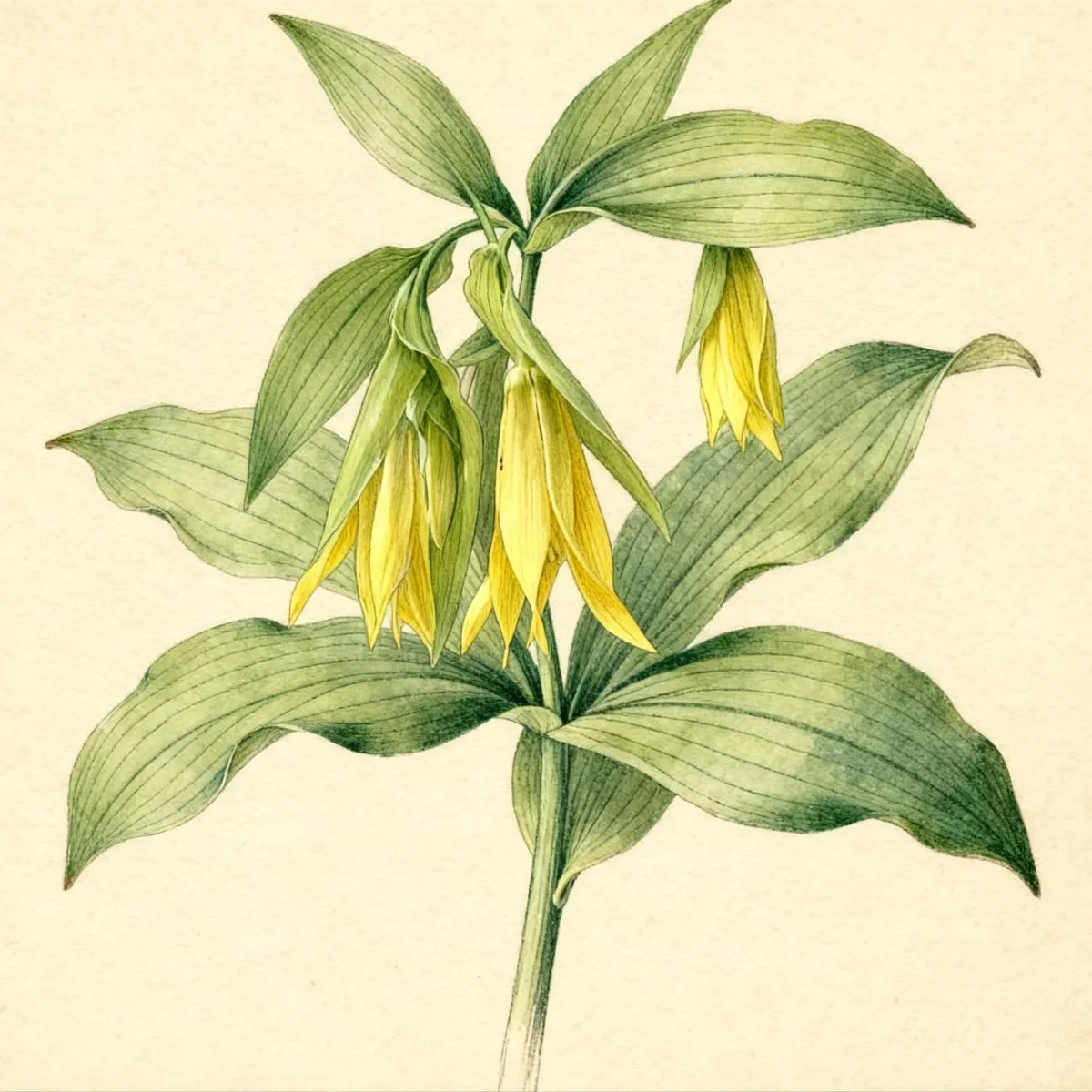
The Large-flowered bellwort, Uvularia grandiflora, brings delicate, slightly drooping elegance to the woodland garden. Its defining trait is the pendulous, six-parted yellow blossoms suspended beneath the foliage in mid-spring. As an easily grown native wildflower, Uvularia grandiflora offers reliable, low-maintenance structure as spring ephemerals fade.
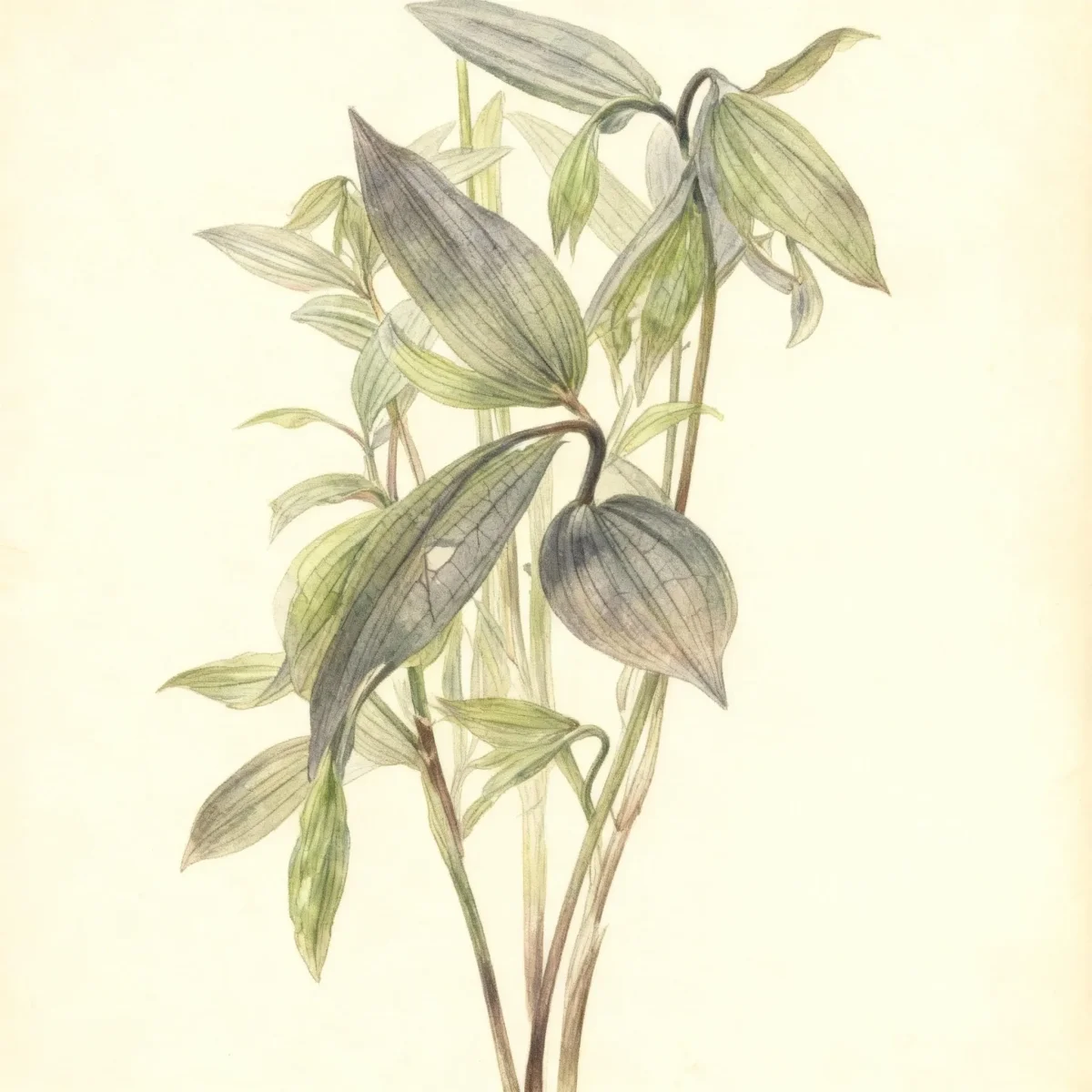
This herbaceous perennial forms neat clumps, characterized by its unique perfoliate leaves where the base appears to wrap around the stem. Despite its somewhat “droopy appearance,” the overall effect is graceful, making it highly valued for shaded borders. Gardeners appreciate the low maintenance requirements and its resilience once established.
Growing best in rich, humusy soils under dappled light, the Large-flowered bellwort thrives where many sun-loving plants struggle. It provides excellent textural contrast and is a superb choice for naturalizing under mature deciduous trees or along shaded woodland margins.
Fast Facts
- Plant Family: Colchicaceae
- Plant Type: Herbaceous perennial
- Native Range: Eastern and central North America
- Hardiness Zones: USDA Zones 4-9
- Size at Maturity:
- Height: 1.5-2 ft
- Spread: 1-1.5 ft
- Bloom Time: April to May
- Bloom Description: Yellow
- Sun Exposure: Part shade to full shade
- Water Needs: Medium
- Maintenance Level: Low
How to Grow
For optimal establishment, plant Uvularia grandiflora in the spring or fall when it is dormant or just emerging. Locate it where it receives part shade to full shade—avoiding the harsh afternoon sun is critical to maintaining leaf quality. This species excels in average, medium, well-drained soil, though it strongly prefers a moist, humusy woodland environment rich in organic matter.
Watering should remain consistent, registering as medium needs throughout the growing season. If planted under established trees, ensure the established root systems are not overly competitive for moisture. Fertilization is rarely necessary in rich woodland settings; however, a yearly top-dressing of compost greatly benefits soil health and mimics its ideal natural environment.
Maintenance for the Large-flowered bellwort is exceptionally low. Beyond ensuring consistent moisture during establishment, little intervention is required. In late fall or early spring, remove any lingering dead foliage, although the plant generally tidies itself up naturally.
Landscape Uses
Uvularia grandiflora is perfectly suited as an accent or mass planting in specialized shade gardens. It functions beautifully as a transition element near the front of a shaded border, its structure bridging the gap between low groundcovers and taller shade shrubs. Its suitability as a native shade plant makes it invaluable for ecological restoration projects or sustainable landscaping designs.
Consider utilizing Mass plantings under shade trees or along wood margins for the greatest visual impact when the blooms appear. This plant pairs wonderfully with other woodland natives that appreciate similar conditions, such as Trilliums, Mayapple (Podophyllum), Tiarella (Foamflower), or various native ferns.
The distinctive structure of the Large-flowered bellwort provides interest even when not in flower. Its bright green, partially twisted leaves offer texture that contrasts effectively with the broad leaves of hostas or the fine texture of certain ferns planted nearby.
Standout Features
Flower Qualities
- Showy
- Good Cut
Noteworthy Characteristics
Uvularia grandiflora is a Missouri native wildflower. It is a clump-forming, erect plant that grows to 2’ tall and features 1.5” long, pendulous, somewhat bell-shaped, yellow flowers with six, partially twisted tepals (petal and sepal look-alikes) and lance-shaped, perfoliate (leaf base encircles the stem), partially twisted, bright green leaves. The genus name refers to the anatomical term uvula due to the hanging blossoms, while the specific epithet means large-flowered.
Tolerances
- Drought
- Dry Soil
Potential Problems
Uvularia grandiflora generally exhibits good pest and disease resistance, posing no serious insect or disease problems for the conscientious gardener. The main concern involves young, tender emerging growth early in the season. This new growth is often susceptible to damage from slugs and snails, which can chew unsightly holes in the developing leaves.
Management should be preventative, especially if you notice heavy mulch or damp conditions that favor gastropods. Apply organic baits or use copper barriers around young plants if slug pressure is historically high in your garden. Once the Uvularia grandiflora matures and the foliage hardens off, this threat significantly diminishes.
Frequently Asked Questions
What hardiness zones is Large-flowered bellwort suitable for?
The Large-flowered bellwort is robustly cold-hardy, thriving in USDA Hardiness Zones 4 through 9.
How large does Uvularia grandiflora grow?
This species reaches a mature height generally between 1.5 to 2 feet tall, with a spread of about 1 to 1.5 feet wide, forming distinct clumps.
When does Large-flowered bellwort bloom?
Uvularia grandiflora flowers appear reliably in the spring, typically blooming from April well into May, displaying their characteristic yellow color.
What sun exposure does Uvularia grandiflora need?
This woodland native performs best when situated in locations receiving part shade to full shade throughout the day.
Conclusion
The Uvularia grandiflora, or Large-flowered bellwort, offers invaluable elegance and ease of care for shaded garden spaces. Its spring yellow flowers and unique foliage structure make it a standout among native perennials. Before planting, ensure your location provides the necessary moisture and dappled light, and then simply enjoy this low-maintenance wonder throughout the season.
Companion Planting
Companion planting Uvularia grandiflora effectively involves choosing other shade-loving natives that share its preference for humus-rich, medium-moisture soil. Good partners include Spring Beauties (Claytonia virginica) for early color and Epimedium (Barrenwort), which offer evergreen groundcover beneath the taller stems of the bellwort.
When planning, consider texture. Pair the broad, slightly glossy leaves of the bellwort with the delicate, airy foliage of ferns like the Maidenhair Fern (Adiantum pedatum) or the coarser textures of wild ginger (Asarum). This layering creates visual depth characteristic of a natural woodland setting.
Another excellent group of companions are woodland bulbs that bloom earlier, such as native Bloodroot (Sanguinaria canadensis), allowing the garden to offer continuous interest from early spring through summer.
Seasonal Care Calendar
Early Spring (March/April): This is the peak time to observe Uvularia grandiflora emergence. Monitor for slugs when new growth first appears. If you amend soil over winter, rake back any heavy mulch layer to allow warming sun near the emergence points.
Late Spring/Early Summer (May/June): After flowering concludes, the plant focuses energy on foliage development and rhizome building. Maintain consistent watering, ensuring the soil does not dry out completely, especially if planted near thirsty mature trees.
Late Summer/Fall (August onward): Foliage generally begins to yellow and die back naturally, signaling dormancy. Stop supplemental watering unless the area experiences unusual drought conditions. This is the ideal time to apply a light layer of finely sifted compost around the crowns before the ground freezes.