Cusick's camass (Camassia cusickii)
Discover Camassia cusickii, Cusick's camass, a low-maintenance Northwest native bulb with stunning blue spring flowers for wet sites.
Scroll down to discover growing tips, care requirements, companion plants, and more
Complete Plant Information
Overview
The striking beauty of Camassia cusickii, commonly known as Cusick’s camass, offers gardeners a simple yet dramatic display of color late in the spring season. This native bulb brings vibrant sky-blue racemes atop elegant, slender stalks, providing essential vertical structure in the garden as spring transitions into summer. It is prized for its low maintenance requirements and reliability in moist settings where many other bulbs struggle.
Originating in the damp meadows of the Northwestern United States, particularly northeast Oregon and western Idaho, Cusick’s camass thrives when given its preferred moisture levels. Gardeners seeking reliable perennial color that naturalizes easily will find this species an excellent addition to traditional perennial borders or naturalized landscapes. Its strap-like basal leaves provide elegant green foliage throughout the season.
For homeowners wanting to replicate native Pacific Northwest habitats or simply requiring a long-lived, attractive bulb that resists common pests, Camassia cusickii presents a fantastic option. Planting these bulbs en masse creates the most significant impact, transforming wet corners or pond edges into vibrant blue spectacles each May and June.
Fast Facts
- Plant Family: Asparagaceae
- Plant Type: Bulb
- Native Range: Northwestern United States
- Hardiness Zones: USDA Zones 3-8
- Size at Maturity:
- Height: 2-2.5 ft
- Spread: 0.75-1 ft
- Bloom Time: May to June
- Bloom Description: Blue
- Sun Exposure: Full sun to part shade
- Water Needs: Medium to wet
- Maintenance Level: Low
How to Grow
Camassia cusickii bulbs should be planted in the fall, ideally before the first hard freeze. Select a site that receives full sun or, if necessary, partial shade, ensuring the soil is moist, fertile, and well-drained, though this species tolerates clay soils better than some other bulbs. Plant the bulbs approximately 4 inches deep and space them 4 to 6 inches apart to allow room for naturalizing over time.
Maintenance for Cusick’s camass is remarkably easy once established. Water should be consistent, meeting medium to wet requirements, mimicking the damp meadows where it naturally occurs. Avoid standing water during dormancy, but throughout the growing and blooming season, keep the soil adequately moist. Minimal to no fertilization is typically needed if the soil is fertile.
After the flowers fade in early summer, allow the foliage to naturally yellow and die back completely. This process is crucial as the energy is stored in the bulb for next year’s bloom. Pruning involves simply cutting back the foliage once it has fully senesced, usually late summer or early fall.
This outstanding perennial bulb will naturalize beautifully under the right conditions, slowly forming larger colonies. For success in cultivation, prioritize replicating the acidic, humus-rich soil found in its native Pacific Northwest environments.
Landscape Uses
The primary recommendation for Camassia cusickii is to naturalize it, letting the bulbs multiply and create sweeping drifts of color across the garden tapestry. Mass plantings are crucial to achieving the full design impact of this species, turning understated areas into focal points when the blue flowers emerge over the strap-like foliage.
This plant thrives in conditions that mimic its native habitat, making it perfect for planting along the edges of ponds or streams where the soil remains consistently moist. It also integrates well within a wet meadow design, offering necessary height and a distinct late-spring color against shorter grasses or groundcovers. For structure, consider using Cusick’s camass in more formal border settings, ensuring the soil drainage is adequate despite the preference for moisture.
When selecting companions, choose early spring bulbs that fade before Camassia blooms, or robust summer perennials that can take over once the foliage of the handsome Cusick’s camass begins to recede. It provides an elevated, airy effect that complements bold foliage plants effectively.
Standout Features
Flower Qualities
- Showy
Noteworthy Characteristics
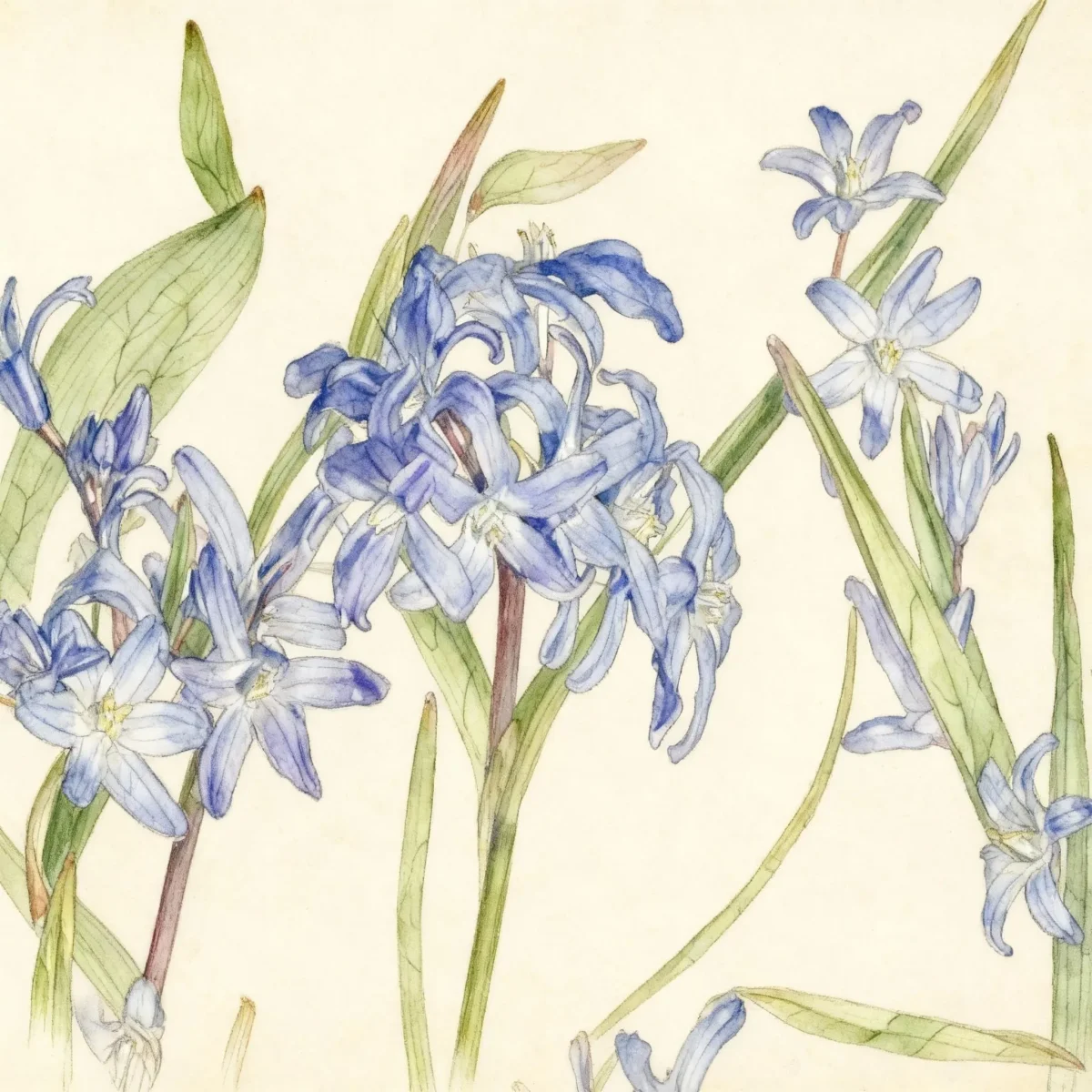
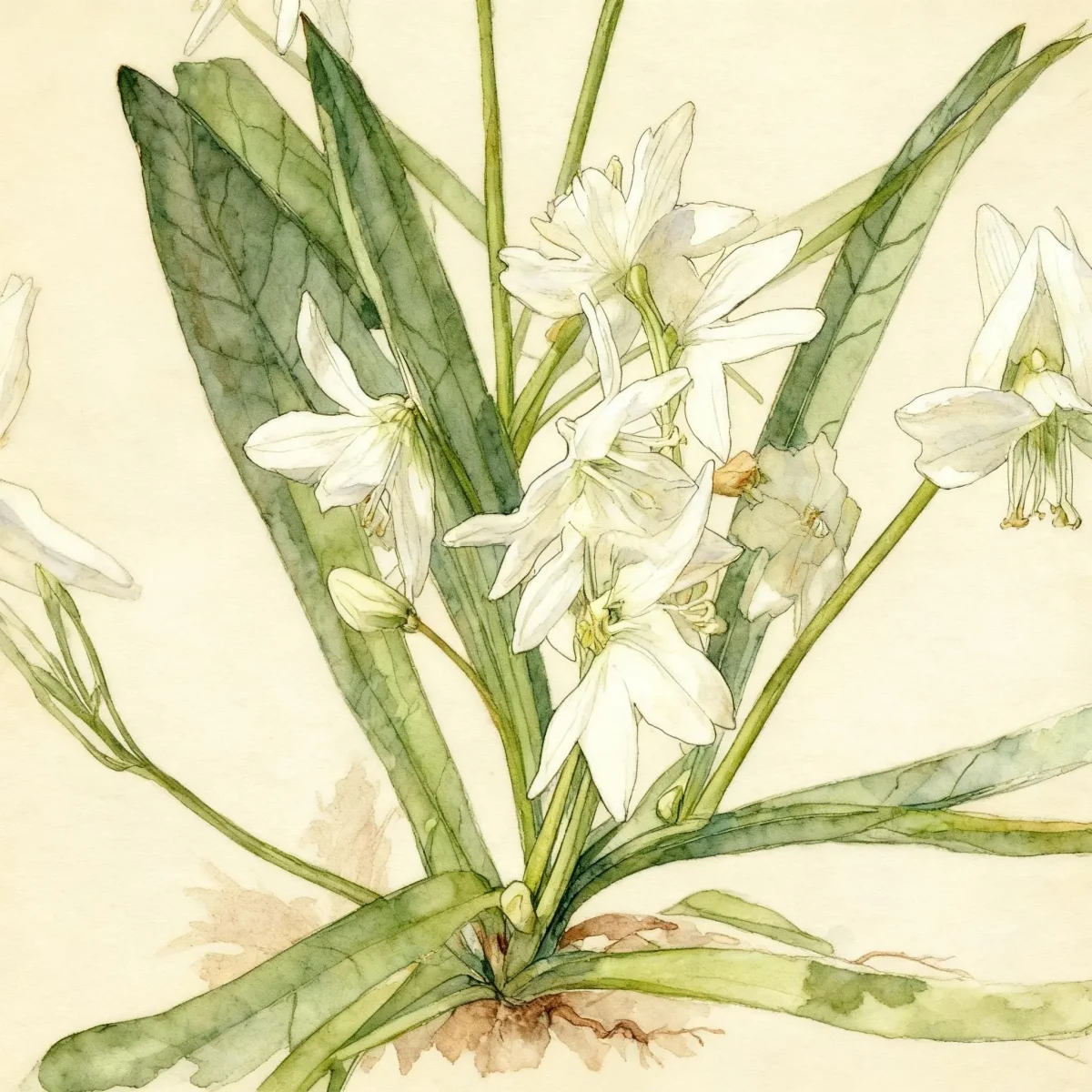
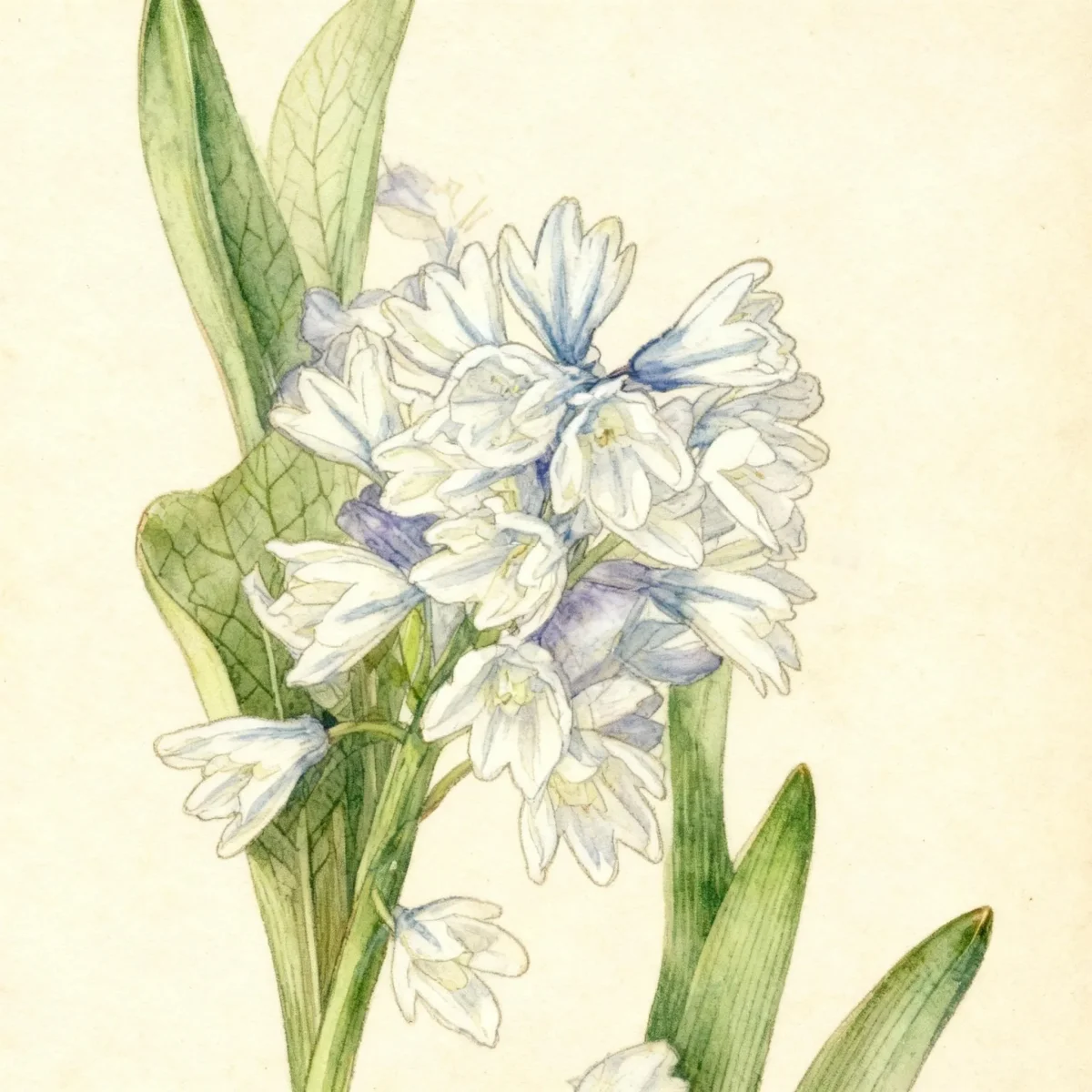
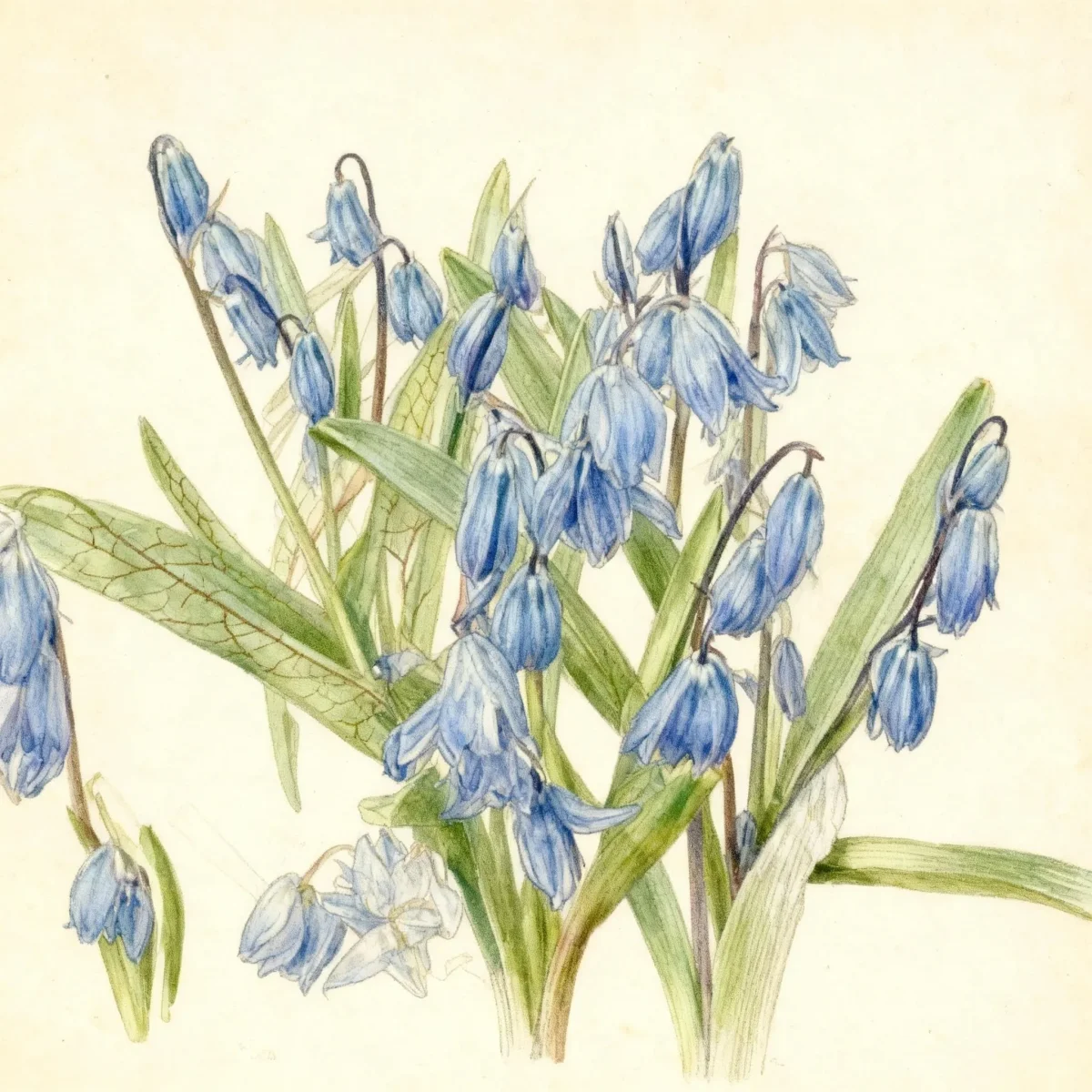
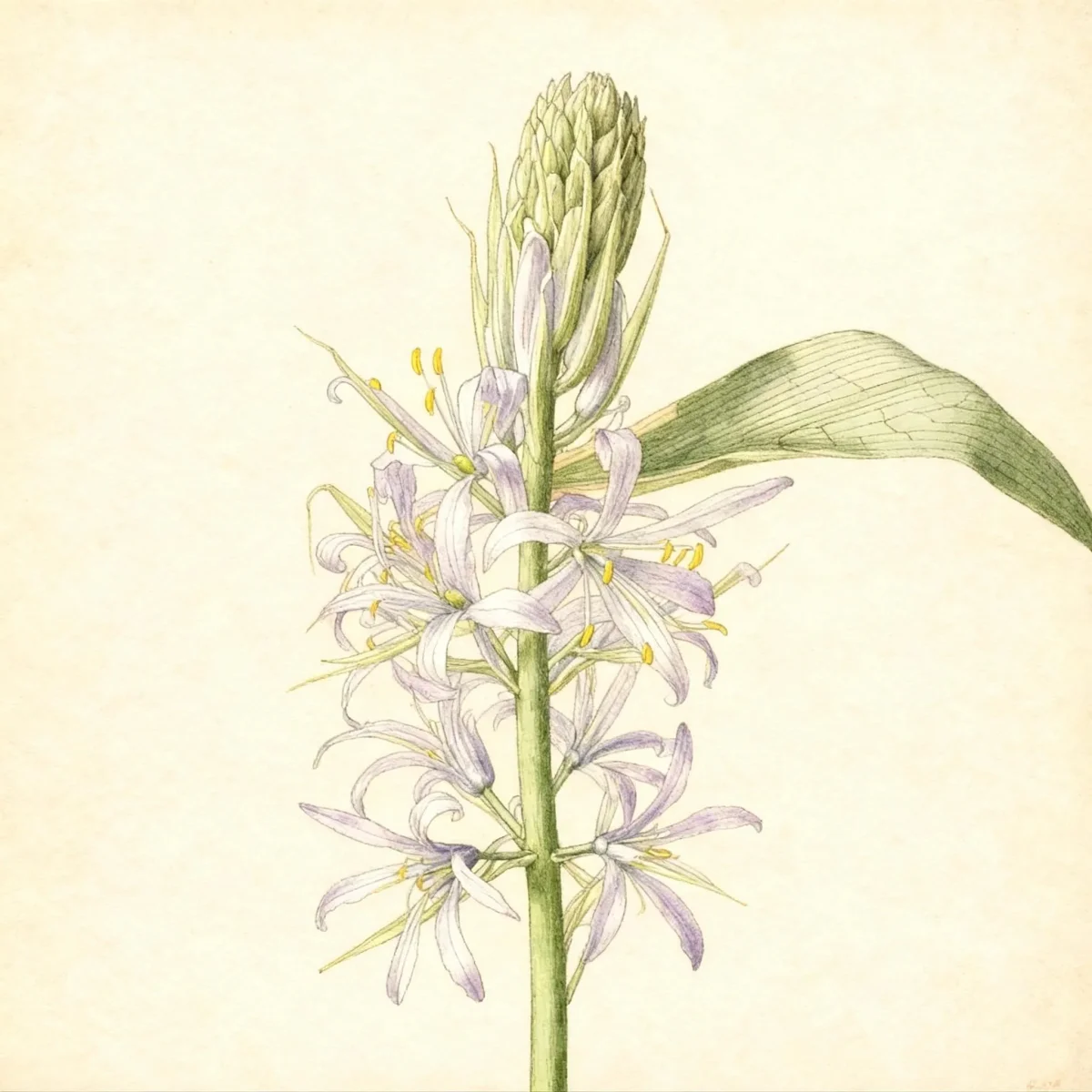
Camassia cusickii, or Cusick’s camass, is native to a few counties in northeast Oregon and western Idaho but can readily be found in cultivation for ornamental use in the home garden. Numerous narrow, green, strap-like leaves, 10-20” in length, emerge from the bulb in the spring forming a basal rosette, followed by the inflorescence. The 1.5-2.5’ flowering stalk supports a terminal raceme made of sky blue to white flowers with showy, yellow anthers.
Tolerances
- Rabbit
- Deer
Potential Problems
One of the greatest assets of Camassia cusickii is its impressive resistance to pests and diseases. No serious insect pests or diseases are typically reported for this species in garden settings. This low-maintenance profile contributes significantly to its appeal for native plant enthusiasts and those seeking organic gardening solutions. Should any minor issues arise, ensuring correct cultural conditions—particularly good moisture management without waterlogging—will usually resolve the problem naturally.
Frequently Asked Questions
What hardiness zones is Cusick’s camass suitable for?
Camassia cusickii is hardy and thrives across USDA Zones 3 through 8, offering excellent reliability for a wide range of northern and temperate gardeners.
How large does Camassia cusickii grow?
This bulb typically reaches a mature height between 2 and 2.5 ft tall, with a modest spread of 0.75 to 1 ft wide.
When does Cusick’s camass bloom?
Cusick’s camass offers its signature blue blooms primarily from May to June, providing vibrant color late in the spring season.
What sun exposure does Camassia cusickii need?
For the best blooming display, established Camassia cusickii prefers full sun, though it will tolerate partial shade.
Conclusion
As a resilient and visually striking native bulb, Cusick’s camass delivers exceptional late-spring color with minimal effort, particularly satisfying gardeners aiming for naturalized landscapes or wet-site plantings. The vibrant blue flowers of this Camassia cusickii provide an unmistakable highlight before summer heat sets in. Check your local USDA zone compatibility and plan your fall planting now to enjoy this spectacular display next spring.
Specific Companion Planting
When integrating Camassia cusickii into a garden design, look for companions that appreciate similar light and moisture conditions, especially those that emerge later. Plants that thrive in moist, somewhat dappled light, such as certain species of Iris (like Iris sibirica), or robust moisture-loving perennials like Astilbe or Meadowsweet (Filipendula), make excellent partners. Avoid planting it directly beside aggressive, dry-loving plants, as the Camassia bulb needs consistent available water through its primary growth phase.
Another excellent pairing strategy is using finely textured grasses that tolerate wet feet. Native sedges or fine ornamental grasses will complement the strong vertical thrust of the Cusick’s camass flower stalks. By using companions that fill the space once the Camassia foliage dies back, you ensure continuous visual interest throughout the summer months, masking the dormant bulb area gracefully.
Seasonal Care Calendar
Fall (Planting Time): This is the critical window for planting your Cusick’s camass bulbs. Ensure they are planted 4 inches deep in well-prepared, moist soil. This timing allows roots to establish before winter dormancy sets in.
Spring (Growth & Bloom): Monitor moisture levels closely during spring growth and bloom (May to June). If rainfall is scarce, supplemental watering is necessary to keep the soil medium to wet. Avoid disturbing the soil around actively growing plants to prevent bulb damage.
Summer (Dormancy Preparation): Once flowering concludes, resist the urge to cut back the foliage. The leaves must photosynthesize to store energy for the following year. Only trim the leaves when they have completely yellowed and browned, usually by late summer.