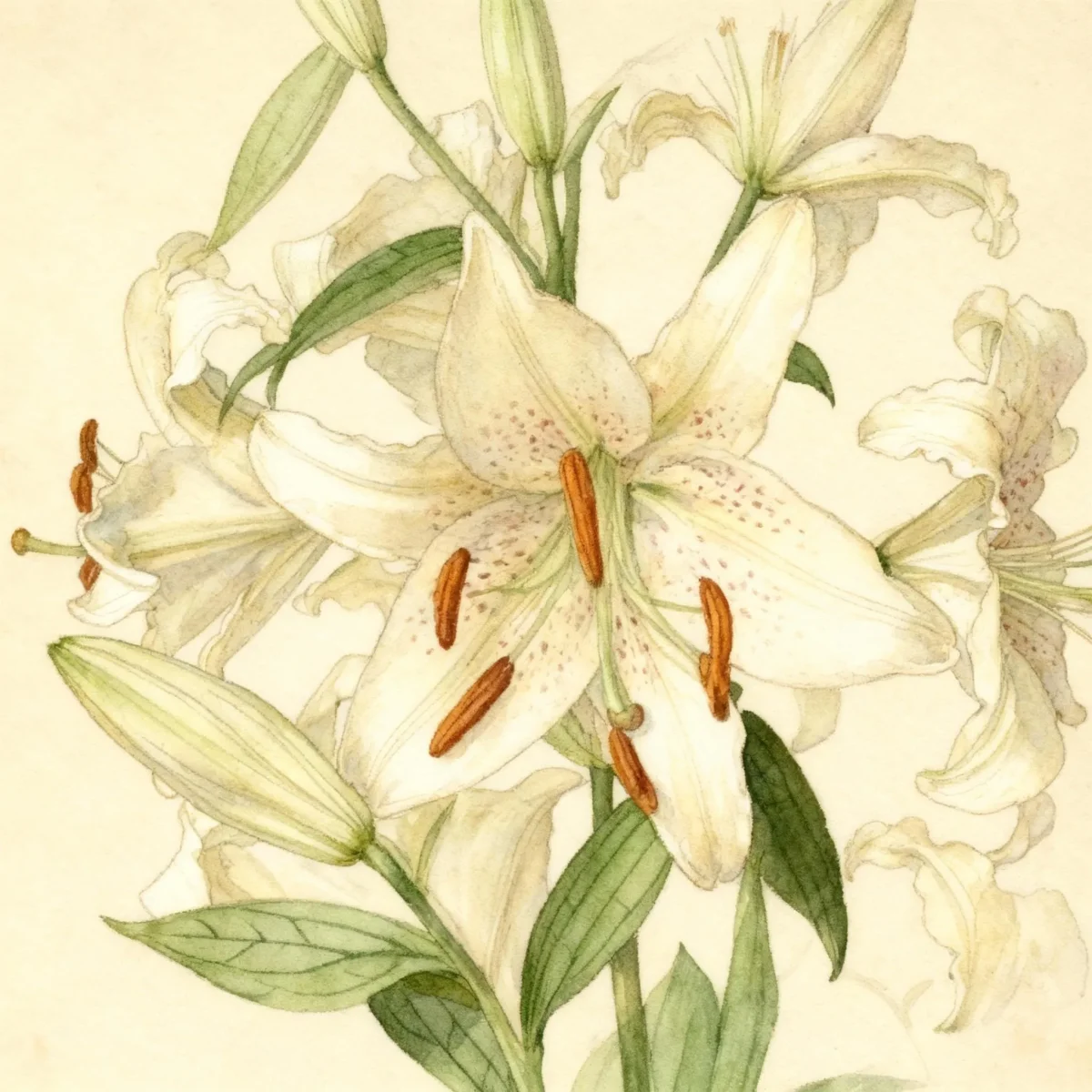
Formosan lily (Lilium formosanum)
The beautiful Formosan lily (Lilium formosanum) boasts striking, fragrant, trumpet-shaped white blooms from late summer into fall.
Scroll down to discover growing tips, care requirements, companion plants, and more
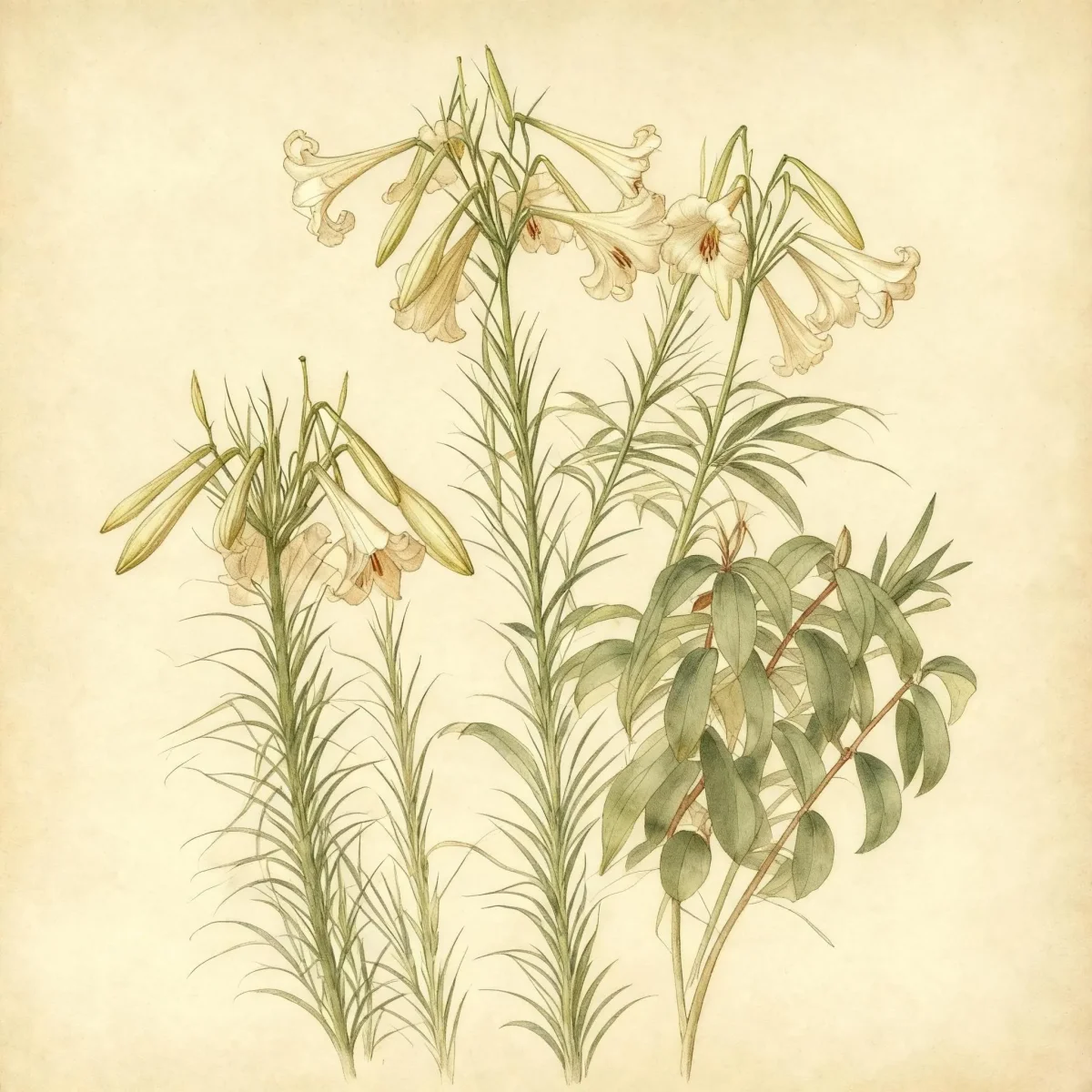
Complete Plant Information
Overview
The Formosan lily, botanically known as Lilium formosanum, is a stunning tropical-to-temperate hybrid prized for its imposing height and gloriously fragrant late-season flowers. Reaching up to seven feet tall, these lilies transform the late summer garden with masses of pure white, trumpet-shaped blooms that are sweetly scented. This Division IX species lily is relatively easy to cultivate, offering a dramatic, vertical accent to the landscape.
Native to Taiwan (formerly Formosa), the Lilium formosanum thrives in rich soil and benefits greatly from conditions that keep its roots cool while its upper foliage enjoys ample sunlight. Its low maintenance requirements, once established in suitable conditions, make it a rewarding choice for gardeners seeking the drama and fragrance of a classic lily without excessive fuss.
These tall, showy plants provide excellent impact when used near pathways or against darker backdrops, drawing attention to their dramatic height just as many summer flowers begin to fade. Cultivating the Formosan lily ensures a beautiful, fragrant finale to the growing season.
Fast Facts
- Plant Family: Liliaceae
- Plant Type: Bulb
- Native Range: Taiwan
- Hardiness Zones: USDA Zones 5-8
- Size at Maturity:
- Height: 4-7 ft
- Spread: 2-3 ft
- Bloom Time: August to September
- Bloom Description: White
- Sun Exposure: Full sun to part shade
- Water Needs: Medium
- Maintenance Level: Low
How to Grow
Planting Lilium formosanum bulbs is best performed in the fall, as this allows them to establish a hardy root system before winter dormancy. Ensure planting depth is between 4 to 6 inches in average, medium-moisture, slightly acidic, well-drained soils. The ideal setting mimics its native environment: rich organic loams where the base of the plant receives shade, but the upper foliage enjoys full sun. Mulching heavily helps keep root zones cool, which is crucial for successful bulb life.
Water needs are medium, requiring consistent moisture year-round; never allow the soil to dry out completely, especially once growth begins in spring. Formosan lily bulbs require good moisture retention without becoming soggy, avoiding the conditions that lead to bulb rot. Minimal feeding is generally required if the soil is rich, but consistent moisture is non-negotiable for these vigorous growers.
Maintenance for the Formosan lily is generally low. Deadhead fading flowers promptly to prevent seed set, although the resulting seedpods can be attractive garden features. Resist the urge to cut back the foliage after blooming; stems and leaves should be left intact until they naturally turn yellow. This allows the foliage to store energy back into the bulb for robust performance next season. Taller stems may require staking if situated in windy locations or if grown in too much shade, which can result in weakened, floppy stems.
Landscape Uses
The bold vertical structure and intense late-season fragrance make the Formosan lily an exceptional specimen plant. Its height ensures it performs wonderfully at the back of mixed borders, providing drama and height where other perennials might be winding down. These showy flowers are also highly prized in dedicated cutting gardens, offering large, fragrant stems perfect for summer arrangements.
Consider integrating the Lilium formosanum into cottage garden schemes where its height can be balanced against lower-growing annuals or perennials that enjoy similar sun and soil conditions. They also adapt well to container culture, though plants grown in pots may remain slightly smaller than those planted directly in the ground.
For the best visual effect, pair the pure white blooms of the Formosan lily with deep purple or blue companion plants that contrast beautifully with the white trumpets. This planting strategy further enhances the flower’s prominence during its August and September bloom window.
Standout Features
Flower Qualities
- Showy
- Fragrant
Fruit Qualities
- Showy
Noteworthy Characteristics
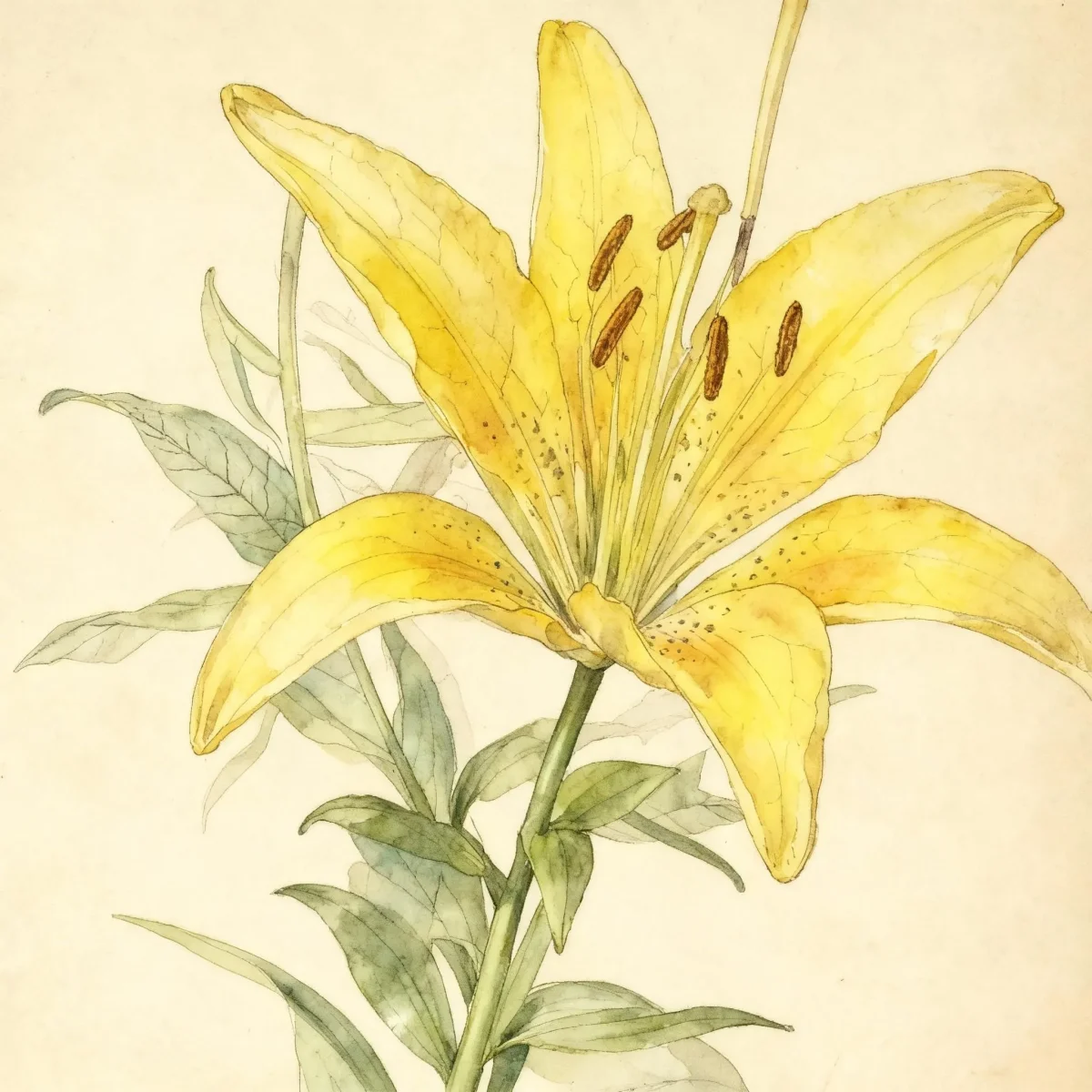
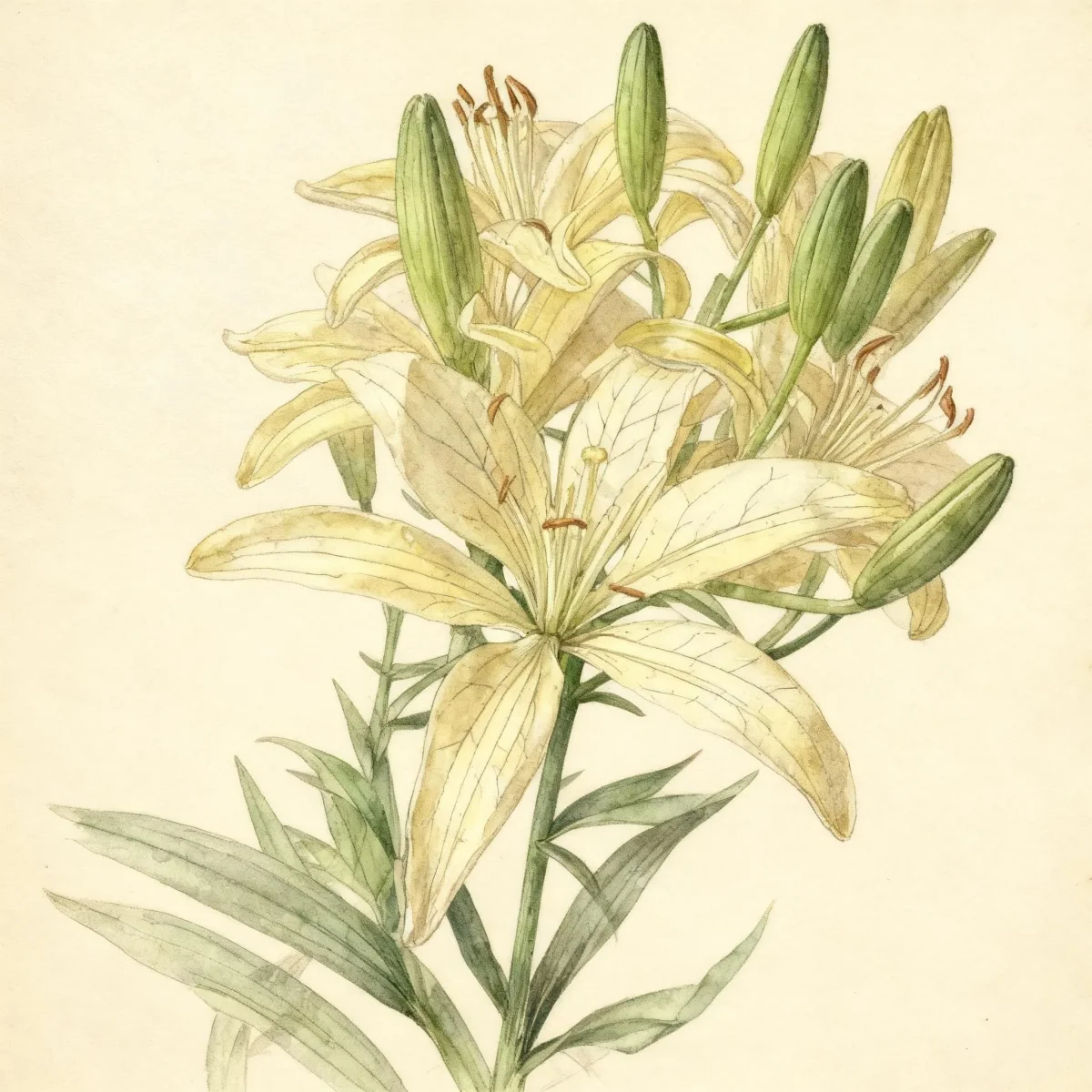
Lilium formosanum, commonly called Formosa lily, is a Division IX species lily that is native to Taiwan (formerly known as Formosa). It typically grows from 4 to 7 feet tall and features a late summer to fall bloom of pendant, 6-tepaled, sweetly fragrant, trumpet-shaped flowers (to 8-12” long) that are pure white but sometimes tinged with reddish purple on the outside. Each bulb typically produces 2-3 stiff stems clad with lance-shaped deep green leaves (to 8” long). Flowers are followed by seedpods that remain attractive in the garden or for dried arrangements.
Tolerances
- Bulb rot (particularly in wet, poorly-drained soils)
Potential Problems
For the average gardener, this lily is easy to grow. It is generally pest free, but potential diseases include: (1) lily mosaic virus (prompt control of aphids which vector the disease is highly recommended, since there is no cure once infection occurs), (2) bulb rot (particularly in wet, poorly-drained soils), and (3) Botrytis. Taller plants may need staking if grown in too much shade (stems weaken) or in locations exposed to strong winds. May be short-lived.
The most critical issue to monitor is soil drainage; Lilium formosanum is highly susceptible to bulb rot if the soil retains too much moisture. Prevent this by amending heavy soils with grit or compost to improve drainage before planting. Aphid control is also vital to prevent the spread of lily mosaic virus, as there is currently no cure for infected plants.
Frequently Asked Questions
What hardiness zones is Formosan lily suitable for?
The Formosan lily is generally hardy in USDA Zones 5 through 8.
How large does Lilium formosanum grow?
This lily typically reaches heights between 4 and 7 feet, with a spread of 2 to 3 feet at maturity.
What sun exposure does Lilium formosanum need?
It performs best in full sun to part shade conditions, though it prefers having the roots shaded and the upper parts enjoying bright light.
When does Formosan lily bloom?
The Formosan lily reliably blooms late in the season, typically from August into September, producing striking white flowers.
Conclusion
The Formosan lily offers unparalleled late-season vertical interest and wonderful fragrance, making Lilium formosanum a must-have for those seeking drama as summer wanes. Its easygoing nature, combined with its spectacular appearance, rewards gardeners who provide it with consistent year-round moisture and well-drained soil. Check your local hardiness zone compatibility and plan your fall planting strategy to enjoy these magnificent blooms next summer.
Companion Planting
Selecting companions for the Formosan lily should focus on plants that appreciate similar growing conditions: medium moisture and well-drained, rich soil. Because the lily tops are tall and showy, using shorter, contrasting textures at the base helps shade the roots, meeting the plant’s cultural preference.
Consider pairing the 7-foot stems with sturdy, bushy perennials whose foliage will persist through the bloom time, such as Japanese Anemones, Rudbeckia varieties, or sturdy ornamental grasses like Miscanthus. These companions help mask the sometimes-untidy appearance of the lower leaves after flowering and ensure the root crown of the Lilium formosanum stays cool.
Design Ideas
Utilize the natural elegance of Lilium formosanum to create vertical focal points in the landscape. Planting in groups of three or five bulbs creates a more impactful screen or grouping than single specimens, maximizing the visible fragrance and showy impact during late summer.
For container designs, use a deep pot to accommodate the necessary 4 to 6-inch planting depth. Layering the lilies with trailing, shade-tolerant plants like creeping Jenny or ivy around the rim will provide the necessary root cooling while adding textural interest to the container display.