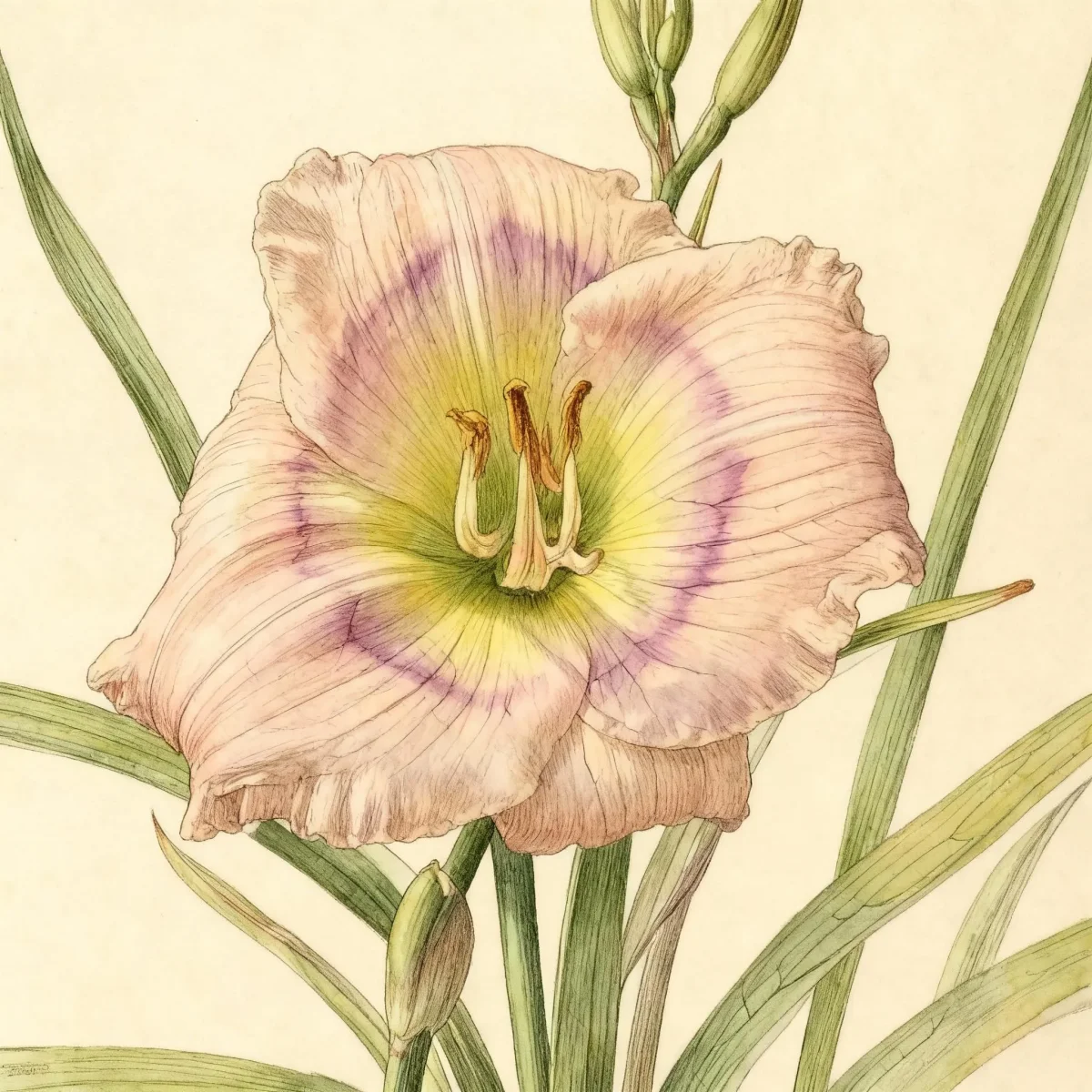
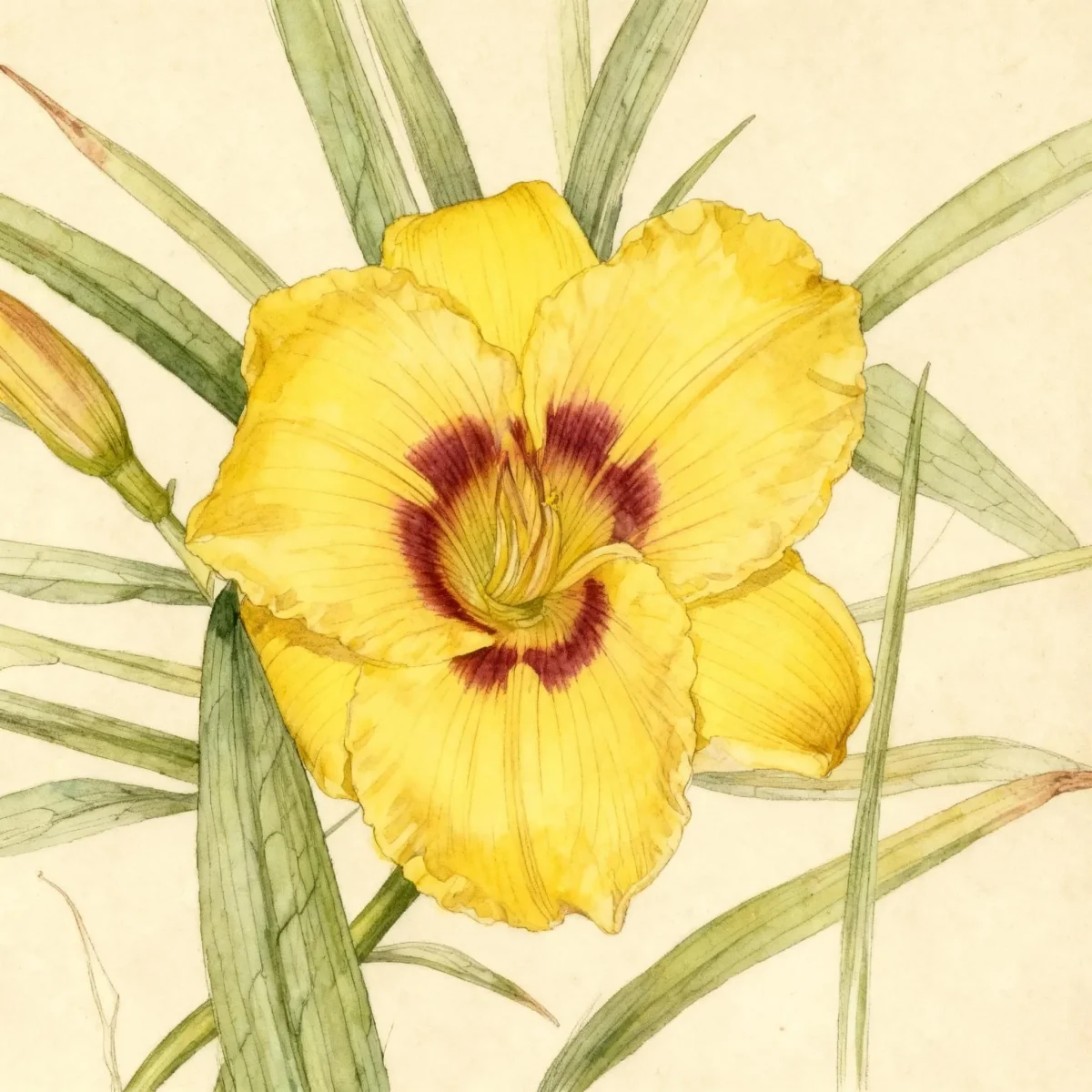
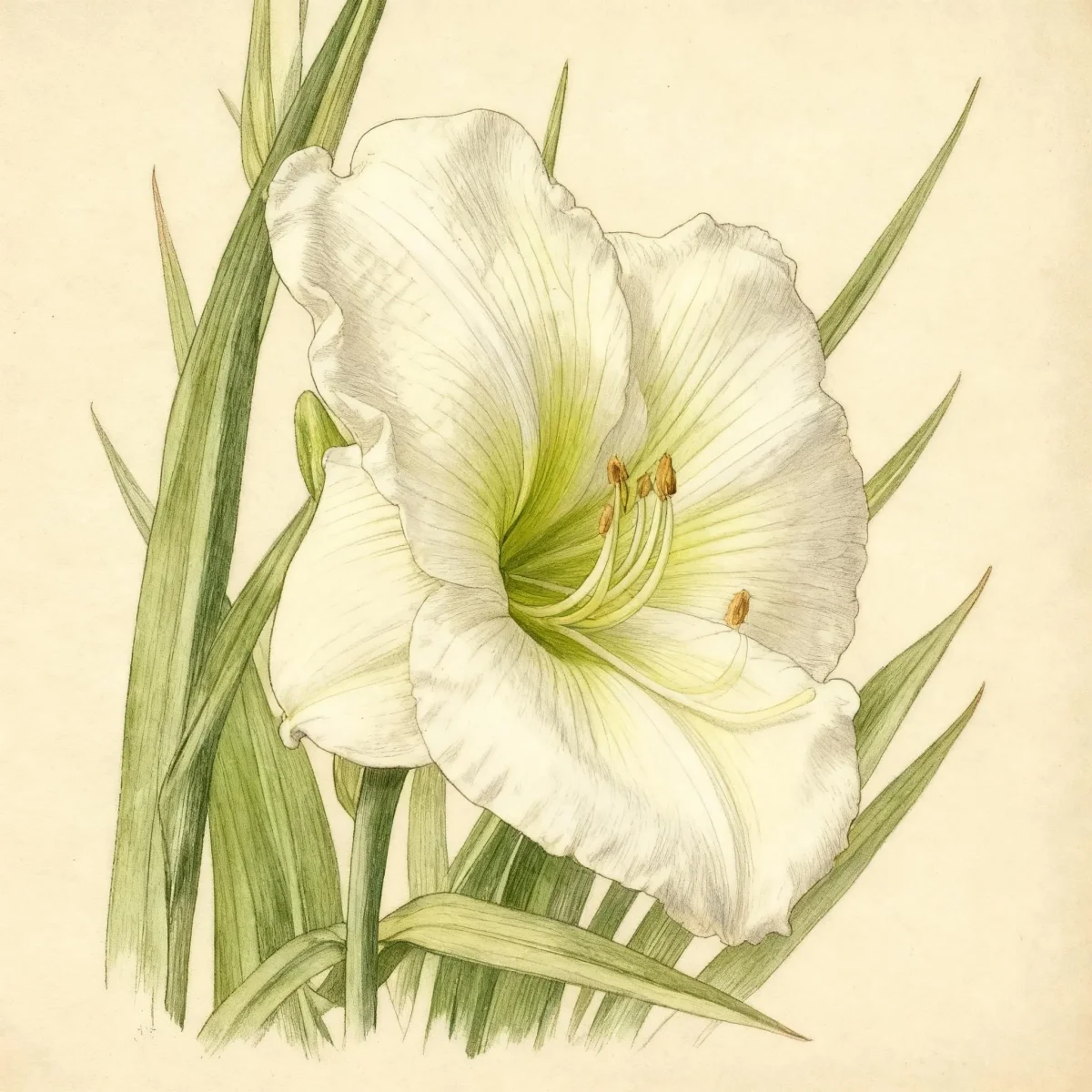
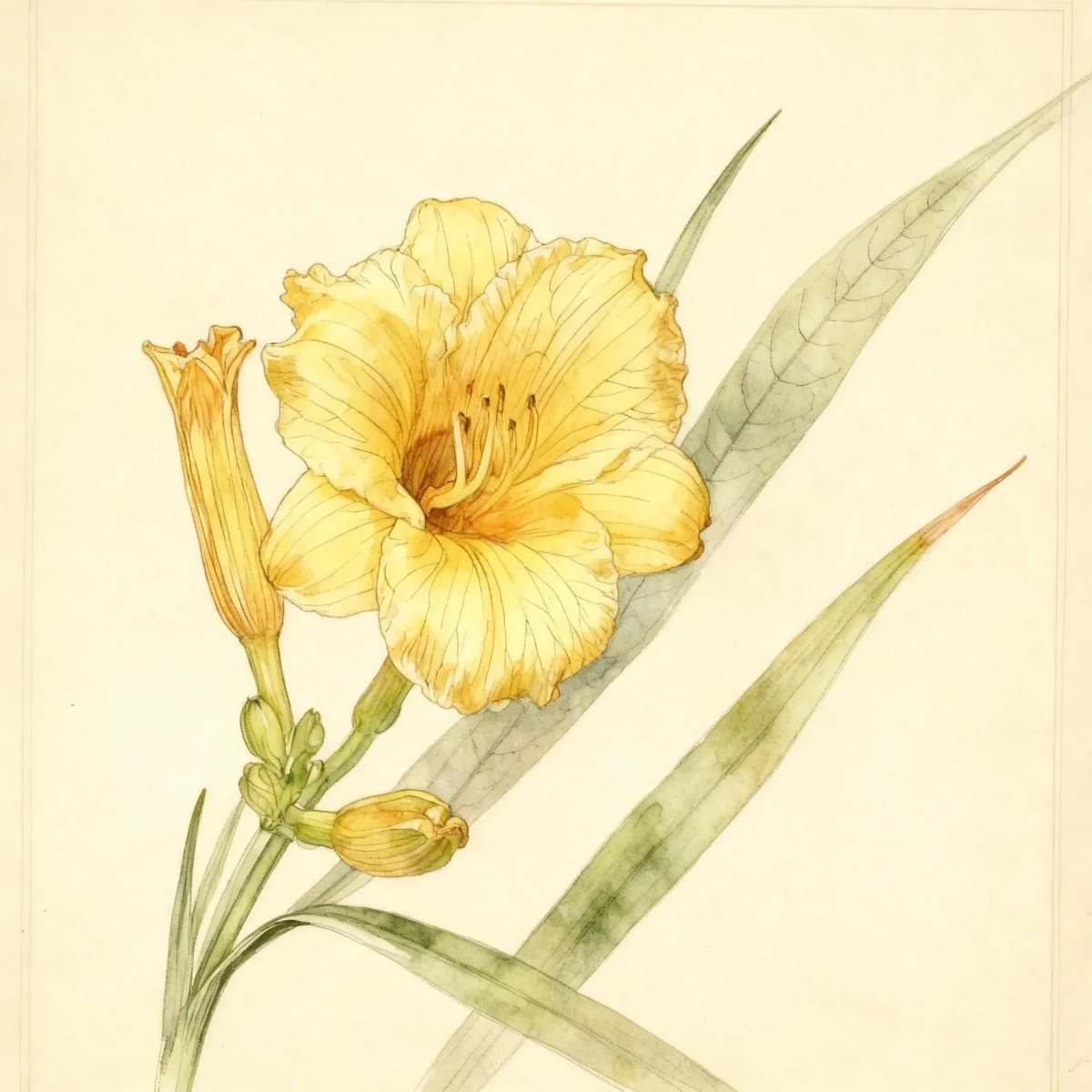
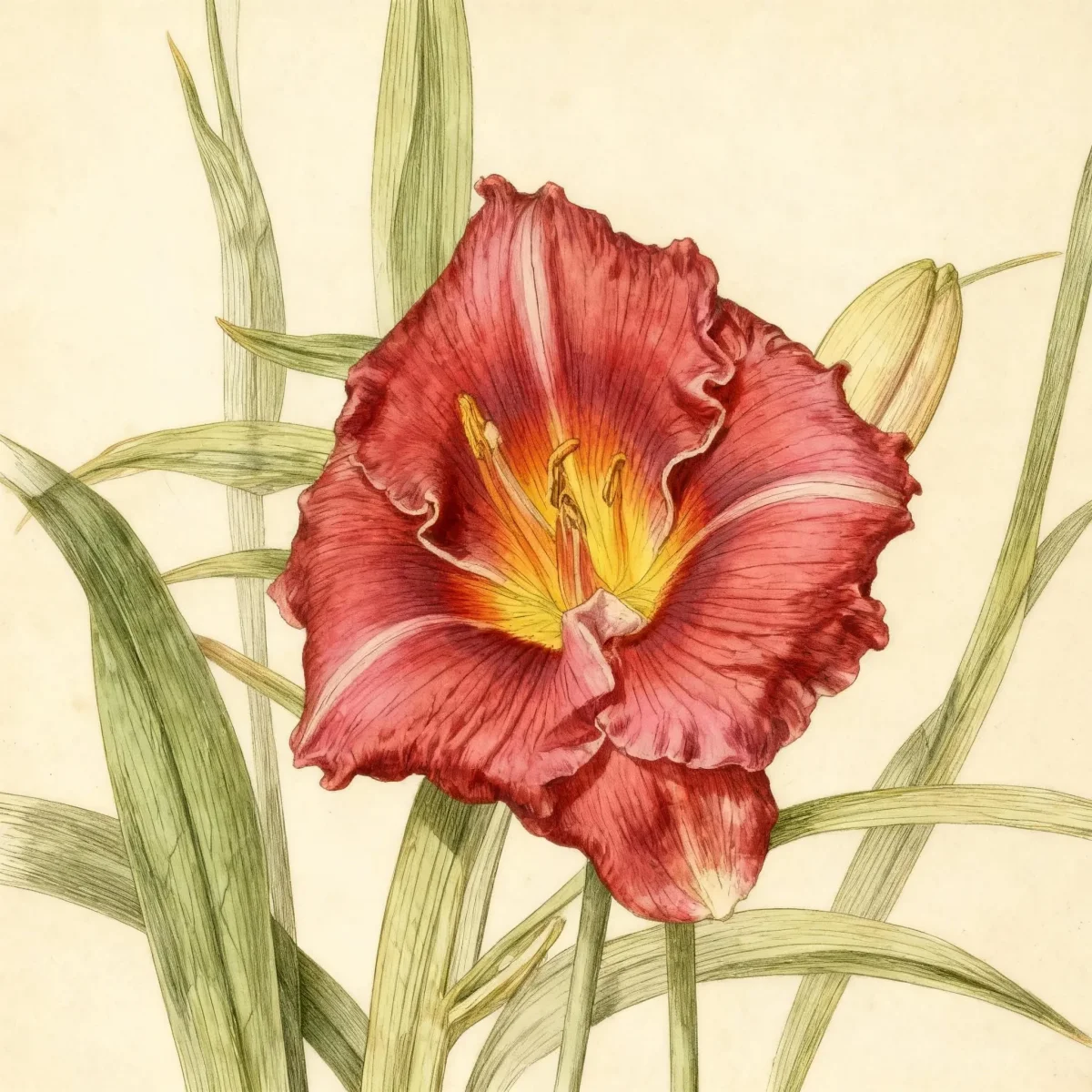
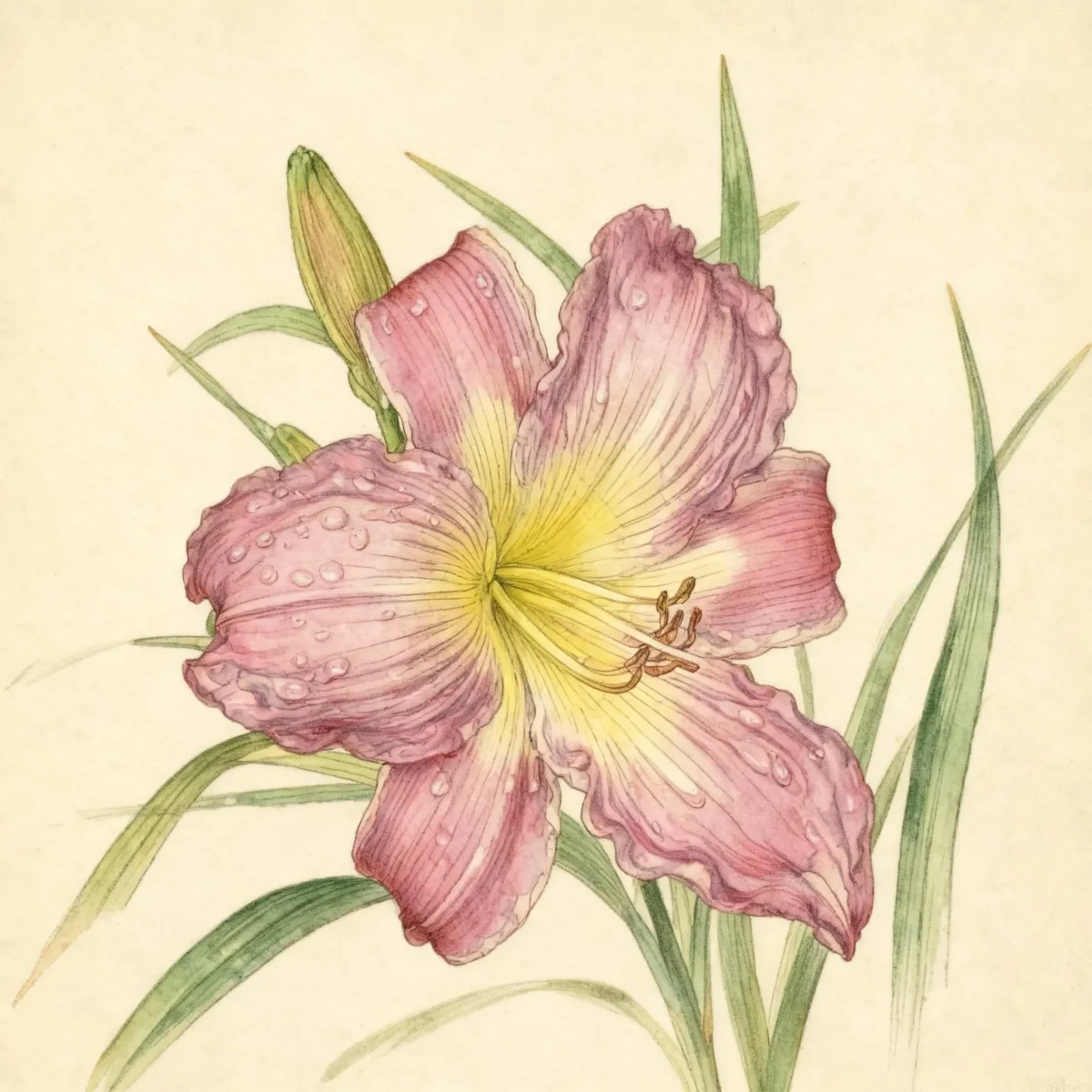
Orange daylily (Hemerocallis fulva)
Discover the durable Orange daylily (Hemerocallis fulva), a tough herbaceous perennial known for tawny orange blooms and low maintenance.
Scroll down to discover growing tips, care requirements, companion plants, and more
Complete Plant Information
Overview
The Orange daylily, Hemerocallis fulva, is treasured in gardens for its resilience and striking, though brief, display of color. This common daylily, often simply called the tawny daylily, forms substantial clumps of elegant, arching foliage, ensuring structure even when it is not flowering. Its ability to thrive where other plants fail makes Hemerocallis fulva a highly practical choice for challenging landscape spots.
This herbaceous perennial is celebrated for its vigorous growth, readily colonizing areas and providing excellent coverage. While individual orange flowers last only a single day, the prolonged blooming period from July through August ensures a steady visual impact in the mid-summer garden. Gardeners appreciate the low maintenance requirements associated with the widespread and adaptable Hemerocallis fulva.
Beyond its aesthetic contribution, this species is superb for functional landscaping. It is an effective solution for stabilizing slopes and thrives in varied soil conditions, proving itself a truly tough plant against summer heat and humidity. Consider adding the dependable Orange daylily to maximize visual return with minimal input.
Fast Facts
- Plant Family: Asphodelaceae
- Plant Type: Herbaceous perennial
- Native Range: China or Japan
- Hardiness Zones: USDA Zones 3-9
- Size at Maturity:
- Height: 2-2.5 ft
- Spread: 2-2.5 ft
- Bloom Time: July to August
- Bloom Description: Tawny orange
- Sun Exposure: Full sun to part shade
- Water Needs: Medium
- Maintenance Level: Low
How to Grow
Planting the Orange daylily is easily accomplished in spring or fall when soil temperatures are moderate. It performs best in average, well-drained soil, though this species is highly adaptable and accepts a wide range of soil types, including clay. Ensure the location receives ample light, favoring full sun for the best flowering performance, though it tolerates partial shade well.
Ongoing care for Hemerocallis fulva is minimal, fitting its low-maintenance profile. Provide medium water, particularly during dry spells, but once established, its drought tolerance increases significantly. Deadheading spent flowers daily keeps the clump looking neat, and it is beneficial to remove the entire flowering scape once blooming concludes for the season.
To maintain peak vigor for your clumps of Orange daylily, plan to divide them every few years when they become overly crowded. This division process is an excellent time to propagate new plants. Overall, this hardy perennial handles summer heat and humidity robustly, resulting in very few required seasonal interventions.
Landscape Uses
The vigorous nature of the Orange daylily makes it an excellent candidate for mass planting schemes where color and contrast are needed across borders or larger areas. Its ability to naturalize means it spreads gently, creating rich swathes of foliage and flower that soften architectural lines in the landscape. This species excels in informal settings where natural colonization is desired.
One of the most practical uses for Hemerocallis fulva is controlling erosion. When planted on slopes or banks, the extensive root system effectively binds the soil, pairing functional necessity with attractive, fountain-like green foliage during the non-blooming season. Furthermore, these dense clumps are effective at crowding out undesirable weeds, acting as a living ground cover.
For a visually rich, yet low-effort design, mass the tawny daylily beneath large shrubs or along driveways where soil quality might be questionable. The bright, enduring green leaves provide excellent texture throughout the growing season, complementing shorter perennials that bloom earlier or later in the year.
Standout Features
Flower Qualities
- Showy
Noteworthy Characteristics
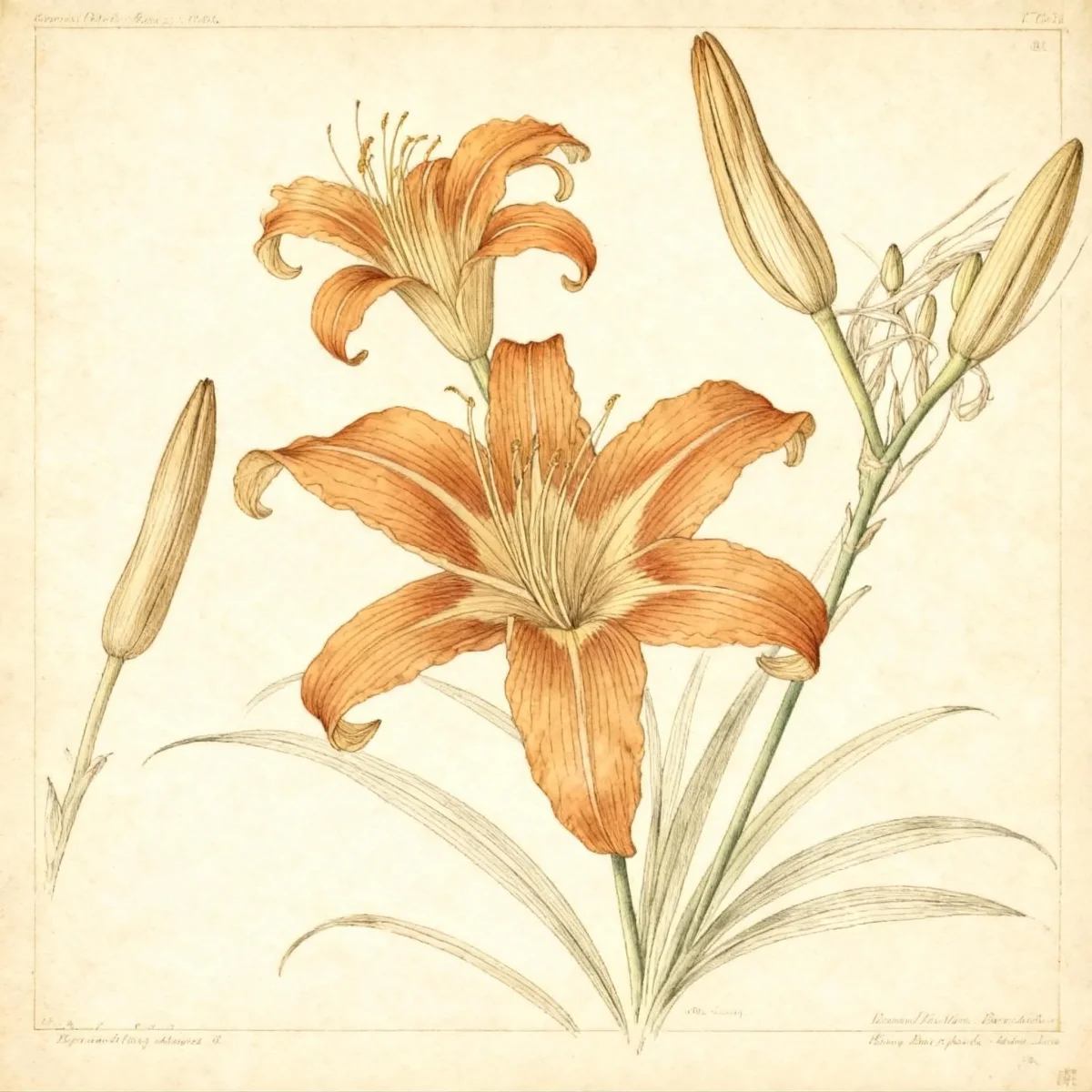
Hemerocallis fulva is commonly called tawny daylily for the 5” diameter, tawny orange flowers. Individual flowers open for one day. This large species daylily has flower scapes rising up to 6’ tall from a large clump of thick, arching, blade-like, bright green leaves. A superb colonizer that has naturalized in many parts of the country and is commonly seen growing along roads, in alleys and in old gardens, often in very poor soil. Genus name comes from the Greek words hemera meaning day and kallos meaning beauty as each flower lasts but one day.
Tolerances
- Rabbit
- Drought
- Erosion
- Clay Soil
- Air Pollution
Potential Problems
Daylilies, especially this robust species, are famous for having virtually no serious problems, making them highly reliable for gardeners. They are extremely adaptable and rarely suffer from debilitating pests or diseases under normal garden conditions. This ease of care eliminates the need for intensive chemical interventions.
If you observe signs of distress, ensure the plant is not sitting in overly wet, poorly draining soil, as this is the most common cause of weakness. Good drainage prevents root issues. Quick multiplication means clumps should be divided periodically to maintain plant health and flowering density.
Frequently Asked Questions
What hardiness zones is Orange daylily suitable for?
The Orange daylily, Hemerocallis fulva, is adaptable and hardy across USDA Zones 3 to 9.
How large does Orange daylily grow?
This species typically reaches a mature height between 2 and 2.5 feet tall, with a spread of 2 to 2.5 feet.
When does Orange daylily bloom?
The blooming period for Hemerocallis fulva generally occurs from July through August, presenting striking tawny orange blossoms.
What sun exposure does Orange daylily need?
This plant performs best in full sun but is highly tolerant and thrives equally well in areas receiving part shade.
Conclusion
The Hemerocallis fulva, or Orange daylily, represents the pinnacle of gardening efficiency, offering dramatic mid-summer color paired with exceptional toughness and flexibility. Its suitability for difficult sites, coupled with low maintenance demands, secures its place in nearly any landscape plan. Before planting, confirm that your growing conditions fall within USDA Zones 3–9 to ensure long-term success with this classic perennial.
Companion Planting
Choosing good neighbors for the Orange daylily involves selecting plants that appreciate similar sun exposure and soil drainage, but that offer different seasonal interest. Since Hemerocallis fulva is known for its sprawling habit and dense foliage, pair it with shorter, upright perennials that won’t be quickly smothered. Consider early-blooming plants like Bearded Iris or spring bulbs; once they fade, the emerging daylily foliage provides handsome cover for their dying leaves, maintaining garden aesthetics through summer.
For structure, plants with contrasting leaf textures work wonderfully. Ornamental grasses that thrive in full sun, such as Switchgrass (Panicum virgatum), offer vertical accents that complement the fountain-like habit of the daylily clumps. The goal is staggered bloom times so that the garden remains dynamic, ensuring the color focus shifts once the prolific tawny orange display concludes in late summer.
Propagation Tips
The most straightforward and recommended method for increasing your stock of Hemerocallis fulva is division. This perennial forms dense clumps that benefit greatly from being split apart every three to five years; overcrowding reduces flower production and vigor. Late fall, after the foliage has died back or early spring before active growth begins, is the ideal time to perform this task.
To divide, use a sharp spade to cut through the center of the established clump. Carefully lift sections, ensuring each new piece has a healthy crown attached to several fans of leaves and a substantial root system. Immediately replant these divisions at the same depth they were previously growing, watering thoroughly to help them re-establish quickly in their new location.
Because this particular species is so aggressive and colonizing, you generally do not need to worry about seed viability for propagation unless you are intentionally cross-pollinating true hybrids. For standard garden use, division guarantees you retain the exact characteristics of the parent Orange daylily plants.