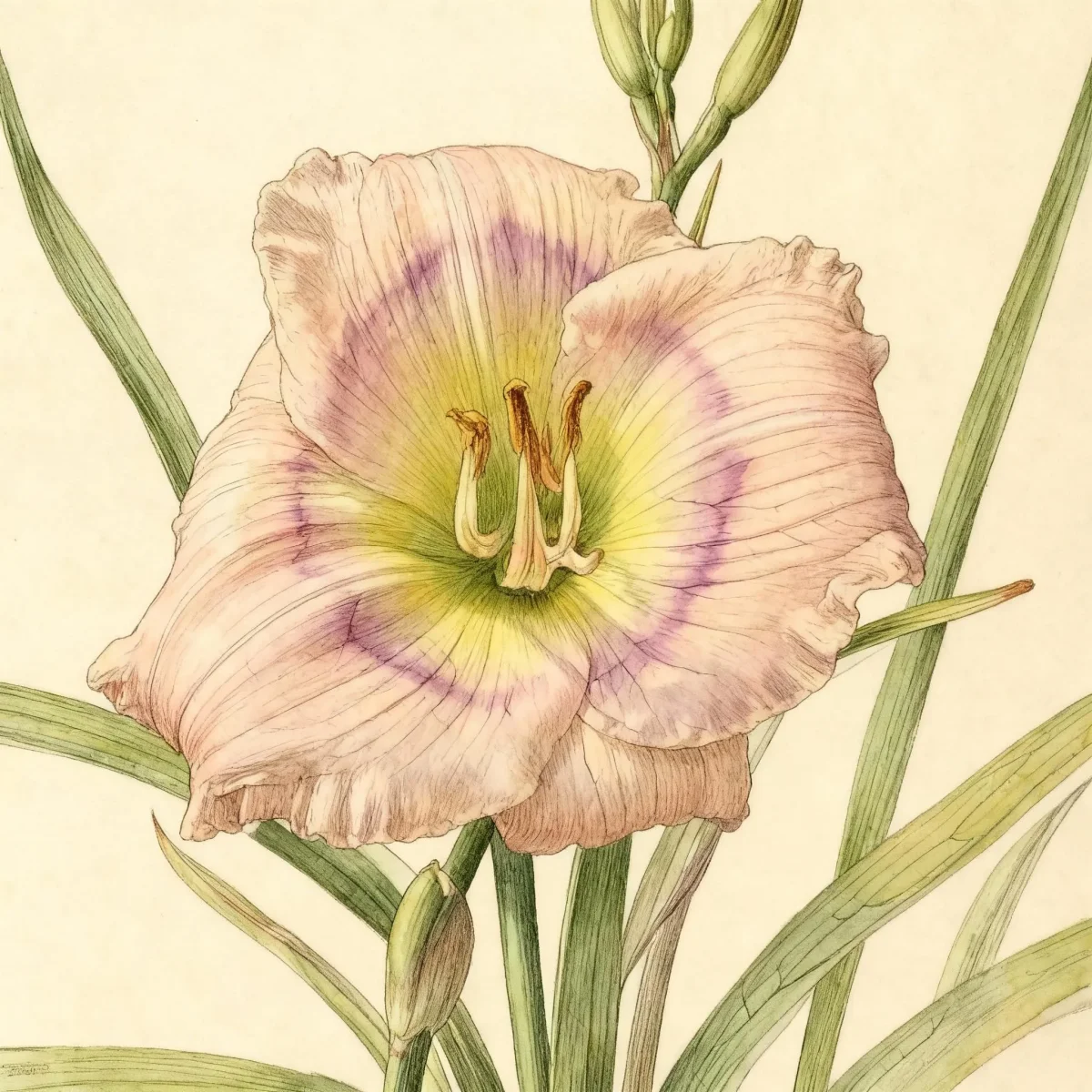
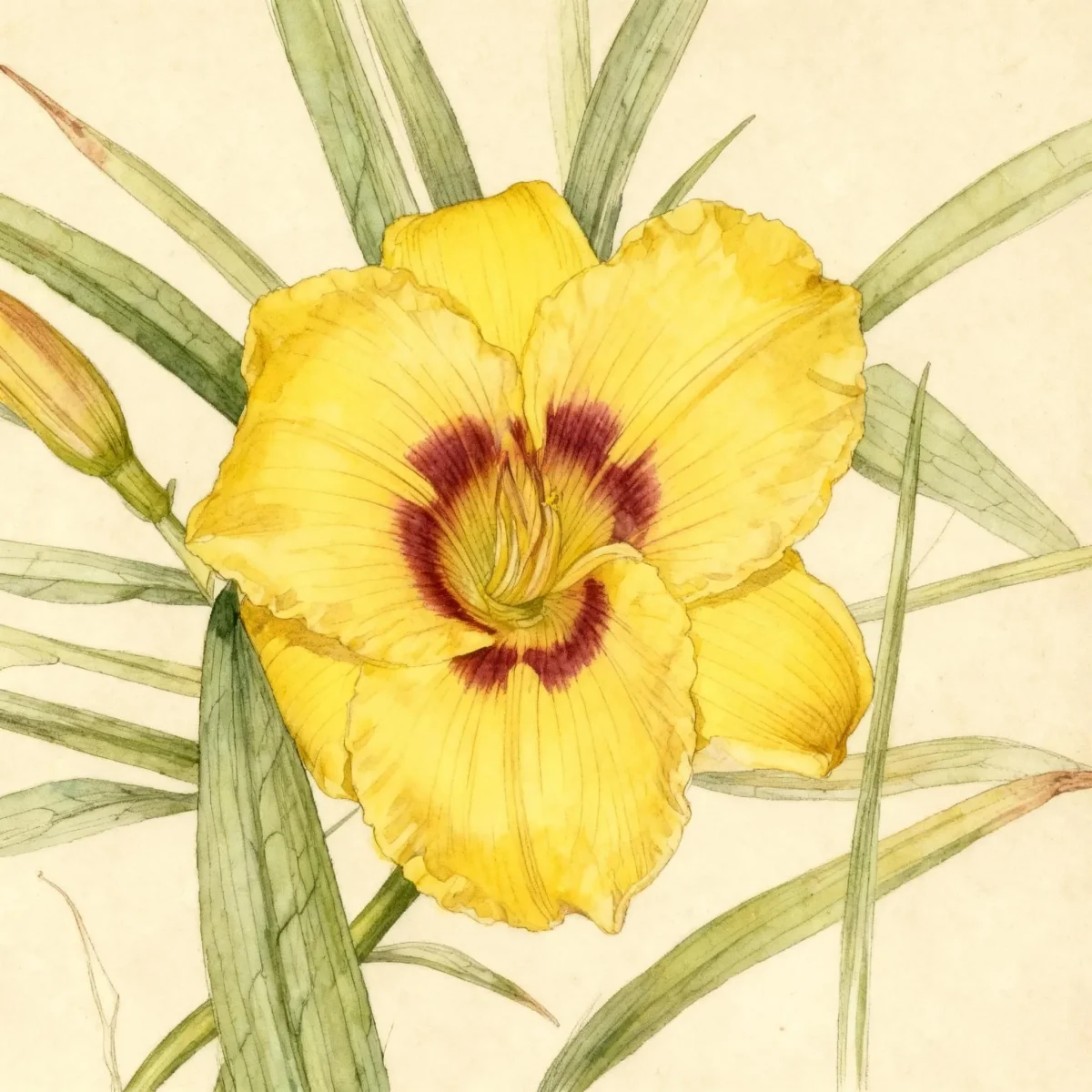
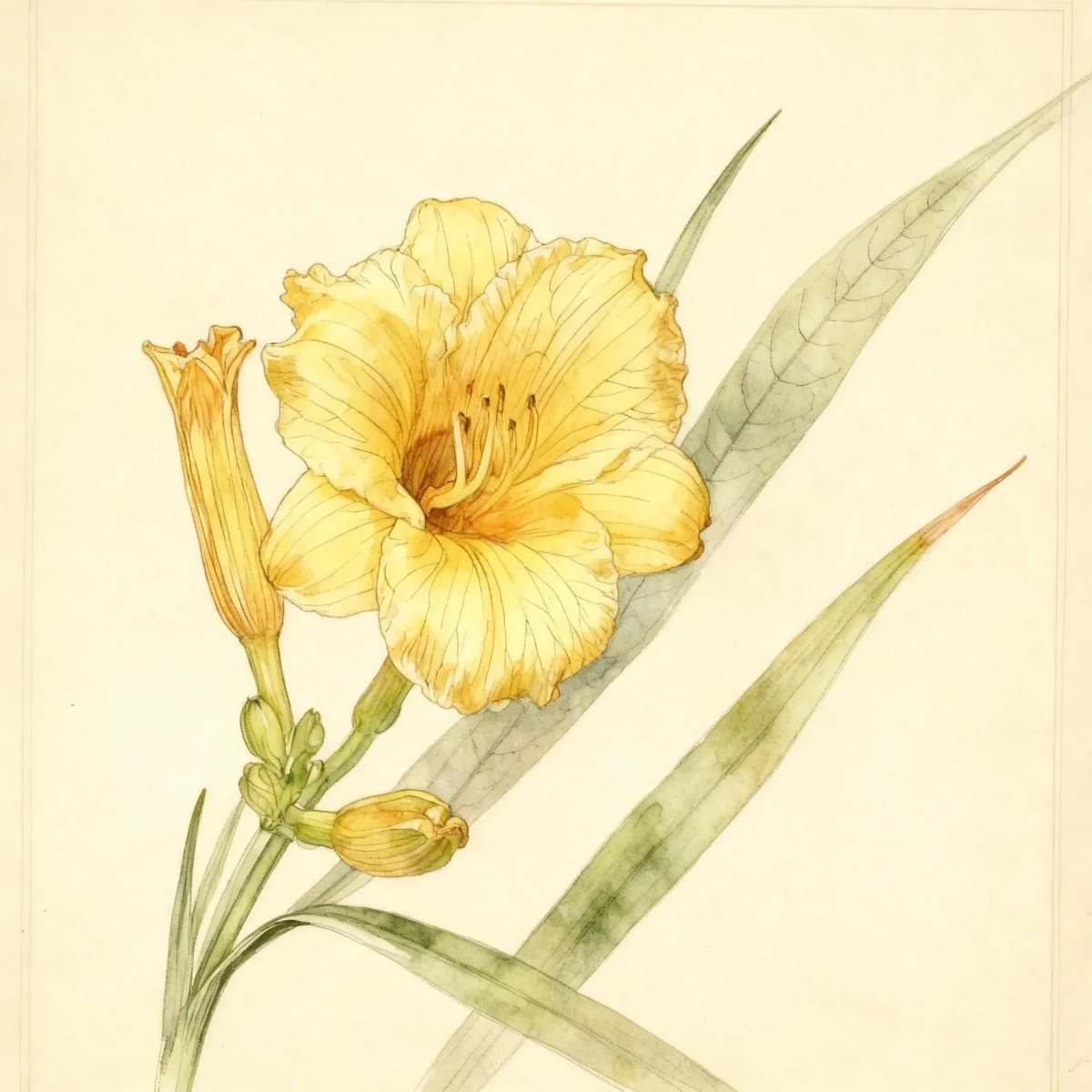
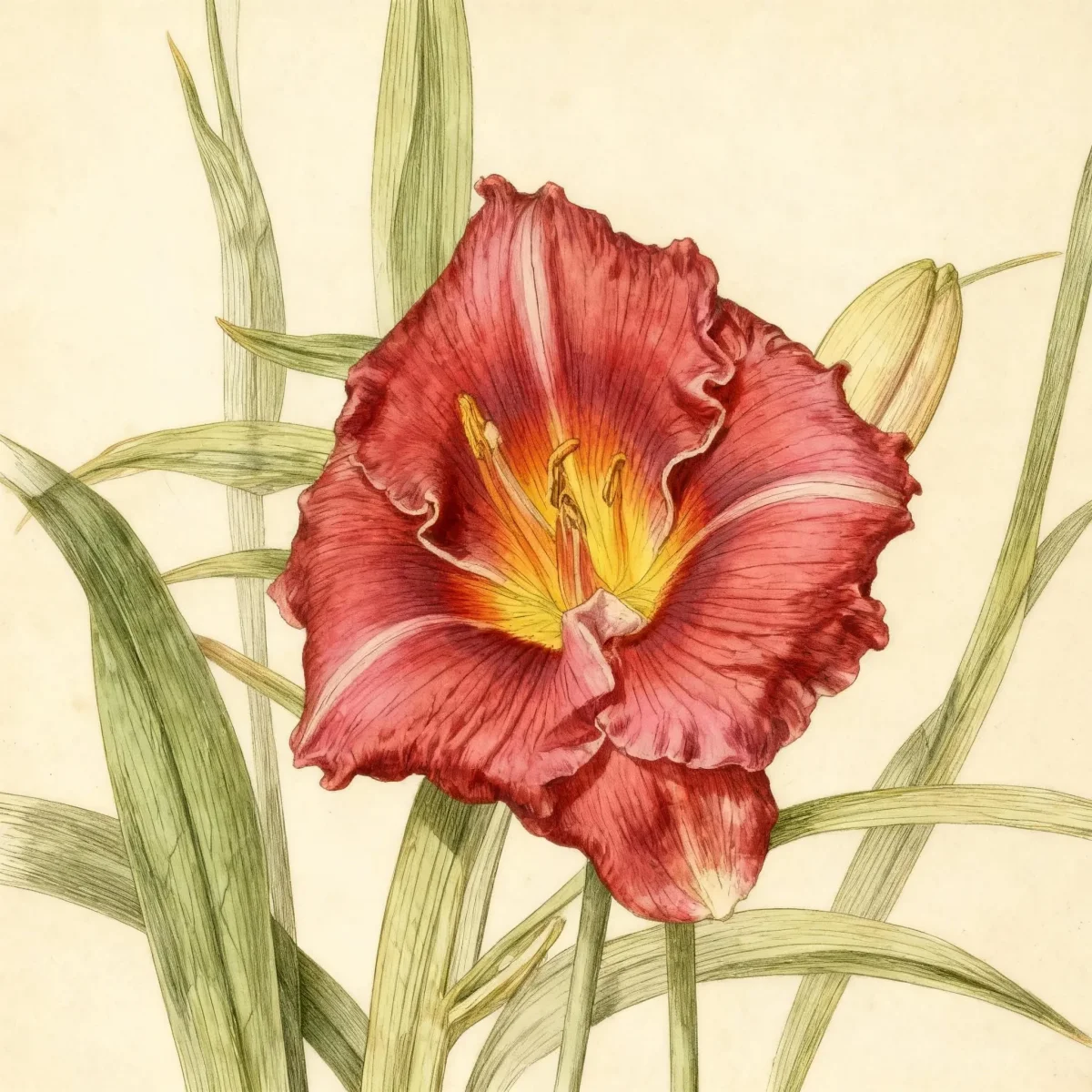
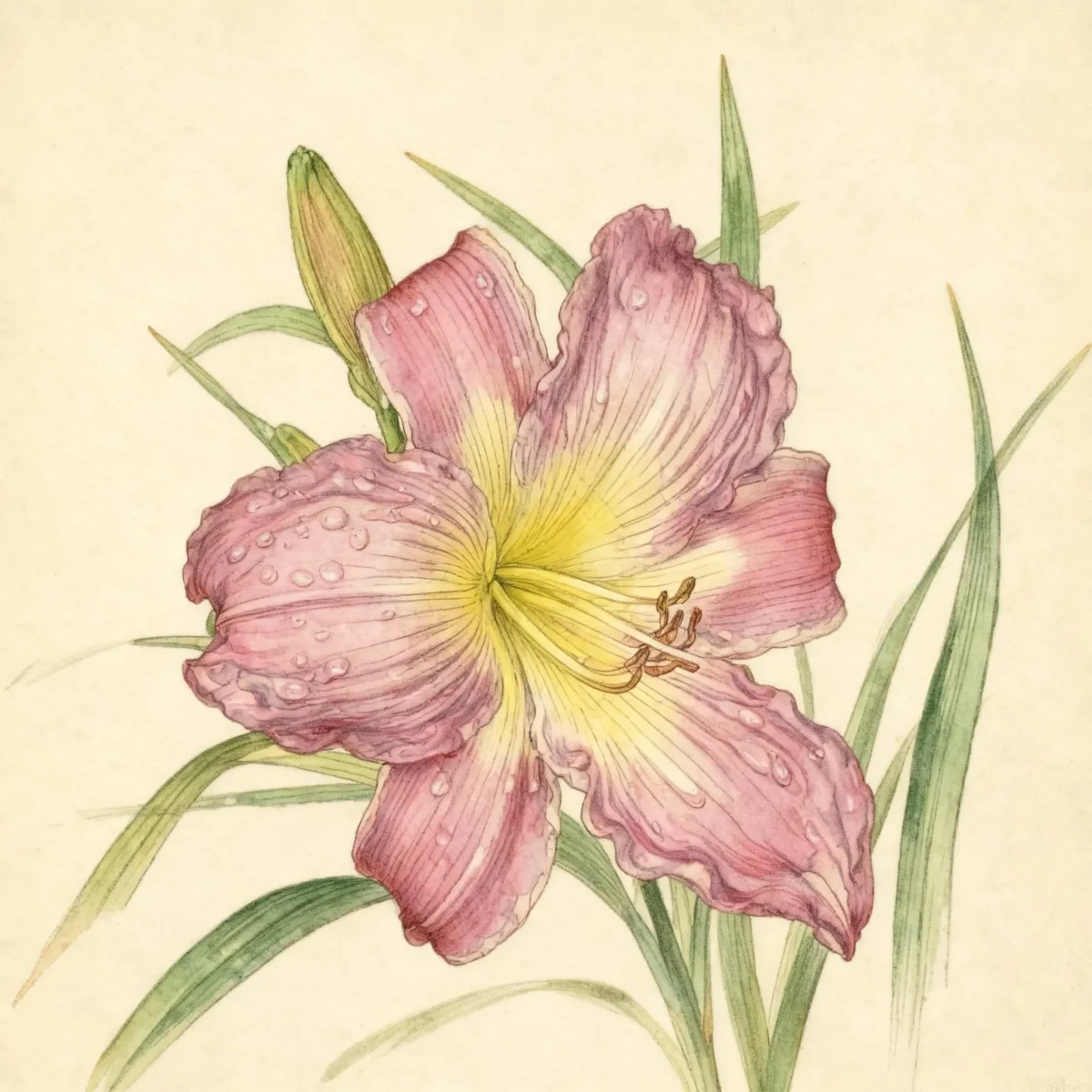
Dwarf yellow daylily (Hemerocallis minor)
Discover Hemerocallis minor, the Dwarf yellow daylily, a low-maintenance perennial perfect for borders or naturalizing in zones 3-9.
Scroll down to discover growing tips, care requirements, companion plants, and more
Complete Plant Information
Overview
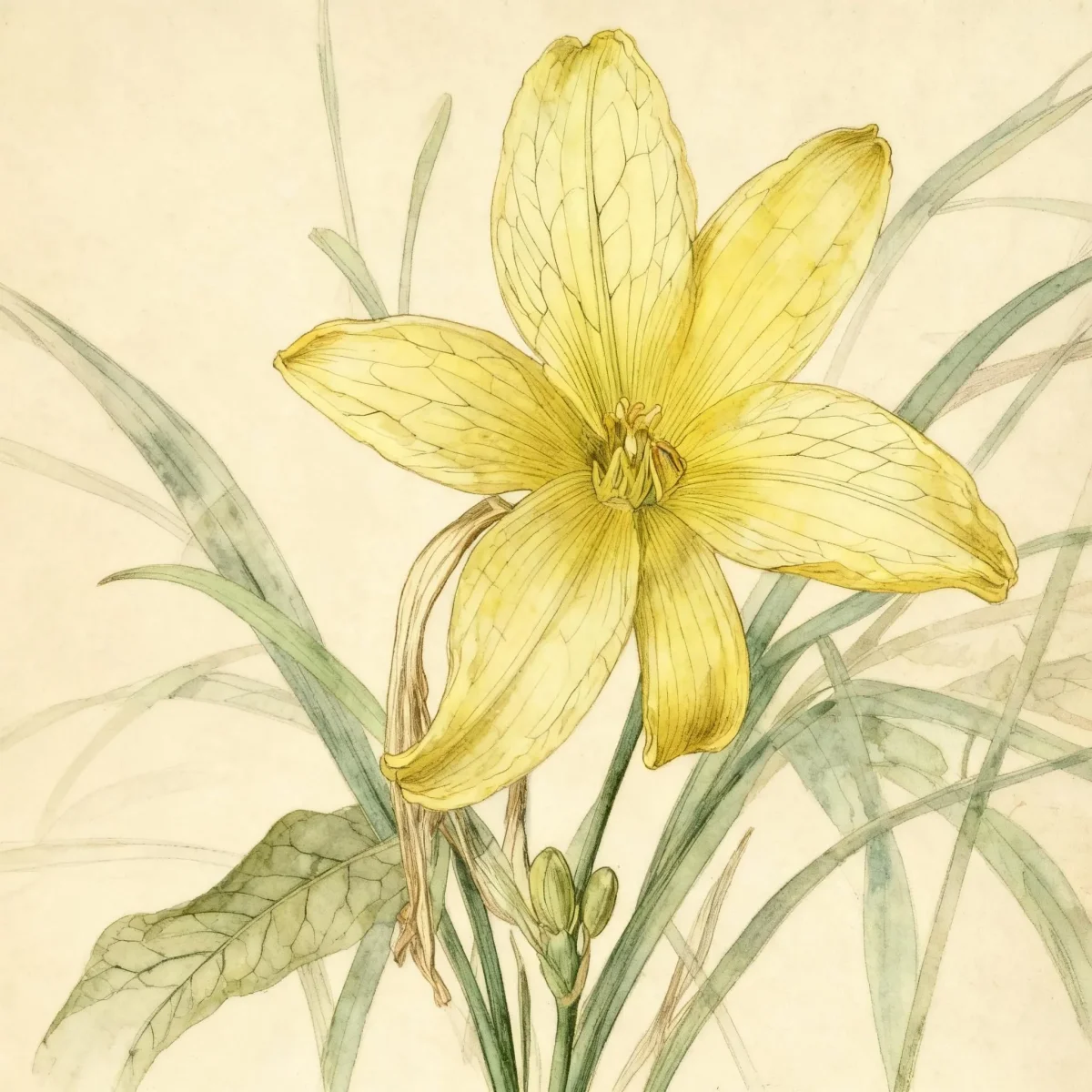
The Dwarf yellow daylily, botanically known as Hemerocallis minor, is a treasured, smaller cultivar among the daylily family, valued for its compact stature and resilience. This species is inherently tough, making it an excellent choice for gardeners seeking reliable color without demanding constant attention. Its bright yellow flowers offer a cheerful display early in the season.
Native to Central and eastern Asia, this herbaceous perennial quickly forms tidy mounds of narrow, arching leaves. Hemerocallis minor thrives across a wide range of climates, spanning USDA Zones 3 through 9, and is noted for its manageable size, generally topping out around two feet tall.
Beyond its aesthetic appeal, the Dwarf yellow daylily offers functional benefits, including good tolerance for urban conditions and erosion control. Its ease of care ensures that even novice gardeners can successfully incorporate the charm of Hemerocallis minor into their landscapes.
Fast Facts
- Plant Family: Asphodelaceae
- Plant Type: Herbaceous perennial
- Native Range: Central and eastern Asia
- Hardiness Zones: USDA Zones 3-9
- Size at Maturity:
- Height: 1-2 ft
- Spread: 0.75-1 ft
- Bloom Time: May to June
- Bloom Description: Yellow
- Sun Exposure: Full sun to part shade
- Water Needs: Medium
- Maintenance Level: Low
How to Grow
Planting the Dwarf yellow daylily is successful when done in spring or fall. Choose a location that receives full sun or light partial shade, ensuring the area has well-drained soil. While adaptable, Hemerocallis minor prefers a deep, fertile loam to achieve its best vigor and size. Ensure the crown is planted just slightly beneath the soil surface.
Care is straightforward, fitting its low-maintenance profile. Water moderately, ensuring the soil remains consistently moist but never waterlogged, especially during dry periods. Although fertilization is seldom necessary, applying compost around the base in spring can boost performance. Deadheading spent blooms daily keeps the plant looking tidy, and completely remove the flower scapes once blooming has concluded for the season.
Divide overcrowded clumps every few years; this is crucial maintenance for daylilies to ensure continued strong blooming and robust growth. The Dwarf yellow daylily demonstrates excellent tolerance for summer heat and humidity, reducing worry about stress during peak summer months.
Landscape Uses
The compact nature and early bloom time of Hemerocallis minor make it supremely versatile for landscape design. Its primary recommendation is to naturalize large drifts, allowing the fountain-like foliage to spread and form an effective, verdant ground cover that can help suppress weeds. This species excels when massed in large areas or dotted throughout perennial borders to provide reliable early season contrast.
Due to their robust root systems and moderate height, these plants are an excellent addition to rock gardens where they can spill over stone features. The neat foliage provides year-round structure even when flowers are not present. Consider pairing the bright yellow blooms of the Dwarf yellow daylily with later-blooming dark purple or blue perennials for striking color juxtaposition as the season progresses.
Standout Features
Flower Qualities
- Showy
Noteworthy Characteristics
Hemerocallis minor is a dwarf species daylily that actively serves as a valuable parent for hybridizing new dwarf or miniature daylily cultivars. Its distinctive yellow flowers rise on stems up to 18 inches, towering slightly above the lower mound of narrow, arching leaves, embodying the genus name structure meaning “day beauty.” This adaptable species is sometimes recognized as the grass-leaved daylily due to its finely textured foliage.
Tolerances
- Rabbit
- Erosion
- Air Pollution
Potential Problems
Daylilies are renowned for being exceptionally adaptable, and the Dwarf yellow daylily is no exception, boasting virtually no serious pest or disease problems under ideal growing conditions. Gardeners rarely struggle with this genus, as they are easy to establish and multiply quickly once settled. Vigilance against slugs and snails during early spring growth can sometimes be beneficial.
The primary management concern involves clump division, which, if neglected, leads to overcrowding and diminished flowering over many seasons. Over time, dense clumps compete heavily for resources, resulting in smaller blooms and leaf crowding.
Frequently Asked Questions
What hardiness zones is Dwarf yellow daylily suitable for?
The Hemerocallis minor is hardy across a wide range, suitable for USDA Zones 3 through 9.
How large does Hemerocallis minor grow?
This dwarf variety typically reaches a mature height between 1 and 2 feet, with a spread of three-quarters to 1 foot.
When does Dwarf yellow daylily bloom?
You can expect the yellow blooms of Hemerocallis minor to appear relatively early, generally spanning from May into June.
What sun exposure does Hemerocallis minor need?
For the best performance and most abundant flowering, plant the Dwarf yellow daylily where it receives full sun to light part shade.
Conclusion
The Dwarf yellow daylily (Hemerocallis minor) is an indispensable choice for gardeners needing low-maintenance structure and early season color. With its compact size, resilience to common landscape stresses, and adaptability across many zones, this plant secures its place in borders and naturalized areas alike. Check your local USDA hardiness zone now, and plan to incorporate this charming Hemerocallis minor species next planting season.
Companion Planting
When planning garden companions for the Hemerocallis minor, focus on plants that appreciate similar conditions—full sun to part shade and medium moisture—but have varying bloom times. Since the Dwarf yellow daylily flowers early in late spring/early summer, pair it with mid-to-late summer bloomers like Coneflowers (Echinacea) or late-season Salvias to ensure continuous color interest in the border. Shorter, carpeting plants can be used in front of these daylilies in perennial groupings, leveraging the elegant fountain-like foliage for texture contrast once the yellow blooms fade.
Design Ideas
Utilize the erosion control capabilities of Hemerocallis minor when planting on gentle slopes or banks where soil retention is a concern. Its relatively shallow but fibrous root system anchors soil effectively. For contemporary designs, mass planting in drifts of 20 or more creates a bold, uniform swathe of glowing yellow that catches the eye from a distance. In smaller cottage gardens, intersperse individual clumps among traditional irises and peonies for layered seasonal interest.