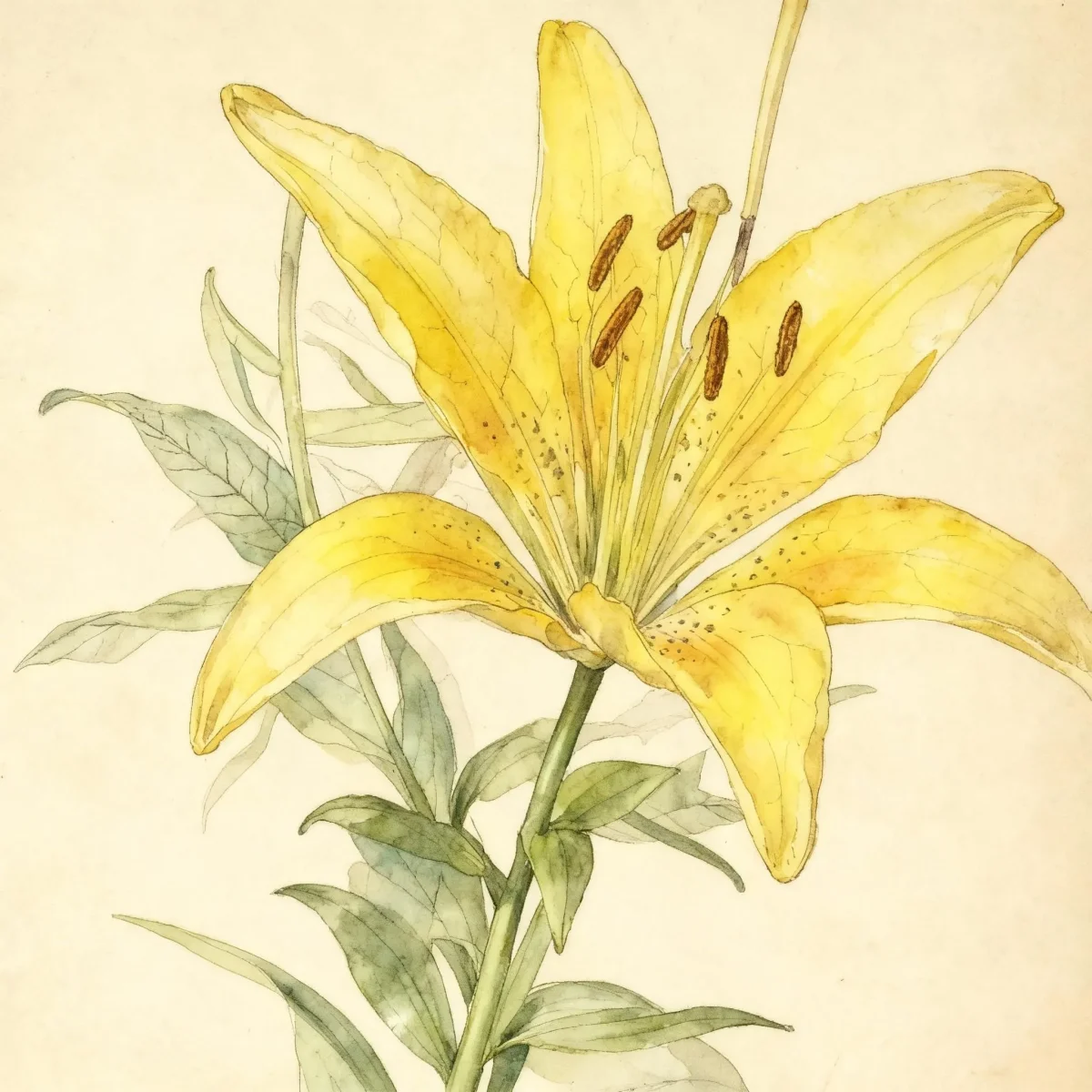
Trumpet lily (Lilium henryi)
Discover the stunning Trumpet lily (Lilium henryi), known for its tall stature, orange blooms, and low maintenance in Zones 5-8.
Scroll down to discover growing tips, care requirements, companion plants, and more
Complete Plant Information
Overview
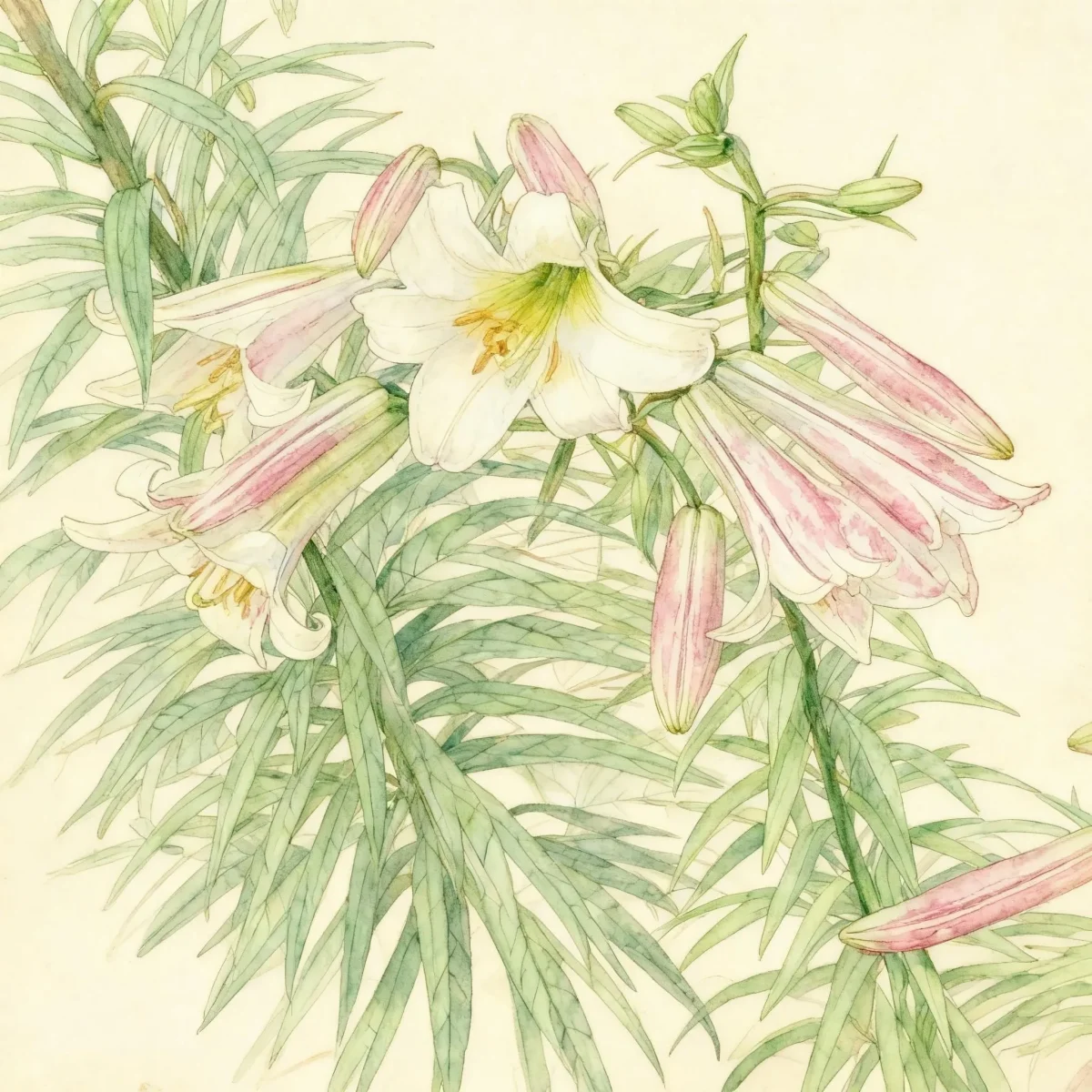
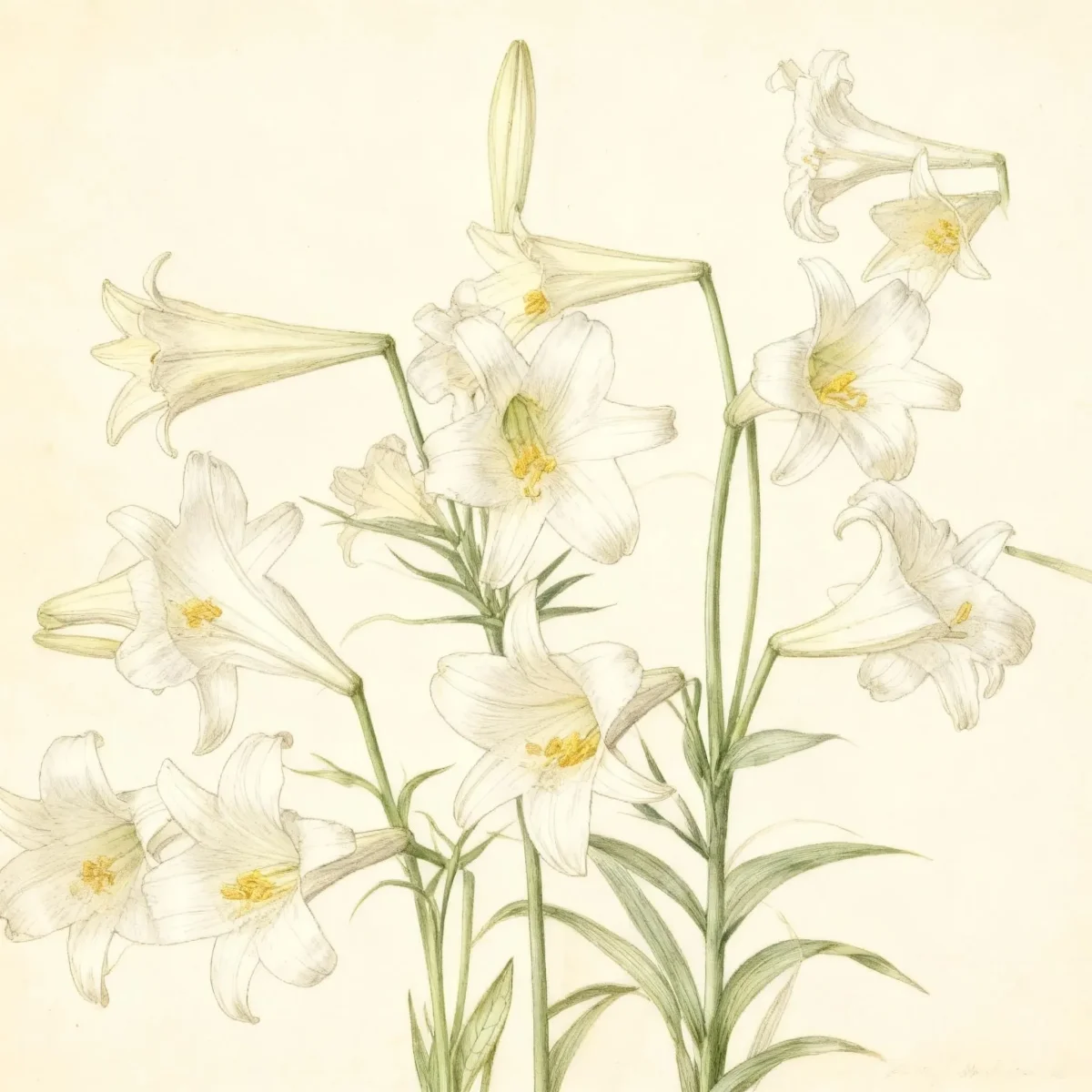
The Trumpet lily, scientifically known as Lilium henryi, is a magnificent, tall-growing lily celebrated for its dramatic late-summer display. Native to the mountainous regions of Central China, this species brings structure and brilliant color to the mid-to-late season garden. Gardeners value this perennial bulb for its relatively low maintenance requirements despite its impressive stature.
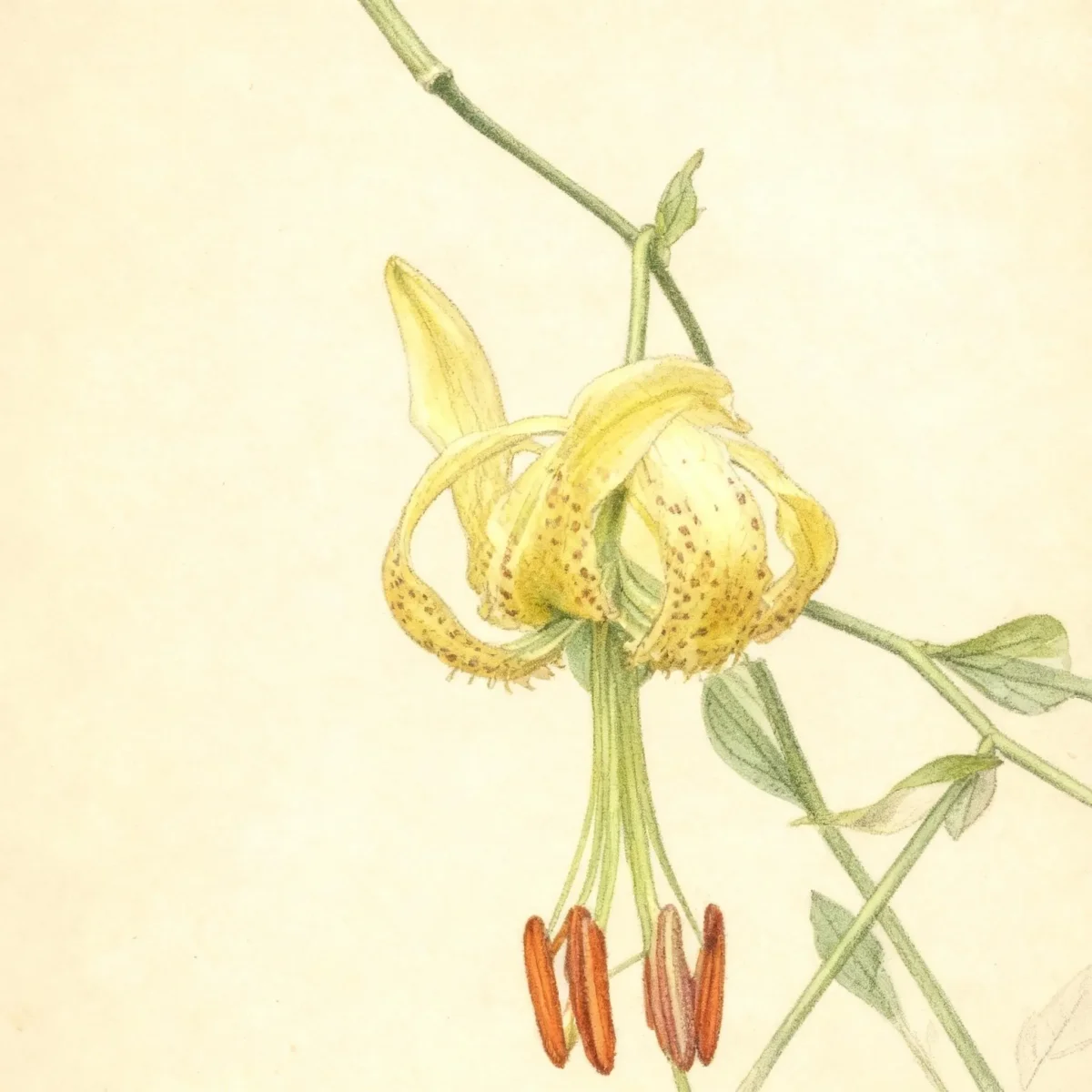
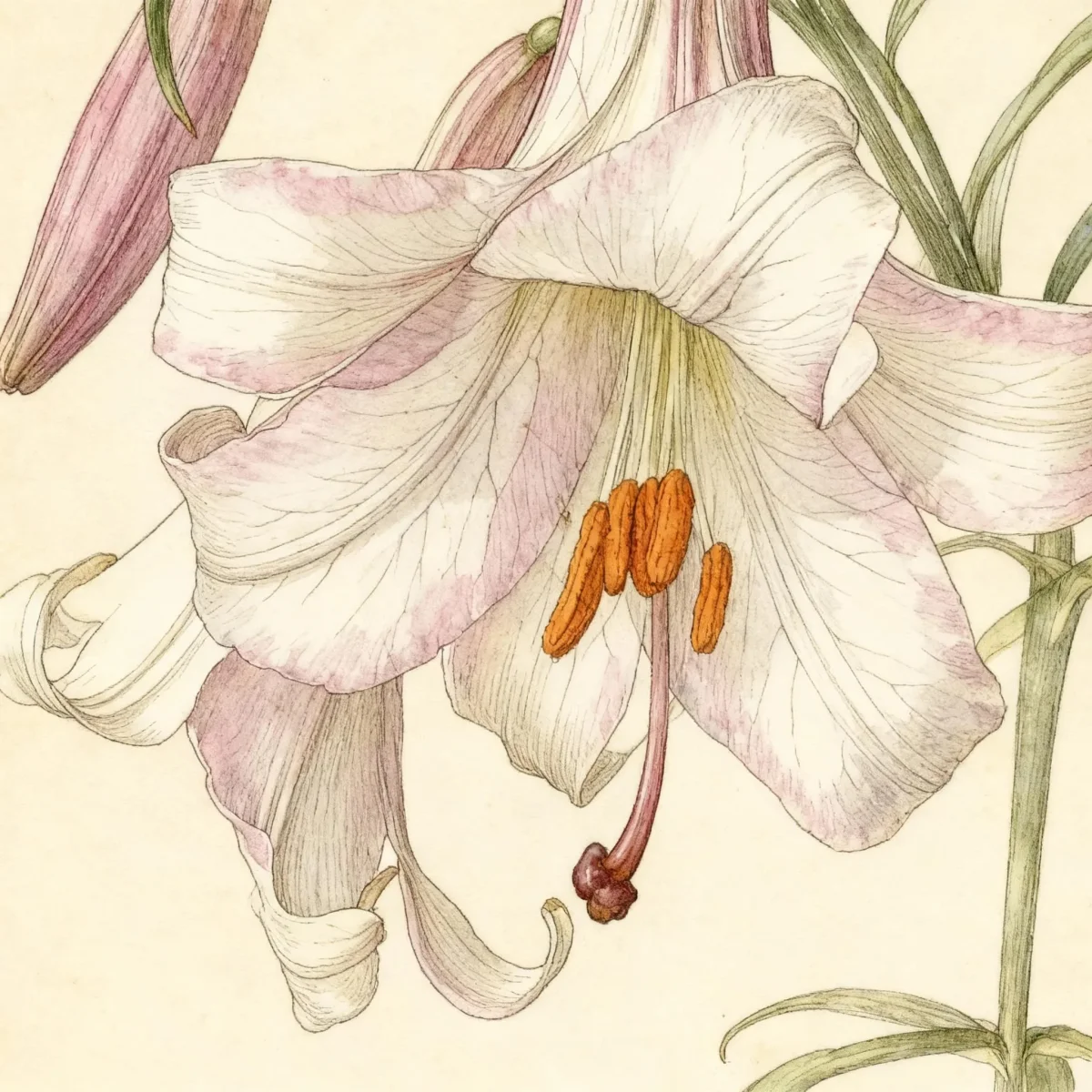
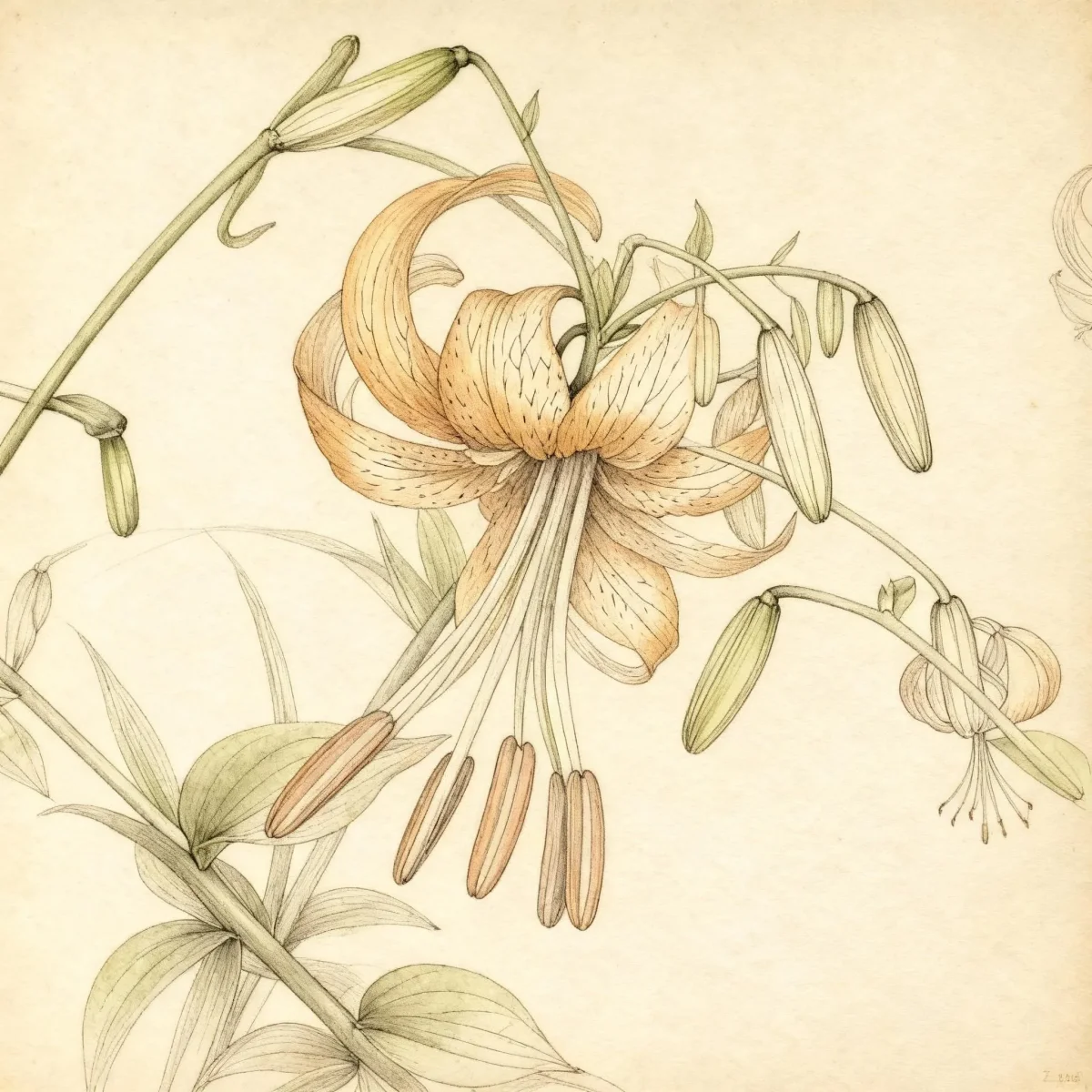
This choice lily typically reaches 4 to 8 feet tall on sturdy, slender stems, making it an exceptional vertical element in mixed borders. The flowers themselves are highly attractive: nodding, unscented trumpets of light orange adorned with distinct maroon spotting. Lilium henryi is an excellent choice for those seeking high impact without demanding constant attention.
As a robust species lily, Lilium henryi establishes well in appropriate conditions and often multiplies slowly through natural seeding or by producing bulbils. Its longevity and striking appearance solidify its place as a classic, worthwhile addition to any established perennial collection.
Fast Facts
- Plant Family: Liliaceae
- Plant Type: Bulb
- Native Range: Central China
- Hardiness Zones: USDA Zones 5-8
- Size at Maturity:
- Height: 4-8 ft
- Spread: 2-3 ft
- Bloom Time: July to August
- Bloom Description: Orange with maroon spotting
- Sun Exposure: Full sun to part shade
- Water Needs: Medium
- Maintenance Level: Low
How to Grow
Planting Trumpet lily bulbs should occur in the fall, placing them 6 to 8 inches deep to ensure stability and proper overwintering. Lilium henryi thrives best in average, evenly moist, slightly acidic, well-drained soils. While they tolerate full sun, they strongly prefer the cooling effect of part shade, especially when nestled in rich, organic loam.
Maintenance for this species is generally low. Ensure you mulch around the base of the plants regularly to keep the root zones cool throughout the summer heat, as Lilium henryi dislikes drying out. Since taller stems are prone to leaning, staking or providing support is highly recommended for plants reaching their full 8-foot potential.
Watering should be consistent; maintain medium moisture levels and never allow the soil to go completely dry, especially during active growth. Post-bloom care is vital: refrain from cutting back the stems or foliage until they turn completely yellow naturally, as this allows the bulb to store energy for the next season. Gardeners interested in natural expansion can harvest the small bulbils found at the leaf nodes for propagation.
Landscape Uses
The prominent height and vibrant coloration make the Trumpet lily ideal for the back of perennial borders where vertical accents are needed. Showy flowers for borders provide commanding focal points, particularly when planted near structures or against contrasting foliage. Their stately presence also suits cottage gardens, providing mid-summer drama.
Beyond traditional garden beds, Lilium henryi is highly recommended for cutting gardens due to its long stems and prolific flower count per stalk. For gardeners with limited ground space, these lilies can adapt well to large pots or containers outdoors, although the resulting plants and blooms may be slightly smaller than those grown in the ground. Consider pairing them with deep purple or deep blue companions to make the orange hues truly pop.
Standout Features
Flower Qualities
- Showy
Noteworthy Characteristics
Lilium henryi, sometimes called Henry’s lily, is a Division IX species lily native to mountain slopes in south-central China. It typically grows 4 to 8 feet tall on slender stems clad with lance-shaped deep green leaves, culminating in clusters (racemes) of 10–20 nodding, light orange, maroon-spotted flowers. This species has proven valuable as a genetic parent in the development of many important hybrid lilies.
Tolerances
- Tolerates alkaline soil
Potential Problems
For the average gardener, this lily is easy to grow, exhibiting general pest resistance. However, attention should be paid to common lily diseases. Lily mosaic virus is a risk; prompt control of aphids, which vector the disease, is critical since there is no cure for infected plants.
Bulb rot poses a threat, particularly if the soil drainage is poor or during prolonged wet periods. Ensuring the slightly acidic soil is well-drained before planting is the best prevention. Botrytis can also affect foliage. Fortunately, the bulbs of Lilium henryi show inherent resistance to many common surrounding fungi and viruses, adding to its low-maintenance appeal.
Frequently Asked Questions
What hardiness zones is Trumpet lily suitable for?
The Trumpet lily is reliably hardy in USDA Zones 5 through 8.
How large does Trumpet lily grow?
This species commonly reaches a height between 4 and 8 feet tall, with a spread of 2 to 3 feet wide.
What sun exposure does Lilium henryi need?
Lilium henryi performs best when planted in a location that receives full sun to part shade, benefiting particularly from afternoon shade in hotter climates.
When does Trumpet lily bloom?
You can expect the Trumpet lily to bloom from July through August, featuring striking orange flowers with maroon spotting.
Conclusion
The Trumpet lily offers exceptional late-summer spectacle, combining impressive vertical growth with vibrant, easily managed blooms. Its low maintenance needs and inherent resistance to certain diseases make Lilium henryi a rewarding choice for nearly any substantial garden space. Assess your site now and plan to plant these magnificent bulbs this coming fall for towering beauty next season.
Companion Planting
When planning placement for your Lilium henryi, consider companions that appreciate similar soil moisture and sun requirements without competing aggressively for roots. Plants that offer structure while remaining shorter are excellent choices. Try pairing the towering orange blooms with deep purple Salvia or Catmint (Nepeta) to enhance the flower color through contrast. Coneflowers (Echinacea) thrive in similar conditions and provide a lower, bushy texture beneath the lily foliage.
Propagation Tips
One unique advantage of growing Lilium henryi is its reliable method of asexual propagation via bulbils. These small underground tubers develop naturally in the leaf axils (nodes) along the lower stem prior to flowering. Wait until the foliage has completely died back in autumn, then carefully dig around the base of the mature plant. The main bulb will have offsets, and you can also harvest these small bulbils grown near the surface. Plant the bulbils immediately at the same 6-8 inch depth as the mature bulbs for future generations of this beautiful species lily.