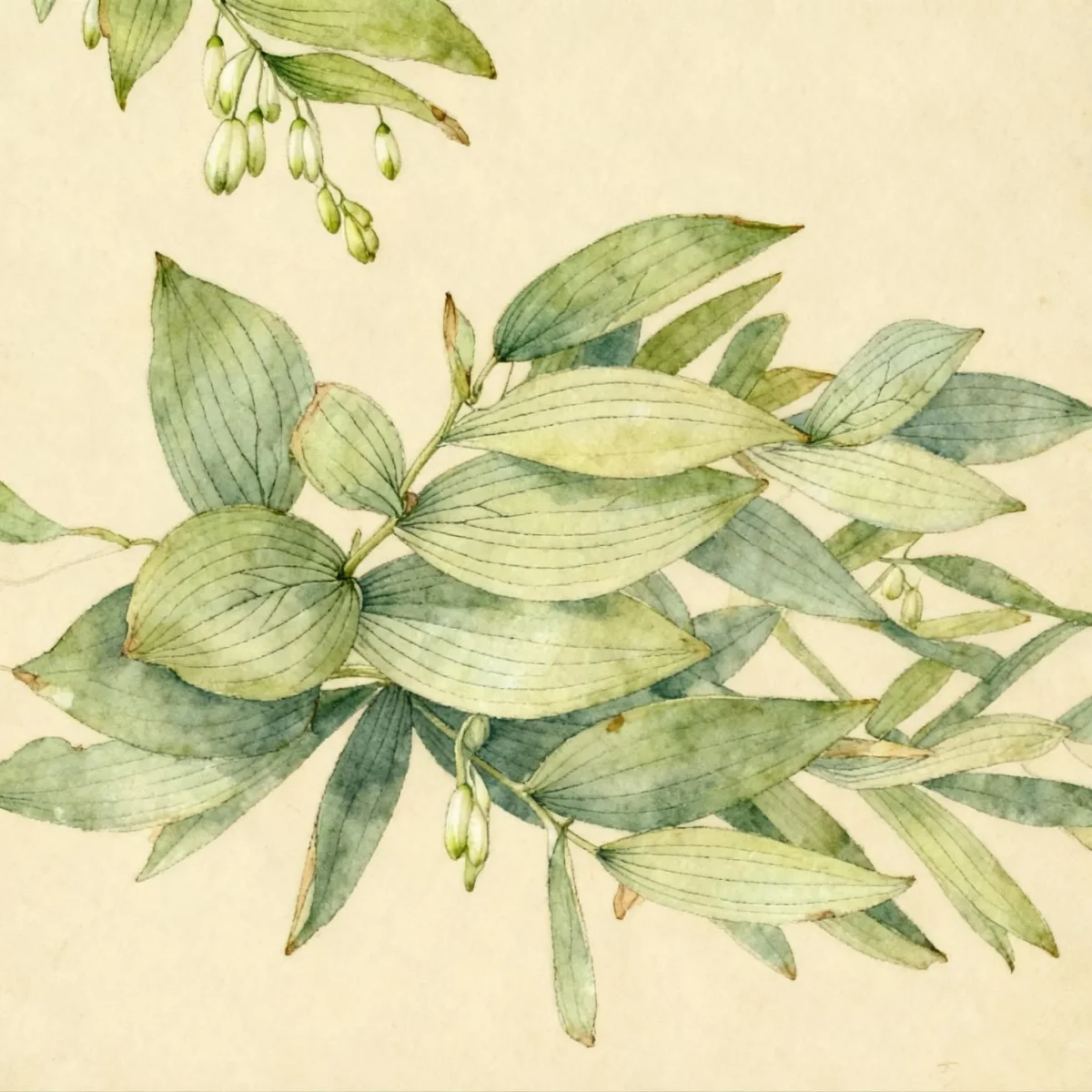
Giant Solomon's seal (Polygonatum biflorum var. commutatum)
Polygonatum biflorum var. commutatum, Giant Solomon's seal, offers arching stems with dangling greenish-white blooms. Low maintenance and deer resistant.
Scroll down to discover growing tips, care requirements, companion plants, and more
Complete Plant Information
Overview
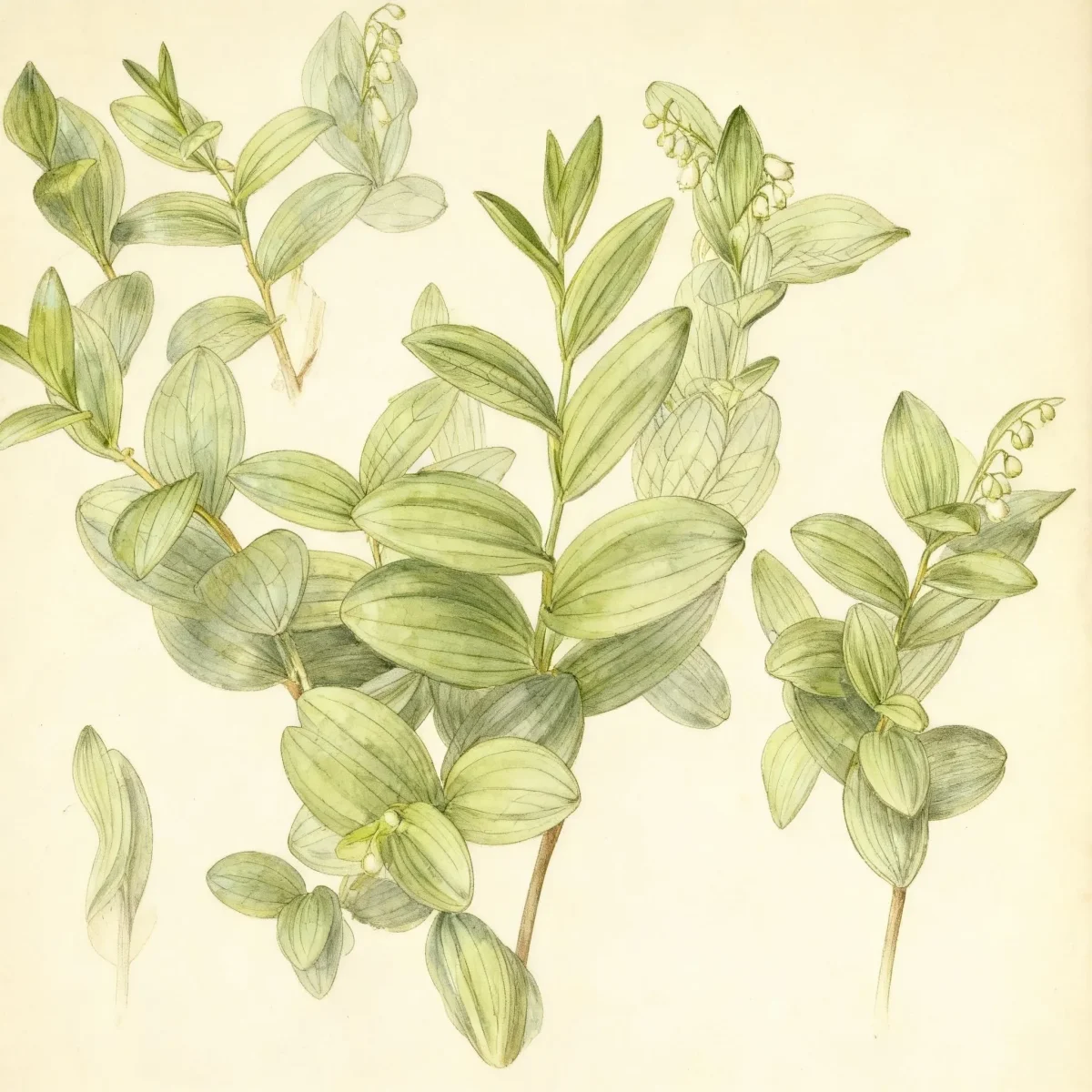
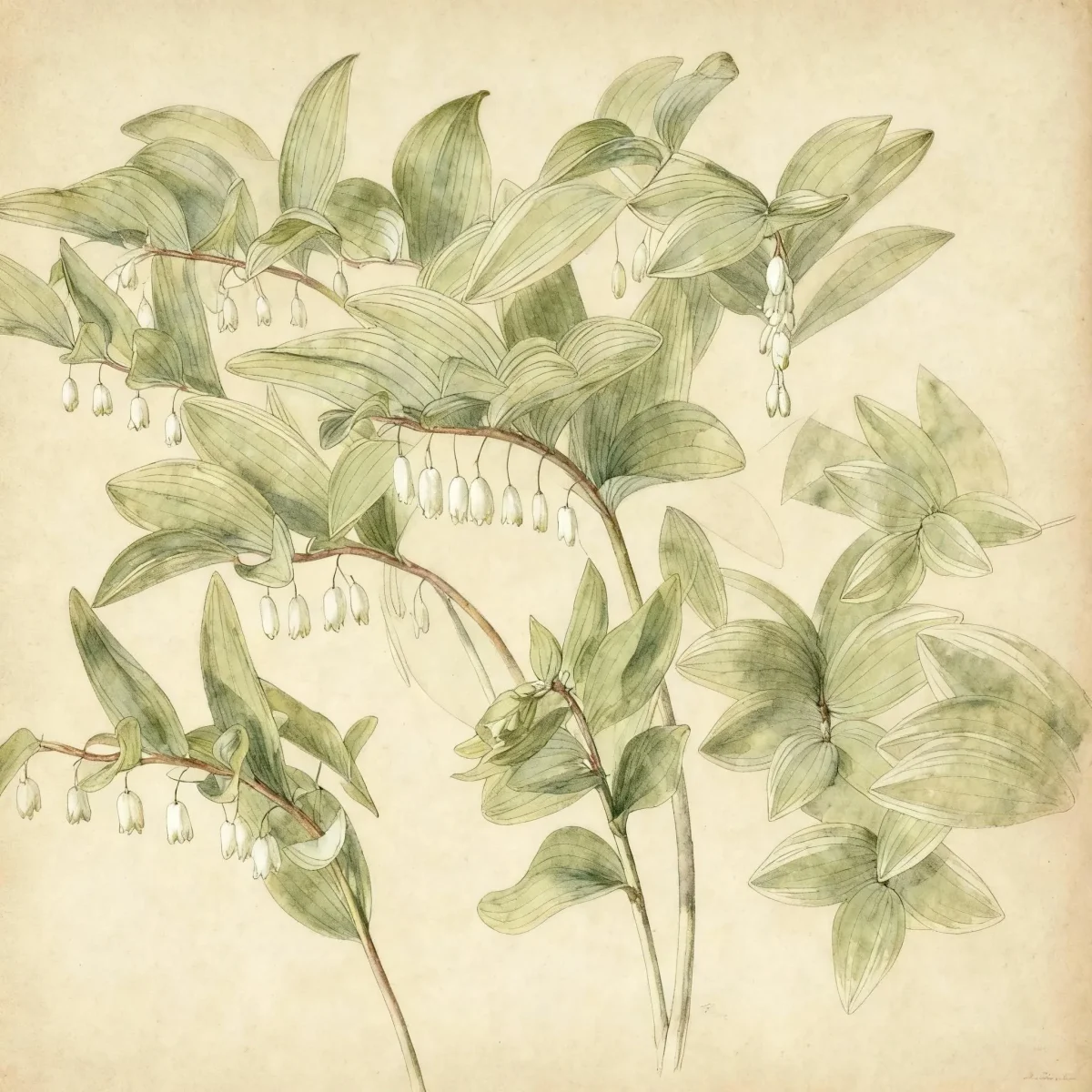
Polygonatum biflorum var. commutatum, known commonly as Giant Solomon’s seal, is a magnificent, substantial perennial prized for its impressive stature and elegant, arching habit. This species provides vertical interest in shady garden spaces, boasting stems that can reach up to seven feet tall in ideal conditions. Gardeners value it for its extremely low maintenance needs once established, making it a steadfast choice for woodland settings.
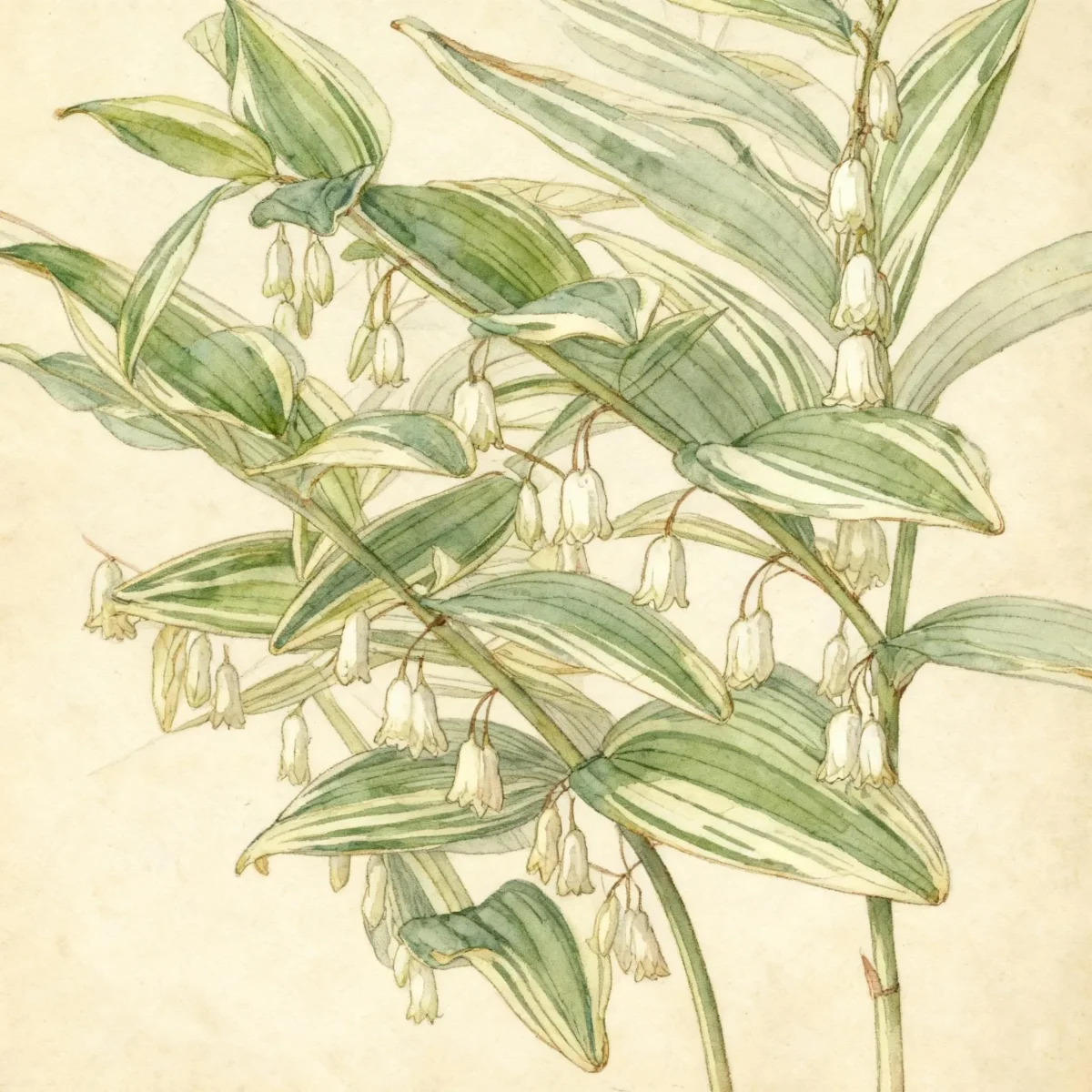
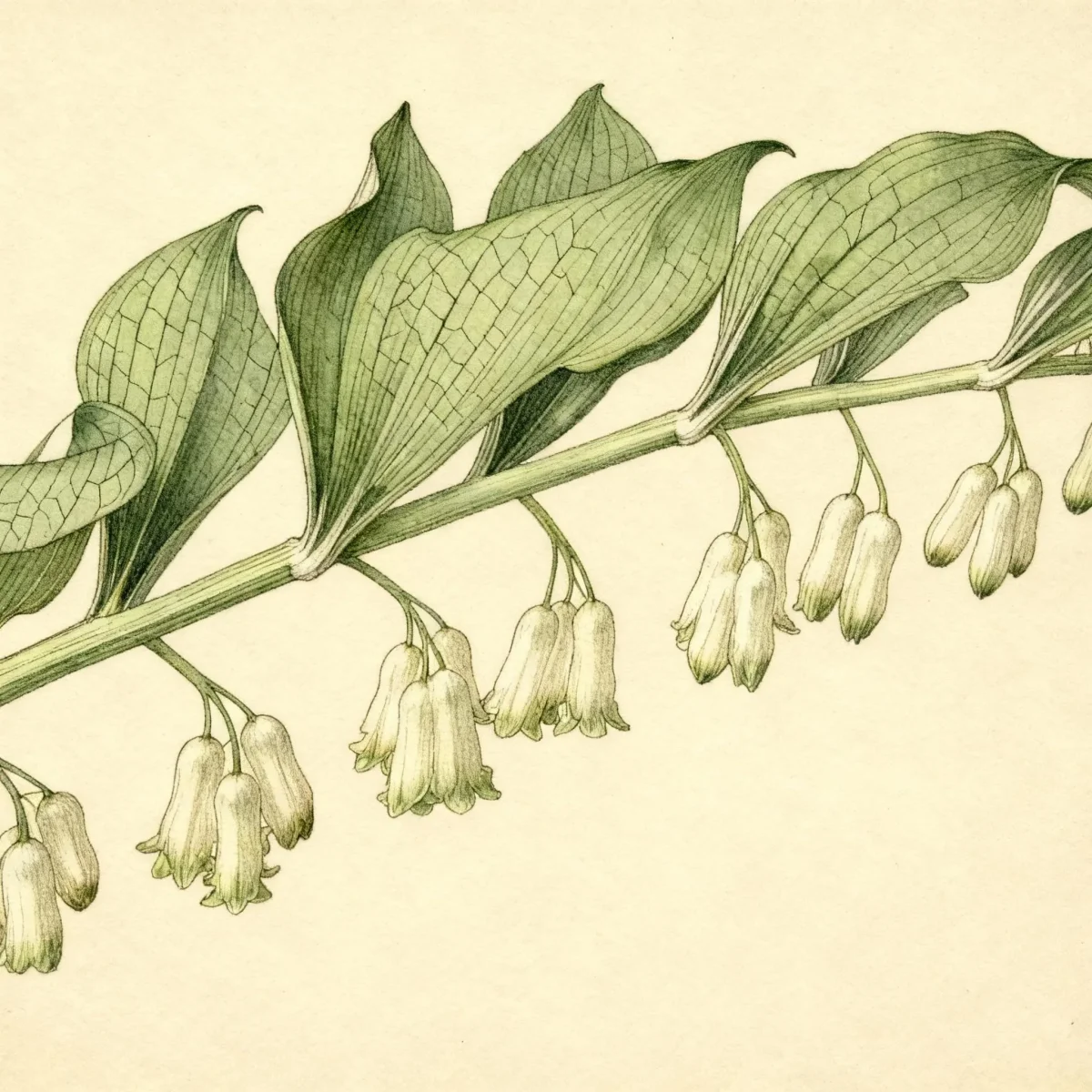
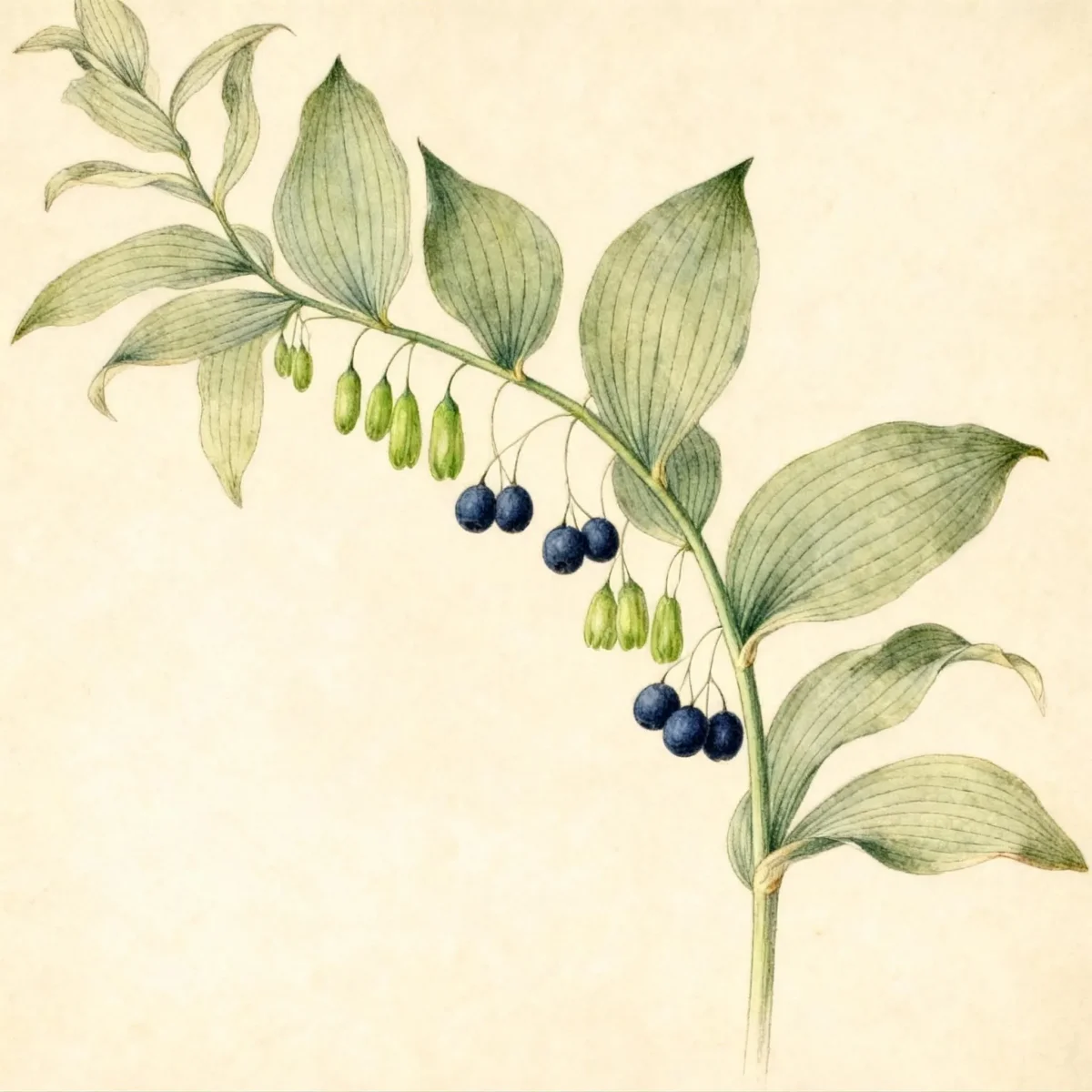
The distinctive flowering period occurs in late spring, featuring small, nodding, greenish-white, bell-shaped flowers dangling gracefully beneath the stems from the leaf axils. Following flowering, equally attractive blue-black berries develop, adding seasonal color until fall. Polygonatum biflorum var. commutatum slowly spreads via rhizomes, forming attractive colonies over time, which contributes to its suitability for naturalized areas.
As a native plant spanning the Eastern United States, the Giant Solomon’s seal offers reliable performance in both average to wet soils, provided it receives adequate part shade or full shade. Its robust structure and elegant foliage make Polygonatum biflorum var. Commutatum an indispensable element in shade borders, naturalized plantings, and moisture-retentive rain gardens.
Fast Facts
- Plant Family: Asparagaceae
- Plant Type: Herbaceous perennial
- Native Range: Eastern United States, south-central Canada
- Hardiness Zones: USDA Zones 3-7
- Size at Maturity:
- Height: 3-7 ft
- Spread: 3-4 ft
- Bloom Time: May to June
- Bloom Description: Greenish-white
- Sun Exposure: Part shade to full shade
- Water Needs: Medium to wet
- Maintenance Level: Low
How to Grow
Plant Polygonatum biflorum var. commutatum in the spring or fall when conditions are cool. Locate it where it can receive part shade to full shade, ideally preferring moist, rich soils. While easily grown, this plant excels when situated in reliably moist locations within the garden, such as near downspouts or in lower areas where moisture persists.
Care for Giant Solomon’s seal is straightforward; it requires little attention once established. Water regularly to maintain medium to wet conditions, especially during dry spells in its first season, though established plants tolerate seasonal wet soil well. Fertilization is usually unnecessary in rich garden soils. Pruning is minimal; typically, you only need to cut back the faded stems in late fall or early spring before new growth emerges.
A key cultural consideration is patience, as Polygonatum biflorum var. Commutatum can be slow to establish, particularly when grown from seed, though it spreads effectively by rhizomes once happy. Allow its rhizomes space to slowly colonize, as this perennial thrives when left undisturbed in optimum growing conditions.
Landscape Uses
The stature and shade tolerance of Polygonatum biflorum var. commutatum make it perfect for naturalized settings, blending seamlessly into woodland gardens or wild garden designs. These plants look spectacular when allowed to mass freely, creating drifts of architectural foliage beneath mature trees. Their requirement for moisture also makes them superb candidates for rain gardens or damp border edges where heavy equipment or foot traffic is minimal.
For cottage gardens, the Giant Solomon’s seal provides strong vertical punctuation among lower-growing shade perennials, offering a pleasing contrast to soft textures like hostas or astilbes. When planting, ensure you provide space for its slow but steady rhizomatous spread, allowing it to develop into the colonies for which it is known.
Standout Features
Flower Qualities
- Showy
Fruit Qualities
- Showy
Noteworthy Characteristics
Polygonatum biflorum var. Commutatum, commonly called Great Solomon’s seal, is native to Missouri where it occurs in rich woods, thickets, streambanks and along railroads throughout the State (Steyermark). It is a substantial plant that typically grows 3-5’ (occasionally to 7’) tall on stout, arching stems. Bell-shaped, greenish-white flowers dangle in spring from the leaf axils along and underneath the arching stems. The nomenclature is complex, but current trends favor recognizing this plant as Polygonatum biflorum var. Commutatum, distinguishable from smaller varieties by its significant size and structure.
Tolerances
- Erosion
- Wet Soil
Potential Problems
This robust plant rarely suffers from serious insect or disease problems, making the maintenance level very low. Generally, pests like slugs or deer avoid the foliage due to its texture or potentially irritating compounds. Good air circulation through proper spacing helps prevent minor fungal issues that can sometimes arise in overly dense, humid plantings common to deep shade areas.
Frequently Asked Questions
What hardiness zones is Giant Solomon’s seal suitable for?
Polygonatum biflorum var. commutatum is highly reliable, thriving across USDA Zones 3 through 7.
How large does Giant Solomon’s seal grow?
This stately perennial typically reaches heights between 3 and 7 feet tall, spreading between 3 and 4 feet wide as it forms colonies.
When does Giant Solomon’s seal bloom?
The plant offers its greenish-white flowers between May and June, dangling attractively beneath the arching stems.
What sun exposure does Polygonatum biflorum var. commutatum need?
It prefers dappled light, performing best in part shade to full shade conditions within the landscape.
Conclusion
The towering, graceful form of Polygonatum biflorum var. commutatum brings essential vertical drama to shaded landscapes with minimal effort required from the gardener. Its tolerance for moist soils and its low maintenance profile ensure that the Giant Solomon’s seal remains a staple in ecologically sound shade garden designs. Before planting, ensure your site offers consistent moisture and protection from intense afternoon sun for the best results.
Propagation Tips
While division of the established rhizomes is the simplest method of increasing your stock of Giant Solomon’s seal, Polygonatum biflorum var. commutatum is notoriously difficult to start from seed. If division is chosen, wait until early spring just as new shoots begin to emerge, or in early fall. Carefully lift the clump and gently separate the rhizomes, ensuring each section has a healthy root system and at least one viable growing eye attached.
For those dedicated to propagation, collecting the blue-black berries in the fall is necessary. The seeds require a complex, double dormancy period—moist stratification followed by warm stratification—to break dormancy, often taking up to 18 months before germination occurs. Because of this complicated seed cycle, division remains the most practical recommendation for home gardeners looking to expand their colonies of Giant Solomon’s seal.
Companion Planting
Given the specific cultural needs of Polygonatum biflorum var. commutatum—shady, moist, rich habitats—companion plants should share these requirements to ensure collective success. Consider pairing it with ferns that enjoy similar conditions, such as Ostrich Ferns or Autumn Ferns, whose contrasting textures complement the bold leaves of the Giant Solomon’s seal. Plants that provide contrasting flower color during the summer, such as Toad Lily (Tricyrtis hirta) or hardy Begonias, can help extend visual interest after the P. biflorum var. Commutatum finishes its spring bloom.