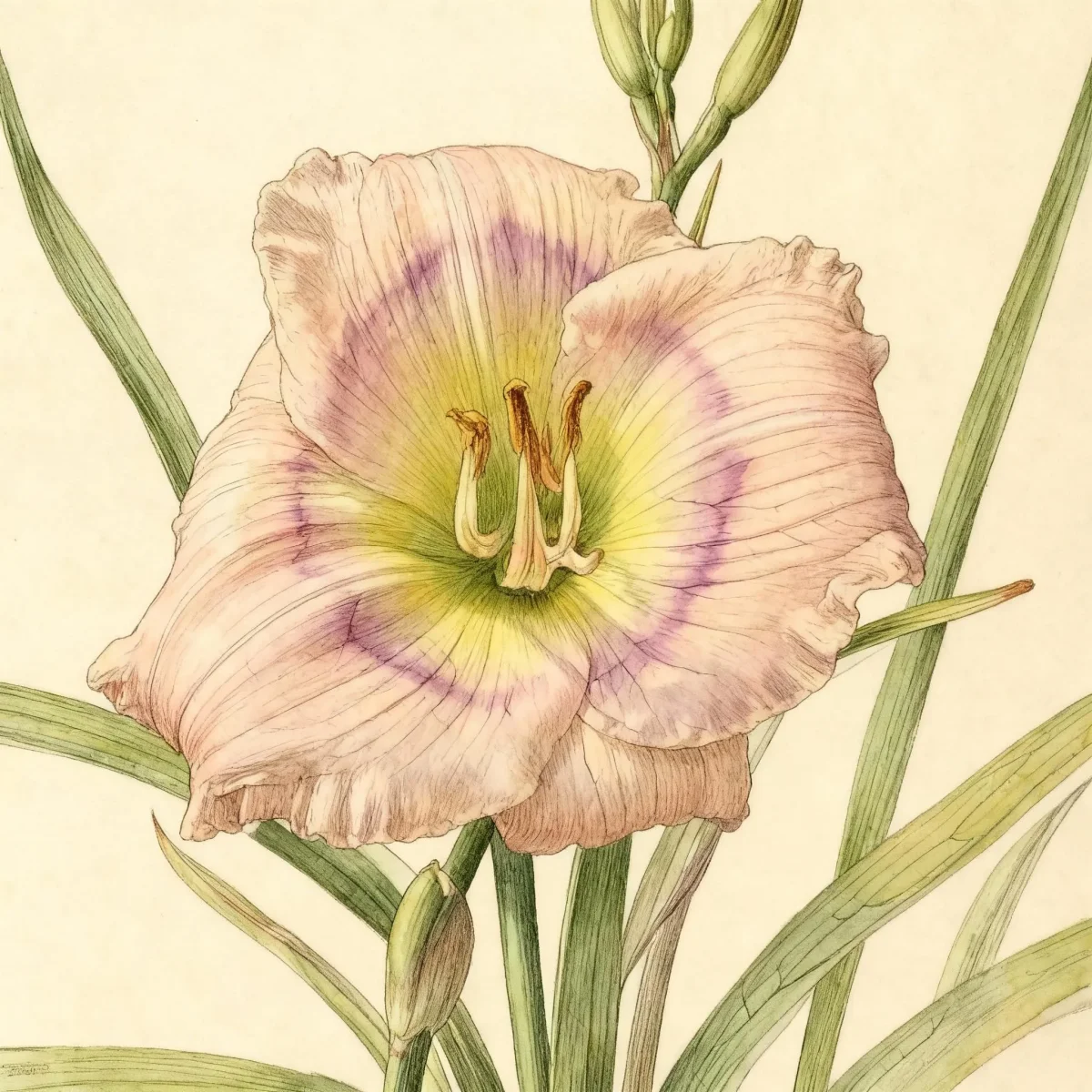
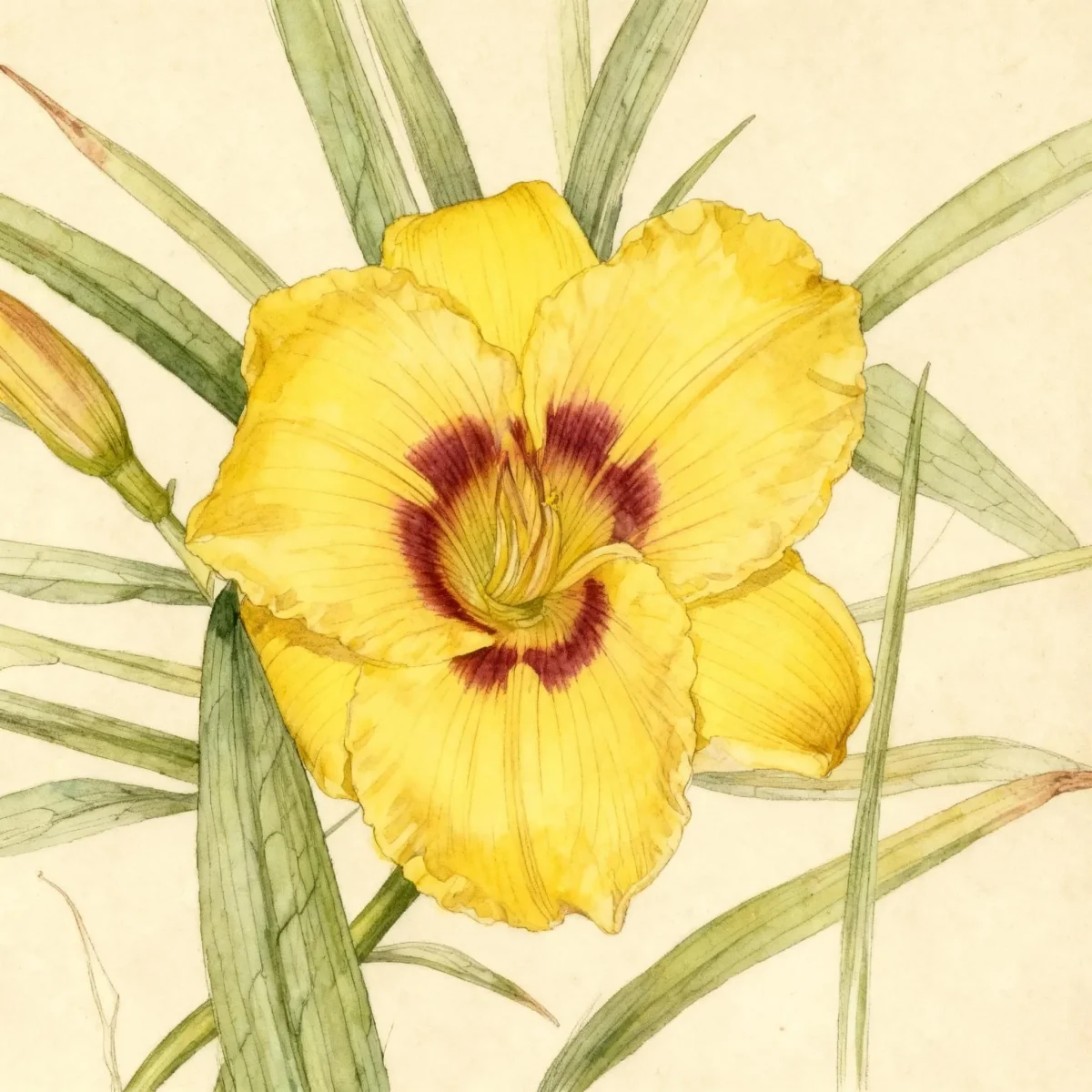
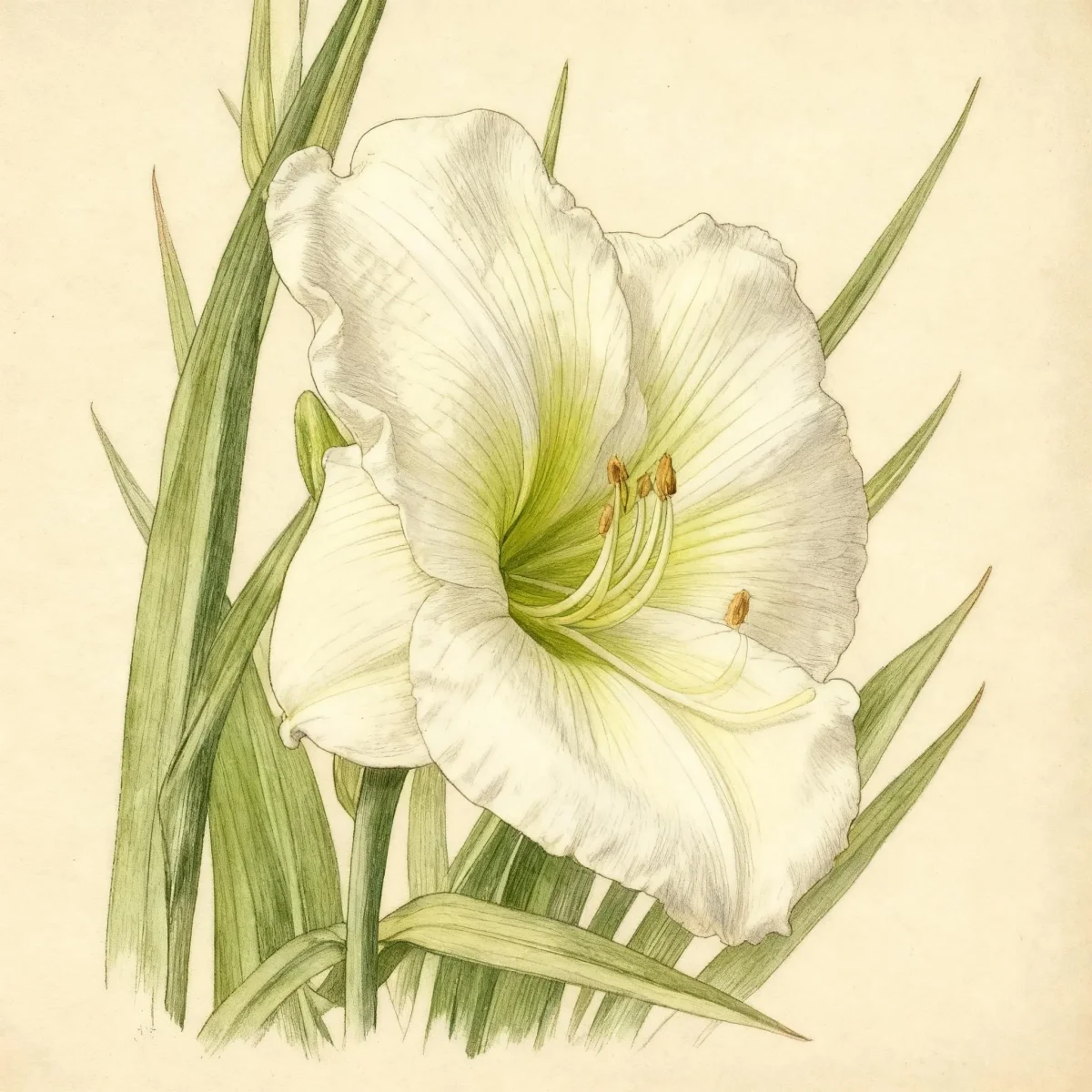
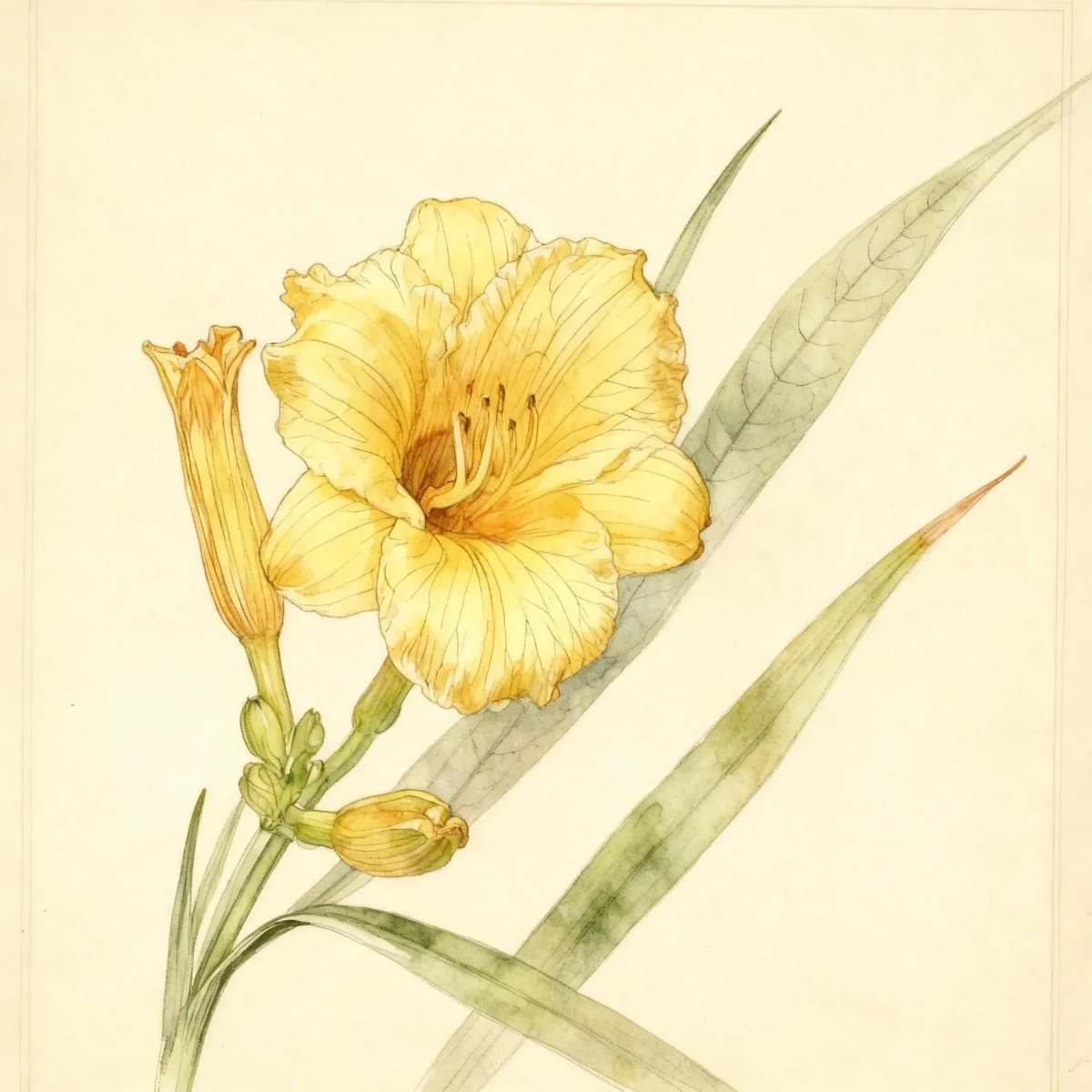
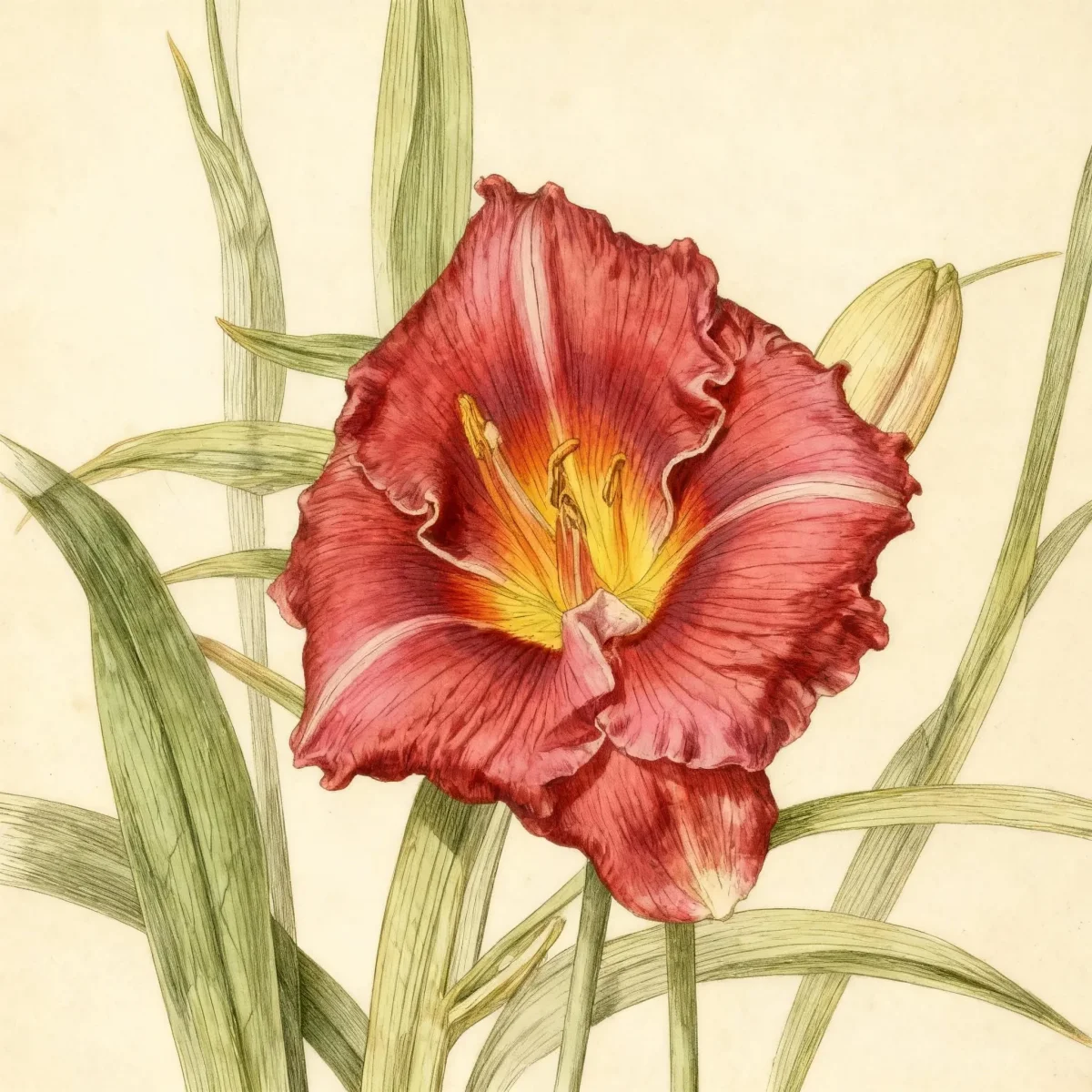
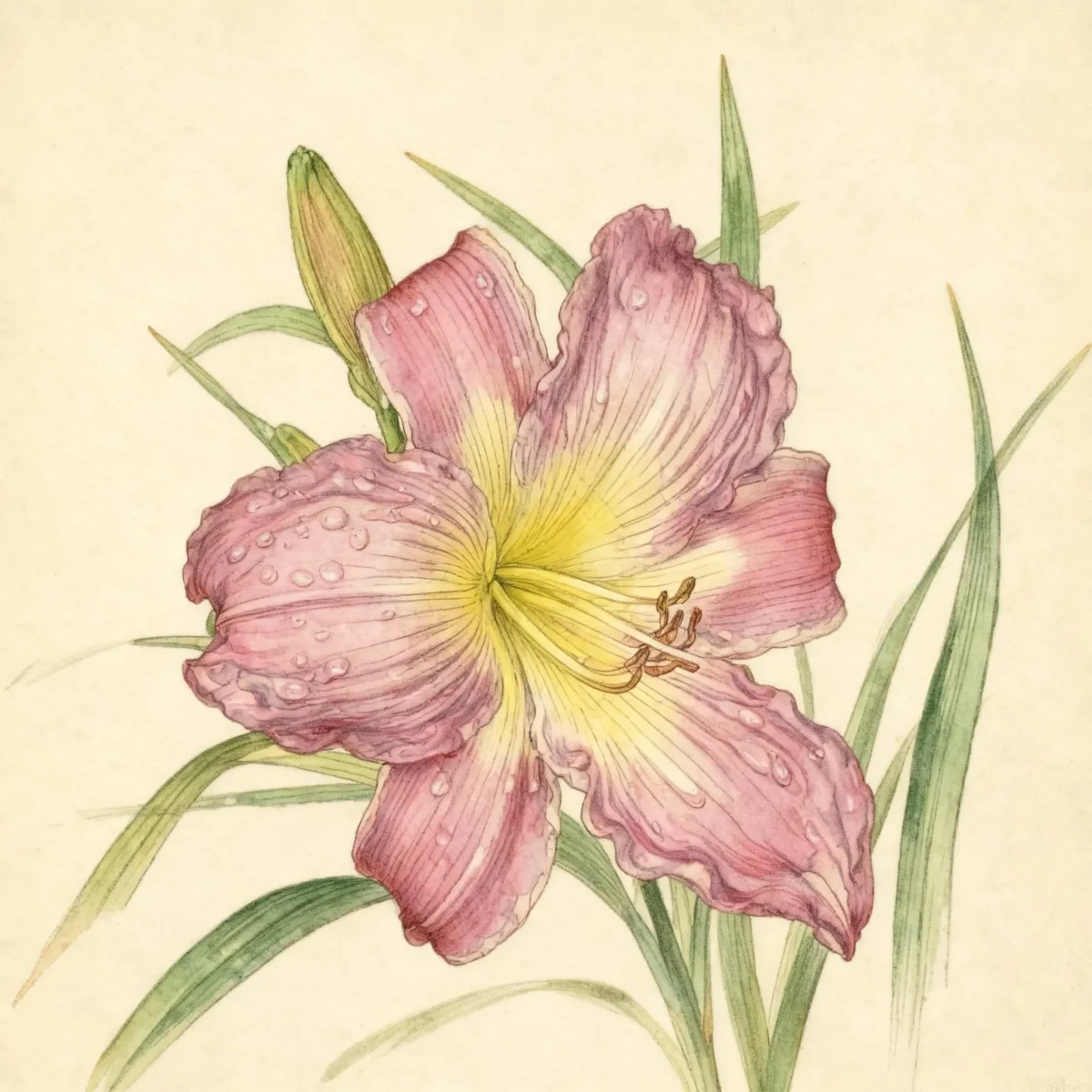
Citron daylily (Hemerocallis citrina)
The fragrant Citron daylily (Hemerocallis citrina) offers large, lemon-yellow, nocturnal blooms. These low-maintenance perennials thrive in USDA Zones 3-9, offering beautiful foliage.
Scroll down to discover growing tips, care requirements, companion plants, and more
Complete Plant Information
Overview
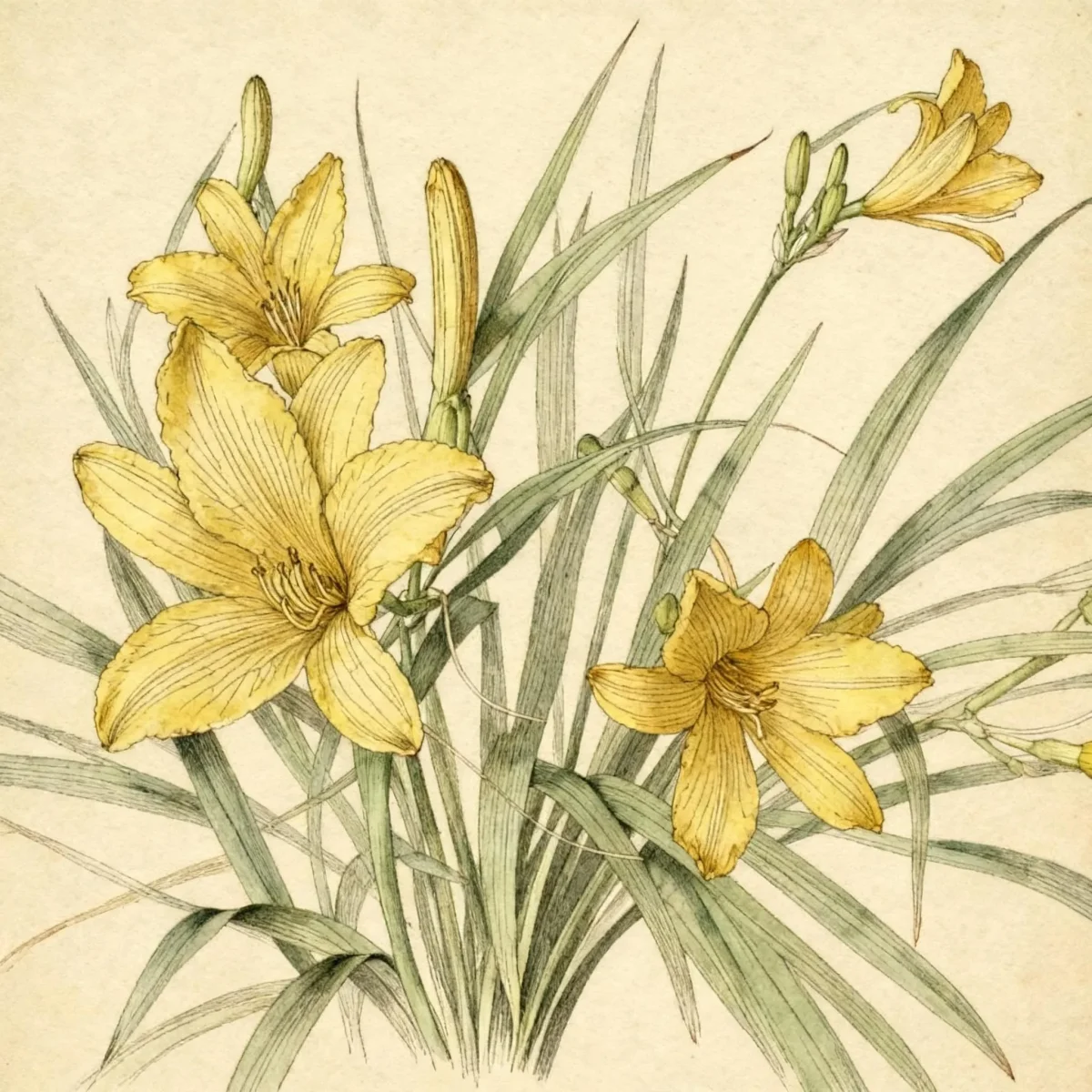
The Citron daylily, scientifically known as Hemerocallis citrina, is a highly valued, robust, and fragrant addition to any perennial garden. Its 6-inch diameter, trumpet-shaped flowers present a striking lemon yellow hue, making it instantly recognizable among other daylilies. This variety is celebrated for its hardiness and ability to bring texture and color to landscapes across many hardiness zones.
What sets Hemerocallis citrina apart is its unique bloom cycle; it is a true nocturnal bloomer. The flowers open near sunset and gracefully close the following morning, releasing their fragrance into the evening air. This characteristic, combined with its low maintenance requirements, makes the Citron daylily an exceptionally adaptable and rewarding perennial.
Beyond its fleeting blossoms, the plant provides excellent garden structure year-round. The thick clump produces arching, blade-like foliage that offers an elegant, fountain-like texture long after the bloom period ends. Its resilience against common garden pests and air pollution further cements the value of the Citron daylily in diverse settings.
Fast Facts
- Plant Family: Asphodelaceae
- Plant Type: Herbaceous perennial
- Native Range: China, eastern Asia
- Hardiness Zones: USDA Zones 3-9
- Size at Maturity:
- Height: 3-4 ft
- Spread: 1.5-2 ft
- Bloom Time: June to July
- Bloom Description: Lemon yellow
- Sun Exposure: Full sun to part shade
- Water Needs: Medium
- Maintenance Level: Low
How to Grow
Hemerocallis citrina is remarkably easy to establish and prefers planting in the spring or early fall when temperatures are moderate. Ensure placement in average, medium, well-drained soil, as daylilies abhor wet feet, though they adapt well to a wide pH range. Full sun exposure promotes the best flowering, but this Citron daylily tolerates partial shade, albeit with slightly less robust bloom production.
Once established, minimal watering is required, usually meeting needs with medium moisture, especially during hot, dry spells. Fertilization is rarely essential; however, dividing overcrowded clumps every few years is critical maintenance to maintain the vigor and health of the Hemerocallis citrina population. Deadhead spent blooms daily for tidiness, ensuring you remove the entire scape once flowering is complete for the season.
For best long-term results with this fragrant daylily, division should occur when you notice the center of the clump thinning or flower production declining, usually every 3-5 years. This simple practice refreshes the plant, ensuring that the foliage remains dense and the stunning lemon-yellow flowers continue for decades.
Landscape Uses
The upright habit and arching foliage of the Citron daylily make it an excellent structural plant in the perennial border. Groupings or mass plantings of Hemerocallis citrina create swathes of vibrant color during the early summer months. When flowers are absent, the fountain-like leaves provide elegant texture and contrast beautifully against finer-textured shrubs or groundcovers.
Due to its adaptive nature, this daylily works well in mixed borders, acting as a mid-border anchor plant 3 to 4 feet tall. Furthermore, its ability to tolerate erosion risk makes it suitable for stabilizing slopes, and its weed-suppressing foliage helps reduce maintenance load in larger beds. Consider pairing it with later-blooming perennials to extend mid-summer interest.
Standout Features
Flower Qualities
- Showy
- Fragrant
Noteworthy Characteristics
Hemerocallis citrina, sometimes called citron daylily, features 6” diameter, trumpet-shaped, lemon yellow flowers on scapes rising up to 45” tall above a thick clump of arching, blade-like, leaves up to 40” long. Flowers are very fragrant. This species is a nocturnal bloomer. Flowers typically open up near sunset and close the morning of the following day. The genus name comes from the Greek words hemera meaning day and kallos meaning beauty as each flower lasts but one day, while the specific epithet means lemon-colored or resembling citron, referencing the signature yellow blooms.
Tolerances
- Rabbit
- Erosion
- Air Pollution
Potential Problems
Daylilies are renowned for being extremely adaptable perennials, and the Hemerocallis citrina faces virtually no serious disease or pest problems. They are incredibly easy to grow when sited correctly in well-drained soil. Gardeners should remain vigilant against common foliage-eating pests like daylily weevils or aphids, although these are rarely significant issues for this tough species. Management generally involves ensuring robust air circulation and promptly deadheading any older flowers.
Frequently Asked Questions
What hardiness zones is Citron daylily suitable for?
The Citron daylily (Hemerocallis citrina) is highly versatile, thriving in USDA Hardiness Zones 3 through 9.
How large does Hemerocallis citrina grow?
This species typically reaches a mature height between 3 and 4 feet tall, with a spread ranging from 1.5 to 2 feet wide.
When does Citron daylily bloom?
The Hemerocallis citrina generally blooms from June into July, producing distinctive lemon-yellow flowers.
What sun exposure does Hemerocallis citrina need?
For optimal flowering, this plant performs best in areas receiving full sun, though it adapts well to partial shade conditions.
Conclusion
The Citron daylily provides gardeners with a low-effort, high-reward perennial offering unique fragrant blooms in the evening hours. The combination of attractive foliage and resilience ensures that Hemerocallis citrina remains a mainstay in reliable garden designs. Before planting, confirm your local USDA zone falls between 3 and 9 to ensure years of vibrant, low-maintenance beauty.
Propagation Tips
Division is the most common and effective method for propagating Hemerocallis citrina and maintaining plant vigor. Wait until late summer or early fall after the main bloom period has concluded for the best results, though spring division before new growth hardens off is also acceptable. Dig up the entire clump of the daylily using a sharp spade or garden fork, taking care not to damage the thick, fleshy roots unnecessarily.
Once excavated, gently tease apart the fans of foliage, separating the clump into smaller sections containing at least three to five healthy fans each with a piece of the crown attached. Replant these divisions immediately into the prepared soil at the same depth they previously grew; burying the crown too deeply is a frequent mistake that can inhibit flowering. Water the newly planted sections thoroughly to settle the soil around the roots.
Companion Planting
Because the Hemerocallis citrina prefers moist but well-drained soil and thrives in full sun to part shade, companion planting should focus on species that share similar cultural needs but offer contrasting textures or bloom times. Excellent partners include Russian Sage (Perovskia atriplicifolia), whose airy texture and silver-blue flowers contrast well both day and night with the solid green and yellow of the Citron daylily.
Consider pairing the Hemerocallis citrina with lower-growing perennials such as variegated Liriope or ornamental grasses that value medium water conditions. For color contrast that lasts beyond July, utilize plants like Coneflowers (Echinacea) or Black-Eyed Susans (Rudbeckia), whose late-summer blooms will take over the visual interest once the citron-yellow flowers fade.