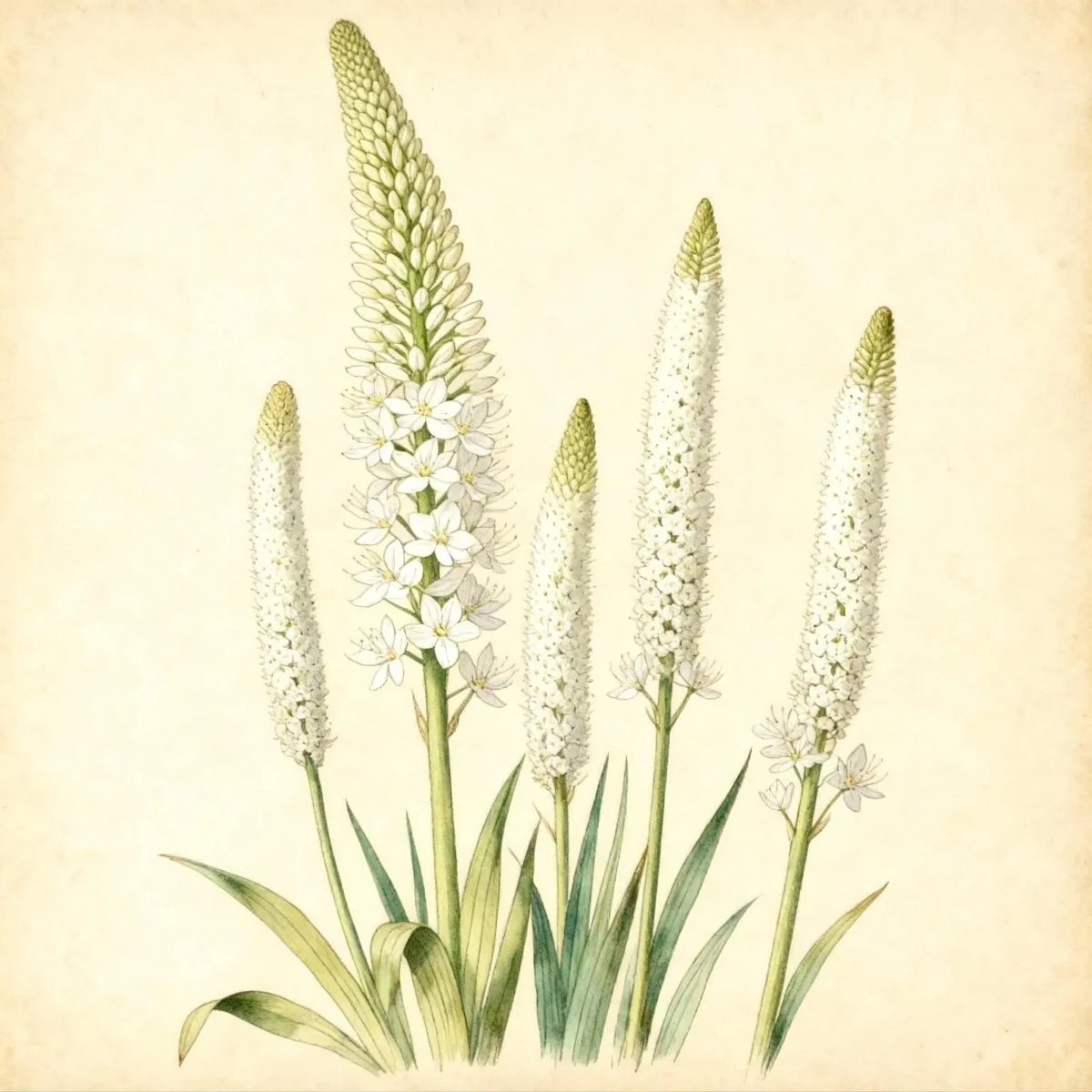
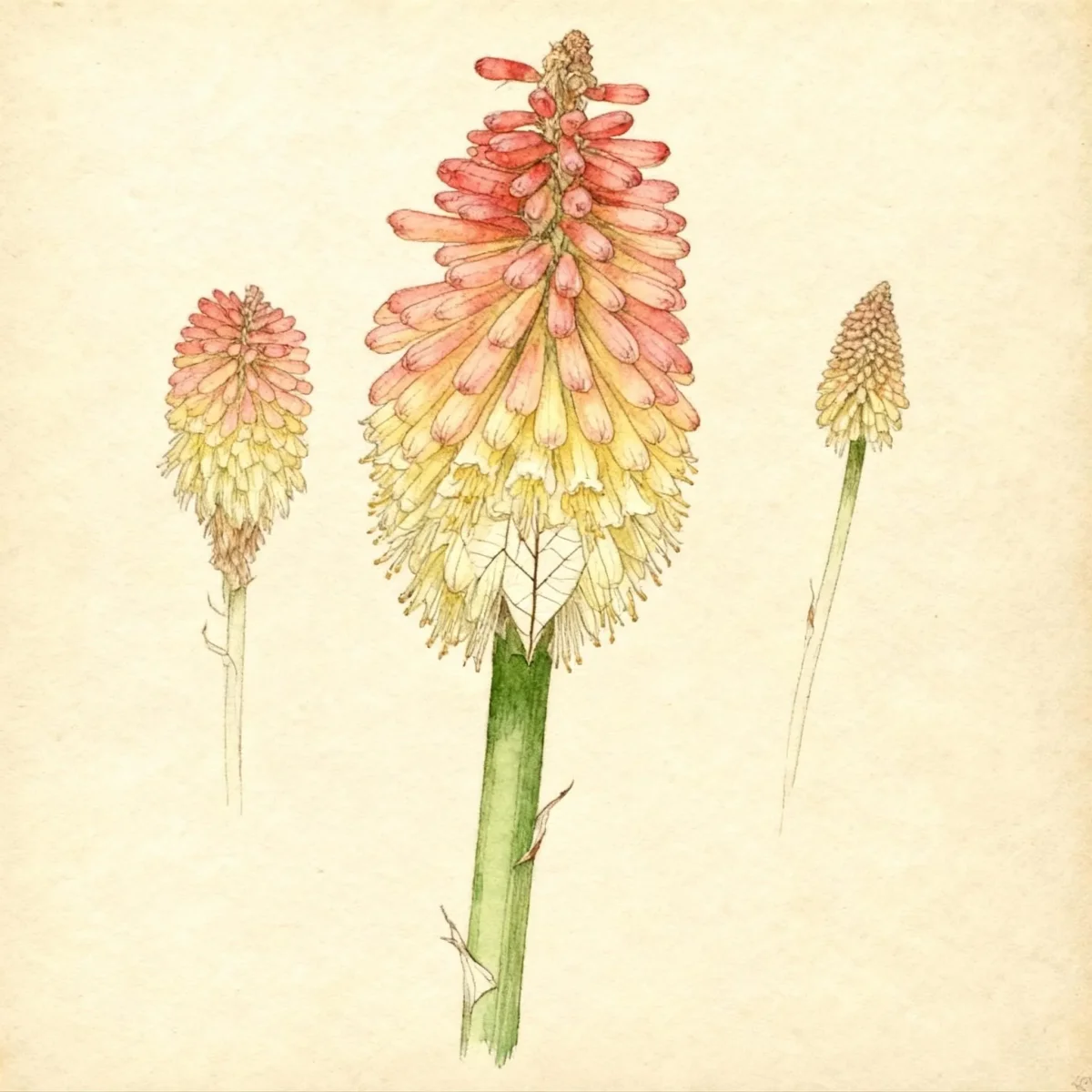
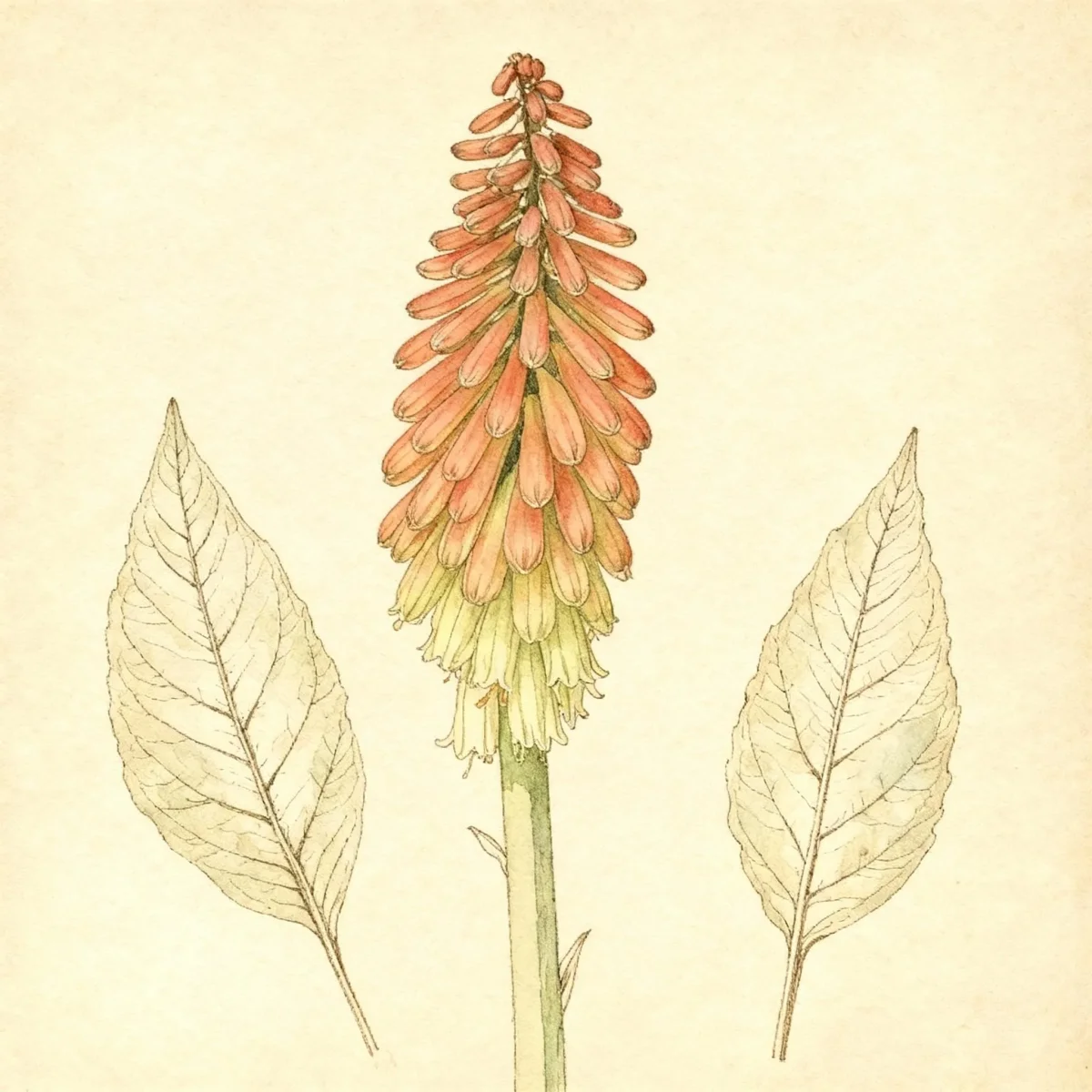
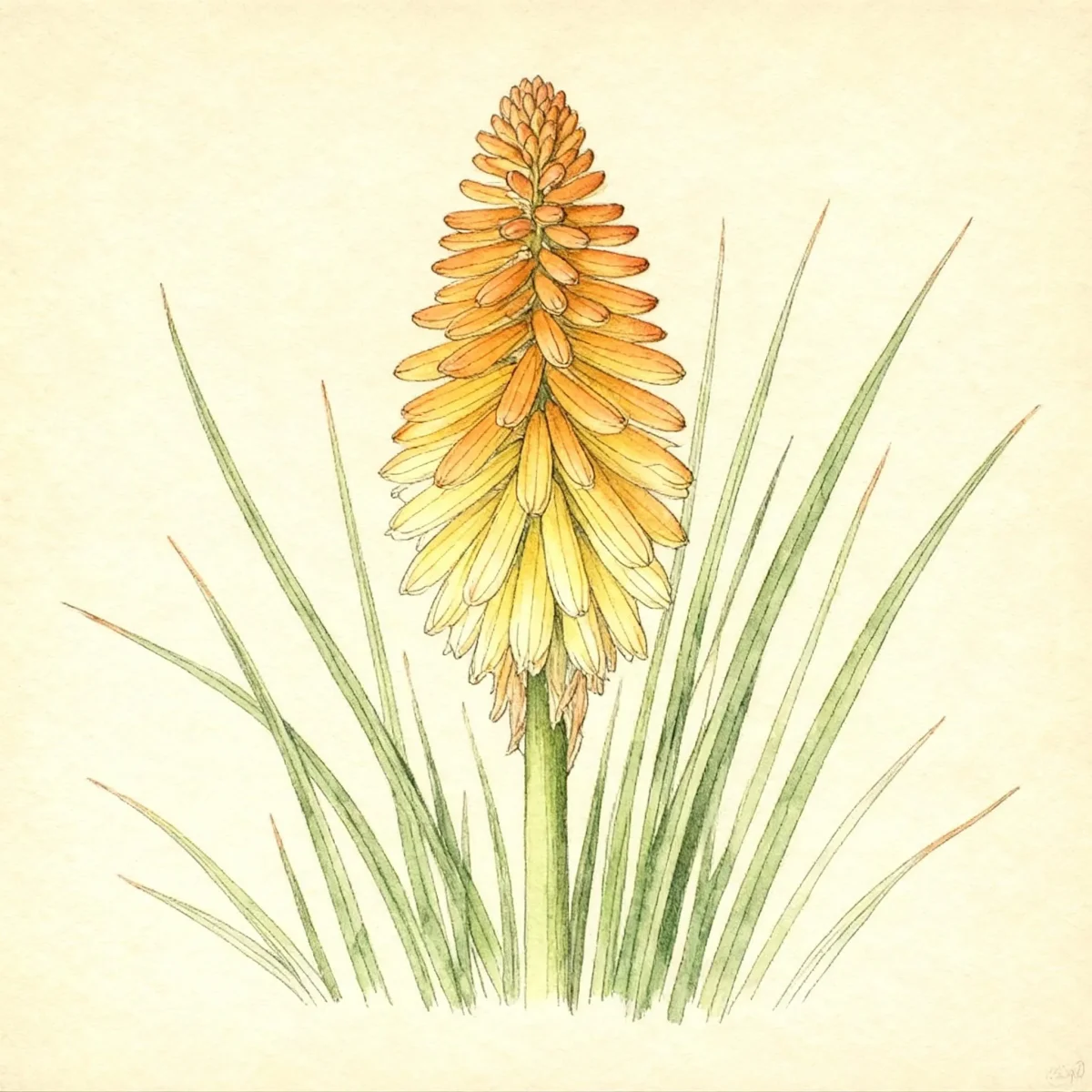
Giant desert candle (Eremurus robustus)
Eremurus robustus, the Giant desert candle, produces spectacular 10ft pale pink flower spires; hardy in Zones 5-8.
Scroll down to discover growing tips, care requirements, companion plants, and more
Complete Plant Information
Overview
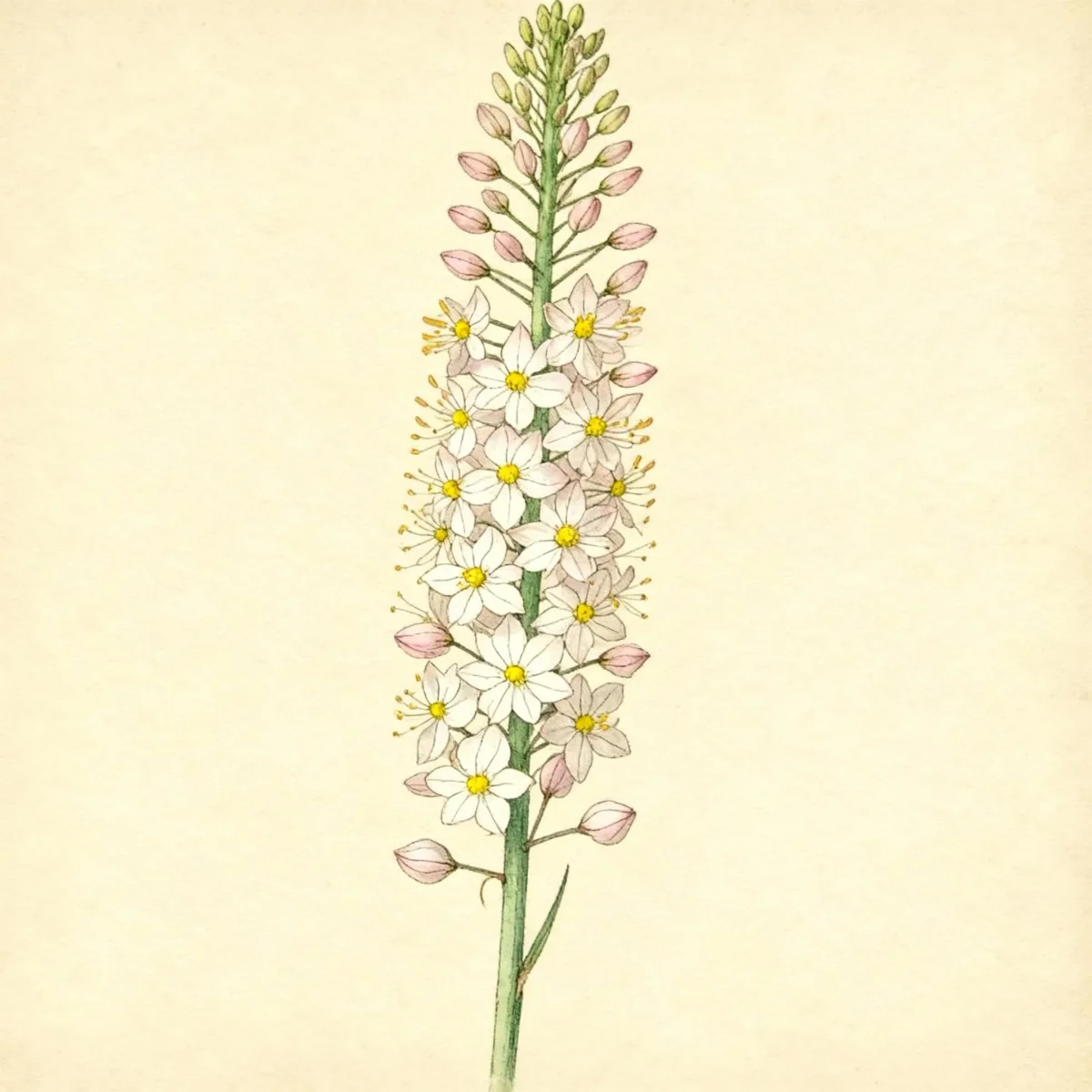
The Giant desert candle (Eremurus robustus) is an exceptionally distinctive perennial bulb, commanding attention in the mid-summer garden with its striking vertical presence. Known for its towering flower spikes that can reach up to ten feet high, this plant is a true statement piece for large landscape designs. The massive, cylindrical racemes of pale pink, fragrant flowers create a dramatic focal point that softens as they age.
As a member of the Asphodelaceae family, Eremurus robustus is native to the arid regions of Central Asia, which informs its cultural needs. Gardeners who can provide excellent drainage and consistent full sun will be rewarded with this architectural giant. Despite its towering height, the root system, a starfish-shaped crown, requires careful handling during planting to ensure stability.
This plant provides significant aesthetic payoff, making the medium maintenance worthwhile for those seeking vertical drama. Once blooming is complete, the foliage of the Giant desert candle naturally dies back, signaling its transition into summer dormancy. Successful cultivation relies heavily on respecting this seasonal cycle, particularly regarding summer soil moisture.
Fast Facts
- Plant Family: Asphodelaceae
- Plant Type: Bulb
- Native Range: Central Asia
- Hardiness Zones: USDA Zones 5-8
- Size at Maturity:
- Height: 5-10 ft
- Spread: 2-3 ft
- Bloom Time: June to July
- Bloom Description: Pale pink
- Sun Exposure: Full sun
- Water Needs: Medium
- Maintenance Level: Medium
How to Grow
For optimal success with Eremurus robustus, planting should occur in early fall. These bulbs thrive in organically rich, well-drained soils, performing particularly well in sandy loams; conversely, avoid heavy, unamended clay soils, which drastically increase the risk of root rot. The unique, starfish-shaped rootstock must be planted thoughtfully: place the crown 4-6 inches deep over a prepared mound of soil, carefully spreading the finger-like roots outward before backfilling. General spacing should be 2 to 3 feet apart to allow for full development.
Watering needs are standard for a tuberous bulb, maintained at a medium level during the active spring growth period. Plants exhibit good drought tolerance once established, a trait carried over from their native habitat. As the plant enters summer dormancy following flowering, it is crucial to reduce general soil moisture to prevent rot, as the plant is highly susceptible to fungal issues in overly wet conditions during rest.
Due to the extreme height achieved by Eremurus robustus, protection from strong winds is highly recommended; staking tall stalks proactively will prevent breakage. In late winter or early spring, monitor for late frosts, as young foliage is vulnerable. Applying a winter mulch can help insulate the roots, and covering emerging shoots with simple protection, like a lifted wastebasket, can safeguard them from sudden temperature drops. Mature plants can be refreshed by dividing the clumps every three to four years.
Landscape Uses
The towering flower spikes of the Giant desert candle make it an ideal choice for creating dramatic vertical accents in perennial borders. Positioning these sentinels towards the rear of the border ensures they do not overshadow shorter plants while maximizing their impact against taller backdrops. For the best visual effect, plant Eremurus robustus in front of deep, dark green foliage, such as evergreen shrubs, which makes the pale pink flowers appear even more luminous.
These bulbs are equally valuable as specimen plantings in isolated spots where their height can be fully appreciated, or they can be naturalized slightly in sunny, well-drained areas of the garden. Beyond their ornamental function, the robust flower spires make excellent material for statement arrangements, as they are highly prized as cut flowers. Groupings of three or more Eremurus robustus create a more substantial scene than isolated specimens.
Standout Features
Flower Qualities
- Showy
- Fragrant
- Good Cut
Noteworthy Characteristics
Eremurus robustus, commonly called desert candle or foxtail lily, is a robust perennial that features giant, upright, cylindrical flower spires (terminal racemes to 3-4’ long) of fragrant, densely-packed, pale pink flowers (each flower to 1.5” wide). Each flower spire purportedly resembles a giant fox tail or giant candle. Leaves die back in mid-summer after flowering as the plant goes into dormancy.
Tolerances
- Drought
Potential Problems
While generally free from serious insect or disease issues, the primary threat to Eremurus robustus is root rot, which occurs almost exclusively in poorly drained or heavy clay soils, especially when moisture is high during the summer dormancy period. Gardeners should actively watch for slugs, which can damage the softening foliage. Anecdotally, some gardeners note that this plant can present a challenge in certain humid climates, reinforcing the need for absolute drainage integrity.
Frequently Asked Questions
What hardiness zones is Giant desert candle suitable for?
The Giant desert candle (Eremurus robustus) is suitable for cultivation in USDA Hardiness Zones 5 through 8.
How large does Giant desert candle grow?
This plant is known for its impressive stature, typically reaching a height between 5 and 10 feet tall, with a spread of 2 to 3 feet wide.
When does Giant desert candle bloom?
Eremurus robustus typically produces its spectacular bloom display between June and July, showcasing pale pink flowers.
What sun exposure does Giant desert candle need?
This species requires full sun exposure to develop the strongest, tallest flower stalks.
Conclusion
The Eremurus robustus, or Giant desert candle, offers unparalleled vertical drama combined with lovely pale pink, fragrant summer blooms, making it a prized feature in specialty gardens. Successfully growing this plant hinges on providing sharp drainage and respecting its requirement for full sun and summer dormancy. Ensure your garden site offers excellent soil health and plan for early fall planting to establish a superb display next season.
Companion Planting
Selecting companions for Eremurus robustus requires focusing on plants that share its cultural needs for full sun and excellent drainage, but crucially, those whose foliage remains attractive after the Eremurus foliage has died back in mid-summer. Consider pairing the towering flower spikes with lower, drought-tolerant perennials such as certain varieties of Catmint (Nepeta) or Russian Sage (Perovskia atriplicifolia). These companions fill the space around the base of the dying foliage, providing mid-to-late summer color without competing for similar moisture levels during the dormancy period.
Design Ideas for Vertical Impact
The architectural quality of the Giant desert candle lends itself well to bold, linear garden designs. Utilize them as exclamation points along long walkways or at the corners of structural elements like retaining walls. For a desert garden aesthetic that complements their native range, intersperse planting pockets with structural succulents or ornamental grasses that offer contrasting textures throughout the season. Remember that the leaves only persist through the bloom; plan the placement so that the spent, dormant area is acceptably concealed during late summer and early autumn.