Hosta (Hosta venusta)
Discover Hosta venusta, a charming dwarf perennial ideal for deep shade, offering medium green foliage and purple blooms in early summer.
Scroll down to discover growing tips, care requirements, companion plants, and more
Complete Plant Information
Overview
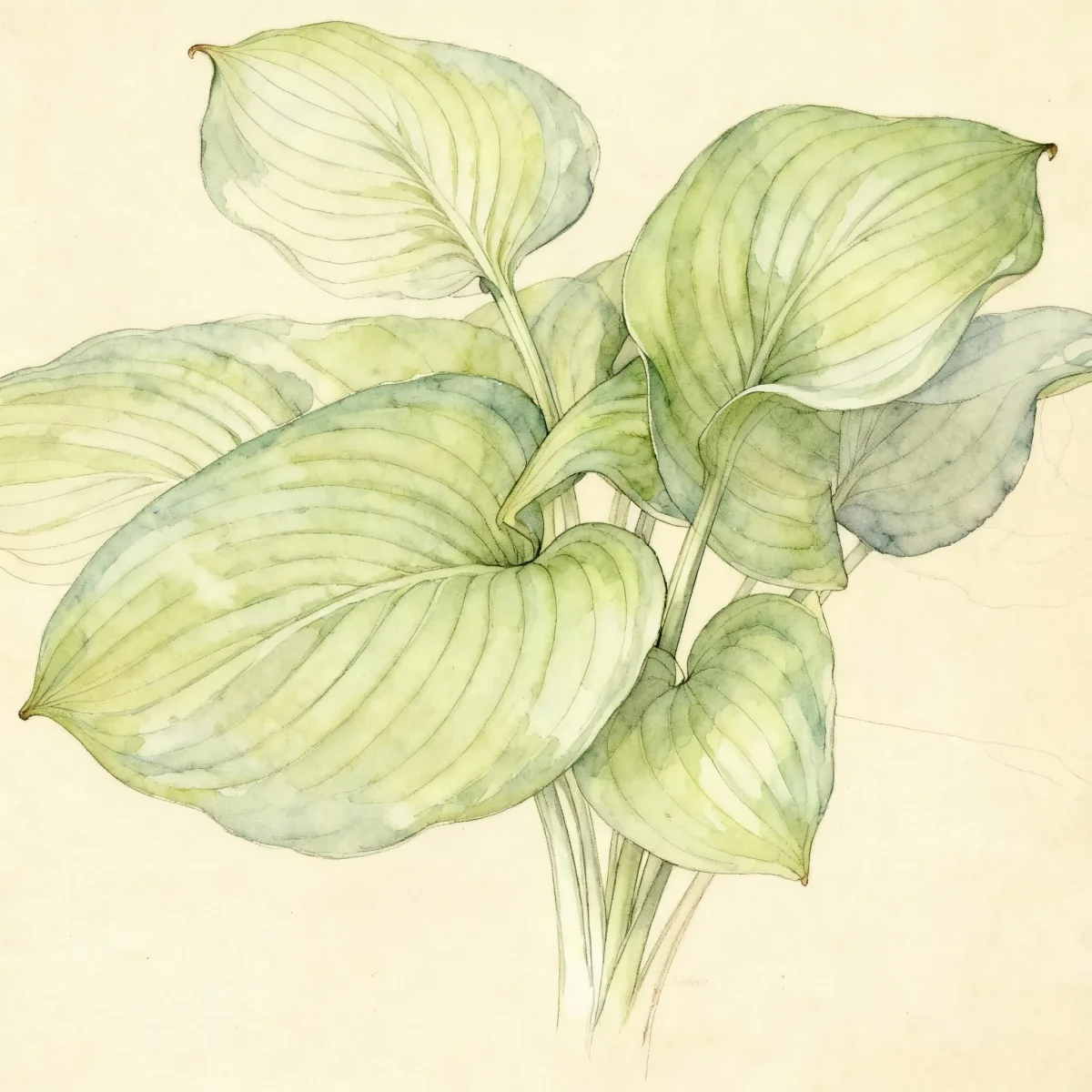
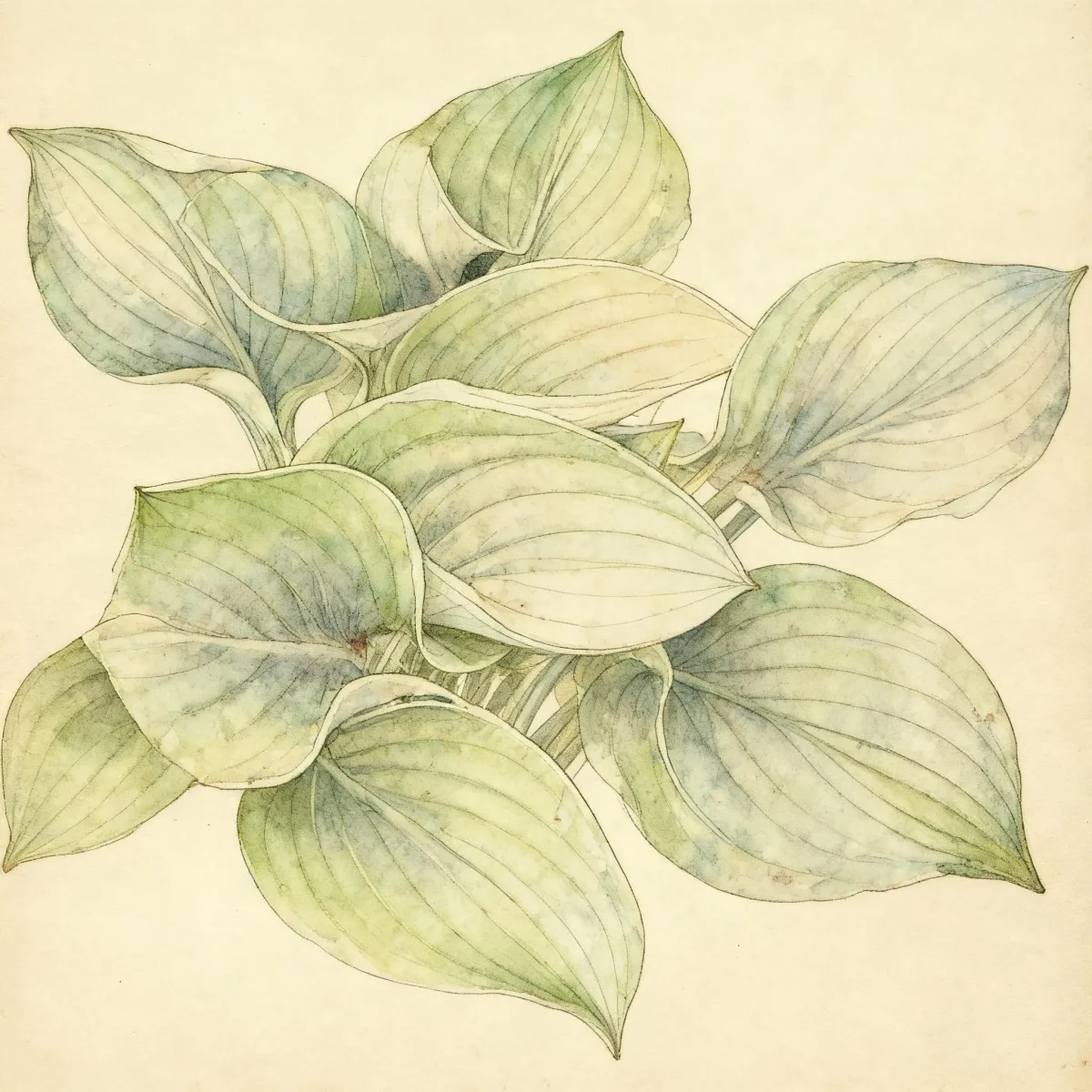
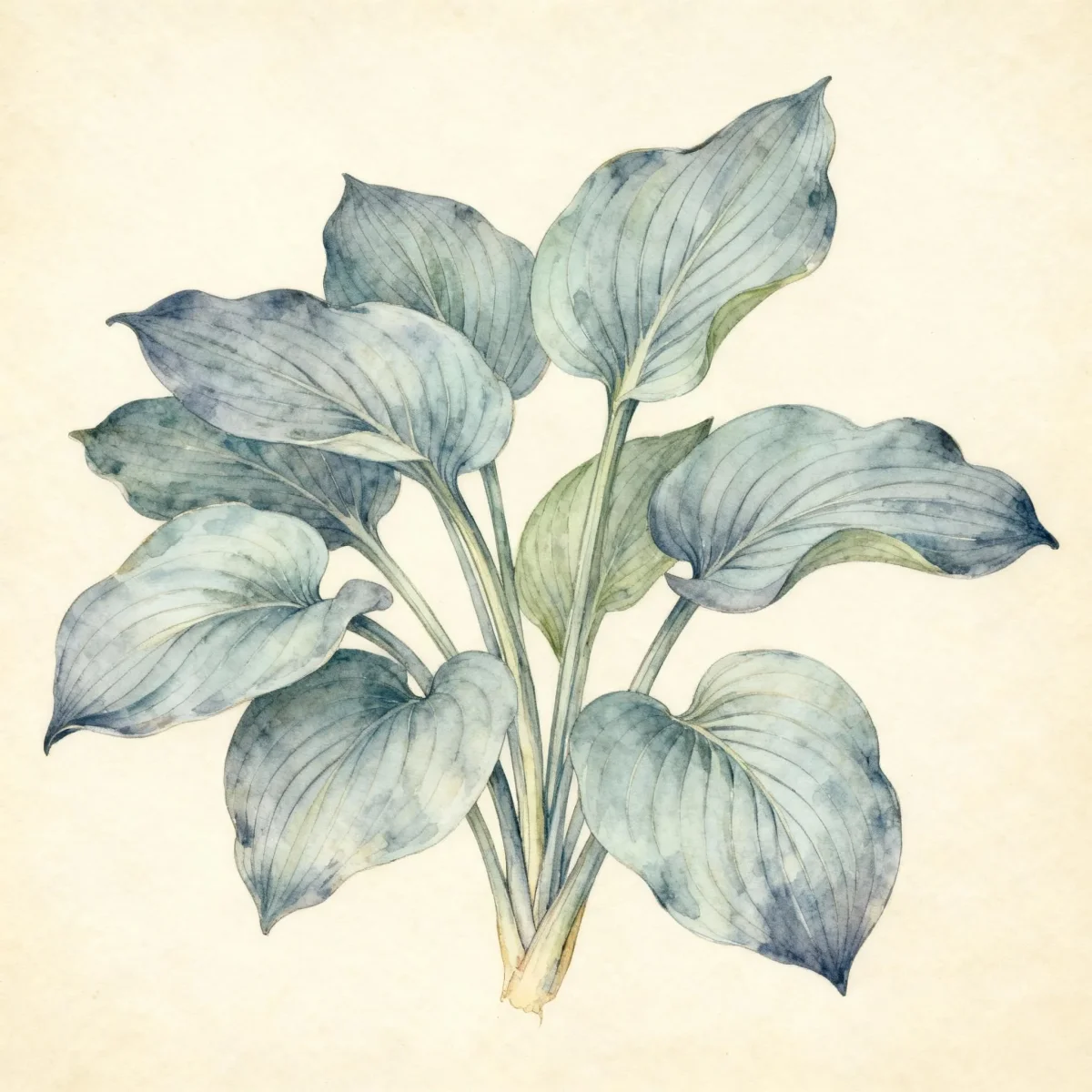
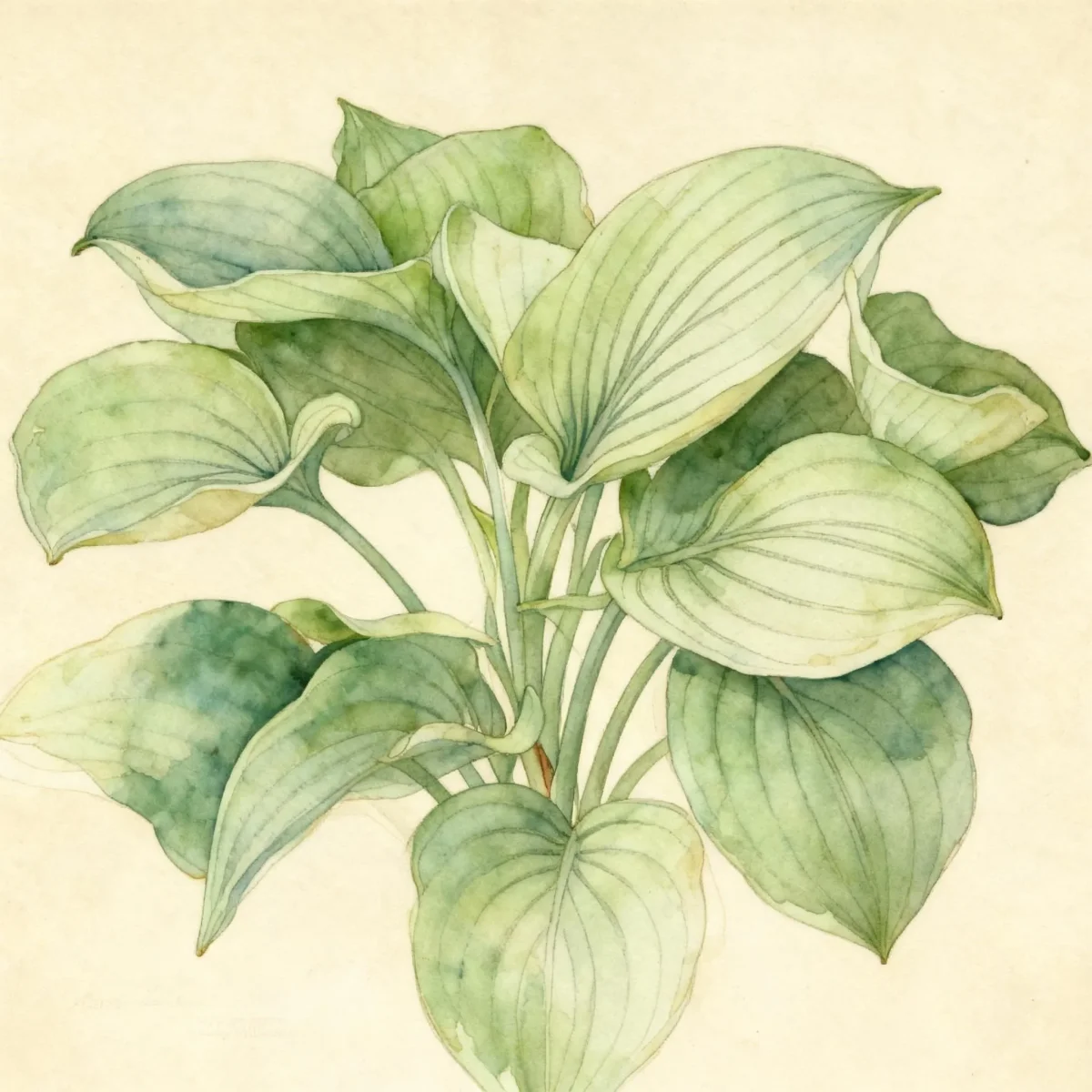
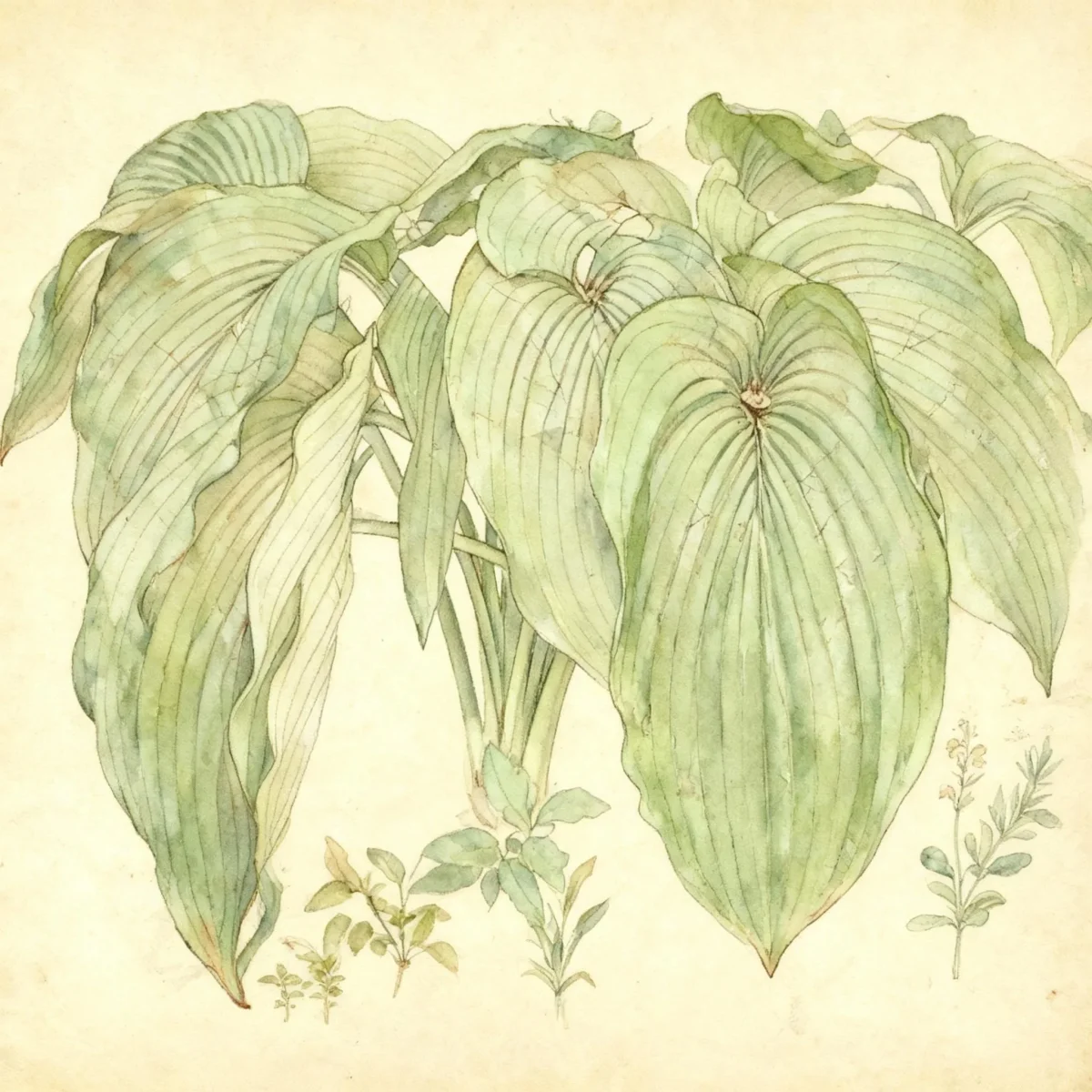
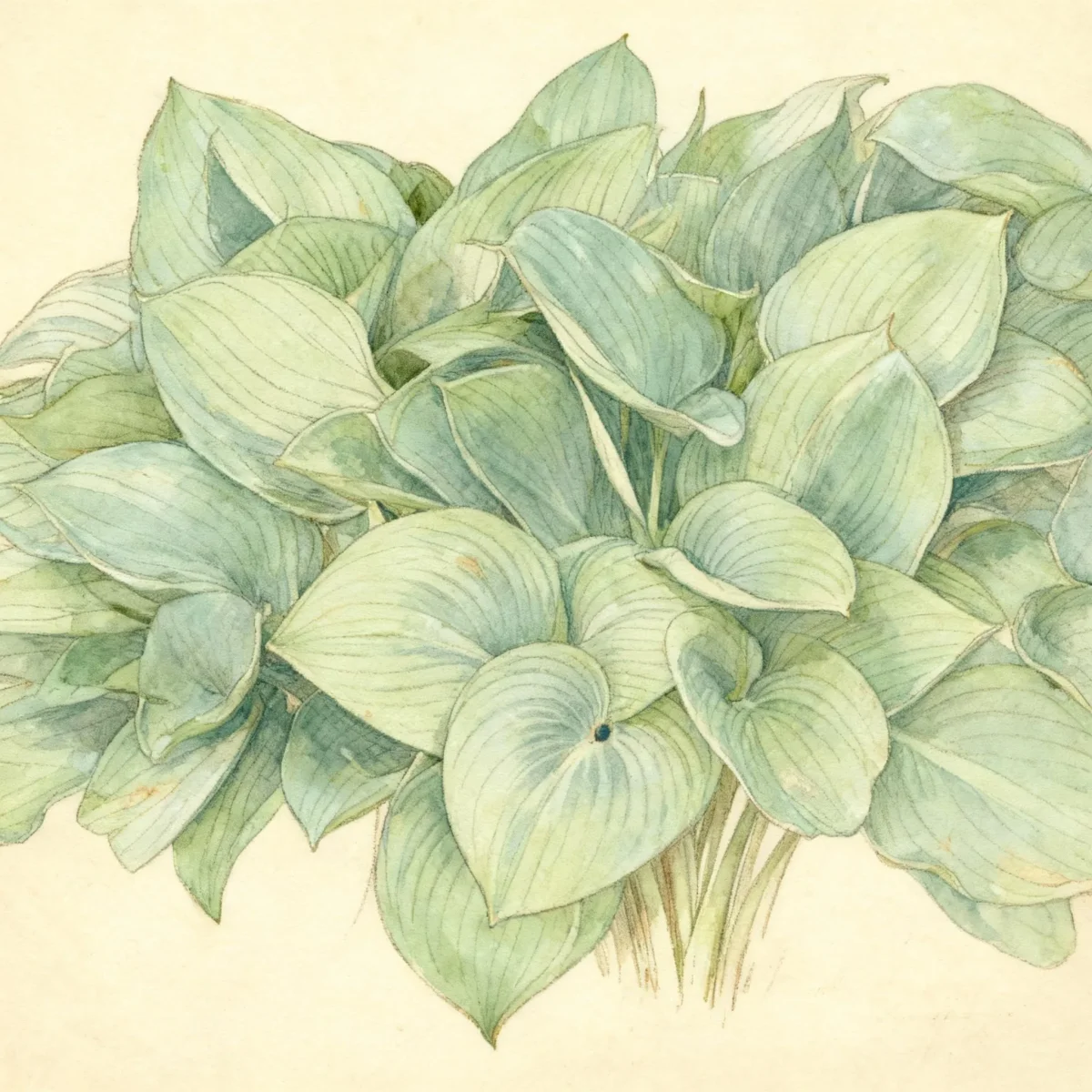
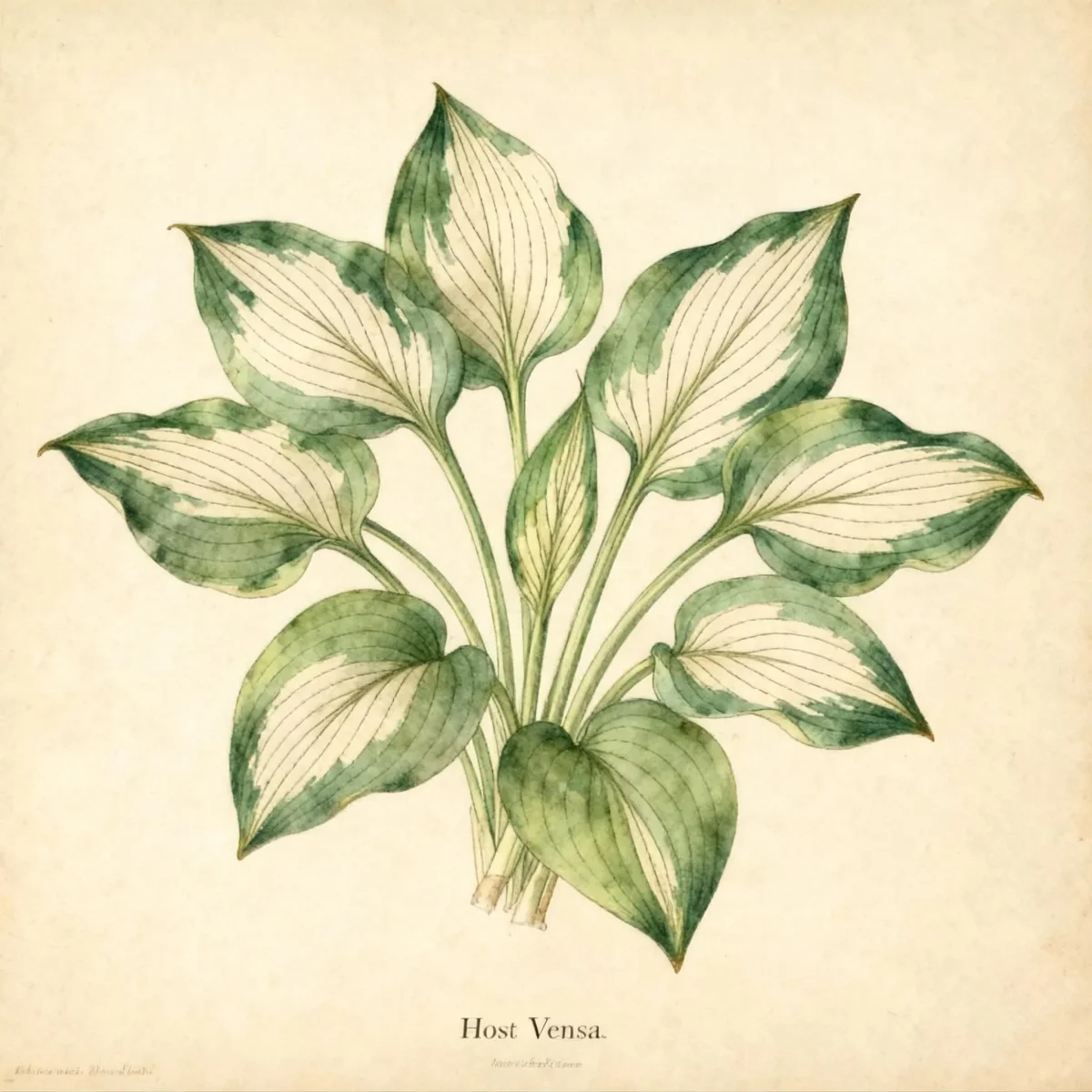
Hosta venusta is a cherished, beautiful maiden hosta prized for bringing texture and color to the darkest corners of the garden. This dependable, low-maintenance perennial forms a tight, dwarf mound of slightly wavy, heart-shaped, medium green leaves, making it an excellent choice for edging or detailed shade plantings. Its dense foliage not only provides consistent visual appeal throughout the season but also functions practically by crowding out most unwanted garden weeds.
As a member of the Hosta genus, this charming plant offers excellent hardiness across multiple climate zones. The foliage serves as the primary ornamental feature, though in early summer, it sends up delicate scapes bearing violet, funnel-shaped flowers. Cultivating Hosta venusta successfully involves replicating its native woodland environment, focusing on rich, moist, and well-drained soil conditions.
This versatile, charming plant demands very little in return for its contribution to the landscape, solidifying its status as a mainstay in shade garden design. Its compact nature means that even gardeners with limited space can enjoy the rich textures offered by this wonderful Hosta.
Fast Facts
- Plant Family: Asparagaceae
- Plant Type: Herbaceous perennial
- Native Range: Korea, Japan
- Hardiness Zones: USDA Zones 3-8
- Size at Maturity:
- Height: 0.25-0.5 ft
- Spread: 0.75-1 ft
- Bloom Time: June to July
- Bloom Description: Purple
- Sun Exposure: Part shade to full shade
- Water Needs: Medium
- Maintenance Level: Low
How to Grow
The establishment of Hosta venusta is most successful when planting occurs in the spring or early fall, allowing the root system time to settle before extreme weather. Choose a location that receives part shade to full shade, ideally sheltered from intense afternoon sun to prevent leaf scorch. This Hosta thrives in average soil, but performs best when the medium is rich, moist, and offers excellent drainage to guard against crown rot.
Maintain consistent soil moisture, especially during dry periods, as this plant requires a medium water input to keep its foliage lush and unwilted. While no heavy fertilization is usually required, incorporating compost annually around the base will refresh that rich, moist soil structure that Hosta venusta prefers. Avoid over-fertilizing, which can attract more slugs and snails.
As a low-maintenance perennial, pruning is minimal. In late fall, after the foliage has died back or been damaged by frost, trim off the spent leaves near the ground to keep the area tidy and reduce potential hiding spots for pests waiting for spring. This hardy Hosta is generally very dependable with routine care.
Landscape Uses
Hostas are a mainstay of the shade garden, and the dwarf nature of Hosta venusta makes it especially adaptable for detailed work. This diminutive specimen excels at the front of mixed perennial borders, providing immediate texture right where the eye lands. Its small stature also makes it an excellent choice for rock gardens or to naturally soften the edges of woodland pathways.
Use this beautiful maiden hosta as a delicate edging plant to define beds or walkways underneath taller shrubs where sunlight is filtered. For a cohesive ground cover effect over small areas, mass plantings of Hosta venusta create dense, weed-suppressing mats of green foliage. Consider pairing it with plants that offer seasonal contrast, such as ferns or blooming plants like Astilbe or Bleeding Heart.
Standout Features
Flower Qualities
- Showy
Noteworthy Characteristics
Hosta venusta features a dwarf mound of slightly wavy, heart-shaped, medium green leaves with racemes of funnel-shaped, violet flowers on 10” scapes. A dependable and versatile perennial requiring little care. Grown primarily for its beautiful foliage which provides color, contrast and texture to the landscape. Dense foliage crowds out most garden weeds. Genus name honors Austrian botanist Nicholas Thomas Host (1761-1834) and was first established in 1812. The genus was subsequently renamed in 1817 as Funkia in honor of botanist Heinrich Christian Funk under the belief at that time that Hosta was an invalid name. Hosta was finally reinstated as the genus name in 1905 by the International Botanical Congress. Specific epithet means handsome or charming.
Tolerances
- Heavy Shade
- Black Walnut
Potential Problems
Although slugs and snails can be serious problems, and leaf spots and crown rot lesser problems, hostas are otherwise virtually disease and pest-free and are ideal, low-maintenance garden perennials. No special culture is required. The most common threat to Hosta venusta are slugs and snails, which are attracted to the tender foliage. To manage pests, apply diatomaceous earth around the base of the plants early in the season or set out shallow beer traps.
Crown rot is usually a sign of poor drainage; ensure soil is amended for airflow, particularly if growing in heavy clay, as standing water around the crown invites fungal issues. Leaf spots are often cosmetic and typically result from overhead watering in high humidity, so try to water the soil directly rather than wetting the leaves.
Frequently Asked Questions
What hardiness zones is Hosta suitable for?
This Hosta variety is suitable for USDA Zones 3 through 8.
How large does Hosta venusta grow?
Under ideal conditions, this dwarf variety typically reaches a height between 0.25 and 0.5 feet, spreading approximately 0.75 to 1 foot wide.
What sun exposure does Hosta venusta need?
This plant requires part shade to full shade conditions for optimal growth and to protect its attractive foliage from scorching.
When does Hosta bloom?
Hosta venusta typically produces its purple flowers from June through July.
Conclusion
The Hosta venusta remains an indispensable component for any gardener looking to enhance deep-shade areas with rich texture and minimal effort. Its small size and dependability make this Hosta a champion for challenging, low-light locations across USDA Zones 3 to 8. Before planting, ensure your location provides the rich, moist soil this beautiful maiden hosta demands for its best performance.
Companion Planting in Shade
Selecting appropriate partners is key to creating a thriving shade border featuring Hosta venusta. Since this Hosta enjoys consistent moisture and rich soil, pair it with other moisture-loving shade plants such as woodland ferns (like Japanese Painted Ferns), Impatiens, or Brunnera. These companions share similar cultural needs, ensuring all receive adequate water without challenging the Hosta’s need for well-drained soil.
Avoid companions that require dry periods or heavy, consistently poor soil, as attempting to maintain two vastly different soil regimes will stress one or both plants. The compact foliage of Hosta venusta works well nestled against the taller, airier structure of a hosta’s usual companions, creating depth in dark areas.
Designing Tight Spaces
The very small dimensions of this Hosta cultivar—reaching only up to half a foot tall—make it perfect for tight landscape niches where larger selections would overwhelm the space. It functions beautifully as a living mulch underneath the airy canopy of a Japanese maple or used within a shallow border planting around a shaded patio area. Its short 10” flower scapes provide vertical interest without blocking views.
For container gardening, use Hosta venusta as a dynamic spill element in a composite arrangement where it can drape gracefully over the edge, softening harsh ceramic lines. Remember that container soil dries faster than garden soil, so vigilantly monitor the medium and increase watering frequency to meet its “Medium” requirement.