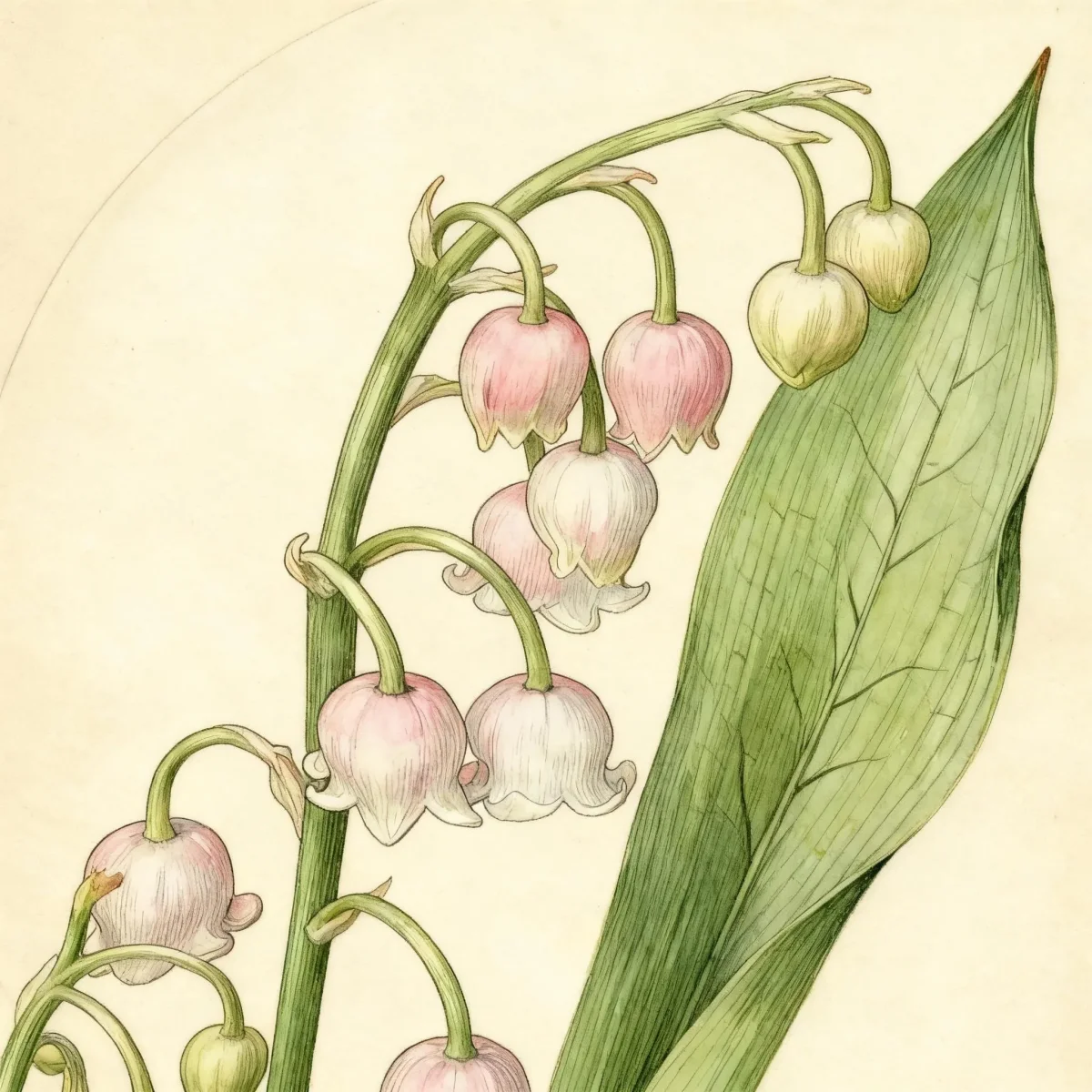
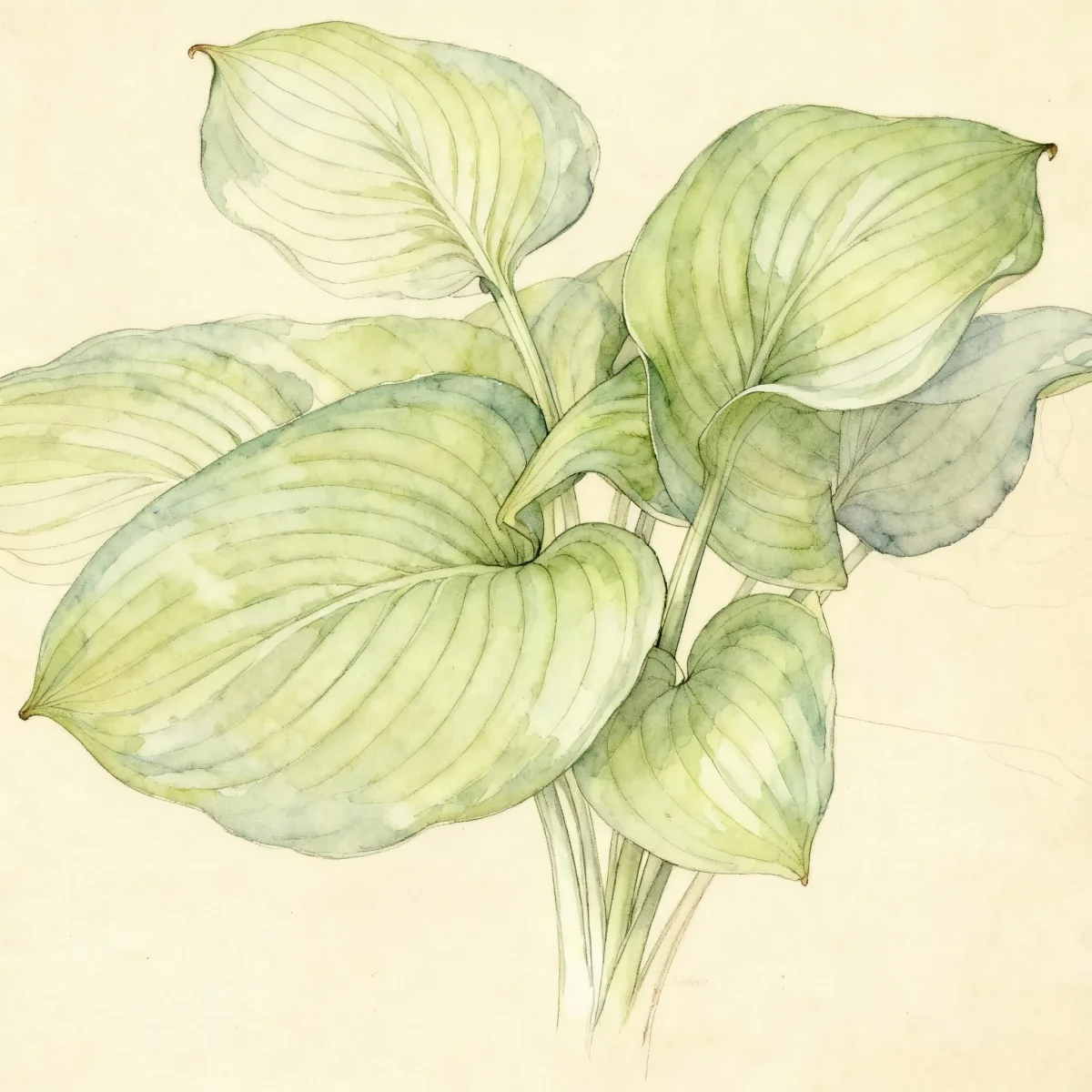
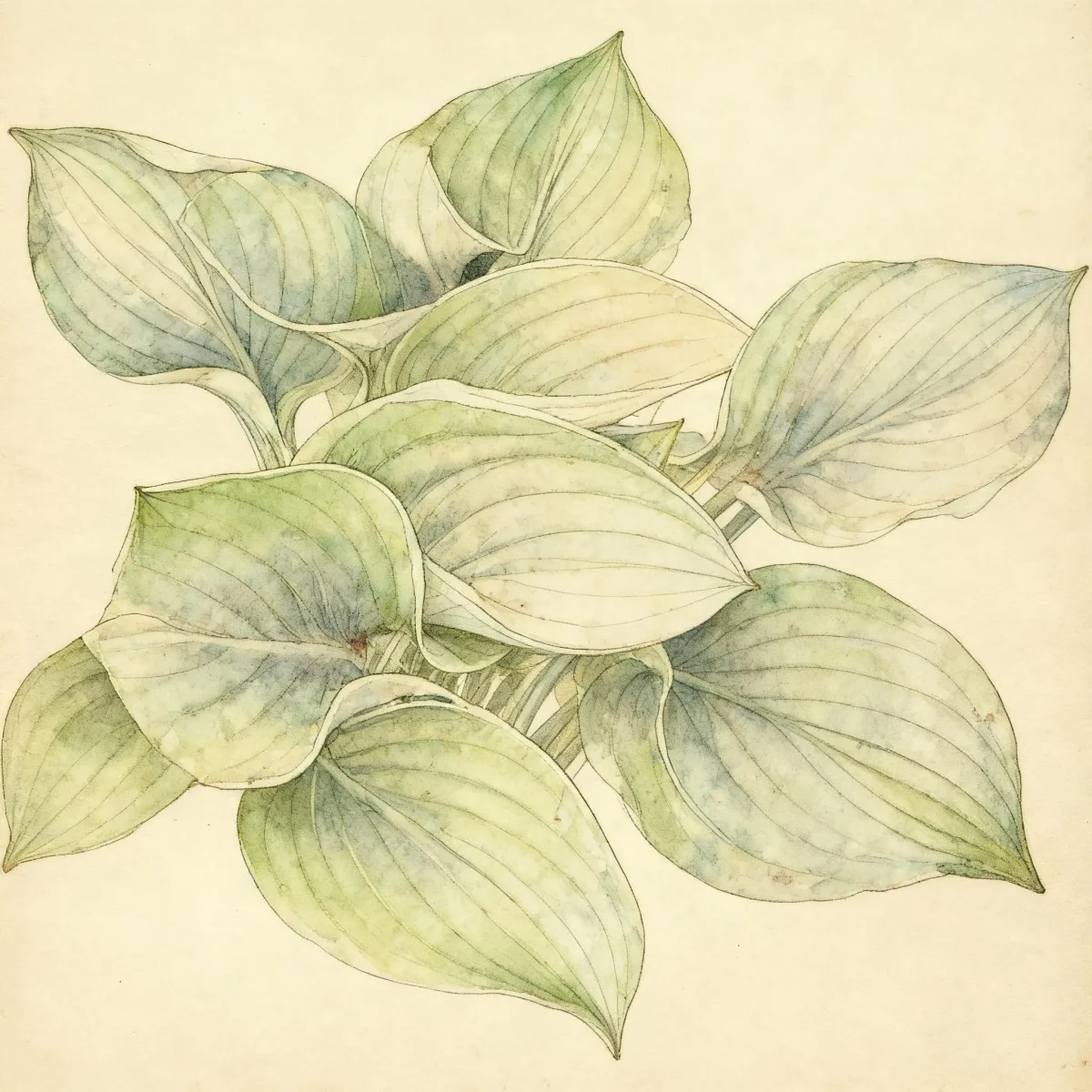
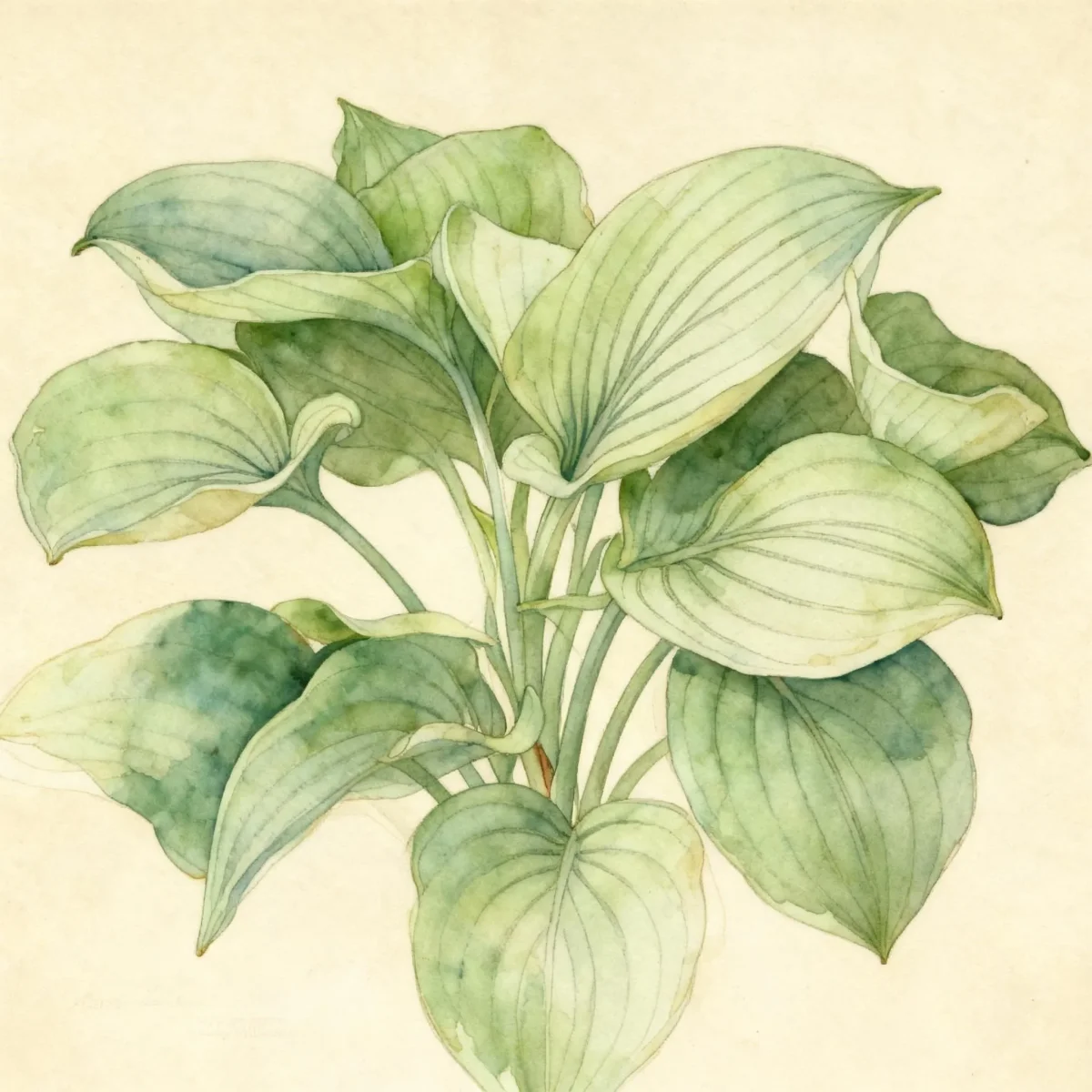
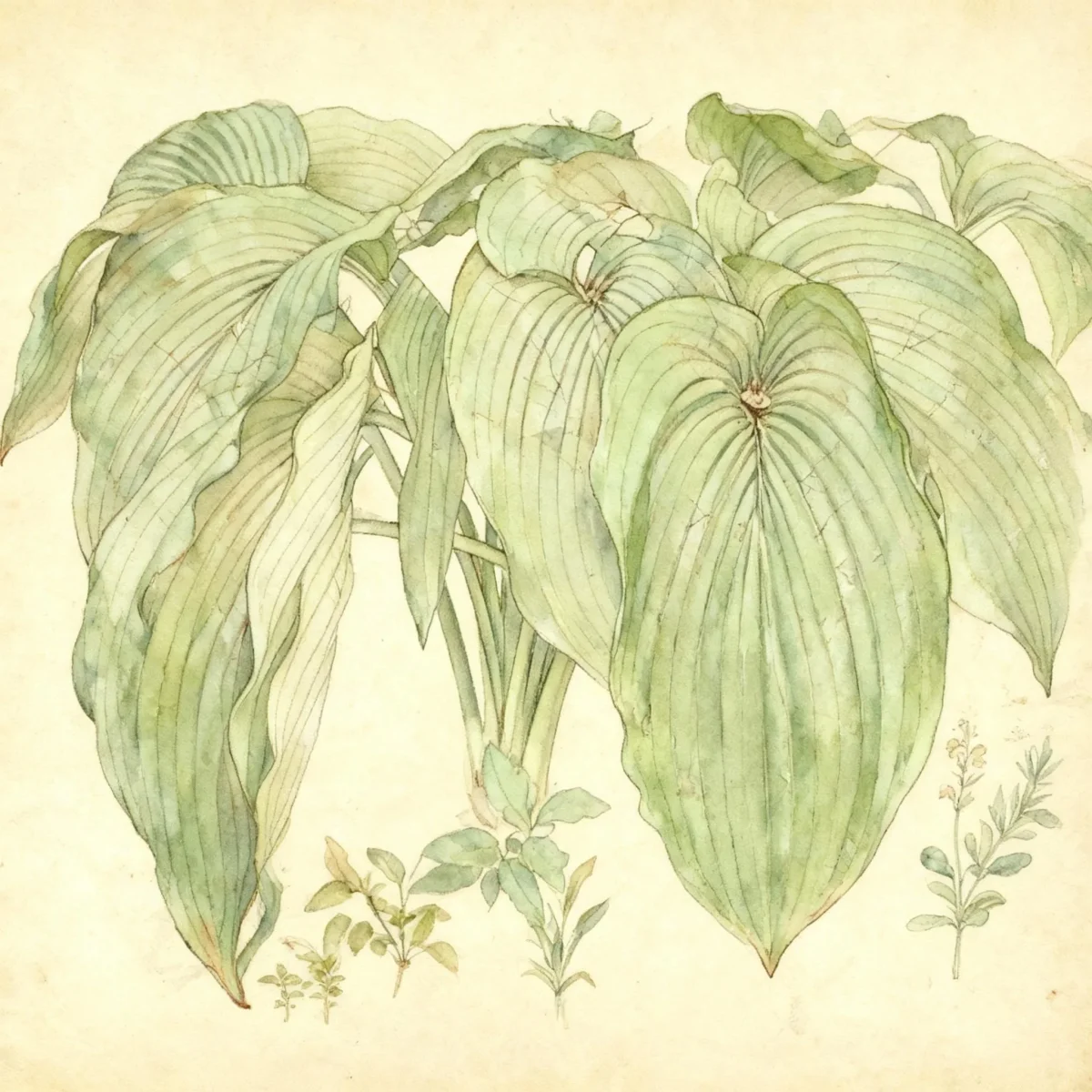
False Solomon's seal (Maianthemum racemosum)
Maianthemum racemosum, False Solomon's seal, offers arching foliage and fragrant spring flowers, ideal for woodland shade gardens.
Scroll down to discover growing tips, care requirements, companion plants, and more
Complete Plant Information
Overview
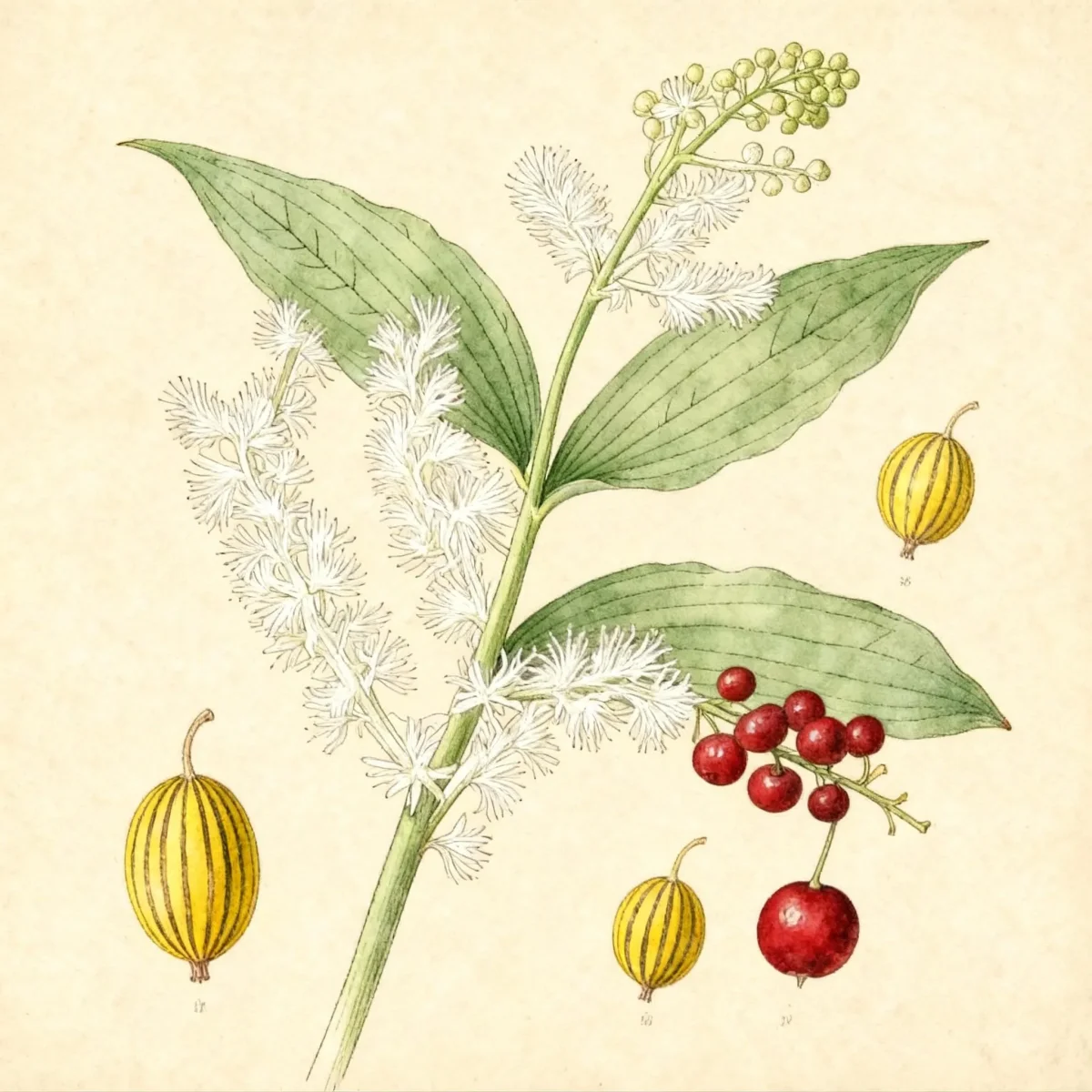
Maianthemum racemosum, frequently known by its common name False Solomon’s seal, is a captivating herbaceous perennial cherished for its graceful structure and delicate spring fragrance. This plant forms elegant, arching stems topped with plumes of subtly creamy white flowers, providing excellent vertical accent in shadier garden spaces. Its foliage is often confused with true Solomon’s seals, but the distinctive terminal flower raceme immediately distinguishes Maianthemum racemosum.
Valued by native plant enthusiasts, this perennial reliably emerges in spring, offering texture and reliable woodland appeal throughout the growing season. It slowly spreads via rhizomes, eventually forming respectable colonies perfect for naturalizing areas where lawn maintenance is impractical or undesired. The transition from fragrant flowers to attractive ruby-red summer berries ensures visual interest long after blooming concludes.
As a highly adaptable plant native to North America, False Solomon’s seal thrives when its cultural needs—moist, rich soil and protection from harsh afternoon sun—are met. Consider integrating Maianthemum racemosum into your woodland garden design to replicate its preferred habitat and enjoy its low-impact, high-reward aesthetics.
Fast Facts
- Plant Family: Asparagaceae
- Plant Type: Herbaceous perennial
- Native Range: North America
- Hardiness Zones: USDA Zones 3-8
- Size at Maturity:
- Height: 2-3 ft
- Spread: 1.5-2 ft
- Bloom Time: April to May
- Bloom Description: Creamy white
- Sun Exposure: Part shade to full shade
- Water Needs: Medium
- Maintenance Level: Medium
How to Grow
For successful establishment, plant False Solomon’s seal in the spring or fall when conditions are cooler. Locate it in part shade to full shade, mimicking its native rich woodland environment. The soil must be well-drained but consistently moist; this plant prefers rich, loose, humusy conditions, so amend heavy soils liberally with compost before planting.
Watering should be consistent to maintain medium soil moisture, especially during dry spells, as Maianthemum racemosum does not tolerate drying out well. Roots are sensitive; avoid disturbing the plant once it becomes established, as this can stunt its growth significantly. Generally, fertilizing is unnecessary in rich soils, but a light application of compost in early spring can boost vigor.
Pruning is minimal, usually involving just cleaning up any broken foliage in early spring before new growth appears. Be mindful of hot, humid summer climates, as prolonged heat stress can cause performance decline; ensuring adequate moisture is crucial during these periods. The foliage provides good fall color, often turning a respectable yellow before dormancy.
Landscape Uses
Maianthemum racemosum is primarily recommended for naturalized settings, fitting perfectly where a soft, textured woodland floor appearance is desired. It excels when massed beneath taller trees, blending seamlessly with ferns and hostas to create deep, layered shade gardens. Its arching habit makes it an excellent middle-ground plant.
Consider planting False Solomon’s seal along the edges of streams, ponds, or in consistently moist, shady borders where its preference for humus-rich soil is easily accommodated. Because it spreads slowly by rhizomes, it is excellent for filling in space naturally over several seasons, creating a large, cohesive colony effect.
Standout Features
Flower Qualities
- Showy
- Fragrant
Fruit Qualities
- Showy
Noteworthy Characteristics
Maianthemum racemosum, commonly called false Solomon’s seal, is a Missouri native wildflower that occurs in rich woods throughout the State. A clump-forming perennial which typically grows 2-3’ tall and slowly spreads by thick rhizomes, often forming large colonies in the wild. Features unbranched, gracefully arching stems of alternate, oval, pointed, light green leaves with conspicuously parallel veins. Tiny, fragrant, creamy white flowers appear at the stem ends in terminal, plumy, spirea-like racemes in spring, followed by attractive ruby-red berries in summer.
Tolerances
No tolerances were explicitly listed in detail.
Potential Problems
This magnificent woodland perennial fortunately suffers from no serious insect or disease problems under ideal conditions. Maintaining even soil moisture and avoiding root disturbance are the primary management strategies for long-term plant health. Should pests appear, standard organic controls are usually effective, though the plant is generally resistant to most common garden threats.
Frequently Asked Questions
What hardiness zones is False Solomon’s seal suitable for?
Maianthemum racemosum is highly adaptable, thriving in USDA Hardiness Zones 3 through 8.
How large does Maianthemum racemosum grow?
This perennial typically reaches a mature height between 2 and 3 feet tall, with a spread ranging from 1.5 to 2 feet wide.
What sun exposure does False Solomon’s seal need?
It prefers locations offering protection from intense midday sun, ideally growing best in part shade conditions, though it tolerates full shade.
When does Maianthemum racemosum bloom?
The fragrant, creamy white flowers of False Solomon’s seal typically appear relatively early in the season, blooming from April into May.
Conclusion
The elegance of False Solomon’s seal, provided by its arching stems and showy, fragrant blooms, makes Maianthemum racemosum an irreplaceable element in shade gardens. Its reliable performance and attractive fruiting stage ensure multi-season interest without demanding heavy intervention. We highly recommend checking your local USDA zone compatibility before incorporating this superb native perennial into your woodland landscape plans this spring.
Companion Planting
When designing a woodland area for Maianthemum racemosum, prioritize other shade-loving, moisture-tolerant species. Hostas, as mentioned, pair beautifully, offering contrasting leaf textures and forms beneath the vertical lines of the False Solomon’s seal.
Consider pairing it with various native ferns, such as Christmas Fern (Polystichum acrostichoides) or Ostrich Fern (Matteuccia struthiopteris), for a lush, damp woodland floor look. These companions share similar cultural needs regarding rich soil and consistent moisture, ensuring all elements thrive together.
For late-season color contrast, plant spring ephemerals like Trillium nearby which will die back by the time Maianthemum racemosum is fully established for the summer.
Wildlife Benefits
While False Solomon’s seal is not primarily known as a major pollinator magnet, its tiny spring flowers do attract small beneficial insects. The more significant contribution to the local ecosystem comes after flowering concludes.
The transition from flower to fruit is key; by mid-summer, the small berries transition from green to vibrant ruby red. These persistent berries provide crucial late-season forage for birds and small mammals before winter sets in.
Planting native species like Maianthemum racemosum helps support regional wildlife populations by providing native food sources that support the entire local food web.