Fairy bells (Disporum lutescens)
Discover Disporum lutescens, or Fairy bells, a rare Japanese perennial ideal for deep shade gardens needing elegant, yellow-flowering ground cover.
Scroll down to discover growing tips, care requirements, companion plants, and more
Complete Plant Information
Overview
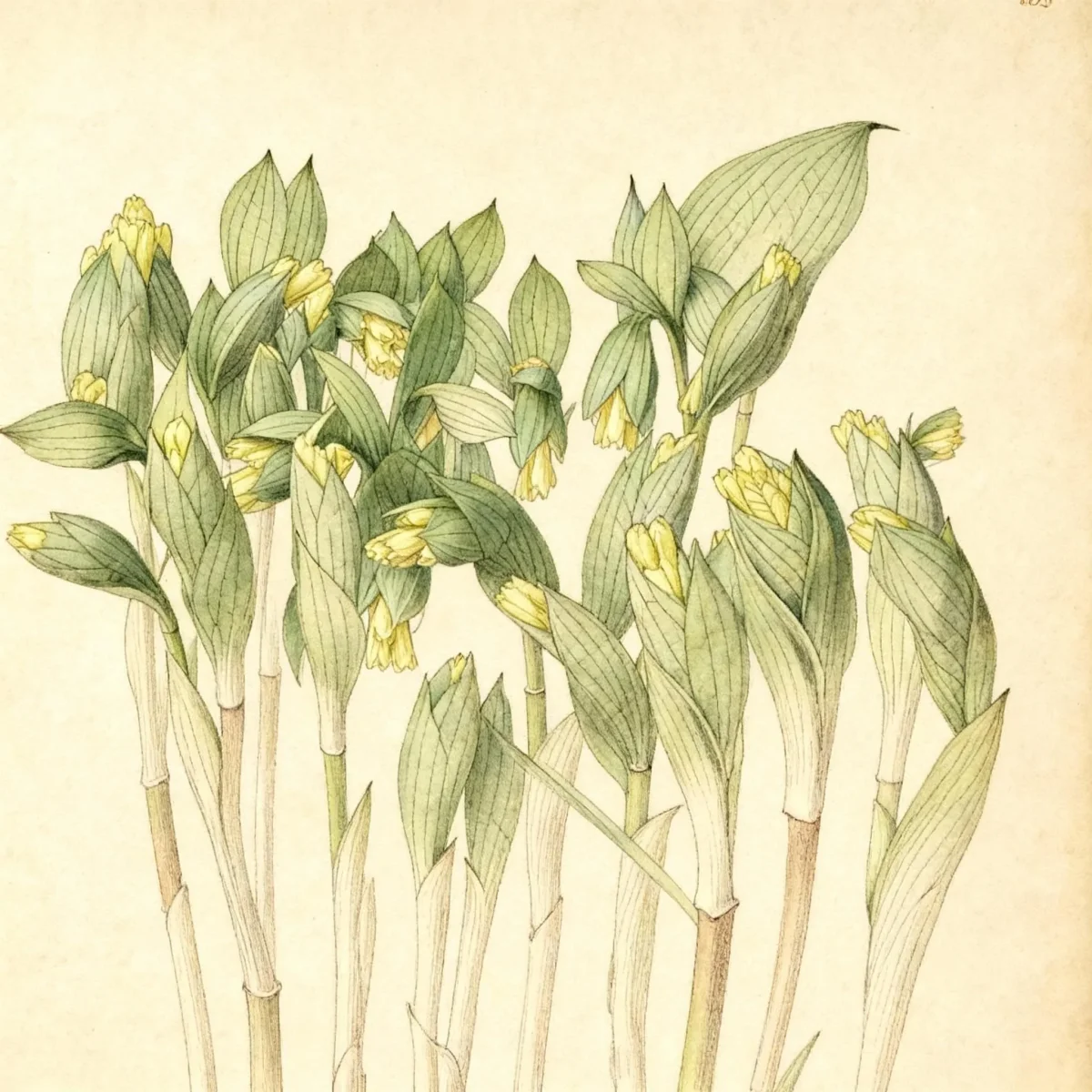
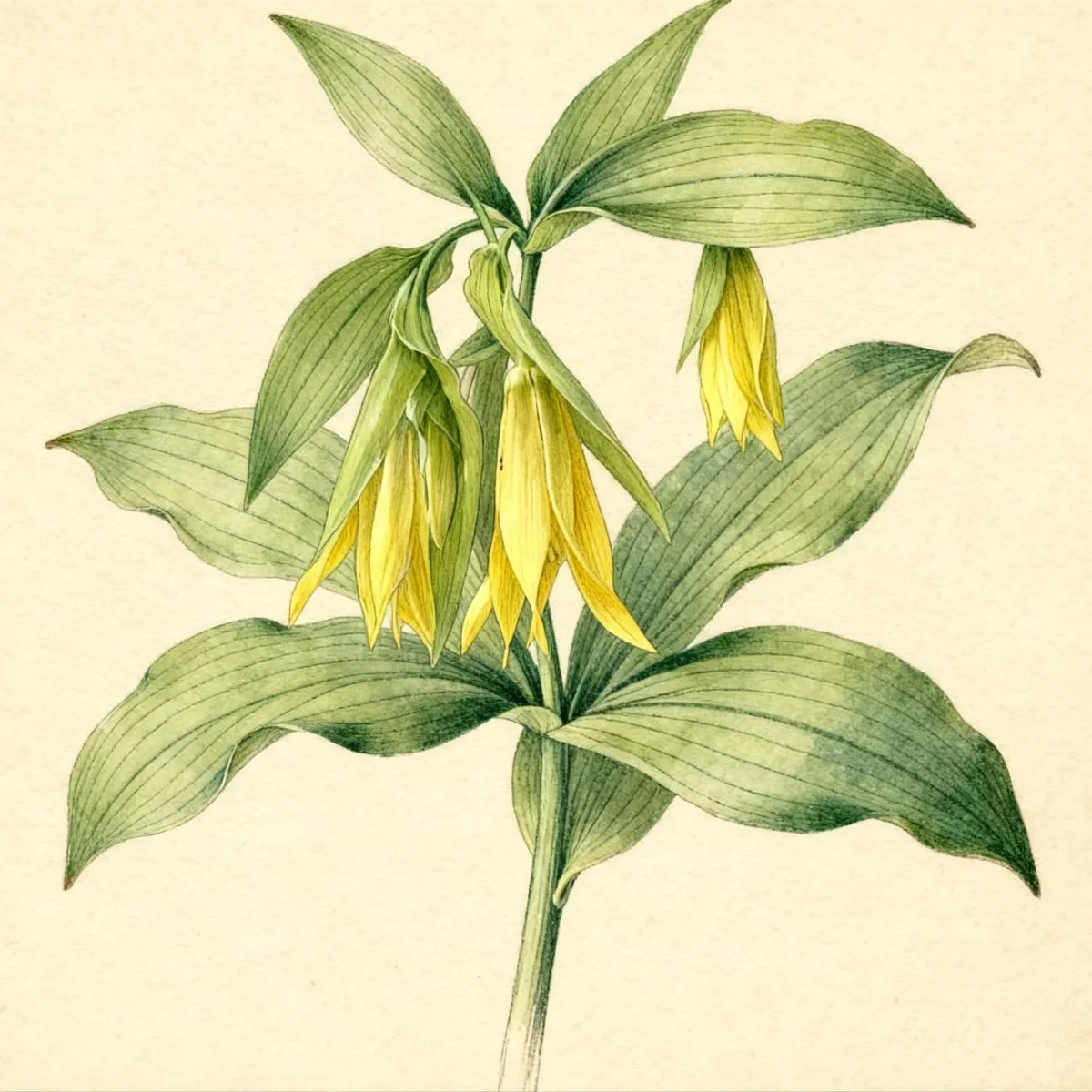
Disporum lutescens, commonly known as Fairy bells, offers a unique, refined accent perfect for the deep woodland garden. This dwarf rhizomatous perennial is valued for its delicate structure and subtle, yet charming, creamy-yellow flowers that appear in late spring. It provides excellent textural contrast to broader-leaved shade plants.
Native to select mountain sites in Honshu and Kyushu, Japan, this species thrives where light is dim. Fairy bells naturally spreads slowly via stolons, creating lovely colonies over time, making it an excellent choice for naturalizing under established tree canopies. Gardeners appreciate its relatively low maintenance once established in appropriate conditions.
The overall habit of Disporum lutescens is reminiscent of Solomon’s Seal, though its terminal flowers distinguish it clearly. If you are seeking reliable ground coverage that handles heavy shade and offers reliable performance, this rare gem warrants inclusion in your shade garden design.
Fast Facts
- Plant Family: Colchicaceae
- Plant Type: Herbaceous perennial
- Native Range: Japan
- Hardiness Zones: USDA Zones 5-9
- Size at Maturity:
- Height: 0.5-1 ft
- Spread: 0.5-1 ft
- Bloom Time: May to June
- Bloom Description: Yellow
- Sun Exposure: Part shade to full shade
- Water Needs: Medium
- Maintenance Level: Medium
How to Grow
The key to successfully cultivating Disporum lutescens lies in replicating its native woodland environment. Plant these perennials in the spring or early fall when soil temperatures are mild, ensuring they anchor well before extreme weather arrives. They require organically rich soil that must remain consistently moist but crucially well-drained. Avoid locations where water pools, as soggy conditions can lead to root issues.
While this plant performs admirably in part shade, its tolerance for heavy shade is notable, making it a solution for very dark garden corners. Fertilization is rarely necessary if the soil is amended annually with plenty of compost. Focus efforts on maintaining the rich humus content of the soil rather than applying synthetic fertilizers directly to the root zone.
Watering needs for Fairy bells are medium; ensure plants receive consistent moisture, particularly during dry spells in summer. Because Disporum lutescens spreads by rhizomes, you may occasionally need to manage its spread if it encroaches on desired pathways or borders, perhaps by installing a root barrier around sensitive areas. Minimal cleanup is required after autumn as the structure fades naturally.
Landscape Uses
Disporum lutescens excels when used in woodland settings, blending seamlessly with ferns, hostas, and epimediums that appreciate similar moist, shady conditions. The tendency of Fairy bells to naturalize means it functions beautifully as an elegant, green ground cover or as an edging plant along shady borders where its upright stems provide subtle vertical interest.
For a truly immersive Japanese-style shade garden, plant colonies of Disporum lutescens near shaded ponds or running water features where the humidity levels are high. As the plant spreads into dense clumps, it suppresses weeds while providing reliable texture and color throughout the growing season. Position it where the small terminal yellow flowers are visible, perhaps near a frequently used path.
Standout Features
Flower Qualities
- Showy
Noteworthy Characteristics
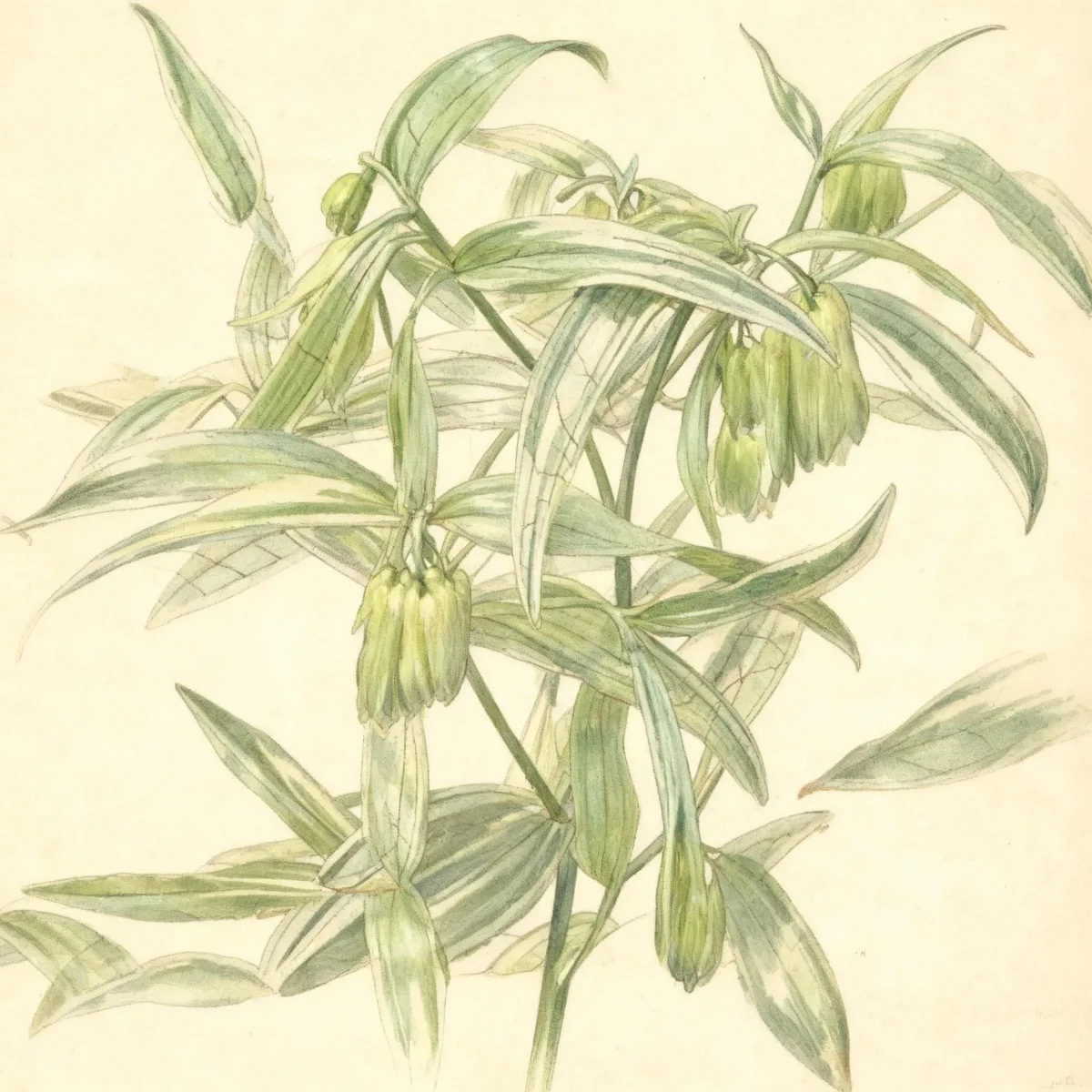
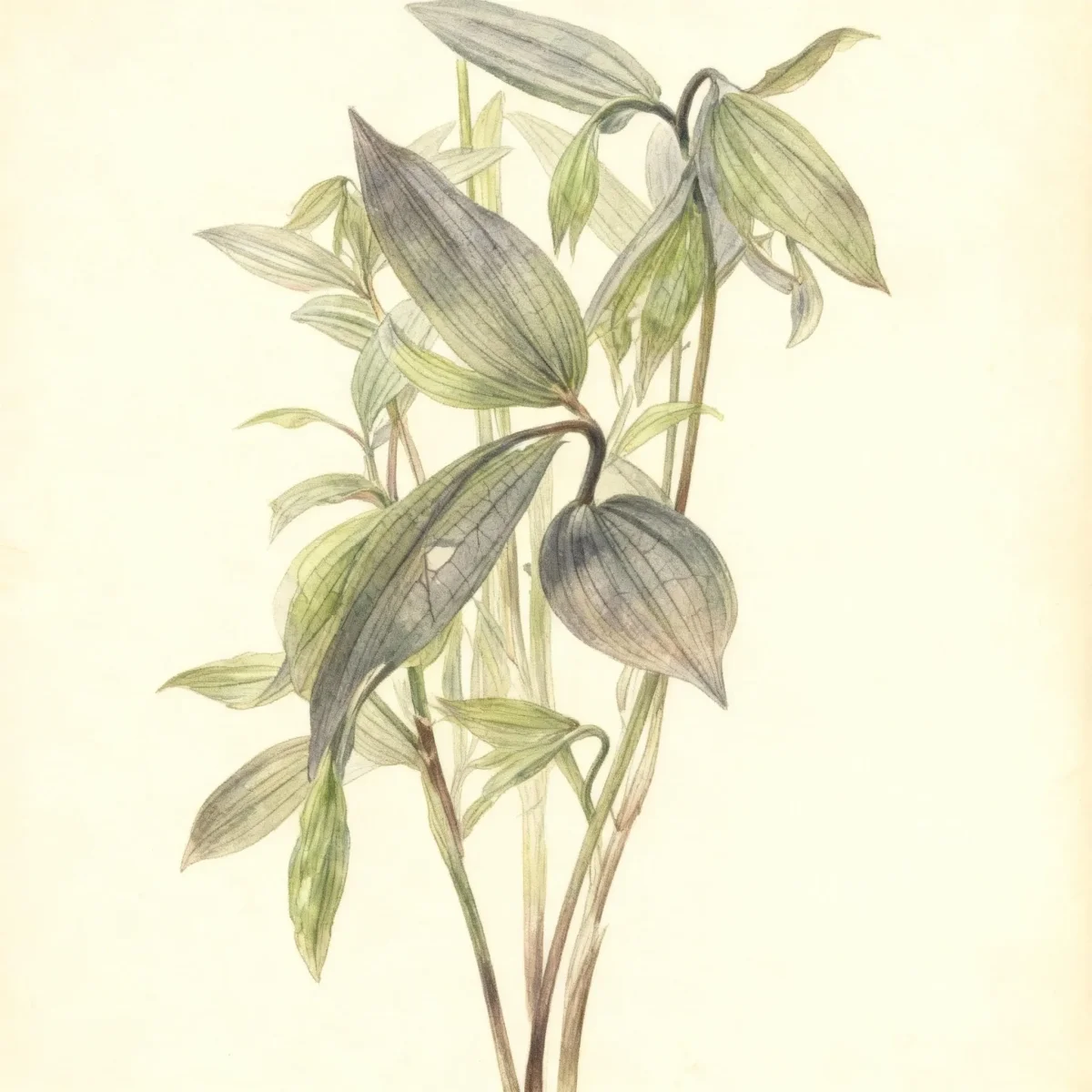
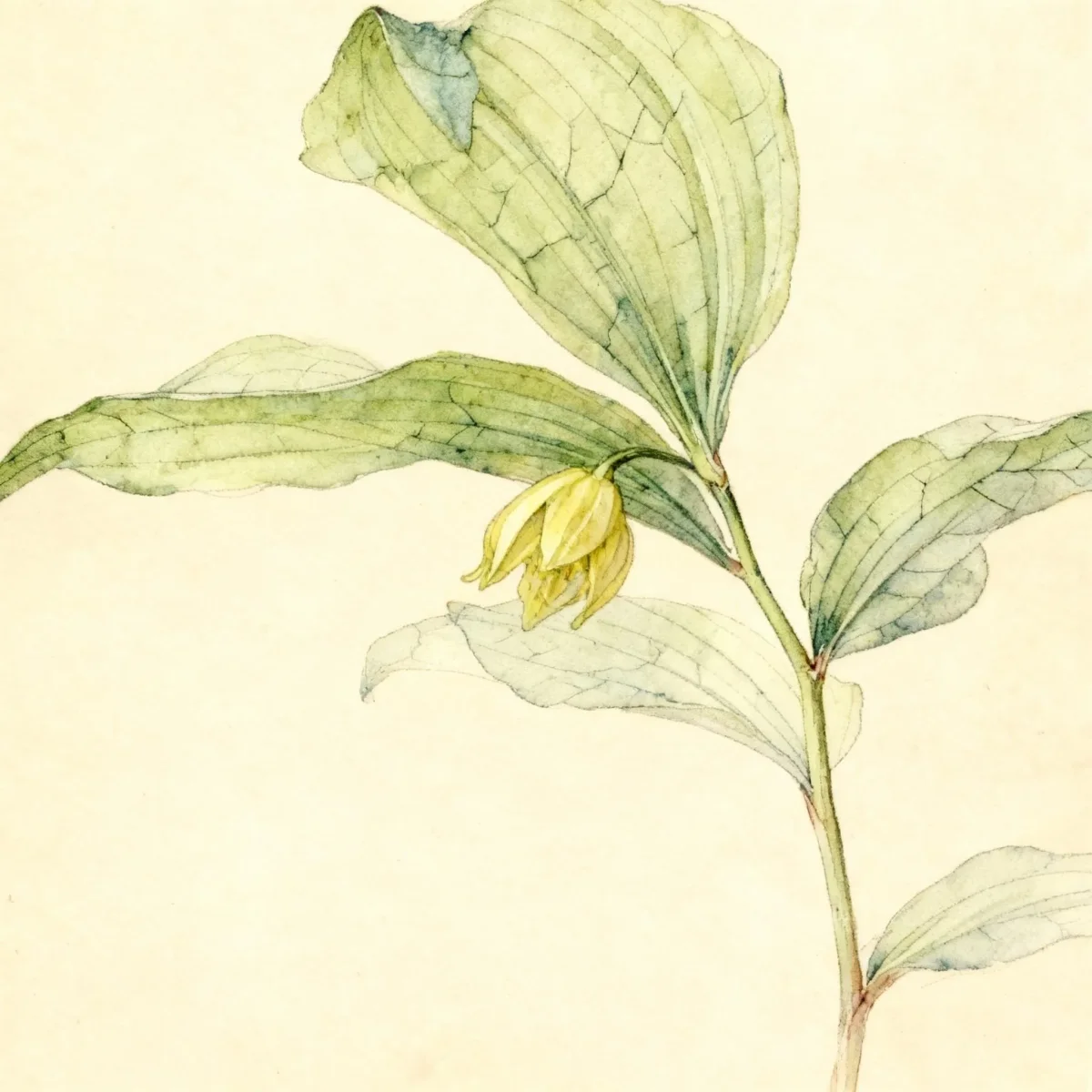
Disporum lutescens, commonly called fairy bells, is a dwarf rhizomatous perennial that grows in a creeping clump to 10” tall. This is a rare plant that is native only to several mountain sites in Honshu and Kyushu Japan. Bell-shaped yellow flowers (to 5/8” long) bloom in May-June on stems clad with ovate to lanceolate green leaves. Flowers appear singly or in small clusters. Lance-shaped leaves and plant habit are reminiscent of the related Solomon’s seal (Polygonatum), except fairy bell flowers are terminal and Polygonatum flowers come from the leaf axils. Genus name comes from the Greek words dis meaning two and spora meaning seed for the two ovules in each chamber of the ovary. Specific epithet means turning yellow in reference to flower color.
Tolerances
- Heavy Shade
Potential Problems
Disporum lutescens is generally robust, exhibiting no serious insect or disease problems under ideal conditions. The primary concern for gardeners involves managing moisture and pests common to shade perennials. You must diligently watch for fungal leaf spots, often exacerbated by poor air circulation or overly wet foliage.
Slugs and snails are the most common invertebrate pests, targeting tender new growth, especially in humid, still environments. Apply regular preventative measures such as bait or copper tape around established plantings of Fairy bells. Given that this plant spreads by subterranean rhizomes, placing physical soil barriers may be necessary if you wish to prevent unwanted, though beautiful, rhizomatous spread into adjacent garden areas.
Frequently Asked Questions
What hardiness zones is Fairy bells suitable for?
Disporum lutescens is suitable for gardeners in USDA Hardiness Zones 5 through 9.
How large does Fairy bells grow?
This dwarf perennial typically reaches a mature height between 0.5 and 1 foot tall, with a similar spread between 0.5 and 1 foot wide.
What sun exposure does Disporum lutescens need?
Disporum lutescens prefers part shade but is exceptionally tolerant of full, deep shade environments in the garden.
When does Fairy bells bloom?
Fairy bells produce their distinctive yellow flowers from May through June.
Conclusion
For gardeners seeking low-maintenance elegance in deep shade, Disporum lutescens is an outstanding choice due to its reliable performance and delicate yellow blooms. Integrating Fairy bells into your woodland scheme ensures texture and year-round structure, provided you meet its requirement for rich, moist soil. Confirm your location falls within USDA Zones 5-9 and plan your spring planting soon to enjoy colonies of this charming perennial.
Companion Planting
When designing a space for Disporum lutescens, focus on other shade-loving plants that share its preference for rich, humusy soil and medium water needs. Excellent companions include Japanese painted ferns (Athyrium niponicum), which offer contrasting silver foliage, and various Hosta varieties with blue or chartreuse leaves. Low-growing groundcovers such as Asarum (Wild Ginger) can fill in the gaps between spreading clumps of Fairy bells beautifully.
For vertical structure near your Disporum lutescens, consider incorporating the taller, variegated foliage of Solomon’s Seal (Polygonatum species), which shares a similar visual language but generally requires slightly more light. These pairings enhance the natural, unspoiled look of a shaded woodland garden while ensuring all plants have synchronized cultural requirements.
Seasonal Care Calendar
Spring is the ideal time for cleanup and observation; remove any old, tattered foliage from the previous season and inspect plants for early slug activity. As the season progresses through late spring and early summer, monitor soil moisture closely to ensure the medium remains evenly moist for flowering. In high summer, focus on consistent deep watering during dry spells, especially if the plants are under tree cover competing for moisture.
Autumn maintenance for Disporum lutescens is minimal; allow the foliage to yellow and die back naturally, returning nutrients to the rhizomes. Where naturalizing is desired, avoid heavy mulching right around the crown in fall, as good air circulation helps prevent fungal issues heading into winter dormancy. If you plan on dividing or spreading this plant, late fall or very early spring are the best times to safely manage the creeping root structure.