Hosta (Hosta ventricosa)
Hosta ventricosa offers large, dark green foliage and striking purple-violet blooms in late summer. A low-maintenance perennial ideal for deep shade.
Scroll down to discover growing tips, care requirements, companion plants, and more
Complete Plant Information
Overview
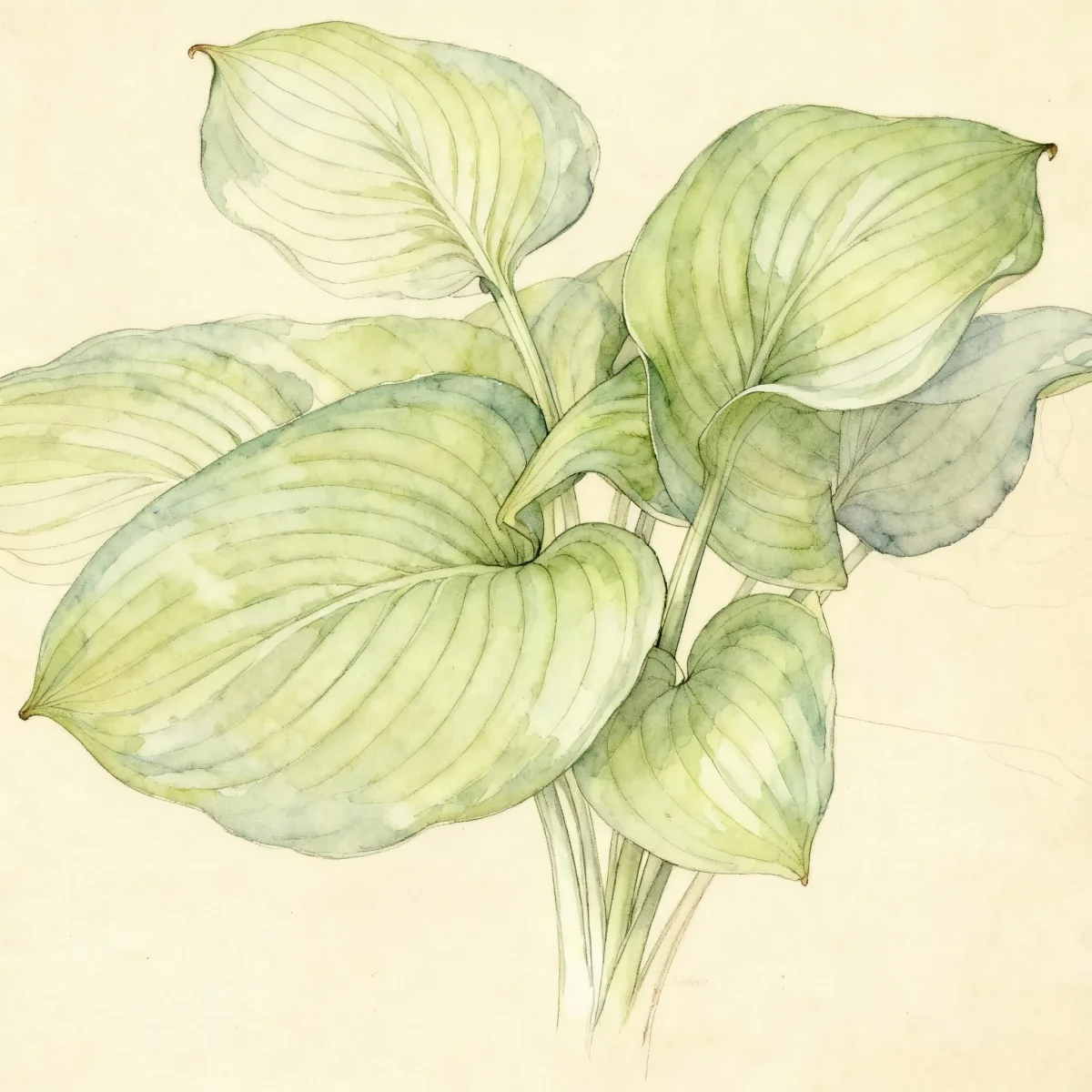
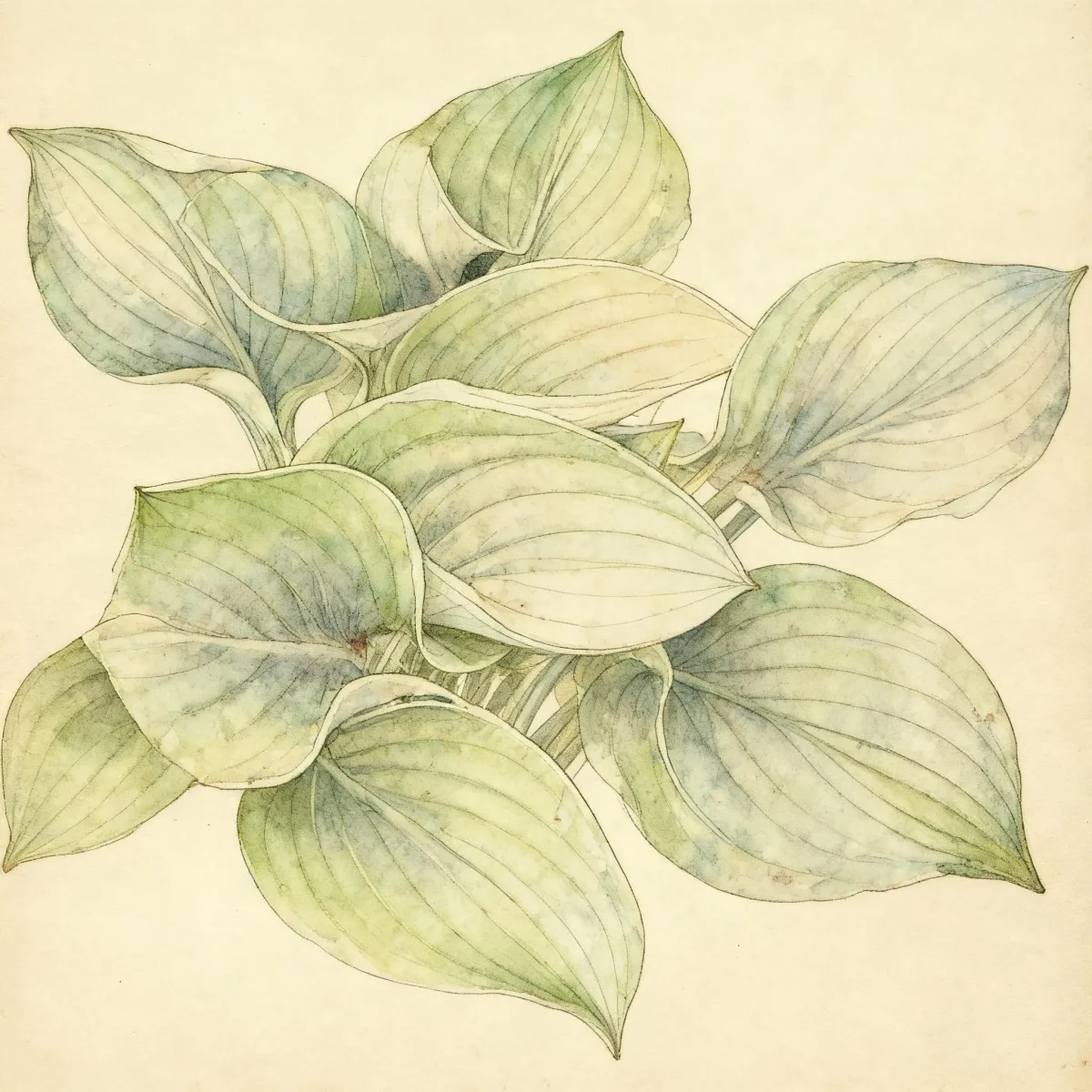
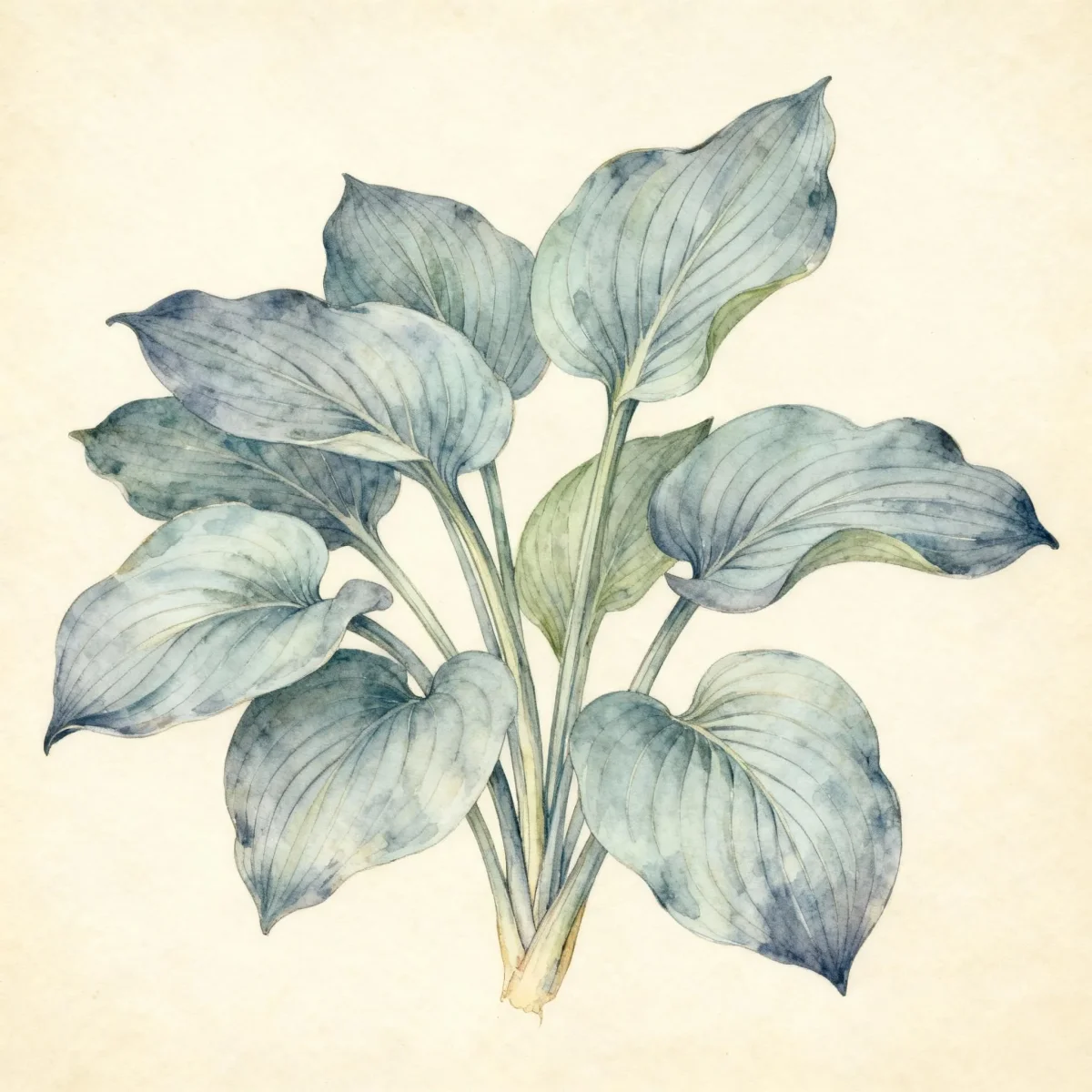
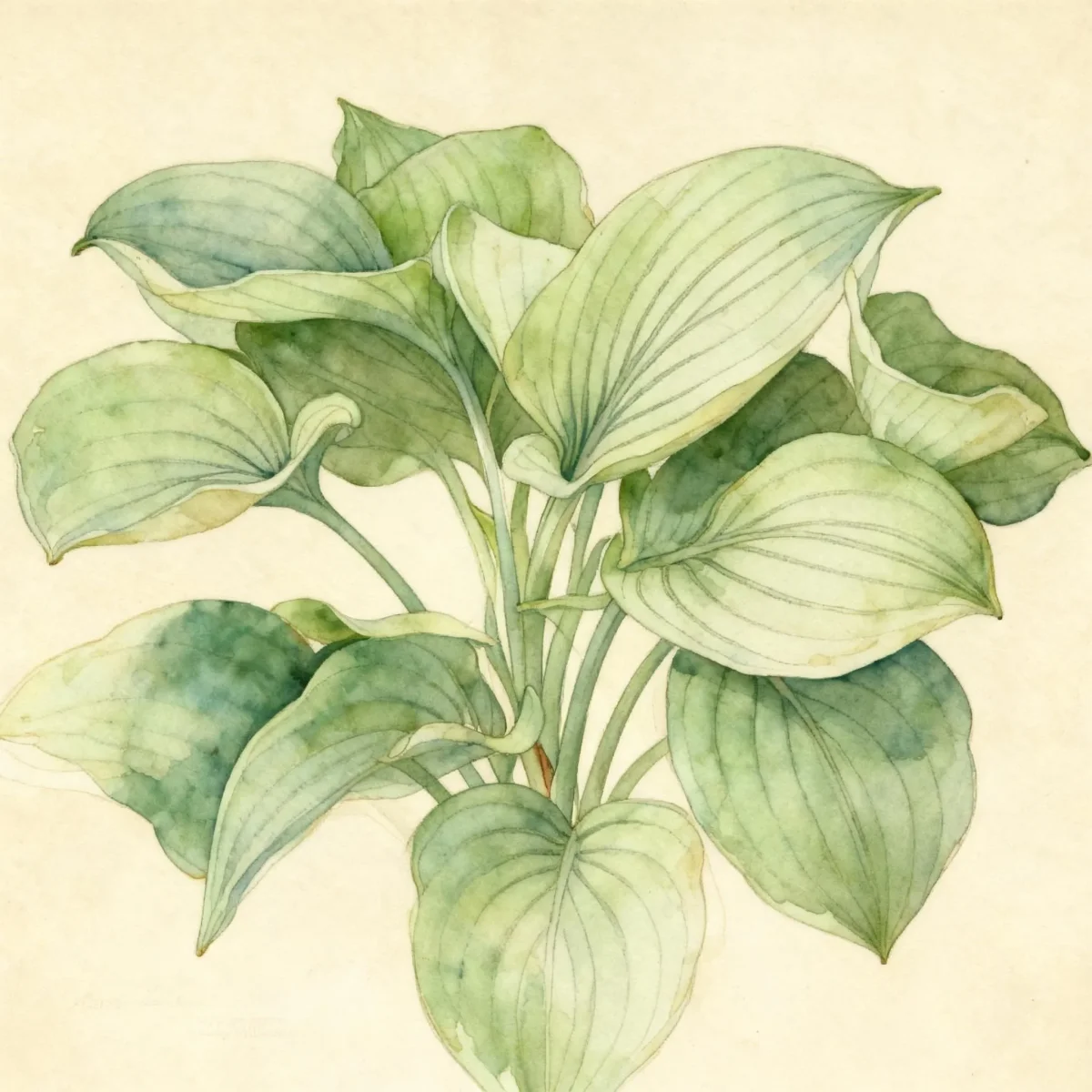
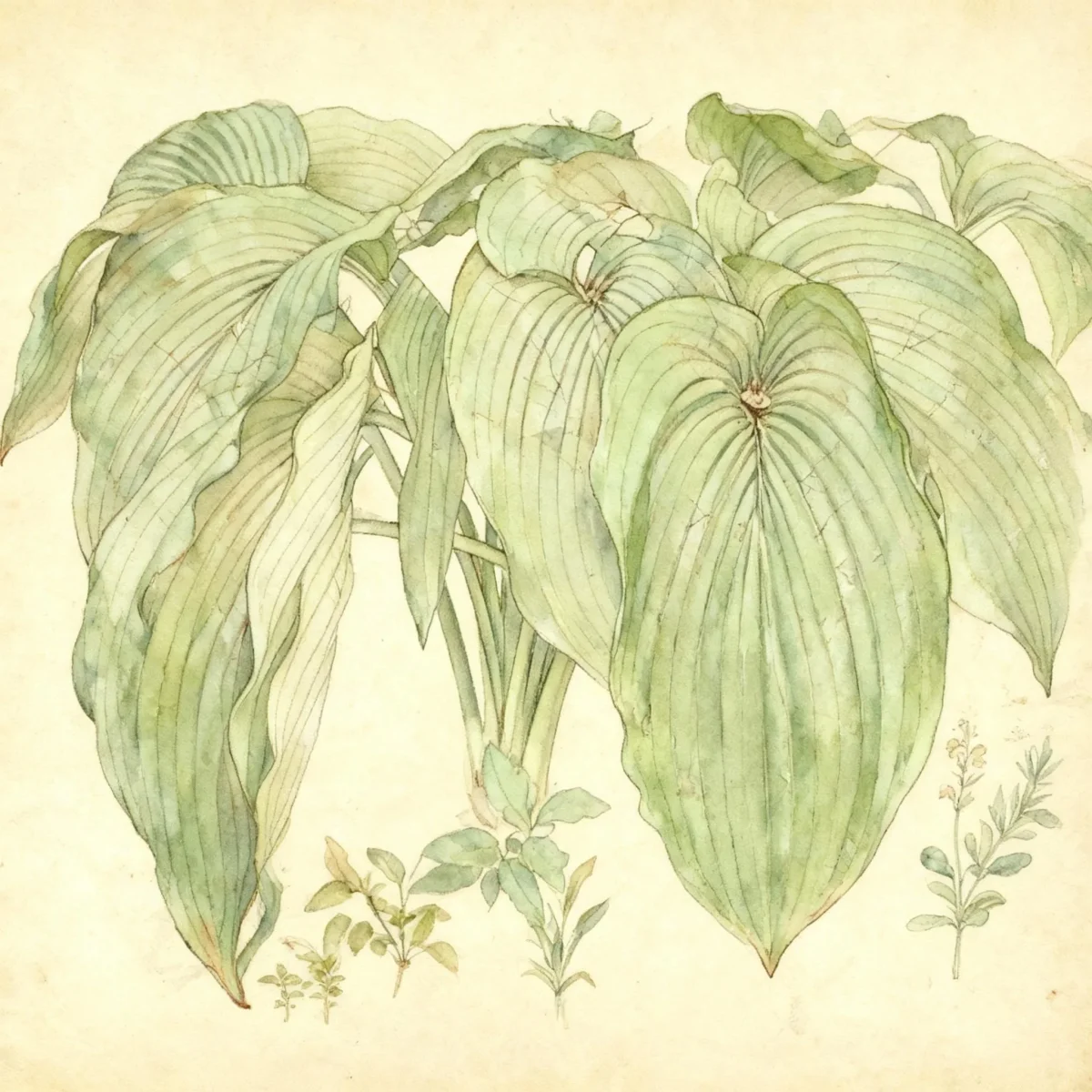
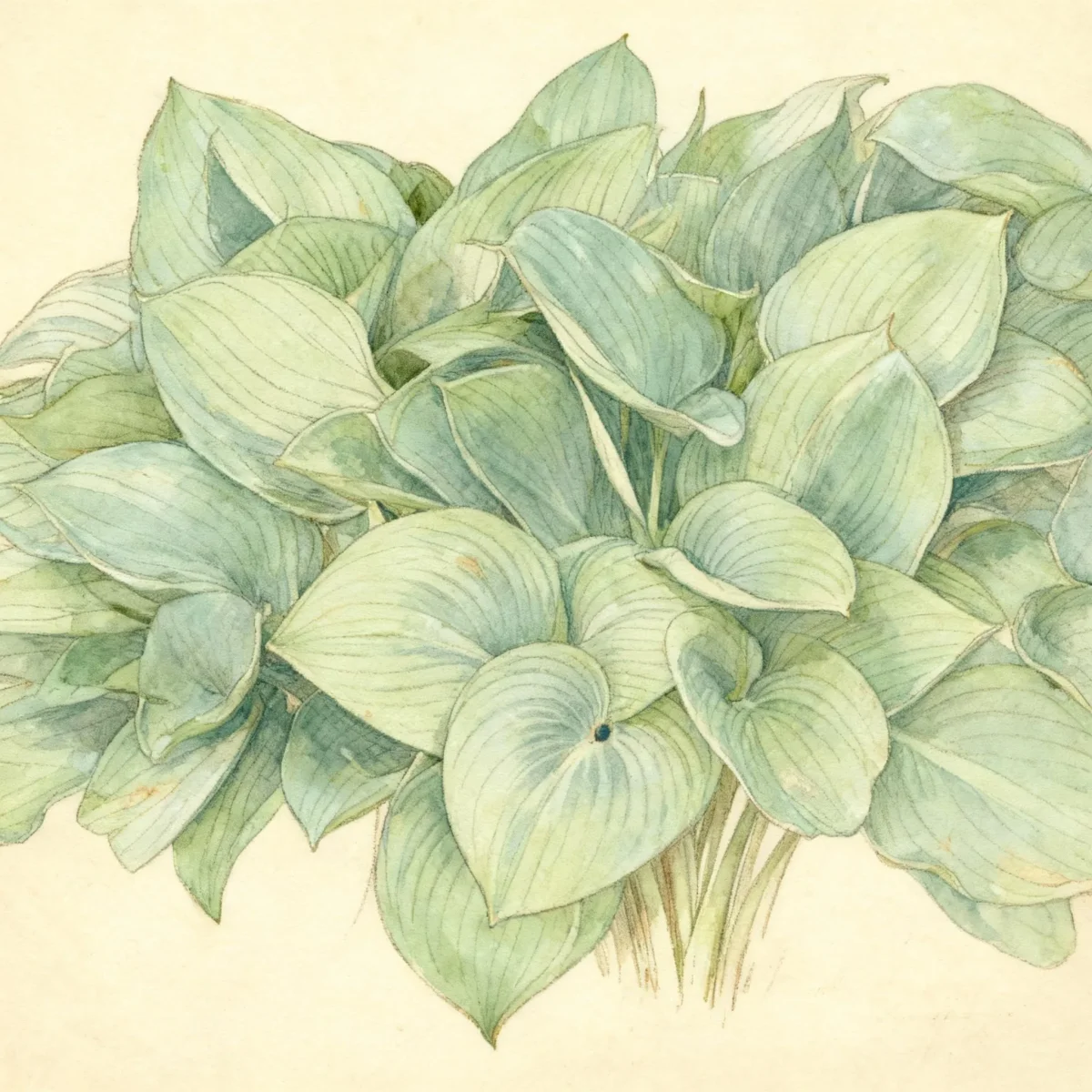
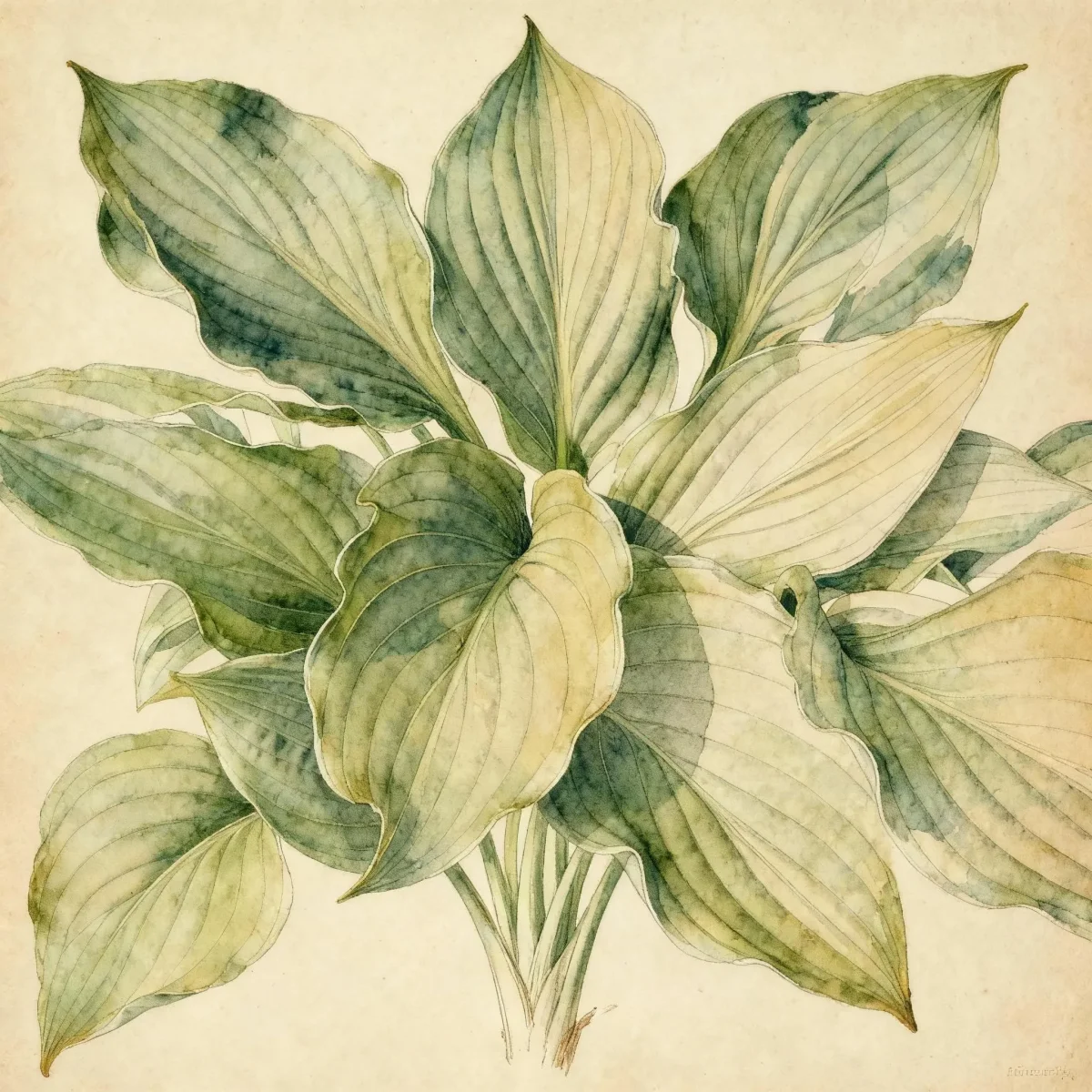
Hosta ventricosa, commonly known simply as Hosta, is a robust, large-mounded herbaceous perennial highly valued for its lush, architectural foliage and late-season color. This species is distinctive among Hosta varieties as it is a naturally occurring tetraploid, often producing larger leaves and more vigorous growth. Its success in the garden stems from its superior tolerance for deep shade conditions where few other ornamentals thrive.
Native to China, this Hosta variety brings reliable structure and texture to shaded landscapes from late spring through fall. The large, cordate, deep green leaves provide a dense, mounding presence, creating an effective groundcover or specimen plant. When its bell-shaped, purple-violet flowers emerge in late summer, they offer a beautiful contrast against the dark foliage.
The general reliability and low-maintenance nature of Hosta ventricosa make it essential for woodland settings, beneath tree canopies, and in deeply shaded borders. Gardeners appreciate that this Hosta fills space well, reaching heights and spreads up to three feet, providing significant visual impact with minimal yearly effort once established.
Fast Facts
- Plant Family: Asparagaceae
- Plant Type: Herbaceous perennial
- Native Range: China
- Hardiness Zones: USDA Zones 3-8
- Size at Maturity:
- Height: 2-3 ft
- Spread: 2-3 ft
- Bloom Time: August to September
- Bloom Description: Purple to violet
- Sun Exposure: Part shade to full shade
- Water Needs: Medium
- Maintenance Level: Low
How to Grow
Hosta ventricosa thrives when planted in average, medium-moisture, well-drained soils, though it shows good tolerance for various soil conditions. While it can manage full sun in very cool summer climates, most gardeners should aim for part shade, allowing for some gentle morning sun exposure for the best leaf quality. Proper placement is key to preventing leaf scorch, especially in hotter regions where the thin leaves of Hosta ventricosa can burn easily.
Watering should be consistent, especially during the primary growing season, ensuring moisture reaches the soil beneath the dense canopy. Although established plants can tolerate some dry shade, maintaining a preference for rich, moist, organic soils yields the best performance. Water application should always be directed toward the soil, avoiding wetting the foliage if possible to minimize potential fungal issues.
Maintenance is famously low for this Hosta. Divide plants when overcrowding occurs, typically in early spring before the leaf shoots (pips) emerge, or in the autumn. Uniquely, Hosta ventricosa is one of the few hostas that reliably comes true from seed, a result of pseudogamous apomixis (vegetative reproduction). Gardeners can generally leave the foliage until spring cleanup, as the dead leaves offer some winter protection.
Landscape Uses
Hostas are the quintessential stalwart of shade gardens, and this large, mounded variety is no exception. Hosta ventricosa excels as a specimen plant, its substantial size drawing the eye in a woodland clearing or beneath mature deciduous trees. It is effective when planted in groups or massed plantings to create broad swaths of dark green texture.
Mixing Hosta ventricosa with other shade-loving perennials allows for dynamic seasonal interest. Pair its bold texture with fine-textured ferns, or use broad-leaved Hellebores which provide winter contrast. This plant also works excellently along the edge of shaded borders or as substantial edging where its height (up to 3 feet) will define the garden’s perimeter.
Standout Features
Flower Qualities
- Showy
Noteworthy Characteristics
Hosta ventricosa is a large, naturally occurring tetraploid hosta that is native to China and North Korea. It grows in a rounded mound to 22” tall spreading to 36” wide, featuring thin, smooth, shiny, dark green leaves with widely spaced veins. Bell-shaped, purple to violet flowers bloom late in the season on upright, burgundy-spotted scapes, offering visual appeal long after many spring bloomers have faded.
Tolerances
- Heavy Shade
- Black Walnut
Potential Problems
The most common threat to Hosta ventricosa comes from slugs and snails, which are highly attracted to the tender foliage and can quickly chew unsightly jagged holes, severely detracting from the plant’s aesthetic appeal. Management involves scouting regularly and using baits, diatomaceous earth, or beer traps if infestations are persistent.
Less frequently, leaf spots or crown rot can develop, usually exacerbated by excessive moisture or poor air circulation. To minimize risk, ensure thorough drainage and avoid overhead watering. Furthermore, because the leaves of Hosta ventricosa are relatively thin, exposed plants—especially those receiving the wrong amount of morning sun—may suffer marginal scorching during hot summers. Hail storms can also cause physical damage to the foliage.
Frequently Asked Questions
What hardiness zones is Hosta ventricosa suitable for?
Hosta ventricosa is hardy and reliably grows through USDA Zones 3 to 8, offering wide adaptability across many northern and transitional climates.
How large does Hosta ventricosa grow?
This large mounding Hosta typically reaches a mature height between 2 and 3 feet tall, with an equal spread of 2 to 3 feet wide.
What sun exposure does Hosta ventricosa need?
This perennial performs best in part shade to full shade conditions; protection from intense afternoon sun is usually recommended for optimal leaf quality.
When does Hosta ventricosa bloom?
Hosta ventricosa produces its lovely purple to violet flowers later in the season, typically blooming from August into September.
Conclusion
Hosta ventricosa remains a backbone plant for shaded gardens due to its reliable, substantial texture and late-summer floral display. Its tolerance for deep shade and low maintenance requirements make this Hosta an essential choice for filling in darker corners of the landscape. Before planting, confirm your local USDA zone suitability and plan for its medium water needs to ensure this robust Hosta thrives for years to come.
Companion Planting for Shade Gardens
When integrating Hosta ventricosa into a mixed border, consider plants that offer contrasting leaf shapes or seasonal bloom times. Ferns, such as Japanese Painted Ferns (Athyrium nipponicum) or Autumn Ferns (Dryopteris erythrosora), pair beautifully, their fine textures offsetting the large, broad leaves of the Hosta. For early spring color before the Hosta fully emerges, consider planting bulbs like Snowdrops or Scilla beneath its eventual canopy; by the time the Hosta reaches full size, the bulbs will have naturally gone dormant.
Another excellent companion strategy is pairing with plants offering bright color during the Hosta’s mid-season lull. Astilbes provide feathery plumes of color, thriving in the same moist, shaded conditions required by Hosta ventricosa. Hostas also look stunning near groundcovers that creep along the soil surface, such as Ajuga or Vinca, which can help suppress weeds around the base of the Hosta crown.
Propagation Tips: Utilizing True-to-Seed Nature
One of the most fascinating aspects of Hosta ventricosa is its ability to produce offspring true to the parent plant via seed, a rarity in many hybrid hostas. Gardeners should save seeds from the dried seed pods in the fall or let them self-sow. Unlike many cultivars where hybridization leads to variable offspring, seedlings of this species will closely resemble the mother plant.
Seeds should be sown surface-level in a sterile, moist medium and kept cool. While division remains the simplest way to propagate established clumps—best done in early spring—seed saving offers a rewarding, cost-effective method of increasing your stock of this specific Hosta species. Remember that while seeds come true, division is faster for immediate results.