Toad lily (Tricyrtis formosana)
Tricyrtis formosana, the dependable Toad lily, offers unique late-season blooms in zones 4-9. Low maintenance shade perennial.
Scroll down to discover growing tips, care requirements, companion plants, and more
Complete Plant Information
Overview
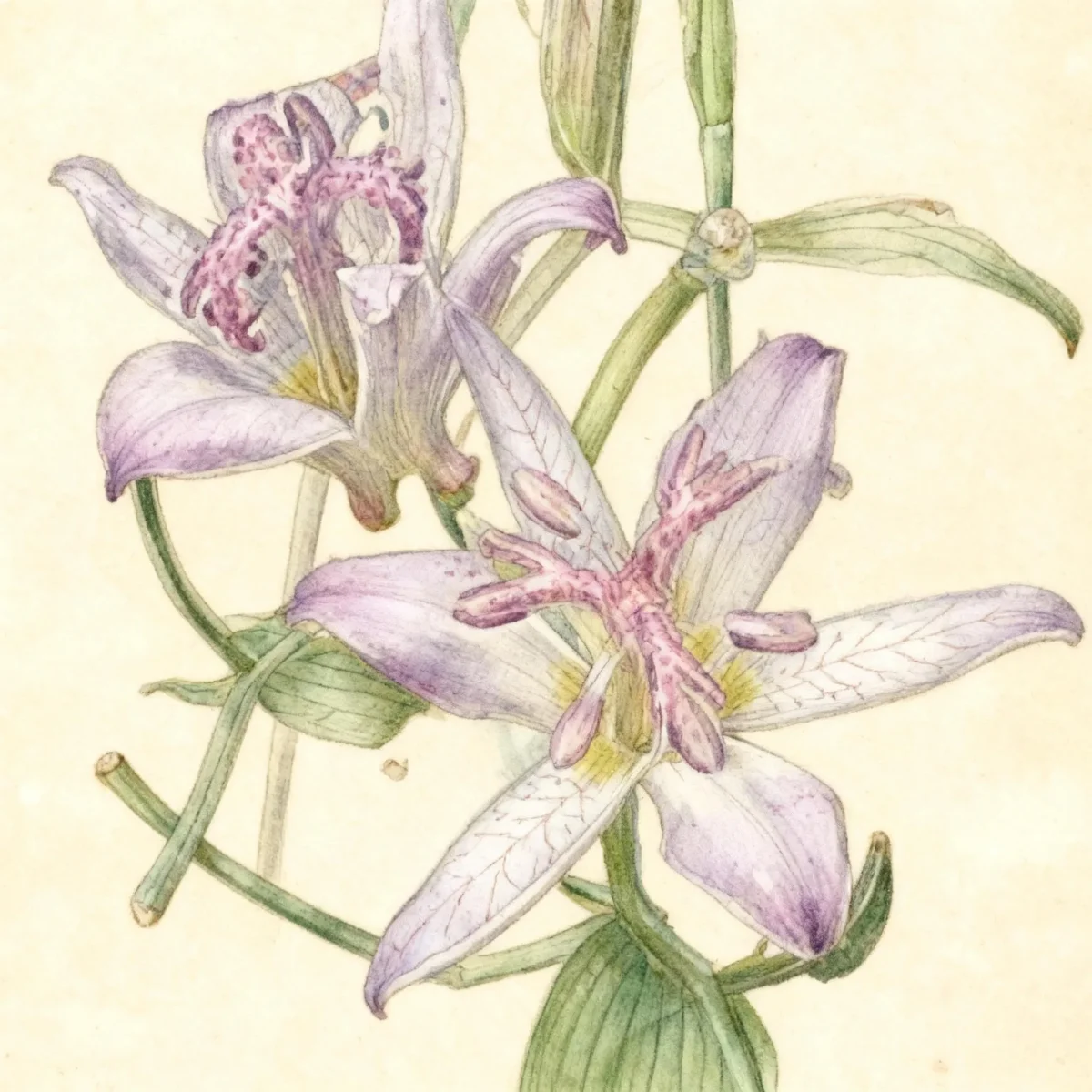
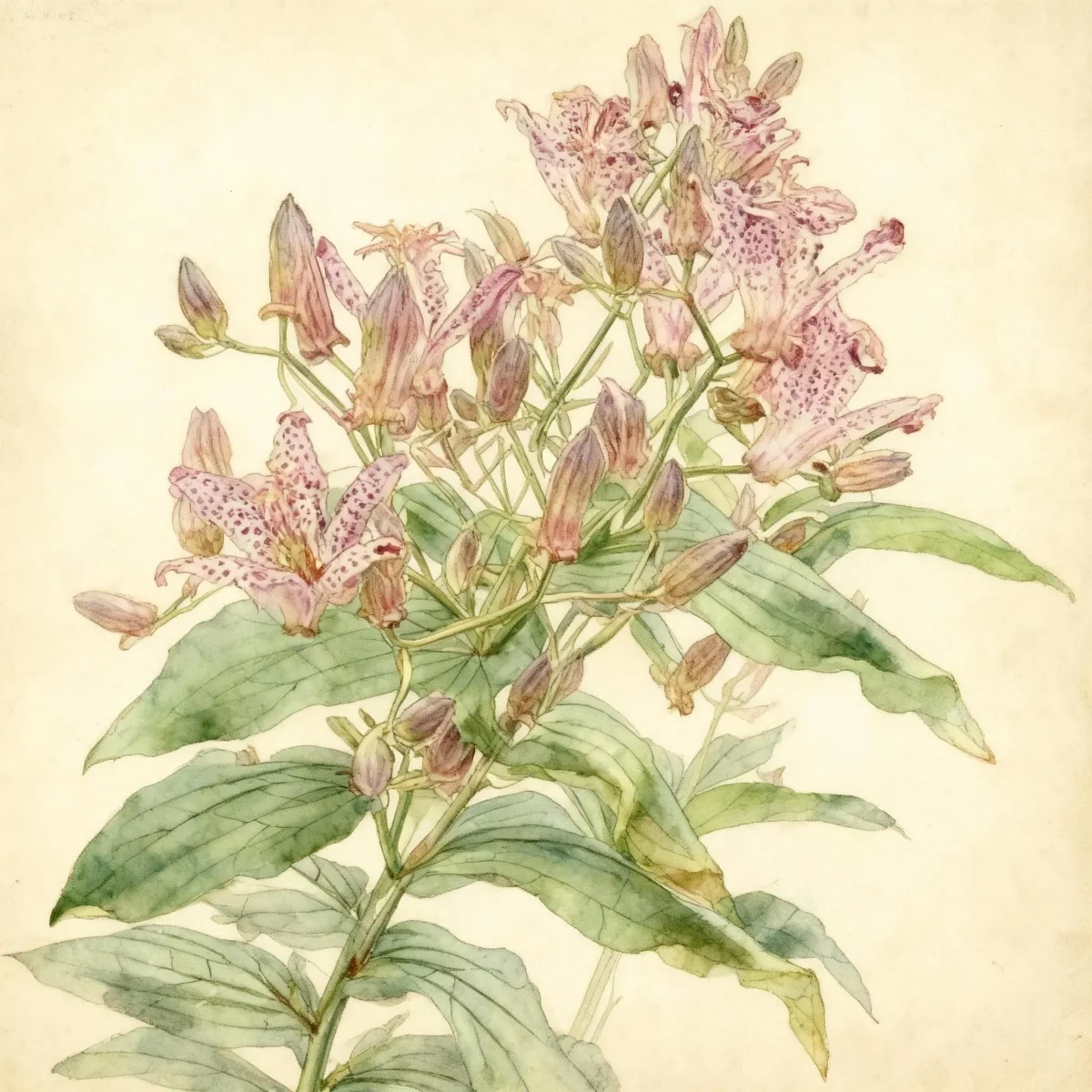
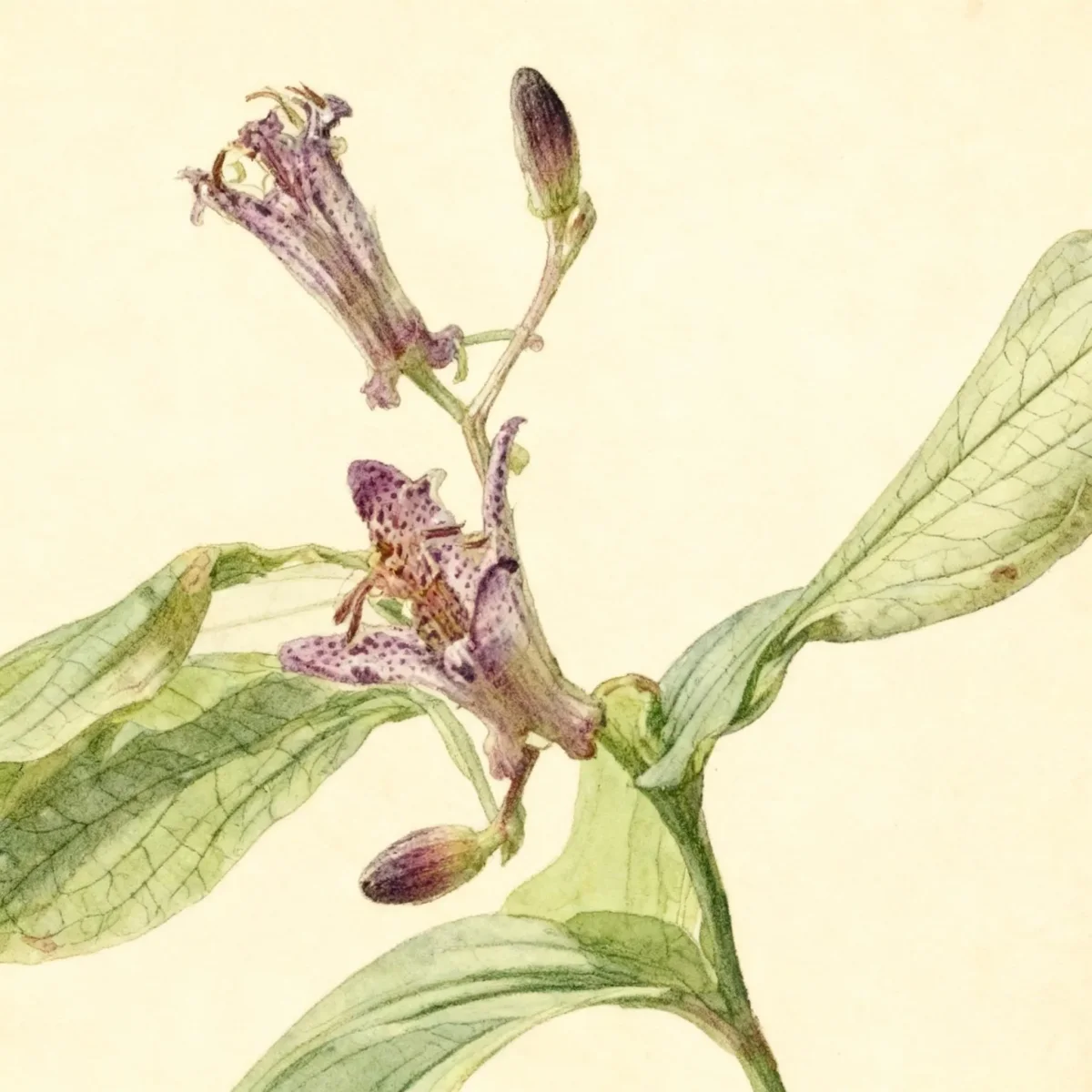
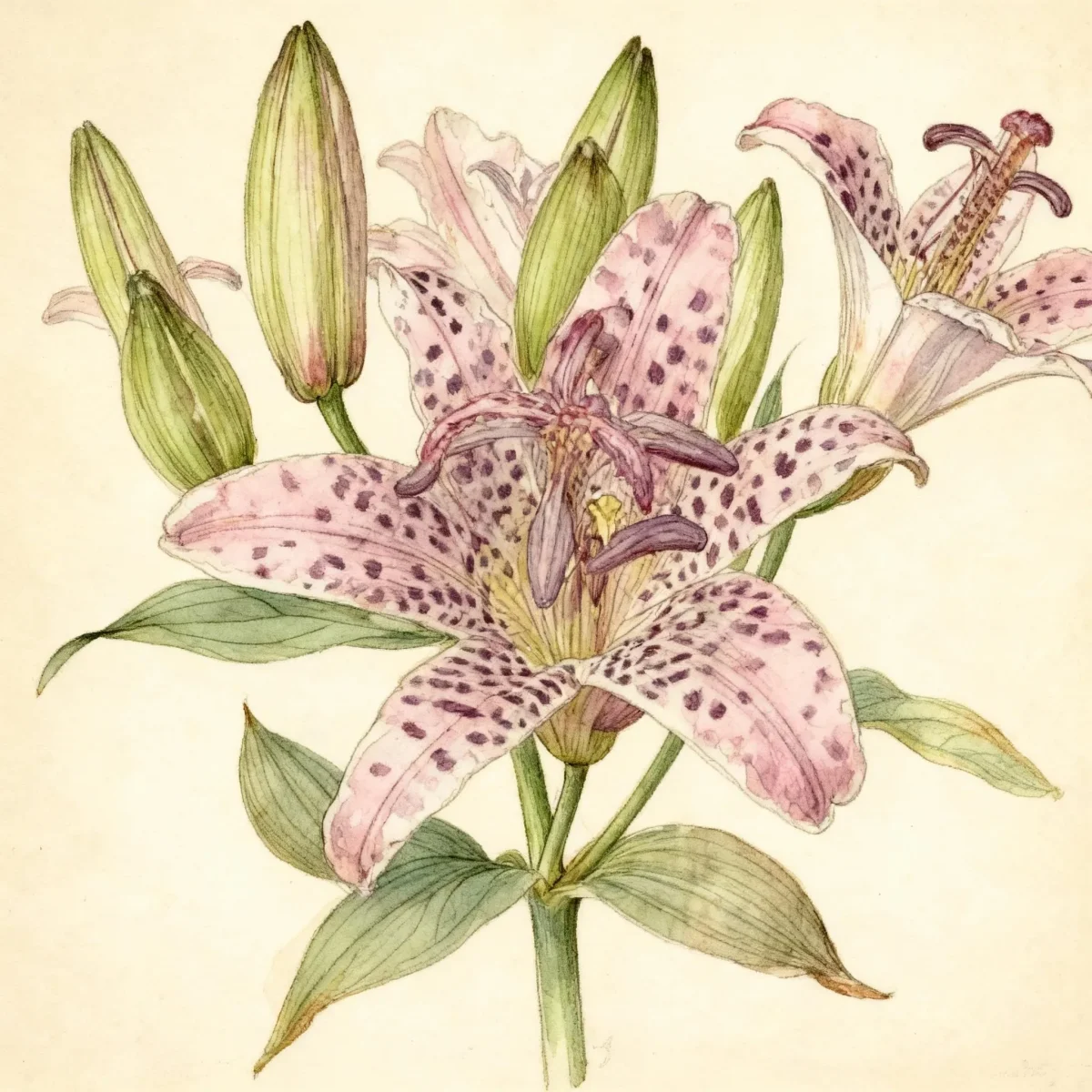
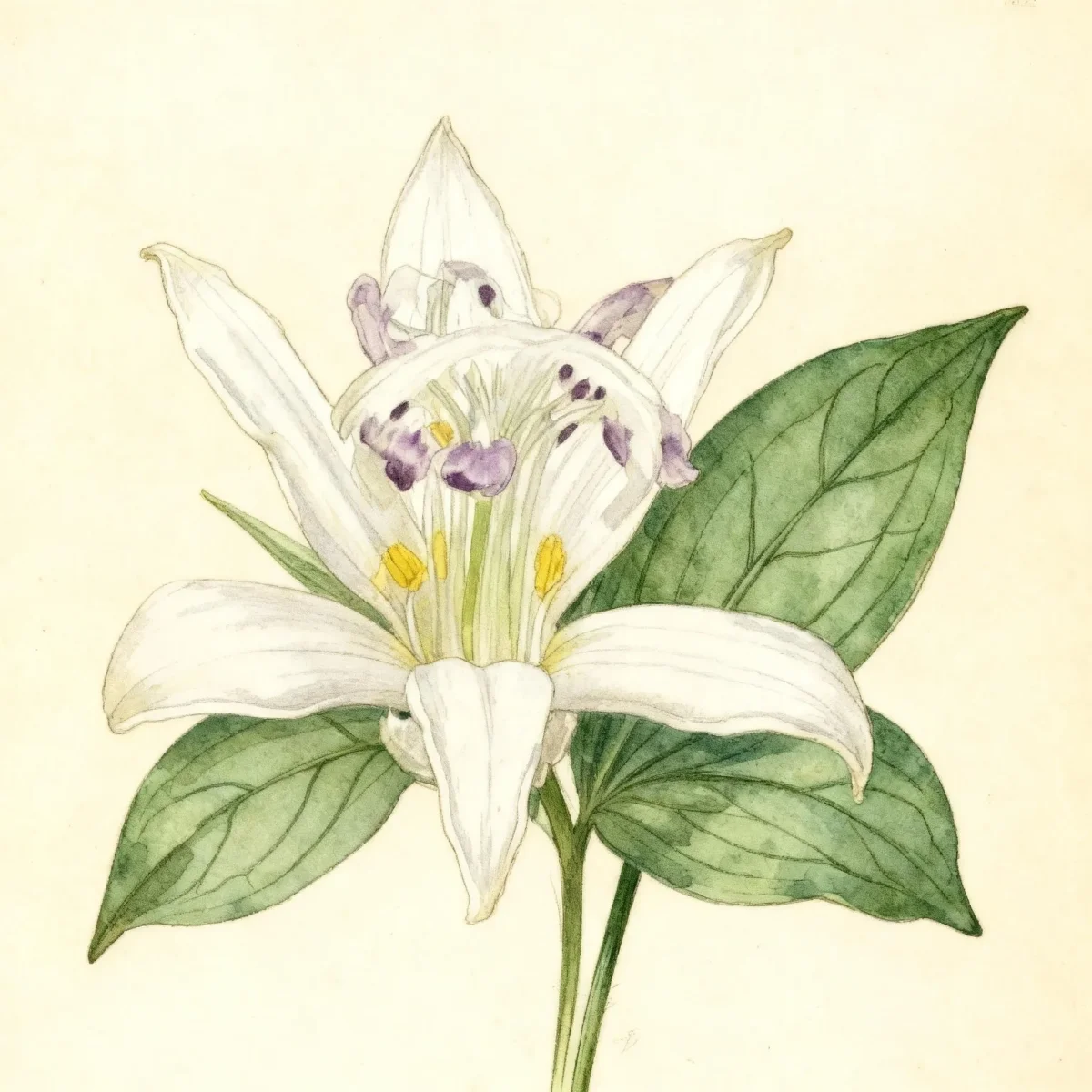
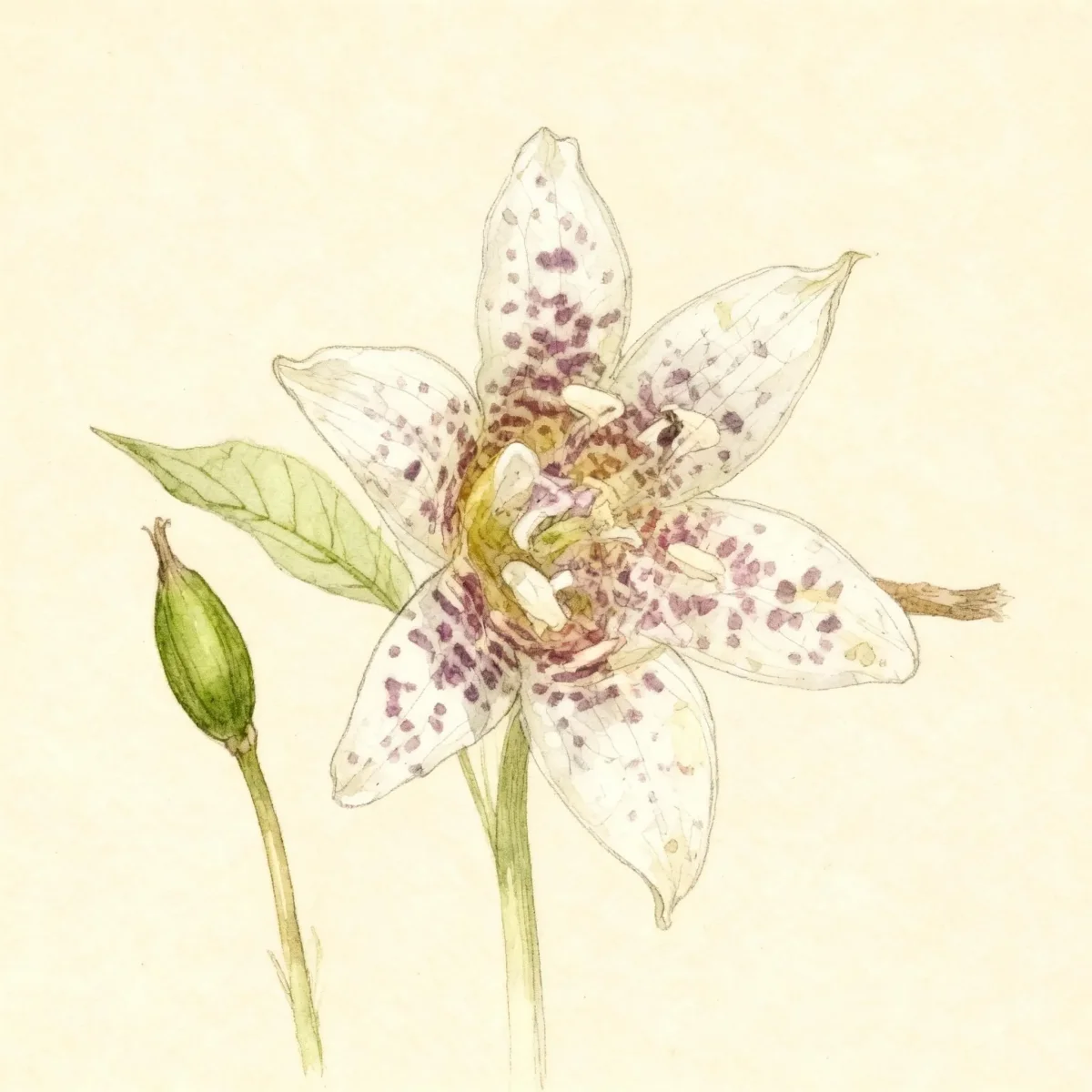
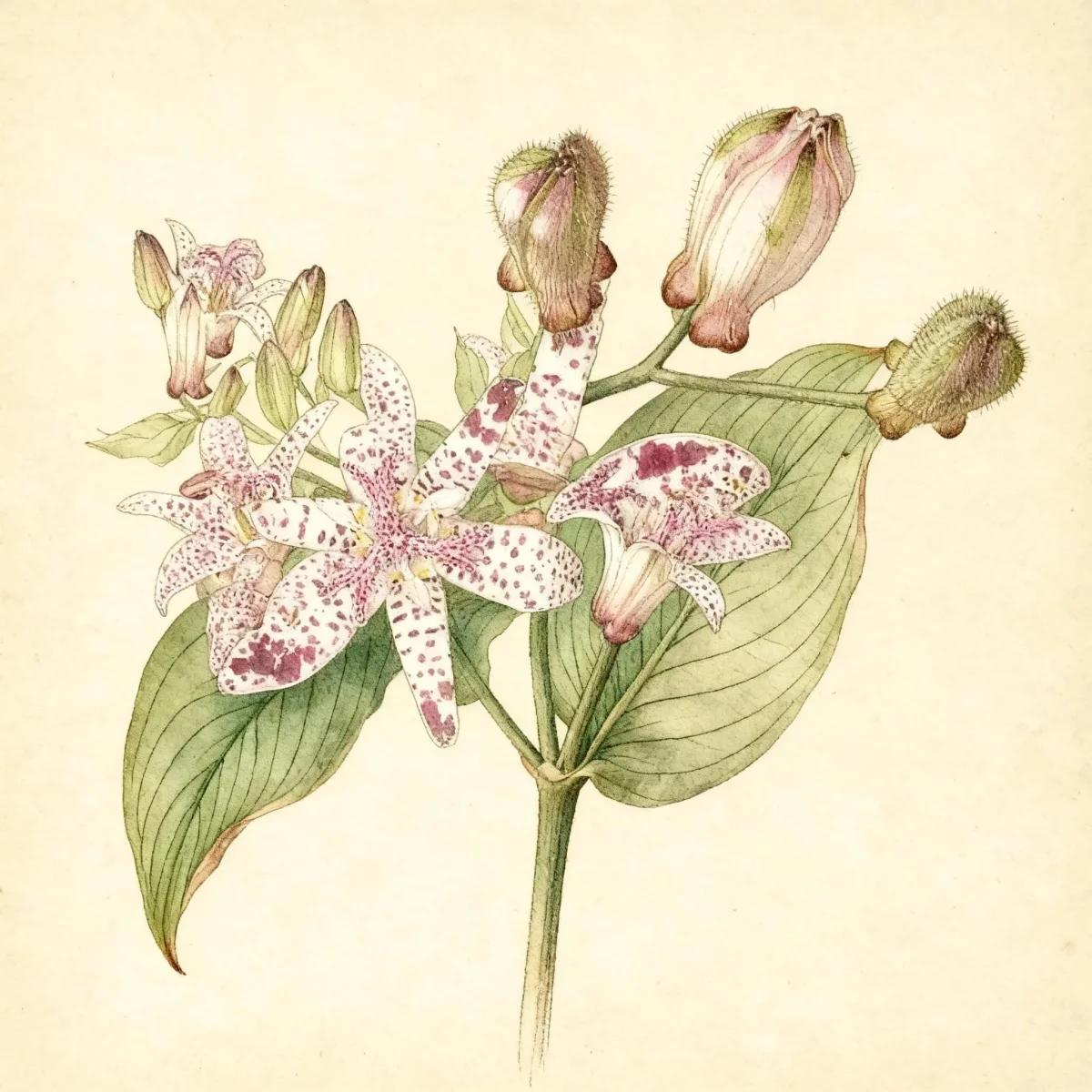
The Toad lily, scientifically known as Tricyrtis formosana, is a highly valued herbaceous perennial for gardeners seeking late-season interest in shady spots. Its most distinctive feature is its delicate, star-shaped flowers, which appear when many other perennials are fading, providing a final burst of unique color and texture. These blooms are white, beautifully adorned with reddish-purple spots and yellowish throats, reminiscent of—as its common name suggests—a toad’s skin pattern.
Native to the shaded forests of Taiwan, Tricyrtis formosana thrives in consistent moisture and dappled light, making it an excellent choice for woodland gardens or deep borders where summer sun is sparse. It forms spreading clumps via creeping rhizomes, gradually creating dense colonies that require minimal intervention once established. This reliable shade-lover offers lasting foliage appeal alongside its unique late summer flowering display.
Gardeners appreciate this plant not only for its visual charms but also for its low maintenance requirements and its ability to naturalize gracefully in the landscape. As a low grower with intriguing flowers, the Toad lily rewards close inspection, perfect for placing along pathways where its intricate details can be fully appreciated.
Fast Facts
- Plant Family: Liliaceae
- Plant Type: Herbaceous perennial
- Native Range: Taiwan
- Hardiness Zones: USDA Zones 4-9
- Size at Maturity:
- Height: 2-3 ft
- Spread: 1.5-2 ft
- Bloom Time: August to September
- Bloom Description: White, reddish-purple spots and yellowish throats
- Sun Exposure: Part shade to full shade
- Water Needs: Medium to wet
- Maintenance Level: Low
How to Grow
Tricyrtis formosana prefers planting in the spring or fall, selecting a site that offers part shade to full shade protection, especially from harsh afternoon sun. It thrives in average soils, but attention to texture and moisture is key; work in ample organic matter to ensure the soil is consistently moist, humusy, and well-drained. This plant particularly appreciates slightly acidic soil conditions.
Watering should be consistent, as the soil must not be allowed to dry out, especially during the summer active growth period. While fertilizer is generally not necessary if organic matter is rich, a top-dressing of compost applied in spring can help maintain soil fertility. Maintenance for the Toad lily is generally very low; there is no need for deadheading the flowers for rebloom, though clean up spent foliage in early spring.
A notable characteristic of the Tricyrtis formosana is its method of spread: it propagates slowly by creeping rhizomes, which allows it to naturalize and form dense, attractive colonies over time without becoming invasive. Avoid disturbing established clumps unnecessarily to let them mature into their desired colony form.
Landscape Uses
The suggested use for Tricyrtis formosana is to naturalize areas that benefit from seasonal structure and late bloom. As a shade-loving perennial, its best role is within woodland gardens or along shaded borders where its architecture blends seamlessly with ferns and hostas. Because the small, 1-inch flowers are so detailed—white speckled with crimson—they tend to be easily missed from a distance.
Therefore, position this Toad lily where close viewing is possible, such as along frequently used garden paths or near seating areas. Although primarily valued for woodland settings, it adapts well to structured borders where it fills the late summer gap between early bloomers and fall asters. Furthermore, the foliage remains attractive all season, and the blooms make for interesting, though unconventional, additions to cut flower arrangements displayed indoors.
Standout Features
Flower Qualities
- Showy
Noteworthy Characteristics
Tricyrtis formosana, commonly called toad lily, is an herbaceous shade-loving perennial of the lily family that typically grows in a spreading clump to 2-3’ tall. It is native to shaded areas of forests, thickets and roadsides in Taiwan. Flowers are white with heavy reddish-purple spotting and yellowish throats, blooming in branched clusters in late summer to early fall. The common name is inspired by the resemblance of the spotted flowers to the skin texture of some toads.
Tolerances
- No serious insect or disease problems.
Potential Problems
The Toad lily generally exhibits excellent resistance to most pests and diseases, making it a gardener favorite for reliable, low-intervention performance. The most common occasional visitors are slugs and snails, which may occasionally munch on the leaves, especially when the plants are young or conditions are damp and cool. Management can involve simple, proactive measures like checking undersides of leaves for early signs of damage or placing slug bait pellets nearby if activity becomes problematic.
Frequently Asked Questions
What hardiness zones is Toad lily suitable for?
Tricyrtis formosana is suitable for gardeners in USDA Hardiness Zones 4 through 9, offering reliable perennial performance across a wide geographical range.
How large does Tricyrtis formosana grow?
This herbaceous perennial typically reaches a height between 2 to 3 feet tall and spreads to form clumps 1.5 to 2 feet wide.
What sun exposure does Toad lily need?
The ideal placement for Tricyrtis formosana is in areas receiving part shade to full shade, mirroring its native forest habitat.
When does Tricyrtis formosana bloom?
This Toad lily begins its bloom period in late summer, typically from August to September, presenting unique flowers that are white with reddish-purple spots and yellowish throats.
Conclusion
The Tricyrtis formosana provides essential late-season beauty and texture, making it a superb, low-maintenance addition to any shaded garden space. Its unique, speckled blooms ensure visual interest well into autumn, providing long-lasting value as a spreading, naturalizing perennial. Check your local growing conditions against USDA Zones 4-9 compatibility and plan to plant this delightful Toad lily in a well-drained, consistently moist location this fall.
Companion Planting
Selecting appropriate companions for Tricyrtis formosana centers on plants that share its needs for consistent moisture and dappled light. Consider pairing your Toad lily with broad-leaved shade lovers such as Hostas, especially varieties with blue or gold variegation that contrast nicely with its dark green leaves. Ferns, such as Japanese Painted Ferns or Autumn Ferns, also work well, complementing the woodland aesthetic. To ensure continuous visual interest, plant earlier-blooming shade perennials like Hellebores or Bleeding Hearts nearby, so that the landscape remains composed even before the Tricyrtis formosana begins to flower.
Seasonal Care Calendar
Spring is the best time to refresh the environment around your Tricyrtis formosana by applying a layer of well-rotted compost to replenish organic matter and help retain soil moisture. After new growth emerges, regularly monitor soil moisture levels throughout summer, ensuring the medium remains consistently damp but never waterlogged; deep, infrequent watering is preferable to light sprinkling. While specific pruning is rare, ensure foliage is left intact until early spring to provide winter structure and protection for the dormant rhizomes. In autumn, enjoy the unique flowers as they signal the close of the growing season for this remarkable perennial.