Giant lily (Cardiocrinum giganteum var. yunnanense)
The spectacular Cardiocrinum giganteum var. yunnanense, or Giant lily, offers huge, fragrant, nodding white flowers. Thrives in shady, rich, moist soils (Zones 7-9).
Scroll down to discover growing tips, care requirements, companion plants, and more
Complete Plant Information
Overview
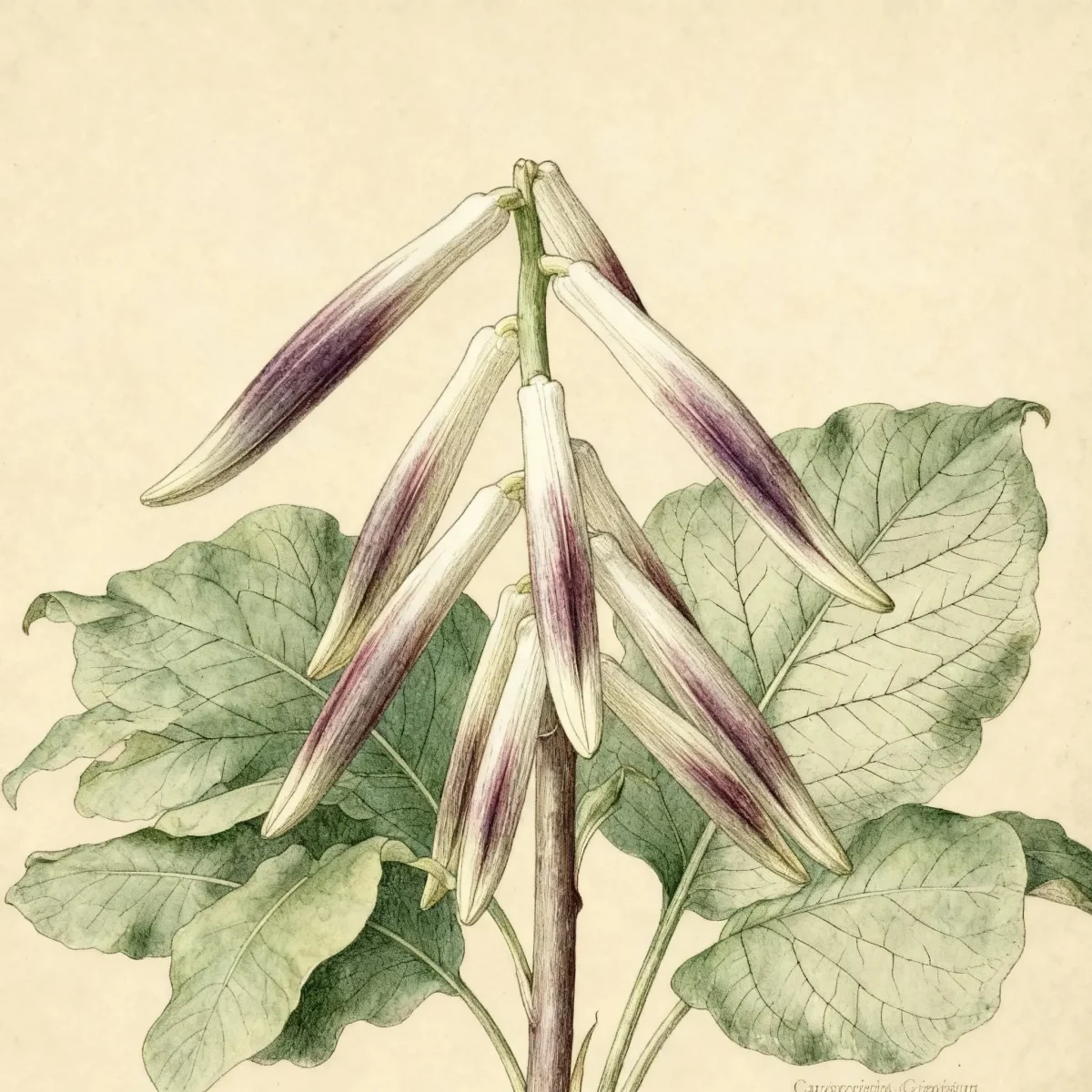
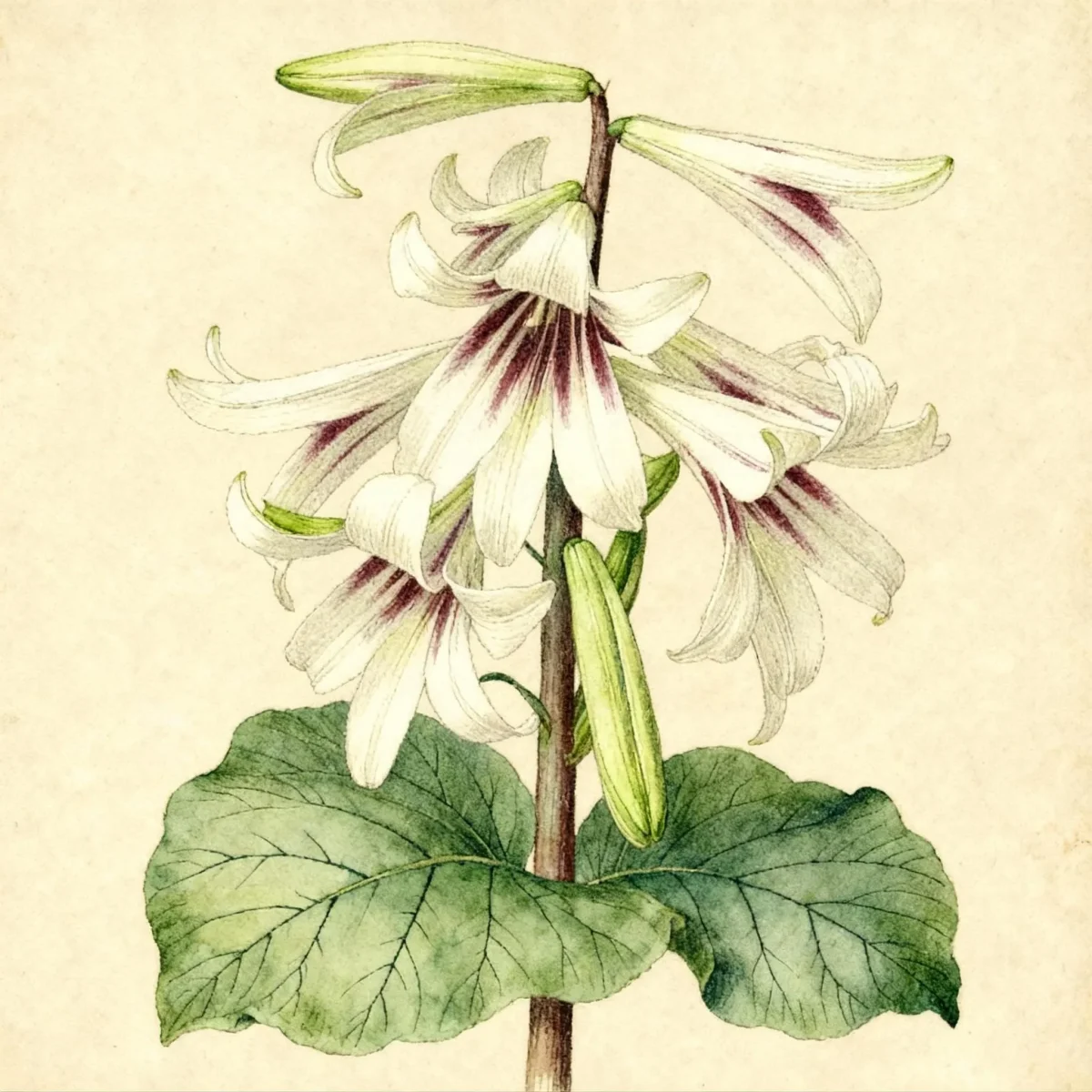
The Cardiocrinum giganteum var. yunnanense, commonly known as the Giant lily, is a truly magnificent specimen plant for the dedicated gardener. Its sheer scale, reaching heights up to 8 feet, combined with its dramatically nodding, trumpet-shaped flowers makes it a woodland showstopper. This variety, Cardiocrinum giganteum var. Yunnanense, offers fragrant, creamy white blooms striped with reddish-purple centers during mid-summer.
As a bulbous perennial, this plant promises significant architectural height and lush, hosta-like foliage, providing structure in shaded garden areas long after the bloom period ends. While it requires specific cultural attention, the reward is a rare and impressive display unlike most other lilies.
Successfully cultivating the Giant lily relies heavily on replicating its native Himalayan environment, focusing on deep, humus-rich soils and protection from harsh sunlight and wind. Gardeners looking for vertical impact in dappled shade will find the effort worthwhile for this majestic perennial.
Fast Facts
- Plant Family: Liliaceae
- Plant Type: Bulb
- Native Range: Central and eastern China, Myanmar
- Hardiness Zones: USDA Zones 7-9
- Size at Maturity:
- Height: 6-8 ft
- Spread: 2-3 ft
- Bloom Time: June to August
- Bloom Description: Creamy white with reddish-purple center
- Sun Exposure: Part shade
- Water Needs: Medium
- Maintenance Level: High
How to Grow
Establishment of Cardiocrinum giganteum var. yunnanense centers on meticulous soil preparation. Plant new bulbs in early spring with the tips barely touching the soil surface. The ideal location provides part shade, sheltered from drying winds, in a deep, fertile, organically rich soil that remains moist but drains perfectly to prevent basal rot.
Water needs are medium; ensure consistent moisture, especially during the growing and blooming season, but never allow the soil to become waterlogged. Fertilization is key to encouraging the development of vital bulb offsets, which is necessary for future propagation as the main bulb eventually dies after flowering. Be diligent about mulching heavily in winter for insulation.
Propagation primarily occurs through division of bulb offsets, though this process can take 4-5 years before the offsets reach blooming maturity. Seed sowing in bulb trays is another option, requiring patience. Due to the high maintenance commitment, yearly monitoring is crucial for success with these magnificent bulbs.
Landscape Uses
The stature and dramatic floral display of the Giant lily make it perfectly suited for woodland gardens or dappled retreats in the landscape. Plant them where they can be admired up close, perhaps nestled within sundappled areas shaded by the high canopy of large trees, which mimic their native habitat. Because of their size, plant them towards the center or back of a border to provide a powerful vertical accent.
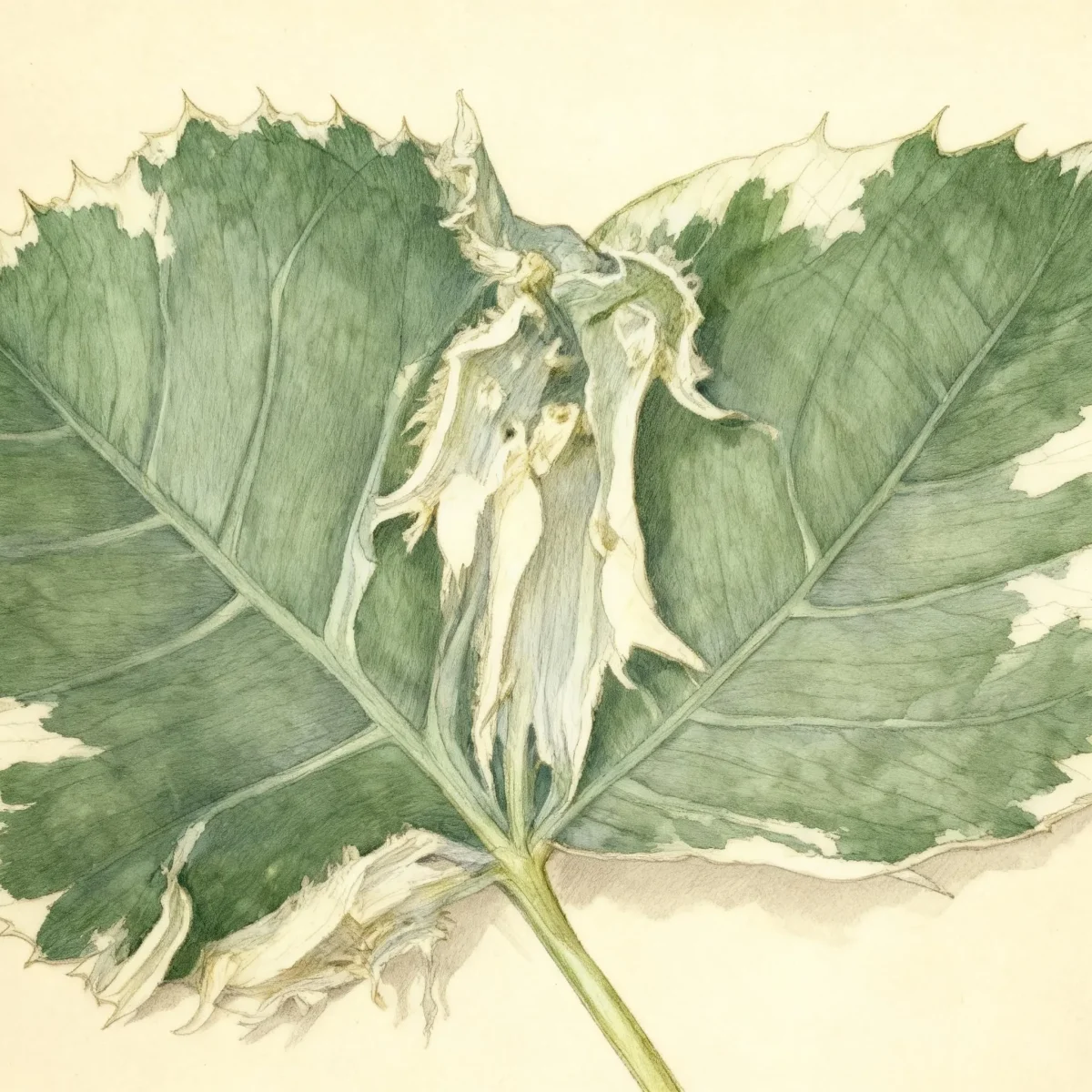
Pairing them with lower-growing, shade-loving woodland companions prevents competition while highlighting their unique structure. Consider plants that share similar soil and moisture requirements, such as various Hostas (which share a similar leaf shape), ferns, or shade-tolerant Astilbes. The massive, glossy foliage provides excellent textural contrast throughout the season.
The rarity and visual drama of the Cardiocrinum giganteum var. Yunnanense mean they should be incorporated as specimen plantings rather than massed displays, drawing the eye to a specific, lush, shaded corner of the garden space.
Standout Features
Flower Qualities
- Showy
- Fragrant
Fruit Qualities
- Showy
Noteworthy Characteristics
Cardiocrinum giganteum, commonly called giant lily, is a bulbous perennial that is native to part shade woodland areas of the Himalayas, China and Myanmar. Nodding, fragrant, trumpet-shaped, lily-like, white flowers (to 8” long) with a greenish tinge on the outer petals, each with purple adaxial streaking, bloom in terminal racemes in summer atop thick, straight, rigid, stems growing up to 9’ tall. Var. Yunnanense differs from the species by shorter height (6-7’ tall), smaller flowers (to 6” long) with narrower petals, and the outer part of the flower is white and the inside is streaked with purplish red. Genus name comes from the Greek words kardia meaning a heart and krinon meaning lily in reference to the heart-shaped leaves.
Tolerances
Potential Problems
Successful culture of the Giant lily demands significant effort, as it is susceptible to several issues. The most immediate threats in the garden are often snails and slugs, which must be controlled promptly to protect new growth. Gardeners must vigilantly monitor for signs of lily mosaic virus, controlling the aphid vectors immediately, given that no cure exists for infected plants.
Bulb rot is a serious concern, especially in poorly drained or heavy soils, underscoring the necessity of perfect drainage during planting. Fungal issues like Botrytis may necessitate the timely application of appropriate fungicides to protect the blooms and foliage throughout the humid summer months.
Frequently Asked Questions
What hardiness zones is Giant lily suitable for?
The Cardiocrinum giganteum var. yunnanense is winter hardy in USDA Zones 7 through 9.
How large does Giant lily grow?
This Giant lily reaches a mature height between 6 and 8 feet, with a modest spread of 2 to 3 feet wide.
What sun exposure does Cardiocrinum giganteum var. yunnanense need?
This species thrives best when situated in part shade, needing protection from intense, direct afternoon sun.
When does Cardiocrinum giganteum var. yunnanense bloom?
The impressive flowering period for the Cardiocrinum giganteum var. Yunnanense occurs from June to August, showcasing creamy white flowers with reddish-purple centers.
Conclusion
The Giant lily provides unparalleled vertical presence and intoxicating fragrance for specialized shade gardens. Cultivating Cardiocrinum giganteum var. yunnanense is a commitment, requiring rich soil and watchful care, but rewards the gardener with one of nature’s most impressive bulbous perennials. Assess your microclimate and soil drainage now to ensure this spectacular plant establishes successfully this coming spring.
Companion Planting
Selecting strong companions for Cardiocrinum giganteum var. yunnanense involves focusing on plants that enjoy similar deep shade and moist, rich soil profiles. Think of plants that offer contrasting foliage texture, as the broad, glossy leaves of the Giant lily need visual relief. Shade-tolerant ferns, such as Japanese Painted Ferns or large native wood ferns, naturally complement its woodland aesthetic.
Another excellent pairing involves shade-loving perennials with different bloom times. Hostas, with their wide-ranging colors and textures, emerge around the same time or slightly before the lily shoots, providing ground cover that suppresses weeds and conserves the deep soil moisture the Giant lily demands. Consider using groundcovers like Vinca minor for a continuous green carpet beneath taller specimens.
Ensure that any companion plants are not overly aggressive feeders, as the Cardiocrinum giganteum var. yunnanense bulb requires ample nutrients to fuel its annual massive growth cycle. Focus on creating layers where the lily dominates the mid-to-upper strata of the shaded garden bed.
Seasonal Care Calendar
Caring for the Giant lily follows a rhythm dictated by its bulbous nature. Spring is crucial: plant new bulbs with tips at the surface, and apply a good layer of mulch to moderate soil temperatures and retain moisture as the large leaves emerge.
During summer, focus on consistent, medium watering—never let the foliage wilt from dryness. Watch vigilantly for pests like slugs and snails in this season. After the striking flowers fade in late summer, the seed capsules develop; decide whether to harvest for propagation or leave them for seasonal interest before the foliage yellows down.
As autumn approaches, cease heavy fertilization, allowing the plant to begin dormancy preparation. In late fall or early winter, ensure the mulch layer over the base of the bulb is thick enough to protect the bulb from deep freezes, especially in the cooler end of its USDA Zones 7-9 range.