Perennial flax (Linum perenne)
Discover Perennial flax (Linum perenne), a short-lived perennial offering sky blue blooms from May to June in USDA Zones 5-8.
Scroll down to discover growing tips, care requirements, companion plants, and more
Complete Plant Information
Overview
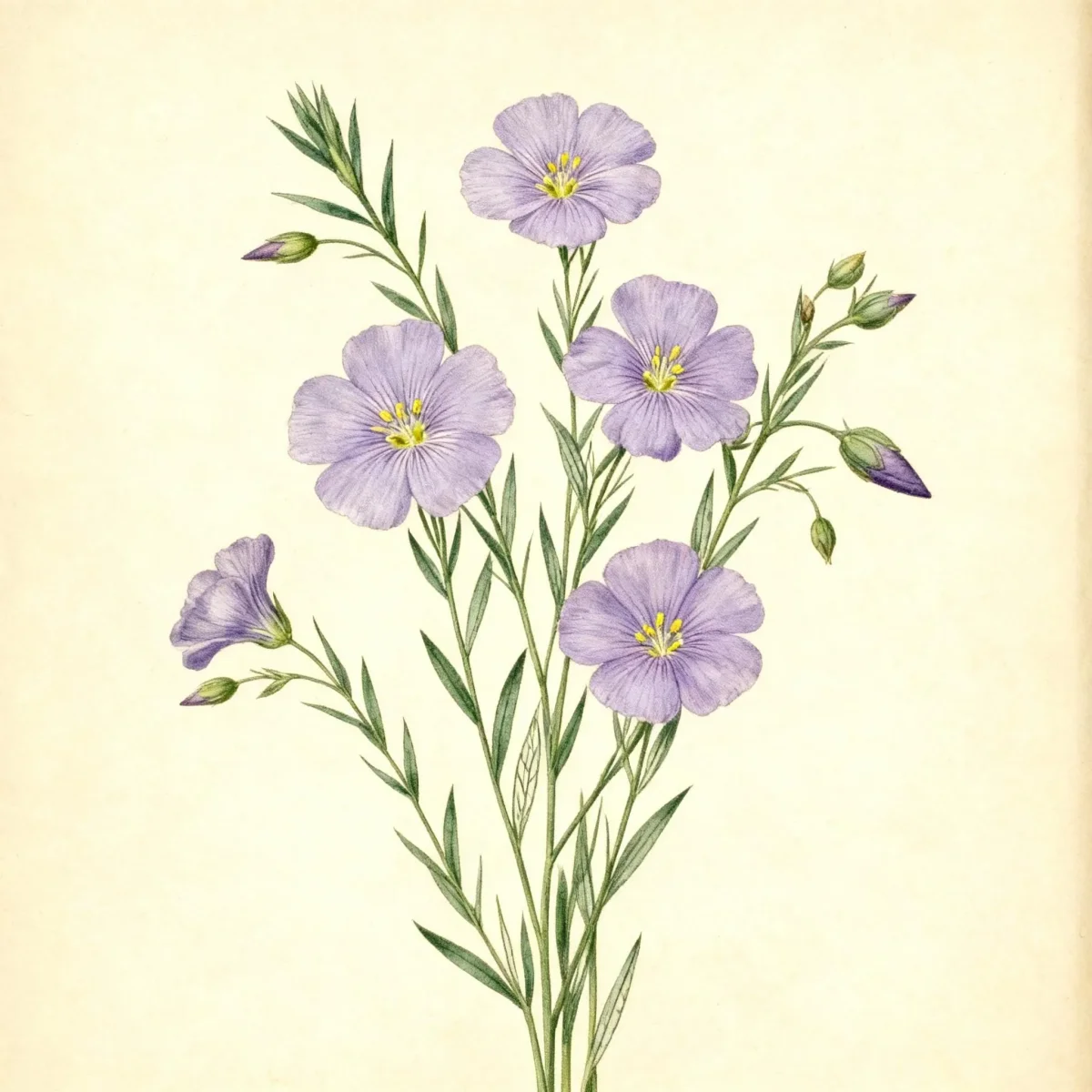
This delightful herbaceous perennial, Linum perenne, or Perennial flax, brings delicate color to the late spring garden. Known for its profusion of short-lived, 5-petaled, sky-blue flowers, this plant naturalizes beautifully, providing an informal texture across borders and meadows. Gardeners value Perennial flax for its tolerance to drier conditions once established and its extended bloom period of up to eight weeks when managed correctly.
Native to Europe and Asia, Linum perenne is a short-lived standby that typically reaches 1 to 2 feet in height. Although the individual flowers are fleeting, opening in the morning and dropping by late afternoon, the constant succession of new buds ensures a vibrant display throughout May and June. Its thin, wiry stems give the planting an airy quality, making it an excellent textural addition among bolder foliage plants.
For those seeking a low-impact perennial that establishes easily from seed and offers fantastic naturalizing potential, Linum perenne is an excellent choice. It anchors informal plantings well, though gardeners should note its tendency to root shallowly, which can affect winter survival in extremely heavy clay. Proper placement ensures years of cheerful, nodding blue blooms.
Fast Facts
- Plant Family: Linaceae
- Plant Type: Herbaceous perennial
- Native Range: Asia, Europe
- Hardiness Zones: USDA Zones 5-8
- Size at Maturity:
- Height: 1-2 ft
- Spread: 0.75-1.5 ft
- Bloom Time: May to June
- Bloom Description: Sky blue
- Sun Exposure: Full sun to part shade
- Water Needs: Medium
- Maintenance Level: Medium
How to Grow
Linum perenne is best established in average, medium, well-drained soils. It thrives with full sun exposure but will tolerate light part shade. When planting, ensure the location prefers light soils, as this species struggles when its roots remain in heavy, waterlogged clay, increasing winter survival issues. Starting from seed is straightforward, though some plants may skip a year and bloom the following season.
Water needs are medium, requiring consistent moisture only until the plant is established. Once mature, this perennial flax exhibits considerable drought tolerance, making it suitable for xeriscaping or drier garden areas. Fertilizing is rarely necessary; rich soil tends to promote excessive foliage growth at the expense of flowers.
To maximize the bloom period of your Perennial flax planting, employ the “shearing” technique immediately after the initial flush of flowers fades. Cut approximately half of the stems back by 50%. This pruning step encourages new growth and extends flowering enjoyment well into the season. Linum perenne freely self-seeds, so allow some seed heads to mature if naturalized drift is desired.
Landscape Uses
Perennial flax excels in mass plantings, where its massed effect transforms the landscape, showcasing drifts of brilliant blue. It is highly effective when integrated into meadow settings, informal naturalized plantings, or the fronts of sunny borders, providing necessary height contrast without becoming bulky. Its fine texture also suits rock gardens beautifully, mimicking the rugged beauty of its native habitats.
Consider companion planting Linum perenne with plants that share similar sun and moisture requirements, such as Catmint (Nepeta), hardy Geraniums, or low-growing ornamental grasses. The airy structure helps weave together more robust flowering perennials, ensuring the garden maintains interest even when the flax is not in peak bloom. Combining these species creates a low-maintenance, resilient tapestry ideal for a cottage garden aesthetic.
This versatile plant is also listed as a suitable annual addition, meaning it can be used in containers or mixed seasonal plantings for immediate summer impact where its hardiness zone might be marginal. Even in an herb garden context, Linum perenne offers aesthetic appeal alongside functional plantings.
Standout Features
Flower Qualities
- Showy
Noteworthy Characteristics
Linum perenne, commonly called perennial flax, is a short-lived, tufted perennial native to Europe which typically grows 1-2’ tall. This species is naturalized throughout much of North America. It features 5-petaled, sky blue flowers which open for only one day, though it remains a profuse bloomer for up to 8 weeks in late spring. The fibrous stems appear delicate but are extremely difficult to break and historically were used to make linen.
Tolerances
- Drought
- Dry Soil
- Shallow-Rocky Soil
Potential Problems
This plant generally avoids serious insect or disease problems, which contributes significantly to its low maintenance profile. Occasional pressure may come from common garden pests such as cutworms, particularly affecting young seedlings, and grasshoppers which might feed on foliage or buds during dry spells. Monitor new plantings closely for cutworm damage near the base of the stems in early spring; hand removal or environmental controls are usually sufficient management strategies.
Frequently Asked Questions
What hardiness zones is Perennial flax suitable for?
Linum perenne is adaptable to USDA Hardiness Zones 5 through 8, provided soil drainage is adequate.
How large does Linum perenne grow?
Perennial flax typically reaches a height between 1 and 2 feet, with a spread spanning 0.75 to 1.5 feet wide.
What sun exposure does Perennial flax need?
This species performs best in full sun but tolerates light conditions found in part shade.
When does Perennial flax bloom?
The bloom period for Linum perenne is generally from May to June, showcasing its signature sky blue flowers.
Conclusion
The delicate form and vibrant sky-blue flowers make Perennial flax (Linum perenne) an indispensable, low-effort plant for sunny borders and naturalized areas. Its drought tolerance and low susceptibility to pests confirm its status as a reliable garden performer. Before planting, ensure you have well-drained soil and check your USDA hardiness zone compatibility to enjoy this cheerful perennial for many seasons.
Companion Planting
Selecting companions for Linum perenne should focus on mid-height perennials that thrive in full sun, handle medium water, and appreciate well-drained soil. To complement its airy texture, integrate plants with contrasting, denser foliage. Lavender (Lavandula) is an excellent match, as both share drought tolerance and the need for excellent drainage; the purple blooms contrast beautifully with the sky blue of the flax.
Consider pairing Perennial flax with silvery foliage like Lamb’s Ears (Stachys byzantina) or low-growing Sedums. These companions won’t compete heavily for roots or resources and help ground the ephemeral appearance of the Linum perenne stems. In meadow plantings, allow native bunch grasses to mingle with the flax for a highly resilient and ecologically sound display.
Design Ideas for Blue Flowers
The distinct sky blue color of Linum perenne is perfect for implementing a cool color scheme in the garden, which often reads as calming and receding visually. Use this plant along pathways where its fine texture invites closer inspection of its rapid-opening flowers. Its 1-2 foot height makes it ideal for the middle layer in a layered border composition.
For a true Mediterranean feel, combine this perennial flax with plants like Yarrow (Achillea) in pale yellow or white cultivars. This combination utilizes shared tolerance for heat and dry conditions while offering a pleasing chromatic contrast. Avoid placing it directly against plants that require heavy, constant moisture, as this can lead to root rot issues for the flax.