Carolina pink (Spigelia marilandica)
Discover Carolina pink (Spigelia marilandica), a low-maintenance perennial featuring showy red and yellow blooms attractive to hummingbirds.
Scroll down to discover growing tips, care requirements, companion plants, and more
Complete Plant Information
Overview
The Carolina pink, scientifically known as Spigelia marilandica, is a striking herbaceous perennial native to the southeastern United States, valued for its vibrant, almost tropical-looking flowers. This plant forms tidy clumps, making it an excellent choice for adding high visual impact to shady garden areas without demanding extensive upkeep. Its unique bi-colored blooms are a significant draw for gardeners seeking native, wildlife-friendly specimens.
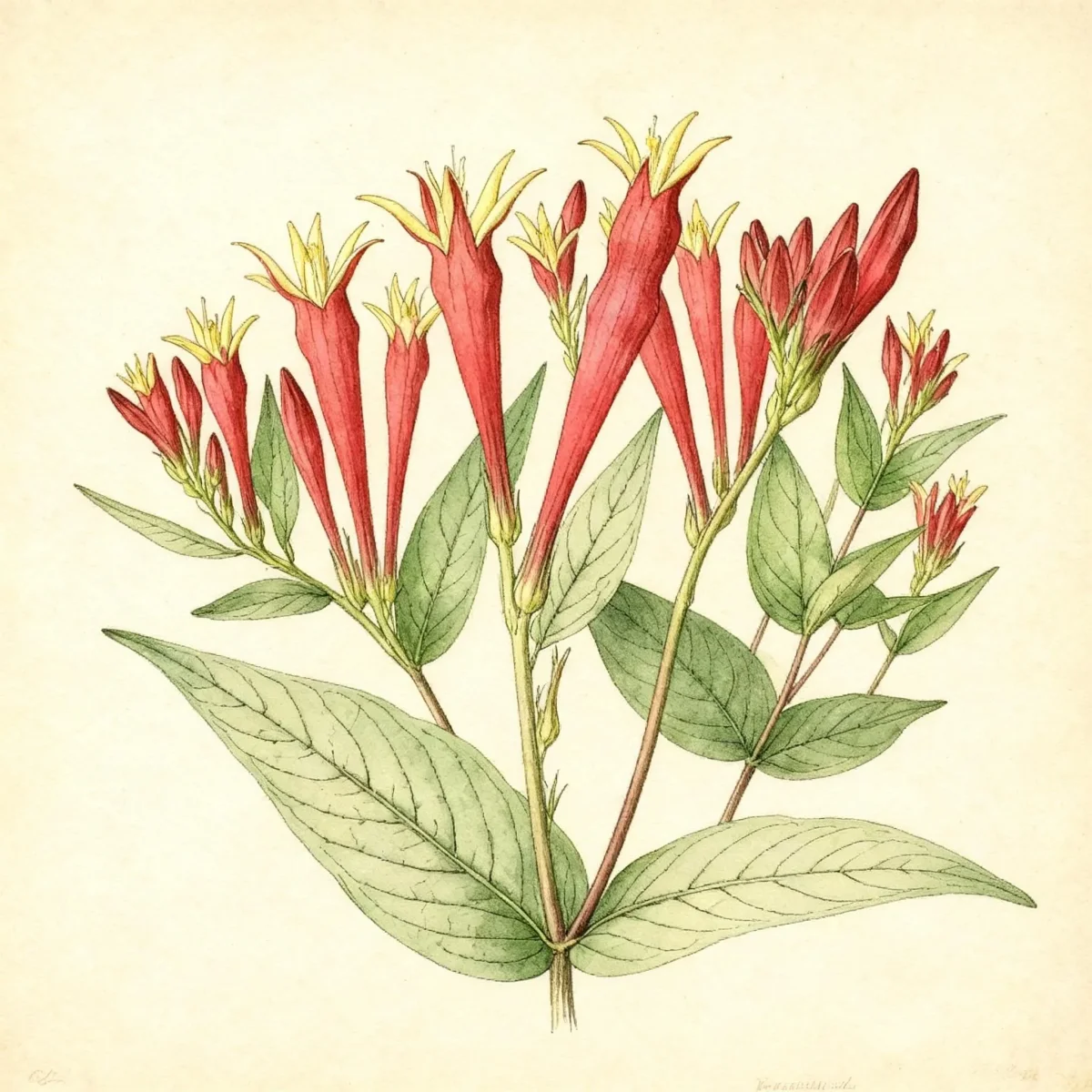
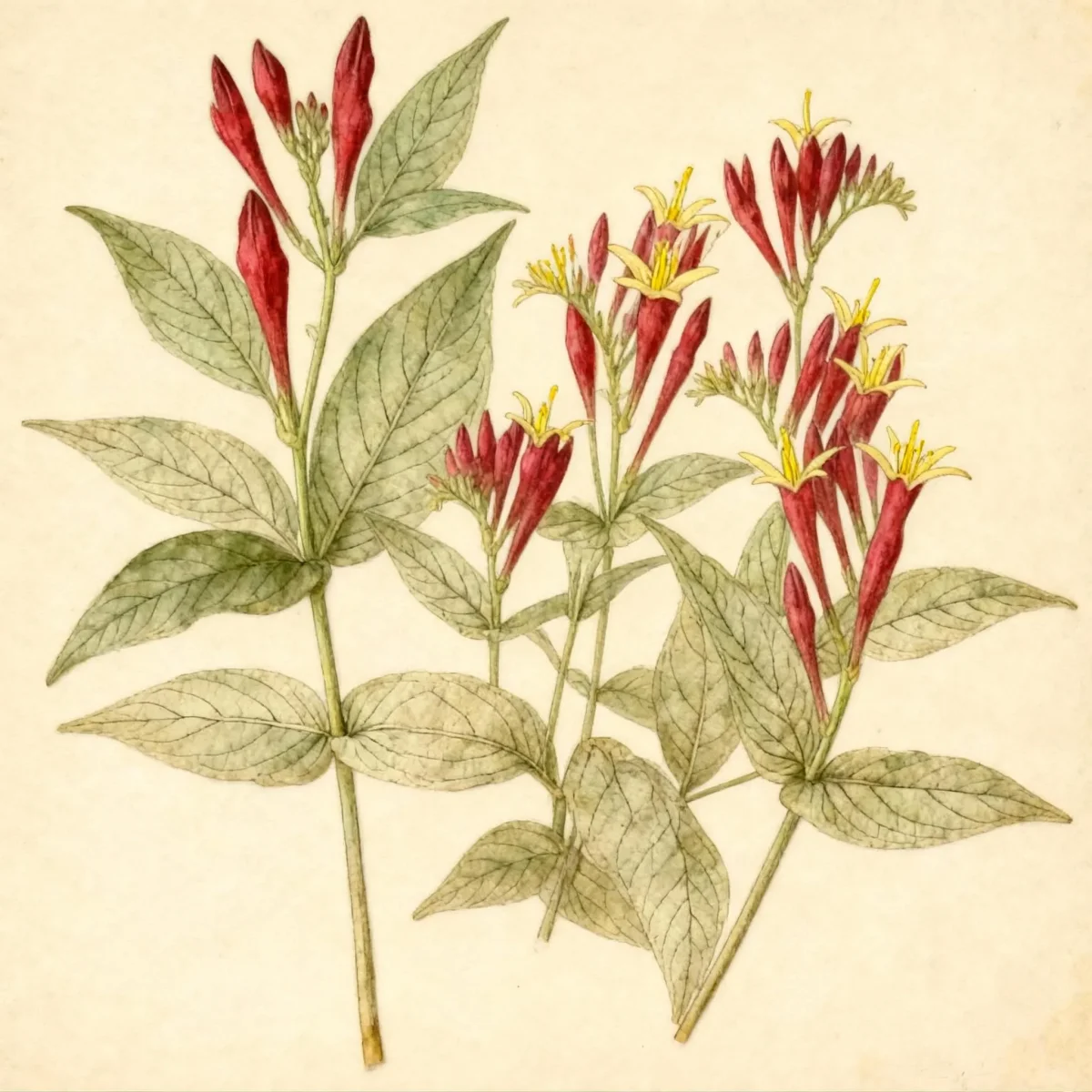
Spigelia marilandica produces spectacular, trumpet-shaped flowers that emerge red and mature to reveal a bright yellow star at the opening, creating a dual-toned spectacle throughout early summer. As a low-maintenance species, it thrives reliably when provided with consistent moisture, requiring little intervention once established. Its presence instantly elevates woodland settings or shaded borders, offering a long-lasting display that rewards patient gardeners.
The exceptional aesthetic appeal, combined with its hardiness in zones 5 through 9, makes Spigelia marilandica a highly adaptable and rewarding plant for native gardens and naturalized landscapes. Hummingbirds are frequently observed visiting the flowers, underscoring the plant’s significant value in supporting local fauna.
Fast Facts
- Plant Family: Loganiaceae
- Plant Type: Herbaceous perennial
- Native Range: Southeastern United States
- Hardiness Zones: USDA Zones 5-9
- Size at Maturity:
- Height: 1-2 ft
- Spread: 0.5-1.5 ft
- Bloom Time: June
- Bloom Description: Red and yellow
- Sun Exposure: Part shade to full shade
- Water Needs: Medium
- Maintenance Level: Low
How to Grow
For optimal establishment, plant Spigelia marilandica in the spring or fall, giving it time to settle before seasonal extremes. This plant performs best in average, medium, well-drained soil, but attention must be paid to moisture retention—it strongly prefers organically rich soils that remain consistently moist. When planting, incorporate ample compost to improve soil structure and water-holding capacity.
Watering requirements for Carolina pink are considered medium; they do not tolerate drying out, especially during hot summer months. Ensure the soil remains consistently moist but not waterlogged. Fertilization is generally unnecessary if the soil is rich, but a light application of compost in the spring can provide a gentle boost.
Maintenance for Spigelia marilandica is delightfully low. Deadheading spent flowers is not strictly required for plant health but can tidy the appearance. Cut back the faded stems in late fall or early spring before new growth emerges. This perennial exhibits good tolerance for wet soils, making it an excellent trouble-shooter for consistently damp spots in your shade garden.
Landscape Uses
The distinctive form and color of the Carolina pink lend themselves perfectly to designs aiming for an authentic woodland feel. They excel when placed toward the front of shaded borders, adding a splash of vertical interest among larger ferns and hostas. Because they appreciate consistent moisture, group them near natural water features or rain gardens where soil conditions naturally favor their needs.
Spigelia marilandica is an essential inclusion in wildflower gardens or specialized native plant collections where showcasing regional biodiversity is the goal. The bright red and yellow flowers contrast beautifully against deep green foliage, attracting the eye even in deep shade. Use them to line shaded walkways, allowing closer inspection of the unique flower structure.
These plants integrate seamlessly with other shade-loving natives that share similar cultural requirements, such as woodland phlox or native bleeding hearts. Their compact size (1–2 feet tall) prevents them from being overwhelmed by taller companions while still providing excellent foreground structure.
Standout Features
Flower Qualities
- Showy
Noteworthy Characteristics
Spigelia marilandica, commonly called Indian pink, is a clump-forming, Missouri native perennial which occurs in moist woods and streambanks in the far southeastern part of the State. Features one-sided cymes of upward facing, trumpet-shaped, red flowers (to 2” long) atop stiff stems growing to 18” tall. Each flower is yellow inside and flares at the top to form five pointed lobes (a yellow star). Highly attractive to hummingbirds, this perennial makes an excellent cut flower for fresh arrangements.
Tolerances
- Wet Soil
Potential Problems
This species is noted for having no serious insect or disease problems, which significantly contributes to its low-maintenance status. Gardeners should focus preventative care on avoiding overly dry conditions, as drought stress will quickly compromise the plant’s health and flowering. Proper placement in moist, organically rich soils is the best defense against most potential issues.
Frequently Asked Questions
What hardiness zones is Carolina pink suitable for?
Spigelia marilandica is well-suited for gardeners within USDA Hardiness Zones 5 through 9.
How large does Carolina pink grow?
This perennial typically achieves a mature height between 1 and 2 feet, with a spread ranging from 0.5 to 1.5 feet.
What sun exposure does Carolina pink need?
Carolina pink thrives best when situated in part shade to full shade environments.
When does Carolina pink bloom?
The peak bloom time for Spigelia marilandica is in June, presenting its unique red and yellow flowers.
Conclusion
The Carolina pink (Spigelia marilandica) is a stellar choice for adding vibrant, reliable color to shaded garden areas. Its hummingbird magnetism and tolerance for the moisture often challenge shadier spots make it indispensable for native plant enthusiasts looking for low-maintenance beauty. Check your USDA zone compatibility and plan to plant this gem where it can enjoy consistently moist, organically rich soil.
Companion Planting
When designing a woodland garden for Spigelia marilandica, choose companions that share the need for part shade and consistent moisture. Hostas provide excellent contrasting texture with their broad leaves, while various native ferns, such as Christmas or Ostrich ferns, enhance the natural, shaded environment. For spring color just before the Carolina pink begins its show, consider planting Lungwort (Pulmonaria) nearby, which provides complementary foliage patterns throughout the season.
Wildlife Benefits
One of the greatest assets of Spigelia marilandica is its direct attraction to wildlife, particularly hummingbirds. The tubular, red flowers are perfectly shaped for long-billed pollinators to access the nectar reward. Planting groupings of Carolina pink creates a reliable nectar source early in the summer when many birds are actively feeding and migrating. Furthermore, as a native perennial, it supports the local ecosystem by providing habitat structure in shaded areas where other flowering options might be scarce.