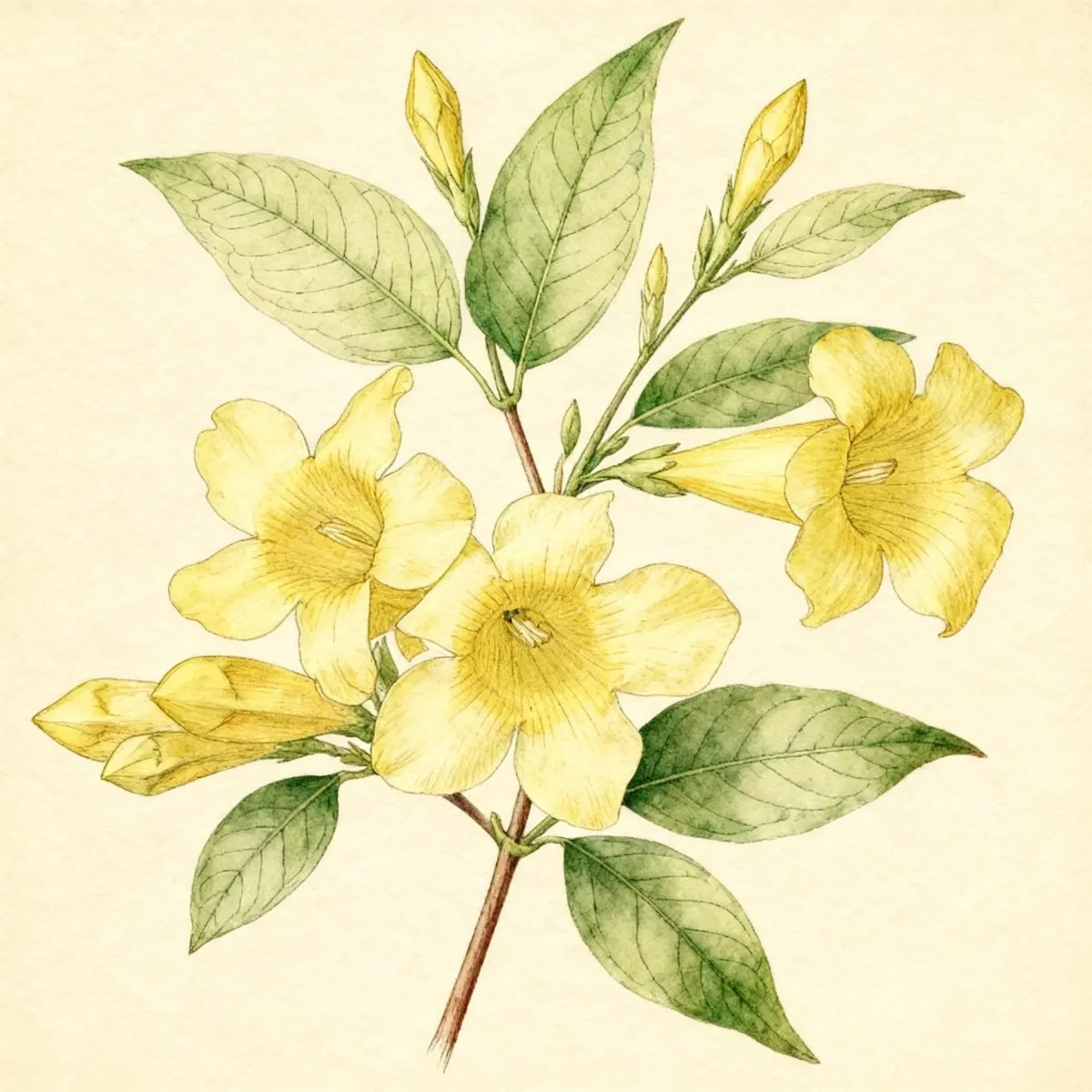
Carolina yellow jasmine (Gelsemium sempervirens)
Gelsemium sempervirens, or Carolina yellow jasmine, is an evergreen vine offering showy, fragrant yellow blooms from February to April.
Scroll down to discover growing tips, care requirements, companion plants, and more
Complete Plant Information
Overview
The Carolina yellow jasmine (Gelsemium sempervirens) is a highly valued native Southern United States evergreen vine, prized for its early spring display of intensely fragrant, bright yellow, trumpet-shaped flowers. This plant acts as a superb curtain of color signaling the end of winter, making it a garden centerpiece when few other plants are flowering. Its glossy, deep green foliage remains attractive year-round, though plants may become semi-evergreen in colder limits of its range.
This vigorous twiner requires support to climb vertically, reaching heights up to 20 feet, or it can function effectively as a sprawling ground cover. While maintenance is generally low once established, gardeners should be aware that all parts of Gelsemium sempervirens are toxic if ingested. Careful placement is necessary due to its flammability, steering it away from immediate structures.
Embrace the visual impact of Gelsemium sempervirens by allowing it to cascade over arbors or fences, or utilize its dense coverage on slopes. The combination of evergreen structure and stunning early bloom makes Carolina yellow jasmine a foundational element in southeastern regional landscapes.
Fast Facts
- Plant Family: Gelsemiaceae
- Plant Type: Vine
- Native Range: Southern United States, Mexico, Guatemala
- Hardiness Zones: USDA Zones 7-10
- Size at Maturity:
- Height: 12-20 ft
- Spread: 3-6 ft
- Bloom Time: February to April
- Bloom Description: Yellow
- Sun Exposure: Full sun
- Water Needs: Medium
- Maintenance Level: Low
How to Grow
For optimal performance, plant Carolina yellow jasmine in the spring or fall. Choose a location that provides full sun, which guarantees the best flowering and densest growth. While it tolerates light shade, best flowering occurs with maximum light exposure. The soil should be moist, richly organic, and crucially, well-drained.
Water establishment requires consistency; maintain medium moisture levels, especially during dry summer spells. Fertilization is rarely necessary due to the plant’s vigorous nature and low maintenance requirements. Pruning is typically structural—ensure any support (trellis, arbor) is sturdy enough to handle the mature weight of the vine.
Gardeners in Zone 7 should site the vine protectively, away from harsh winter winds, as it may appreciate the insulation. An important cultural note is to avoid planting this evergreen vine too close to homes or structures, as it is known to be flammable. If seeking a ground cover effect, allow it to sprawl naturally over banks and slopes.
Landscape Uses
Gelsemium sempervirens excels in vertical applications, providing structure and spring color across fences, pergolas, and arbors. It is excellent as a porch cover, offering fragrant entryways. When maintained formally, it can serve as a dense, evergreen hedge or screen.
For a more informal approach, let the Carolina yellow jasmine sprawl freely as a dense, spreading ground cover, perfect for stabilizing tough slopes or naturalizing in wooded borders. It also performs beautifully in large containers on patios, allowing the lush green foliage to drape elegantly over the edges throughout the year.
The vibrant yellow blooms attract early-season attention, making it a standout near entryways or where early flowering is most desired. Consider companion planting with later-blooming deciduous shrubs that appreciate similar moist, rich soil conditions, ensuring continuous seasonal interest after the Gelsemium sempervirens cycle concludes.
Standout Features
Flower Qualities
- Showy
- Fragrant
Noteworthy Characteristics
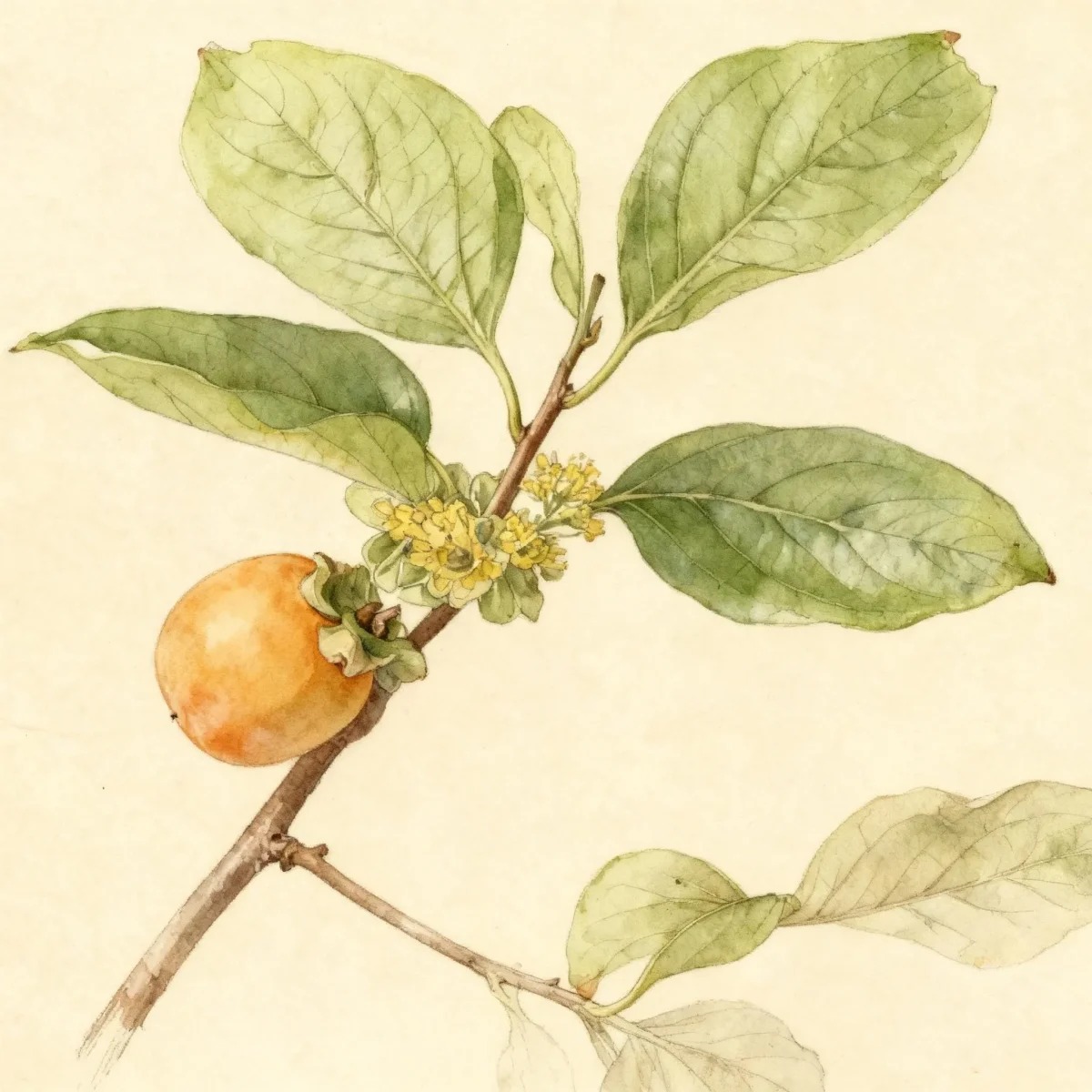
Gelsemium sempervirens, commonly called false jasmine or false jessamine, is an evergreen twining vine that is native from Virginia to Florida west to Texas and Central America. It is typically found in open woods, thickets and along roads. Bright, fragrant, funnel-shaped, yellow flowers (to 1.5” long) appear either solitary or in clusters (cymes) in late winter to early spring (February - April depending on location). As a vine, false jasmine grows on wiry reddish-brown stems to 20’ long, while as a bushy ground cover, it grows to 3’ tall and will sprawl somewhat indefinitely by runners.
Tolerances
- None listed
Potential Problems
This beautiful vine generally exhibits no serious insect or disease problems, contributing to its low maintenance rating. Vigilance is always advised, particularly concerning its toxic nature; ensure pets and children cannot ingest any part of the Carolina yellow jasmine vine, as parts are poisonous.
Frequently Asked Questions
What hardiness zones is Carolina yellow jasmine suitable for?
Carolina yellow jasmine (Gelsemium sempervirens) is reliably hardy in USDA Zones 7 through 10.
How large does Carolina yellow jasmine grow?
This vine typically reaches a height between 12 and 20 feet, spreading 3 to 6 feet wide along the ground or support structure.
What sun exposure does Gelsemium sempervirens need?
Gelsemium sempervirens thrives best in full sun for superior flowering, though it will tolerate light shade.
When does Carolina yellow jasmine bloom?
The signature yellow flowers appear early in the season, typically from February through April.
Conclusion
The Carolina yellow jasmine offers an unparalleled combination of evergreen screening and spectacular, fragrant bloom during the late winter and early spring months. Its reliability and low maintenance make Gelsemium sempervirens an essential choice for southeastern gardens seeking early-season impact. Verify that your intended planting site is well-drained and that you have adequate support before planting this vigorous vine.
Companion Planting
When selecting companions for Carolina yellow jasmine, focus on plants that share its preference for medium moisture and rich soil, ensuring they benefit from the early spring structure provided by the vine. Consider pairing shorter-growing, later-blooming shrubs like Azaleas or Camellias. These companions thrive in dappled light, which can be intermittently provided by the growing vine, and their bloom times offer sequential interest after the Gelsemium finishes.
For ground cover areas where Gelsemium sempervirens is sprawling, low-growing perennials that tolerate some shade can complement its coverage without competing aggressively. Hostas or ferns work well beneath the canopy, particularly where the vine is established in slightly more shaded conditions toward the northern edge of its range.
Wildlife Benefits
While caution is necessary due to toxicity for ingestion, the early flowers of Carolina yellow jasmine are highly attractive to native pollinators emerging from winter dormancy. The bright yellow, funnel-shaped blossoms are magnets for early-season bees seeking nectar when few other resources are available.
The evergreen nature of the vine provides crucial year-round cover for small birds and beneficial insects seeking shelter. In the wild, as it is native to thickets and open woods, it provides reliable, dense habitat structure across many Southern counties.