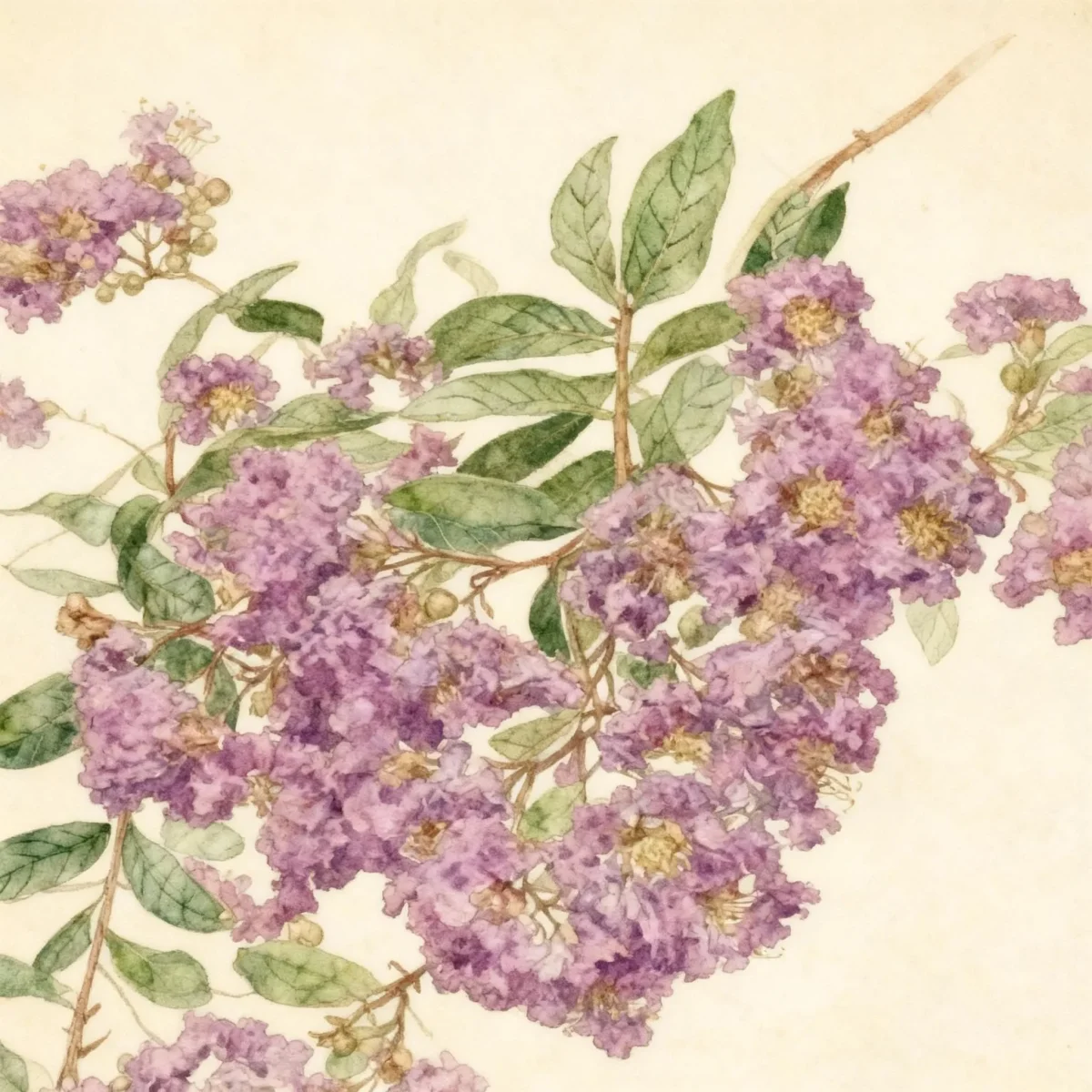
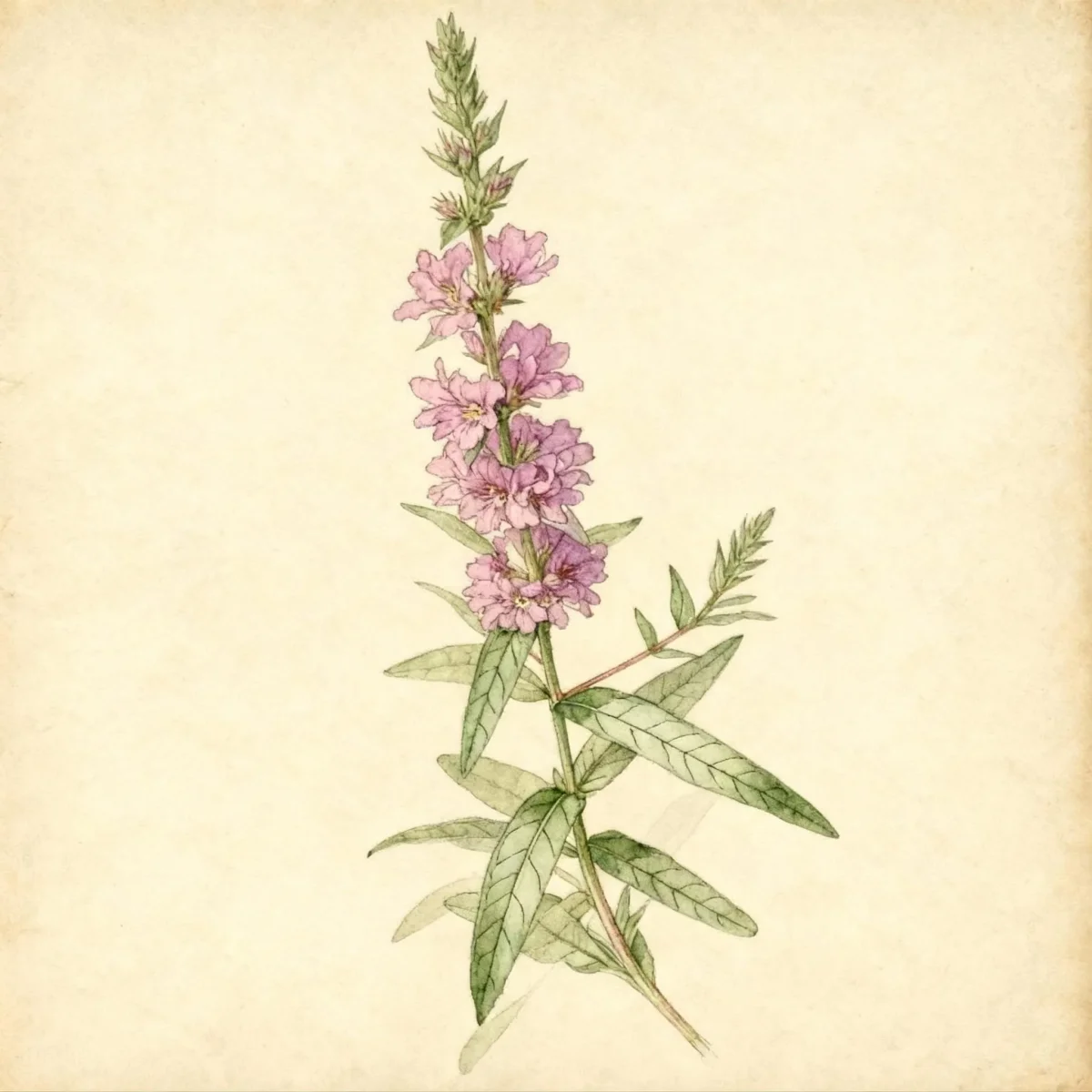
Purple loosestrife (Lythrum salicaria)
Spectacular magenta spikes define Lythrum salicaria (Purple loosestrife), a vigorous perennial for wet soils in Zones 4-9.
Scroll down to discover growing tips, care requirements, companion plants, and more
Complete Plant Information
Overview
Lythrum salicaria, widely known as purple loosestrife, is a commanding, clump-forming wetland perennial recognized for its spectacular display of dense, magenta flower spikes lasting from mid-summer well into autumn. Native to Europe and temperate Asia, this species established itself in North American wetlands beginning in the early 1800s. While admired for its aesthetic appeal in full bloom, the aggressive nature of Lythrum salicaria requires careful consideration before planting.
This herbaceous perennial typically reaches heights between two and four feet on stiff, upright stems. The leaves are lance-shaped and arranged oppositely or in whorls of three along those sturdy stems. It thrives in moist environments, making the genus a strong candidate for water features or bog gardens where sunlight is ample.
Gardeners must be acutely aware that the species form of Lythrum salicaria is categorized as a noxious weed in many regions due to its invasiveness, rapidly colonizing wet areas and displacing native flora. For areas where it is legally permissible to grow, responsible management involves deadheading to prevent prolific self-seeding and potentially opting for sterile cultivars.
Fast Facts
- Plant Family: Lythraceae
- Plant Type: Herbaceous perennial
- Native Range: Europe, temperate Asia
- Hardiness Zones: USDA Zones 4-9
- Size at Maturity:
- Height: 2-4 ft
- Spread: 2-4 ft
- Bloom Time: May to September
- Bloom Description: Magenta
- Sun Exposure: Full sun
- Water Needs: Medium to wet
- Maintenance Level: Medium
How to Grow
Site Lythrum salicaria in areas receiving full sun for the best flowering performance, although light shade is tolerated at the edges of its range. The most crucial factor for this plant is soil moisture; it performs exceedingly well in consistently medium to wet soils, making it ideal for pond margins or bog gardens. Planting is best accomplished in spring, allowing the plant time to establish its root system before summer heat arrives.
Maintenance for purple loosestrife primarily revolves around controlling its spread. If you are growing it where legal, flowering spikes must be diligently deadheaded immediately after bloom. This practice is essential to prevent the prodigious amounts of seed produced from successfully self-sowing.
For a tidy appearance, plants may be sheared back completely to the ground following the flowering period, or if insect damage makes the foliage look tattered mid-summer. If sheared in mid-summer, expect fresh foliage to return within two weeks, sometimes rewarding the gardener with a small secondary bloom flush in the fall. Remember that plants are often most invasive when situated in very wet soils.
Landscape Uses
The inherent love of water displayed by Lythrum salicaria positions it perfectly as a water plant, flourishing along the edges of ponds, slow-moving streams, or in dedicated low-lying bog gardens that retain moisture. When situated legally and responsibly, these tall spikes add essential vertical lines to the summer landscape, complementing softer textures nearby.
While the species plant is highly discouraged due to invasiveness, gardeners seeking similar dramatic height and bloom density should look toward sterile cultivars suitable for edging water features or naturalizing in designated wet meadows. Avoid planting purple loosestrife near natural waterways where dispersal is uncontrolled.
If used cautiously, consider pairing magenta spikes with deep green, broad-leafed marginal plants that are less prone to aggressive spreading, ensuring that the Lythrum salicaria remains contained within its intended area. Its upright form contrasts nicely with low-growing sedges or iris varieties adapted to wet conditions.
Standout Features
Flower Qualities
- Showy
Noteworthy Characteristics
Lythrum salicaria, commonly called purple loosestrife, is a clump-forming wetland perennial that is native to Europe and Asia. It is believed to have been first introduced into the U.S. From seed contained in ships’ ballast, and it became established in certain estuaries in the northeastern states by the early 1800s. Although many alien invasive plants have naturalized by escaping gardens, purple loosestrife basically began naturalizing on its own in rural areas. In full flower, a colony of purple loosestrife produces spectacular bloom. The problem is that it is so invasive that it can rapidly colonize wet areas and both choke out native vegetation and destroy wildlife habitat.
Tolerances
- Japanese beetles
- Slugs
- Snails
Potential Problems
Species plants must be avoided as Lythrum salicaria is very invasive and should not be intentionally planted where it can escape cultivation. Even when legal to grow, garden strains can occasionally revert or interbreed. Pests such as Japanese beetles have been noted to attack both the foliage and the vibrant magenta flowers of purple loosestrife. Furthermore, the soft, moist growth habit can make the plant susceptible to damage from slugs and snails, requiring vigilance in preventative garden care.
Frequently Asked Questions
What hardiness zones is Purple loosestrife suitable for?
Lythrum salicaria is hardy across a wide range, thriving in USDA Zones 4 through 9.
How large does Purple loosestrife grow?
This perennial typically achieves a height between 2 and 4 feet, with a corresponding spread of 2 to 4 feet.
What sun exposure does Lythrum salicaria need?
For optimal performance and robust blooming, purple loosestrife requires full sun exposure.
When does Lythrum salicaria bloom?
This plant offers a long season of color, blooming from May through September, distinguished by its dense spikes of magenta flowers.
Conclusion
Despite the visual appeal generated by vertical magenta spikes, gardeners must approach Lythrum salicaria with extreme caution due to its invasive potential; sterile cultivars are the only responsible choice where legal planting is permitted. Always confirm local regulations regarding the cultivation of purple loosestrife before introducing it to your landscape. Planning planting for spring ensures the best chance for establishment in your medium to wet soil conditions.
Companion Planting
When selecting companions for Lythrum salicaria—assuming a legal and contained installation—priority should be given to other moisture-loving plants that share a preference for full sun. Plants like various Louisiana Iris cultivars, Siberian Iris, or upright rushes (Scirpus species) provide excellent textural variance while sharing similar hydrologic needs. These companions help buffer the visual impact of the dense spikes and fill in space around the base.
Be mindful that heavy competition from neighbors can sometimes exacerbate pest issues. Choose companions that are robust, like certain ornamental grasses or robust astilbes (in slightly less saturated soil), which can withstand the aggressive rooting habit of the purple loosestrife without being overwhelmed themselves. Ensure companions do not spread seed into the same areas where Lythrum salicaria might establish unwanted progeny.
Wildlife Benefits
Although controversial ecologically due to its invasive nature, the dense flower spikes of Lythrum salicaria do provide substantial nectar sources during the mid-to-late summer season when many other native flowers have faded. Butterfly species, in particular, are often seen visiting the magenta florets for convenient refueling.
The dense, tall growth structure can also offer significant cover for small wetland wildlife, including frogs and certain ground-nesting birds, particularly near established water bodies. However, it is paramount to stress that this structural benefit often comes at the cost of native plant diversity, as the plant chokes out essential food sources for local insect populations adapted to native wetland flora.