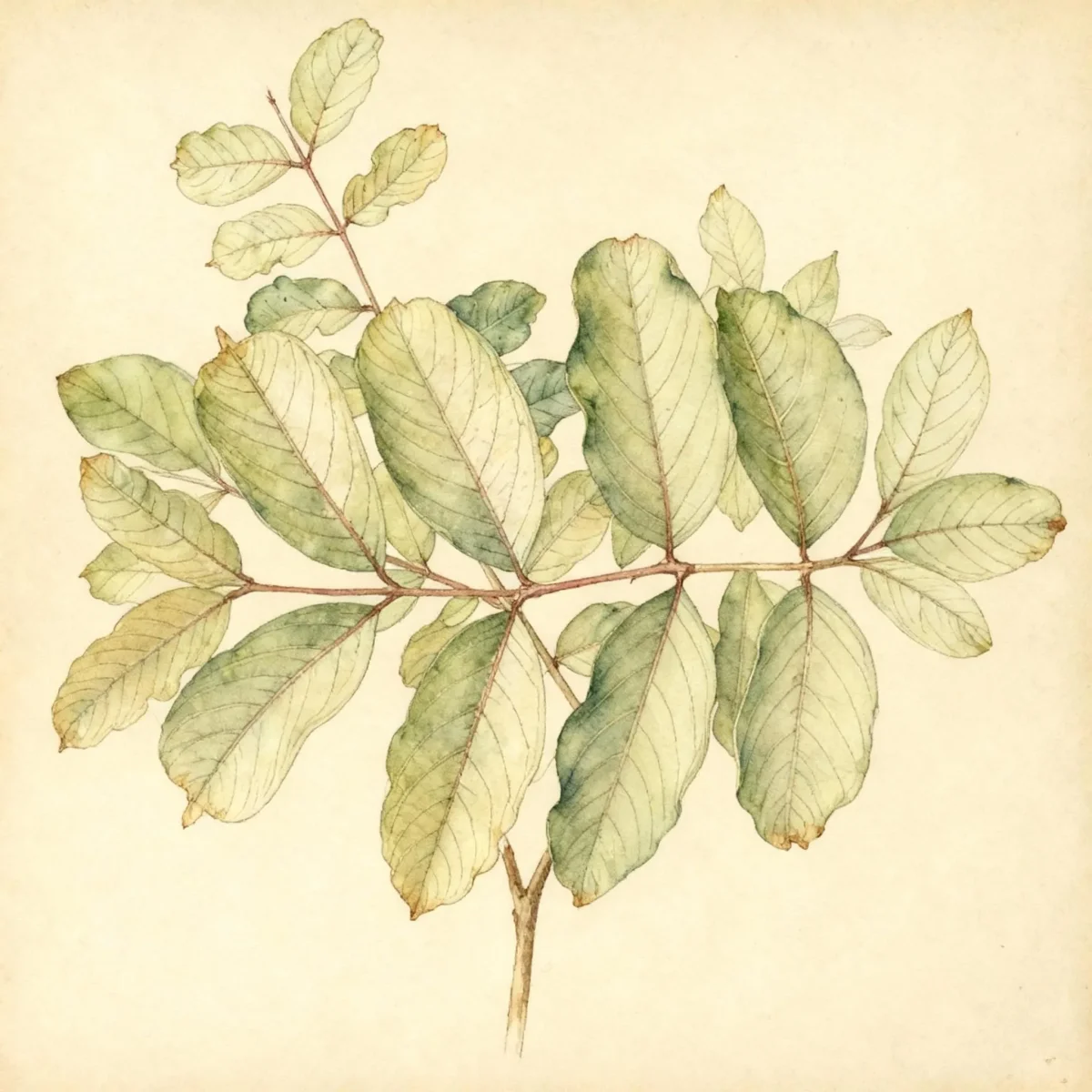
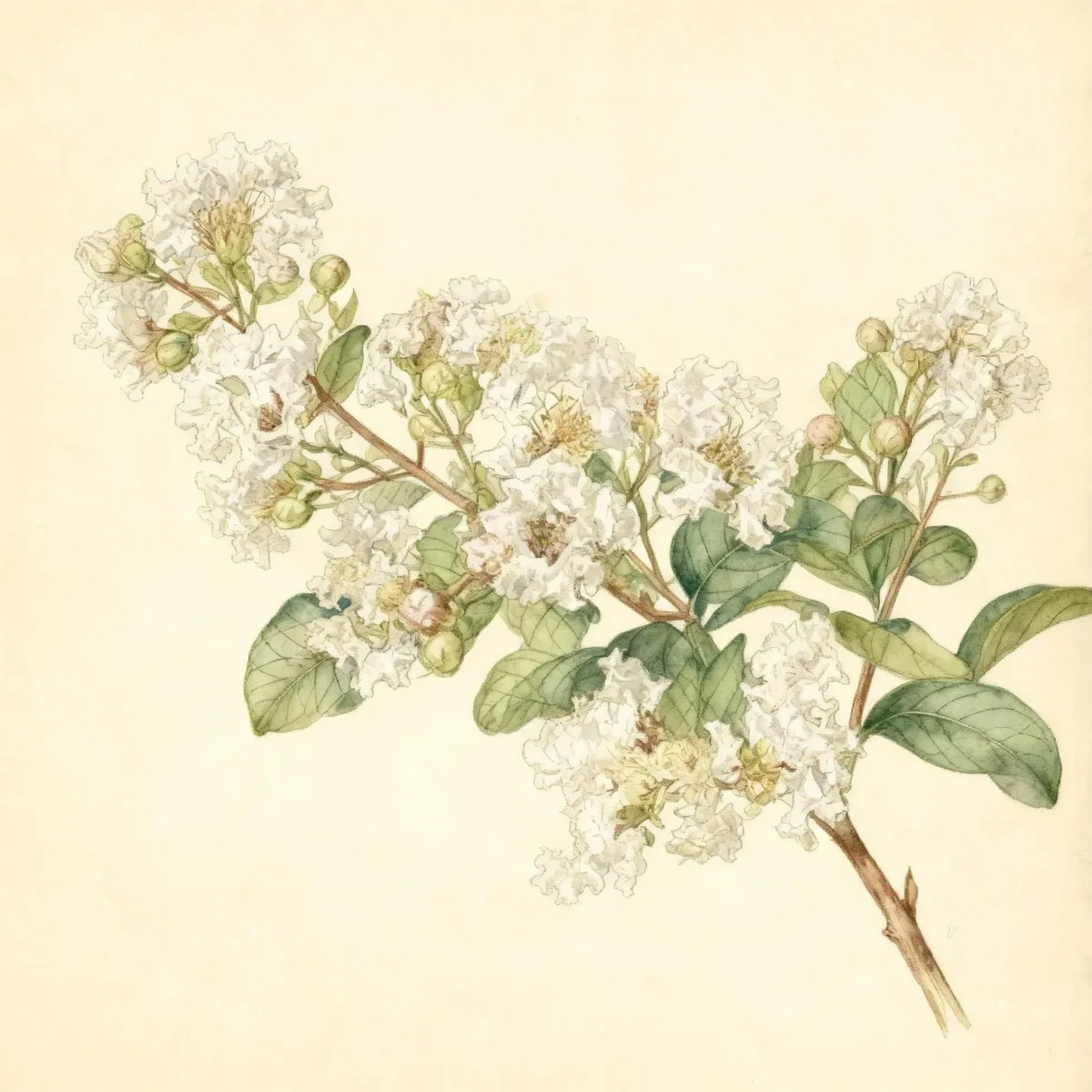
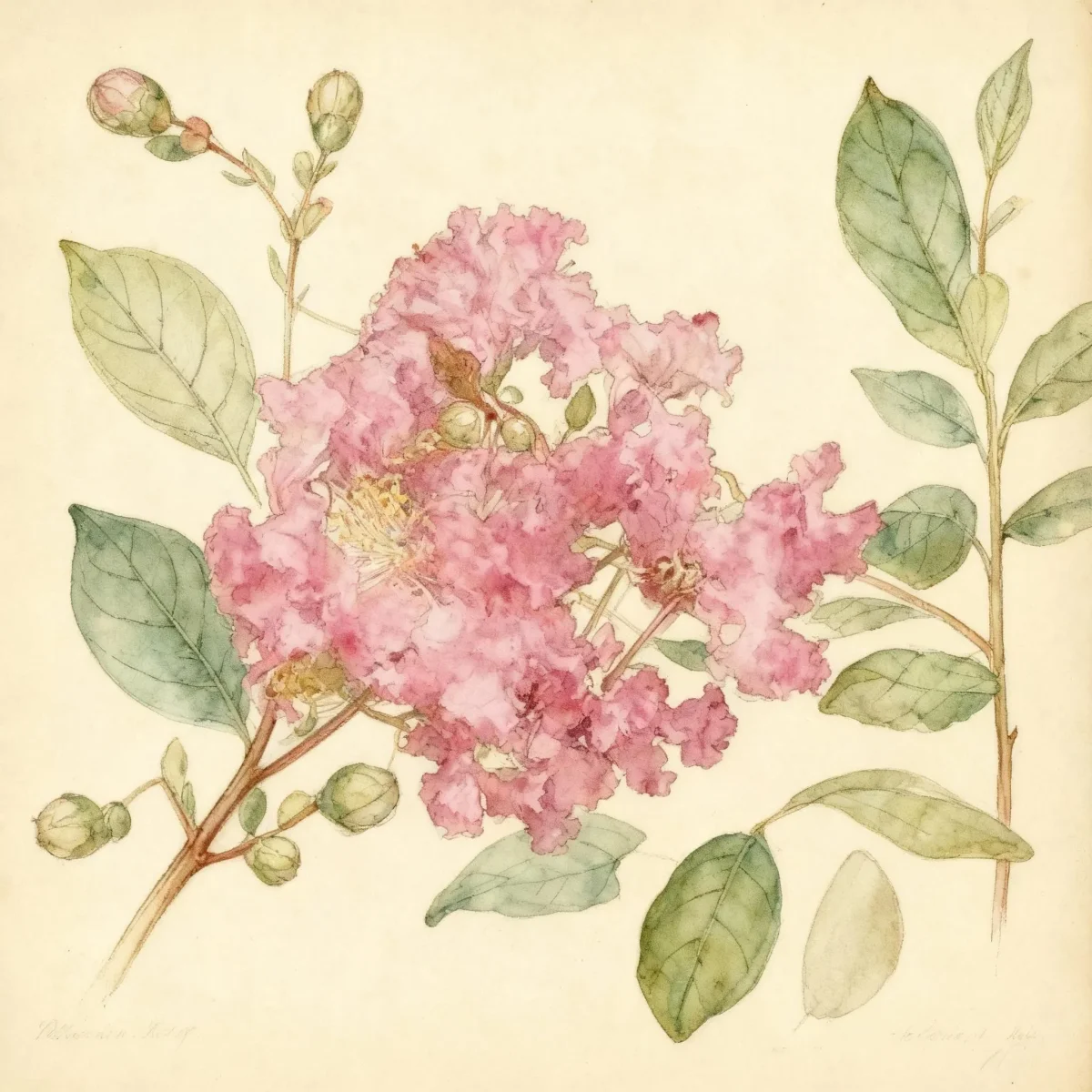
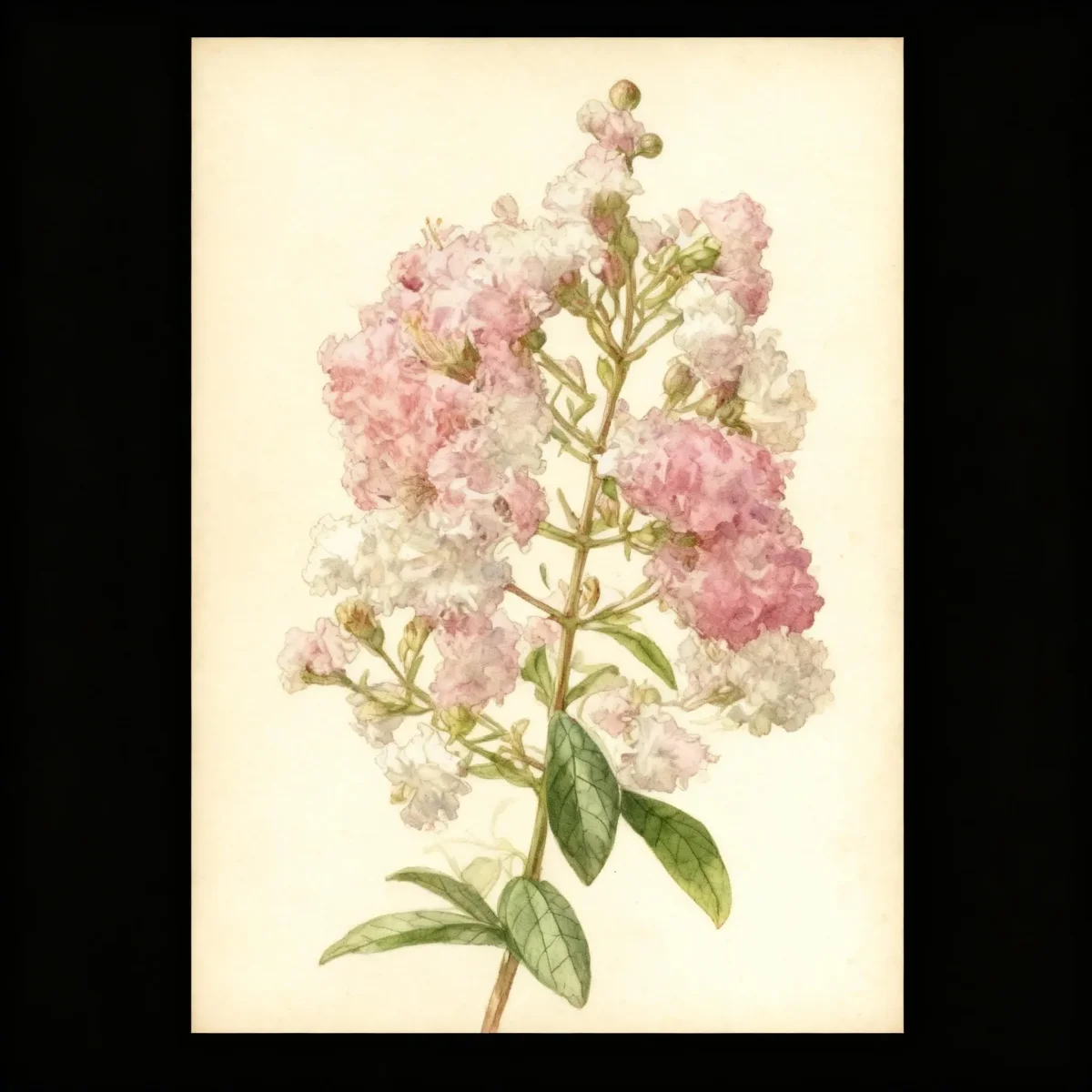
Blue waxweed (Cuphea viscosissima)
Blue waxweed (Cuphea viscosissima) is a low-maintenance annual featuring sticky stems and attractive purple-red summer blooms.
Scroll down to discover growing tips, care requirements, companion plants, and more
Complete Plant Information
Overview
Cuphea viscosissima, widely known by its common name Blue waxweed, offers gardeners a delightful, low-input option for late-season color. This herbaceous annual brings an appealing texture due to its sticky hairs, which gives rise to its alternate name, Clammy cuphea. It is highly valued for its persistent flowering period, ensuring vibrant purple-red spikes across the garden well into the autumn when many other plants have faded.
Native to open woods and fields across the Eastern and Central US, Cuphea viscosissima thrives in full sun and adapts well to average soil conditions. Its compact size makes it versatile, suitable for filling borders or softening container edges. Furthermore, the narrow, tubular flowers are a magnet for hummingbirds and butterflies, increasing biodiversity in your yard.
Growing Blue waxweed means choosing a plant known for its resilience; it tolerates dry conditions once established and requires minimal attention. Whether you are designing an informal meadow using its naturalizing ability or seeking reliable texture for a summer bedding scheme, Cuphea viscosissima delivers reliable performance with low maintenance demands.
Fast Facts
- Plant Family: Lythraceae
- Plant Type: Annual
- Native Range: Eastern and central United States
- Hardiness Zones: USDA Zones 6-9
- Size at Maturity:
- Height: 1-2 ft
- Spread: 0.75-1.5 ft
- Bloom Time: July to October
- Bloom Description: Purple to purplish-red
- Sun Exposure: Full sun
- Water Needs: Medium
- Maintenance Level: Low
How to Grow
To establish Blue waxweed, plant seeds directly into the garden or containers after the danger of the last spring frost has passed. For best results, site Cuphea viscosissima in an area receiving full sun, though it tolerates light shade gracefully. The ideal soil is average, moderately fertile, and requires good drainage; avoid constantly soggy conditions.
Watering requirements for this annual are moderate. While it appreciates consistent moisture, Blue waxweed possesses a commendable tolerance for dry periods once its roots are established. Avoid over-watering, which can increase the risk of foliar diseases. Fertilization is rarely necessary; rich soils can encourage excessive foliage growth at the expense of flowers.
For gardeners keen on an earlier display, seeds of Cuphea viscosissima can be started indoors 10 to 12 weeks before the expected last frost date. If grown in its hardy zones (6-9), the plant has a tendency to self-seed, allowing it to naturalize readily in informal settings the following year. Minimal pruning is generally required, as the plant naturally maintains a pleasing, upright habit.
Landscape Uses
Blue waxweed excels as a versatile filler plant throughout the landscape. Use it to create low, consistent borders along walkways or paths where its sticky foliage and summer blooms can be easily appreciated. It also functions wonderfully as an annual component in container plantings set on decks or patios, providing vertical interest among trailing companions.
Consider allowing Cuphea viscosissima to naturalize in meadows or open butterfly gardens. Its ability to spread slightly via self-seeding creates a charming, informal tapestry of color throughout the late season. Pair it with plants that share similar medium water needs and full sun requirements, such as Zinnias or shorter Salvias, for cohesive drifts of summer interest. In bedding schemes, its upright structure contrasts nicely with mounding or spreading groundcovers.
Standout Features
Flower Qualities
- Showy
Noteworthy Characteristics
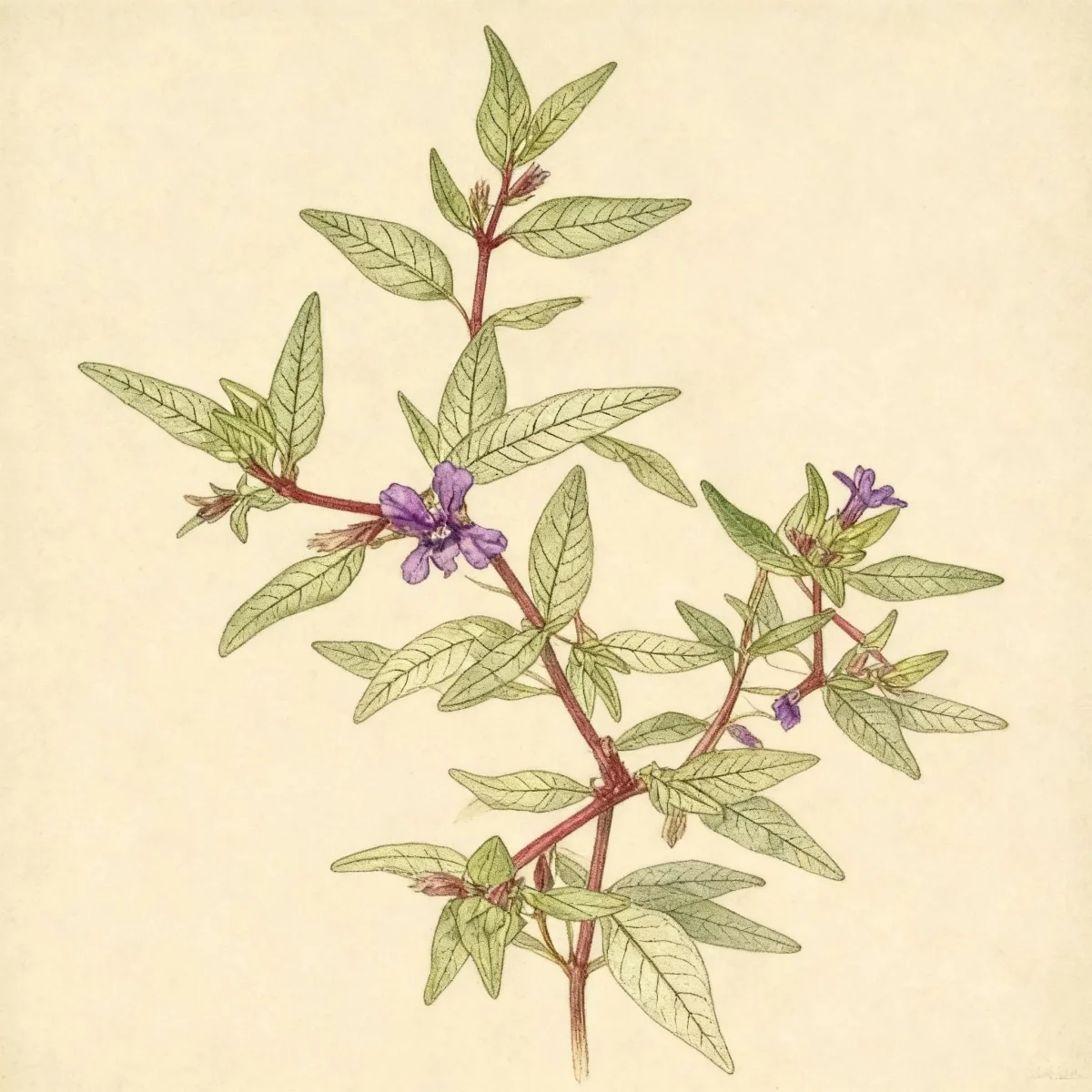
Cuphea viscosissima, commonly known as blue waxweed, clammy cuphea or tarweed, is a viscid-pubescent, somewhat weedy, herbaceous annual of the loosestrife family that produces attractive, narrow-tubular, purple to purplish-red flowers from July to October from the upper leaf axils on 10-20” tall purple-tinged stems clad with broad lanceolate leaves. Stems, leaves and flowers are covered with sticky hairs giving rise to the common name of clammy cuphea. This plant is native to open woods, glades, prairies, fields, rocky barrens, roadsides and waste places from New Hampshire to Nebraska south to Florida and Louisiana. The blooms are attractive to hummingbirds, butterflies, and other insect pollinators.
Tolerances
- Tolerates dry conditions
Potential Problems
Cuphea viscosissima is generally regarded as a tough plant, presenting no serious insect or disease problems when grown in appropriate conditions. The main potential aesthetic issue is the possibility of leaf spot, especially in highly humid or persistently damp environments. To mitigate this, ensure excellent air circulation around the plants and avoid overhead watering late in the day. Good cultural practices—providing full sun and avoiding overly rich soil—will keep Blue waxweed healthy throughout its season.
Frequently Asked Questions
What hardiness zones is Blue waxweed suitable for?
USDA Zones 6 through 9 are recommended for consistent annual performance and reliable self-seeding of Cuphea viscosissima.
How large does Blue waxweed grow?
This plant typically reaches a height between 1 and 2 feet and spreads approximately 0.75 to 1.5 feet wide at maturity.
What sun exposure does Cuphea viscosissima need?
Full sun is the ideal condition for abundant flowering, although Blue waxweed is tolerant enough to handle light shade.
When does Cuphea viscosissima bloom?
It produces its signature purple to purplish-red flowers consistently from July all the way through October.
Conclusion
The tenacious nature and beautiful, long-lasting blooms make Blue waxweed (Cuphea viscosissima) an indispensable annual for late-summer and fall gardens. Its low maintenance requirements and attraction to vital pollinators like hummingbirds add significant ecological value. Before planting, confirm that your location falls within USDA Zones 6-9 or treat it as a seasonal annual, and plan your planting around the last spring frost date for optimal establishment.
Wildlife Benefits
The tubular, nectar-rich flowers of Cuphea viscosissima are perfectly structured to attract specific pollinators critical to garden health. From mid-summer onward, its persistent blooming cycle provides a reliable food source when other nectar supplies might be dwindling.
Gardeners focused on attracting wildlife should intentionally incorporate the flowers of Blue waxweed into their designs. Hummingbirds are particularly drawn to the shape and color of the blooms, leading to frequent garden visits. Likewise, butterflies utilize the flowers, supporting local insect populations throughout the late growing season.
Companion Planting Strategies
Because Cuphea viscosissima prefers average moisture and full sun, companion plants should share these moderate needs to ensure a harmonious growing environment. Integrate it with other drought-tolerant sun lovers that bloom later in the season, such as ornamental grasses or Sedums, which offer textural contrast without competing aggressively for resources.
For container arrangements, use the upright habit of Blue waxweed as the ‘thriller’ element. Pair it with mounding silver foliage plants like Artemisia or trailing trailers like sweet potato vine that spill over the edges. This combination utilizes the visual structure provided by Cuphea viscosissima while keeping maintenance routines consistent across all plants in the pot.