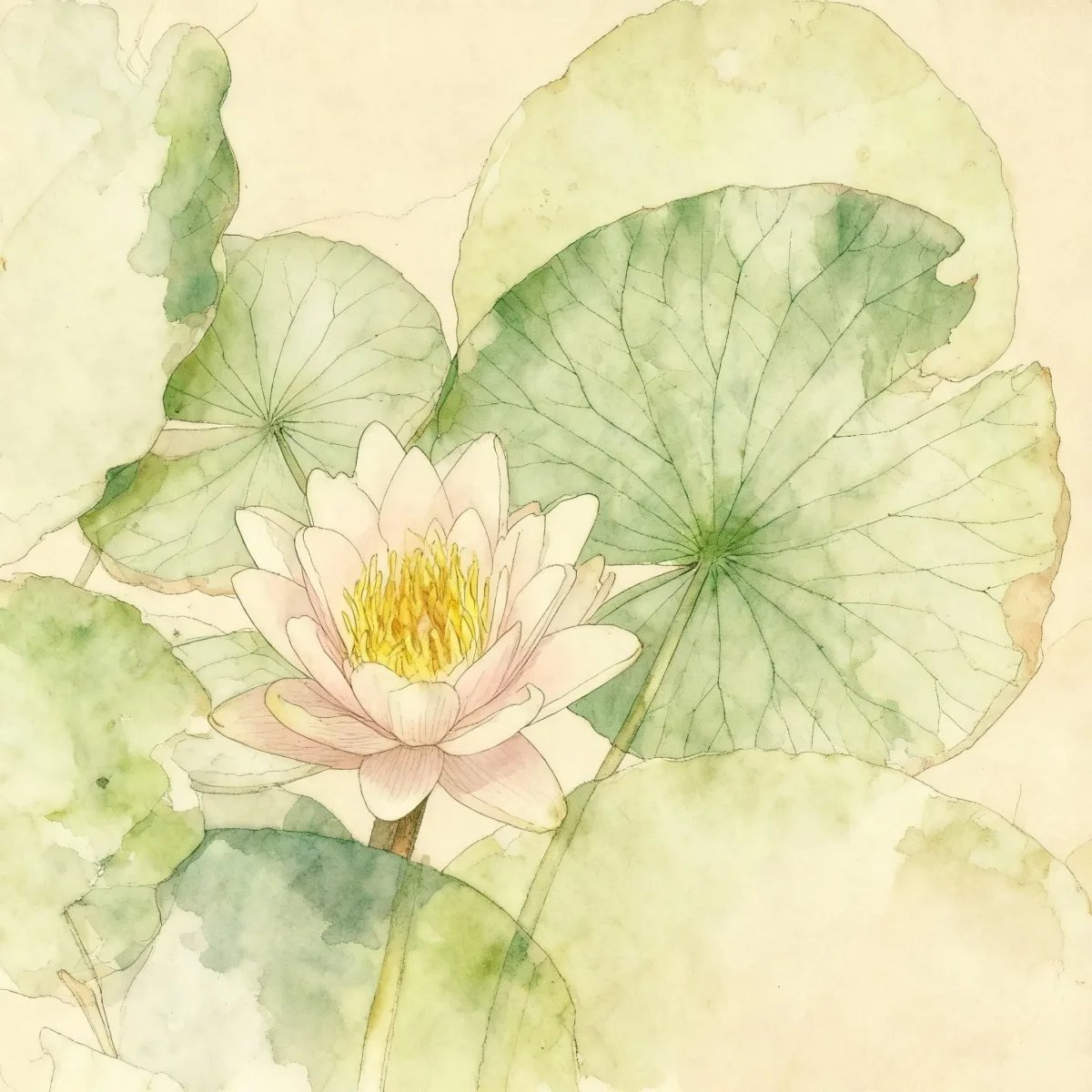
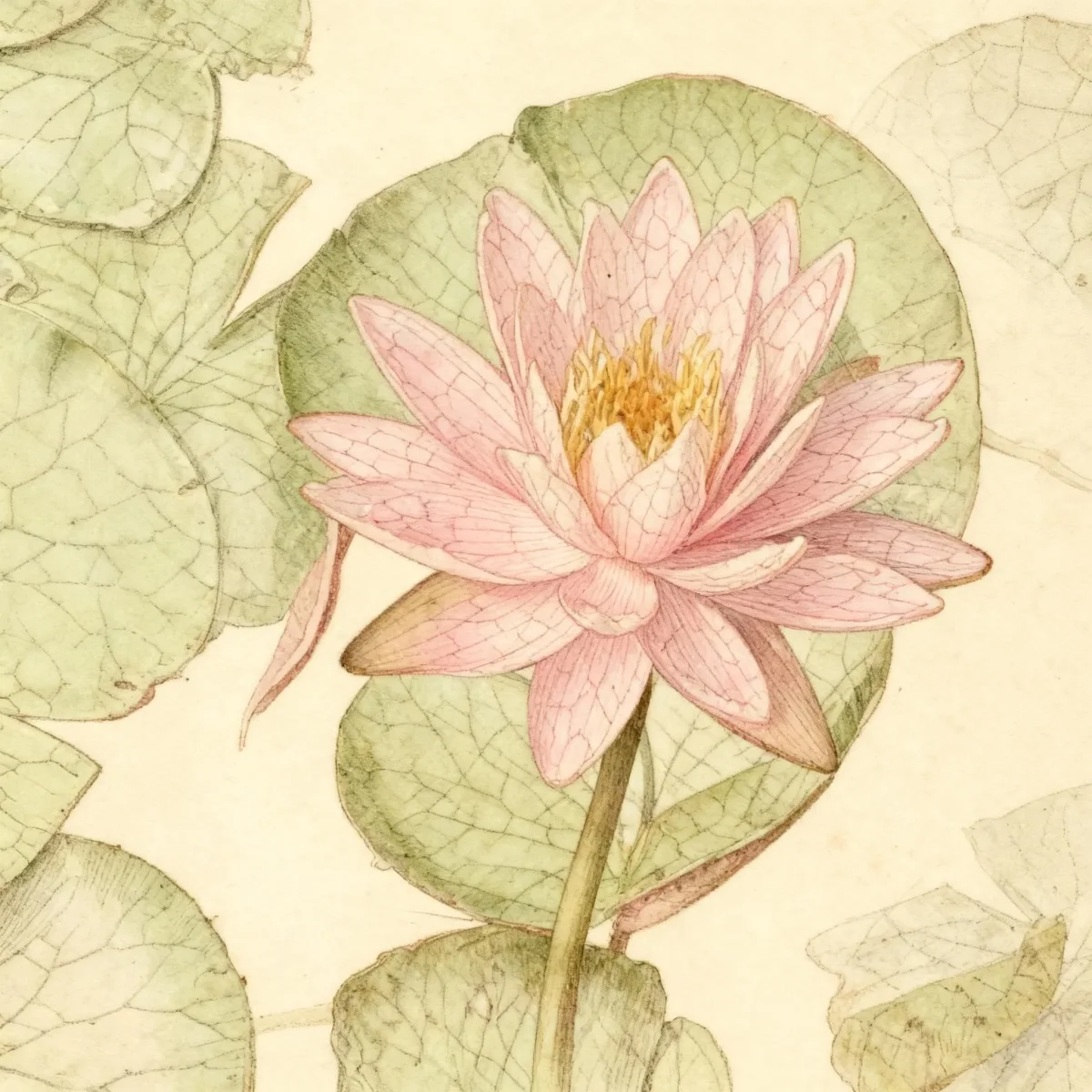
Swamp loosestrife (Decodon verticillatus)
Decodon verticillatus, or Swamp loosestrife, is a striking 6-8 ft native perennial thriving in wet soils with showy pink blooms.
Scroll down to discover growing tips, care requirements, companion plants, and more
Complete Plant Information
Overview
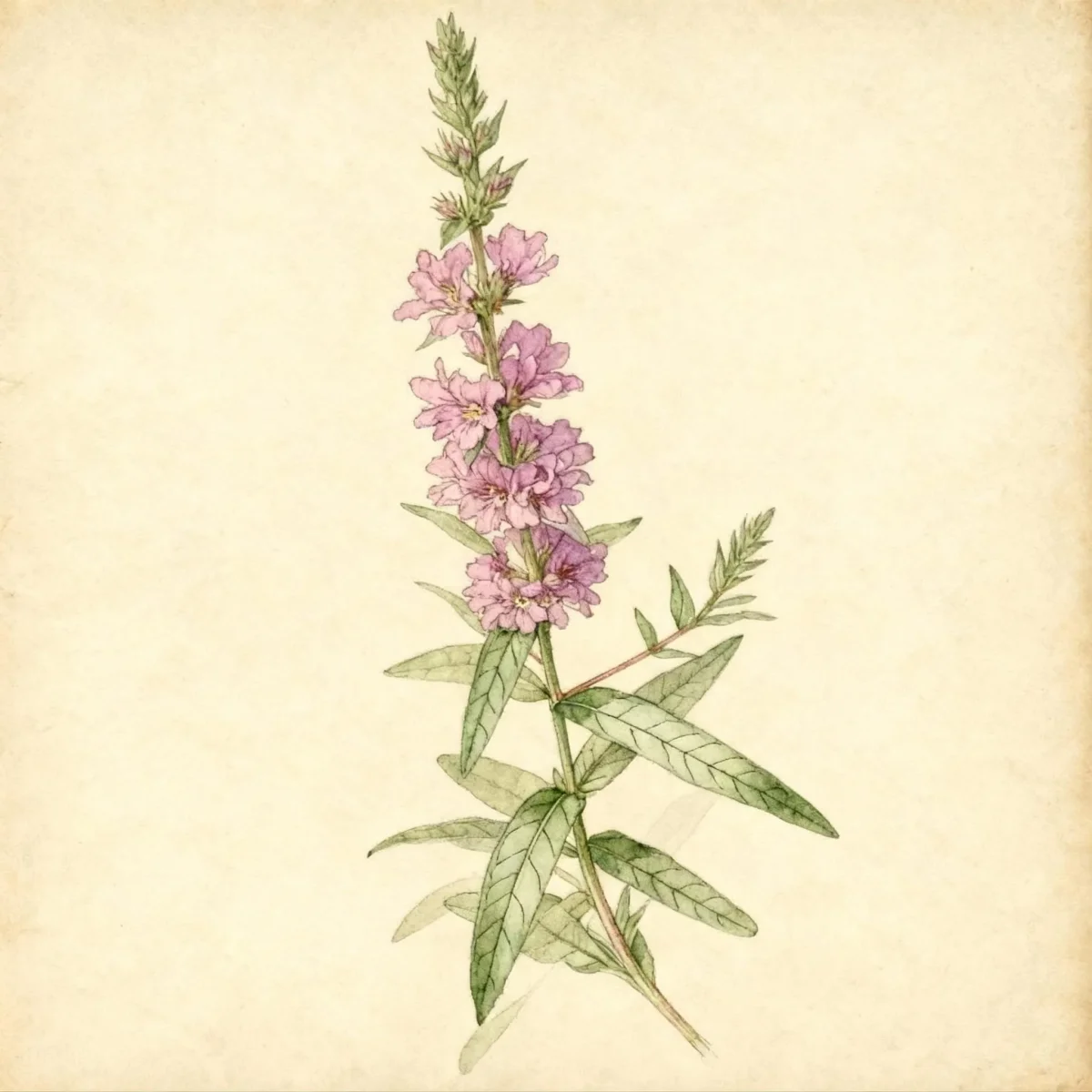
Decodon verticillatus, commonly known as Swamp loosestrife, is a distinctive, woody-based sub-shrub perfect for aquatic and saturated landscapes. It provides dramatic vertical structure, reaching 6 to 8 feet tall, showcasing graceful, willow-like foliage that arches attractively over the water’s edge. This beautiful native perennial promises vibrant color during mid-summer with masses of appealing, rose-purple flowers.
This vigorous plant is fundamentally a wetland specialist, thriving where many garden species fail. Decodon verticillatus establishes quickly and can colonize damp ground effectively, making it an excellent choice for large-scale naturalization projects near ponds, marshes, or streams. It offers significant aesthetic value as an emergent aquatic plant along shorelines throughout its eastern North American range.
Gardeners utilizing Swamp loosestrife should plan for its substantial size and rapid spread. It is best suited for large, informal landscapes where its preference for wet, sunny locations can be fully accommodated. The plant rewards attention with its long bloom period and attractive fall color transformation in the leaves.
Fast Facts
- Plant Family: Lythraceae
- Plant Type: Herbaceous perennial
- Native Range: Eastern and central North America
- Hardiness Zones: USDA Zones 3-9
- Size at Maturity:
- Height: 6-8 ft
- Spread: 6-8 ft
- Bloom Time: July to August
- Bloom Description: Pink to rose-purple
- Sun Exposure: Full sun to part shade
- Water Needs: Wet
- Maintenance Level: Medium
How to Grow
The best time to establish Decodon verticillatus is during spring, ensuring the plant has the entire growing season to anchor itself in its preferred habitat. This species demands moist to wet soils and performs best in full sun, although it will tolerate some part shade. It thrives in marshes, bogs, and the saturated mucky banks of water bodies.
Once established, supplemental watering is rarely needed as Swamp loosestrife prefers to stand in shallow water—up to 24 inches deep—or chronically saturated ground. Fertilization is usually unnecessary given its native wetland environment. Maintenance is generally light, but be aware that this plant spreads rapidly by cloning wherever stem tips contact moist soil or water.
Due to its spreading habit, careful placement is essential; it is not suitable for small or manicured borders. Pruning is generally not required, though stems may be cut back in late winter or early spring before new growth begins. Fall cleanup can be minimized, as the leaves sometimes display attractive red, orange, and yellow tones before dropping.
Landscape Uses
Decodon verticillatus excels as a waterside plant where its impressive height and arching stems provide structural interest along naturalized shorelines, ponds, or slow-moving streams. Since it can serve as an emergent aquatic, it is invaluable for stabilizing banks against erosion in perpetually wet areas. This species is explicitly noted as not being a good selection for small gardens due to its vigorous, 6 to 8-foot presence.
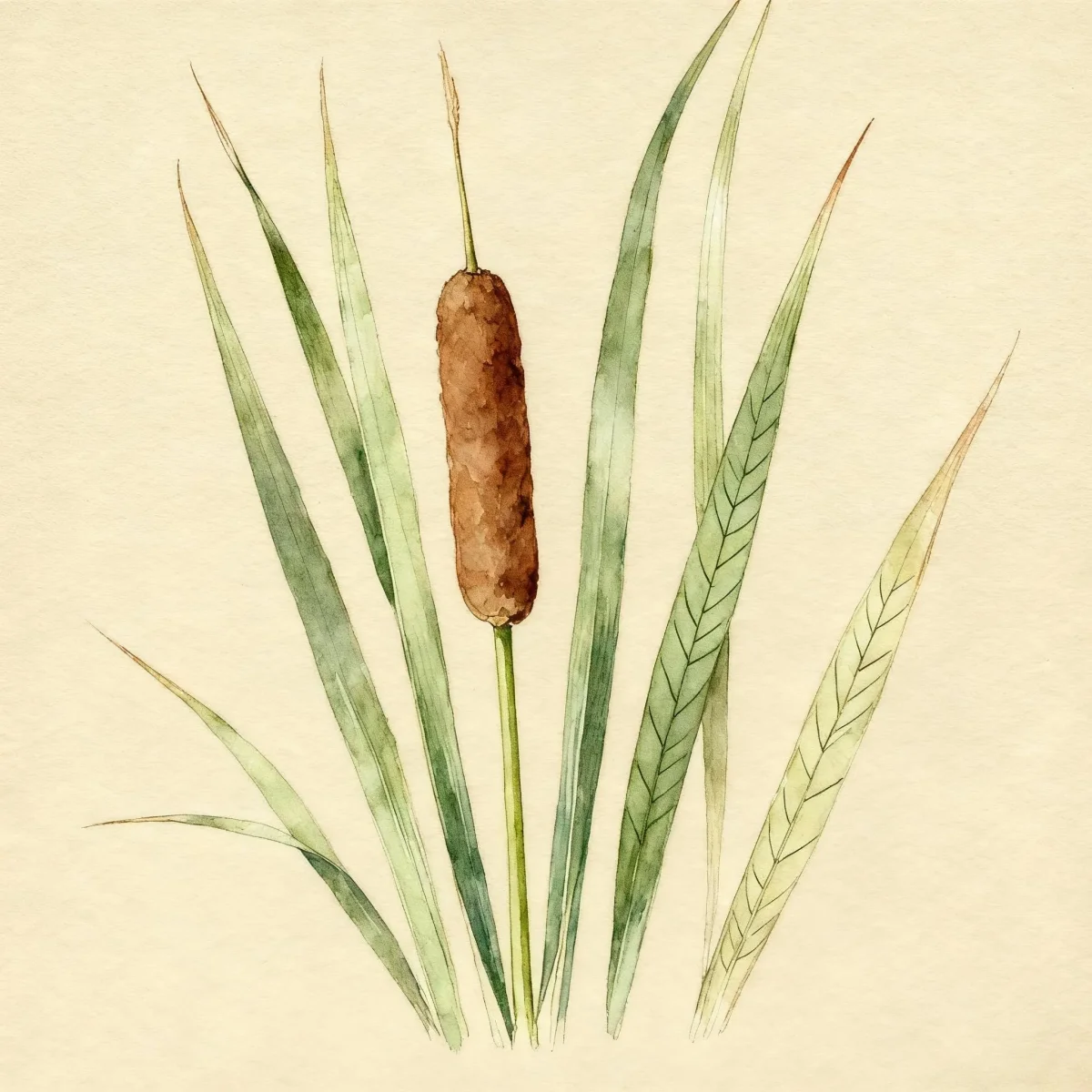
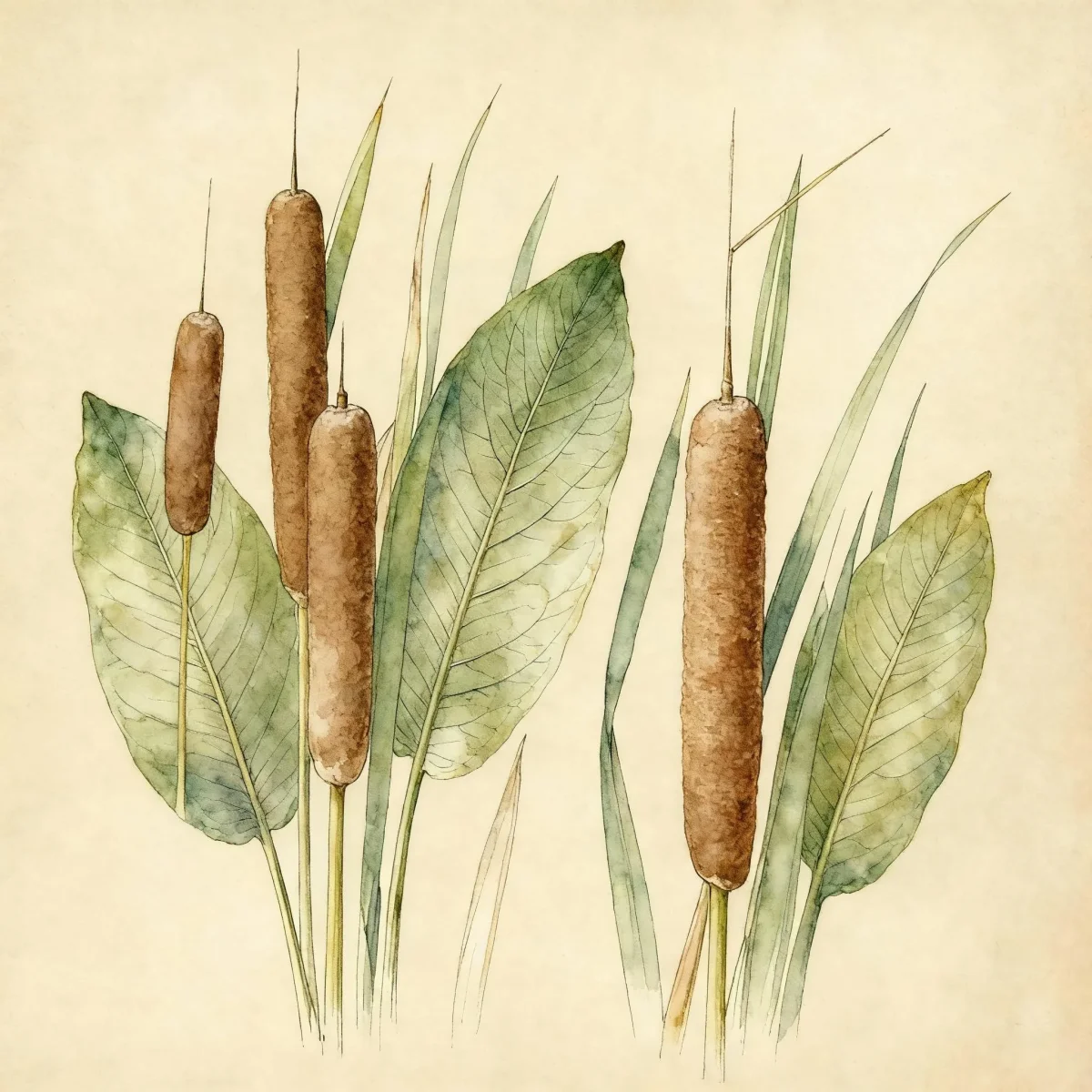
For larger landscapes requiring screening or a natural hedge effect near water, grouping Swamp loosestrife creates a beautiful, informal barrier. Its use as a water plant helps create habitat and defines the edge between land and water features organically. Companion planting should focus on other moisture-loving species that can handle similar conditions, such as irises or cattails positioned slightly further back from the deepest water.
Consider planting in masses to fully realize its naturalizing potential. The wand-like stems, clad with willow-like leaves, offer texture that contrasts nicely with coarser wetland foliage when used in broader visual displays near lakes and streams.
Standout Features
Flower Qualities
- Showy
Noteworthy Characteristics
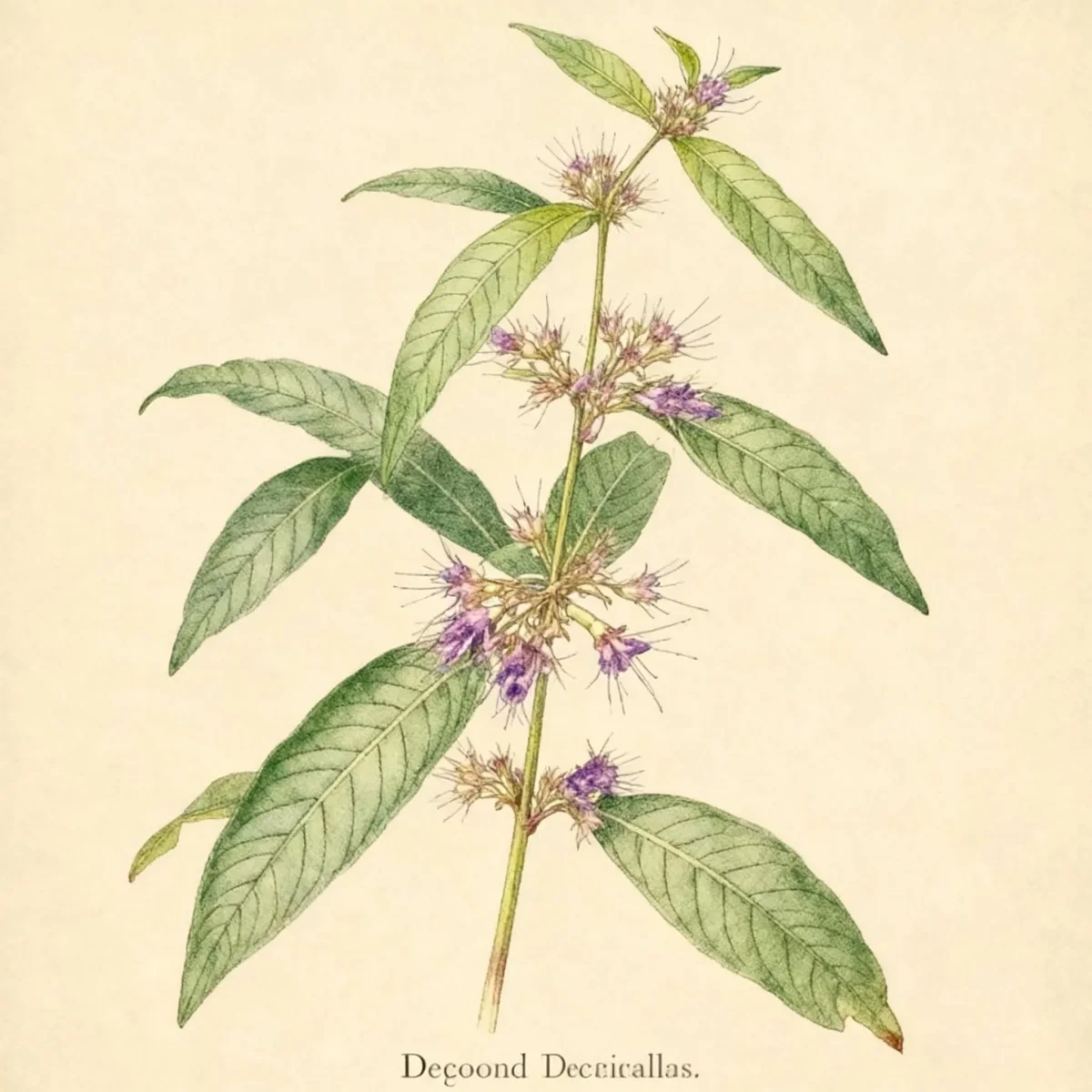
Decodon vertilicillatus, commonly known as swamp loosestrife or water willow, is a multi-stemmed, woody-based, sub-shrub that typically grows to 6-8’ tall in a variety of wetland areas ranging from swamps to areas where plants are partially submerged in standing water to as much as 24” deep. It is native to marshes, water margins, peaty bogs, sloughs, swamps and shorelines along ponds, small lakes and fens, from Ontario and central Maine south to Florida and Louisiana north along the Mississippi River to the Missouri bootheel and southern Illinois. Showy, bell-shaped, five-petaled, deep pink to rose-purple flowers (1” across) bloom in dense clusters in the upper leaf axils during July-August.
Tolerances
- Wet Soil
Potential Problems
Swamp loosestrife generally demonstrates excellent resilience, suffering from no serious insect or disease problems under ideal wetland conditions. However, in certain regions, Japanese beetles may cause localized damage by chewing the foliage. If beetles become problematic, physical removal or targeted treatment options should be considered early in the season to protect the aesthetic quality of the leaves.
Frequently Asked Questions
What hardiness zones is Swamp loosestrife suitable for?
Decodon verticillatus is highly adaptable, thriving primarily in USDA Zones 3 through 9.
How large does Swamp loosestrife grow?
This vigorous perennial typically matures to a height between 6 and 8 feet, with a comparable spread of 6 to 8 feet, forming noteworthy clumps.
When does Swamp loosestrife bloom?
You can expect the showy, five-petaled flowers of this plant, colored pink to rose-purple, to appear throughout July and August.
What sun exposure does Swamp loosestrife need?
For optimal growth and flowering, Decodon verticillatus requires full sun, although it will persist successfully in sites receiving part shade.
Conclusion
The Swamp loosestrife offers tremendous value for large, water-adjacent gardens needing native structure and mid-summer color. Its ability to handle submerged root zones makes Decodon verticillatus a reliable cornerstone for pond edge plantings and wetland restoration. Ensure you have sufficient space and permanent moisture before planting to accommodate its vigorous, naturalizing character.
Wildlife Benefits
As a native North American wetland plant, Decodon verticillatus provides crucial habitat and resources within aquatic ecosystems. Its dense, multi-stemmed structure offers excellent cover for amphibians and other small wetland creatures seeking refuge near the water’s edge. The prominent flowers appearing in July and August are attractive to various pollinators during the peak summer months.
Propagation Tips
Propagating Swamp loosestrife is straightforward due to its aggressive clonal reproduction habits. The easiest method involves taking cuttings from the stem tips, particularly during the growing season, and placing them directly into moist soil or shallow water where they will readily root. Division of established clumps is also effective in spring, allowing you to manage or expand populations effectively within your desired wet landscape areas.