Tulip tree (Liriodendron tulipifera)
The stately Liriodendron tulipifera, or Tulip tree, offers striking spring blooms and rich fall color. A magnificent shade tree for large areas.
Scroll down to discover growing tips, care requirements, companion plants, and more
Complete Plant Information
Overview
The Liriodendron tulipifera, widely known as the Tulip tree, stands as one of the most majestic and fastest-growing native deciduous trees in Eastern North America. Renowned for its sheer scale and stately habit, this species is invaluable for providing significant vertical presence and substantial summer shade in large landscapes. Its unique, tulip-shaped flowers, though often high in the canopy, are a spectacular sight when they appear in late spring.
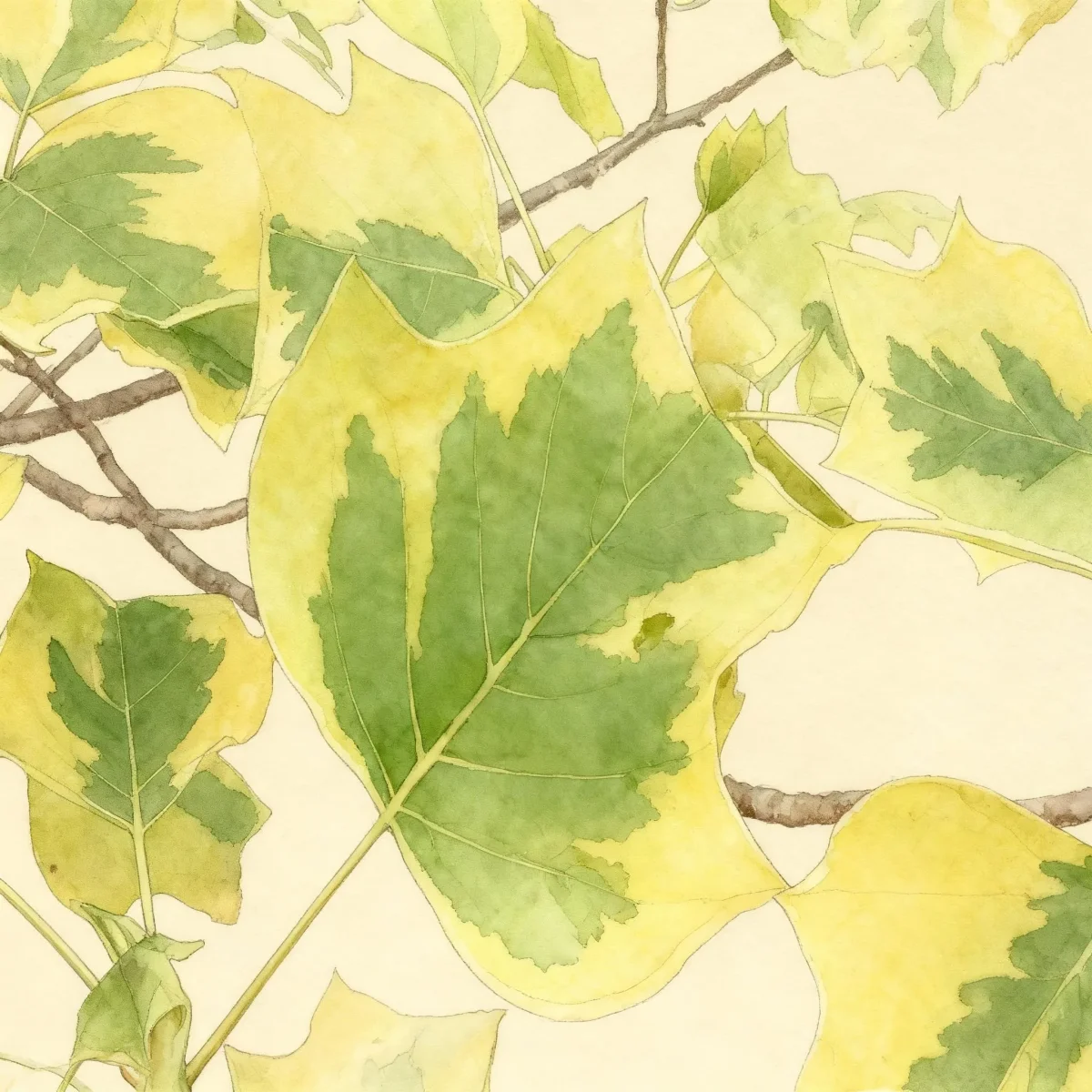
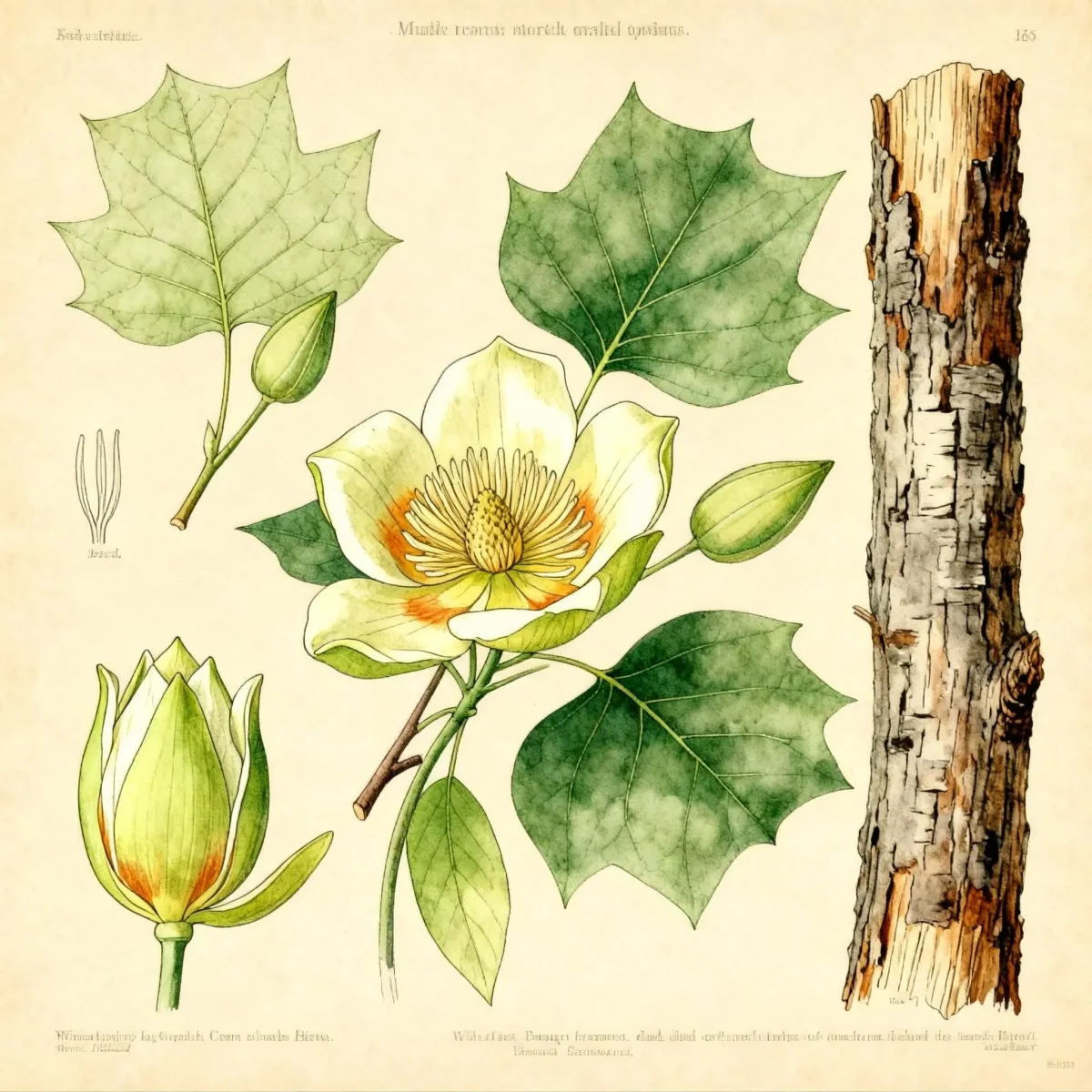
Mature specimens of Liriodendron tulipifera can easily reach heights of 60 to 90 feet, boasting straight trunks in their native habitat that historically supported dugout canoes. Beyond its structure, the Tulip tree offers excellent seasonal interest, including bright green, four-lobed leaves that transition to a clear golden yellow in autumn. For gardeners with ample space, this tree offers a low-maintenance commitment with high aesthetic reward.
Fast Facts
- Plant Family: Magnoliaceae
- Plant Type: Tree
- Native Range: Eastern North America
- Hardiness Zones: USDA Zones 4-9
- Size at Maturity:
- Height: 60-90 ft
- Spread: 30-50 ft
- Bloom Time: May to June
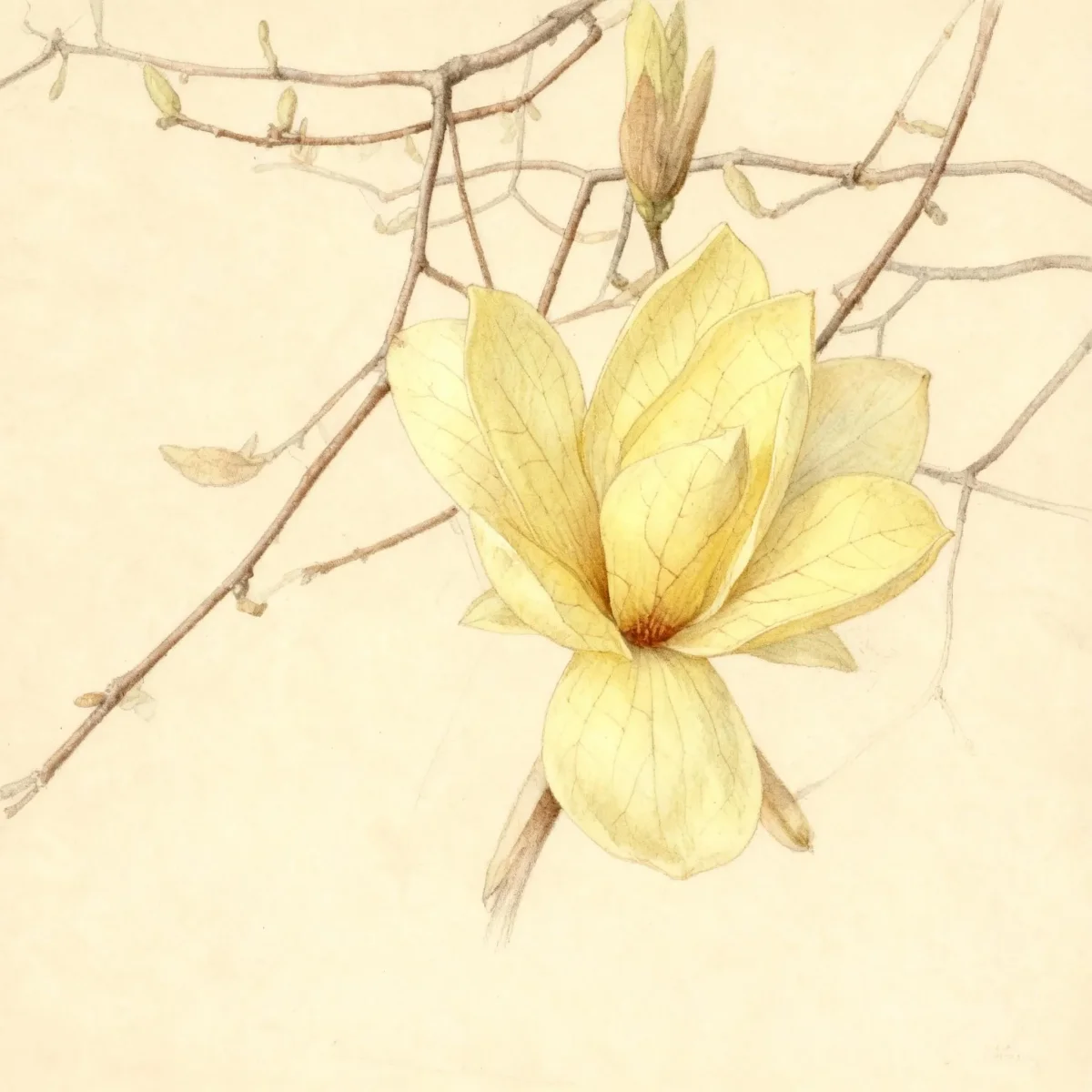
- Bloom Description: Yellow with orange band at petal bases
- Sun Exposure: Full sun
- Water Needs: Medium
- Maintenance Level: Low
How to Grow
Optimal establishment for the Tulip tree requires planting in the spring or fall when temperatures are mild. Select a location that accommodates its eventual massive size, ensuring full sun exposure for the best flowering and growth habit. Liriodendron tulipifera thrives best grown in moist, organically rich, well-drained loams, though it is adaptable and tolerates part shade, wet soil, and clay soil conditions once established.
Watering needs are medium; consistent moisture, especially during the first few years post-planting, is crucial for developing a strong root system. Fertilization is generally unnecessary unless the soil is severely depleted, as these trees are vigorous growers. Pruning is minimal for mature trees, primarily focusing on removing dead, broken, or diseased wood, although young trees can benefit from structural pruning to promote a strong central leader.
Avoid planting sensitive, shallow-rooted specimens near the drip line, as the Tulip tree develops a shallow root system that can outcompete nearby plantings for water and nutrients. While generally resilient, structural damage from heavy winds or ice loads can occur due to the somewhat weak wood structure common in fast-growing specimens.
Landscape Uses
As suggested by its high growth potential, the primary function of Liriodendron tulipifera is as a very large shade or lawn tree for expansive landscapes. Its towering height and spreading canopy make it an ideal specimen plant for anchoring large yards or framing significant estates where its silhouette can be fully appreciated. While it is sometimes suggested as a street tree, its branch fragility and eventual size often make this use less practical than intended.
When integrating the Tulip tree into a landscape design, partner it with compatible species that appreciate similar moist, rich soil conditions, such as certain maples or oaks, placing them far enough away to allow both trees room to mature without immediate competition. The golden fall foliage provides an excellent backdrop contrast against evergreen plantings situated behind or beside it.
Standout Features
Flower Qualities
- Showy
Noteworthy Characteristics
Liriodendron tulipifera, commonly called tulip tree or yellow poplar, is a large, stately, deciduous tree of eastern North America that typically grows 60-90’ tall with a pyramidal to broad conical habit. It is named and noted for its cup-shaped, tulip-like flowers that bloom in spring, which are yellow with an orange band at the base of each petal. Flowers are followed by dry, cone-shaped brown fruits, and the four-lobed bright green leaves turn golden yellow in fall.
Tolerances
The Tulip tree demonstrates notable resilience against numerous environmental stresses:
- Rabbit
- Deer
- Clay Soil
- Wet Soil
- Black Walnut
Potential Problems
Gardeners should remain vigilant for common insect pests such as aphids and scale, which can sometimes infest younger or stressed Tulip trees. Large aphid infestations often lead to honeydew secretions coating the leaves, which then serves as a perfect medium for subsequent sooty mold growth, detracting from the canopy’s appearance. Potential fungal and bacterial issues include verticillium wilt, mold, mildew, and canker.
To manage these issues, monitor pest levels closely; dormant oil applications can help control scale over winter. Be mindful that Liriodendron tulipifera is fast-growing but somewhat weak-wooded, increasing susceptibility to limb breakage during severe high winds or heavy ice and snow accumulation. Careful placement away from structures is advisable due to this structural weakness.
Frequently Asked Questions
What hardiness zones is Tulip tree suitable for?
The Liriodendron tulipifera is suitable for USDA Hardiness Zones 4 through 9.
How large does Tulip tree grow?
This tree typically reaches mature heights between 60 and 90 feet, with a spread ranging from 30 to 50 feet.
When does Tulip tree bloom?
The Tulip tree blooms primarily from May through June, bearing flowers that are yellow with an orange band at the petal bases.
What sun exposure does Tulip tree need?
For optimal development, the Tulip tree requires full sun exposure throughout the day.
Conclusion
The magnificent Tulip tree offers a winning combination of rapid growth, stately form, and unique spring flowers, making Liriodendron tulipifera a centerpiece for any extensive landscape design. Its adaptability to various soil types, including wet clay, increases its utility across Eastern North America. Before planting this fantastic specimen, carefully assess your site size and ensure the zone compatibility of your specific cultivar.
Companion Planting
Due to the relatively high water needs and the shallow, competitive root structure of the mature Tulip tree, companion planting directly underneath the canopy requires thoughtful selection. Choose species that prefer moist, organically rich soils and can tolerate some root competition. Astilbes, hostas, and certain ferns thrive in the dappled or partial shade that develops beneath the deciduous canopy once the Liriodendron tulipifera matures.
For larger companion trees or shrubs planted nearby, ensure significant space is left between specimens. Species like River Birch (Betula nigra) or certain moisture-loving Viburnums share cultural needs but must be placed far enough out that competition for nutrients does not hinder the main tree’s development.
Seasonal Care Calendar
Spring is the ideal time to inspect the previous season’s growth for any winter damage or branch breakages that need immediate pruning attention before new leaves emerge. As summer progresses, monitor for the signs of aphids, as heavy infestation will signal imminent sooty mold development on the accessible leaves below. Apply a deep, slow watering session during extended summer dry spells to mimic its natural preference for consistent moisture.
Fall is a key aesthetic time, as the leaves of the Tulip tree turn a beautiful golden yellow before dropping. Cleanup is generally minimal, but the large, dry, cone-like fruits might require raking if they litter a patio area. Winter care largely involves protecting very young trees from potential bark damage caused by rodents, although mature specimens require no specific winter protection in their recommended hardiness range.