Small anise tree (Illicium parviflorum)
Illicium parviflorum, the Small anise tree, is a suckering evergreen suited for deep shade. Perfect for moist woodlands and hedges in Zones 7-10.
Scroll down to discover growing tips, care requirements, companion plants, and more
Complete Plant Information
Overview
The Small anise tree, scientifically recognized as Illicium parviflorum, is a highly valued broadleaf evergreen native to the moist woodlands of central Florida. It stands out in the landscape for its ability to thrive in deep shade conditions where many other shrubs struggle, providing consistent year-round green structure. Gardeners appreciate its dense, rounded habit and the pleasant anise-like fragrance released when its olive-green leaves are crushed.
This medium-sized shrub or small tree spreads readily by root suckers, making Illicium parviflorum excellent for creating naturalized colonies or dense screens in woodland settings. While its tiny flowers are generally insignificant, the resulting fruit clusters offer minor visual interest. Its preference for moist environments makes it an ideal candidate for rain gardens or beside water features.
For gardeners in USDA Zones 7 through 10, the Small anise tree offers medium maintenance but dependable performance across a range of low-light situations. By providing the consistently moist, rich soil it prefers, this evergreen will establish reliably and contribute textural depth to shady borders and foundation plantings.
Fast Facts
- Plant Family: Schisandraceae
- Plant Type: Broadleaf evergreen
- Native Range: Florida
- Hardiness Zones: USDA Zones 7-10
- Size at Maturity:
- Height: 10-15 ft
- Spread: 6-10 ft
- Bloom Time: May to June
- Bloom Description: Yellow-green
- Sun Exposure: Part shade to full shade
- Water Needs: Medium to wet
- Maintenance Level: Medium
How to Grow
Planting the Small anise tree is best executed in the spring or fall after the risk of hard frost has passed, ensuring time for root establishment before the stress of summer heat. Select a location offering moist, rich soil, though Illicium parviflorum remains adaptable enough to tolerate full sun if soil moisture is kept absolutely uniform throughout the growing season. Its tolerance for wet soil makes it a superior choice for areas with poor drainage or seasonal inundation.
Watering requirements are medium to wet, especially for young plants. While established specimens can handle brief periods of drought, the best growth occurs when the soil remains consistently damp. Fertilizing is rarely necessary if the planting site features naturally rich, organic soil, aligning with its native habitat in swamps and moist woods. Pruning should be minimal, generally limited to shaping hedges or removing stray branches; branches that touch the ground may naturally root, expanding the colony.
As a hardy evergreen, winter preparation in Zones 7-10 focuses primarily on ensuring good soil moisture heading into dormancy. In early spring, remove any dead or damaged foliage, but avoid heavy structural pruning, allowing the Illicium parviflorum to maintain its excellent natural form.
Landscape Uses
The versatility of the Small anise tree is best realized in shady, moist landscape niches. It excels when used as an evergreen screen or hedge, providing dense visual blockage and texture that contrasts nicely against lighter-foliaged woodland plants. Furthermore, its tolerance for wet soil specifically recommends it for rain gardens where it can effectively manage runoff.
For a naturalized look, allow Illicium parviflorum to spread via root suckers, creating an immersive woodland bank. It serves beautifully as an informal border plant or planted densely near foundations where light is scarce. Consider pairing it with moisture-loving perennials that bloom in the spring before the anise tree’s foliage fully shields the understory.
Standout Features
Flower Qualities
- Insignificant
Fruit Qualities
- Showy
Noteworthy Characteristics
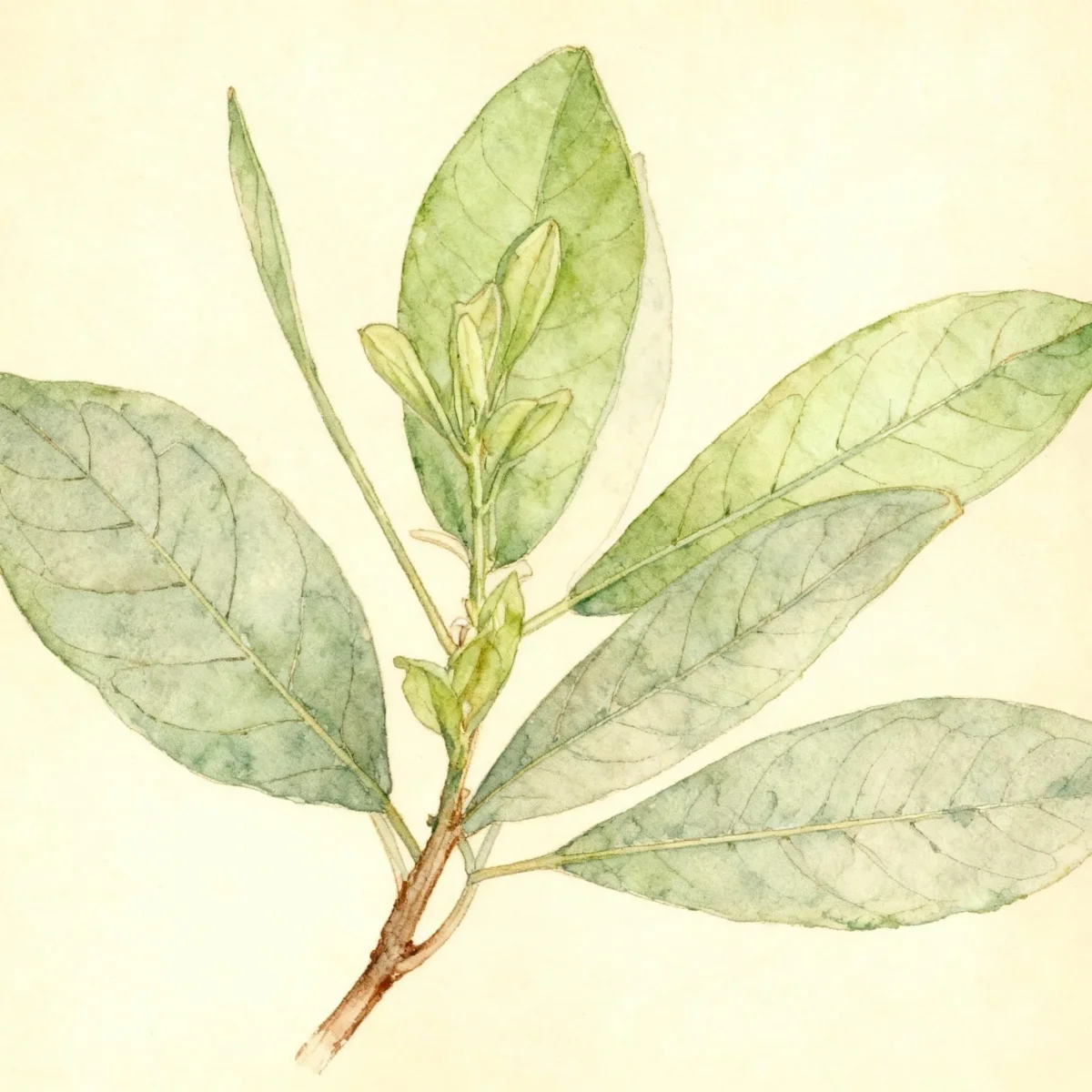
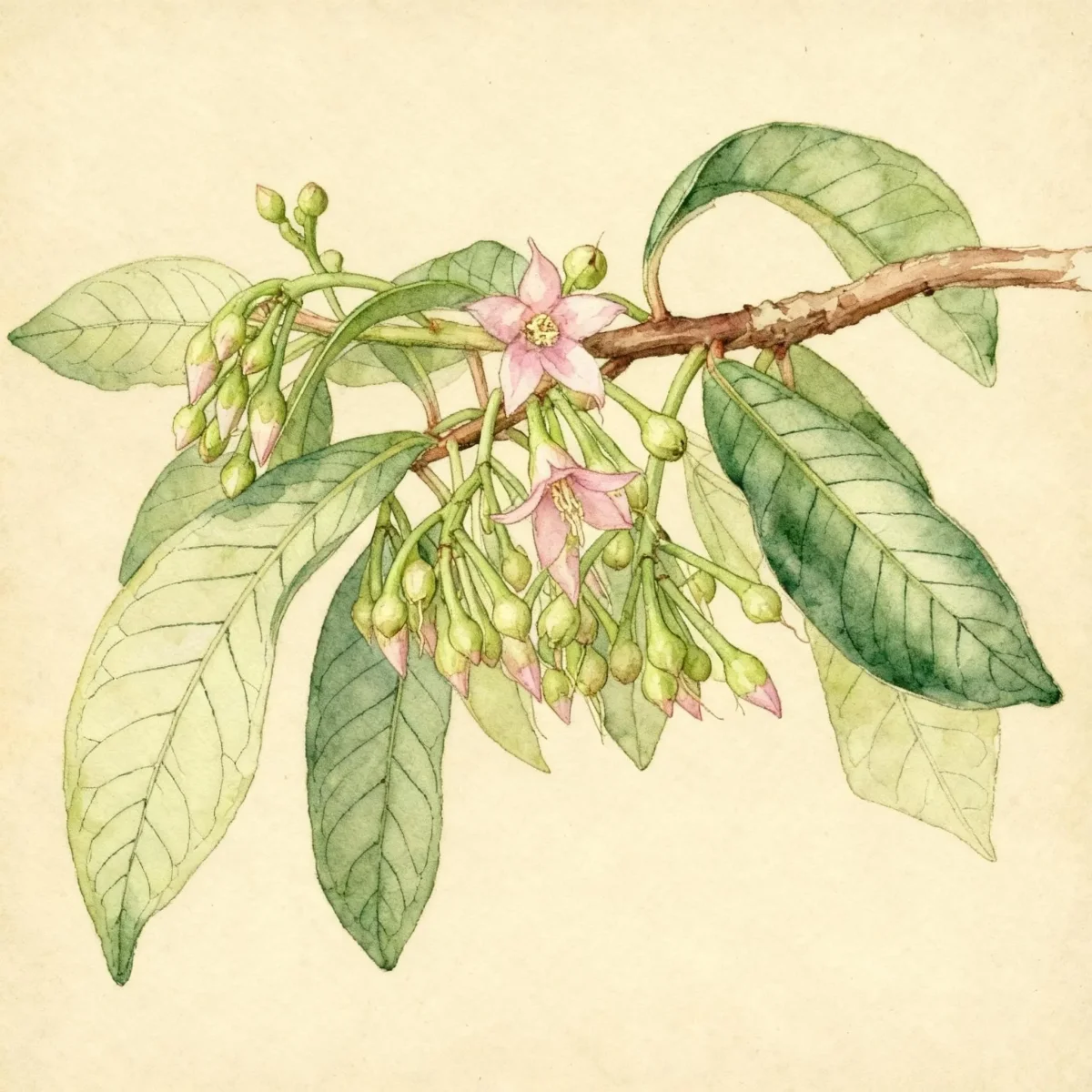
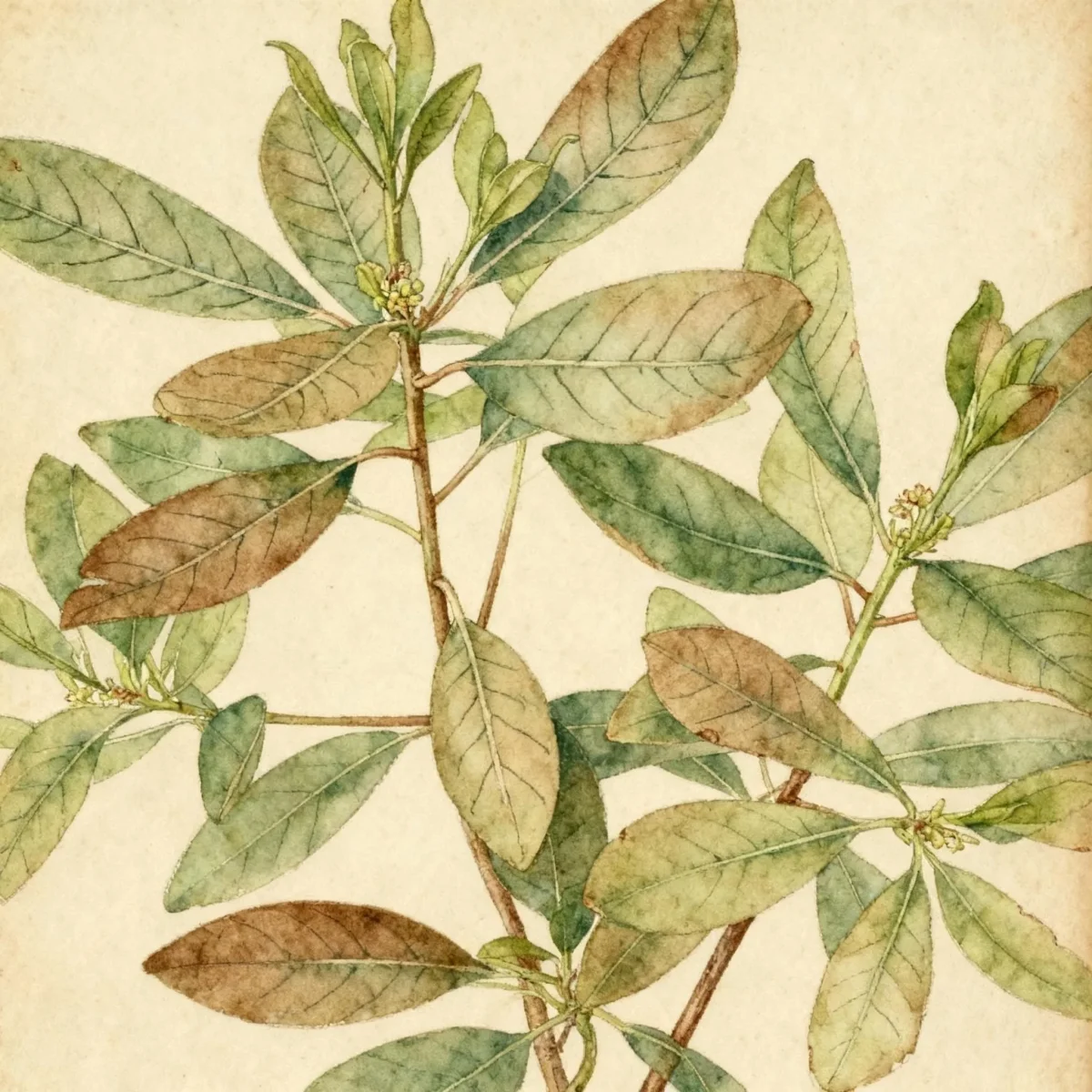
Illicium parviflorum, commonly called yellow anise tree or small anise tree, is an upright, rounded, suckering, evergreen shrub or small tree that grows to 10-15’ tall and spreads to 6-10’ wide. It is endemic to central Florida where it grows in moist woods and swamps. Shiny, elliptic, olive-green leaves (to 4” long) emit an anise-like aroma when crushed. Insignificant yellow-green flowers (to 1/2” diameter) bloom from the leaf axils in late spring (May-June).
Tolerances
- Heavy Shade
- Erosion
- Wet Soil
Potential Problems
This species boasts very few pest or disease issues, representing a significant low-fuss advantage for landscape design. Gardeners should rarely encounter serious insect infestations or common fungal diseases when placement respects the plant’s need for moisture and shade. Focus management efforts primarily on ensuring adequate water during establishment rather than scouting for complex treatments.
Frequently Asked Questions
What hardiness zones is Small anise tree suitable for?
The Small anise tree is winter hardy across USDA Zones 7 through 10, making it a reliable evergreen choice for the Southeastern United States.
How large does Illicium parviflorum grow?
This plant typically matures between 10 to 15 feet in height and spreads outward to a width of 6 to 10 feet, often forming wider colonies through suckering.
What sun exposure does Illicium parviflorum need?
Illicium parviflorum thrives in part shade to full shade conditions, which mimics its native woodland environment, though it needs consistent moisture if placed in brighter exposures.
When does Small anise tree bloom?
The inconspicuous yellow-green flowers of the Small anise tree typically appear between May and June.
Conclusion
The Illicium parviflorum, or Small anise tree, is an indispensable evergreen for gardeners seeking structure and deep shade tolerance paired with reliable moisture needs. Its suckering habit provides effortless, dense screening and naturalization potential in challenging, damp corners of the landscape. Before planting, confirm your region falls within USDA Zones 7-10 and ensure a consistently moist soil profile for best results.
Companion Planting
When incorporating Illicium parviflorum into a woodland garden design, choose plants that share its love for moisture and low light. Excellent companions include native ferns like Cinnamon Fern or Christmas Fern, which offer contrasting textures against the anise tree’s broad leaves. Hostas are reliable partners, readily filling in the ground layer beneath the canopy, provided the soil remains consistently enriched with organic matter.
Propagation Tips
One charming characteristic of the Small anise tree is its tendency to self-propagate. Branches that arch down and make contact with moist ground often develop roots spontaneously. Gardeners can easily encourage this process or hasten propagation through simple layering techniques. Alternatively, the plant spreads via root suckers; these can be carefully separated from the main root mass during the dormant season and transplanted to create new, identical specimens of Illicium parviflorum.