Florida anise tree (Illicium floridanum)
Discover Illicium floridanum, the Florida anise tree, an aromatic evergreen for shady, moist gardens in Zones 7-10.
Scroll down to discover growing tips, care requirements, companion plants, and more
Complete Plant Information
Overview
The Florida anise tree, botanically known as Illicium floridanum, is a highly valuable broadleaf evergreen for gardeners seeking structure and year-round interest in challenging, shady conditions. This native shrub is treasured for its glossy, dark olive-green foliage that provides a lush backdrop even when not in bloom. Its unique, nodding, dark red flowers appear in spring, offering an unusual aesthetic contrast to the typical spring palette.
Illicium floridanum thrives in the moist ecosystems of the Southeastern United States, making it perfectly adapted for rain gardens and naturally wet spots in the landscape. While the flowers possess a fragrance, they emit a strong, malodorous scent, which is noteworthy but balanced by the more pleasant anise aroma released when the leaves are crushed.
Gardeners appreciate this plant for its reliable performance in heavy shade and its ability to naturalize slowly via root suckers, creating attractive, dense groupings over time. Successfully growing the Florida anise tree means providing consistent moisture, which allows this handsome shrub to deliver dependable evergreen texture.
Fast Facts
- Plant Family: Schisandraceae
- Plant Type: Broadleaf evergreen
- Native Range: Southeastern United States, northern Mexico
- Hardiness Zones: USDA Zones 7-10
- Size at Maturity:
- Height: 6-10 ft
- Spread: 4-8 ft
- Bloom Time: April to May
- Bloom Description: Dark red
- Sun Exposure: Part shade to full shade
- Water Needs: Medium to wet
- Maintenance Level: Medium
How to Grow
For optimal establishment, plant the Florida anise tree in the fall or early spring when temperatures are mild, ensuring it receives part shade to full shade. Success critically depends on soil moisture; Illicium floridanum requires consistently moist, rich soils, mimicking its native habitat in ravines and low hammocks. While it tolerates occasional dryness, it performs best when soil never becomes parched.
Maintenance for this species is relatively low once established. Fertilization is rarely necessary if the soil is rich and holds moisture well. Pruning should be done sparingly, focusing only on removing damaged or crossing branches to maintain its rounded, upright shape. Remember that this plant spreads via root suckers, so plan placement accordingly if you desire a contained specimen versus a naturalized colony.
Winter hardiness ranges from USDA Zones 7 through 10, offering reliable performance across a broad warm-temperate region. Although it prefers shade, the Illicium floridanum can tolerate full sun exposure, provided watering is diligently maintained to keep the soil uniformly saturated during hot periods.
Landscape Uses
The Illicium floridanum excels wherever deep shade and consistent moisture converge, making it an outstanding choice for functional areas like rain gardens. Its dense habit and evergreen nature ensure that runoff areas retain texture and stability throughout the year, fulfilling an important erosion control function.
Use the Florida anise tree as a foundational background plant in woodland borders or under the canopy of mature hardwoods where few other shrubs thrive. Its ability to naturalize means it works wonderfully for softening transitions between manicured areas and wilder woodland edges, creating an informal, lush appearance. For evergreen screening in moist, shady spots, few alternatives offer the reliable performance of this shrub.
Standout Features
Flower Qualities
- Showy
- Fragrant
Fruit Qualities
- Showy
Noteworthy Characteristics
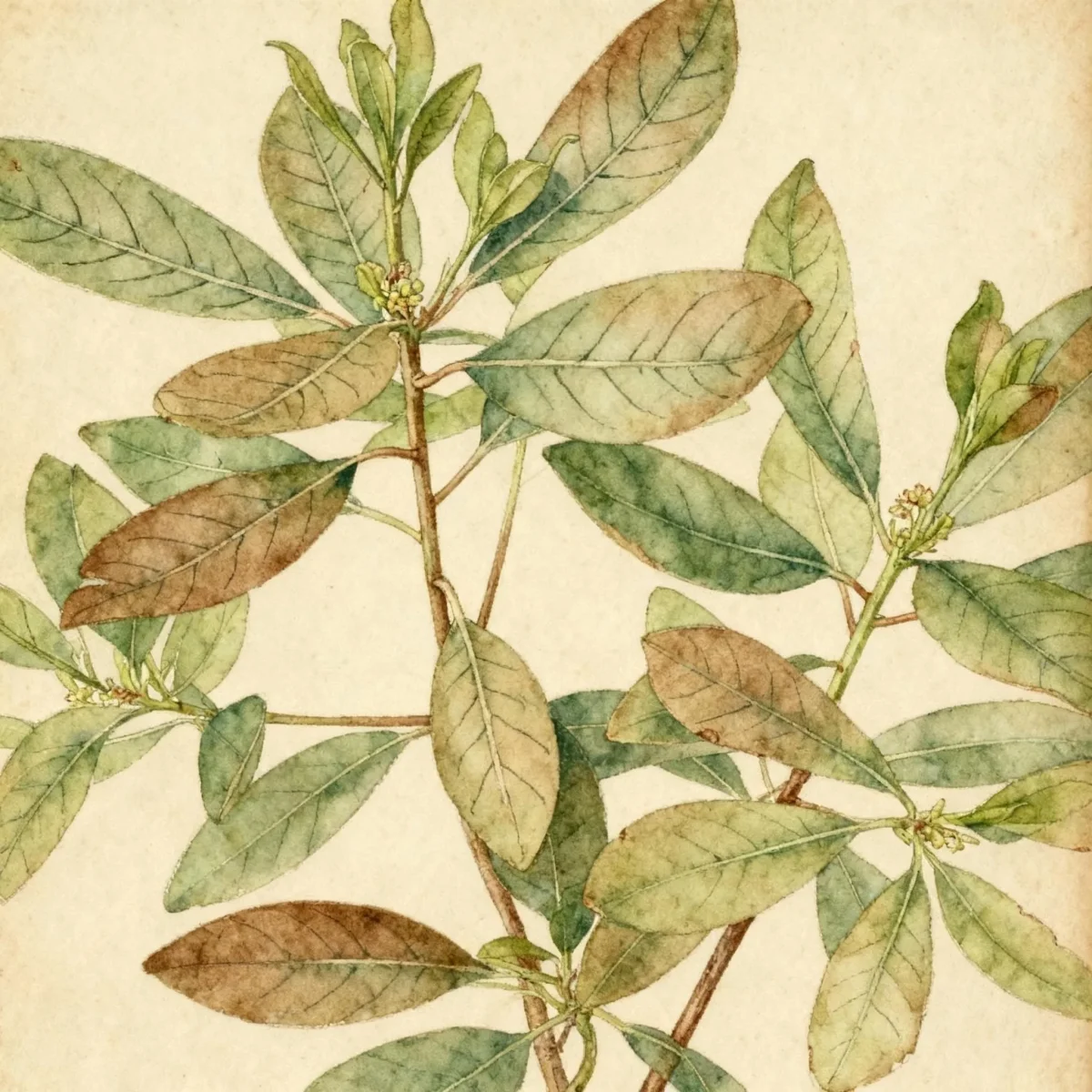
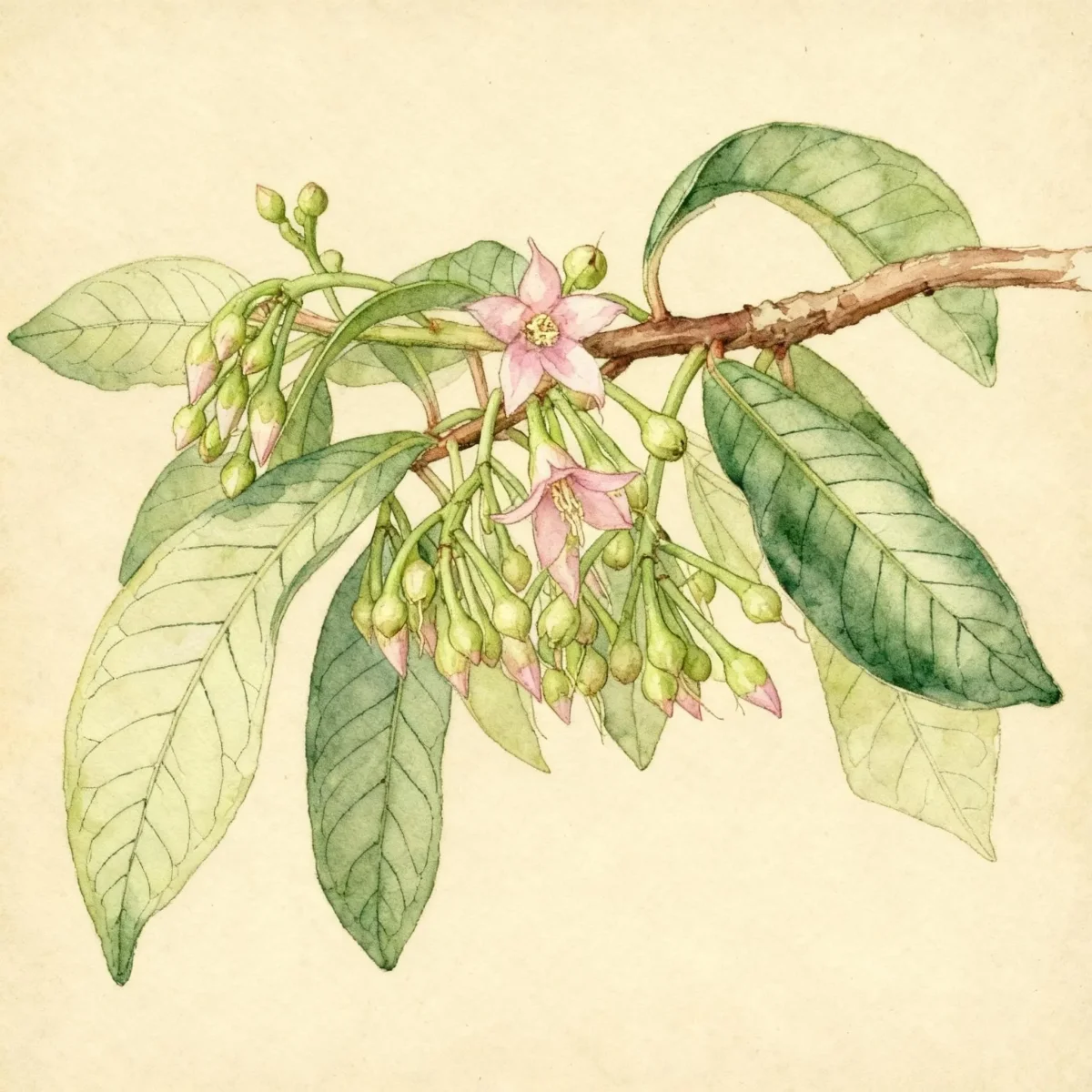
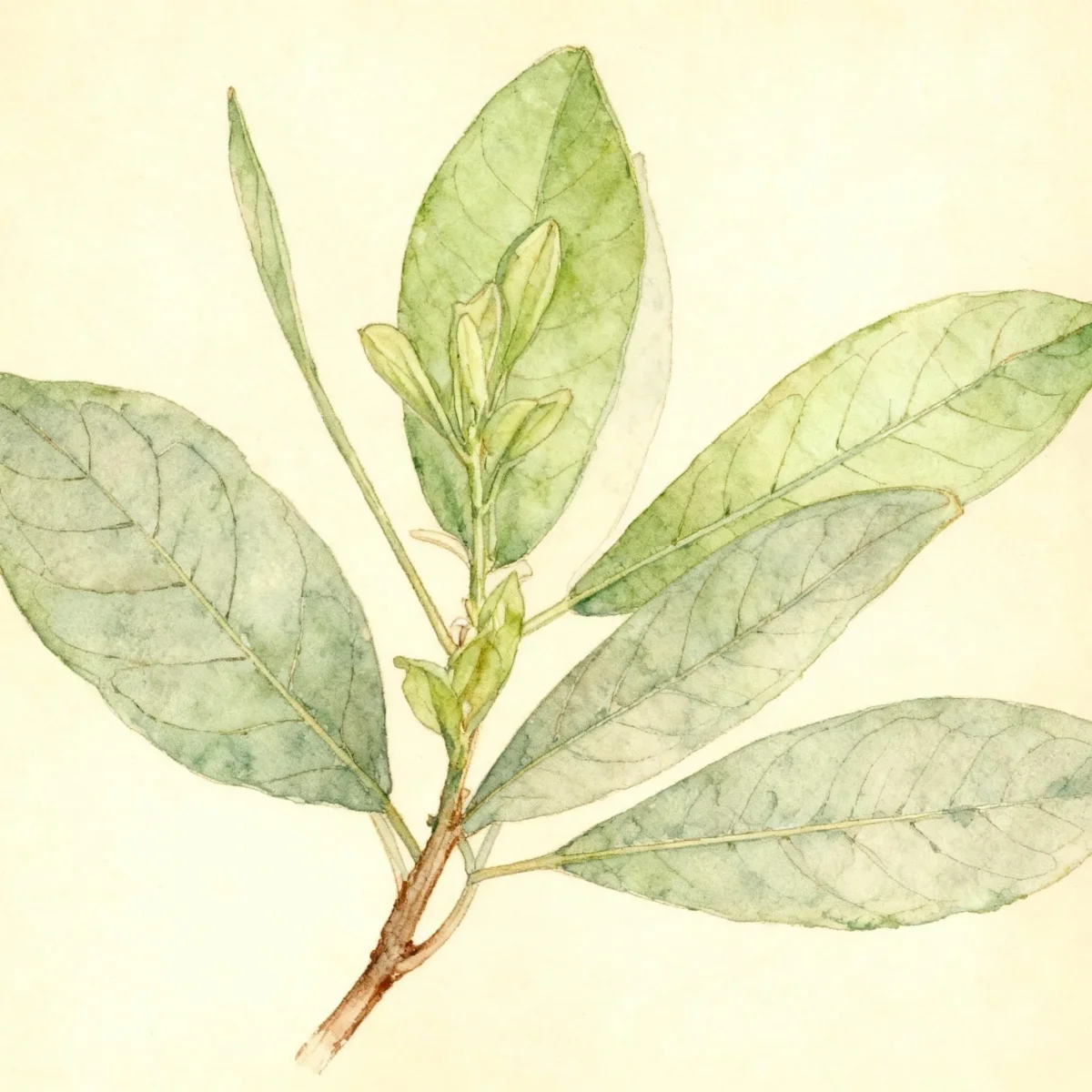
Illicium floridanum, commonly called purple anise, is an upright, rounded, aromatic, evergreen shrub that grows to 6-10’ tall. It is native to wet soils in low hammocks, wooded ravines, marshy areas and stream peripheries from northern Florida and Georgia along the coastal plain to Louisiana. Smooth, glossy, elliptic, dark olive-green leaves (to 6” long) emit an anise-like aroma when crushed. Nodding, dark red flowers (to 2” diameter), each with 20-30 strap-shaped petals, bloom in spring (April-May).
Tolerances
- Heavy Shade
- Erosion
- Wet Soil
Potential Problems
Fortunately, the Illicium floridanum is inherently pest-resistant, typically suffering from no serious insect or disease problems under appropriate cultural conditions. Gardeners should focus primarily on environmental stress rather than pest management. The most common issue arises from incorrect watering—either allowing the soil to dry out excessively (which stresses this moisture-loving native) or planting in poorly draining soil that remains perpetually waterlogged and anaerobic. Ensure adequate drainage while maintaining consistent moisture for the healthiest Florida anise tree specimens.
Frequently Asked Questions
What hardiness zones is Florida anise tree suitable for?
The Florida anise tree thrives in USDA Hardiness Zones 7 through 10, reflecting its native range in the warm Southeastern United States.
How large does Illicium floridanum grow?
This shrub typically matures to a height between 6 and 10 feet, with a similar spread ranging from 4 to 8 feet wide.
What sun exposure does Illicium floridanum need?
Illicium floridanum prefers part shade to full shade conditions, which helps maintain the necessary soil moisture critical for its health.
When does Florida anise tree bloom?
The dark red flowers of the Florida anise tree are typically visible during the bloom time of April to May.
Conclusion
The Illicium floridanum offers distinctive evergreen texture, unusual spring blooms, and exceptional tolerance for moist, shady sites, making it a resilient cornerstone for woodland gardens. This excellent native shrub, the Florida anise tree, provides both beauty and ecological function in challenging landscape pockets. Before planting, confirm that your garden offers the medium to wet soil conditions necessary for thriving specimens.
Companion Planting
When designing a shade garden around your Illicium floridanum, select companions that share similar moisture and light requirements. Consider plants native to the same region or those that appreciate high humidity. Excellent partners include various ferns, such as Ostrich Fern (Matteuccia struthiopteris) or Cinnamon Fern (Osmundastrum cinnamomeum), which echo the woodland aesthetic. Moisture-loving perennials like various Astilbes or Ligularia are also suitable, provided they are not overly competitive for nutrients near the base of the shrub.
Propagation Tips
While the Florida anise tree spreads naturally via root suckers, deliberate propagation involves increasing your stock for new landscape areas. The primary non-seed method is the hardwood cutting, taken in late fall or winter when the plant is dormant. Cuttings should be taken from pencil-sized wood, wounded slightly at the base, and placed under mist or in a location with high humidity and bottom heat to encourage root development. Patience is key, as rooting success can be slow compared to faster-propagated shrubs.