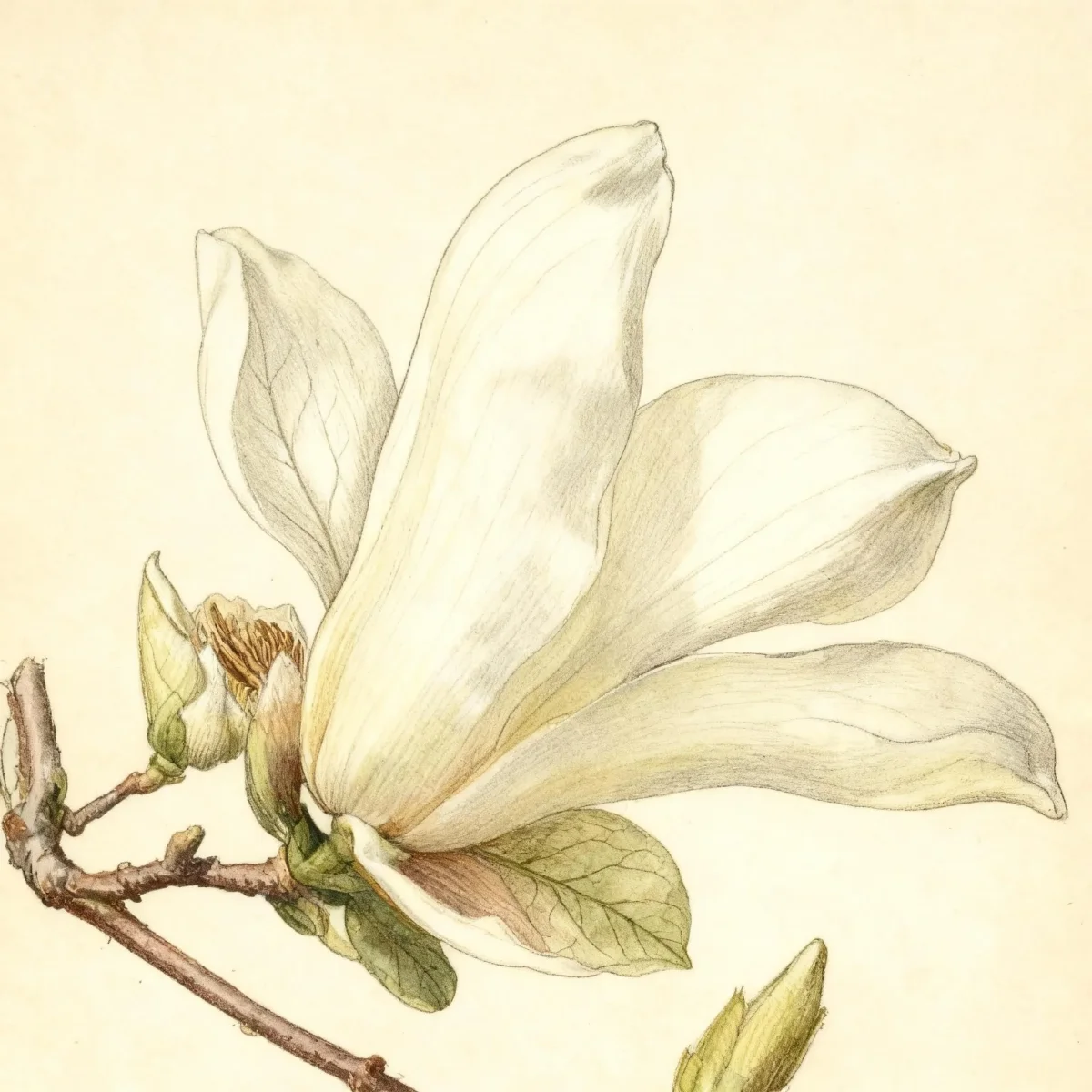
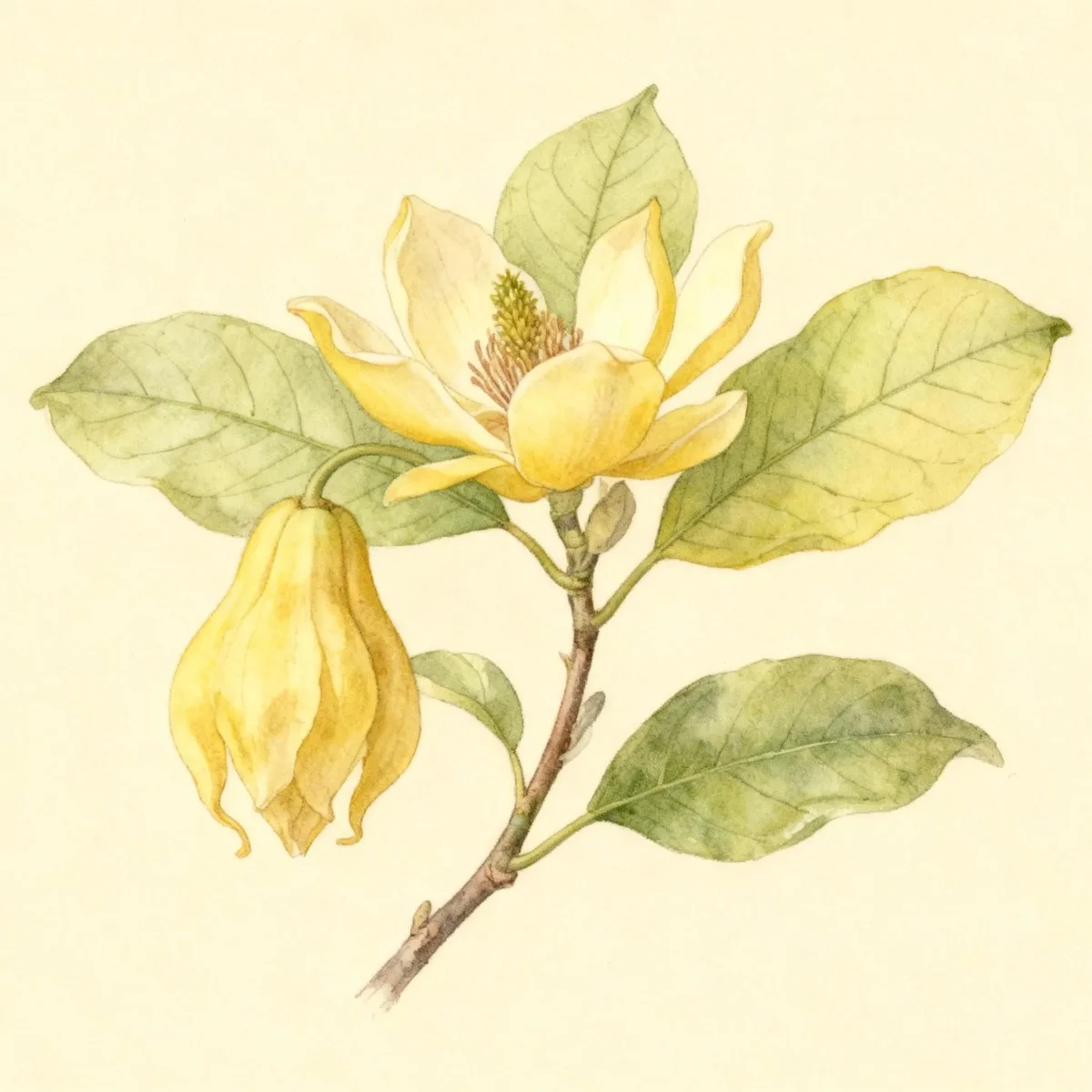
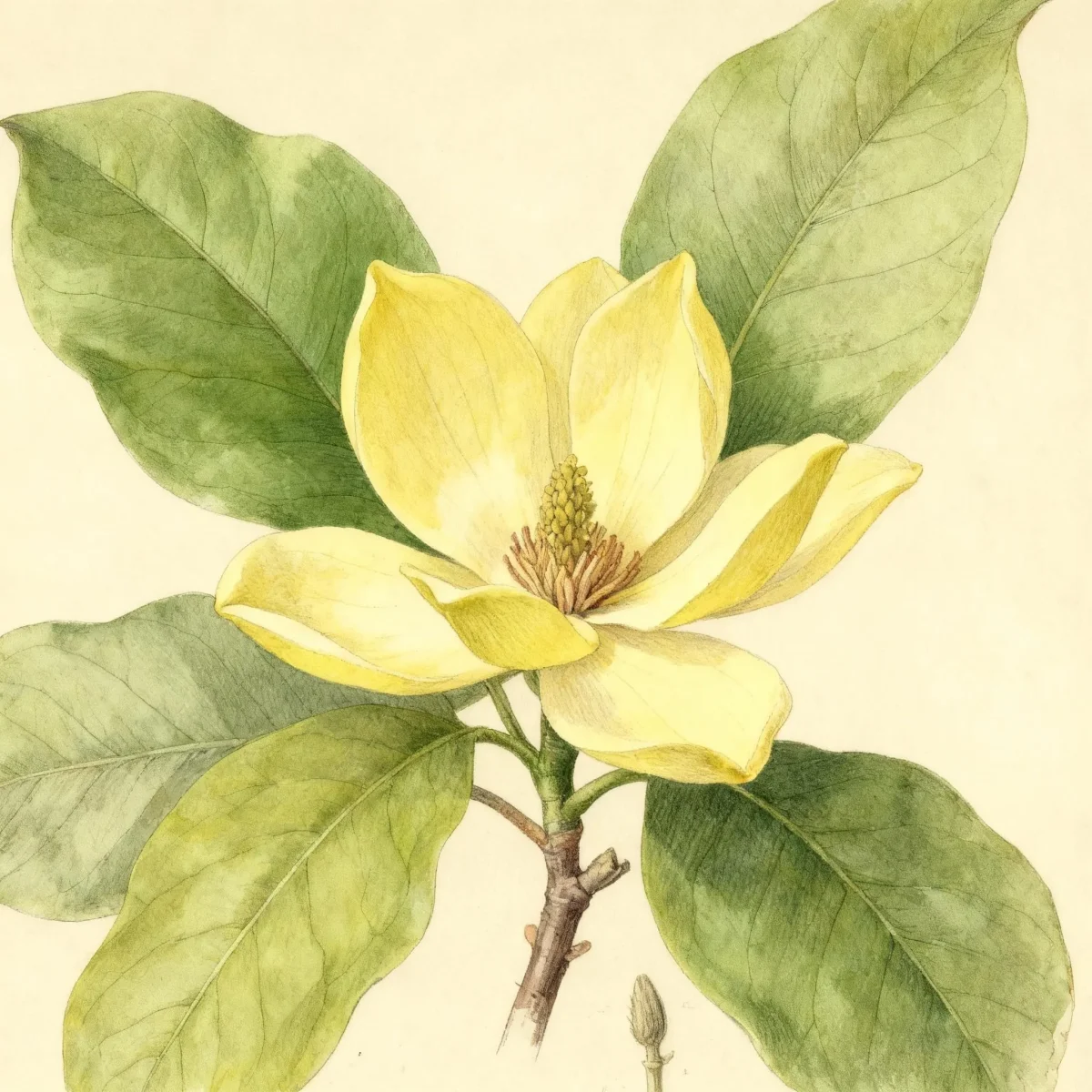
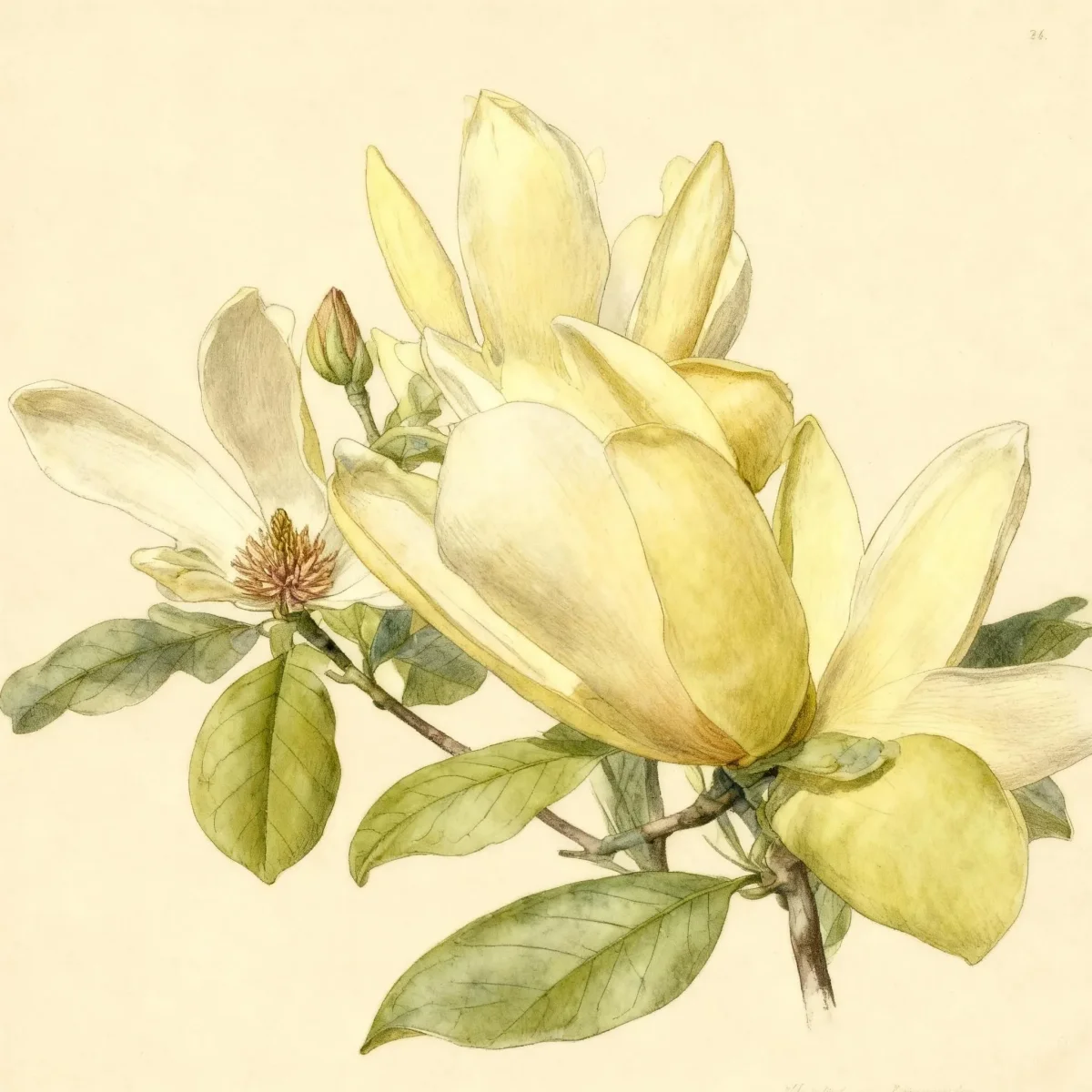
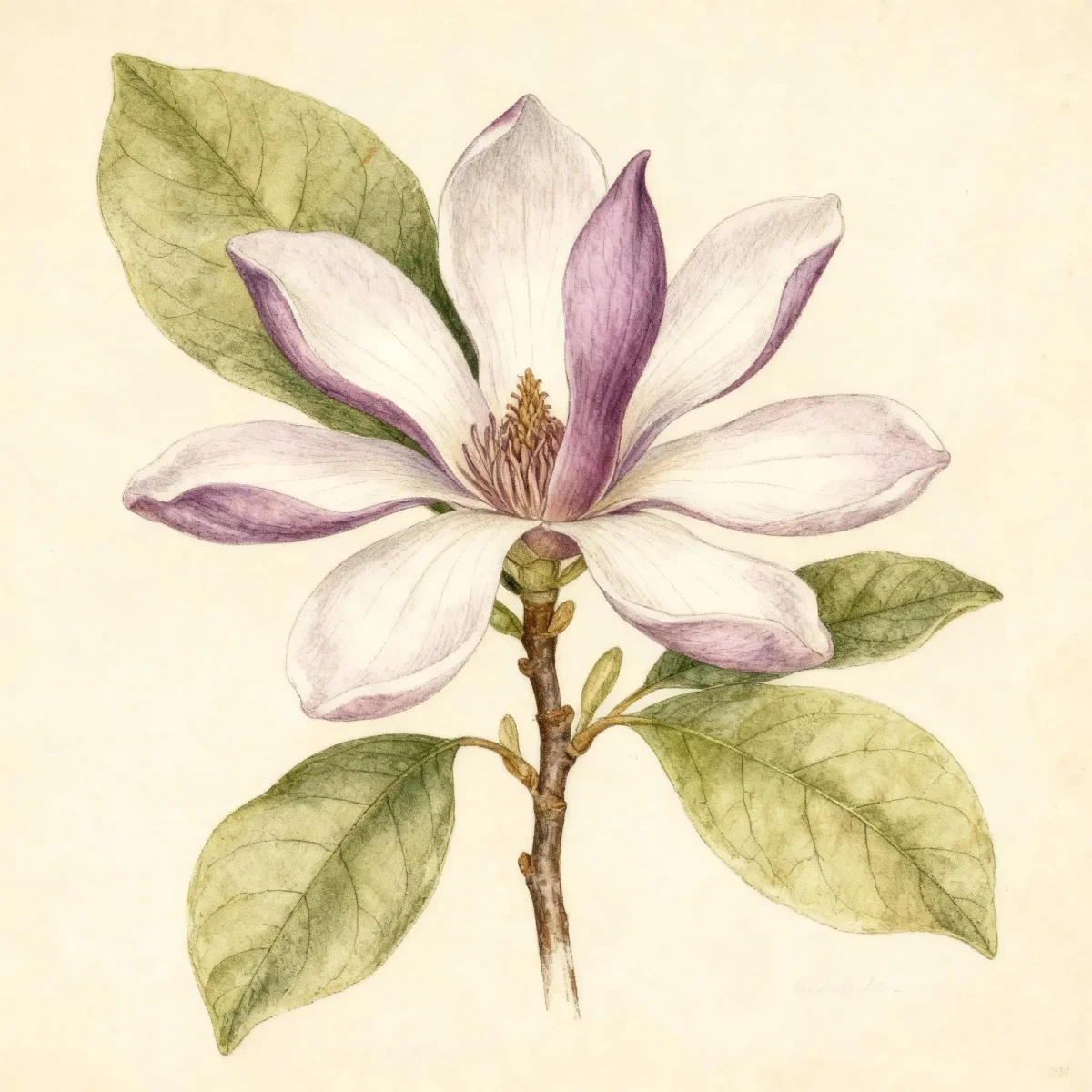
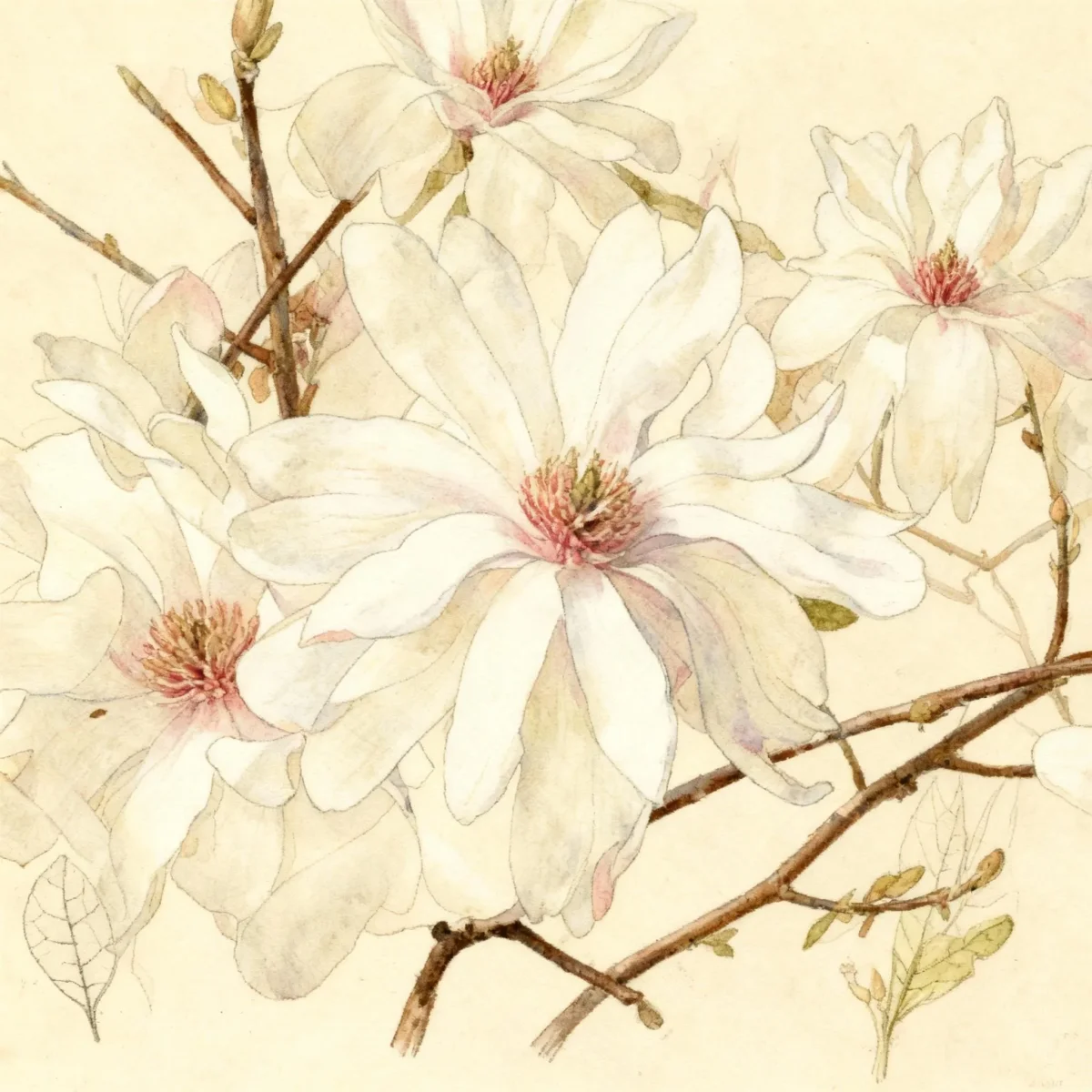
Cucumber tree (Magnolia acuminata)
Discover Magnolia acuminata, the Cucumber tree, native to E. N. America. A low-maintenance shade tree thriving in zones 3-8.
Scroll down to discover growing tips, care requirements, companion plants, and more
Complete Plant Information
Overview
The Magnolia acuminata, commonly known as the Cucumber tree, is a distinctive and robust addition to the landscape, offering both beautiful early flowers and unique autumnal interest. It stands out among magnolias for its tolerance of cooler climates and its substantial size, often reaching heights suitable for mature shade provision. This stately deciduous magnolia is native to Eastern North America, making it a reliable performer in the right setting.
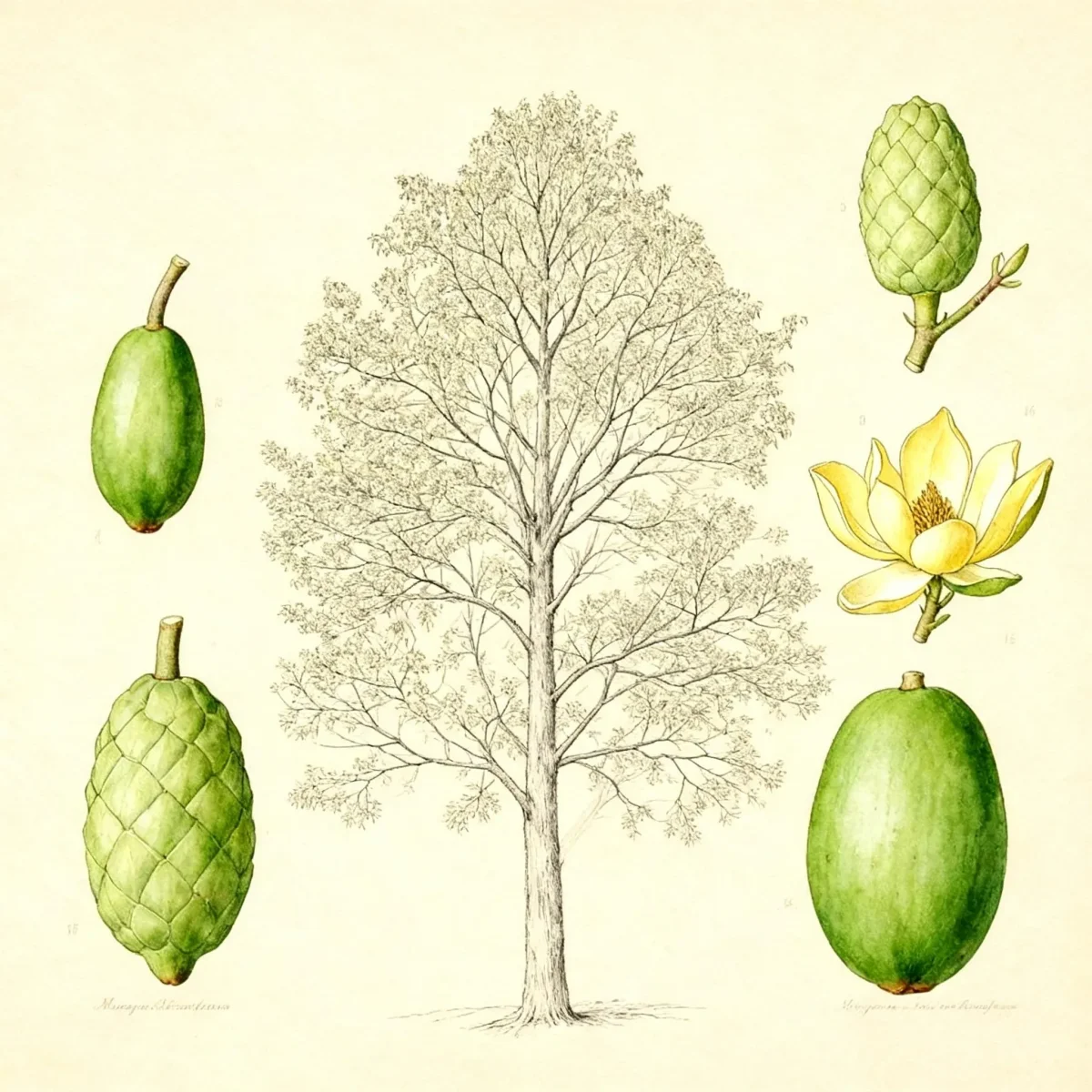
Valuable for gardeners seeking large, long-lived specimen trees, the Cucumber tree provides pyramidal form when young, maturing into a broad canopy ideal for estates or parks. It introduces early spring interest with greenish-yellow, tulip-like flowers, setting the stage for its namesake—the green, bumpy, cucumber-like fruit cones that mature to a dramatic red hue later in the season.
Despite taking a decade or more to mature its flowers, the overall structure and low maintenance requirements of Magnolia acuminata reward patience. It develops a straight trunk and furrowed bark, offering year-round architectural appeal once its large, ovate leaves drop, often revealing respectable gold fall color uncommon in many of its relatives.
Fast Facts
- Plant Family: Magnoliaceae
- Plant Type: Tree
- Native Range: Eastern North America
- Hardiness Zones: USDA Zones 3-8
- Size at Maturity:
- Height: 40-70 ft
- Spread: 20-35 ft
- Bloom Time: April to May
- Bloom Description: Greenish yellow
- Sun Exposure: Full sun to part shade
- Water Needs: Medium
- Maintenance Level: Low
How to Grow
Planting the Cucumber tree is best accomplished in the spring or early fall when the tree is dormant. Select a location that offers ample room for its mature spread, ensuring the site receives full sun for the best flowering, though it tolerates light afternoon shade. The most critical factor for success involves soil quality; Magnolia acuminata thrives best in moist, organically rich, well-drained loams.
Ongoing care for this relatively low-maintenance tree centers around consistent moisture, especially during establishment. While it requires medium water overall, it is generally intolerant of fluctuating soil extremes, meaning consistently dry or waterlogged conditions should be avoided. Avoid unnecessary fertilization, as the focus should remain on maintaining appropriate soil moisture and structure.
Pruning the Magnolia acuminata should be minimized, as maturity takes significant time, and structural pruning should focus only on removing broken or crossing limbs. Note that this species may take 12 or more years to begin flowering, so young trees require a hands-off approach to encourage strong vascular development rather than forcing early blooms. Be aware that this species is intolerant of most urban pollutants, so avoid planting directly adjacent to heavy vehicle traffic.
Landscape Uses
As one of the few magnolias that thrives as a substantial shade tree, the Cucumber tree is an excellent choice for large lawns, parks, or estate plantings where its impressive height and spread of 40-70 feet can be fully appreciated. While it needs space, its pyramidal habit offers excellent vertical interest when used as a solitary specimen, drawing the eye upward.
The suggested use of Flowering Tree means it pairs well with understory plantings whose needs align with partial shade and consistent moisture, such as certain ferns or shade-tolerant shrubs. When strategically placed, the visual contrast between its unique greenish blooms and the eventual bright red, showy fruit cones provides dynamic seasonal interest unmatched by standard shade providers.
For large-scale landscape design, use the Magnolia acuminata as a focal point or as part of a larger woodland border where its native East Coast heritage can blend seamlessly with regional plantings. Ensure companions do not compete aggressively for the deep, rich soils it prefers.
Standout Features
Flower Qualities
- Showy
- Fragrant
Fruit Qualities
- Showy
Noteworthy Characteristics
Magnolia acuminata, commonly known as cucumber tree, is native to eastern North America, reaching its largest size in the southern Appalachian Mountains. This is a deciduous magnolia that produces slightly-fragrant, greenish-yellow, tulip-like flowers at the twig tips in late spring, but is named for the green, warty, cucumber-like fruits (seedcones) that follow the flowers. The cone-like fruits mature to a showy red in late summer, releasing individual red coated seeds suspended on slender threads at maturity.
Tolerances
- Black Walnut
Potential Problems
Gardeners will appreciate that the Magnolia acuminata generally experiences no serious insect or disease problems, contributing significantly to its low maintenance rating. Unlike many ornamental trees susceptible to common borers or leaf spot, the Cucumber tree remains remarkably clean. Vigilance should focus primarily on ensuring correct site selection, specifically avoiding areas prone to sporadic dry spells or poor drainage, as these cultural stresses are the most likely issues to weaken the tree.
Frequently Asked Questions
What hardiness zones is Cucumber tree suitable for?
The Cucumber tree is highly adaptable and suitable for USDA Hardiness Zones 3 through 8, offering superior cold tolerance compared to many other magnolia species.
How large does Magnolia acuminata grow?
When mature, this species typically reaches heights between 40 and 70 feet, with a corresponding spread generally ranging from 20 to 35 feet wide.
What sun exposure does Magnolia acuminata need?
For optimal health and flowering potential, the Magnolia acuminata requires full sun to part shade conditions.
When does Cucumber tree bloom?
The tree blooms relatively late in the season, generally between April and May, producing distinctive greenish yellow flowers.
Conclusion
The Cucumber tree is a superb choice for gardeners seeking a large, dignified shade specimen that requires minimal intervention once established. Its combination of early bloom color, unique fruit display, and native resilience makes the Magnolia acuminata a cornerstone of the eastern North American landscape. Always check your local zone compatibility and prepare organically rich soil before planting this long-lived beauty.
Companion Planting
Selecting appropriate companions for the Cucumber tree should focus on plants that share a similar need for moist, rich, well-drained soils and thrive under partial shade or filtered light beneath the developing canopy. Consider native woodland companions like large perennial ferns, such as Ostrich Fern (Matteuccia struthiopteris), which provide excellent textural contrast to the magnolia’s broad leaves. In the shrub layer, serviceberries (Amelanchier) or witch hazel (Hamamelis) complement the magnolia’s cultural requirements without becoming overly competitive for root space.
Design Ideas
Utilize the stately, pyramidal shape of Magnolia acuminata in formal groupings or as a magnificent specimen tree anchoring the corner of a large property. Because the flowers appear before the full leaf-out, placing it near a view window allows you to appreciate the subtle coloration before the canopy closes for summer. As the maturity takes time, consider underplanting the young tree with seasonally appropriate bulbs like wild leeks or trilliums, which will offer color beneath the young trunk before the deep shade line is established by the mature canopy.