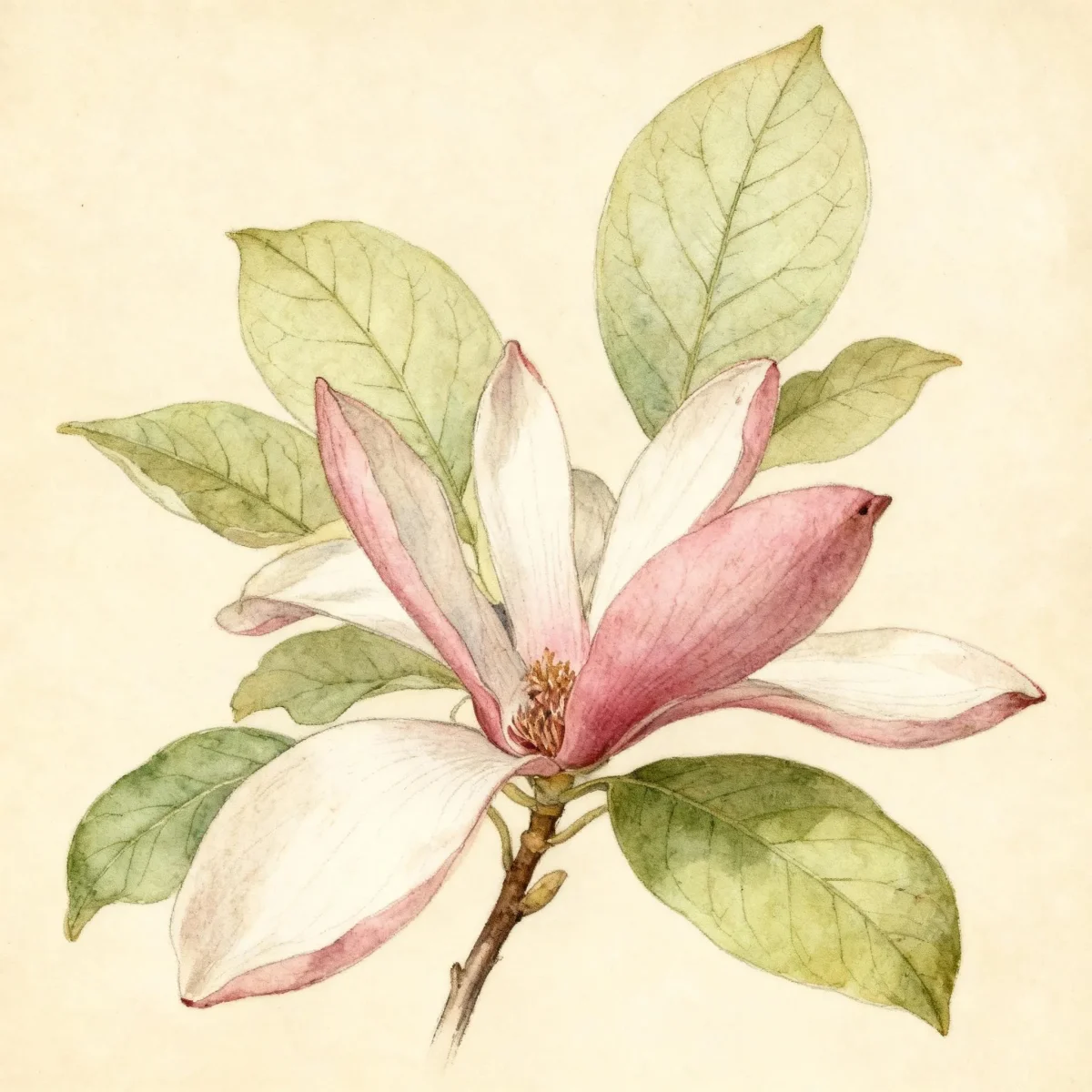
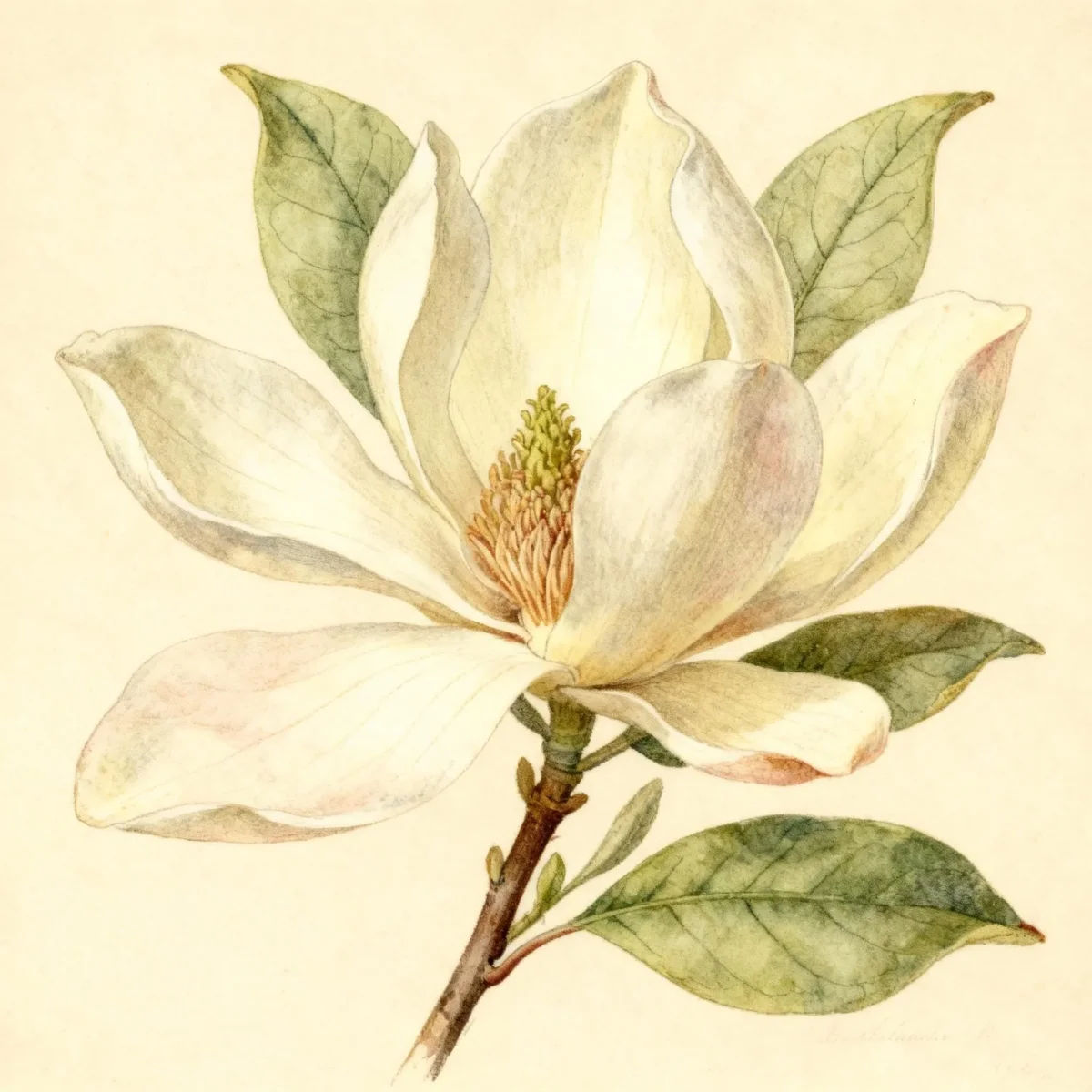
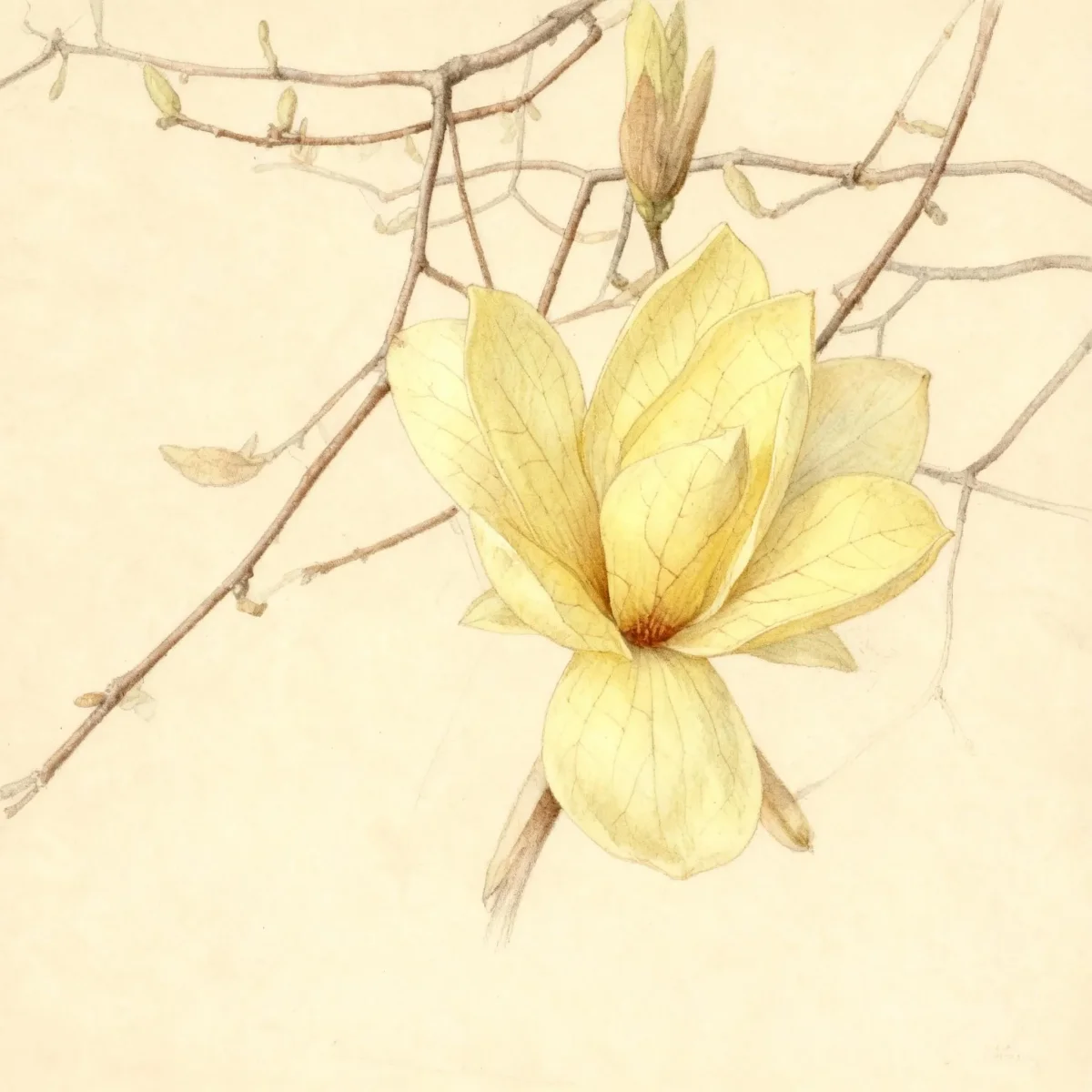
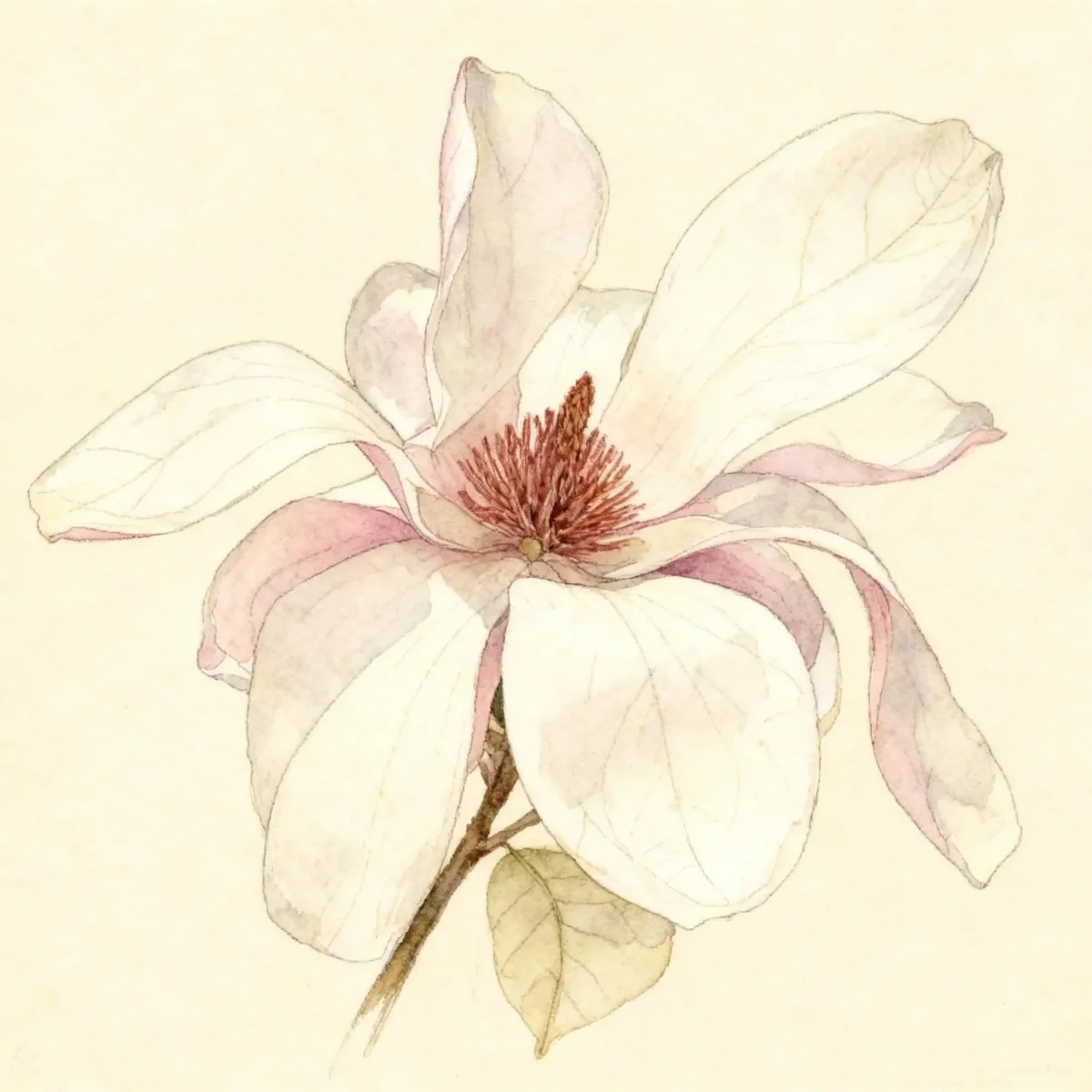
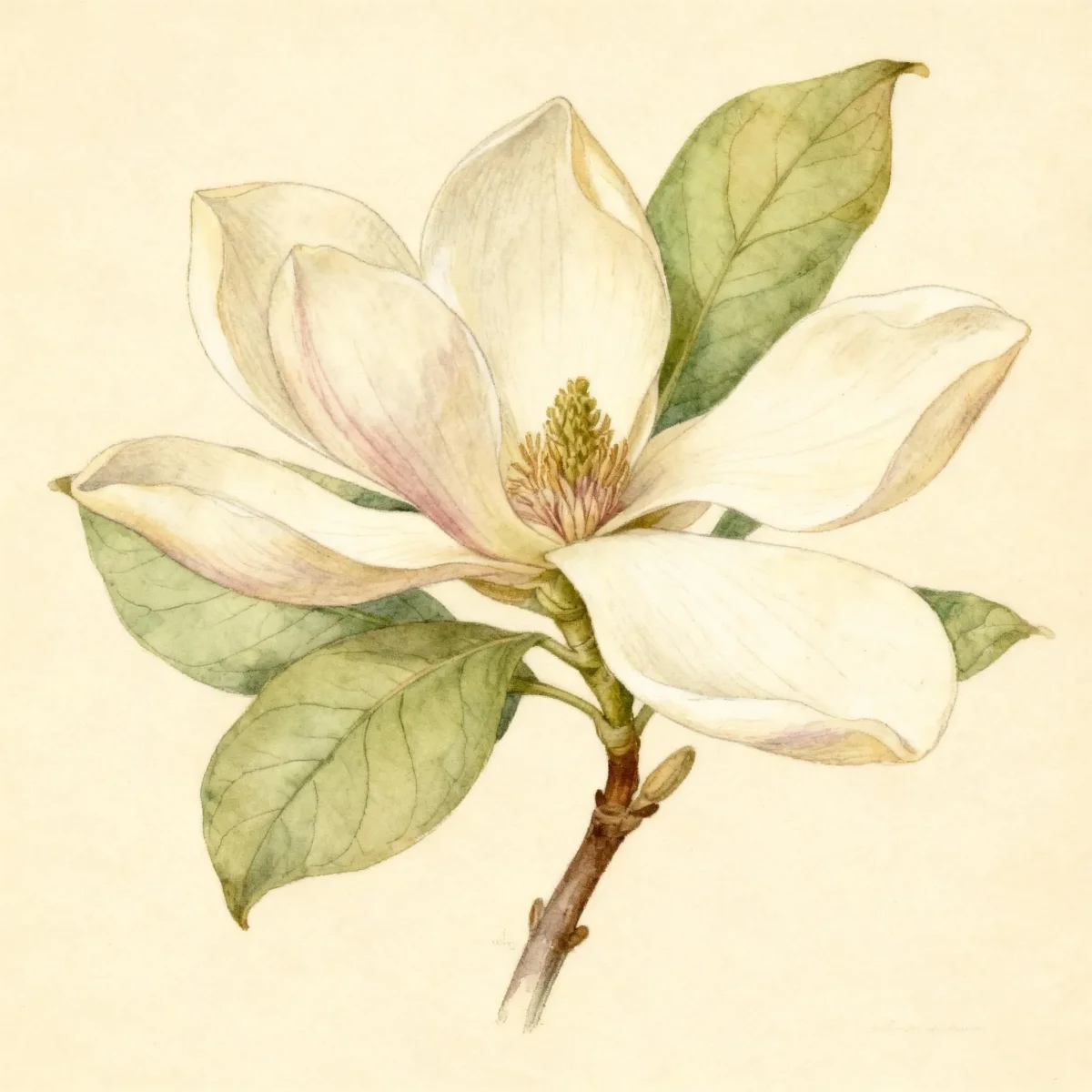
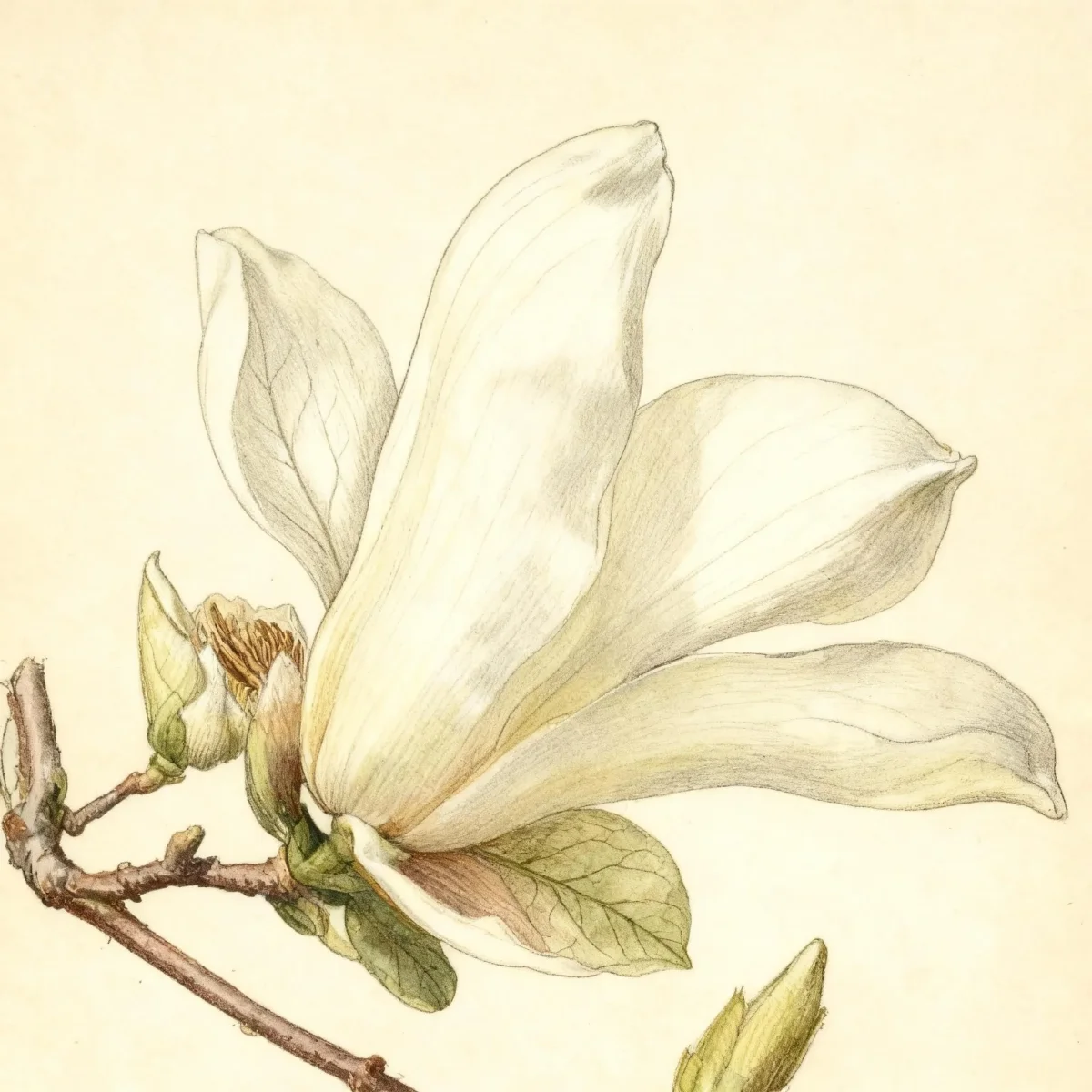
Large-leaved cucumber tree (Magnolia macrophylla)
Discover the majestic Magnolia macrophylla, the Large-leaved cucumber tree, featuring North America's largest simple leaves and fragrant blooms.
Scroll down to discover growing tips, care requirements, companion plants, and more
Complete Plant Information
Overview
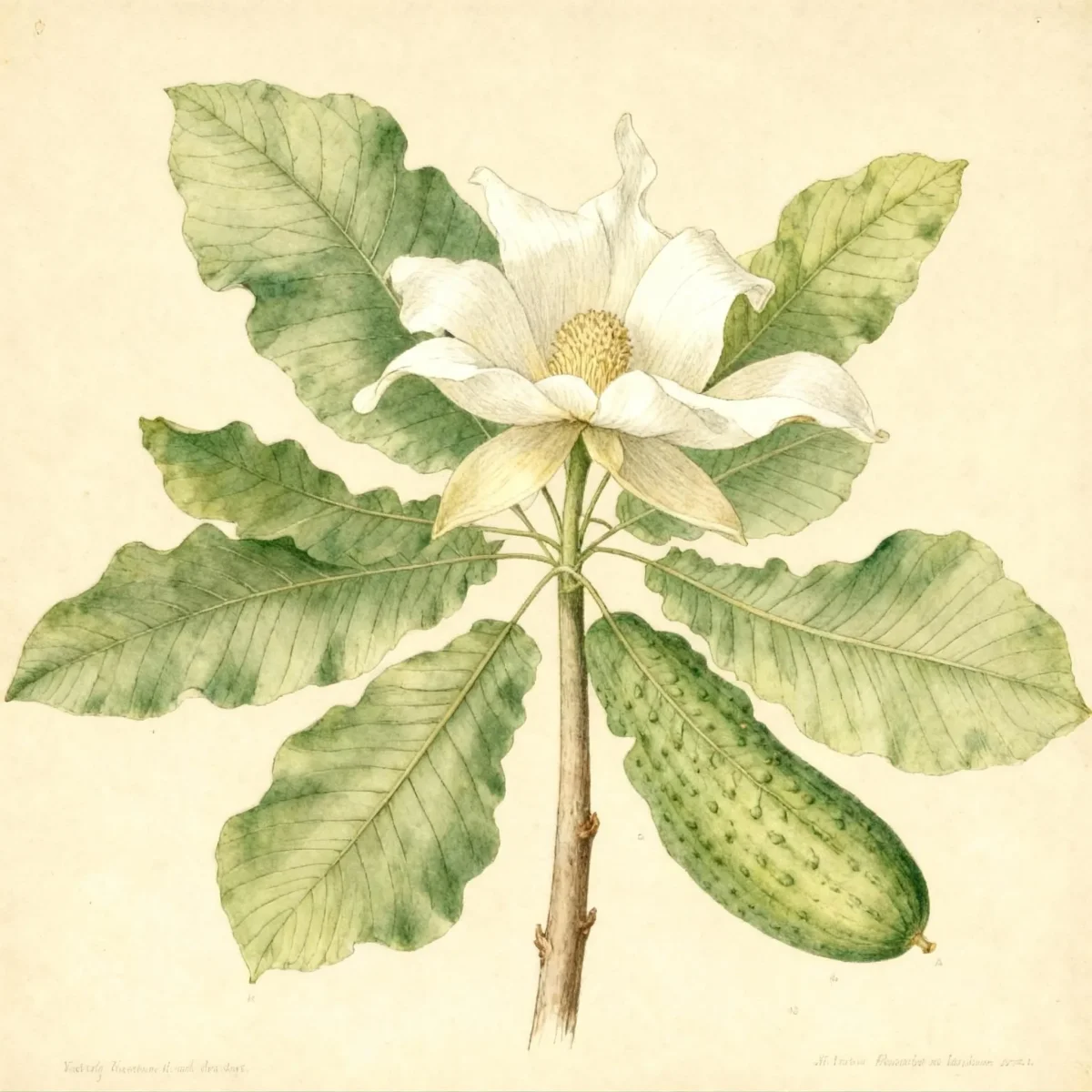
The Large-leaved cucumber tree (Magnolia macrophylla) is an unparalleled specimen tree, instantly recognizable due to its enormous, oblong-obovate leaves, which are the largest simple leaves found on any native North American tree, sometimes reaching 30 inches in length. This rare beauty provides an architectural focal point in any landscape, balancing its massive foliage with large, fragrant, white flowers in late spring. While slower to mature, achieving its impressive stature is worth the patience for gardeners seeking dramatic, bold textures in their plantings.
Native across scattered rich wooded areas within the southeastern United States, Mexico, and the Caribbean, Magnolia macrophylla thrives best when situated in protected spaces that shield its vulnerable foliage from strong winds. It establishes itself as a spreading, pyramidal tree, gradually developing a rounded crown over decades, offering significant vertical interest. Gardeners value this tree not only for its sheer size but also for the ephemeral beauty of its cup-shaped, highly scented blossoms.
Cultivating the Large-leaved cucumber tree requires attention to soil quality and moisture, as it dislikes being subjected to prolonged dry or saturated conditions. A low-maintenance tree once established, its unique aesthetic makes it an excellent choice for large properties or estates where its massive form can be fully appreciated without crowding nearby structures or plants. The foliage offers a striking contrast, being deep green above and softly silvery-gray beneath.
Fast Facts
- Plant Family: Magnoliaceae
- Plant Type: Tree
- Native Range: Caribbean, Mexico, southeastern United States
- Hardiness Zones: USDA Zones 5-8
- Size at Maturity:
- Height: 30-40 ft
- Spread: 30-40 ft
- Bloom Time: May
- Bloom Description: White with purple petal bases
- Sun Exposure: Full sun to part shade
- Water Needs: Medium
- Maintenance Level: Low
How to Grow
The ideal establishment time for Magnolia macrophylla is during the dormant season, late fall or early spring, ensuring ample time before summer heat sets in. This species demands an organically rich, moist, and impeccably well-drained loam. Planting should occur in a location receiving full sun to light afternoon shade, ensuring protection from severe winds, which can easily shred the signature large leaves.
Consistent moisture is crucial, particularly for young specimens, as this tree is intolerant of drought or waterlogged soil extremes. While maintenance is generally low, careful siting is key, especially in urban settings, as this species shows intolerance to many common urban pollutants. Avoid heavy fertilization; often, providing the initial rich soil profile is enough to sustain healthy growth.
Gardeners should be aware that Magnolia macrophylla can be slow to flower, sometimes requiring 12 or more years before the first beautiful blooms appear. Pruning should be minimal, focusing only on removing dead or crossing branches, as the tree naturally develops a pleasing shape. If required, prune during late dormancy before the spring growth flush begins.
Landscape Uses
The primary function of the Large-leaved cucumber tree in the landscape is as a commanding specimen flowering tree, perfect for placement in expansive lawns or open park settings where its overall form and massive foliage can be admired from a distance. Its scale prohibits use in small suburban yards or containers, instead demanding the space necessary to develop its 30-40 foot height and spread.
When used as a specimen, consider pairing surrounding plants that complement its tropical appearance without competing for attention or light. Shorter, fine-textured understory shrubs, such as certain azaleas or ferns that appreciate similar dappled light and rich soil, can create an appealing contrast beneath the towering canopy of the Magnolia macrophylla. This tree excels as the anchor point in a woodland garden design.
Standout Features
Flower Qualities
- Showy
Fruit Qualities
- Showy
Noteworthy Characteristics
Magnolia macrophylla, commonly called bigleaf magnolia, is noted for its huge oblong-obovate leaves (to 30 inches long) which are the largest simple leaves of any tree indigenous to North America. Leaves are green above and silvery-gray below. This unusual tree is rarely found in the wild, being limited mainly to a few rich wooded areas in river valleys and ravines in the southeastern United States. The fragrant, cup-shaped flowers bloom in May, giving way to spherical, red-maturing fruits that release seeds suspended on slender threads.
Tolerances
- Intolerant of soil extremes (dry or wet)
- Intolerant of most urban pollutants
Potential Problems
This species boasts very few significant horticultural challenges, generally suffering from no persistent insect or serious disease problems, making its low maintenance level reliable. The primary concern is physical damage to the leaves, which are large and susceptible to tearing or shredding from high winds or hail. Proper siting away from expected wind tunnels is the best preventative measure.
Frequently Asked Questions
What hardiness zones is Large-leaved cucumber tree suitable for?
The Large-leaved cucumber tree (Magnolia macrophylla) is suitable for USDA Hardiness Zones 5 through 8. Ensure your microclimate aligns with these zones before planting.
How large does Magnolia macrophylla grow?
When mature, Magnolia macrophylla typically reaches a height between 30 and 40 feet, with an equal spread of 30 to 40 feet, requiring significant space to develop its impressive canopy.
When does Large-leaved cucumber tree bloom?
Flowering generally occurs in May, producing stunning white, cup-shaped flowers that feature distinctive purple coloring at the base of the petals.
What sun exposure does Magnolia macrophylla need?
Magnolia macrophylla prefers a location that receives full sun to partial shade. Too much direct, intense afternoon sun without adequate moisture could stress younger trees.
Conclusion
The Large-leaved cucumber tree offers a truly singular aesthetic in the landscape, dominated by its colossal leaves and complemented by large, sweetly fragrant spring flowers. For gardeners with the necessary space and dedication to providing moist, rich soil, adding Magnolia macrophylla guarantees a spectacular, architectural specimen. Before adding this gem to your garden, precisely evaluate your hardiness zone and potential wind exposure to ensure its successful long-term establishment.
Companion Planting
Selecting companions that thrive under the same moist, rich, well-drained loam conditions benefits the Large-leaved cucumber tree. Consider native shade-loving perennials like Hellebores or Hostas, which offer fine texture to contrast the massive leaves of the magnolia. For understory interest, low-growing rhododendrons or Oakleaf Hydrangea (Hydrangea quercifolia) thrive in the filtered light cast by the high canopy of Magnolia macrophylla.
Seasonal Care Calendar
Spring is the most critical growth period; ensure deep, slow watering begins as the buds swell to support the rapid leaf expansion to come. Summer maintenance focuses solely on consistent deep watering, especially during dry spells, as this tree cannot tolerate dryness. In autumn, clean up fallen leaves, though avoid heavy cultivation around the base, which risks damaging the shallow root system characteristic of many magnolias. Winter care is minimal for established plants in Zones 5-8, but young trees might benefit from wrapping the trunk or creating a temporary windbreak if excessive winter winds are common in your area.