Umbrella tree (Magnolia tripetala)
Magnolia tripetala, the Umbrella tree, offers massive, distinctive foliage and large white blooms. Low maintenance tree for shady sites.
Scroll down to discover growing tips, care requirements, companion plants, and more
Complete Plant Information
Overview
The Umbrella tree, scientifically known as Magnolia tripetala, is highly valued in temperate landscapes for its dramatically large foliage, which gives it its common name by arranging itself in whorls at the branch tips. This deciduous magnolia provides strong architectural interest even when not in bloom, developing into a small, often multi-trunked specimen reaching up to 30 feet tall. Its unique presentation makes the Magnolia tripetala an excellent choice for providing unique texture in woodland or shaded garden settings.
Native to the rich, moist woods of Eastern North America, this tree thrives as an understory component where it receives protection from harsh midday sun. Gardeners appreciate its relatively low maintenance requirements once established in the correct conditions. The reward for proper placement includes bowl-shaped, creamy white flowers appearing in May just as the foliage emerges.
Planting Magnolia tripetala where it receives protection from the elements is crucial for preserving its magnificent leaves. Though it is generally robust, siting it away from powerful winds prevents physical tearing of the substantial leaves. This native beauty offers a unique tropical look without demanding exotic care, provided its specific moisture and soil preferences are met.
Fast Facts
- Plant Family: Magnoliaceae
- Plant Type: Tree
- Native Range: Eastern North America
- Hardiness Zones: USDA Zones 5-8
- Size at Maturity:
- Height: 15-30 ft
- Spread: 15-30 ft
- Bloom Time: May
- Bloom Description: White
- Sun Exposure: Full sun to part shade
- Water Needs: Medium
- Maintenance Level: Low
How to Grow
The best planting time for Magnolia tripetala is typically in the spring, ensuring the roots have time to acclimate before summer heat or winter freezes arrive. Locate your Umbrella tree in areas where the soil structure is moist, organically rich, and slightly acidic, with excellent drainage being paramount. While it tolerates close to full shade, success in full sun is possible, particularly in cooler northern regions, contingent upon consistent soil moisture.
Consistent moisture is vital for the health and appearance of Magnolia tripetala. Plants appreciate regular watering throughout the year and show poor tolerance for extreme dry or waterlogged soils. Pruning should be minimal, focusing only on removing dead or crossing branches, as these trees naturally maintain an attractive, often multi-trunked form.
Protecting the developing structure from strong winds is a key cultural consideration, as wind can easily shred the large leaves, detracting from their umbrella-like appearance. In early spring, vigilance against late frosts is necessary, as these freezes pose the most significant threat directly to the emerging flowers, which can be easily damaged.
Landscape Uses
The Magnolia tripetala excels as a specimen for shady lawn areas, immediately drawing the eye due to its massive, distinctive foliage. Its status as a dramatic flowering tree ensures it performs well as a focal point planted in a lightly screened area where its unique habit can be fully appreciated without being overwhelmed by surrounding structures or dense plantings. Consider using it as a specimen planting near water features or in woodland margins.
Due to its cultural needs—moist, rich, well-drained, slightly acidic loams—companion plants should share similar benign requirements. Look to other shade-tolerant woodland natives like hostas, ferns, or perhaps understory shrubs such as witch hazel or dogwood if sunlight penetration is dappled. The bold texture of the Umbrella tree contrasts beautifully with fine-textured companion shrubs.
Standout Features
Flower Qualities
- Showy
Noteworthy Characteristics
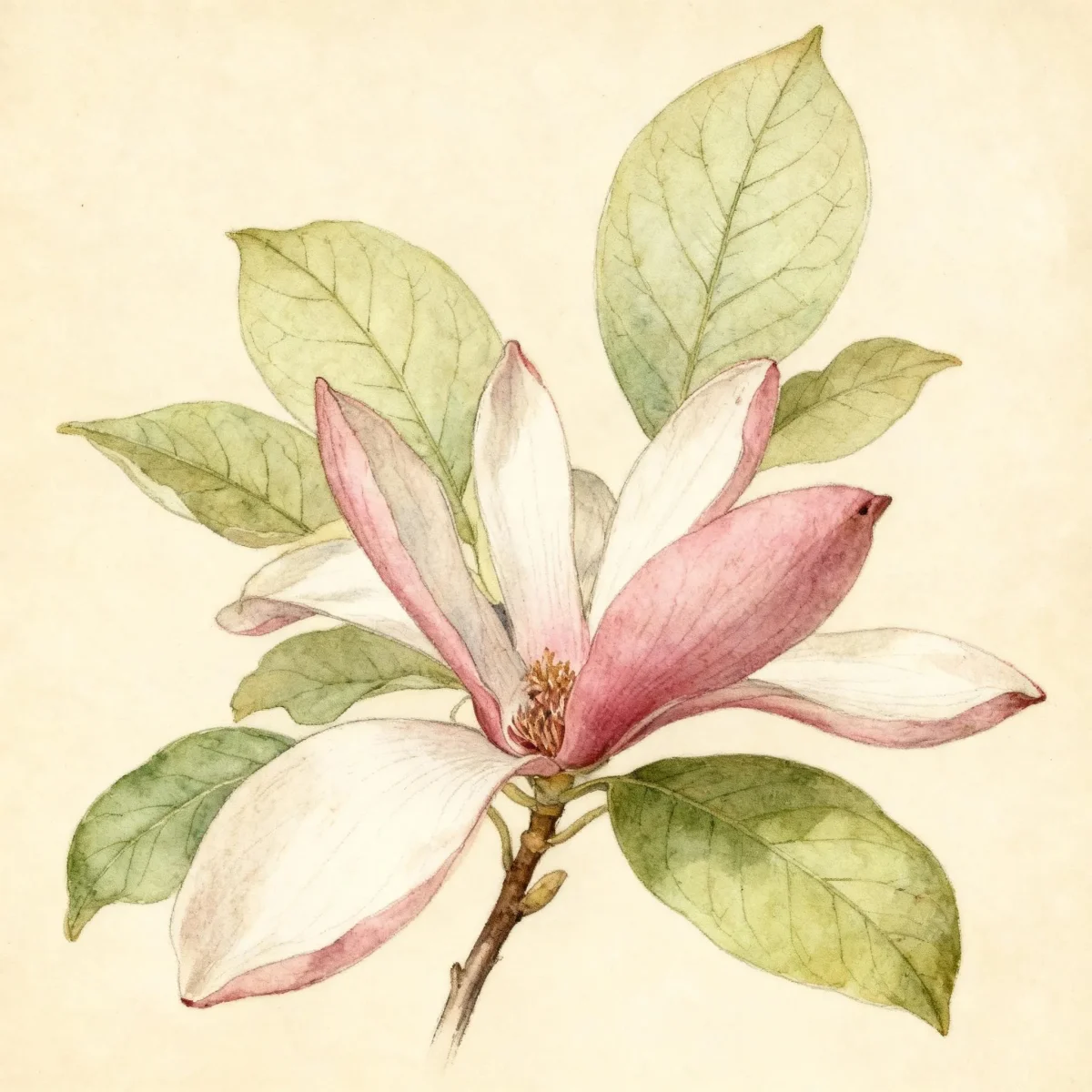
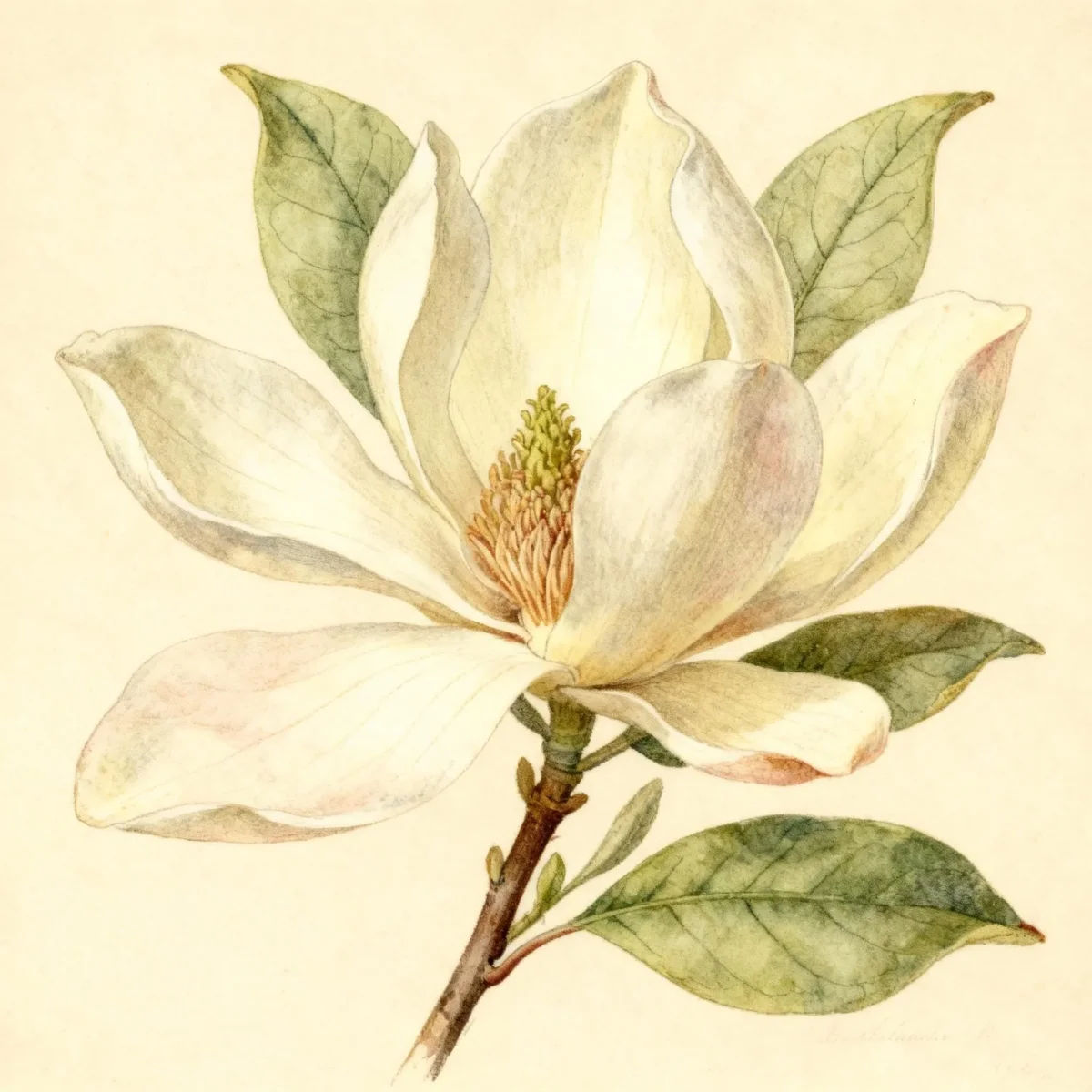
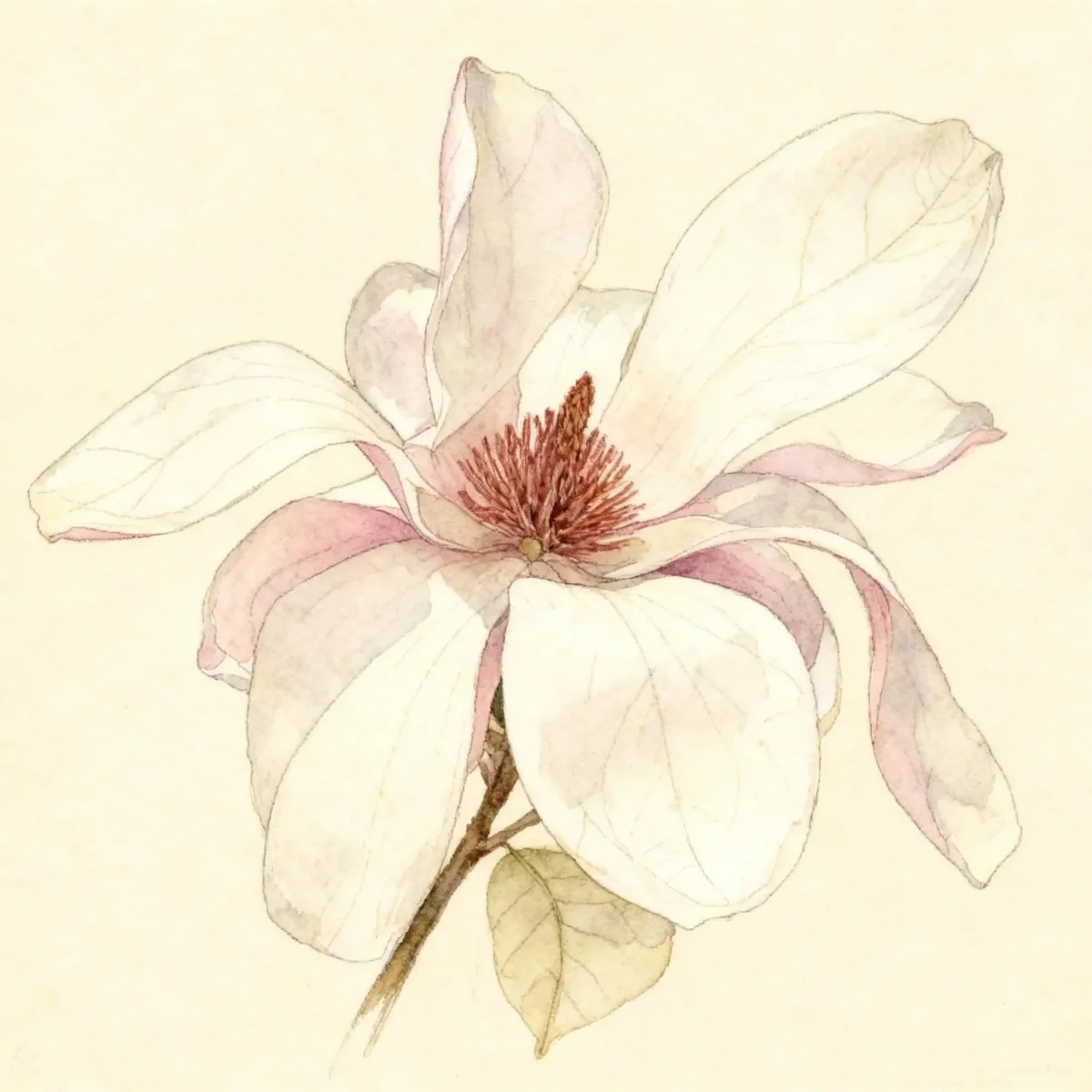
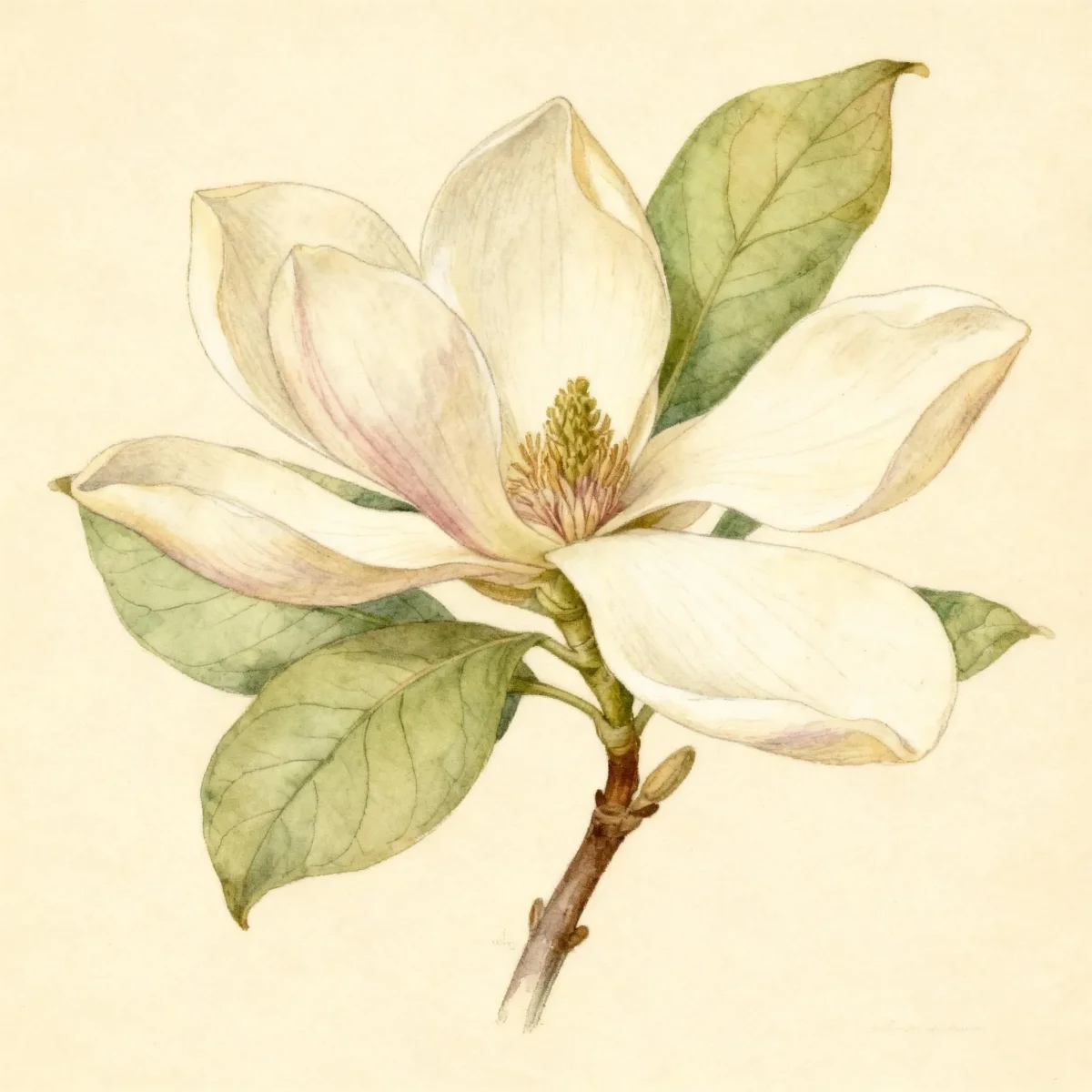
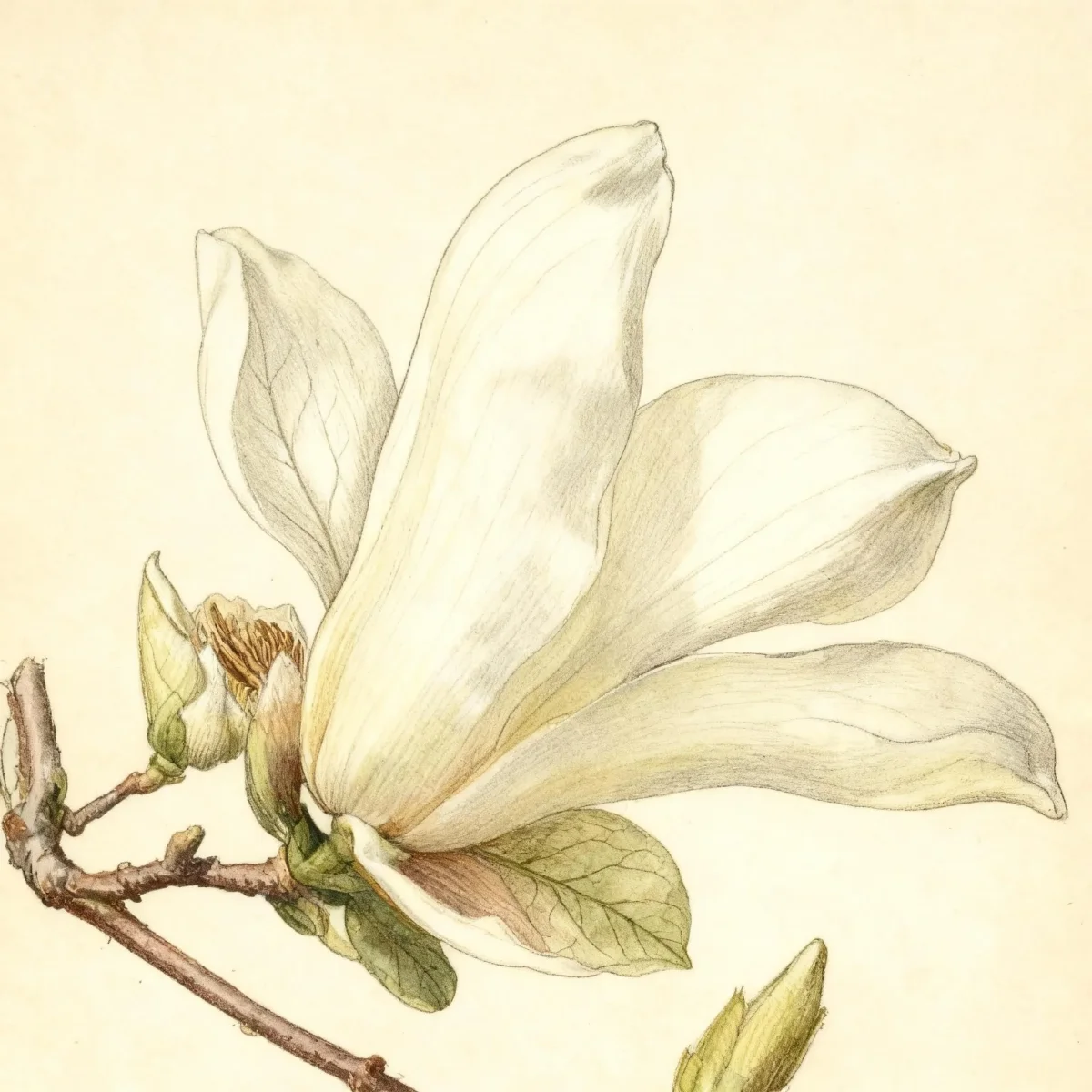
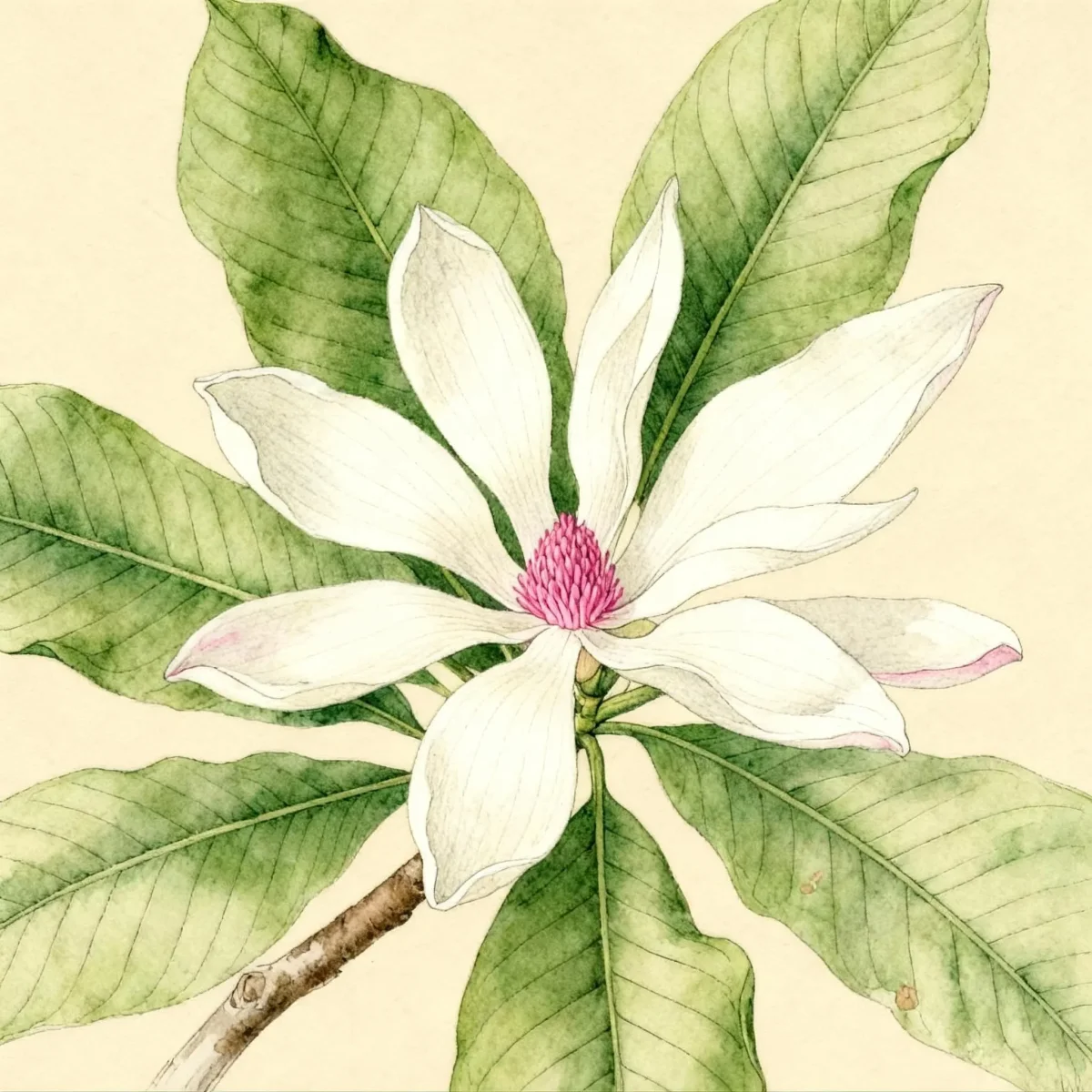
Magnolia tripetala has large, ovate to oblong, shiny green leaves (to 24” long and to 10” wide) of this deciduous magnolia appear in whorl-like clusters at the stem tips, purportedly resembling the spokes of an umbrella. It is an understory tree that is native to rich moist woods, ravines, slopes and along streams in the Appalachian Mountains from Pennsylvania and West Virginia to North Carolina, Tennessee and Kentucky plus the Blue Ridge Mountains into South Carolina, Georgia and Alabama. It is a small, often multi-trunked, tree that typically grows to 30’ tall, but may rise to as much as 45’ tall. Malodorus, bowl-shaped, creamy white flowers (to 6-10” across) bloom in spring shortly after the leaves emerge. Each flower has 6-9 (sometimes 12) petal-like tepals. Flowers are followed by cone-like pink fruits (to 4” long) that ripen in fall. Thin, smooth, gray bark.
Tolerances
Potential Problems
The Umbrella tree generally experiences few serious pest or disease issues, which contributes to its low maintenance rating. The primary threat involves environmental damage rather than persistent biological attacks. Late spring frosts pose the most significant concern; they can easily scorch the flowers just as they are opening, preventing fruit set and ruining the brief but spectacular bloom period. Ensure protection or site carefully to avoid frost pockets.
Frequently Asked Questions
What hardiness zones is Umbrella tree suitable for?
The Magnolia tripetala is suitable for USDA Hardiness Zones 5 through 8.
How large does Magnolia tripetala grow?
This species typically matures to a height between 15 and 30 feet, with a similar spread of 15 to 30 feet.
What sun exposure does Umbrella tree need?
Magnolia tripetala thrives best in partial shade but can tolerate full sun as long as diligent attention is paid to keeping the soil consistently moist.
When does Umbrella tree bloom?
The distinct creamy white flowers of the Umbrella tree emerge in May.
Conclusion
The Magnolia tripetala offers unparalleled texture and structure, making it a compelling specimen tree where dappled shade prevails. Its large white blooms in May and unique foliage justify the attention required for consistent moisture management. Before planting, confirm your site offers the rich, slightly acidic soil and protection from harsh winds that this beautiful native species requires.
Companion Planting
When integrating the Umbrella tree into a woodland garden design, focus on plants that appreciate similar soil moisture and light levels. Ferns, such as the Ostrich Fern or Japanese Painted Fern, provide fine textural contrast beneath the massive leaves of the Magnolia tripetala. Their delicate fronds offer an excellent foil to the bold structure above.
Consider incorporating shade-loving perennials like large Hostas or evergreen groundcovers such as Pachysandra to create a lush, layered effect at the base. These companions help shade the soil, which assists in retaining the consistent moisture that the Magnolia tripetala requires throughout the growing season, especially during warmer months.
Seasonal Care Calendar
In the early spring, focus immediate attention on site protection, ensuring frost is monitored as buds swell; this is when the most significant damage to the show can occur. Once actively growing, maintain consistent medium water levels, especially through summer droughts, ensuring the topsoil never dries out completely, which is critical for the Umbrella tree.
Summer care centers almost entirely on irrigation management, verifying that the organic-rich soil remains evenly moist without becoming saturated. Minimal supplemental fertilization is usually necessary if the native soil is rich, but a spring application of slow-release organic mulch can help regulate soil temperature and conserve moisture around the base of Magnolia tripetala.
As the tree matures and drops its large leaves in the fall, avoid heavy raking immediately around the base; allow the leaf litter to decompose naturally to contribute organic matter back to the soil, feeding the shallow root system. Winter preparation, particularly in the cooler Zone 5 locations, involves ensuring the ground is well-watered before the deep freeze sets in.