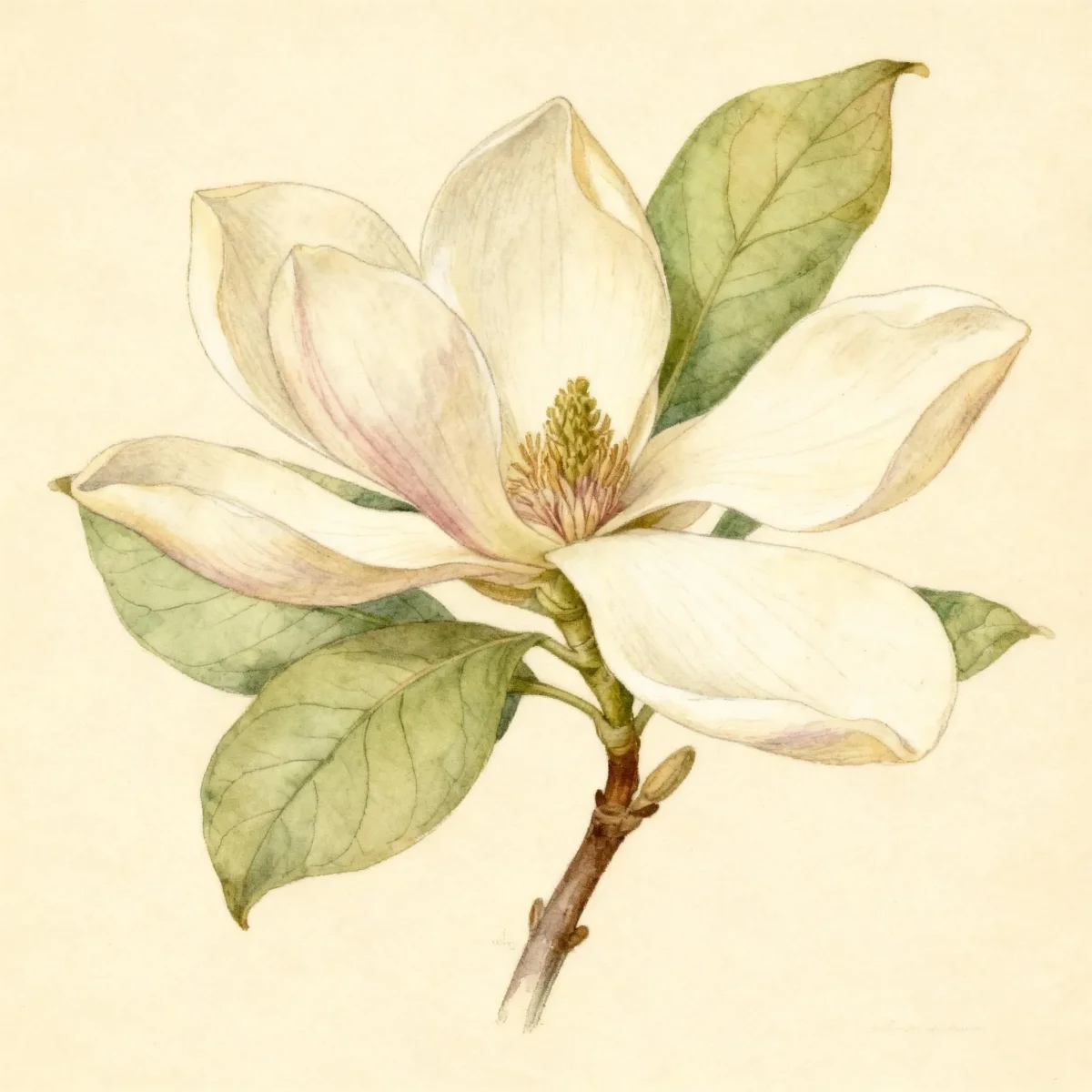
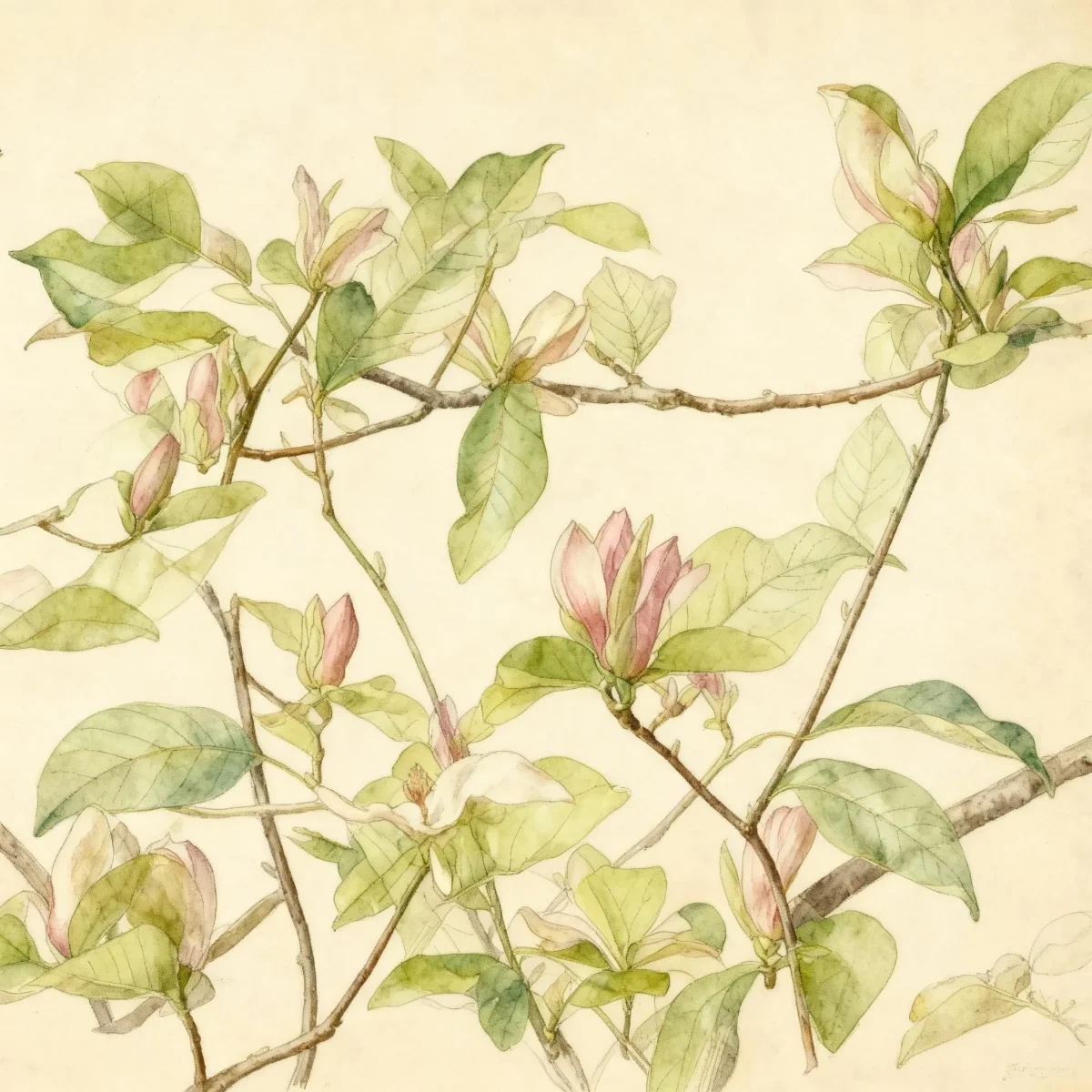
Chinese tulip tree (Liriodendron chinense)
Discover the Liriodendron chinense, or Chinese tulip tree, a fast-growing specimen with tulip-like flowers ideal for large landscapes.
Scroll down to discover growing tips, care requirements, companion plants, and more

Complete Plant Information
Overview
The Liriodendron chinense, widely known as the Chinese tulip tree, is a magnificent and stately specimen originating from Central China and Indochina. Gardeners value this species for its upright, columnar habit and its distinctive, tulip-shaped flowers that appear later in the spring season, providing unique late-season interest. As a member of the Magnoliaceae family, it shares lineage with classic magnolias, offering exotic appeal in temperate settings.
This species is comparable to its North American cousin, Liriodendron tulipifera, but the Chinese tulip tree generally presents a denser structure and slightly smaller overall scale, making it a distinguished choice for spacious properties. It is a fast-growing tree whose lobed green foliage transforms into a striking golden yellow display before dropping in autumn.
For gardeners seeking a substantial focal point or dependable shade source, the Liriodendron chinense delivers impressive stature with relatively low ongoing maintenance once established. Careful placement is required due to its eventual size of 50 to 70 feet tall.
Fast Facts
- Plant Family: Magnoliaceae
- Plant Type: Tree
- Native Range: Central China, Indochina
- Hardiness Zones: USDA Zones 6-9
- Size at Maturity:
- Height: 50-70 ft
- Spread: 30-40 ft
- Bloom Time: May to June
- Bloom Description: Olive green with yellow at base
- Sun Exposure: Full sun
- Water Needs: Medium
- Maintenance Level: Low
How to Grow
Optimal establishment for the Chinese tulip tree starts with planting in the spring or fall when temperatures are moderate. Select a site that receives full sun, though the species can tolerate partial shade. The best success is achieved in moist, organically rich soils that are consistently well-drained. Avoid heavy clay areas, as deep, reliable drainage is crucial for root health.
Watering should be consistent, especially for young trees, to maintain medium moisture levels throughout the growing season. While mature specimens are somewhat drought-tolerant, consistent moisture supports their fast growth rate. Fertilization is rarely necessary if the soil is rich, but a balanced slow-release fertilizer can benefit very young specimens. Pruning is generally minimal, focusing only on removing dead, damaged, or crossing limbs to maintain the tree’s natural, upright shape.
Be aware that Liriodendron chinense may not achieve full winter hardiness in the coldest northern reaches of USDA Zone 6. Providing a layer of organic mulch helps moderate soil temperatures, which benefits the tree’s relatively shallow root system, thereby aiding winter survival and moisture retention during summer.
Landscape Uses
The primary role for the Liriodendron chinense in the landscape is as a magnificent shade provider. Its substantial final height and spread (up to 70 feet tall and 40 feet wide) designate it as a large tree, typically recommended for expansive properties, arboretums, and large lawns rather than confined urban settings. Its columnar habit makes it an excellent centerpiece or a vertical anchor in large border plantings.
While it excels on its own, companion planting can enhance its visual appeal. Consider placing lower-growing, deep-green shrubs or perennials at a respectable distance to avoid root competition while still appreciating the falling yellow foliage in autumn. Due to its shallow root system, planting turf or other moisture-demanding species directly beneath the drip line of a mature Chinese tulip tree is often difficult.
This genus is generally excluded from use as a street tree because its fast growth can sometimes lead to slightly weaker wood susceptible to breakage from heavy ice or high winds. Placing the Liriodendron chinense where it has room to develop its full, stately presence ensures maximum aesthetic impact.
Standout Features
Flower Qualities
- Showy
Noteworthy Characteristics
Liriodendron chinense, commonly called Chinese tulip tree, is a fast-growing, columnar tree that typically grows to 50-70’ tall. It is named for its cup-shaped, tulip-like flowers (same family as magnolias) that bloom in late spring to early summer. This tree is very similar to Liriodendron tulipifera, differing in being denser, slightly smaller, and lacking the orange banding on its smaller flowers.
Tolerances
- Deer
Potential Problems
The Liriodendron chinense generally proves quite resistant to serious or widespread insect and disease issues, contributing to its low maintenance score. However, gardeners should monitor for common pests such as aphids, leaf miners, scale insects, mealbugs, and borers. Large aphid populations can lead to the secretion of honeydew, which then becomes a growing medium for sooty mold on the foliage.
Fungal or soil-borne pathogens like verticillium wilt, various molds, powdery mildew, and canker can occasionally affect the tree’s health. Proper siting in well-drained soil is the best defense against many of these issues. Because this tree grows rapidly and can develop somewhat weak wood, it requires protection from severe storms, as limbs may break under heavy ice or snow loads.
A practical consideration when placing the Chinese tulip tree is its shallow root system. Limit intensive groundcover planting or shallow-rooted shrubs within the critical root zone to avoid competition for water and nutrients.
Frequently Asked Questions
What hardiness zones is Chinese tulip tree (- Liriodendron chinense) suitable for?
The Liriodendron chinense is generally suitable for USDA Hardiness Zones 6 through 9, though growers in the cooler Zone 6 regions should verify local winter severity.
How large does Liriodendron chinense grow?
This tree matures into a significant specimen, typically reaching heights between 50 and 70 feet tall, with a spread ranging from 30 to 40 feet wide.
What sun exposure does Liriodendron chinense need?
For best performance, the Chinese tulip tree requires full sun exposure, although it will tolerate some partial shade, especially from the intense afternoon sun.
When does Chinese tulip tree bloom?
Flowering occurs in late spring to early summer, specifically between May and June, featuring distinctive olive green flowers accented with yellow at the base.
Conclusion
The Liriodendron chinense offers an unparalleled combination of rapid growth, stately form, and unique late-season bloom, making the Chinese tulip tree a premier choice for grand landscapes needing substantial vertical interest. Its overall low maintenance profile is a significant benefit for estate gardeners. Before planting, ensure your site offers the required space and well-drained soil conditions to welcome this impressive Asian native.
Companion Planting
When selecting companions for the Chinese tulip tree, focus on species that thrive in similar well-drained, rich loam while appreciating the dappled shade cast by the maturing canopy. Deciduous magnolias or other large shade-tolerant trees can work well in association if planted far enough away to prevent future root conflict. For understory planting, consider shade-loving shrubs known for their resilience, such as Hydrangea varieties or evergreen rhododendrons, provided they are situated outside the critical drip line where the tulip tree’s shallow roots dominate.
Seasonal Care Calendar
Early spring is the ideal time to check the tree following winter stress; remove any obviously damaged or broken limbs to encourage healthy new growth. Summer care revolves primarily around ensuring consistent watering during dry spells to support the tree’s medium water requirement and fast growth rate. In the autumn, watch the foliage transition to a notable golden yellow color before leaf drop, which requires minimal cleanup due to the relative looseness of the fallen leaves. Avoid heavy fertilization late in the season, allowing the Liriodendron chinense to prepare naturally for winter dormancy.