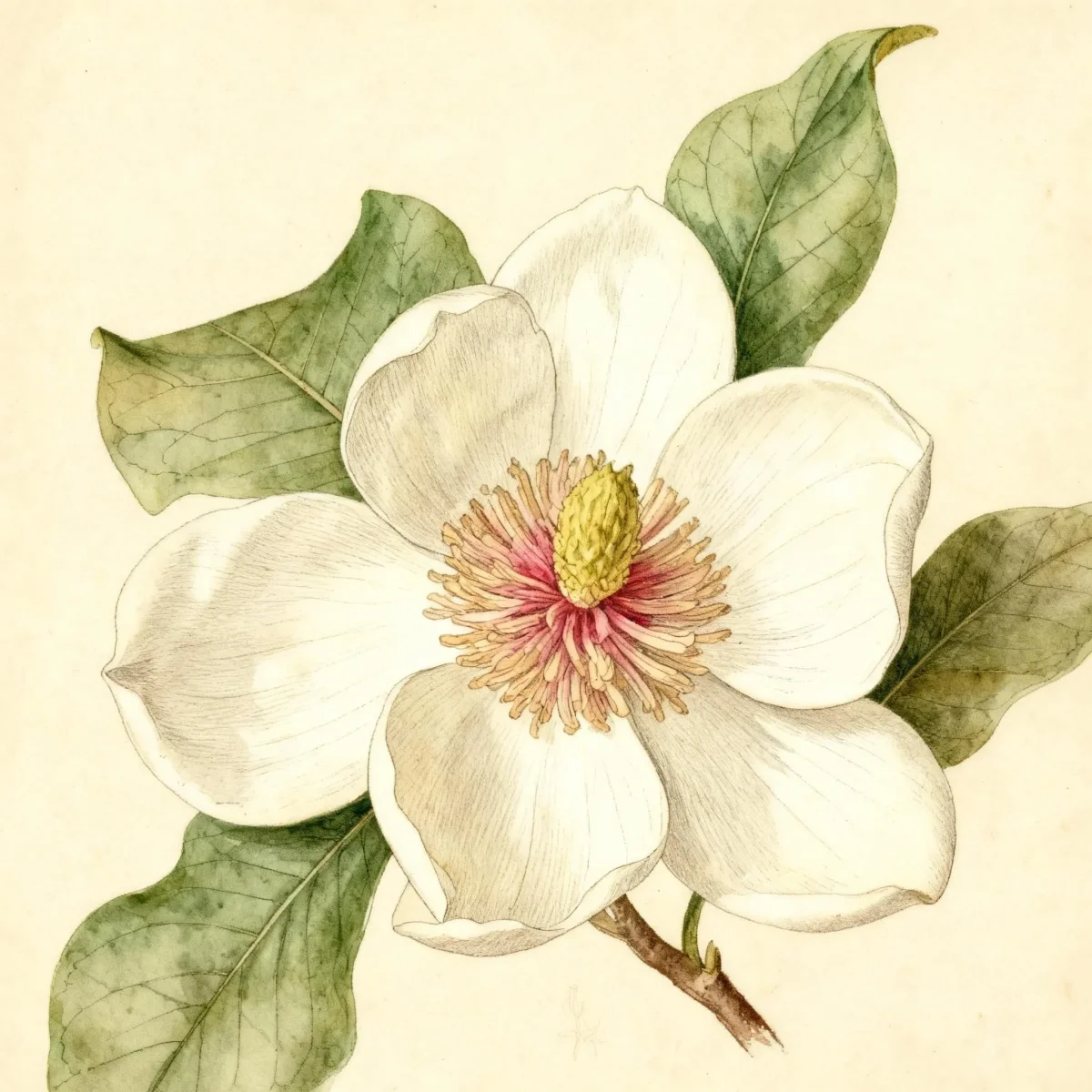
Yulan magnolia (Magnolia denudata)
Discover the fragrant, showy white blooms of Yulan magnolia (Magnolia denudata), a classic specimen tree perfect for Zones 6-9.
Scroll down to discover growing tips, care requirements, companion plants, and more
Complete Plant Information
Overview
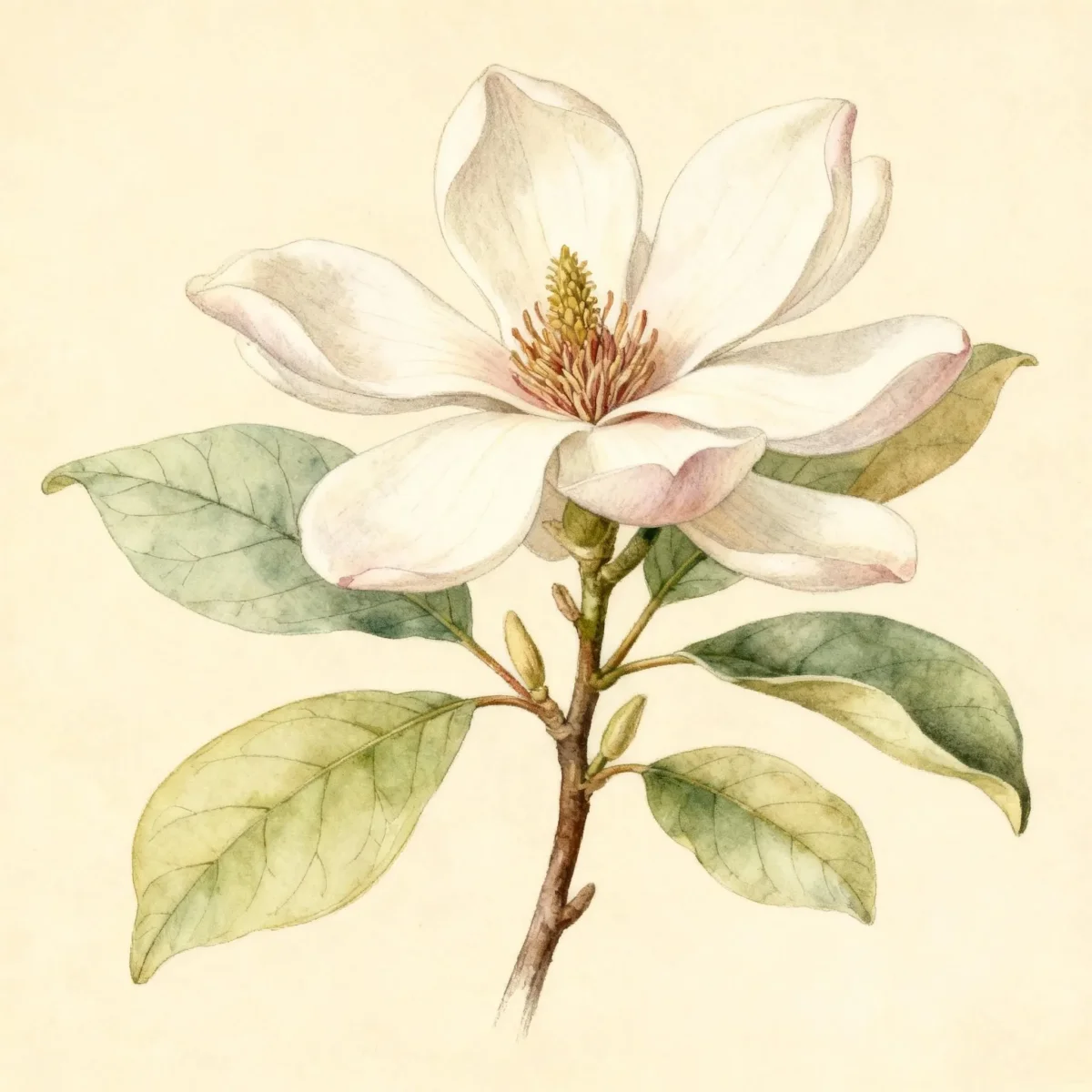
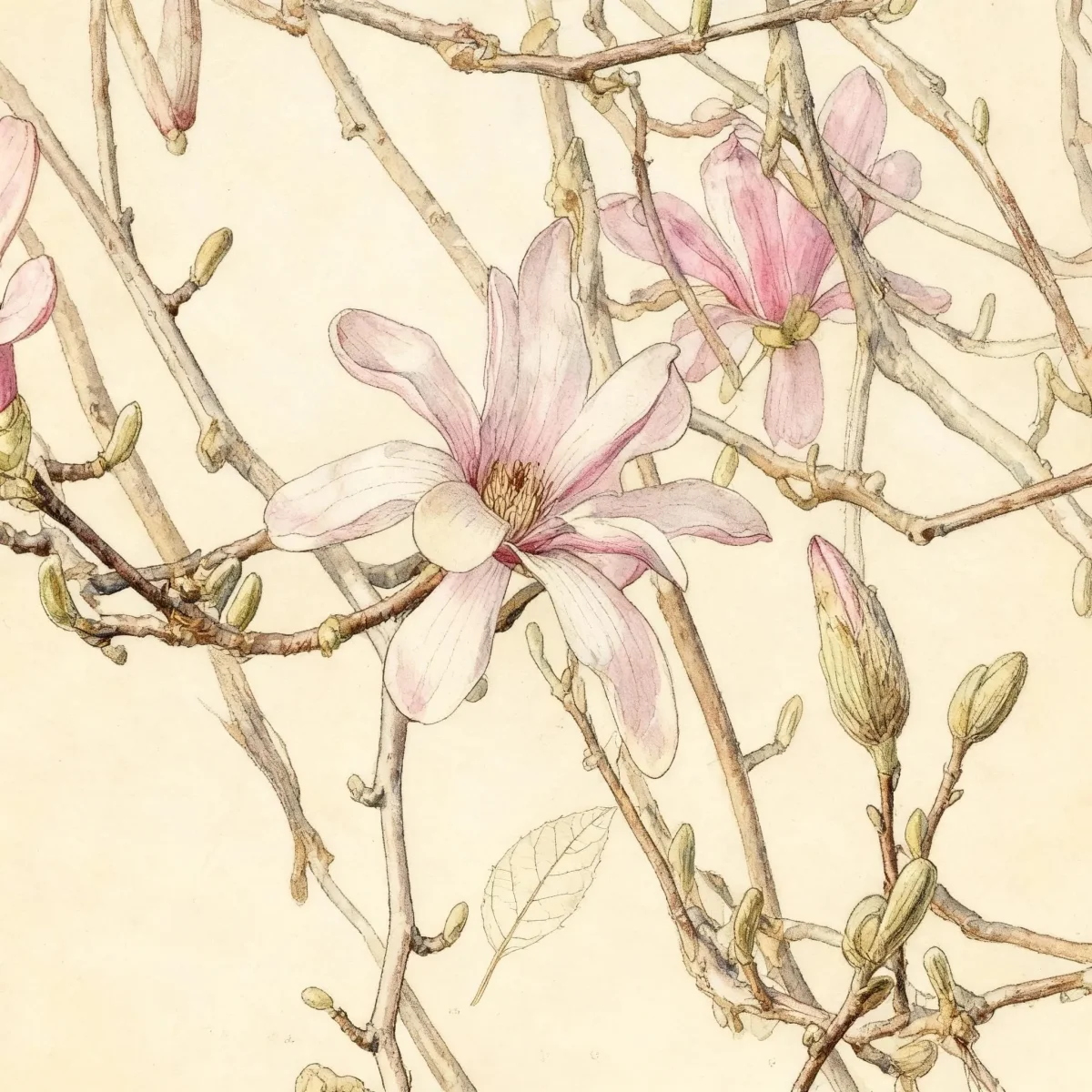
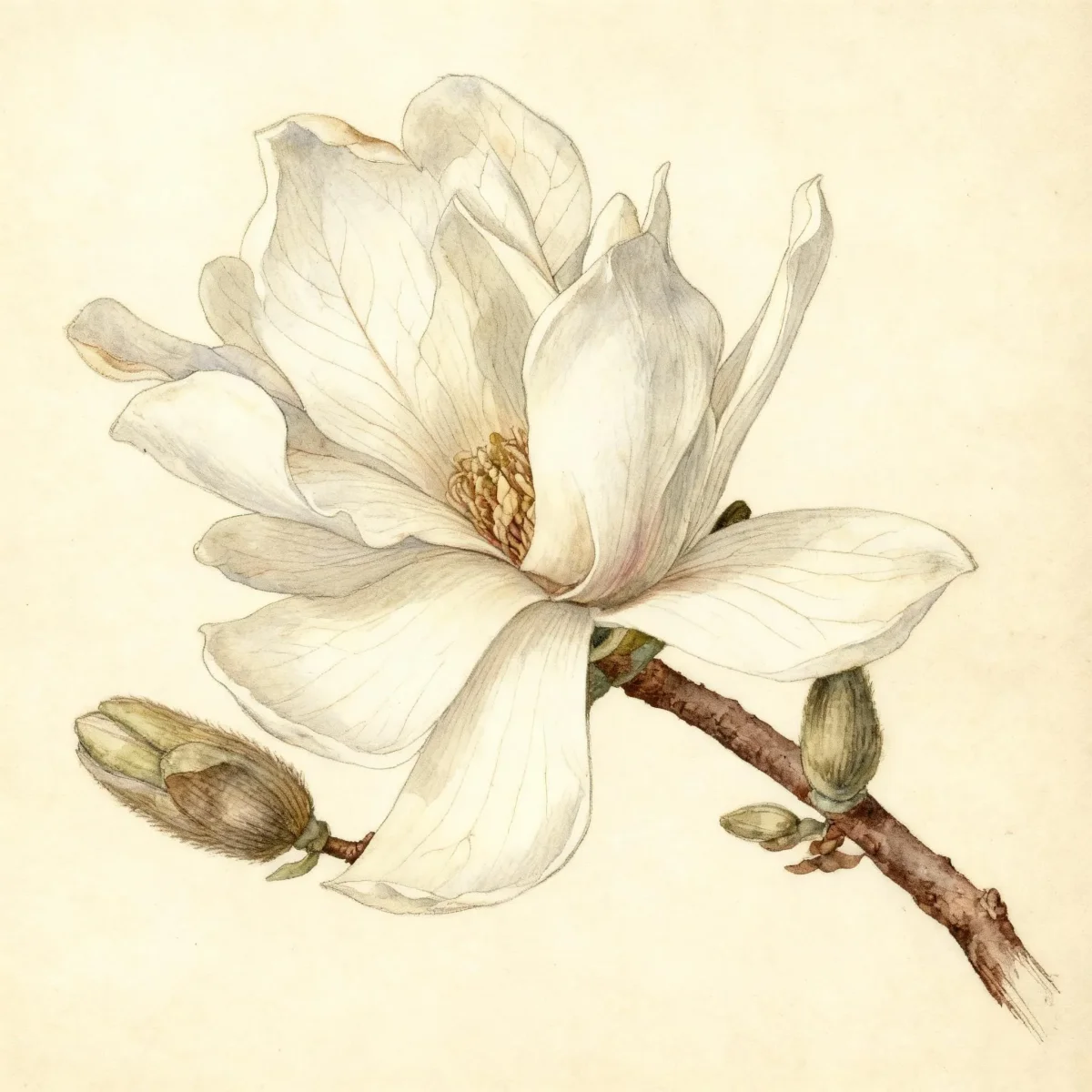
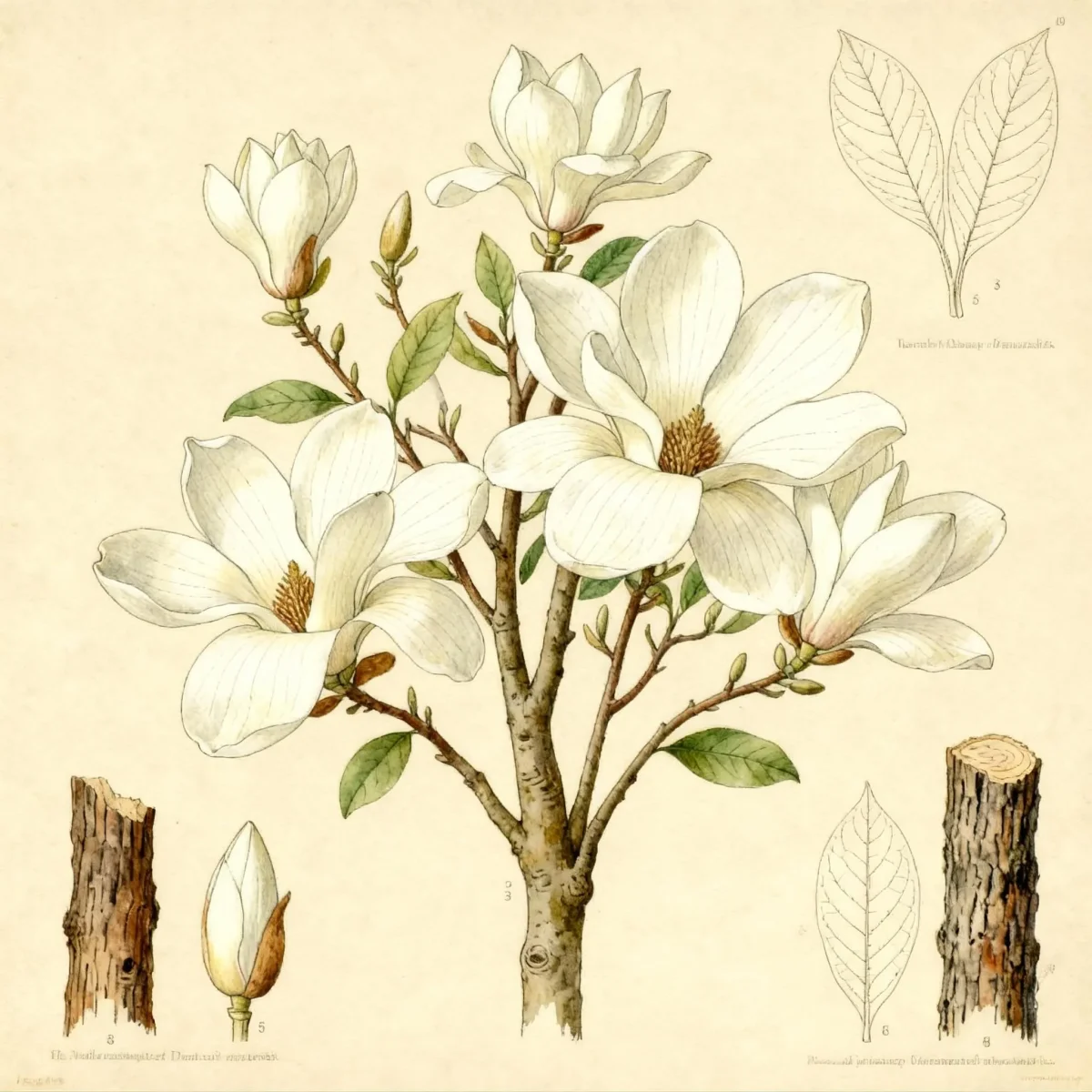
The Yulan magnolia (Magnolia denudata) is cherished globally for its stunning early spring display, signaling the true arrival of warmer weather. This deciduous tree produces magnificent, fragrant, goblet-shaped white flowers that emerge before the leaves, creating a dramatic, naked-branch performance. Native to eastern and southern China, Magnolia denudata has graced gardens for millennia due to its elegance and impressive scale.
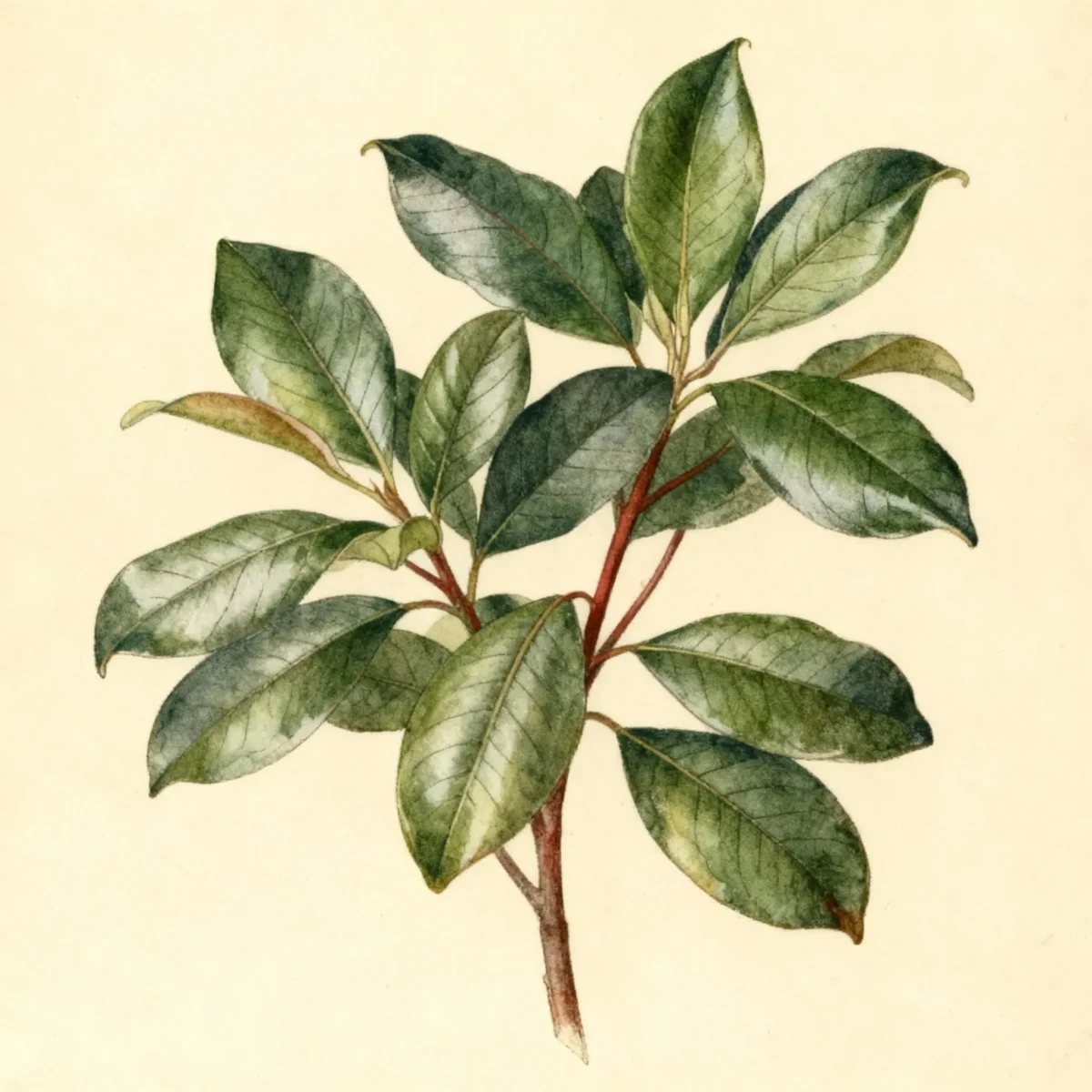
As a small stately tree that matures around 30 to 40 feet tall, the Yulan magnolia works beautifully as a singular specimen planting where its spring beauty can be fully appreciated. It offers good structure throughout the summer with dark green foliage, followed by interesting cone-like fruits. Gardeners seeking early, substantial floral impact should certainly plan a place for this established cultivar.
While valued for its aesthetic impact, successful cultivation of Magnolia denudata requires attention to soil moisture and frost protection, as the early blooms are susceptible to late spring cold snaps. Understanding the specific cultural needs ensures this magnificent tree thrives for generations.
Fast Facts
- Plant Family: Magnoliaceae
- Plant Type: Tree
- Native Range: Eastern and southern China
- Hardiness Zones: USDA Zones 6-9
- Size at Maturity:
- Height: 30-40 ft
- Spread: 30-40 ft
- Bloom Time: March
- Bloom Description: White
- Sun Exposure: Full sun to part shade
- Water Needs: Medium
- Maintenance Level: Medium
How to Grow
Planting the Yulan magnolia is best done in spring or early fall when temperatures are moderate. Select a location that offers moist, organically rich, well-drained loam; this tree is especially intolerant of both extremes—dry or perpetually wet soil conditions. Because the tree flowers before the leaves emerge, avoid placing it where late spring frosts are common, as this damages the developing blossoms.
Ongoing cultural care centers on consistent moisture management. Provide medium watering, ensuring the soil remains consistently damp but never soggy, especially during dry summer periods. Fertilization is usually unnecessary if the original soil preparation included ample organic matter, as heavy feeding can inhibit flowering.
Pruning should be minimal, focusing only on removing crossed, damaged, or poorly placed branches, ideally right after flowering finishes. Be patient, as the Magnolia denudata may take 6 to 7 years before it begins to produce its first spectacular blooms. For gardeners in the northern reaches of Zone 6, plant the Yulan magnolia where it receives protection from harsh winter winds.
Landscape Uses
The primary role of the Yulan magnolia in landscape design is as a striking specimen flowering tree for lawns. Its wide, rounded structure and spectacular early bloom make it an excellent focal point near entryways or patios where the fragrant flowers can be easily enjoyed. It commands attention when placed against a dark evergreen backdrop, which highlights the pure white petals beautifully.
For the best visual integration, allow ample space for its mature spread of 30 to 40 feet, ensuring it doesn’t interfere with structures or overhead utility lines. While it is an established Flowering Tree, consider companion planting with bulbs, like daffodils and tulips, which flower around the same time, or low-growing perennials that can tolerate its dappled shade later in the season.
Standout Features
Flower Qualities
- Showy
- Fragrant
Fruit Qualities
- Showy
Noteworthy Characteristics
Magnolia denudata is native to eastern and southern China, and is a small deciduous tree that typically grows 30-40’ tall with a rounded spreading crown, though it is occasionally grown as a large shrub. Its fragrant, goblet-shaped white flowers, noted for having 9 thick petals, bloom vigorously in spring before the obovate leaves appear. After flowering, cone-like fruits mature to red in the late summer, releasing seeds suspended on slender threads.
Tolerances
- Air Pollution
Potential Problems
Overall, Magnolia denudata enjoys a favorable reputation as it develops no serious insect or disease problems. This relative hardiness is a major benefit for low-maintenance gardening. The primary threat is environmental rather than biological; late spring frosts pose a significant risk to bud development and open flowers. To mitigate problems, ensure your chosen planting site is slightly protected from harsh, early-season weather fluctuations.
Frequently Asked Questions
What hardiness zones is Yulan magnolia suitable for?
The Yulan magnolia thrives in USDA Hardiness Zones 6 through 9.
How large does Yulan magnolia grow?
This tree typically reaches a mature height of 30 to 40 feet and spreads equally wide, developing a mature spread of 30 to 40 feet.
When does Yulan magnolia bloom?
The Yulan magnolia begins producing its signature white flowers in March, preceding the emergence of its leaves.
What sun exposure does Magnolia denudata need?
Magnolia denudata requires full sun to part shade for optimal blooming and growth.
Conclusion
The Yulan magnolia remains a cornerstone specimen tree, prized for its intense, fragrant floral display in early spring. Its elegance and long history of cultivation assure its place in distinguished gardens. Before planting your Magnolia denudata, confirm that your site offers well-drained soil and protection from late frost to ensure generations of enjoyment.
Companion Planting
To enhance the spring interest around your Yulan magnolia, consider companion planting with acid-loving, shade-tolerant shrubs that provide structure during the summer months. Rhododendrons and Azaleas placed slightly perimeter of the drip line appreciate the same slightly acidic soil conditions. For earlier spring color, plant bulbs like Daffodils, whose bright yellow contrasts wonderfully with the future light green foliage canopy of the magnolia.
Seasonal Care Calendar
April marks the critical time for observing your Yulan magnolia after blooming concludes; this is the ideal window for any necessary structural pruning, as the tree heals quickly before summer heat sets in. Throughout the summer, focus only on deep, infrequent watering during drought periods, as this encourages deeper root establishment, preparing the tree for winter dormancy. Reduce watering significantly as autumn approaches to signal the transition toward winter rest.