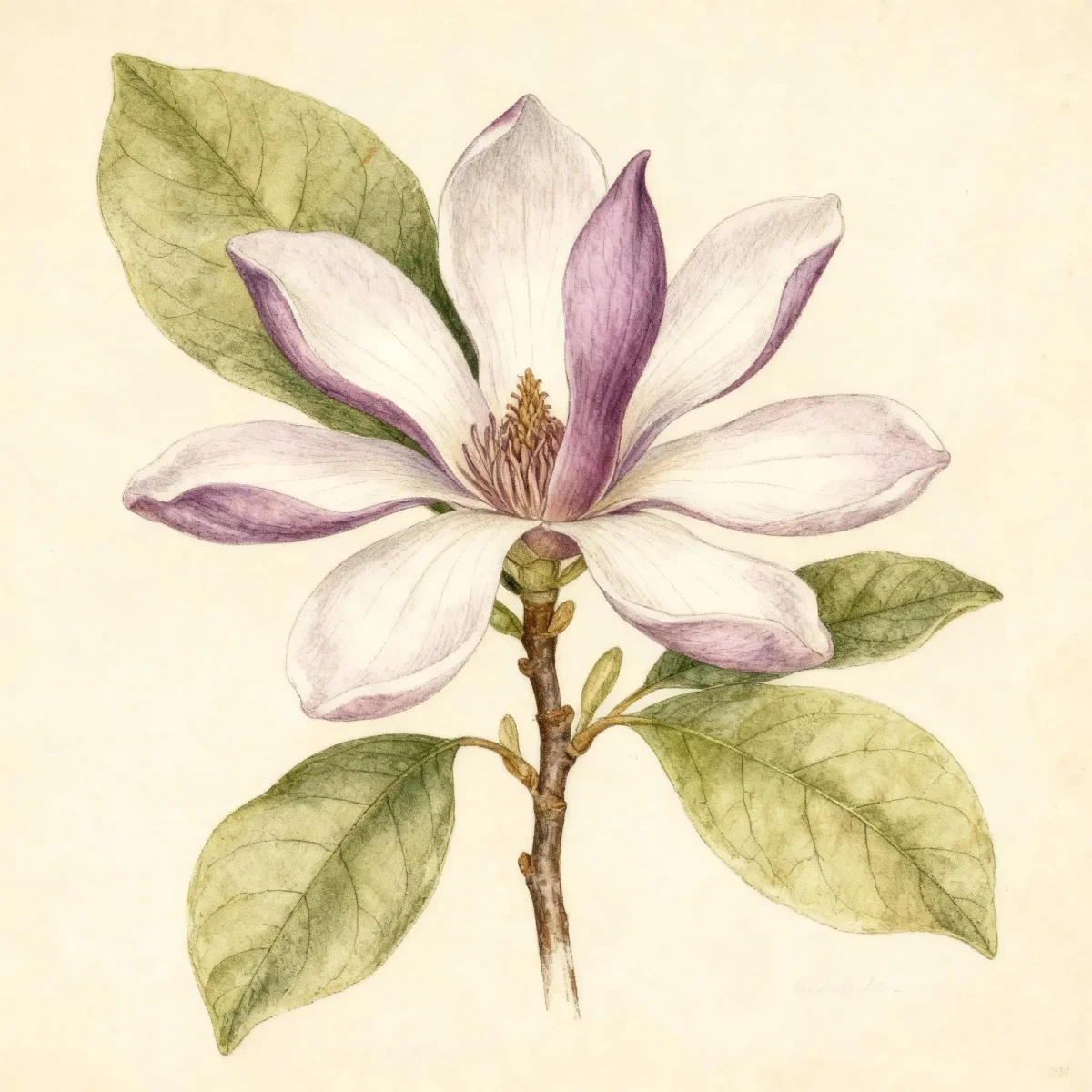
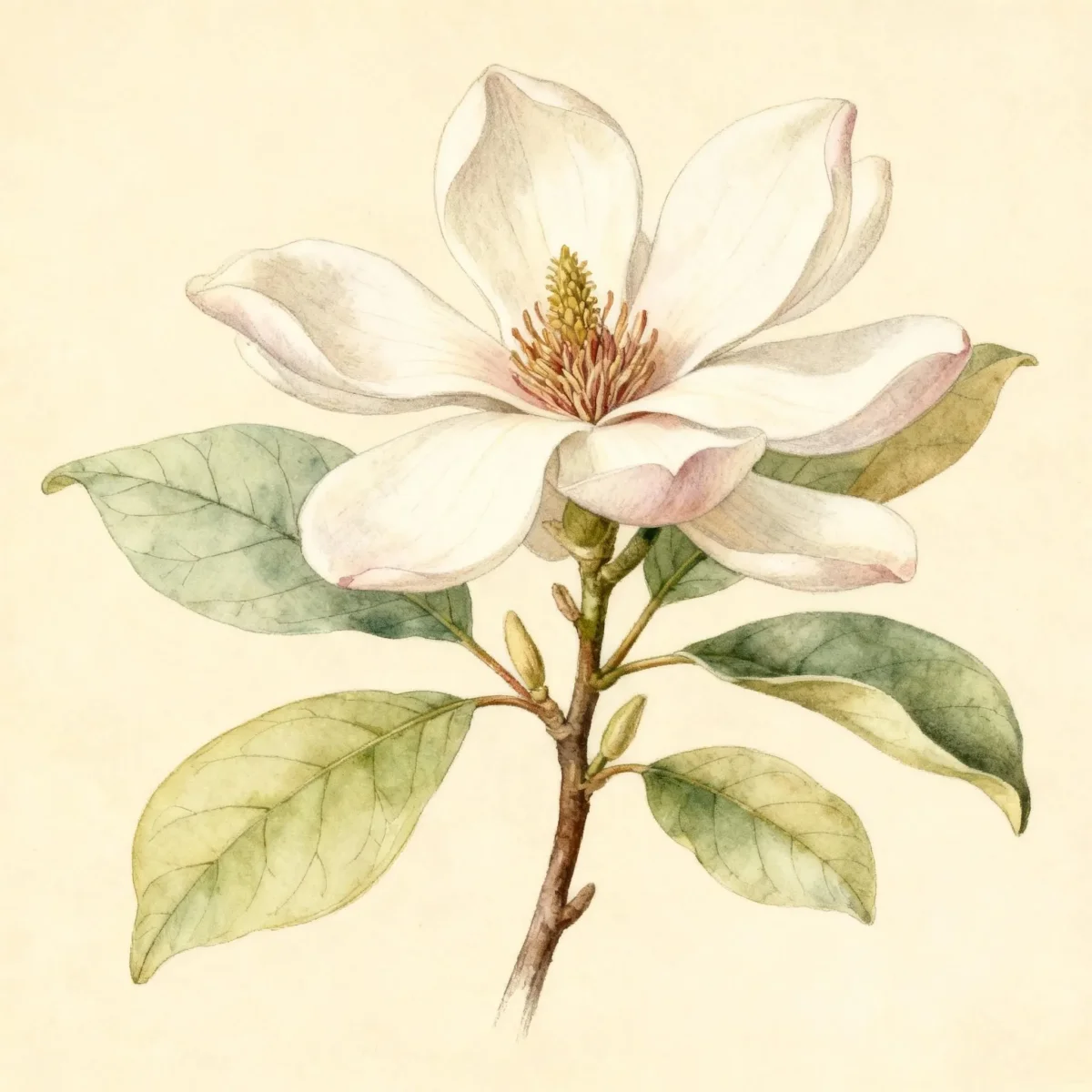
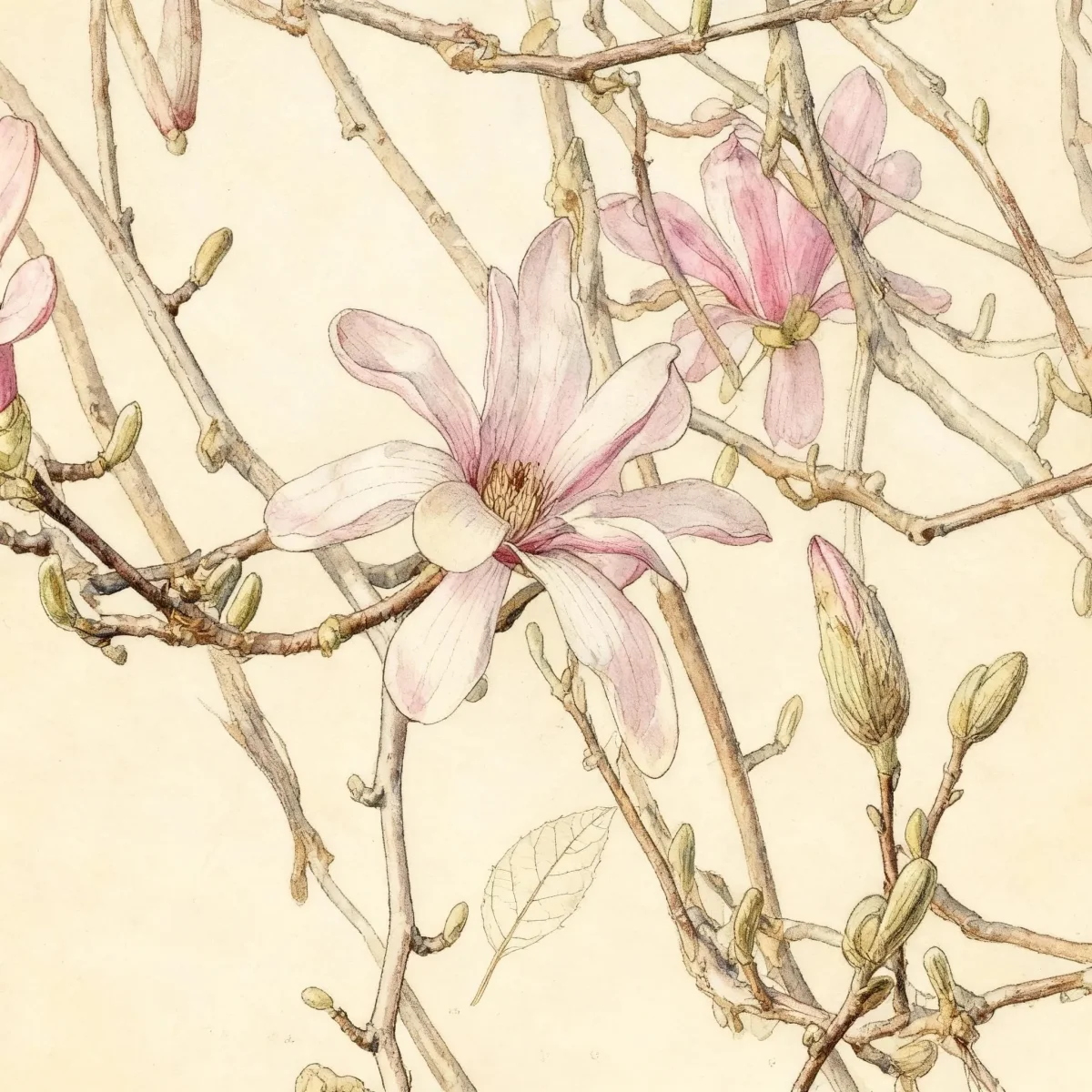
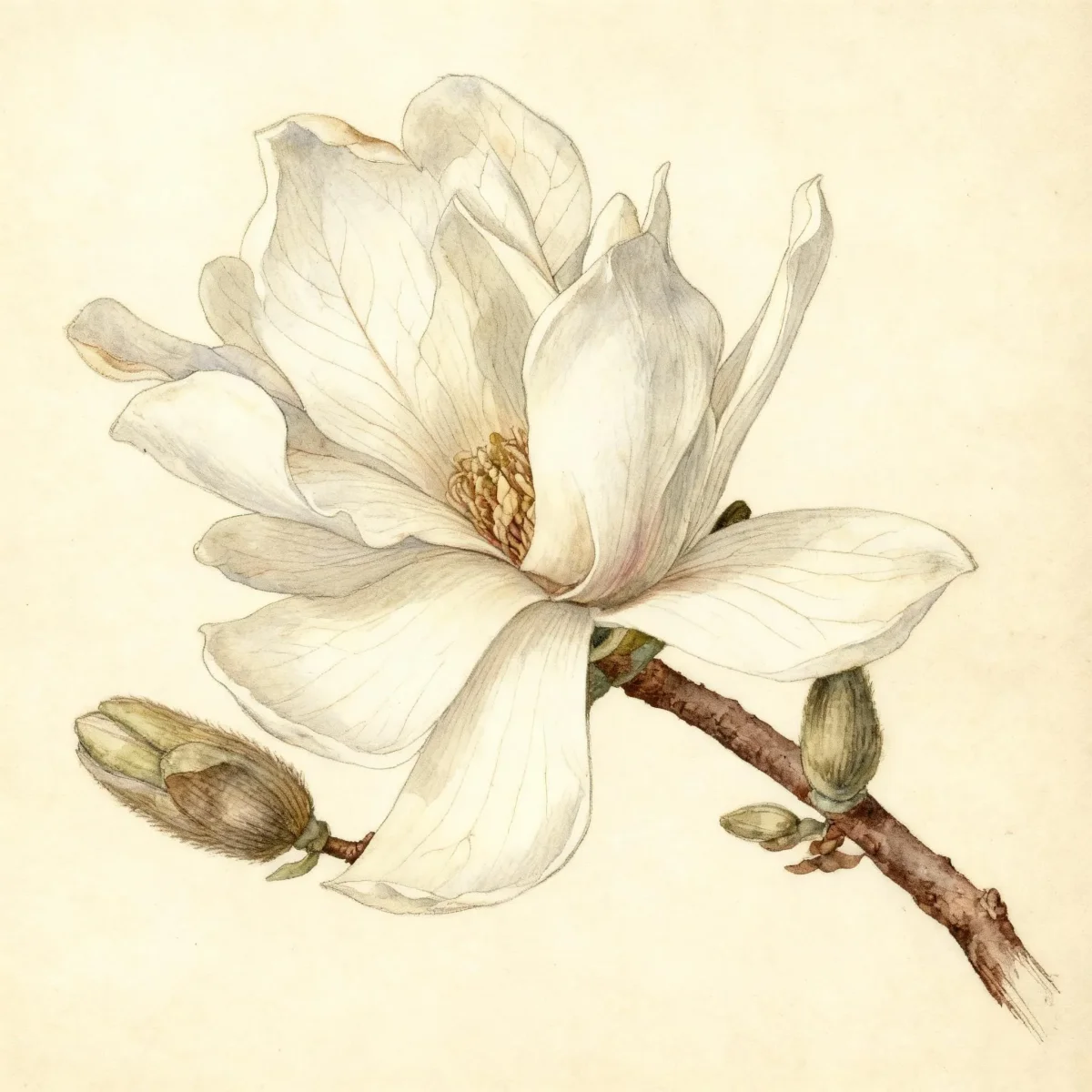
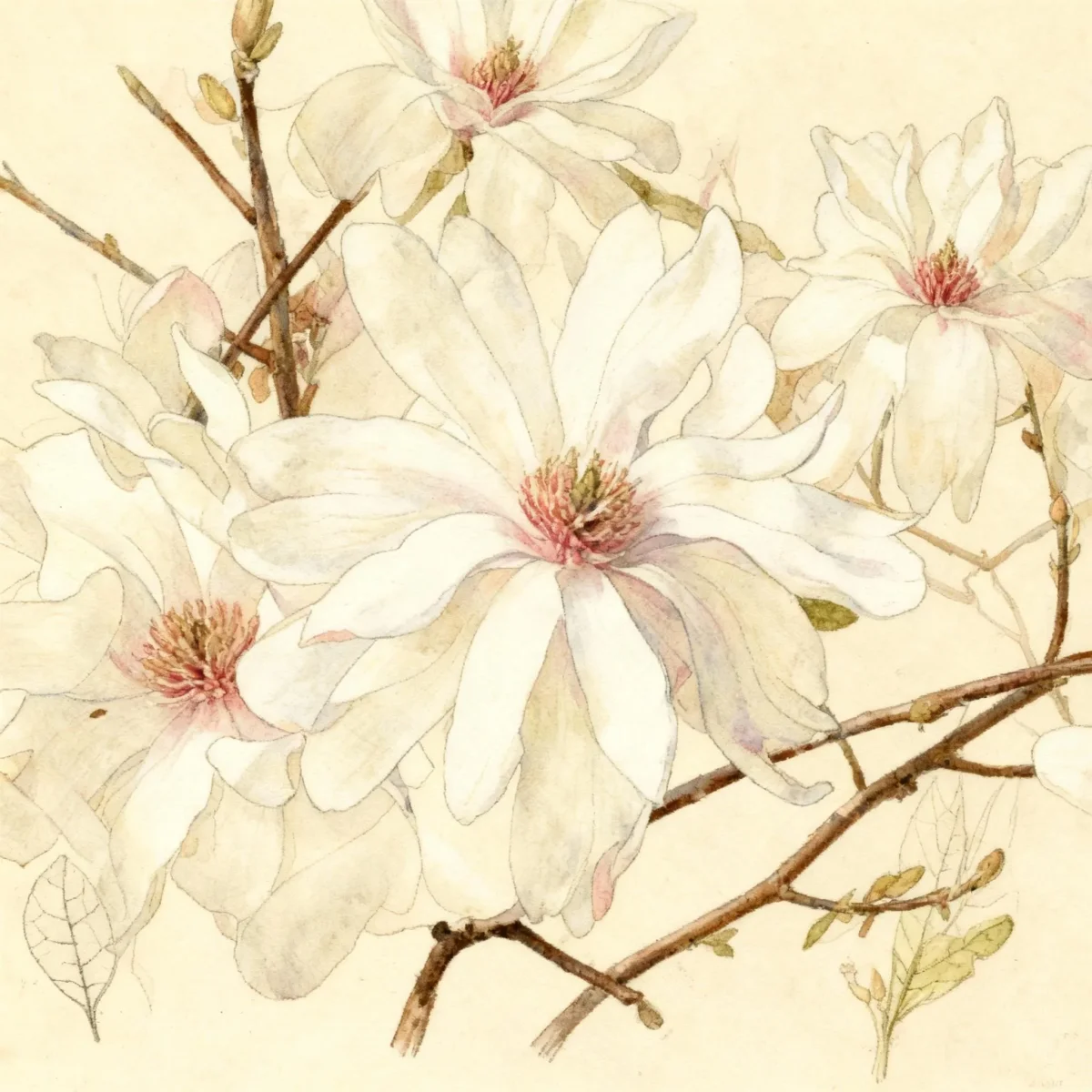
Star magnolia (Magnolia stellata)
Magnolia stellata, the Star magnolia, is vital for its early, fragrant, star-shaped white blooms in Zone 4-8.
Scroll down to discover growing tips, care requirements, companion plants, and more
Complete Plant Information
Overview
The Star magnolia (Magnolia stellata) is a highly valued early spring bloomer, bringing much-needed color to the landscape before many other trees awaken. Its signature feature is the profusion of striking, fragrant, white, star-like flowers that emerge late in winter or very early spring. This compact deciduous tree offers year-round interest, transitioning from spectacular bloom to dense summer foliage.
Native to Japan, this species is noted for its comparatively smaller size compared to other magnolias, making the Star magnolia an excellent choice for residential gardens and smaller properties. Gardeners prize Magnolia stellata for its reliable performance in cooler climates where its late winter flowering provides an initial burst of beauty.
While exceptionally rewarding, successful cultivation requires siting the Magnolia stellata thoughtfully to protect its delicate early buds from harsh winter elements and late frosts. Its size allows it to function beautifully as a specimen plant or integrated into shrub borders.
Fast Facts
- Plant Family: Magnoliaceae
- Plant Type: Tree
- Native Range: Japan
- Hardiness Zones: USDA Zones 4-8
- Size at Maturity:
- Height: 15-20 ft
- Spread: 10-15 ft
- Bloom Time: March
- Bloom Description: White
- Sun Exposure: Full sun to part shade
- Water Needs: Medium
- Maintenance Level: Medium
How to Grow
Plant the Star magnolia when dormant, ideally in early spring or late fall, ensuring the site offers moist, organically rich, well-drained loam. While it tolerates some shade, achieving the best flowering display requires a location receiving full sun, though afternoon shade can protect buds from sunscald in very warm regions. The plant is generally intolerant of soil extremes, disliking both overly dry or consistently waterlogged conditions.
Consistent moisture is crucial, especially during the summer months, so plan for medium watering needs, adjusting based on rainfall. Mulching heavily with compost or bark helps regulate soil temperature, conserves essential moisture, and protects shallow roots. Avoid amending planting holes heavily, as this can create a perched water table, which the Magnolia stellata actively dislikes.
Pruning should be minimal; only remove crossing or damaged limbs immediately after the flowering period concludes in spring. Avoid pruning in late summer or fall, as this can encourage new growth susceptible to winter injury. Site selection is critical; place the Star magnolia where it is protected from strong winds, and avoid southern exposures that can trick the buds into opening prematurely before the final danger of hard frost has passed.
Landscape Uses
The Magnolia stellata excels as a specimen flowering tree due to its captivating spring display and manageable, rounded structure. Its mature height of 15-20 feet allows it to integrate beautifully near foundations or as a focal point on smaller lawns where larger magnolias would overwhelm the space. Consider planting it within shrub borders where its early blooms can contrast nicely with evergreen textures.
This plant is also suitable for creating a tall, informal hedge, offering seasonal visual interest as opposed to a dense privacy screen. When siting near woodland peripheries, ensure it receives enough light to maximize bloom production. Pair the Star magnolia with later-blooming spring bulbs or shrubs that take over the color display once the flowers have faded, ensuring continuous garden interest.
Standout Features
Flower Qualities
- Showy
- Fragrant
Noteworthy Characteristics
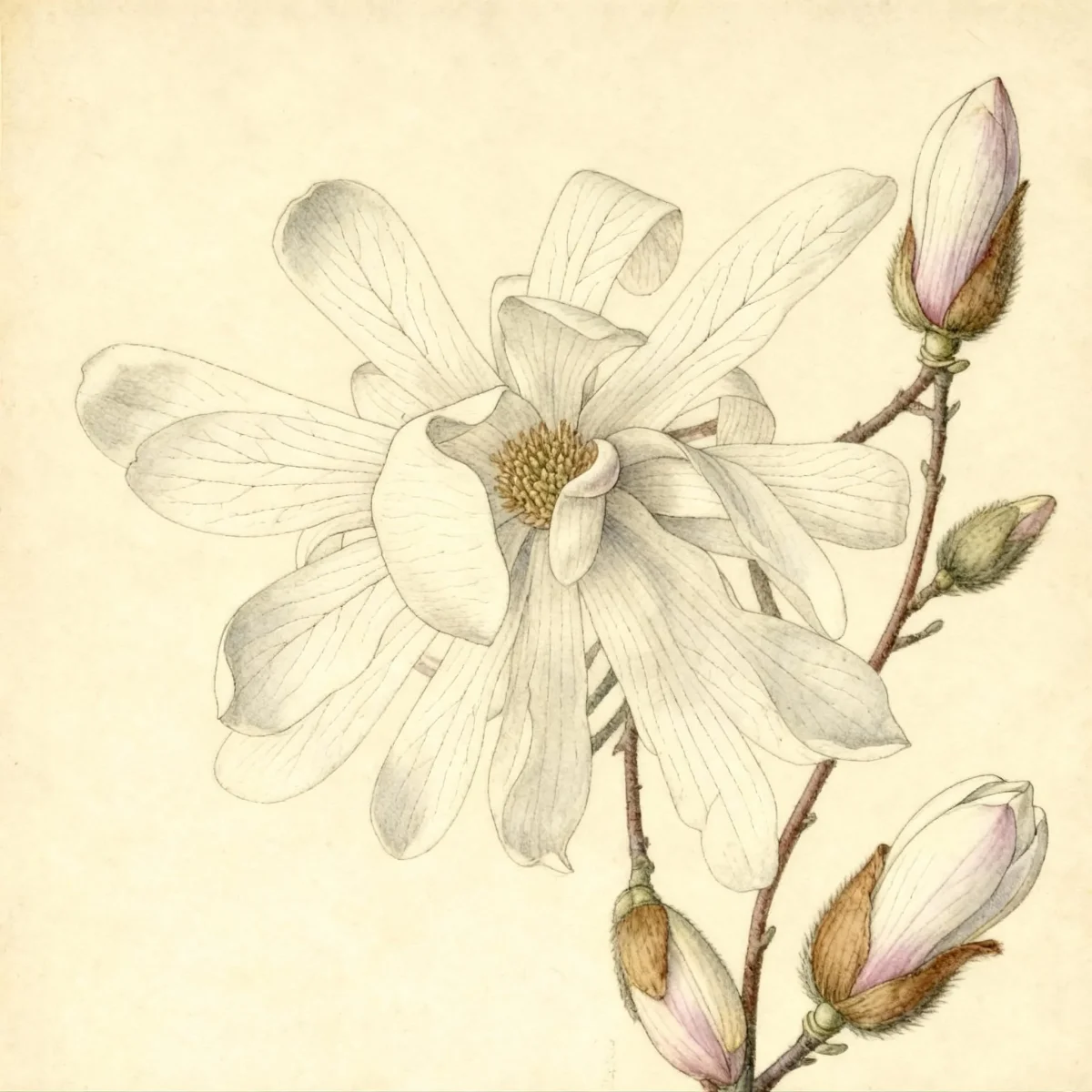
Magnolia stellata, commonly called star magnolia, is native to Japan. It is a small deciduous tree that typically grows 15-20’ tall with a spreading, rounded crown. It is also often grown as a large oval to rounded shrub. It is noted for its compact size and late winter to early spring bloom of star-shaped white flowers; each flower typically has 12-18 narrow strap-like tepals.
Tolerances
- Clay Soil
Potential Problems
The primary concern when growing Magnolia stellata is environmental stress rather than endemic pests or diseases, as it generally avoids serious insect or disease issues. The most significant vulnerability for the Star magnolia is frost damage to its flowers. Because the bloom time is so early (March), unexpected late spring freezes can blacken and destroy the highly anticipated white blossoms.
To mitigate this risk, select a planting location that offers some protection from sweeping cold winds and avoid sun-facing walls that warm the buds too quickly. If a hard freeze is forecast during or just preceding the bloom, light row cover draped over the shrub until morning can sometimes offer precious protection to the opening buds.
Frequently Asked Questions
What hardiness zones is Star magnolia suitable for?
The Star magnolia, Magnolia stellata, is generally hardy and suitable for USDA Hardiness Zones 4 through 8.
How large does Star magnolia grow?
At maturity, the Star magnolia typically reaches a height between 15 and 20 feet, with a comparable spread ranging from 10 to 15 feet wide.
When does Star magnolia bloom?
This plant flowers quite early, with its bloom time listed as March, producing striking white blossoms.
What sun exposure does Star magnolia need?
For optimal performance, Magnolia stellata thrives best in full sun to part shade conditions.
Conclusion
The Star magnolia remains a cornerstone of the early spring garden, celebrated for its compact stature and stunning, fragrant white blooms. Understanding the specific cultural needs of Magnolia stellata, particularly regarding soil drainage and frost protection, is key to maximizing its ornamental value. Before purchasing, check that its USDA zone compatibility aligns with your local climate and plan your planting site strategically for the best seasonal rewards.
Companion Planting
When planning the understory near your Magnolia stellata, select plants that share similar needs for moist, organically rich, well-drained soils, but which bloom later in the season. Spring ephemerals like daffodils or early tulips look wonderful beneath the tree before the magnolia leafs out fully. For summer interest, consider low-growing hostas or astilbes, which appreciate the dappled shade the mature tree provides and benefit from the consistent moisture retention encouraged by its mulch layer. Avoid placing shallow-rooted, aggressive competitors near the base of the star magnolia.
Seasonal Care Calendar
Late Winter/Early Spring is critical for surveying the tree for optimal bloom time; apply protective measures if severe frost is forecasted during the bud swell phase. In Spring, after flowering ceases, apply a fresh layer of organic mulch (compost or bark) around the base, keeping it clear of the trunk collar, to aid summer moisture retention. Summer care focuses entirely on maintaining even moisture; avoid letting the soil dry out completely, especially during the establishment phase. During Autumn, avoid heavy fertilization; allow the star magnolia to harden off naturally in preparation for winter dormancy.