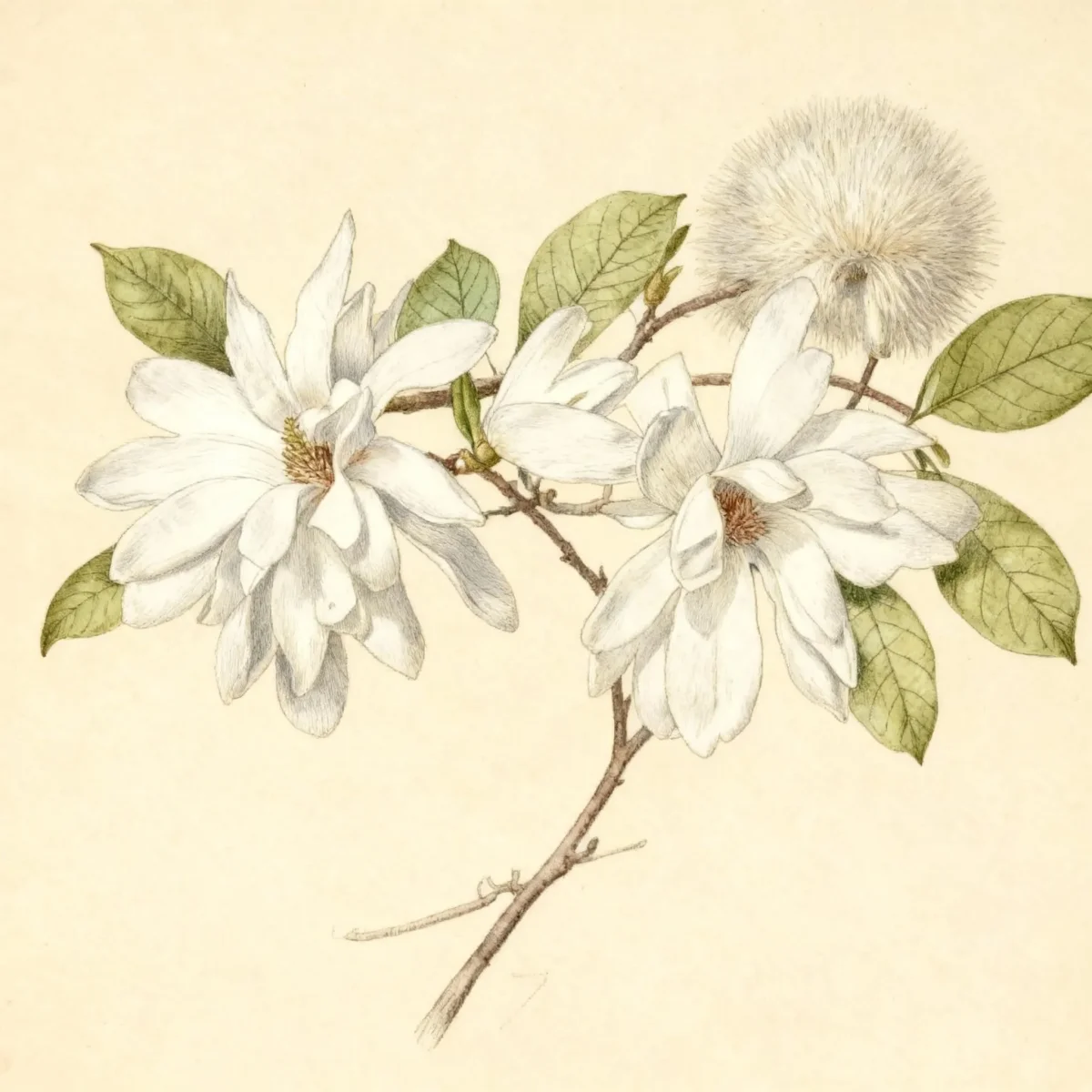
Magnolia (Magnolia wilsonii)
Discover Magnolia wilsonii, a rare, medium-sized deciduous tree prized for its nodding, fragrant white flowers with striking rose-purple centers.
Scroll down to discover growing tips, care requirements, companion plants, and more
Complete Plant Information
Overview
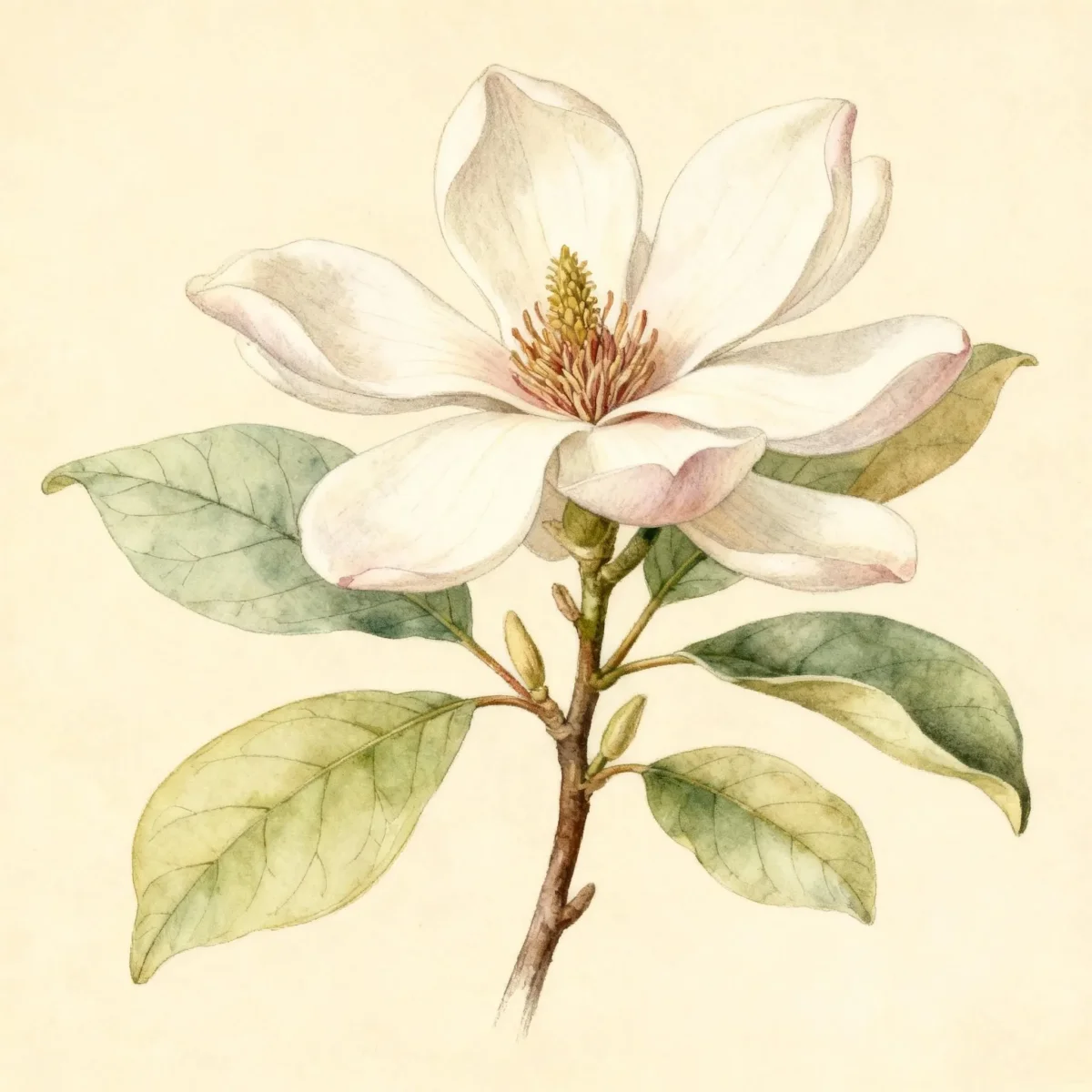
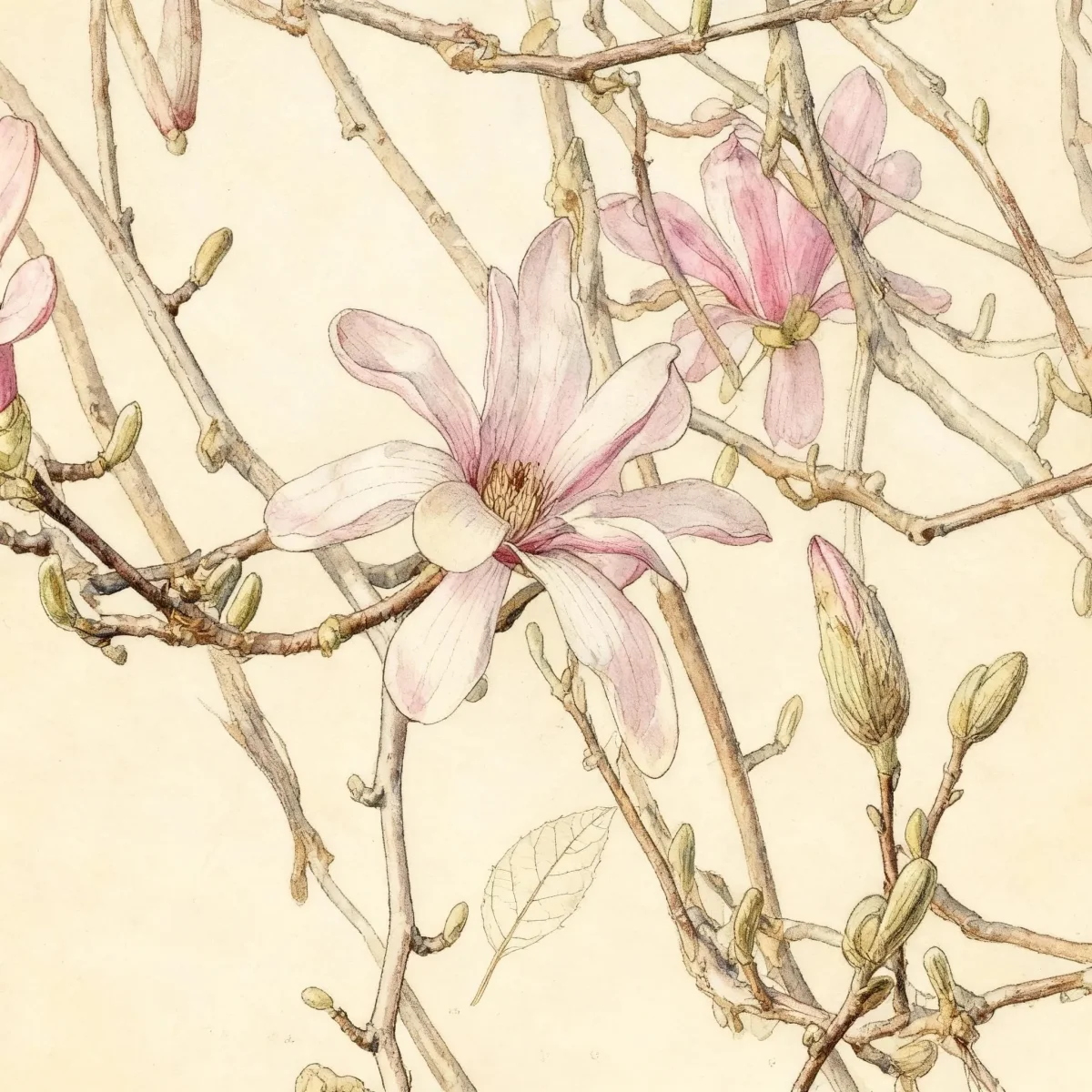
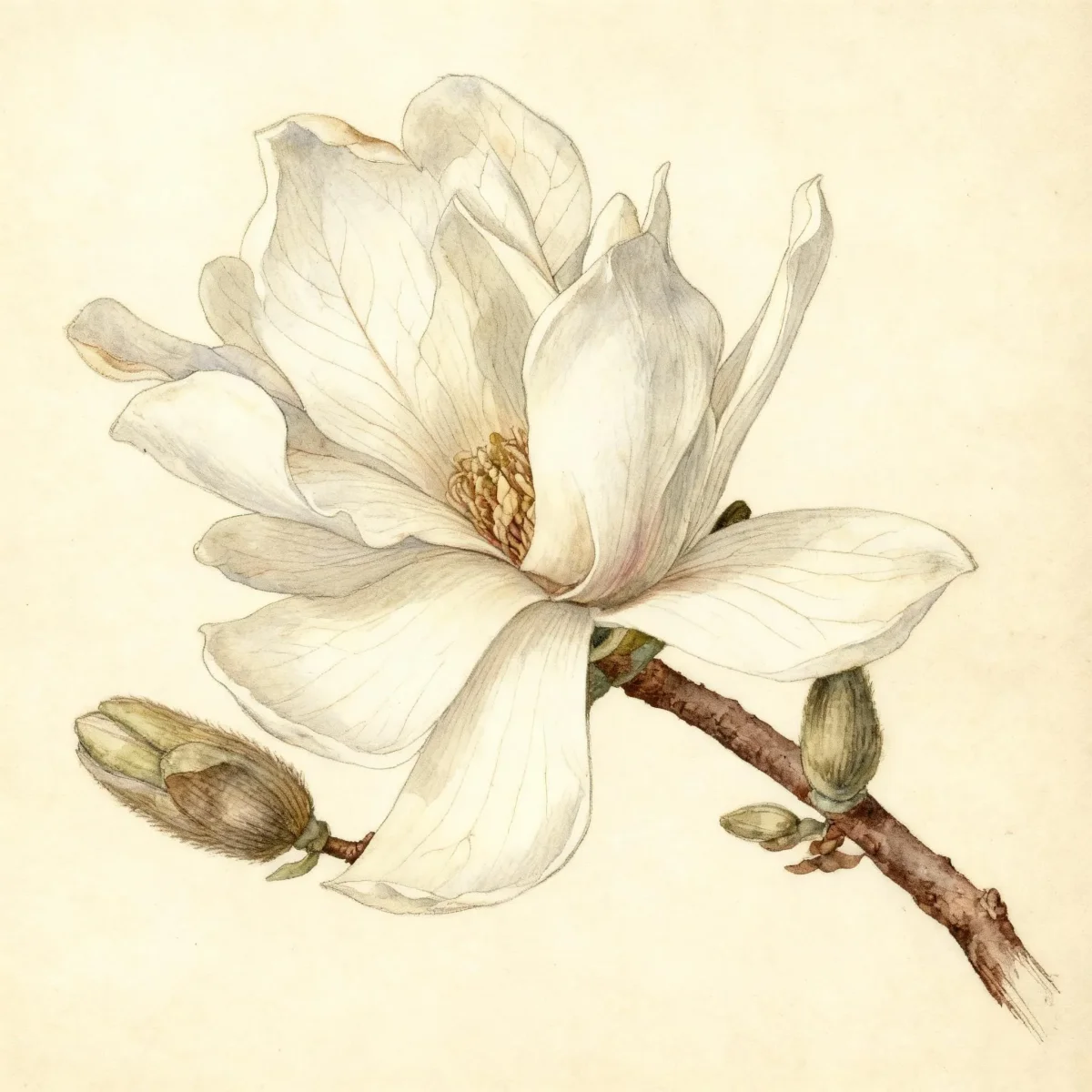
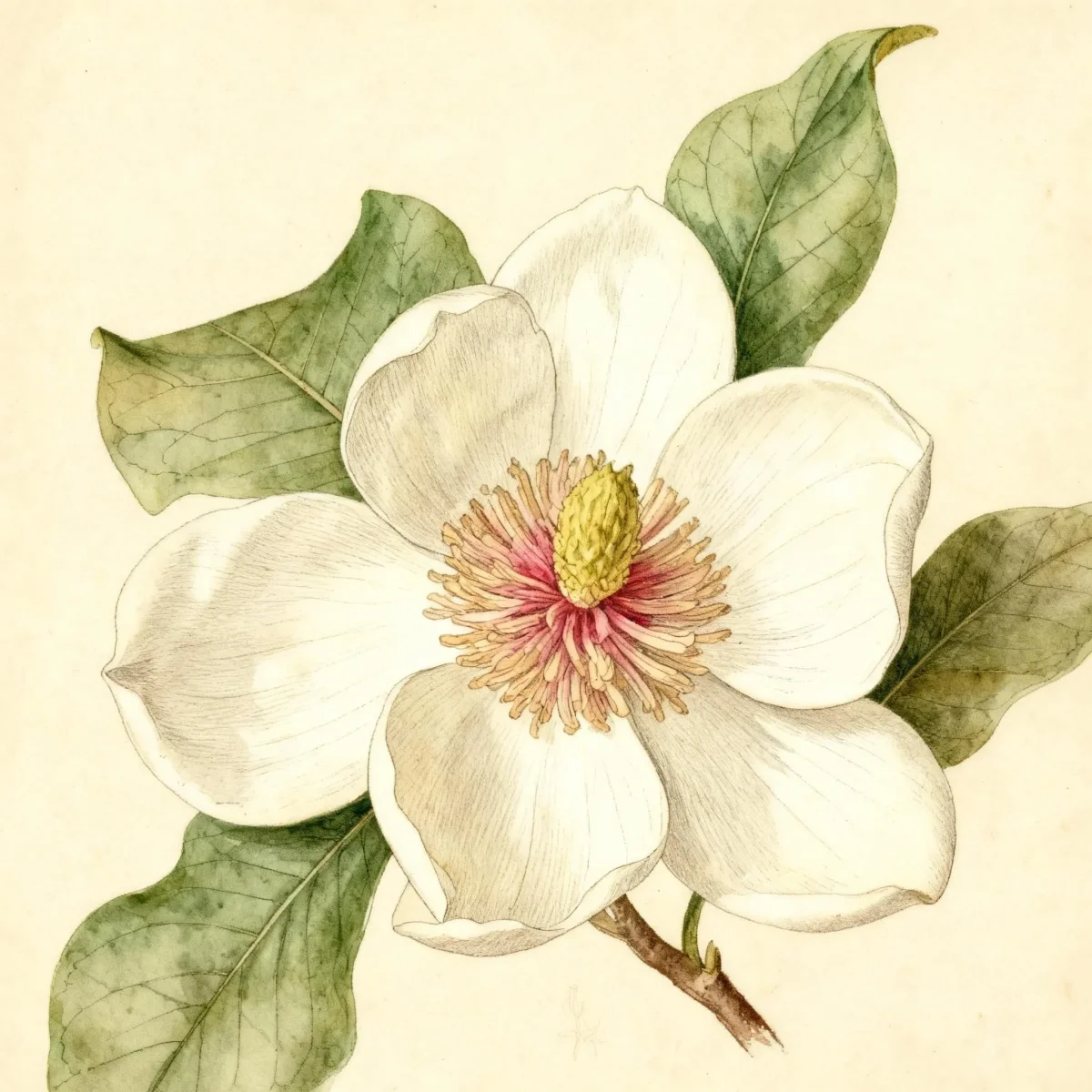
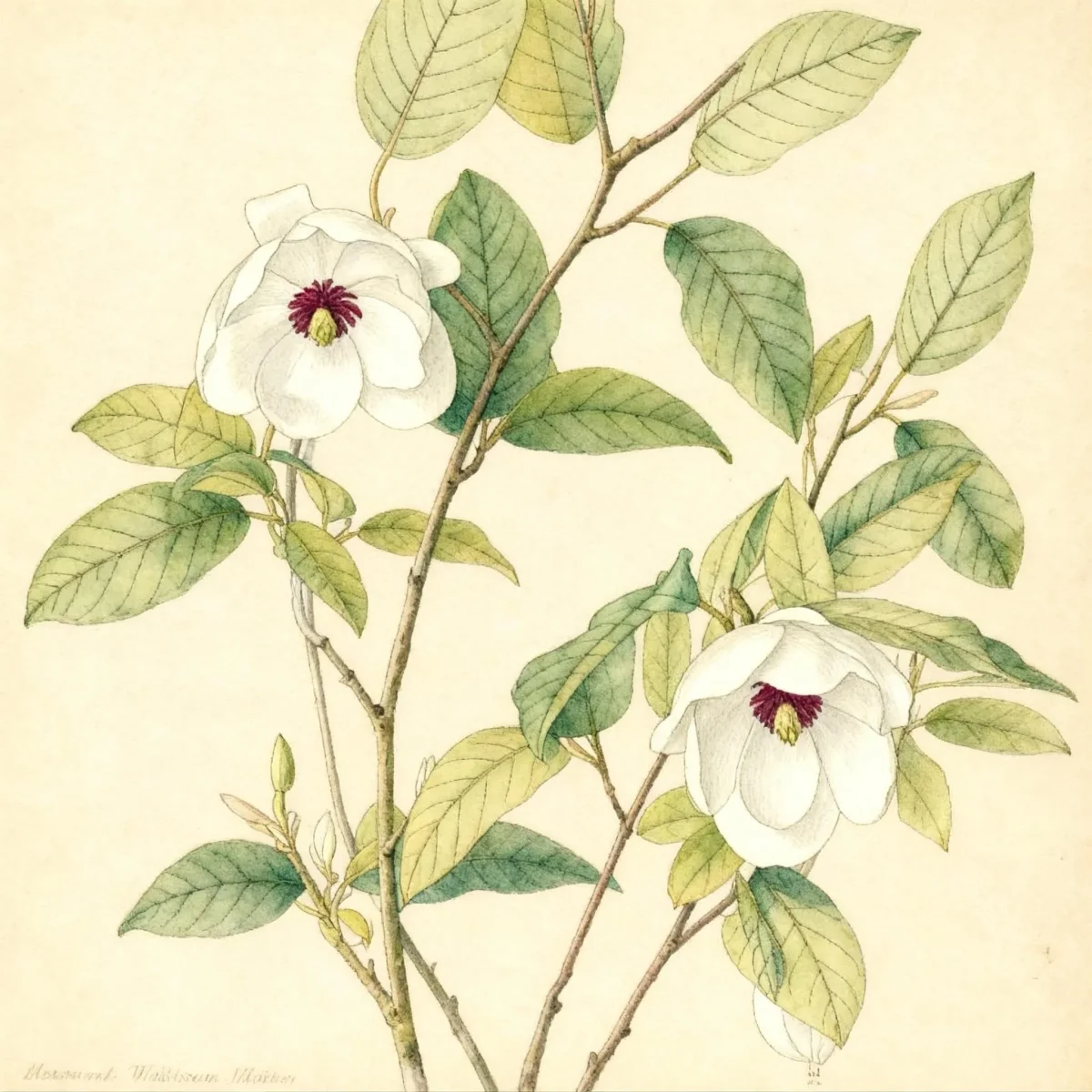
Magnolia wilsonii, commonly known simply as Magnolia, is a distinctive and moderately rare specimen tree hailing from the Szechuan and Yunnan provinces of western China. What sets this species apart are its elegant, downward-facing white flowers, which feature a dramatic center cluster of rose-purple stamens, creating a beautiful contrast often displayed in May. As a large deciduous shrub or small tree, the Magnolia wilsonii offers significant aesthetic value in the landscape, particularly once its flowers emerge shortly after the elliptic-lanceolate leaves unfurl.
This species is valued not only for its bloom but also for its structure, typically maturing between 15 to 20 feet tall with a manageable spread of 8 to 13 feet. Gardeners seeking a truly unique flowering tree should consider the Magnolia, provided their site offers the specific temperate conditions it requires. Its nodding flowers are inherently fragrant, adding an auditory and olfactory dimension to its visual appeal during the spring season.
While it commands attention, the Magnolia wilsonii requires thoughtful placement due to its sensitivity to harsh conditions, particularly strong winds which can damage the foliage and early spring exposures that might prematurely open the buds. Successful cultivation hinges on providing consistent moisture and protection, rewarding the dedicated grower with one of the most charming small Magnolias available.
Fast Facts
- Plant Family: Magnoliaceae
- Plant Type: Tree
- Native Range: Southern and central China
- Hardiness Zones: USDA Zones 6-9
- Size at Maturity:
- Height: 15-20 ft
- Spread: 8-13 ft
- Bloom Time: May
- Bloom Description: White with rose-purple stamens
- Sun Exposure: Full sun to part shade
- Water Needs: Medium
- Maintenance Level: Medium
How to Grow
The ideal establishment time for Magnolia wilsonii is during the cooler, wetter parts of the year, allowing the root system to settle before high heat stress arrives. This beloved Magnolia thrives best when planted in moist, slightly acidic, organically rich, and well-drained loams. While it tolerates full sun, gardeners in regions with hot summers should opt for a location offering afternoon part shade to prevent leaf scorch and stress on the plant.
Consistent moisture is paramount for the successful cultivation of Magnolia wilsonii. These plants are intolerant of wet soils or prolonged drought, demanding regular watering throughout the year to maintain even moisture levels. To aid water retention and regulate soil temperature, it is highly recommended to heavily mulch the root zone, ensuring the mulch does not directly touch the trunk flare.
Site selection is crucial: these trees must be placed in locations protected from harsh, strong winds that can shred the foliage. Furthermore, avoid southern exposures close to buildings, as reflected heat can prematurely trick the flower buds into opening too early, exposing them to potentially damaging late spring frosts. This species is generally winter hardy down to USDA Zone 6, making it a respectable choice for cooler climates when sited correctly.
Landscape Uses
As a magnificent flowering tree, the Magnolia wilsonii serves wonderfully as a specimen planting where its unique, nodding blooms can be fully appreciated. Its relatively modest mature size, topping out around 20 feet, allows it to fit beautifully into larger mixed shrub borders or as a central feature in an Asian-inspired garden design. Because of its striking form and fragrance, the Magnolia wilsonii provides an excellent focal point against muted evergreen backdrops.
Be aware that this particular Magnolia variety can be difficult to find readily in standard commercial nurseries, often requiring specialty orders or swaps with dedicated collectors. While it establishes exceptionally well in the moist conditions of the Pacific Northwest, growers in more climatically challenging regions, such as the St. Louis area, might find sustained success more difficult to achieve. Plan your planting scheme around its requirements for consistent moisture and protection from harsh elements.
Standout Features
Flower Qualities
- Showy
Fruit Qualities
- Showy
Noteworthy Characteristics
Magnolia wilsonii is native to western China and presents as a sizable deciduous shrub or small tree, reaching up to 20 feet tall and 13 feet wide. Its signature feature is the nodding, fragrant, white saucer-shaped flowers, typically nine tepals surrounding rose-purple stamens, which bloom in spring just as the leaves emerge. Following flowering, attractive pink fruits ripen in the fall, adding further seasonal interest to this IUCN Red Listed threatened species.
Tolerances
- Clay Soil
Potential Problems
Generally, Magnolia wilsonii remains free from serious insect or disease problems, making its maintenance level manageable once established. The primary biological threat comes from environmental factors rather than pests. Foremost among these concerns are late spring frosts, which can easily descend after the plant has broken dormancy and induce the flower buds to open prematurely, resulting in complete bloom loss for the season. Planting advice strongly recommends avoiding warm, south-facing exposures adjacent to structures that might cause this early budding.
Frequently Asked Questions
What hardiness zones is Magnolia suitable for?
The Magnolia wilsonii is quite adaptable across USDA Zones 6 through 9. Ensure your location falls within this range for best success.
How large does Magnolia wilsonii grow?
This tree typically matures in height between 15 to 20 feet, with a spread ranging from 8 to 13 feet, maintaining a graceful, small tree structure.
When does Magnolia bloom?
The delicate, nodding flowers emerge in May. They are white, featuring a noteworthy interior clump of rose-purple stamens.
What sun exposure does Magnolia need?
For optimal flowering and growth, provide full sun; however, in regions with intensely hot summers, afternoon part shade is highly recommended to protect the foliage.
Conclusion
The Magnolia wilsonii offers a unique combination of large, fragrant blooms and manageable size, making it a sophisticated addition to any temperate garden capable of meeting its specific needs for moisture and protection. If you are prepared to site this precious Magnolia away from drying winds and premature spring warmth, you will be rewarded with its unparalleled springtime display. Check your local climate zone now to determine if this exquisite Chinese native belongs in your collection.
Companion Planting Guide
When designing a landscape for Magnolia wilsonii, focus on companions that appreciate similar soil pH and moisture regimes, specifically slightly acidic, rich, well-drained loam. Consider integrating acid-loving evergreen shrubs like Rhododendrons or Azaleas, as their dense structure can provide excellent windbreaks and a lush, contrasting backdrop for the Magnolia’s white flowers. Shade-tolerant groundcovers such as Hellebores (Lenten Rose) or woodland Phlox are excellent for stabilizing the soil around the critical root zone while adding lower-level spring interest.
For mid-story interest, pair the tree with ferns that thrive in dappled light, such as the Japanese Painted Fern (Athyrium niponicum) or various native wood ferns. This combination mimics the damp, dappled woodland edges native to the species. Avoid planting shallow-rooted turf grass directly up to the trunk since the Magnolia benefits greatly from an unimpeded mulch ring that retains consistent organic moisture.
Seasonal Care Calendar
Spring preparation focuses heavily on frost protection; if a late cold snap threatens after the buds swell, you may need to drape burlap over the branching structure of your Magnolia wilsonii overnight to buffer the temperature fluctuation. Throughout the summer, rigorously maintain the medium moisture needs through deep, infrequent watering, especially during dry spells, and ensure the mulch layer remains thick—at least 3 inches deep—but kept several inches away from the trunk flare itself.
Fall is the time to assess the plant’s general vigor as the pink fruits mature and drop. Avoid heavy pruning in the fall or winter as this can stress the tree before the difficult spring bloom period. Winter care mainly involves ensuring the soil does not completely dry out if the winter is dry and mild, which can happen even in Zone 6; check soil moisture periodically. A light application of acidic fertilizer formulated for acid-loving plants can be applied in early spring, well before bloom time.