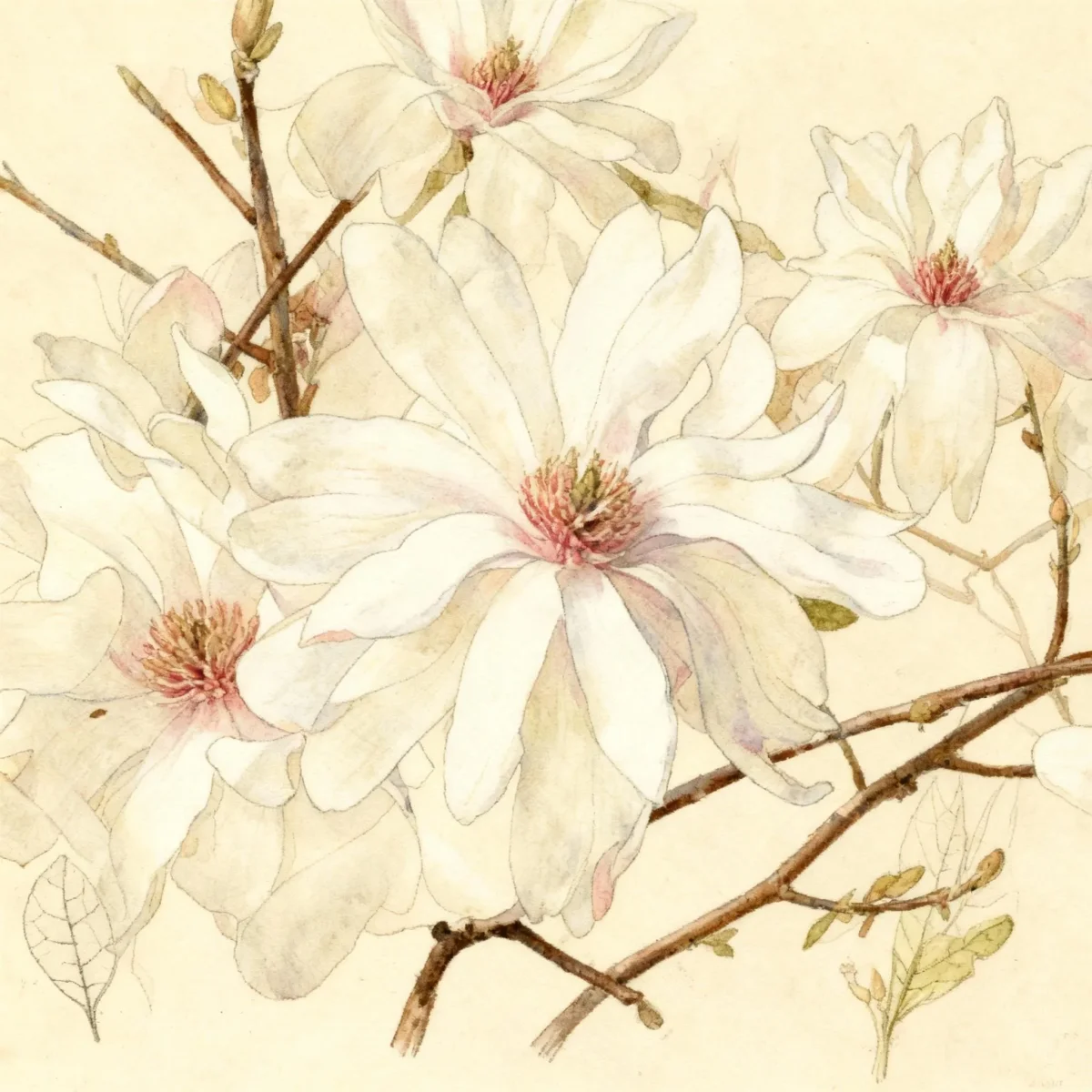
Kobus magnolia (Magnolia kobus)
Magnolia kobus, the Kobus magnolia, is a slow-growing, fragrant, white-flowering deciduous tree ideal for specimen planting in Zones 5-8.
Scroll down to discover growing tips, care requirements, companion plants, and more
Complete Plant Information
Overview
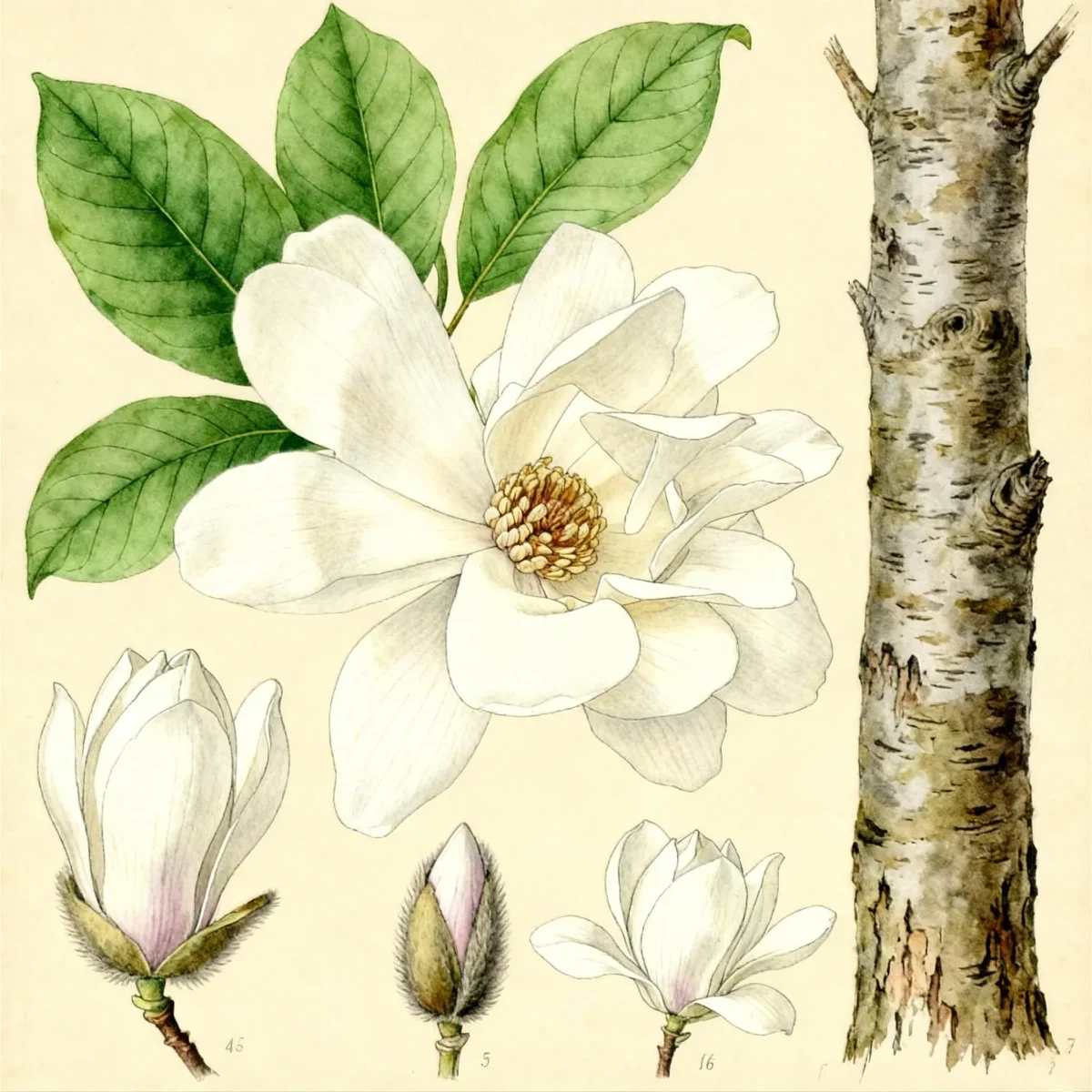
Magnolia kobus, commonly known as the Kobus magnolia, offers one of the earliest displays of spring color, often appearing before the leaves emerge. This slow-growing specimen is highly valued for its fragrant, showy white flowers that emerge in late winter to early spring, making it a fantastic focal point for any landscape. As a deciduous tree, it matures from a pyramidal shape into a dense, rounded form, providing reliable structure across the seasons.
Native to Japan, this species establishes itself as a small to medium deciduous tree or large shrub, eventually reaching heights near 25 to 30 feet. While establishing excellent flowering may take up to 25 years, the eventual reward is worth the wait. The presence of the Kobus magnolia provides significant early-season aesthetic appeal and subtle fragrance.
Gardeners appreciate Magnolia kobus for its overall hardiness relative to other early bloomers, provided it avoids urban pollution and harsh wind exposure. Its tolerance for medium moisture levels and preference for rich loam make it an excellent addition to woodland edges or as a celebrated specimen tree on lawns where its early blooms can be fully appreciated.
Fast Facts
- Plant Family: Magnoliaceae
- Plant Type: Tree
- Native Range: Japan
- Hardiness Zones: USDA Zones 5-8
- Size at Maturity:
- Height: 25-30 ft
- Spread: 25-35 ft
- Bloom Time: March to April
- Bloom Description: White
- Sun Exposure: Full sun to part shade
- Water Needs: Medium
- Maintenance Level: Medium
How to Grow
The best time to plant Magnolia kobus is during the dormant season, generally early spring or late fall, prioritizing a location that suits its eventual size. This tree thrives best in moist, organically rich, well-drained loams while being generally intolerant of soil extremes, both too dry and too wet. It is vital to site the Kobus magnolia where it receives full sun to part shade, being mindful to protect it from high winds and harsh southern exposures that can trick the tree into budding too early, leading to inevitable frost damage.
Watering needs are medium, requiring consistent moisture, especially while the tree is establishing its root system over those first few years. Since Magnolia kobus is known to be intolerant of most urban pollutants, selecting a quiet spot in the garden away from heavy traffic is recommended. Fertilization is rarely necessary if the soil is organically rich.
Pruning should be minimized, as young trees flower poorly and vigorous pruning can impact future development. Focus any necessary pruning on removing dead or crossing branches when the tree is fully dormant. Propagation is typically achieved through cuttings. Recognizing that this species is one of the earliest magnolias to bloom means gardeners must accept the inherent risk of late winter frost damaging the opening blossoms.
Landscape Uses
The Magnolia kobus excels as a stately specimen flowering tree where its early spring flowers take center stage before the canopy fills in. Due to its size potential, it works beautifully as a singular focal point on a lawn or near a patio that allows close enjoyment of its fragrant blossoms. It can also be integrated into shrub borders or situated at woodland peripheries, blending its structure with later-blooming deciduous plants.
For a more formal look, the Kobus magnolia can be skillfully managed as a tall, informal hedge. This hedges offers the added benefit of screening while providing a stunning, albeit later-flowering, barrier compared to other hedge types. Its slow growth rate ensures that maintaining its form as a hedge requires patience and minimal intensive shearing.
Consider pairing your Magnolia kobus with late-spring or mid-summer blooming understory shrubs or perennials that can fill the visual gap once the magnolia’s bloom fades. Plants that appreciate similar rich soil conditions, such as hostas or azaleas, make excellent companions beneath its spreading canopy.
Flower Qualities
- Showy
- Fragrant
Noteworthy Characteristics
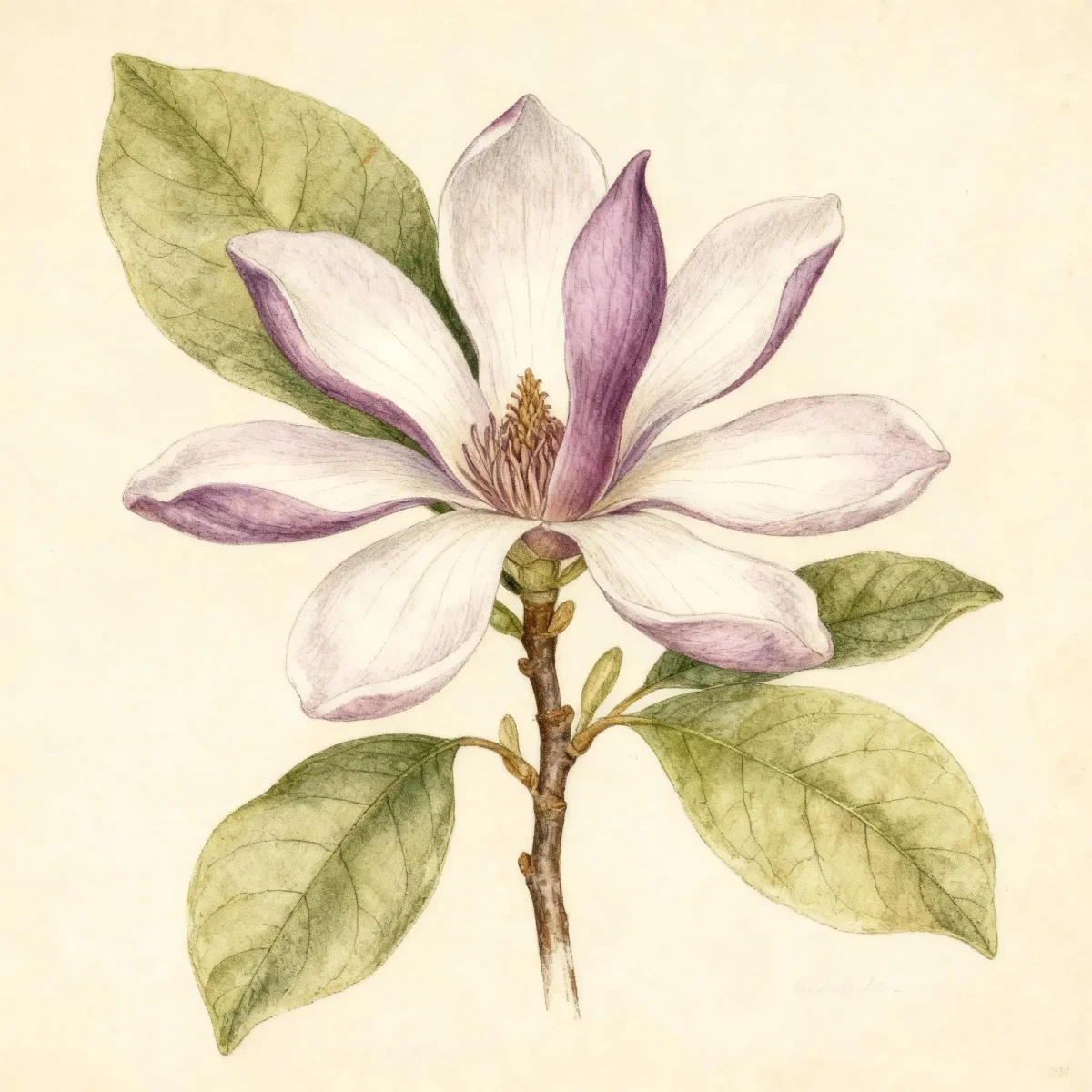
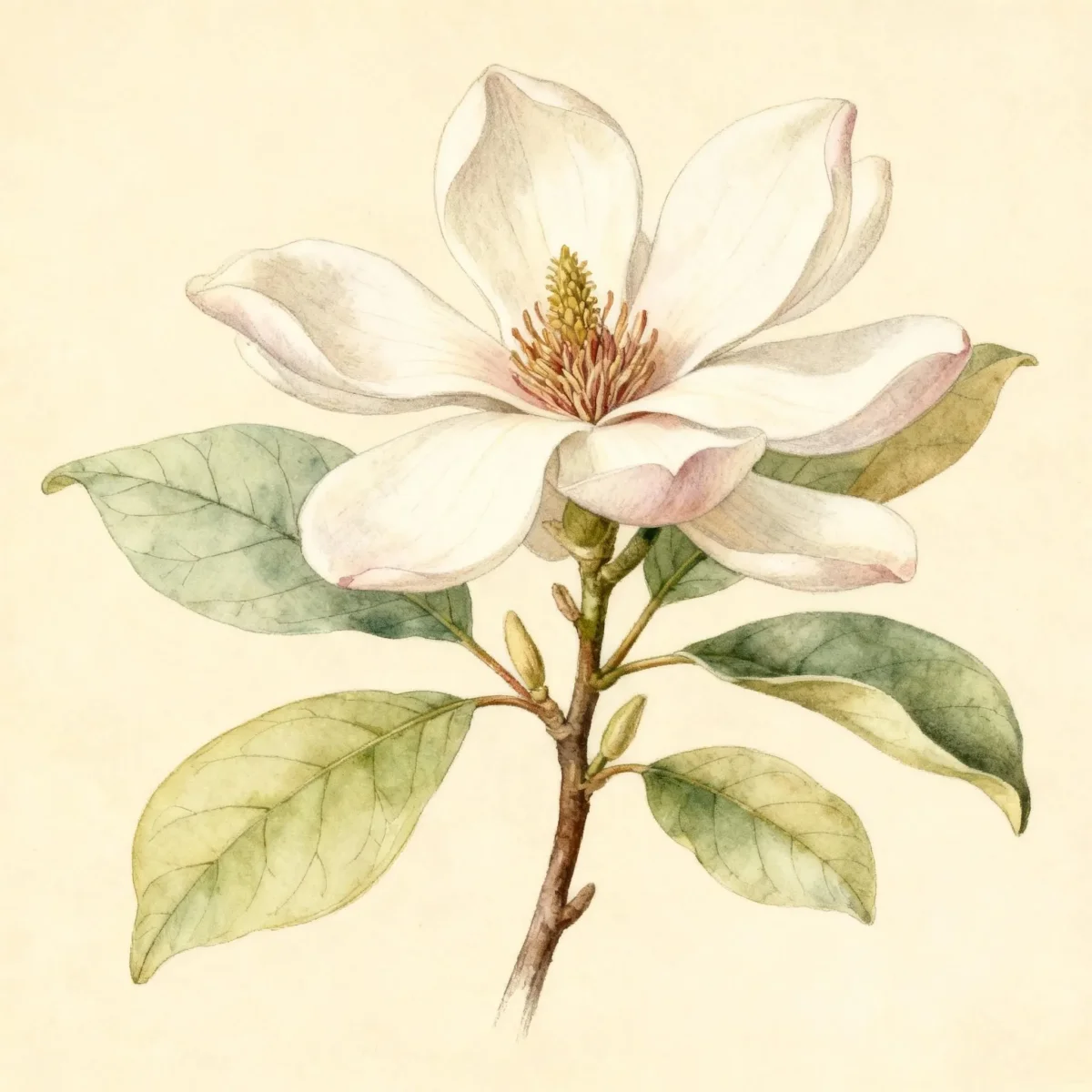
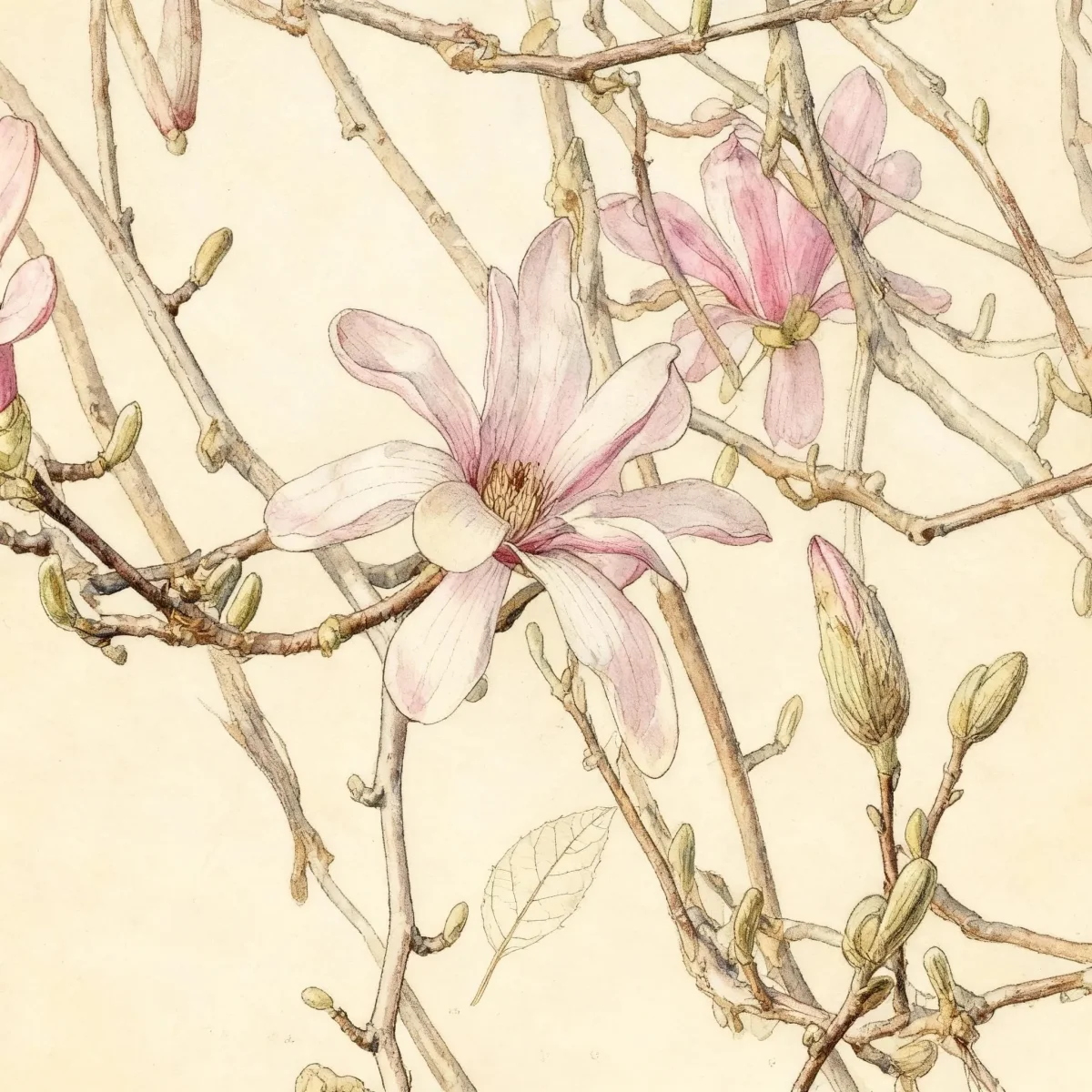
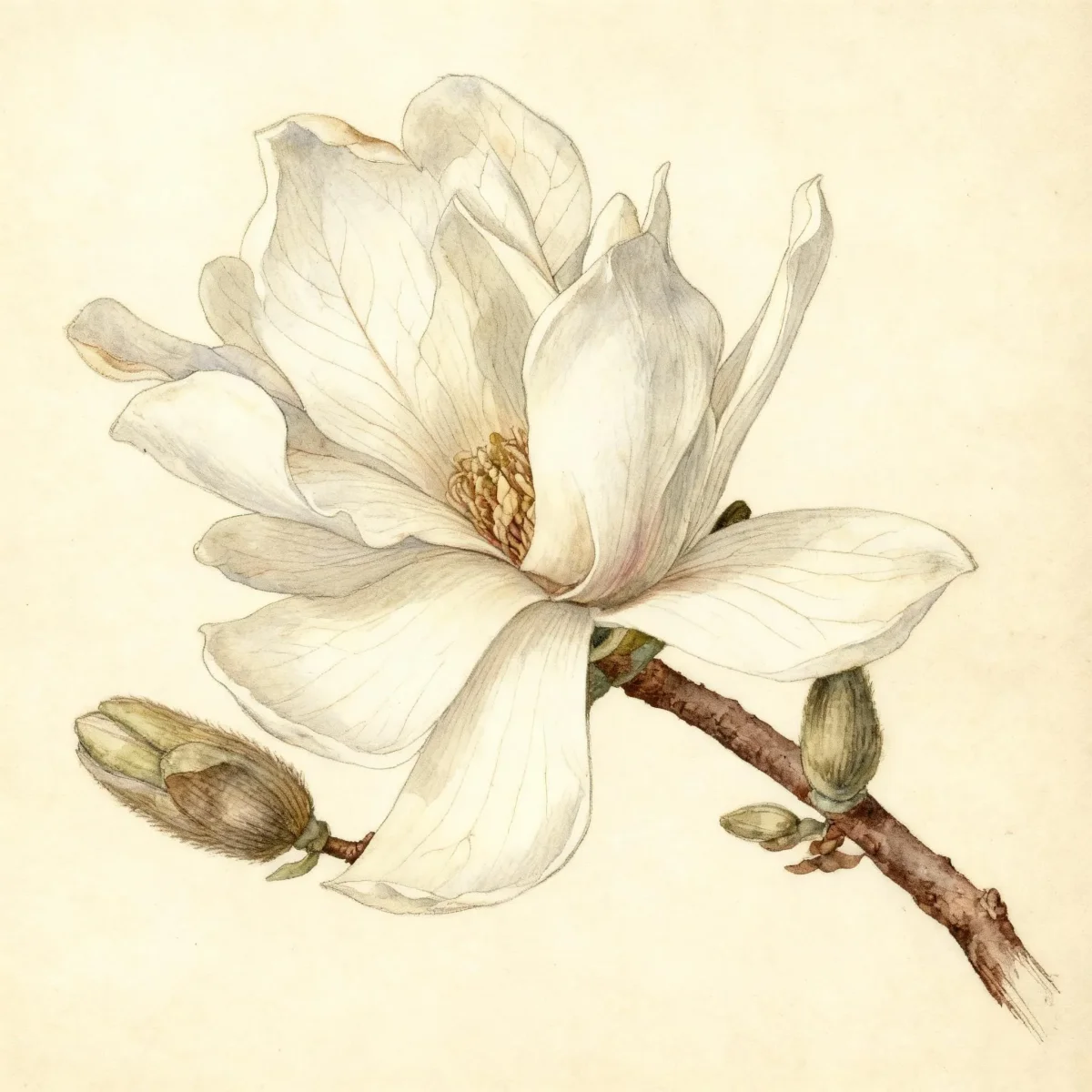
Magnolia kobus, commonly known as Kobus magnolia, is a small to medium deciduous tree or large shrub that is native to forest areas in Japan. As a tree, it is pyramidal when young, maturing to a spreading, dense, rounded form. It is noted for its late winter to early spring bloom of goblet-shaped to cup-shaped, fragrant, often pink-tinged, white flowers (each to 4” across) which open in March before the foliage emerges. Trees flower poorly when young, and may need as much as 25 years before reaching best flowering status.
Tolerances
Potential Problems
While Magnolia kobus generally experiences no serious insect or disease problems, the primary concern for any early-blooming magnolia is environmental: frost damage to flowers. Because the Kobus magnolia initiates blooming very early in spring, an unexpected late freeze can severely damage or destroy the developing buds and open flowers, ruining the year’s display.
To mitigate this risk, careful siting is essential. Avoid planting Magnolia kobus in low-lying frost pockets where cold air settles. Additionally, avoid siting it on south-facing walls or exposures that encourage premature bud break during warm winter spells, only to be hit by subsequent hard frosts.
Frequently Asked Questions
What hardiness zones is Kobus magnolia suitable for?
The Kobus magnolia, Magnolia kobus, is suitable for USDA Hardiness Zones 5 through 8.
How large does Magnolia kobus grow?
This tree typically reaches a mature height between 25 and 30 feet, with a spread ranging from 25 to 35 feet.
What sun exposure does Magnolia kobus need?
Magnolia kobus prefers full sun to part shade conditions for optimal growth and flowering.
When does Kobus magnolia bloom?
The magnificent flowering of the Kobus magnolia occurs relatively early, spanning from March to April, displaying beautiful white blooms.
Conclusion
The Magnolia kobus remains a superb choice for gardeners seeking a long-lived, reliably structured specimen tree featuring spectacular early spring fragrance and color. While patience is required as the Kobus magnolia slowly matures into its full flowering glory, its hardiness and elegant form pay dividends for decades. Ensure you select a protected site within USDA Zones 5-8 and amend your soil to ensure rich, well-drained conditions for the best long-term success.
Propagation Tips
Though slow to establish, Magnolia kobus can be propagated, most successfully via cuttings taken from semi-hardwood material during the summer months. Initial success rates can be low, requiring patience and appropriate rooting hormone use under mist systems common in professional nurseries. Seed propagation is also possible, though germination is often erratic and may require cold stratification periods to break dormancy.
Companion Planting
Because Magnolia kobus requires organically rich, consistently moist, yet well-drained soil, successful companion planting involves selecting other acid-loving, shade-tolerant species that don’t compete too aggressively with the magnolia’s shallow root system. Consider planting acid-tolerant evergreens like Rhododendrons or Azaleas nearby, which thrive in similar dappled light conditions found beneath a maturing tree canopy. Groundcovers such as Hakonechloa (Japanese Forest grass) or hardy ferns also provide excellent texture beneath the Magnolia kobus without demanding excessive maintenance.