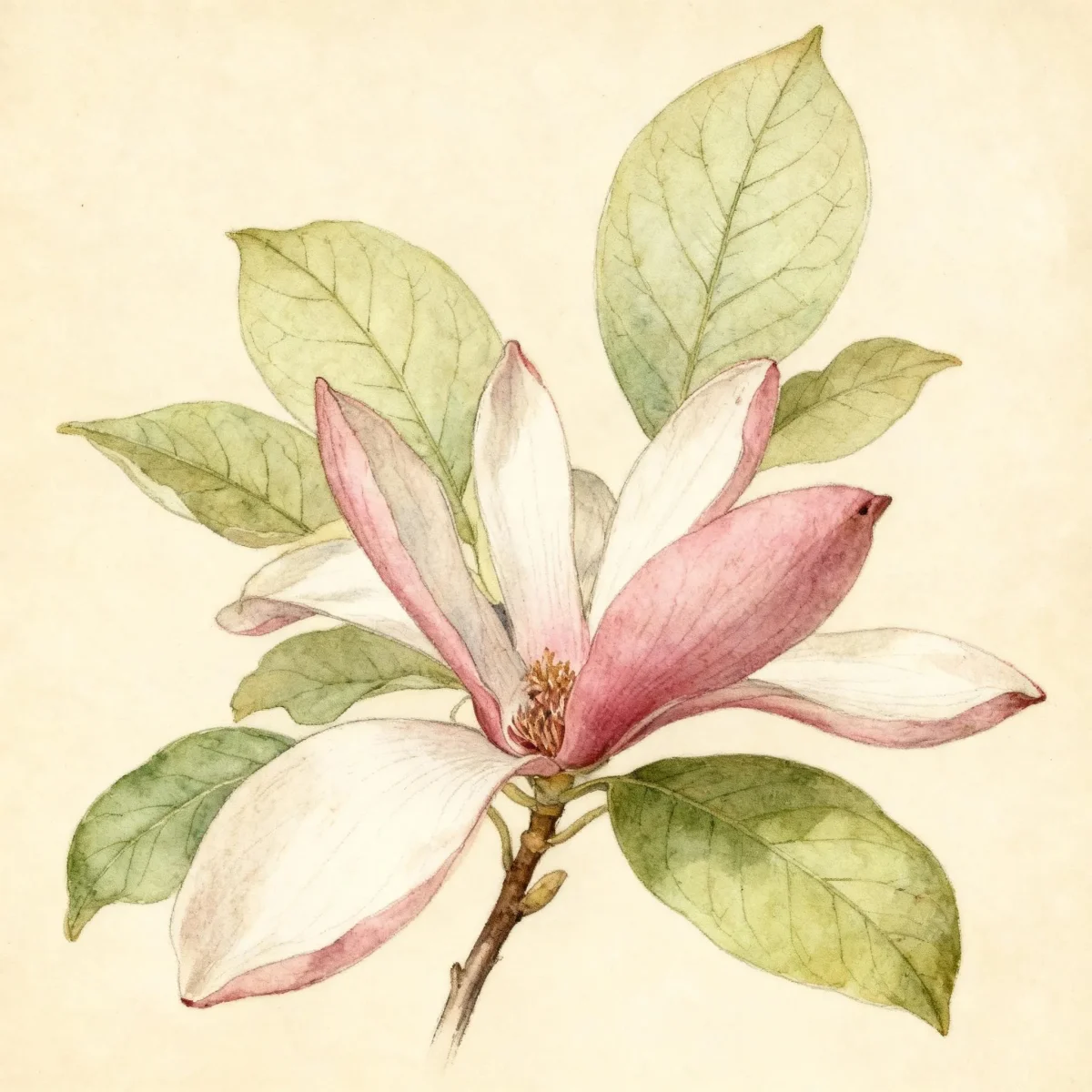
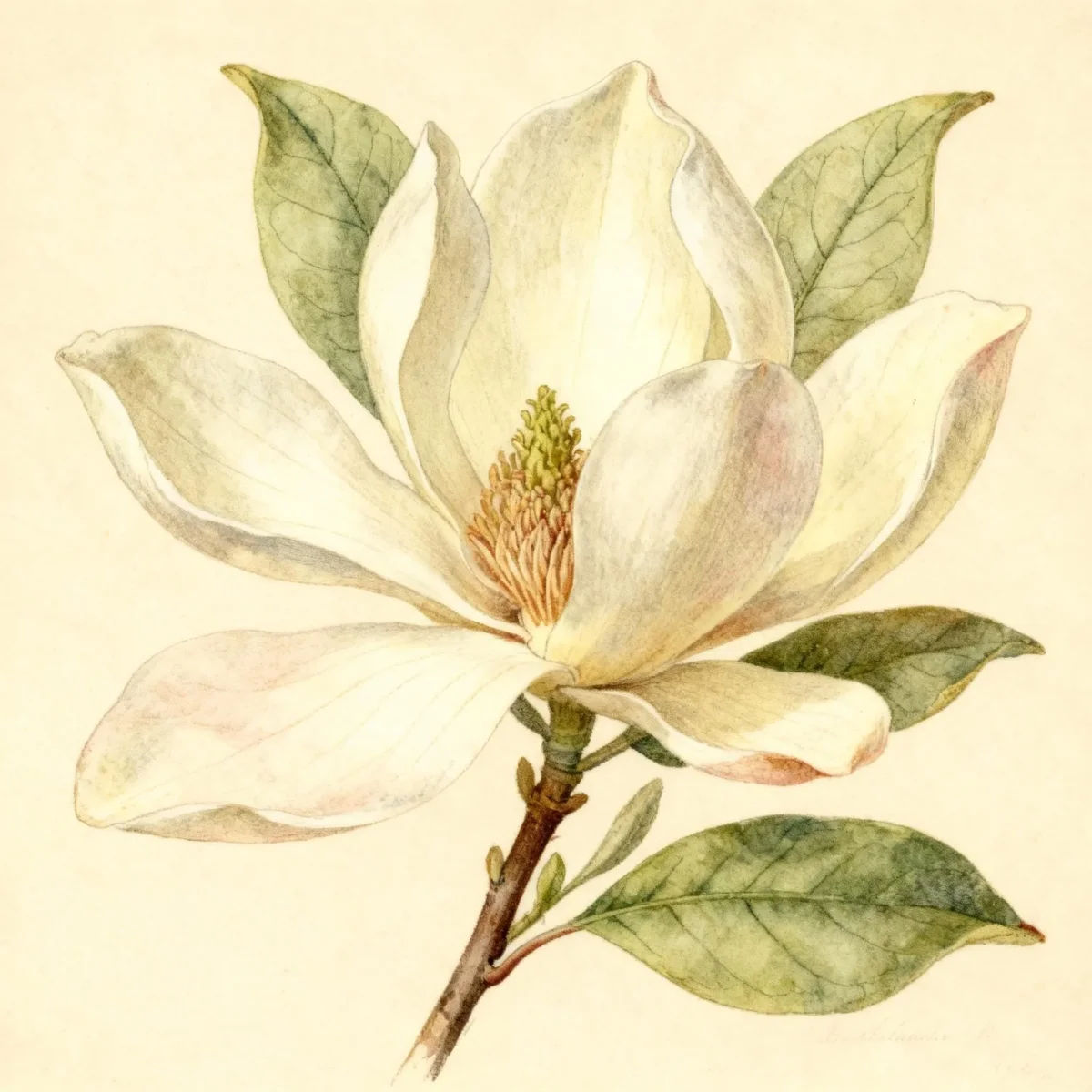
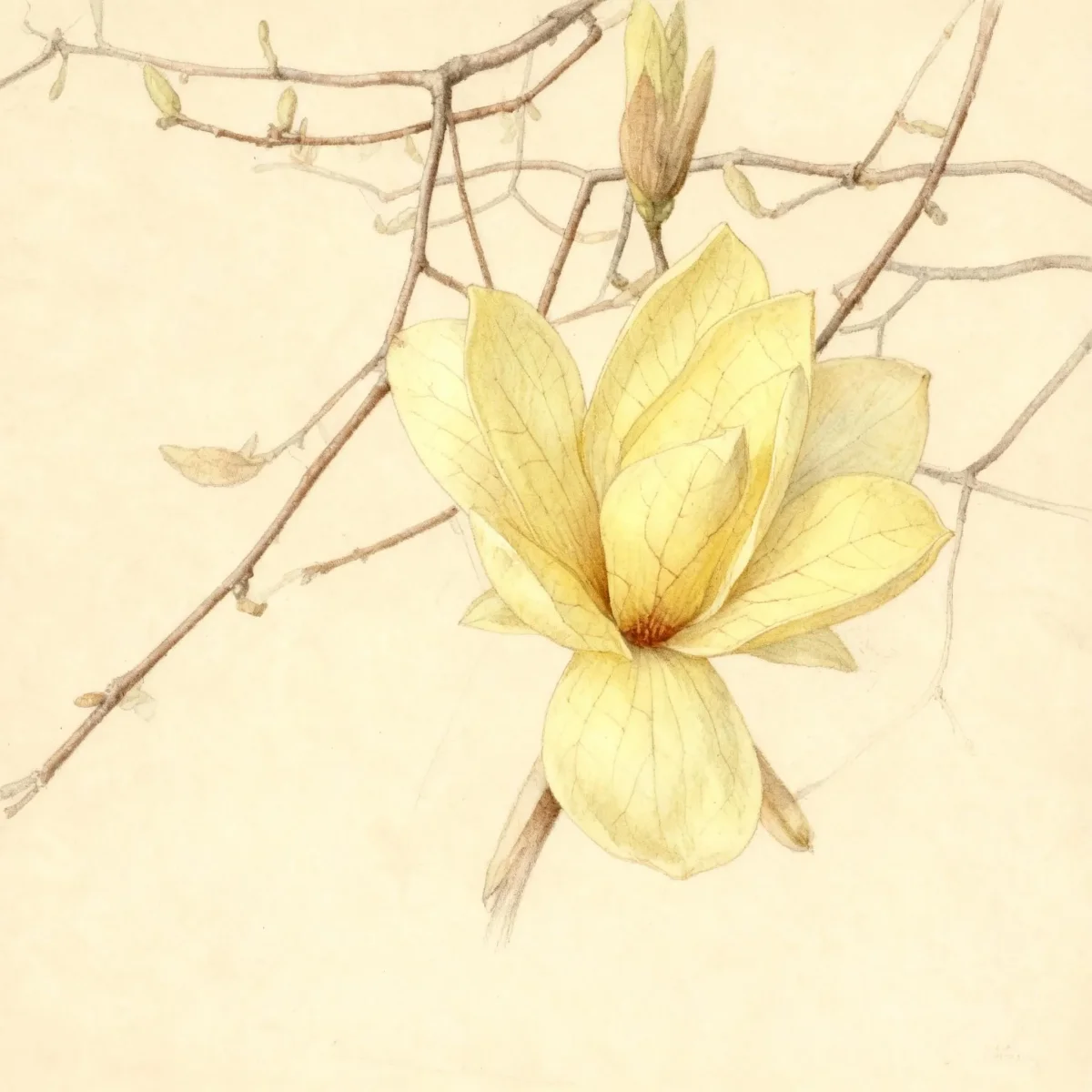
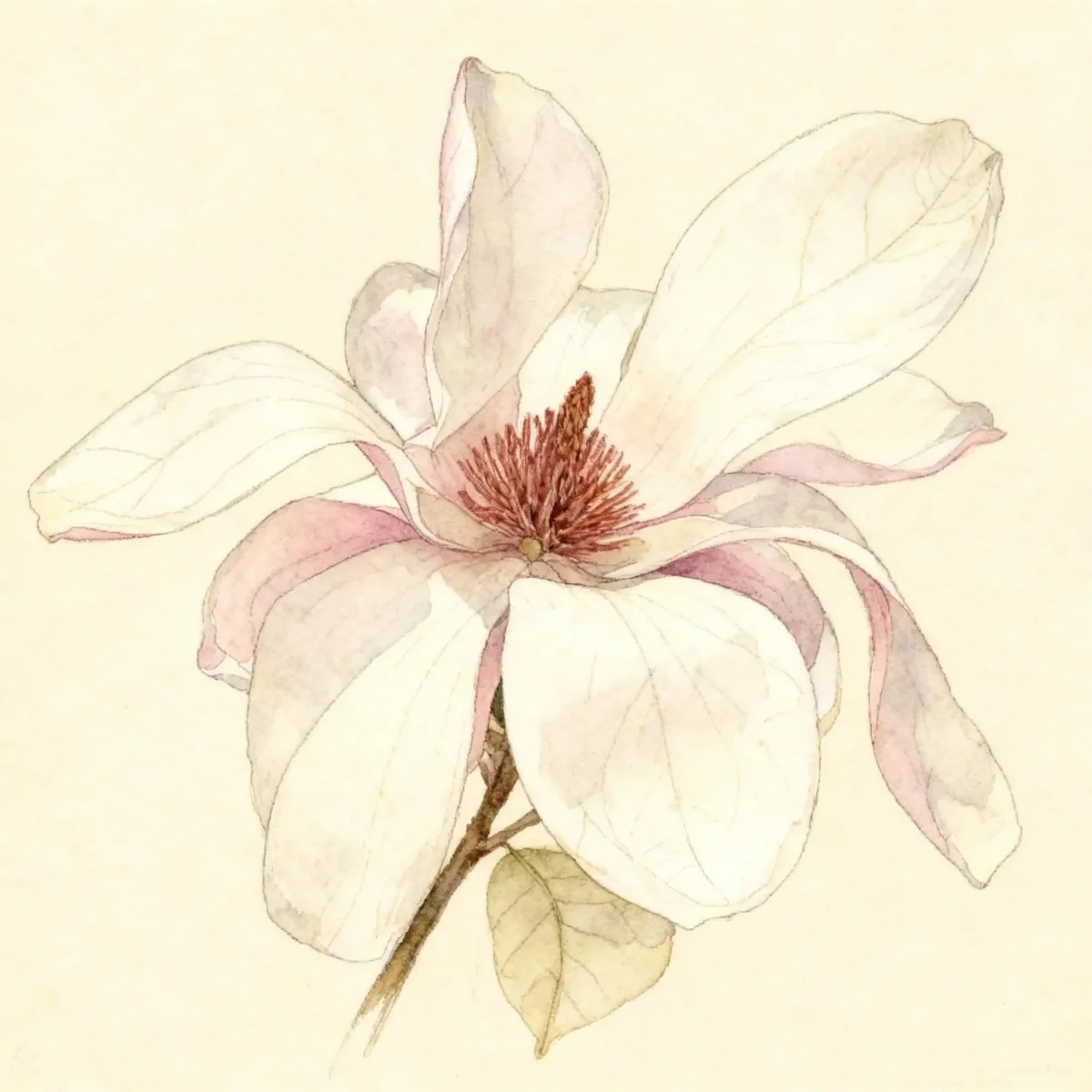
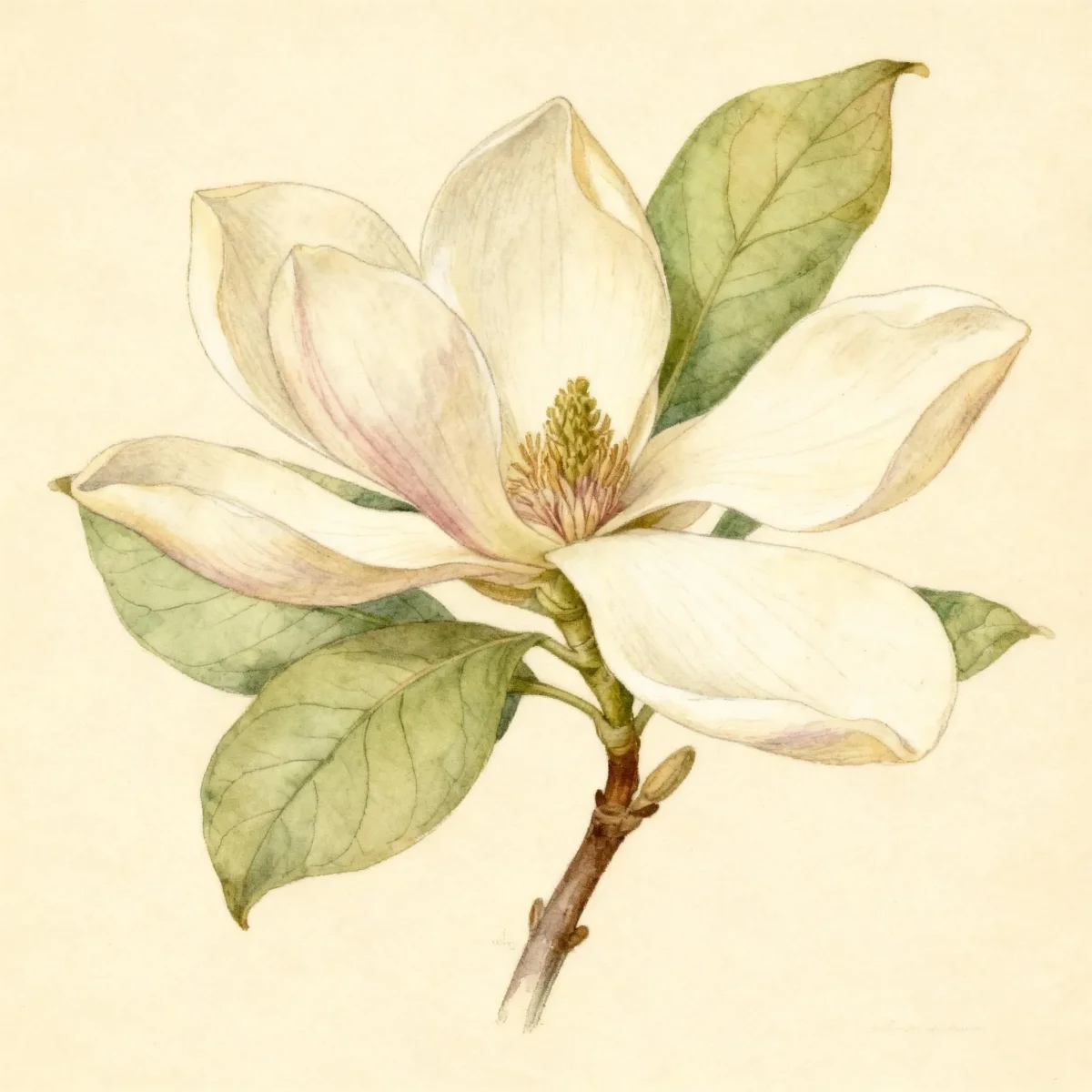
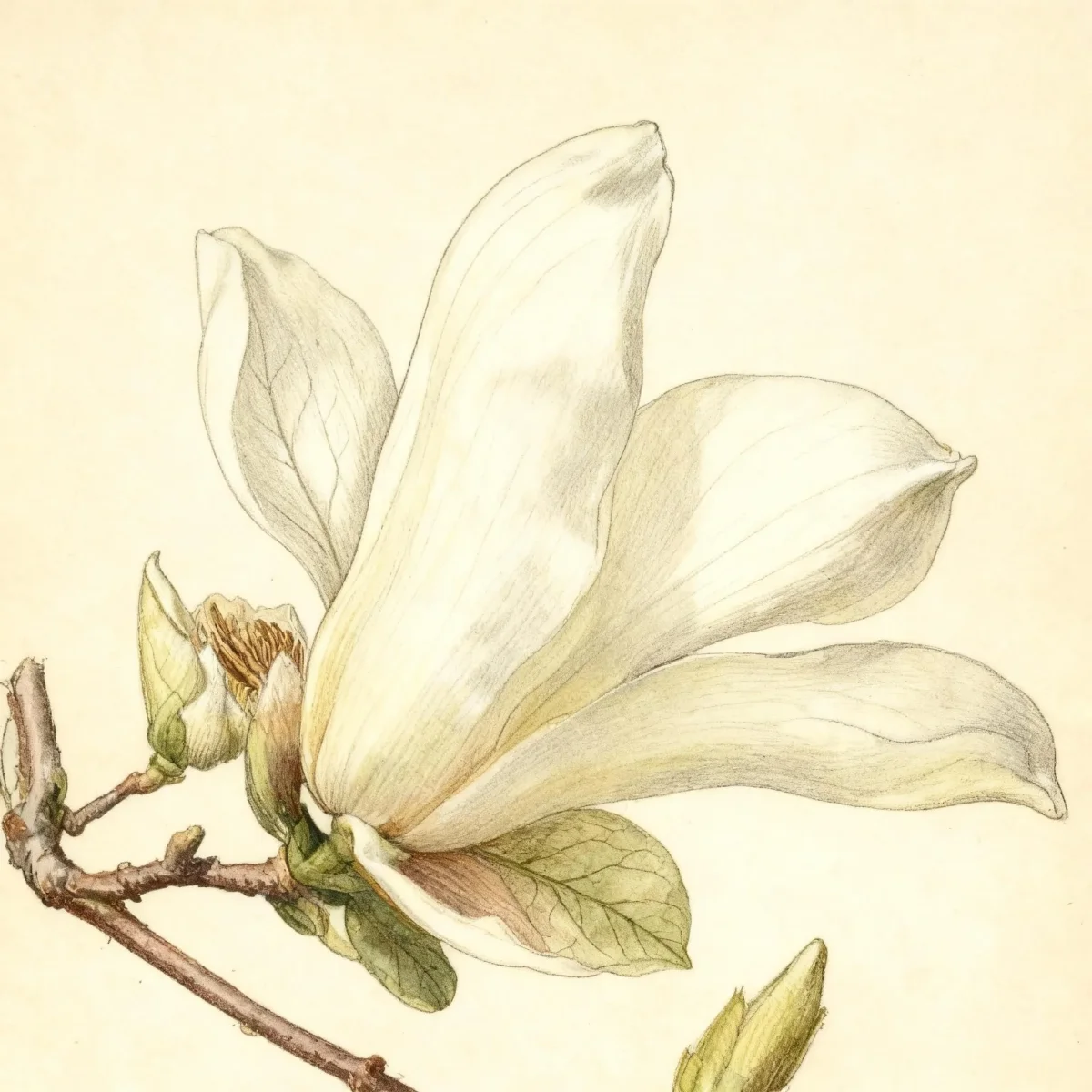
Whitebark magnolia (Magnolia obovata)
Magnolia obovata, the Whitebark magnolia, is a large deciduous tree prized for fragrant, showy white flowers blooming May-June.
Scroll down to discover growing tips, care requirements, companion plants, and more
Complete Plant Information
Overview
The Whitebark magnolia, or Magnolia obovata, is a striking, large-leaved deciduous tree highly valued for its dramatic aesthetic presence in the landscape. Native to Japan and the Kuril Islands, this species offers significant visual impact through its massive leaves and large, fragrant blossoms that appear in late spring. Gardeners seek out Magnolia obovata for its substantial structure and intoxicating floral display.
This magnificent tree matures to an impressive size, typically reaching 25 to 40 feet tall with a broad, handsome canopy. It presents a relatively low maintenance profile once established, provided its specific soil and moisture needs are met. The combination of creamy white flowers, notable fruit display, and large foliage ensures year-round interest.
Planting Magnolia obovata offers an excellent opportunity to introduce a focal point into woodland settings or larger courtyards. Its fragrant flowers are a major draw, attracting attention when blooming from May to June. For successful cultivation, ensuring consistent moisture and protection from harsh winds are key to maximizing the beauty of the Whitebark magnolia.
Fast Facts
- Plant Family: Magnoliaceae
- Plant Type: Tree
- Native Range: Japan, Kuril Islands
- Hardiness Zones: USDA Zones 5-7
- Size at Maturity:
- Height: 25-40 ft
- Spread: 15-25 ft
- Bloom Time: May to June
- Bloom Description: Creamy white petals with red stamens
- Sun Exposure: Full sun to part shade
- Water Needs: Medium
- Maintenance Level: Low
How to Grow
The best time to plant the Whitebark magnolia is typically in early spring or fall, allowing the root system to establish before extreme temperatures. Select a location that offers moist, organically rich, well-drained loams, slightly acidic soil pH is preferred. While it tolerates full sun, especially in cooler climates with consistent moisture, hot summer locations benefit from afternoon partial shade to prevent foliage scorch.
Ensure consistent and regular moisture, as Magnolia obovata is intolerant of prolonged dry or excessively wet soil extremes. Mulching the root zone helps retain this crucial moisture and moderates soil temperature. While maintenance is generally low, shelter the tree from strong, direct winds, which can damage the large leaves and tender spring buds.
Avoid planting too close to south-facing walls where reflected heat might prematurely force buds open, leading to late spring frost damage. Beyond initial soil amending and mulching, heavy fertilization is usually unnecessary when cultural requirements are met. Pruning should be minimal, focused only on removing crossing or damaged limbs, as Magnolia obovata develops naturally appealing form.
Landscape Uses
As a large, stately Flowering Tree, the Whitebark magnolia excels as a specimen planting in larger residential landscapes or park settings. Its stature makes it ideal for framing views or providing stately shade where its canopy can fully develop unimpeded. It finds particular success in woodland gardens or along woodland margins, where the filtered light mimics its native habitat.
Magnolia obovata is an excellent choice for creating serene, contemplative spaces such as courtyards, where the beautiful, fragrant blooms can be fully appreciated up close. It pairs well visually with understory shrubs that appreciate similar moderate light conditions, such as rhododendrons or azaleas. The impressive scale of the leaves also provides excellent textural contrast against finer-needled evergreens.
Standout Features
Flower Qualities
- Showy
- Fragrant
Fruit Qualities
- Showy
Noteworthy Characteristics
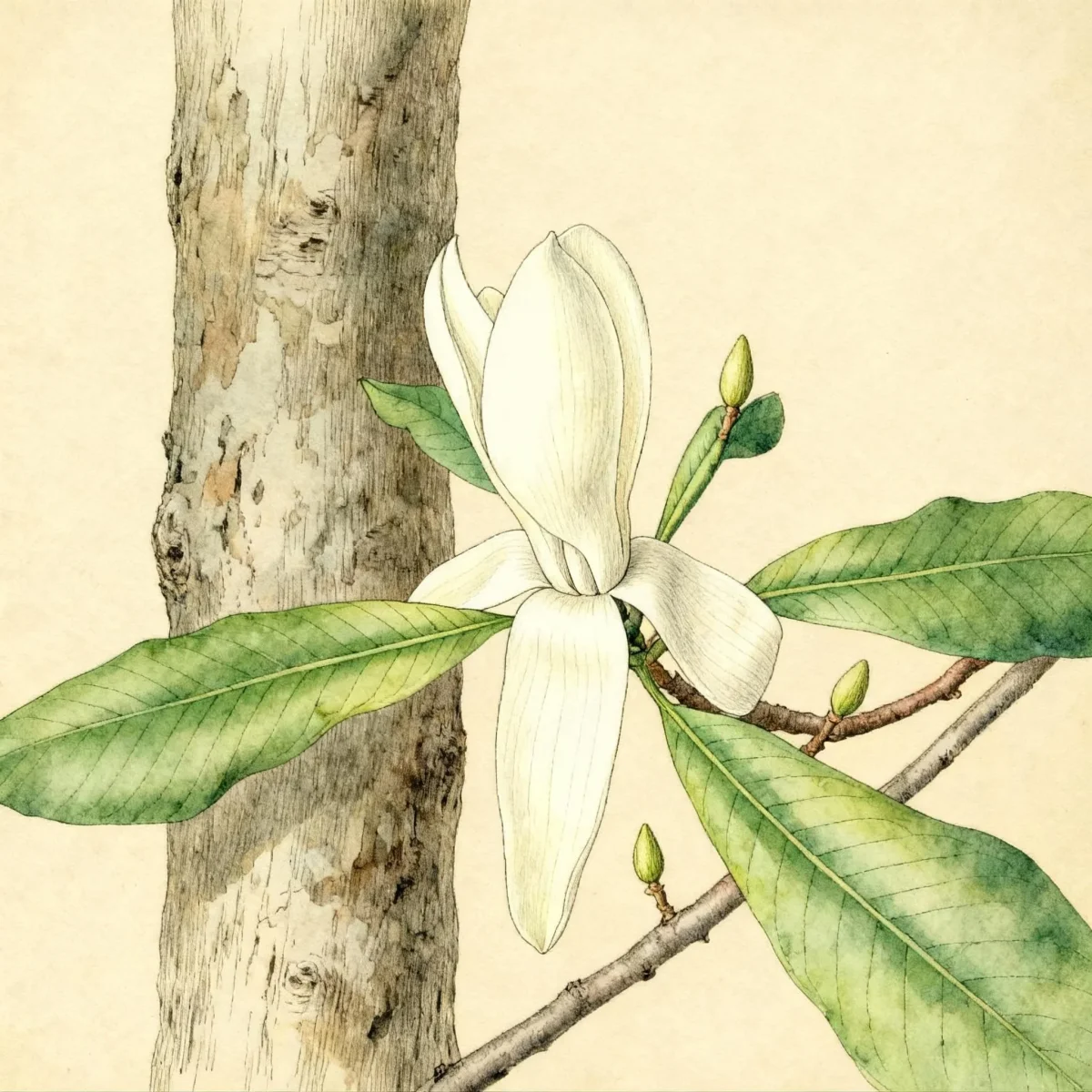
Magnolia obovata, commonly called Japanese bigleaf magnolia, white bark magnolia or white leaf magnolia, is a large-leaved deciduous tree that typically matures to 25-40’ tall with a spread to 25’ wide. This tree features slate gray bark, large green leaves (silvery-gray pubescent beneath) appearing in pseudo-whorls, fragrant flowers up to 8” across with creamy white tepals surrounding red stamens, and cone-like bright red fruits that follow the bloom period. The specific epithet ‘obovata’ refers to the egg-shaped nature of its distinctive foliage.
Tolerances
- Clay Soil
Potential Problems
The Whitebark magnolia generally exhibits few serious long-term insect or disease problems, contributing to its low maintenance reputation. The primary aesthetic threat comes from late frosts, which can damage the newly opened flowers in spring. Watch for potential insect activity from horse chestnut scale, snails, or capsid bugs, employing targeted organic controls if populations become problematic. Fungal issues like coral spot, gray mold, or fungal leaf spot may appear, especially in highly humid or poorly circulating air; ensuring good air movement and cleaning up fallen foliage helps mitigate fungal risk. Iron deficiency leading to lime-induced chlorosis can occur if the soil pH is too high.
Frequently Asked Questions
What hardiness zones is Whitebark magnolia suitable for?
The Magnolia obovata is successfully grown in USDA Zones 5 through 7.
How large does Whitebark magnolia grow?
This tree typically reaches heights between 25 and 40 feet, spreading outward with a width of 15 to 25 feet at maturity.
When does Whitebark magnolia bloom?
The fragrant flowers of Magnolia obovata appear between May and June, showcasing creamy white petals surrounding dramatic red stamens.
What sun exposure does Whitebark magnolia need?
It thrives best in full sun to part shade. In regions with very hot summers, positioning it where it receives afternoon shade is highly recommended.
Conclusion
The Magnolia obovata offers gardeners a rewarding combination of massive foliage, deeply fragrant spring blooms, and impressively low maintenance requirements within zones 5-7. Recognizing the needs of the Whitebark magnolia concerning moisture and wind protection will ensure it develops into a stunning landscape feature. Plan your planting during the appropriate season and site it carefully to enjoy its beauty for decades.
Companion Planting
When designing a space for Magnolia obovata, choosing companions that appreciate similar soil moisture and light levels enhances the overall woodland aesthetic. Azaleas and Rhododendrons are excellent companions, thriving beneath the dappled shade provided by the magnolia as it matures, and offering vibrant spring color contrast. Consider planting native ferns at the base, as they tolerate the lower light beneath the canopy edges and thrive in rich, moist soils.
For structural contrast, incorporate evergreen shrubs with fine texture, such as Japanese Holly (Ilex crenata) or certain dwarf conifers, placed strategically to break up the massive scale of the magnolia’s unique foliage pattern. Providing consistent groundcover also helps maintain the crucial soil moisture that the Whitebark magnolia demands throughout the year.
Seasonal Care Calendar
Mid-spring, prior to bud break, inspect the tree for any winter damage and prune out any obviously dead wood, keeping pruning to an absolute minimum thereafter. As the tree begins leafing out in late spring, pay close attention to watering needs, ensuring the soil remains consistently damp during the bloom period. During the heat of summer, especially in drier years, deep, slow watering is essential to prevent leaf scorch and drought stress.
In the autumn, apply a generous layer of organic mulch around the root zone, ensuring the mulch does not pile up directly against the trunk flare. This layer protects roots entering dormancy and conserves moisture for winter. Winter care primarily involves monitoring for excessive wind exposure; if newly planted, ensure young trees have strong stakes that allow slight movement but prevent whipping in winter storms.