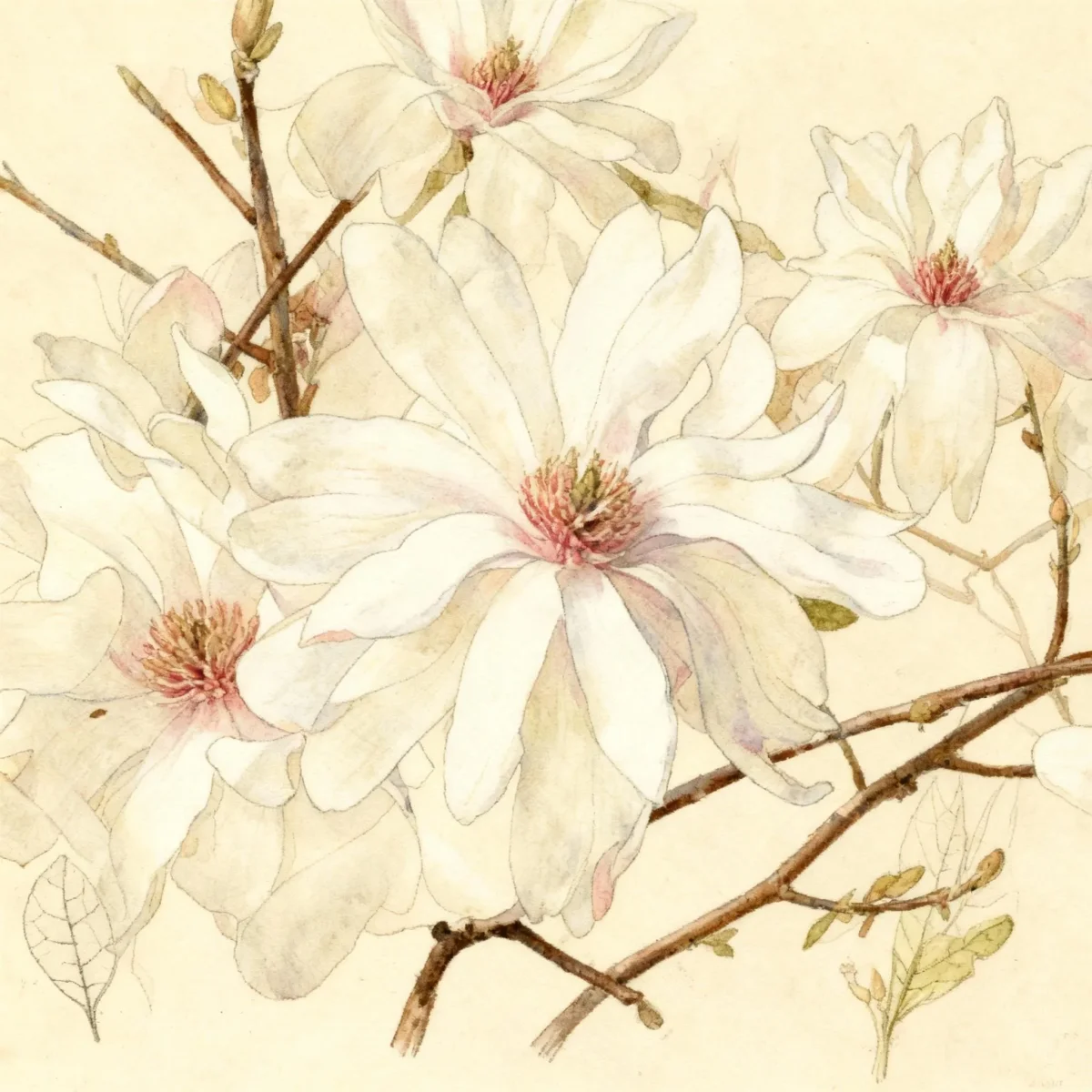
Cylindrical magnolia (Magnolia cylindrica)
The Cylindrical magnolia (Magnolia cylindrica) offers fragrant spring blooms and unique fruit. Ideal for Zones 5-9, this tree needs medium care.
Scroll down to discover growing tips, care requirements, companion plants, and more
Complete Plant Information
Overview
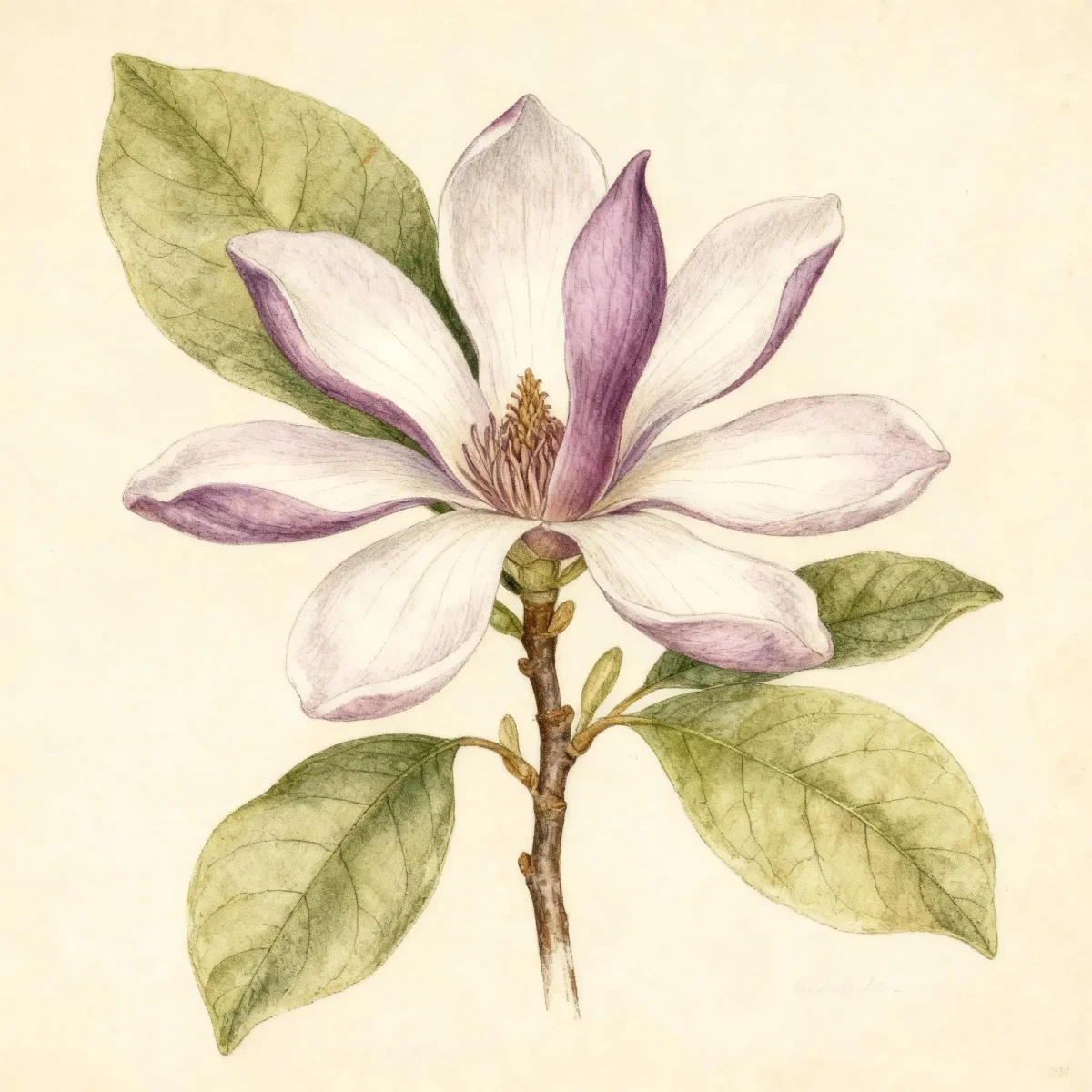
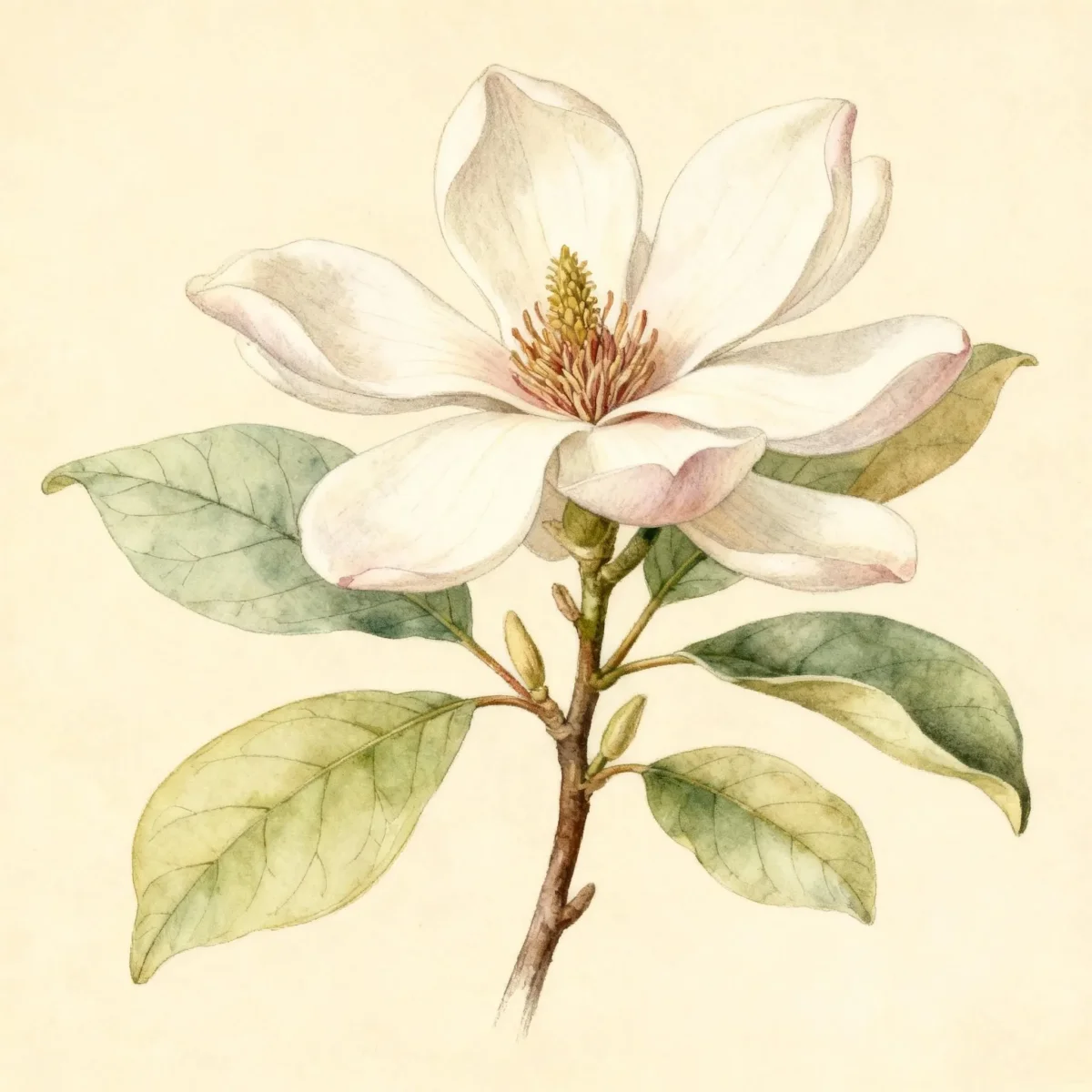
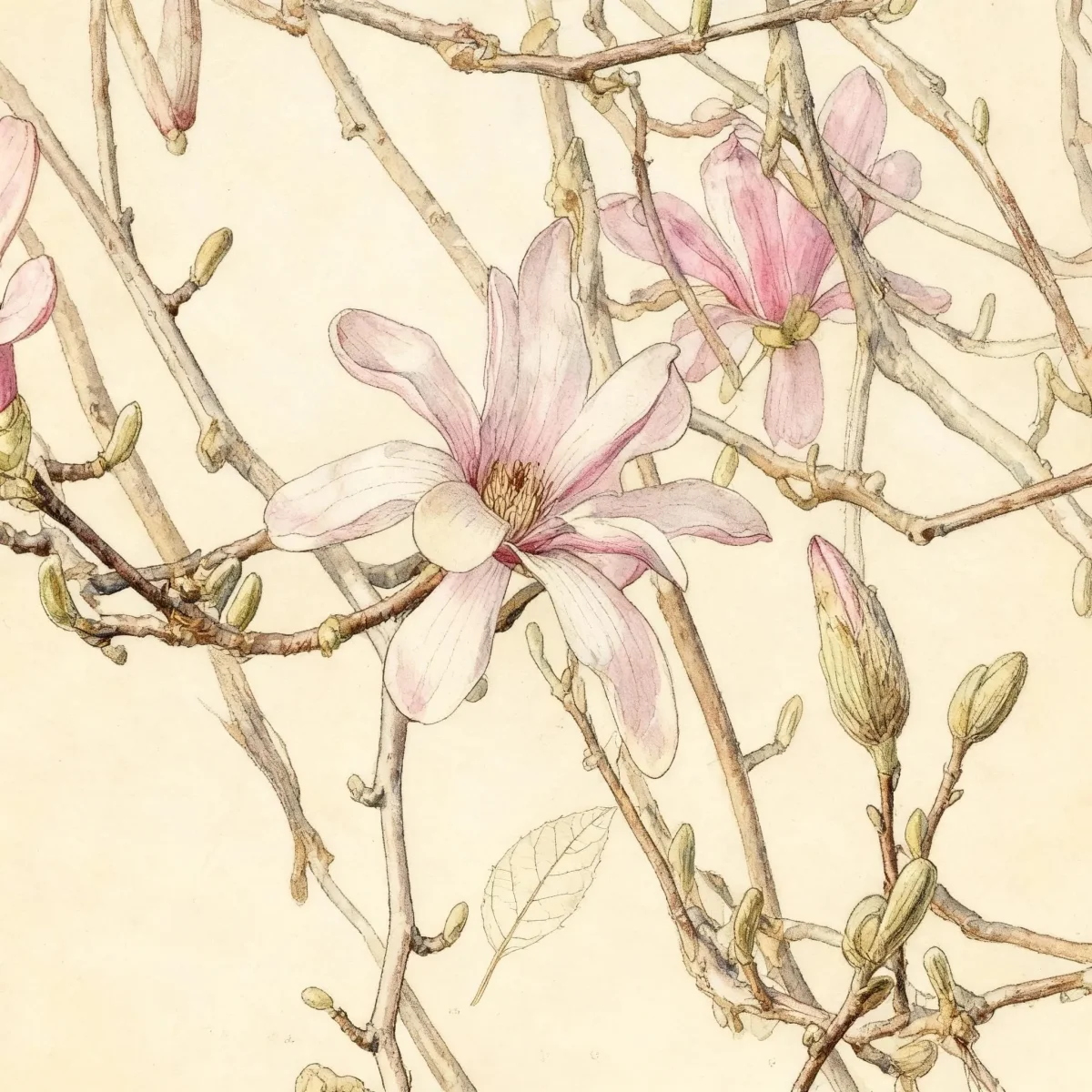
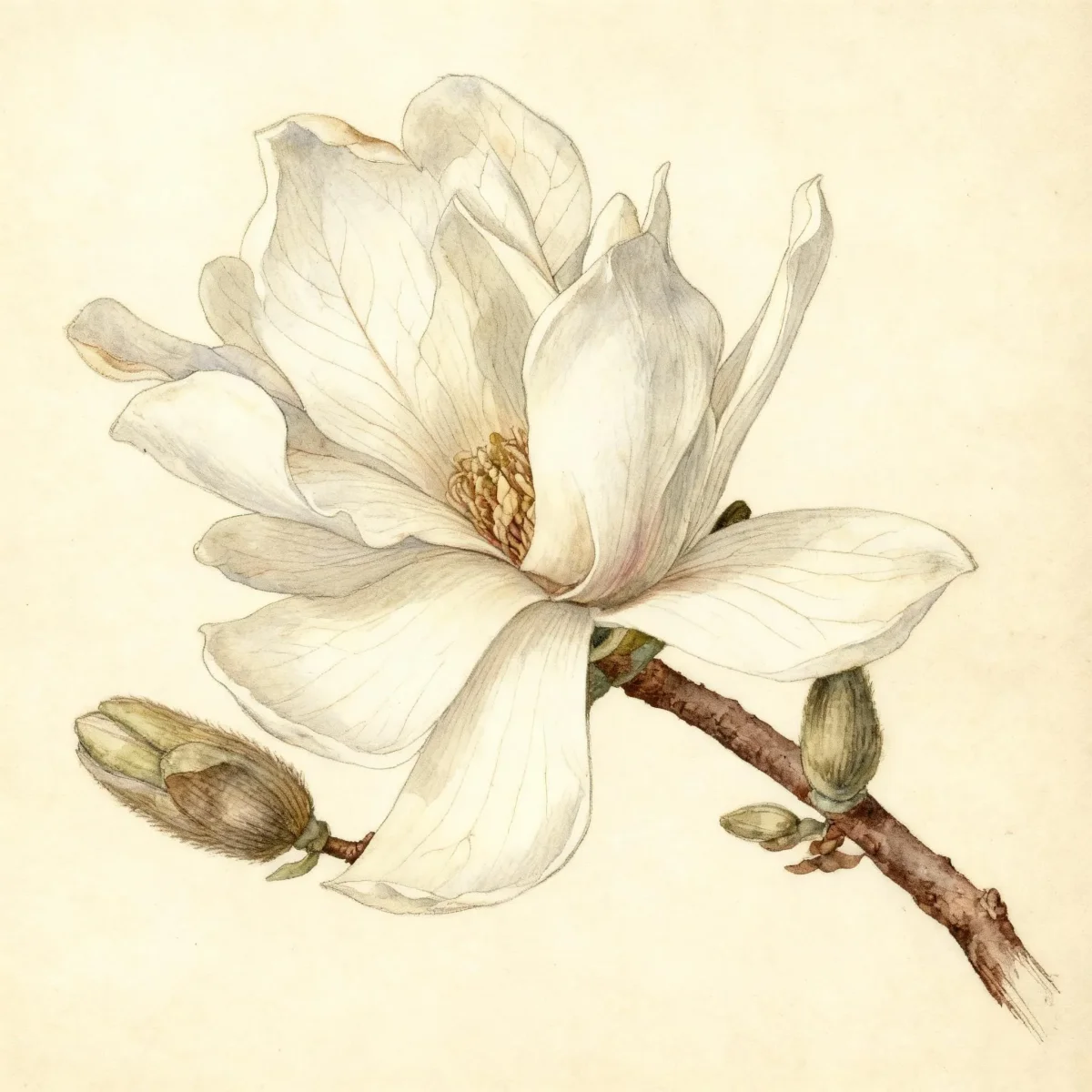
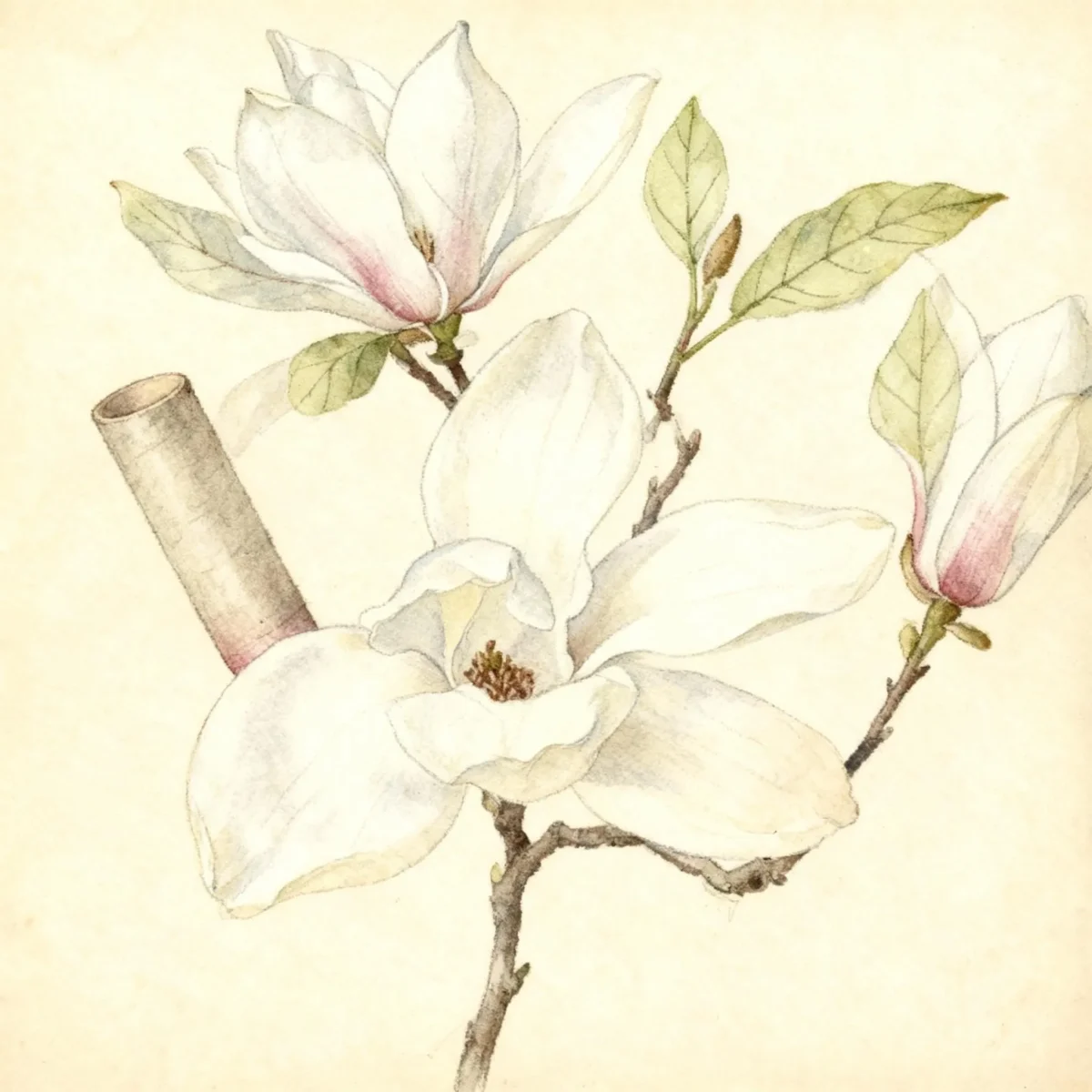
The Cylindrical magnolia, scientifically known as Magnolia cylindrica, is a highly valued deciduous tree prized for its early spring floral display. Before the leaves emerge, it presents fragrant, lily-like flowers that are distinctly white with rose-pink bases, commanding attention in the landscape. This species is native to the forested slopes of southeastern China, often referred to as Huangshan magnolia due to its association with Mt. Huangshan.
Maturing into a graceful, vase-shaped specimen reaching 20 to 30 feet tall, Magnolia cylindrica warrants careful site selection to protect its delicate blooms from late frosts. Its smooth gray bark and uniquely cylindrical fruit—which matures to bright red—add ornamental interest long after the flowers have faded, making it a superb specimen tree for structure and seasonal interest. Gardeners seeking an elegant, medium-sized flowering tree that offers both fragrance and structure should consider the rewards of growing the Cylindrical magnolia.
Fast Facts
- Plant Family: Magnoliaceae
- Plant Type: Tree
- Native Range: Eastern China
- Hardiness Zones: USDA Zones 5-9
- Size at Maturity:
- Height: 20-30 ft
- Spread: 8-18 ft
- Bloom Time: April to May
- Bloom Description: White tepals fading to pink at base
- Sun Exposure: Full sun to part shade
- Water Needs: Medium
- Maintenance Level: Medium
How to Grow
Planting Magnolia cylindrica is best accomplished in spring or early fall when the tree is dormant or semi-dormant. The success of this magnolia hinges heavily on soil quality; it requires moist, fertile, slightly acidic, organically rich, and, critically, well-drained loam. Avoid areas where soil remains soggy or excessively dry, as this species is intolerant of soil extremes. For best flowering, situate the tree in full sun, though afternoon shade is recommended in hot summer climates to prevent foliage scorch.
Consistent moisture is essential throughout the year for the Cylindrical magnolia. While established plants need medium water input, ensure deep watering during dry spells. Mulching the root zone helps retain cool, even soil temperatures and moisture levels, which the plant appreciates. Never allow the roots to dry out completely.
To ensure optimal presentation, site Magnolia cylindrica away from strong, persistent winds which can batter the developing foliage and branches. Furthermore, avoid planting too close to south-facing walls or structures; the reflected heat can trick the flower buds into opening prematurely, making them highly vulnerable to late spring frosts that severely damage the bloom display.
Landscape Uses
The recommended use for this species highlights its excellence as a featured plant in sunny to sun-dappled areas of the landscape. Its moderate mature spread of 8 to 18 feet means it can serve effectively near the edge of a mixed border, providing vertical accent without overpowering smaller shrubs. Given its status as a specimen tree, position the Cylindrical magnolia where its spring flowers and subsequent cylindrical fruits can be easily admired.
Consider planting this beauty where its fragrant qualities can be enjoyed from a patio or low-traffic pathway. Since it appreciates consistency, pairing it with companion plants that share a preference for similar well-drained, fertile, consistently moist soil conditions will simplify maintenance. This magnolia performs beautifully as a focal point against a backdrop of deep green evergreens that contrast nicely with its smooth gray bark in winter.
Standout Features
Flower Qualities
- Showy
- Fragrant
Fruit Qualities
- Showy
Noteworthy Characteristics
Magnolia cylindrica is a deciduous large shrub or small tree that matures over time to 20-30’ tall and 8-18’ wide. Fragrant lily-like flowers bloom in spring before the leaves emerge, followed by conspicuous cylindrical fruits that mature to bright red, revealing attractive seeds. Native to slopes and thickets in southeastern China, this plant is currently classified as vulnerable on the IUCN Red List due to habitat loss.
Tolerances
There is no specific tolerance data provided for Magnolia cylindrica beyond its cultural needs.
Potential Problems
Generally, the Magnolia cylindrica exhibits good resistance, with no serious documented insect or disease problems noted for established specimens. The primary threat to this species involves weather conditions rather than pests. Late frosts occurring after the flower buds have begun to swell or open can severely damage or completely destroy the ephemeral bloom display. Planting in a location slightly protected from early spring warming is the best preventative measure.
Frequently Asked Questions
What hardiness zones is Cylindrical magnolia suitable for?
The Cylindrical magnolia is hardy across USDA Zones 5 through 9, indicating good adaptability to a wide range of climates, provided soil and moisture requirements are met.
How large does Magnolia cylindrica grow?
This tree typically reaches a mature height between 20 and 30 feet, with a relatively narrow spread ranging from 8 to 18 feet wide, maintaining a vase-like structure as it matures.
What sun exposure does Magnolia cylindrica need?
It performs best when situated in full sun to part shade. Gardeners in very hot summer regions should opt for providing afternoon shade to prevent the foliage from scorching.
When does Cylindrical magnolia bloom?
The bloom time for this species is generally from April to May, featuring white tepals accented with a noticeable pink or rose-pink blotch at the base of each flower.
Conclusion
The Magnolia cylindrica offers gardeners the dual reward of highly fragrant, showy spring blossoms and unique, colorful fruit structure later in the season. Cultivating this beautiful species requires attention to soil drainage and protection from unexpected late frosts, but the results justify the medium maintenance effort. Assess your site conditions now to ensure the Cylindrical magnolia thrives in your landscape for years to come.
Companion Planting
When selecting plants to grow near Magnolia cylindrica, prioritize companions that thrive in similar moist, organically rich, slightly acidic soil conditions. Acid-loving shrubs such as Rhododendrons and Azaleas make excellent companions, as they share similar cultural needs and their evergreen structure provides a pleasant visual contrast to the magnolia’s deciduous silhouette. Avoid aggressive groundcovers near the base, as magnolias often have shallow, sensitive root systems.
For an underplanting, consider shade-tolerant perennials that appreciate consistent moisture without becoming waterlogged. Hosta varieties with textured or deep green foliage, or ferns like the Japanese Painted Fern (if adequate moisture is present), can soften the area around the base of the tree. Ensure any planted companions do not directly compete with the developing root ball for essential water and nutrients during the establishment phase.
Seasonal Care Calendar
Spring is the most critical time for Magnolia cylindrica. After the last frost danger has passed, assess any frost damage to the bloom buds and perform any necessary maintenance cleanup. Immediately apply a fresh layer of organic mulch around the root zone, keeping it clear of the trunk flare itself, to stabilize soil temperatures throughout the summer.
Summer care centers predominantly on watering. Even with medium needs, prolonged hot or dry spells necessitate deep, slow soakings periodically to encourage strong root development and prevent foliar stress. Avoid heavy fertilization during the intense heat of mid-summer; if fertilizer is needed, a slow-release, balanced formula applied in early spring is preferable.
In autumn, allow fallen leaves to naturally decompose around the base if feasible, as they contribute valuable organic matter back to the soil. Winter preparation is minimal; there is generally no special winterization required for hardy Magnolia cylindrica in zones 5 through 9, provided the site is not overly exposed to harsh drying winds.