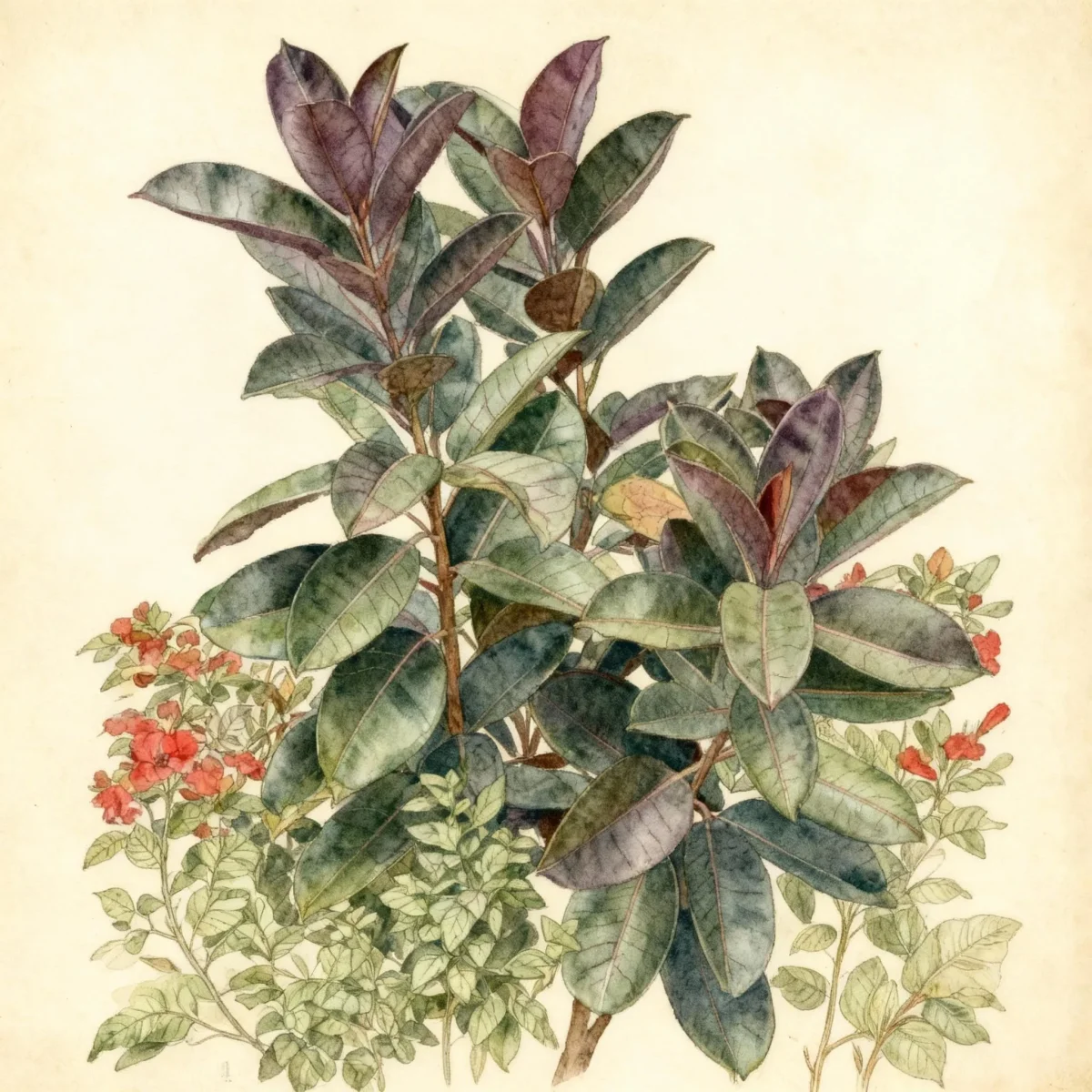
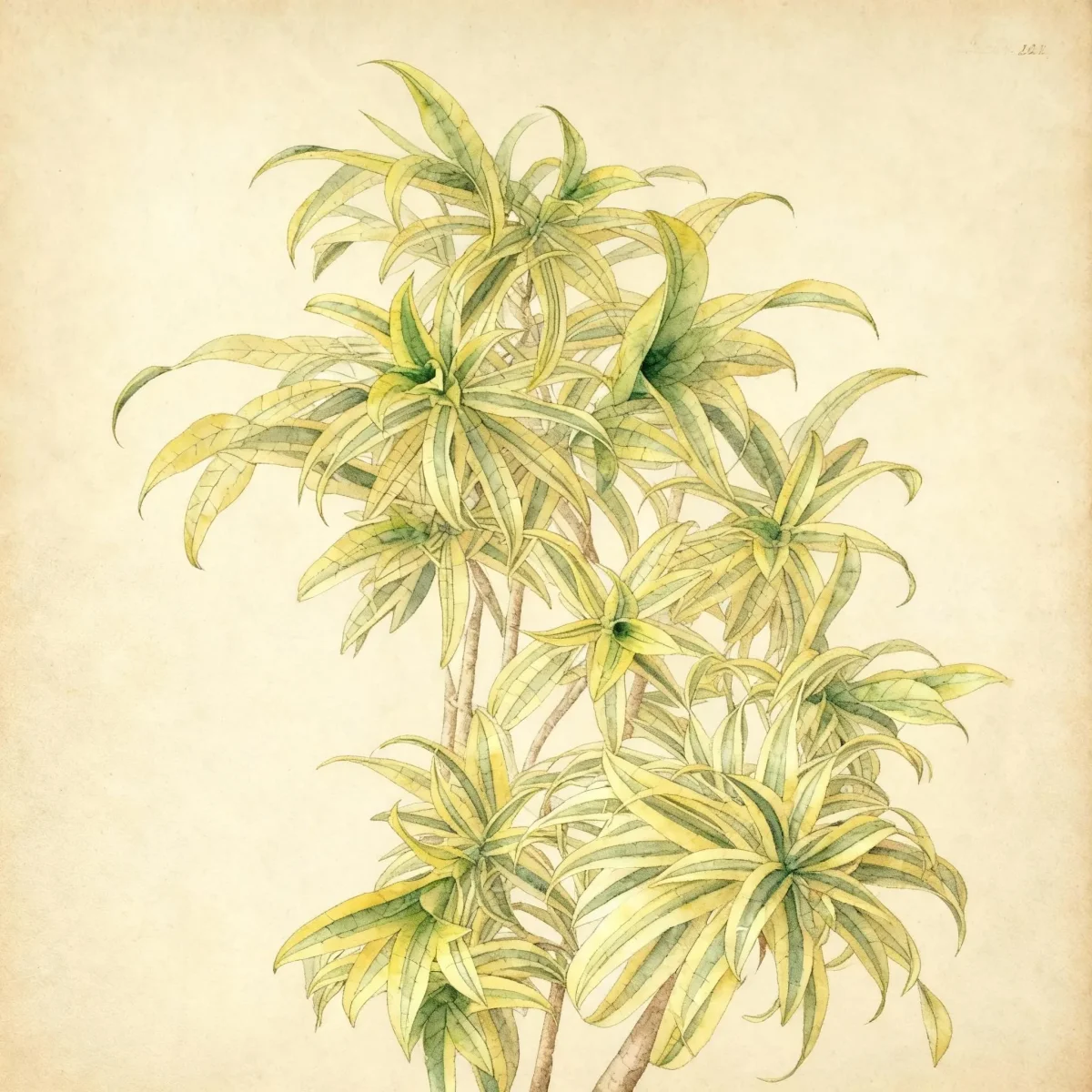
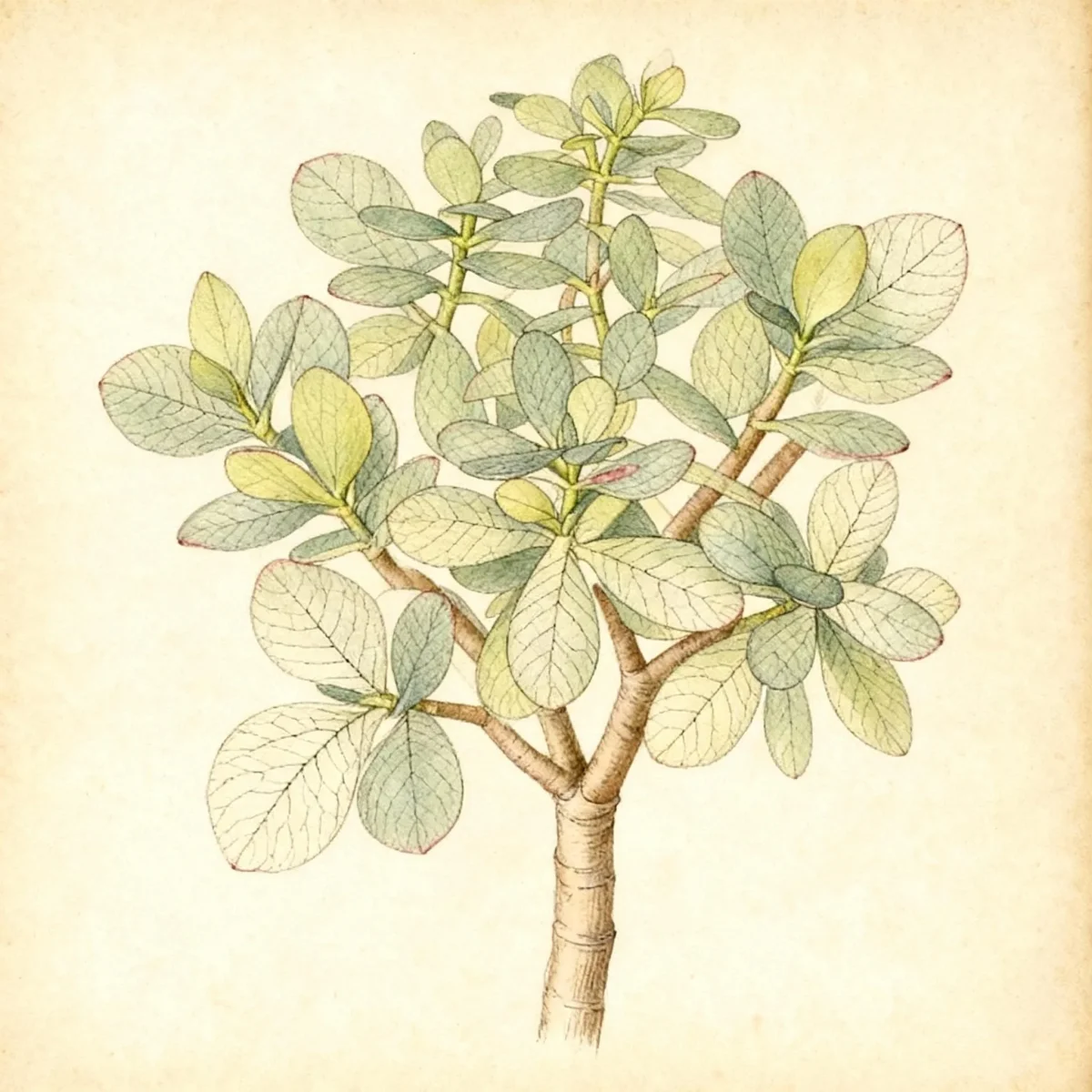
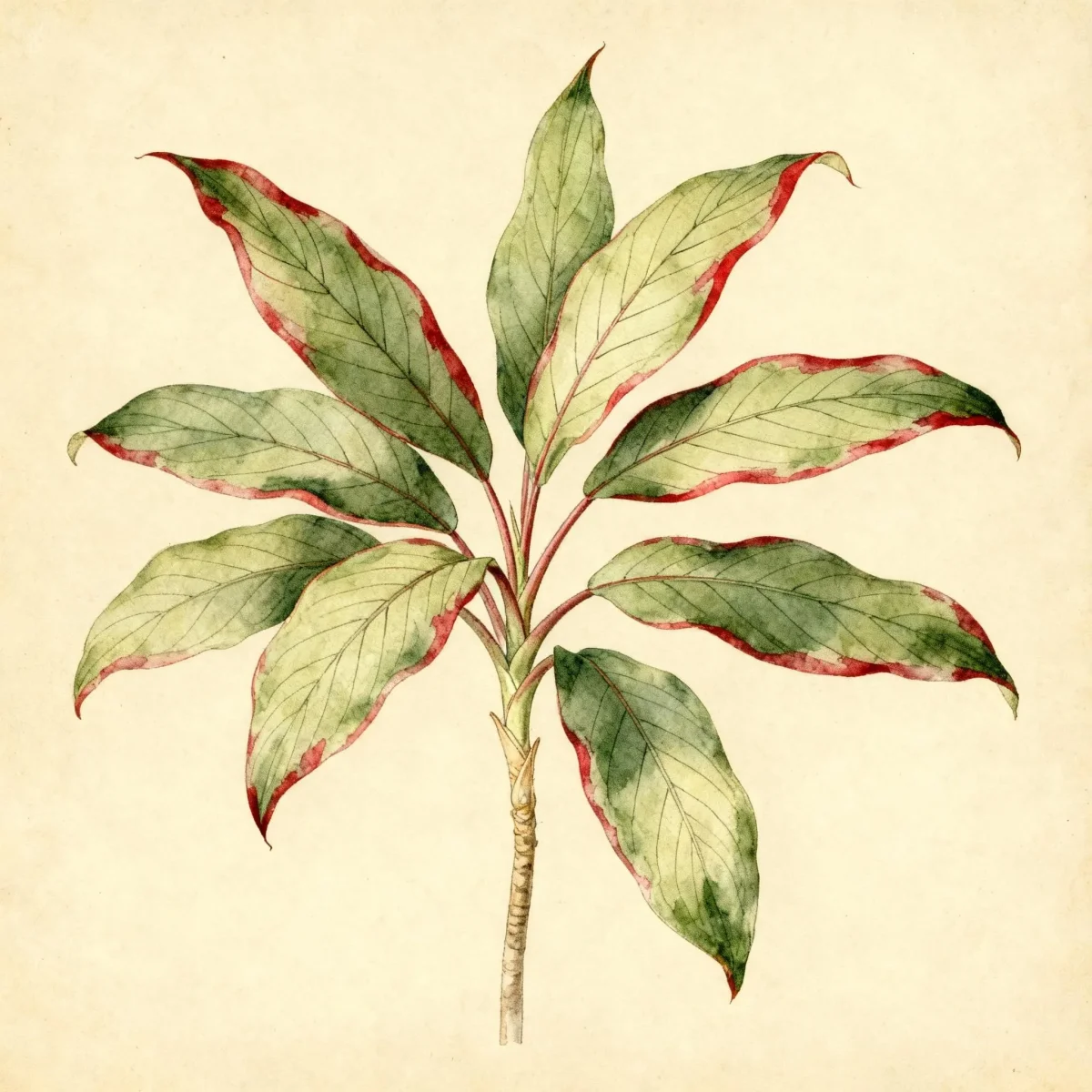
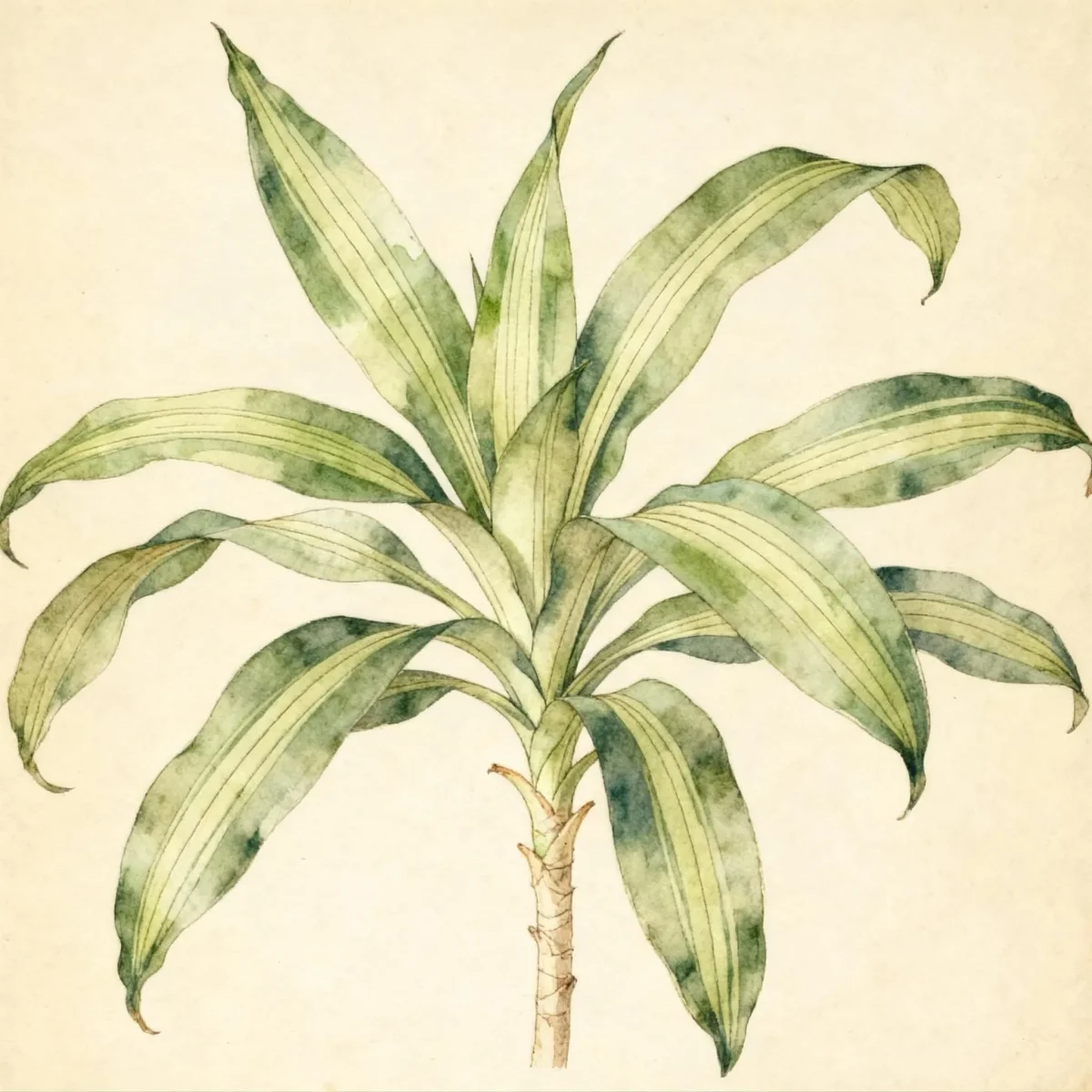
Magnolia (Magnolia compressa)
Discover Magnolia compressa, a low-maintenance, fragrant evergreen tree perfect for subtropical gardens in Zones 10-11.
Scroll down to discover growing tips, care requirements, companion plants, and more
Complete Plant Information
Overview
The Magnolia compressa, commonly known simply as Magnolia, is a beautiful broadleaf evergreen tree highly valued for its unique, less conspicuous spring blooms and glossy, leathery foliage. Native to East Asian forests, this species offers structure and evergreen appeal throughout the year, even when not actively flowering, making it a reliable performer in warmer climates.
Unlike some larger Magnolias, Magnolia compressa typically remains a manageable size in cultivation, often reaching only 10 to 15 feet tall, making it versatile for various landscape applications. Gardeners appreciate its low maintenance needs combined with the subtle beauty of its fragrant, pale yellow flowers that open throughout the spring season.
Originally classified as Michellia compressa, this specimen is prized for providing year-round visual interest. When sited correctly, the Magnolia serves as an elegant specimen tree or a substantial evergreen shrub, introducing a touch of the subtropical landscape aesthetic where it thrives.
Fast Facts
- Plant Family: Magnoliaceae
- Plant Type: Broadleaf evergreen
- Native Range: China, Japan, Korea, Taiwan
- Hardiness Zones: USDA Zones 10-11
- Size at Maturity:
- Height: 10-15 ft
- Spread: 5-12 ft
- Bloom Time: May to June
- Bloom Description: Pale yellow to whitish
- Sun Exposure: Part shade
- Water Needs: Medium
- Maintenance Level: Low
How to Grow
For optimal health, plant Magnolia compressa during the spring or fall in a site protected from harsh winds, which can easily damage the foliage. The key to success lies in soil conditions: this plant requires moist, organically rich, acidic, and exceptionally well-drained loam. Avoid heavy, compacted soils that retain excessive water.
During the growing season, maintain a consistent moisture level, ensuring the soil does not dry out completely, as Magnolia prefers medium water. Fertilization should be light, focusing on amending the soil with compost yearly to enrich its organic content rather than relying heavily on synthetic fertilizers. Pruning is minimal; focus only on removing dead or crossing branches selectively.
Provide protection from intense afternoon heat. While it can tolerate morning sun, plants perform best when shaded during the hottest part of the day, often achieved by planting beneath established tree canopies. In regions within its hardiness range (Zones 10-11), it adapts well to container culture on decks or patios, though these specimens will require diligent monitoring and must be protected if temperatures approach freezing.
Landscape Uses
The manageable stature of Magnolia compressa makes it an excellent flowering evergreen candidate for subtropical and tropical settings. It works beautifully as a specimen tree on smaller lawns or as a foundational planting near structures where its dense, rounded crown can be appreciated. Its evergreen nature also ensures screening value throughout the winter months.
Consider using this Magnolia as a tall, informal hedge when grouped closely, providing a stately boundary. Because it prefers dappled light, planting it near the edges of woodlands or beneath taller, high-canopy trees integrates it seamlessly into naturalized settings. Where hardy zones permit, Magnolia compressa serves perfectly as a mid-story accent plant in mixed shrub borders.
For gardeners in marginally hardy areas, growing this Magnolia in large containers allows them to easily transition the plant indoors to a bright sunroom or greenhouse during winter, protecting the investment and allowing continuation of its beautiful bloom cycle.
Standout Features
Flower Qualities
- Showy
- Fragrant
Noteworthy Characteristics
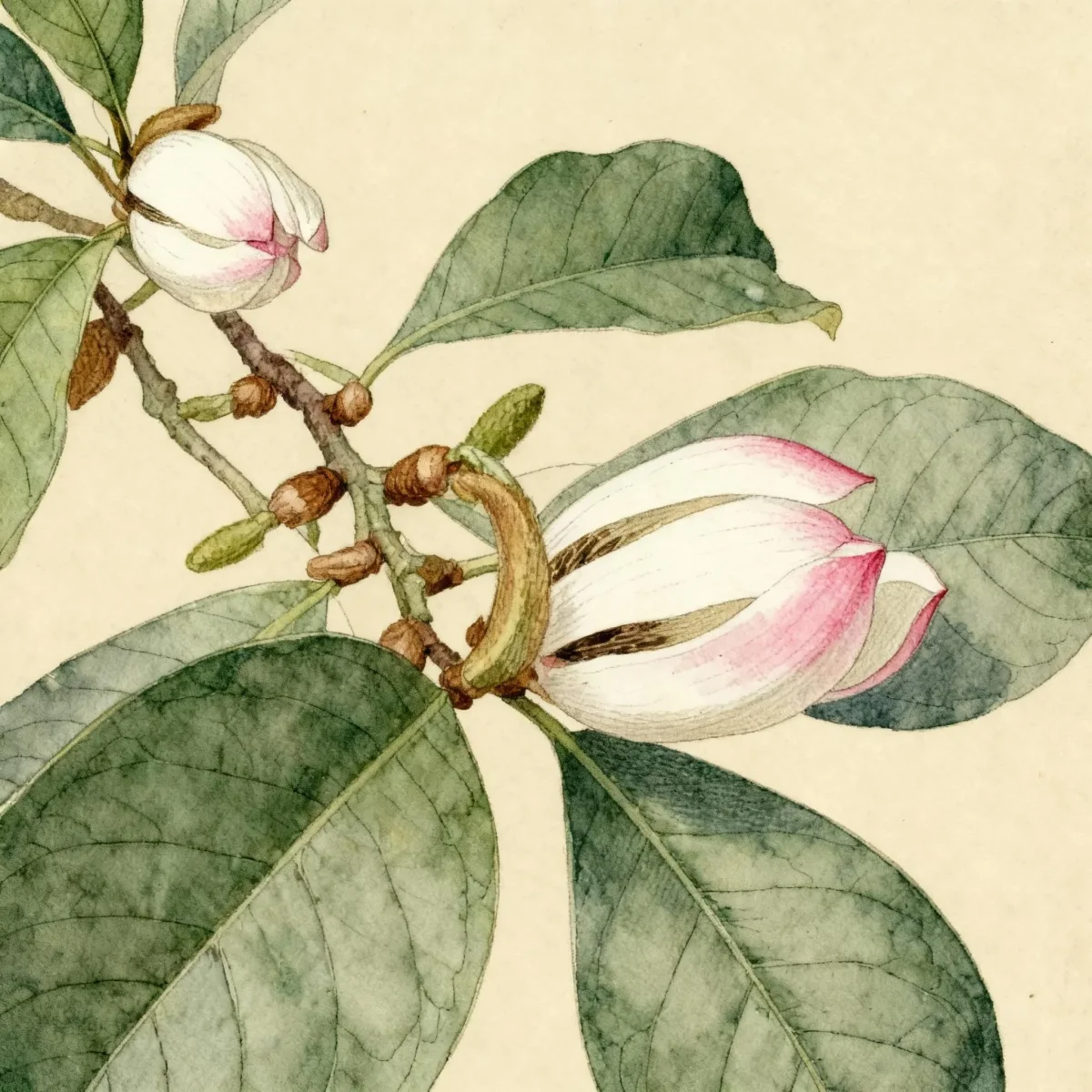
The Magnolia compressa is characterized by small, fragrant, tulip-shaped flowers measuring up to 2 inches wide, which bloom in the leaf axils along the branches during mid to late spring. Its foliage consists of oblong, leathery, glossy green leaves, which are evergreen but exhibit sporadic year-round shedding rather than a single annual drop. This species was formerly known as Michellia compressa, and its specific epithet notes its compressed or flattened appearance.
Tolerances
No specific tolerance data was provided.
Potential Problems
Generally, Magnolia compressa remains free from serious insect or disease issues, which contributes to its low maintenance rating. The primary disease concern involves fungal leaf spots, which can usually be managed by ensuring good air circulation and avoiding overhead watering during damp periods. Potential insect pests include common garden nuisances like scale insects, snails, and slugs. In dry or stressed conditions, watch for spider mites, which can cause stippling on the leaves. Regular inspection is the best defense against minor infestations.
Frequently Asked Questions
What hardiness zones is Magnolia compressa suitable for?
Magnolia compressa is hardy in USDA Zones 10 through 11, requiring protection in cooler regions.
How large does Magnolia compressa grow?
In typical ornamental plantings, this Magnolia usually reaches a height between 10 and 15 feet, with a corresponding spread of 5 to 12 feet wide.
What sun exposure does Magnolia compressa need?
This species prefers part shade, excelling when it receives morning sun followed by protection from the intense heat of the afternoon sun.
When does Magnolia compressa bloom?
The pale yellow to whitish flowers generally appear from May to June, offering fragrance late in the spring season.
Companion Planting
When selecting companions for Magnolia compressa, prioritize other acid-loving, moisture-retentive plants that thrive in filtered light. Consider underplanting with shade-tolerant ferns, hostas, or bleeding hearts if you are in a cooler, shaded area. For structure and year-round color that pairs well with the evergreen leaves of the Magnolia, rhododendrons and azaleas are excellent choices; they share similar soil pH requirements and relish the dappled light created by the Magnolia’s canopy.
Seasonal Care Calendar
Spring is crucial for this plant as it signals the bloom period (May-June). After flowering, apply a layer of organic mulch to maintain soil moisture and moderate soil temperature, which is vital for Magnolia compressa. Summer care focuses almost entirely on consistent, medium watering, especially if the plant is situated in a relatively open part-shade location. Protect containerized plants from prolonged heat stress.
Cooler months, late autumn through early winter, should be spent protecting the roots of plants in marginal Zones 10/11, perhaps by adding extra mulch if frost is anticipated. Avoid heavy pruning during dormancy, as this plant generally responds better to selective trimming during the active growing season to maintain its natural shape.
Conclusion
The Magnolia compressa offers significant value to the subtropical garden through its fragrant late-spring blossoms and reliable evergreen structure, demanding very little time investment due to its low maintenance habit. If your location falls within USDA Zones 10 or 11 and you can provide moist, acidic, well-drained soil in partial shade, this Magnolia variety is an excellent choice for lasting beauty. Check your microclimate carefully before planning your planting site for this distinct Asian native.