Banana magnolia (Magnolia figo)
Discover Magnolia figo, the Banana magnolia, prized for its intoxicatingly fragrant, creamy flowers and glossy evergreen foliage. Low maintenance.
Scroll down to discover growing tips, care requirements, companion plants, and more
Complete Plant Information
Overview
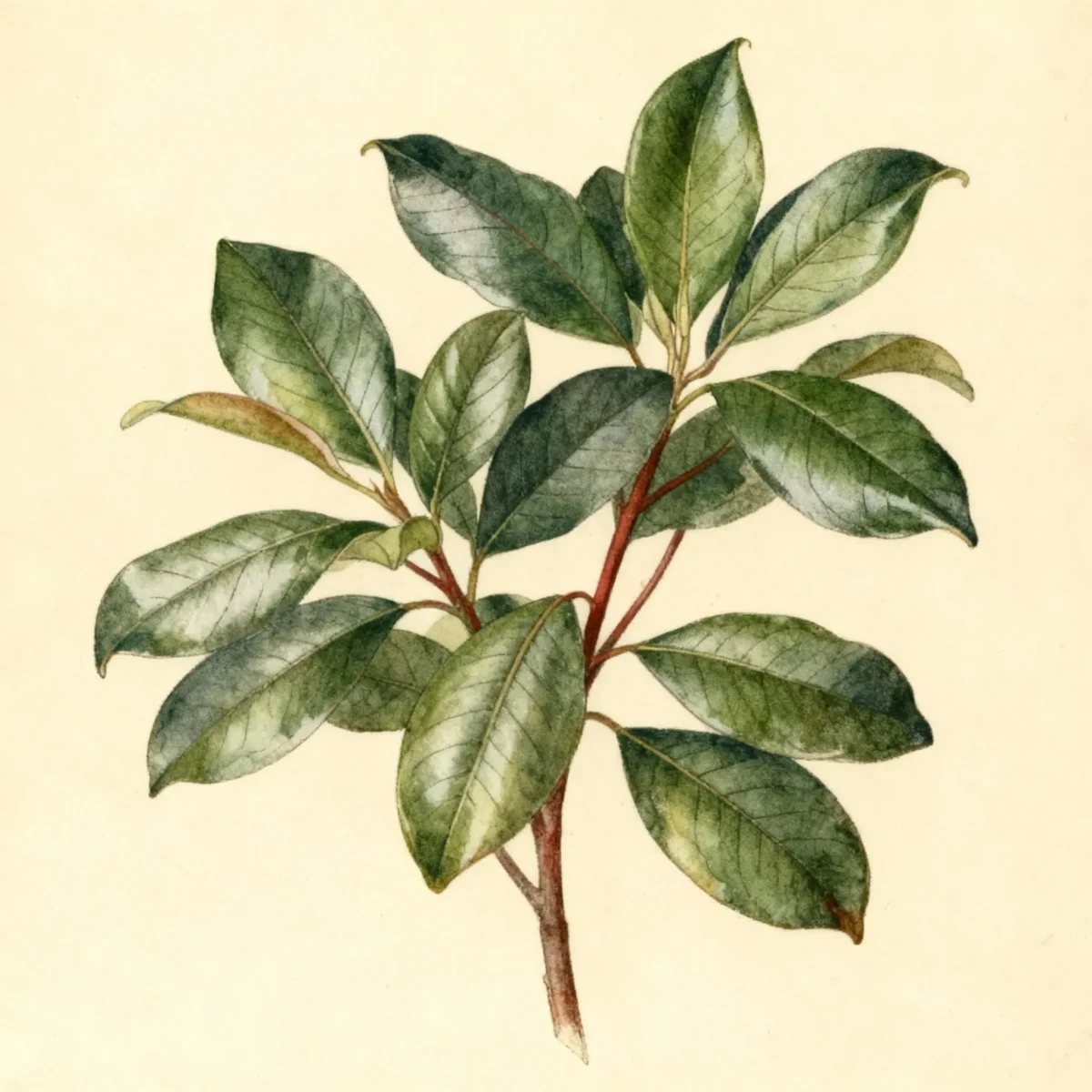
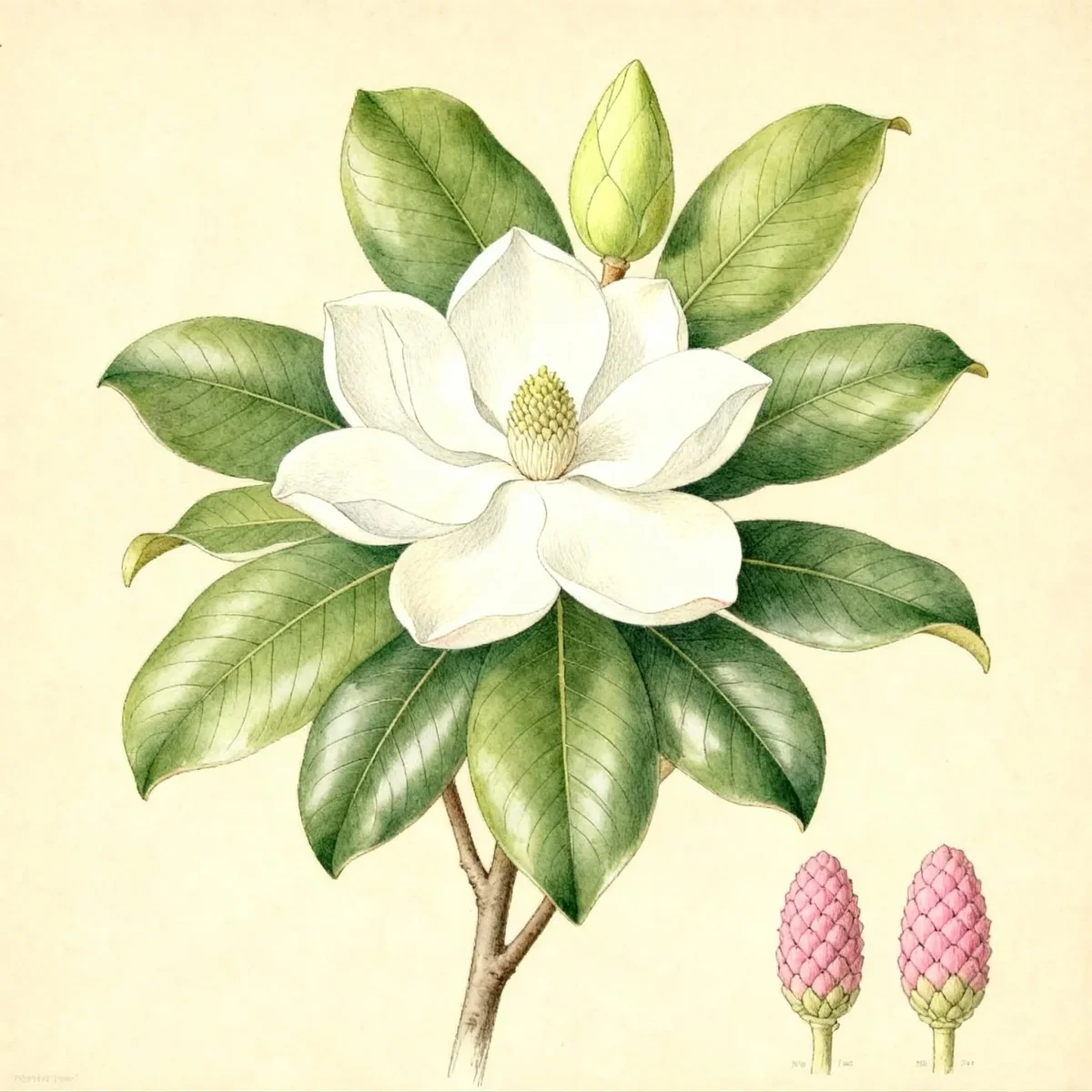
The Magnolia figo, widely known as the Banana magnolia or banana shrub, is a favorite broadleaf evergreen prized globally for its unique sensory appeal. Its most celebrated characteristic is the intense, sweet fragrance of its small, creamy flowers, which evoke the scent of ripe bananas—a delightful surprise in late spring. This dense, rounded shrub provides year-round visual structure with its glossy, dark green leaves, making it an exceptional choice for formal or informal landscapes.
Native to Southeastern China and Korea, this species offers relatively low maintenance once established in the correct environment. It naturally forms a compact, multi-stemmed habit, ideally thriving within USDA Zones 8 through 10. Gardeners often seek out Magnolia figo specifically for strategic placement near patios or walkways where its rich perfume can be fully appreciated.
Although technically a magnolia, this plant maintains a more shrub-like stature, reaching heights and spreads typically between 6 and 10 feet. Whether used as a specimen or incorporated into borders, the Banana magnolia offers reliable evergreen screening combined with one of the most memorable floral scents in the gardening world.
Fast Facts
- Plant Family: Magnoliaceae
- Plant Type: Broadleaf evergreen
- Native Range: Southeastern China, Korea
- Hardiness Zones: USDA Zones 8-10
- Size at Maturity:
- Height: 6-10 ft
- Spread: 6-10 ft
- Bloom Time: April to June
- Bloom Description: Creamy pale yellow
- Sun Exposure: Full sun to part shade
- Water Needs: Medium
- Maintenance Level: Low
How to Grow
Plant Magnolia figo during the fall or early spring to allow the root system time to establish before temperature extremes. This plant thrives in fertile, organically rich, well-drained loams that maintain a slightly acidic pH. Site your Banana magnolia in a location that receives part shade, which helps protect the foliage from scorching, though it tolerates full sun. Ensure it is protected from strong winds, particularly where growing near the northern limits of Zone 8, as early spring warmth could prematurely force bud break.
Once planted, consistency is key for this species. Plants appreciate consistent and regular moisture throughout the year and are generally intolerant of soil extremes, whether too dry or persistently waterlogged. Apply a generous layer of organic mulch around the root zone to help regulate soil temperature and retain essential moisture. Supplemental feeding is rarely required if the soil is rich, but a light application of balanced fertilizer in early spring can support robust growth.
Pruning for Magnolia figo is minimal; often, it only requires light shaping after blooming to maintain a desired hedge form or size. Avoid hard pruning, as this plant responds best to its natural rounded habit. In northern zones, protect plants from southern exposures adjacent to structures, which can trick the buds into opening too early, leaving them vulnerable to subsequent late frosts which may damage the flowers.
Landscape Uses
The dense, bushy nature of the Banana magnolia makes it exceptionally useful as a privacy hedge or a formal foundation planting, where its evergreen structure provides year-round screening. Its relatively modest mature size (6 to 10 feet) fits well into smaller garden spaces compared to many large-flowering magnolia varieties. Consider planting it along a walkway, beneath a window, or near an outdoor seating area to maximize enjoyment of its signature banana-like fragrance when it blooms between April and June.
As an excellent understory selection, Magnolia figo adds textural contrast beneath taller, open-canopied trees where it benefits from dappled light. For shrub borders, pair this plant with contrasting foliage textures, such as ferns or Japanese maples, ensuring companion plants share similar medium water and low soil amendment requirements. The attractive leaves and seasonal blooms allow the Banana magnolia to function effectively as a specimen or accent plant when given enough space to develop its rounded form.
Standout Features
Flower Qualities
- Showy
- Fragrant
Noteworthy Characteristics
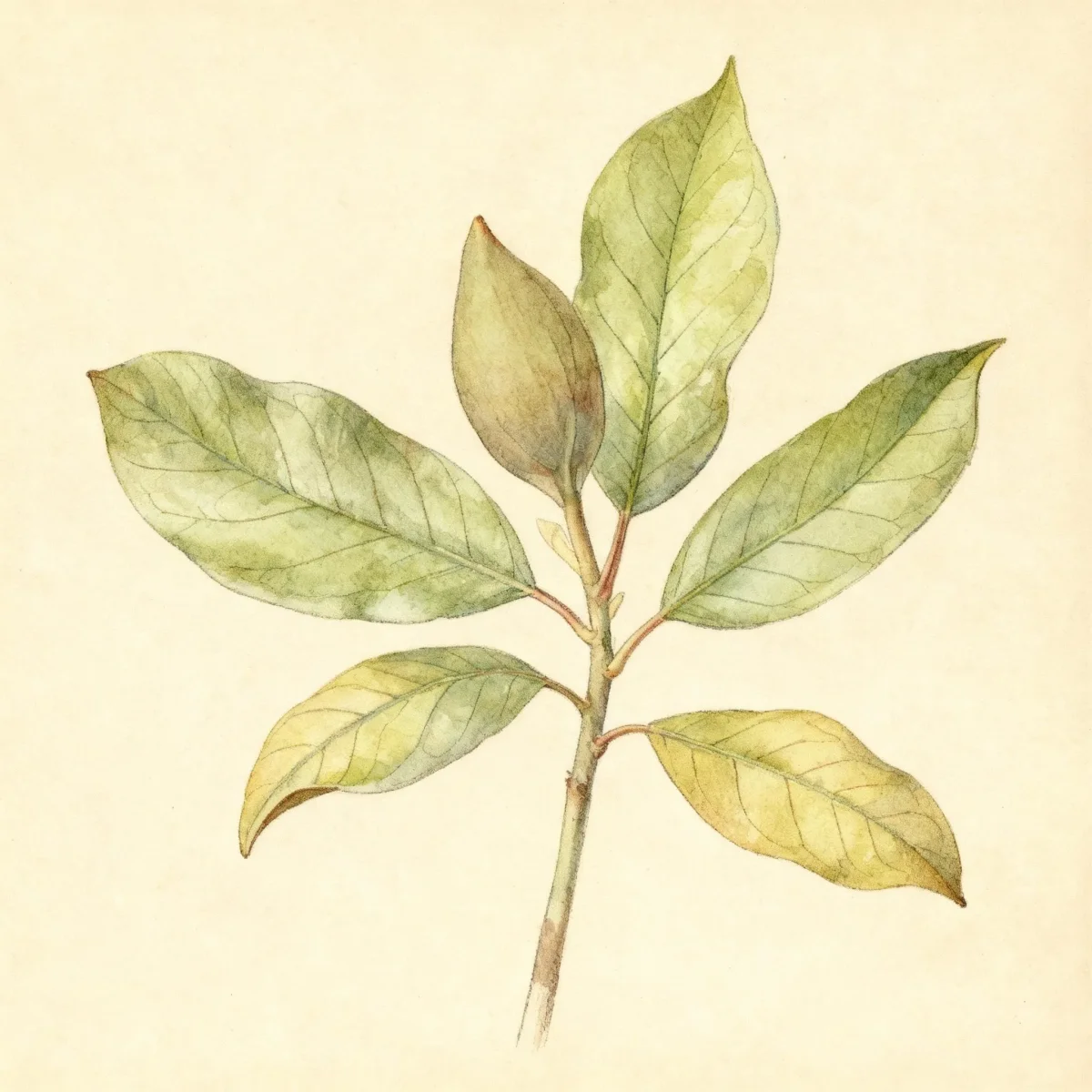
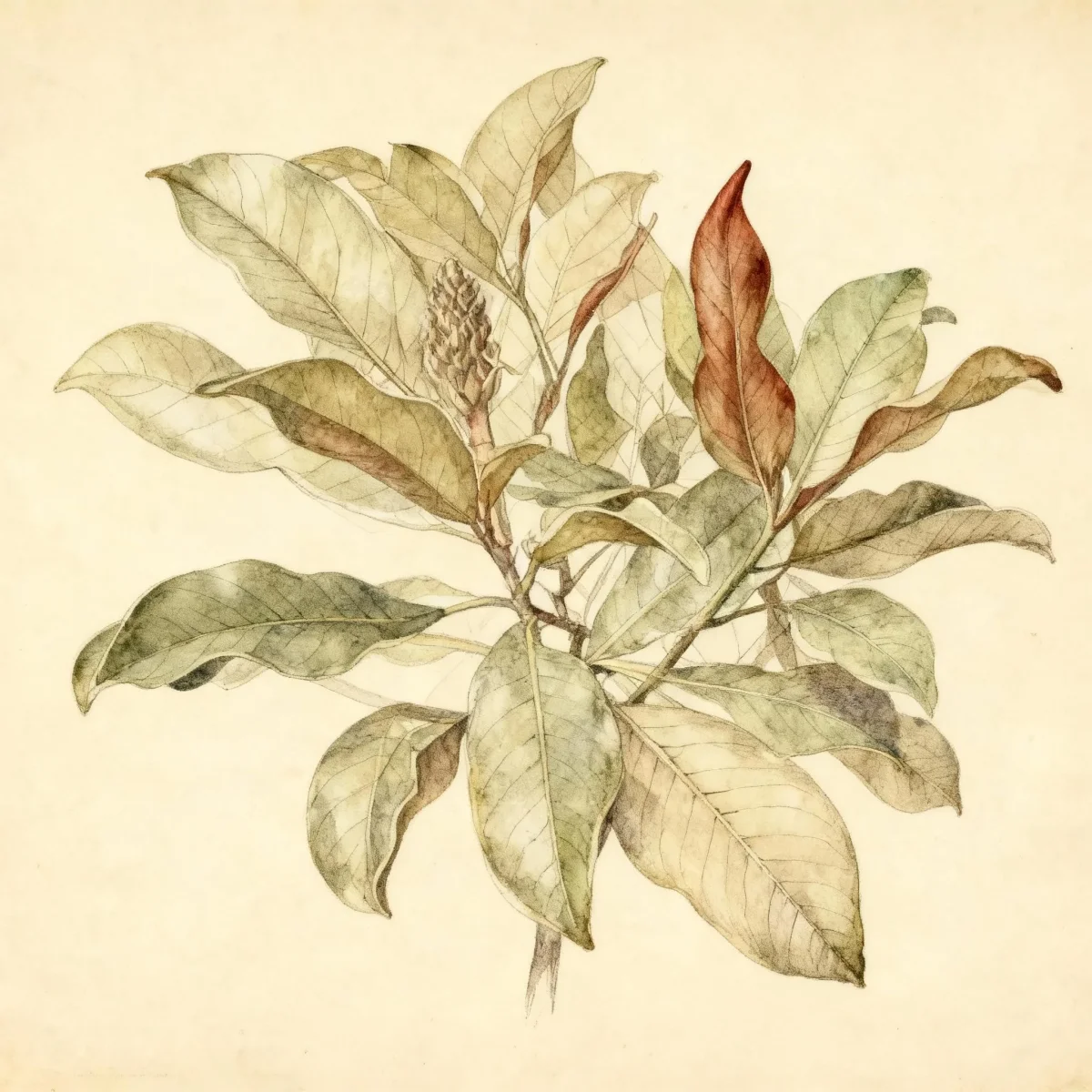
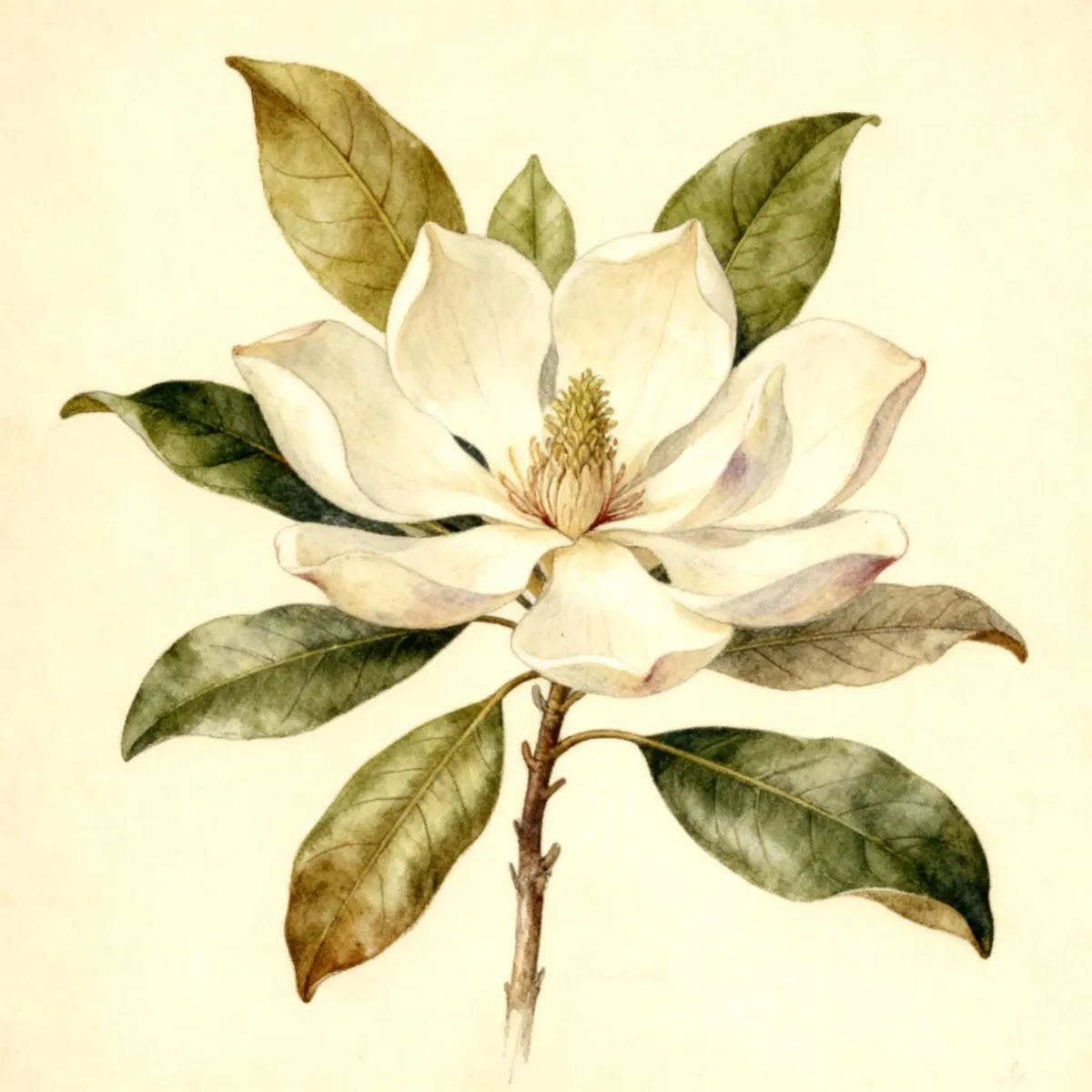
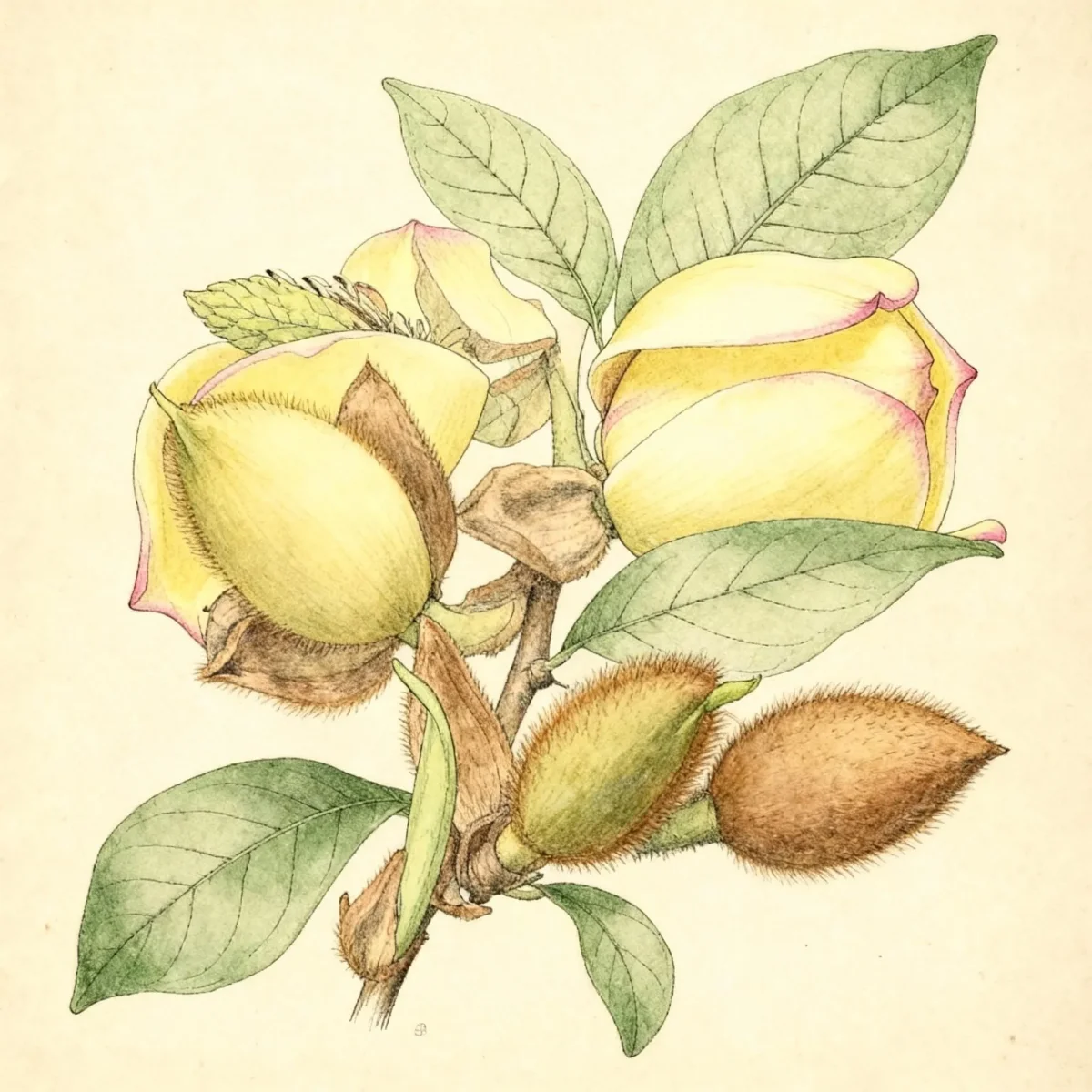
Magnolia figo, commonly called banana shrub, is a dense, rounded, multi-stemmed, broadleaf evergreen shrub that typically matures over time to 6-10’ tall and as wide. Cup-shaped, creamy pale yellow flowers (to 1 1/2” diameter) bloom from spring to summer (April-June), featuring very thin red margins on the tepals. The name banana shrub refers to the intense banana-like fragrance of the blooms, and its glossy, oblong, dark green leaves are attractive throughout the year.
Tolerances
(No data available)
Potential Problems
Generally, Magnolia figo proves quite resilient, presenting no serious insect or disease problems under ideal growing conditions. Gardeners should remain vigilant for occasional infestations of scale insects, particularly if the plant is stressed or growing in less than ideal conditions. Management usually involves horticultural oil application or targeted insecticide treatments during dormant periods to control scale populations. Late spring frosts pose a risk specifically to the developing flowers; if a hard frost is predicted during the April to June bloom window, covering the plant can help protect the delicate buds and open blooms.
Frequently Asked Questions
What hardiness zones is Banana magnolia suitable for?
The Banana magnolia is winter hardy in USDA Zones 8 through 10, requiring protection if temperatures dip significantly below Zone 8.
How large does Magnolia figo grow?
This evergreen shrub typically matures to a height between 6 and 10 feet, developing a similar spread of 6 to 10 feet wide, forming a dense, rounded shape.
When does Magnolia figo bloom?
Magnolia figo produces its creamy pale yellow, fragrant flowers primarily from April into June.
What sun exposure does Banana magnolia need?
It performs best in full sun to part shade; however, too much direct sun can cause the foliage to develop an unattractive yellow-green tint.
Conclusion
The Banana magnolia remains an outstanding choice for gardeners seeking low-maintenance screening combined with unparalleled seasonal fragrance. Its dense evergreen structure provides reliable year-round interest, perfectly complementing the springtime burst of banana-scented flowers. Before planting, confirm your local climate falls within USDA Zones 8-10 and ensure you provide the consistently moist, well-drained soil that Magnolia figo requires to truly flourish.
Companion Planting
Selecting appropriate planting partners for Magnolia figo centers on matching the preference for medium moisture and part-shade conditions. Rhododendrons and Azaleas, which share a similar love for slightly acidic, organically rich soil, make excellent neighbors that bloom around the same time or slightly earlier. Ferns, such as Japanese Painted Fern or Autumn Fern, contrast beautifully with the glossy, dark green leaves of the Banana magnolia, offering fine, lacy textures below its medium height.
In areas where you wish to reduce lawn maintenance, using low-growing groundcovers that also tolerate shade can create an effective, layered look beneath the shrub borders. While Magnolia figo is often used as a formal hedge, softening the edges with masses of hostas or woodland phlox at the base emphasizes the shrub’s natural elegance and rich evergreen color.
Seasonal Care Calendar
Spring is the crucial revitalization period for your Banana magnolia. After the last risk of hard frost has passed, perform any necessary light pruning to clean up winter damage or shape the hedge line. This is also the ideal time to apply a fresh layer of mulch to the root zone. Summer care depends entirely on precipitation; maintain medium moisture levels by watering deeply but infrequently if natural rainfall is scarce.
During the heat of summer, inspect the foliage regularly for signs of dryness or pests like scale, addressing issues promptly. In autumn, prepare for dormancy by ensuring the plant has adequate moisture before the ground freezes; this helps prevent winter desiccation, especially important in exposed Zone 8 locations. Winter care focuses primarily on protection from harsh winds and avoiding placement near heat sources that might prematurely warm the buds.