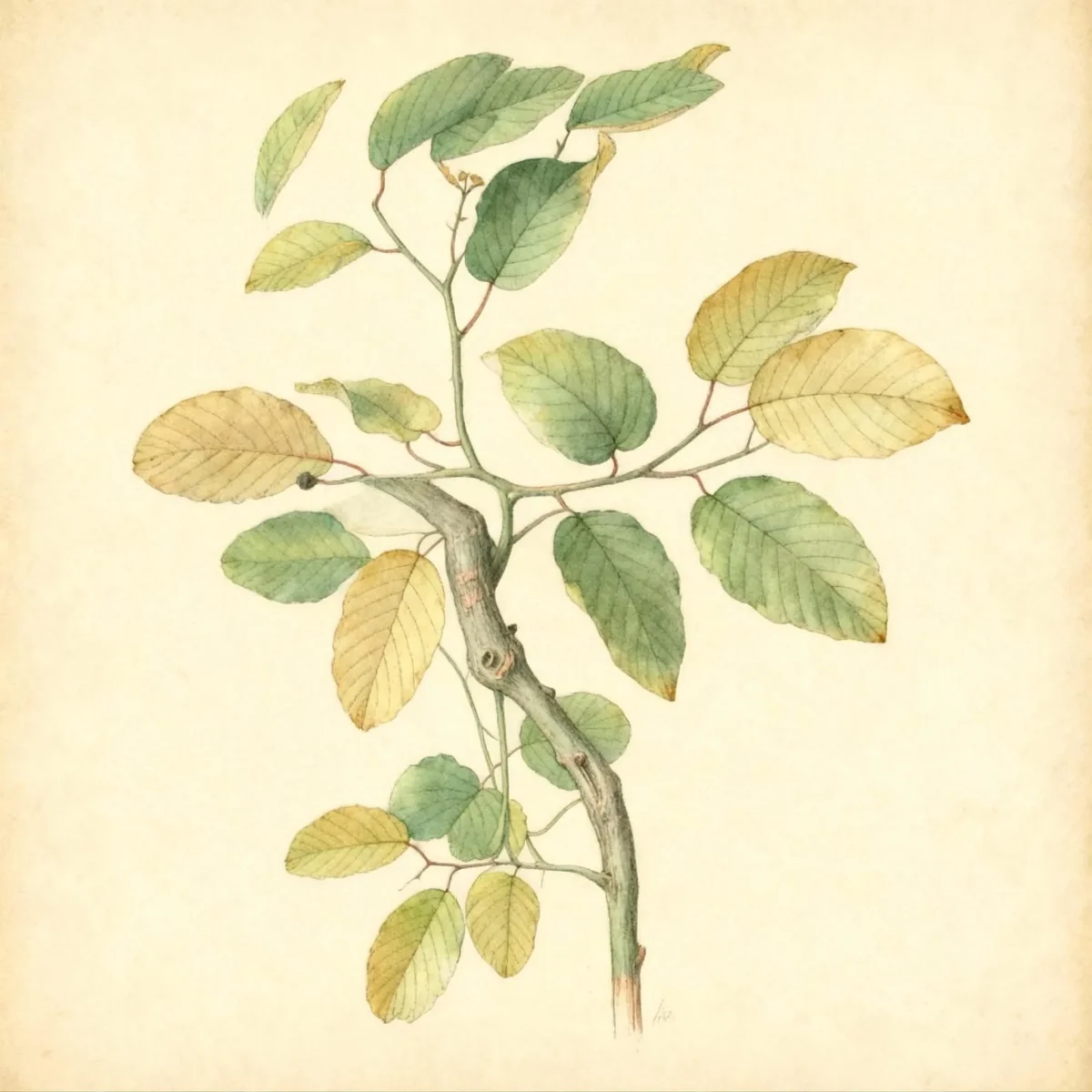
Schisandra (Schisandra rubriflora)
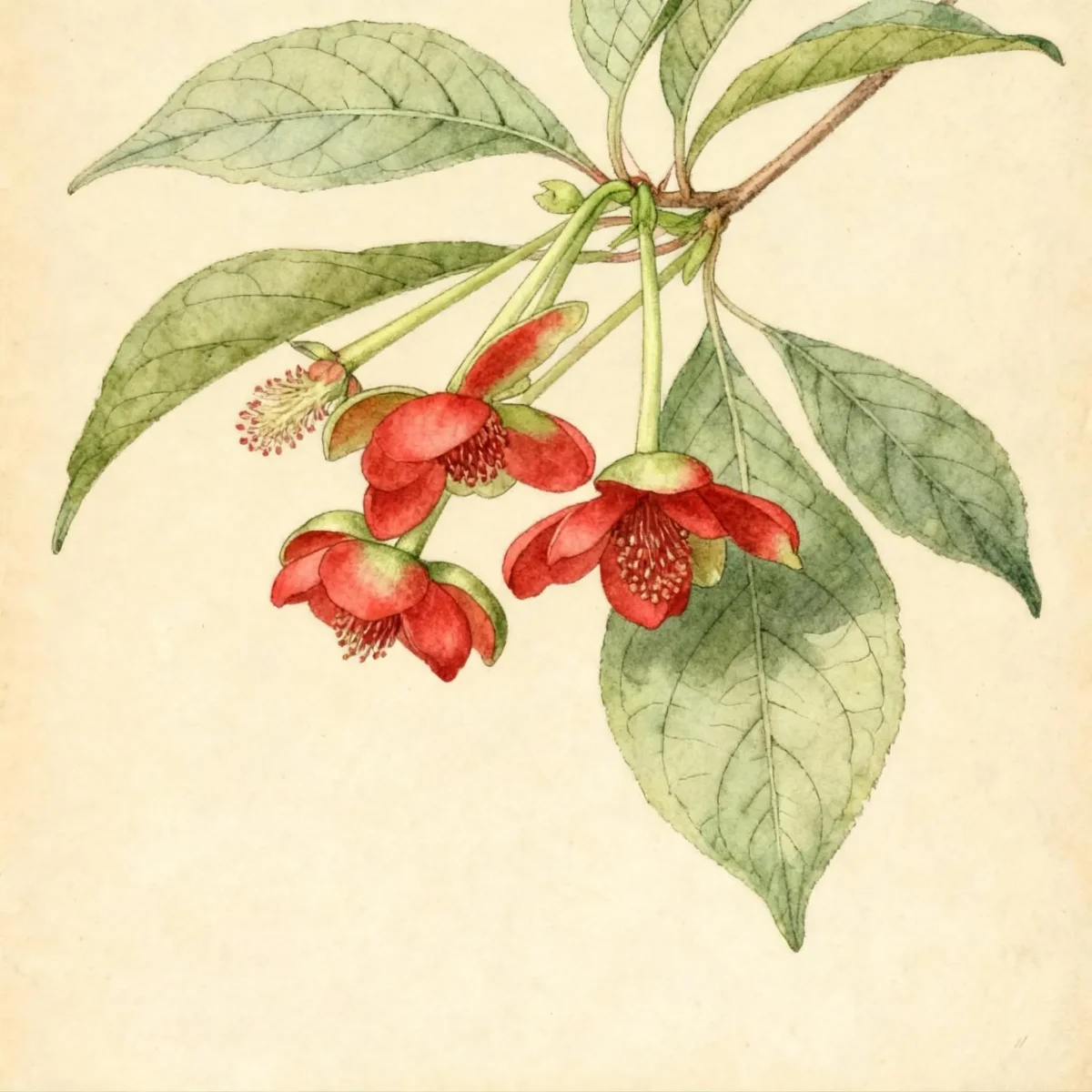
Schisandra rubriflora is a vigorous, twining Chinese vine boasting showy red flowers from May to June and dark red fruit clusters.
Scroll down to discover growing tips, care requirements, companion plants, and more
Complete Plant Information
Overview
The Schisandra rubriflora, commonly known simply as Schisandra, is a striking, twining deciduous vine valued for its long, woody stems reaching significant heights in the garden. This versatile plant offers substantial visual interest from its late spring bloom through the development of persistent, dark red fruit clusters on female plants. As a vigorous grower native to forested areas of India and China, Schisandra rubriflora brings an element of exotic texture and color to structures needing substantial coverage.
Gardeners should note that this species is dioecious, meaning successful fruit production hinges on having both male and female plants present for pollination. Establishing Schisandra is relatively straightforward, as it is generally low maintenance once settled in appropriate conditions. It thrives in locations providing structural support, allowing its dark green foliage to create a dramatic, screenscape effect.
Its ornamental value is further enhanced by its fall color, with the leaves turning a noticeable yellow hue before dropping. For those seeking vertical interest combined with attractive flowers and fruit, Schisandra rubriflora presents an excellent, robust solution suitable for temperate climates.
Fast Facts
- Plant Family: Schisandraceae
- Plant Type: Vine
- Native Range: India, western China
- Hardiness Zones: USDA Zones 7-9
- Size at Maturity:
- Height: 20-30 ft
- Spread: 3-6 ft
- Bloom Time: May to June
- Bloom Description: Red
- Sun Exposure: Full sun to part shade
- Water Needs: Medium
- Maintenance Level: Low
How to Grow
Planting Schisandra rubriflora is best done in the spring or fall, ensuring the establishment period avoids extreme summer heat. Select a location offering average, moist, but reliably well-drained soils. While it tolerates full sun, in hotter summer climates, providing some part shade will prevent scorching and encourage the lush growth characteristic of this vine. Ensure immediate access to sturdy pergolas, walls, or arbors, as these vines require firm support to climb effectively.
The watering regime for Schisandra should be consistent, reflecting its medium water requirements. Keep the soil evenly moist, especially during the first few growing seasons, but avoid waterlogged conditions which can lead to root issues. Fertilizing is generally only necessary if soil quality is poor; a balanced, slow-release fertilizer applied in early spring is sufficient if needed. Pruning is minimal, focusing mainly on removing dead or crossing branches to maintain good air circulation.
Be aware of the dioecious nature of Schisandra. If you desire the attractive, fleshy red fruits of Schisandra rubriflora, you must plant both male and female specimens within pollination range. In colder pockets within Zones 7-9, winter protection is generally not required, as it is quite hardy, but insulating the base with mulch can help safeguard shallow roots during unusually severe freezes.
Landscape Uses
The considerable height and vigorous climbing habit of Schisandra make it ideal for covering large, unattractive vertical surfaces, such as older privacy walls or utilitarian sheds. It excels when trained over arches or substantial pergolas, creating shaded transitional spaces in the garden design. Utilizing its scrambling nature, the vine can also be allowed to cascade down steeper banks or allowed to weave through shrubs in woodland margin plantings, mimicking its native habitat.
Because Schisandra rubriflora prefers sun-dappled conditions or part shade, consider pairing it with understory woodland plants that share similar moisture preferences. Hostas, ferns, and astilbes create a lush, green counterpoint beneath the canopy of the vine, softening the base plantings. When mature, its dense foliage structure provides excellent screening, functioning as a living, textured barrier better than many traditional hedges.
Standout Features
Flower Qualities
- Showy
Fruit Qualities
- Showy
Noteworthy Characteristics
Schisandra rubriflora is a twining, deciduous, perennial vine that grows on woody stems to 20-30’ long. Dark red flowers bloom in late spring (May-June), and pollinated flowers on female plants yield fleshy, berry-like, dark red fruits in drooping spikes, contrasting against the elliptic dark green leaves that turn yellow in autumn. The genus name originates from Greek words referencing the divided anther cells, emphasizing its botanical detail.
Tolerances
- No serious insect or disease problems
Potential Problems
This vine exhibits remarkable resilience, suffering from No serious insect or disease problems under standard garden conditions. This low incidence of pest or pathogen trouble contributes significantly to its low maintenance rating. Monitoring for signs of fungal issues, such as powdery mildew, may be necessary only in areas with extremely poor air circulation or persistent dampness; ensuring adequate pruning for airflow is the primary preventative measure.
Frequently Asked Questions
What hardiness zones is Schisandra suitable for?
The Schisandra vine is winter hardy in USDA Zones 7 through 9.
How large does Schisandra grow?
This vigorous plant typically reaches heights between 20 to 30 feet tall, with spreads ranging from 3 to 6 feet wide.
When does Schisandra bloom?
Schisandra rubriflora produces its showy red flowers spanning from May into June.
What sun exposure does Schisandra need?
It performs best when situated where it receives full sun to part shade, preferring some afternoon shade in very hot summer zones.
Conclusion
The Schisandra rubriflora vine is a truly rewarding addition for gardeners seeking reliable vertical structure, attractive foliage, and seasonal color from its red flowers and subsequent berries. Its ease of care, combined with its resistance to major pests, makes this Schisandra an excellent, long-lived feature in temperate landscapes. Before planting, confirm your location falls within Zones 7-9 and plan for sturdy support to help this magnificent vine reach its full potential.
Companion Planting
When integrating Schisandra rubriflora into a formal garden setting, consider companions that appreciate similar moisture levels without competing aggressively for light or root space at ground level. Due to its preference for sun-dappled environments, perennial woodland edge plants offer a cohesive aesthetic. Shade-tolerant, non-invasive groundcovers can help maintain consistent soil moisture around the base of the vine, which is crucial during establishment.
Plants with contrasting foliage textures, such as large-leaved Hosta varieties or fine-textured ferns like Japanese Painted Ferns, work well beneath the vine’s canopy. If aiming for fruit production, remember the dioecious requirement; ensure a male pollinator is near the female Schisandra plant to guarantee seasonal interest from the berries.
Design Ideas for Vertical Interest
Training Schisandra vertically transforms blank expanses into dynamic green walls. Its use on structures like pergolas or large arbors creates shaded outdoor rooms, perfect for summer relaxation, leveraging the dappled light it prefers. For a more rustic look, allow the woody stems to ramble naturally through robust, established tree limbs or along rustic fencing, creating a soft, naturalized edge to wooded borders.
Because the ripe fruit of the female Schisandra is a vibrant, dark red, use its location strategically in the landscape. Place it where it receives afternoon light to illuminate the berries, drawing the eye toward architectural features like pillars or gate entrances during the late summer and early fall months. This capability makes it far more than just a plain green screen.