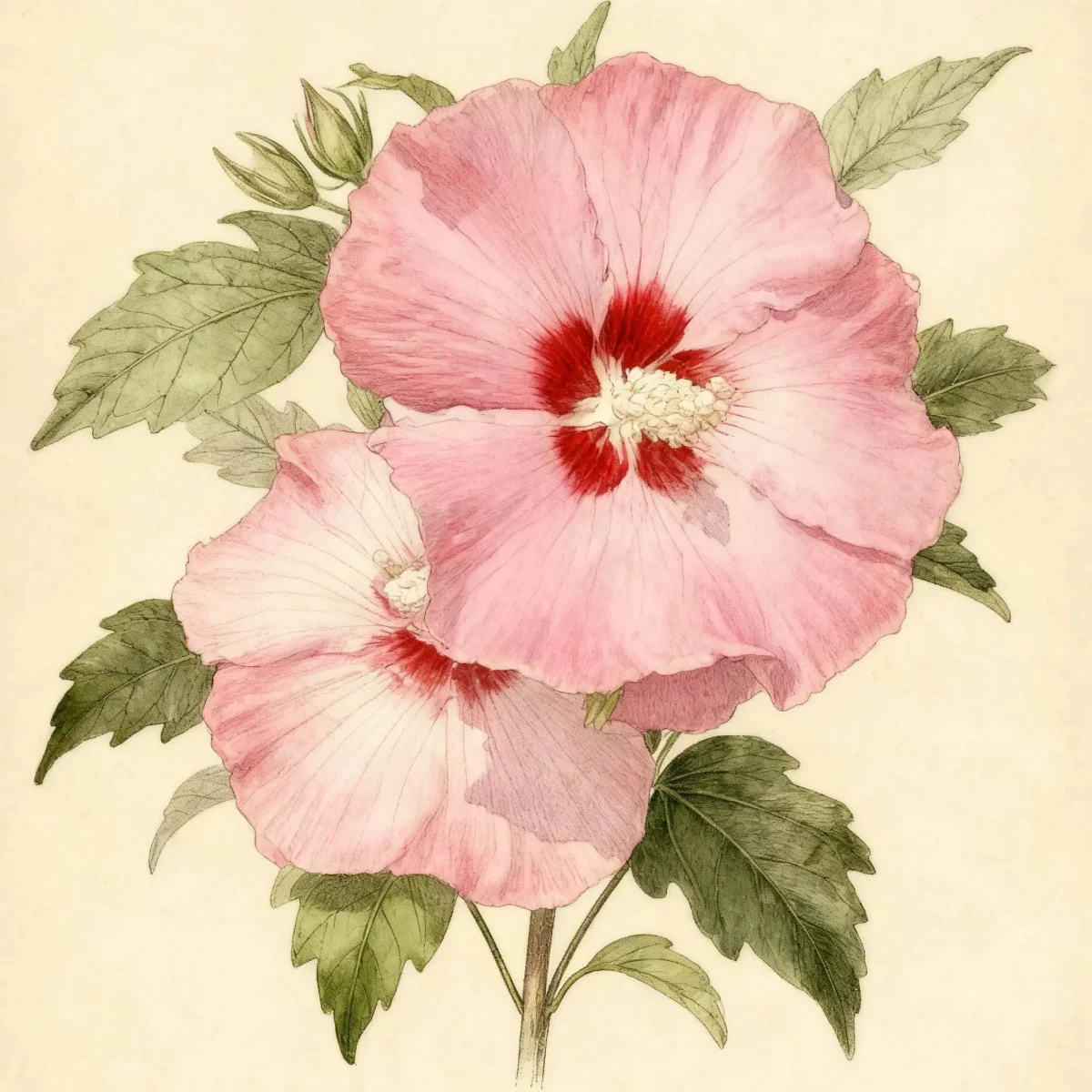
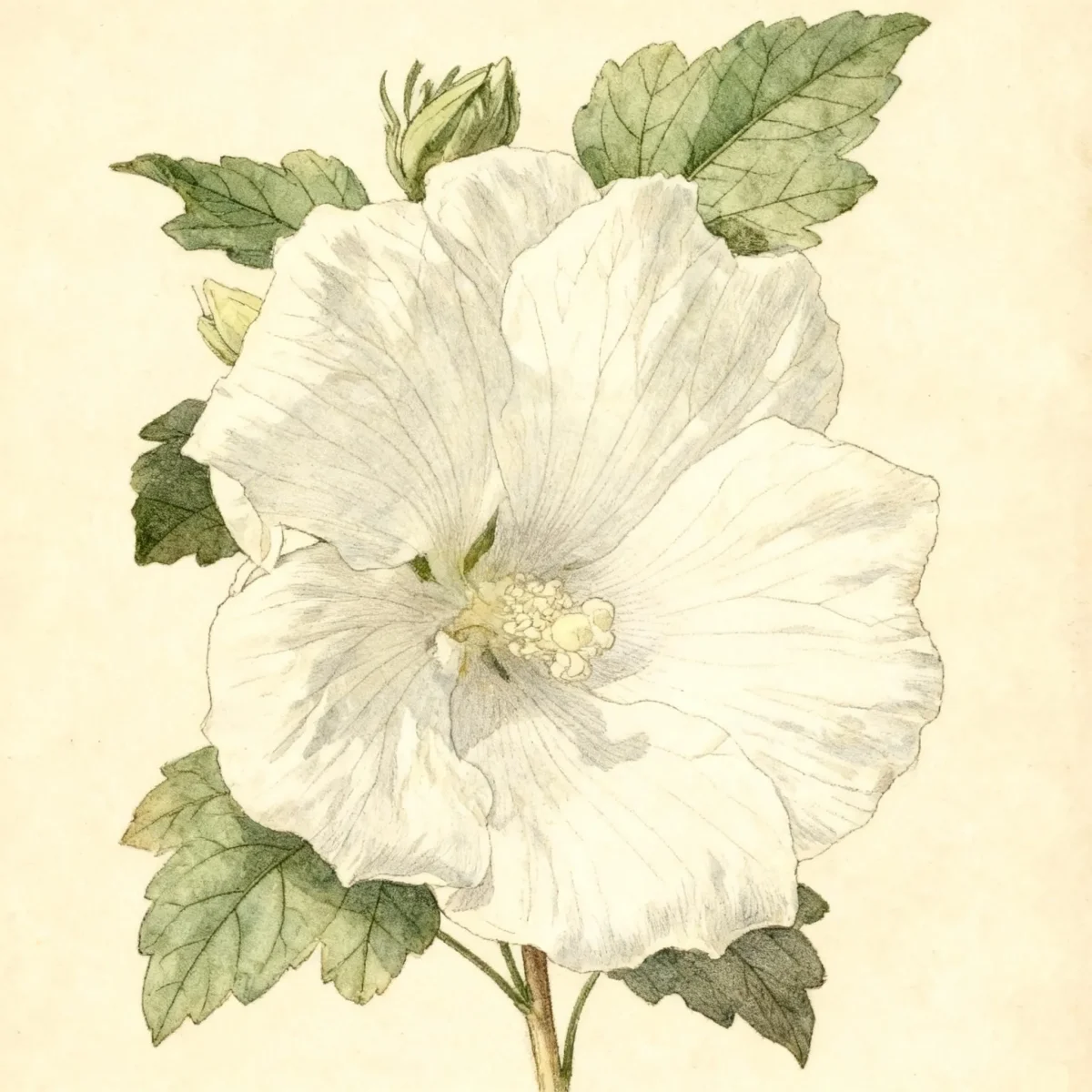
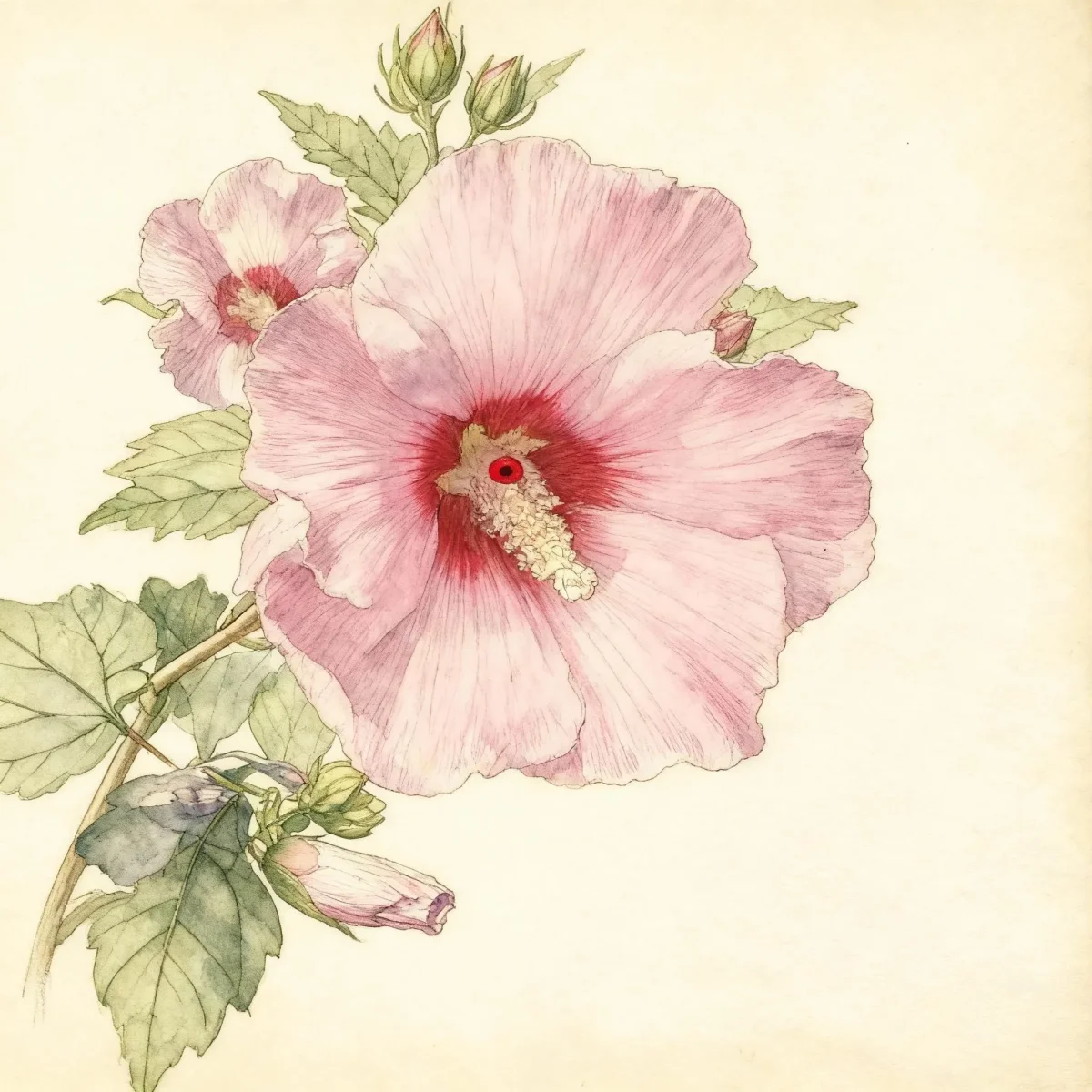
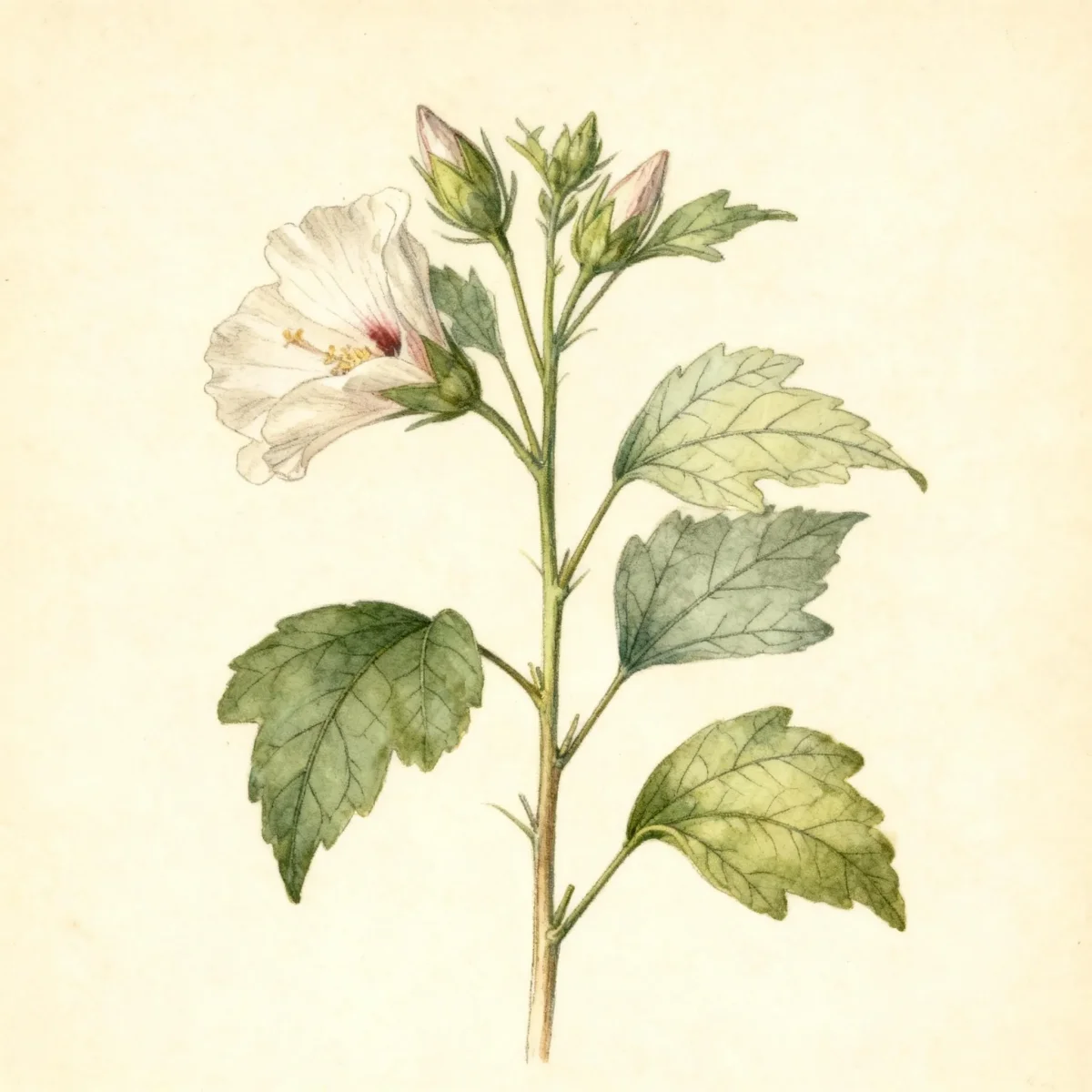
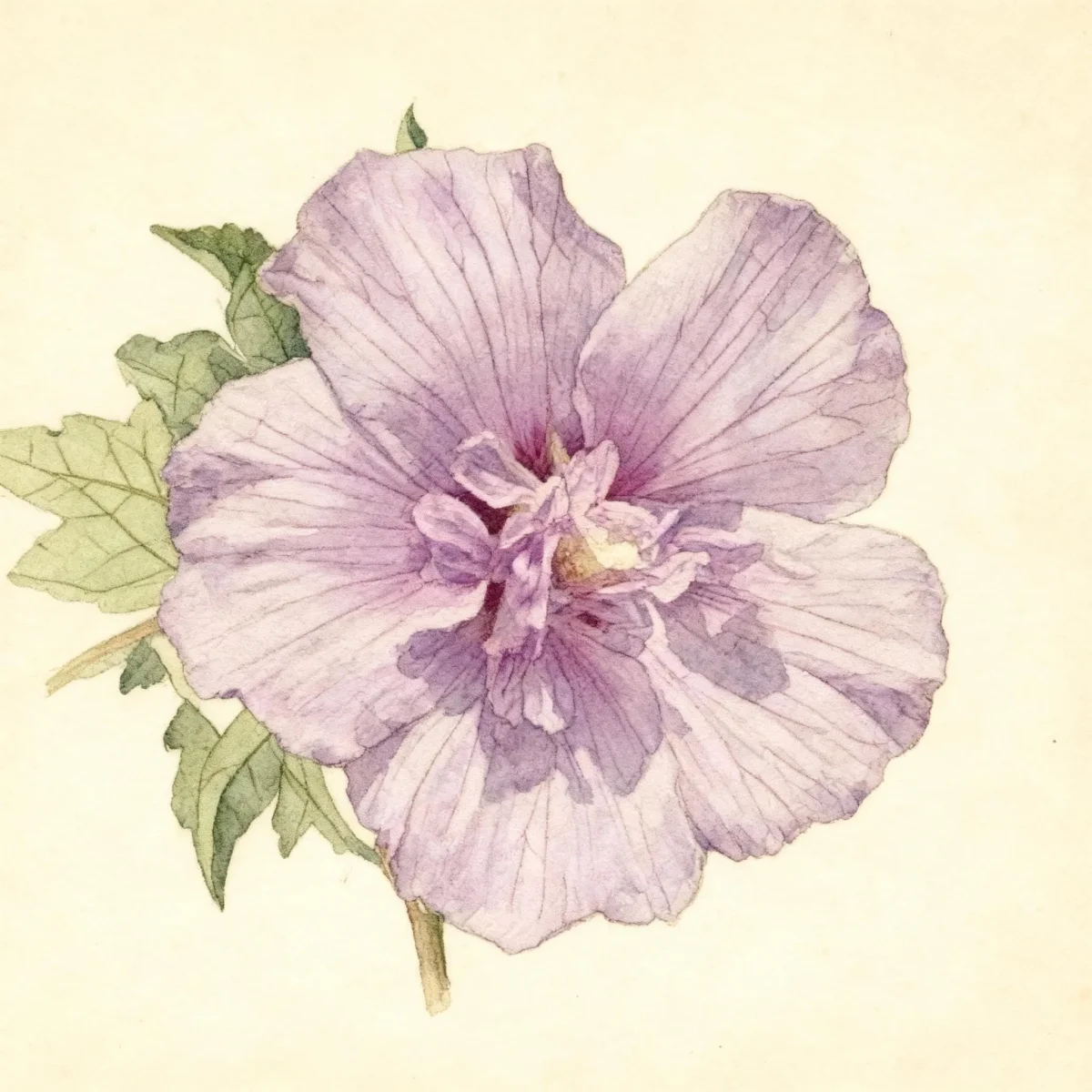
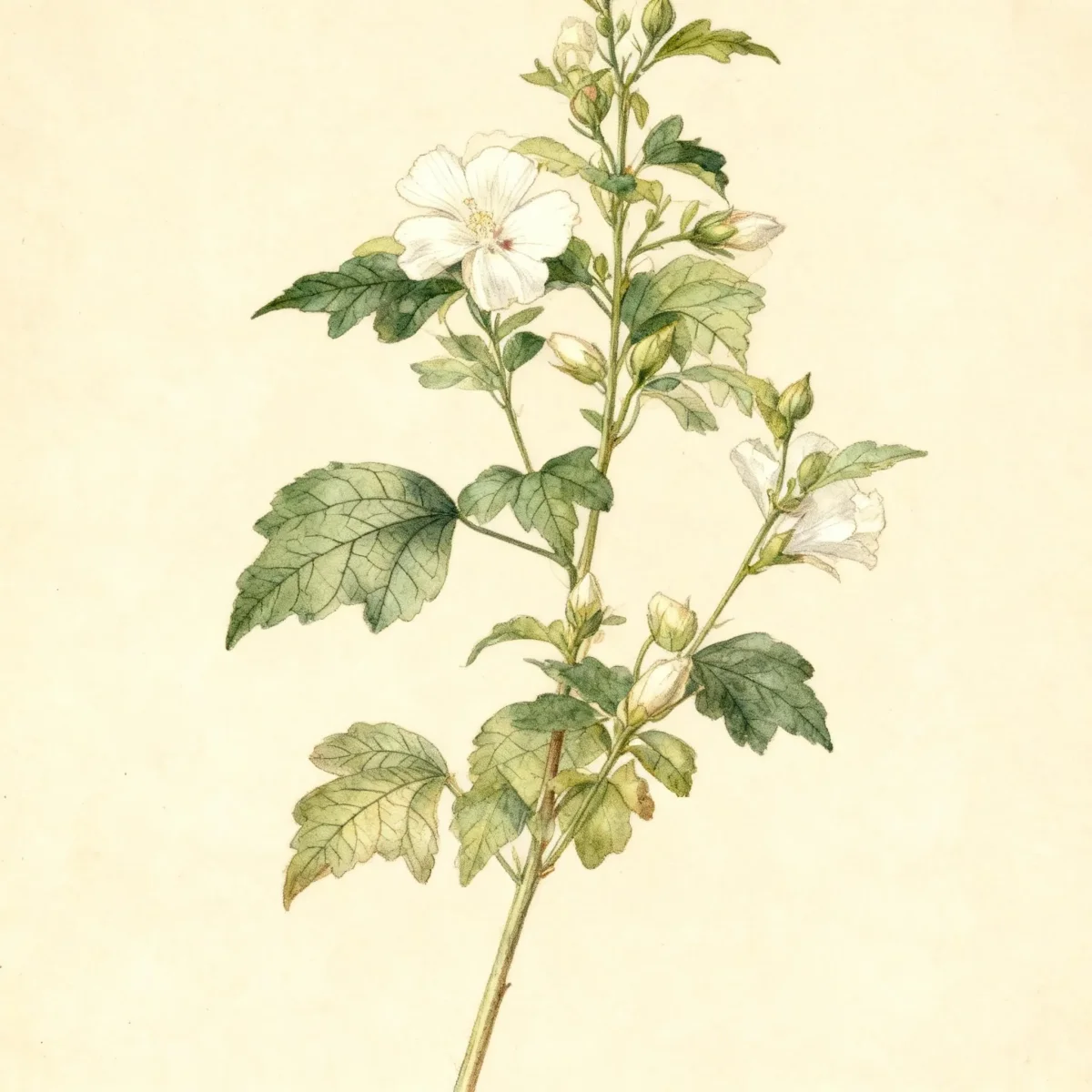
Rose of Sharon (Hibiscus syriacus)
Rose of Sharon, Hibiscus syriacus, is a low-maintenance, heat-tolerant shrub offering long-lasting, showy summer blooms.
Scroll down to discover growing tips, care requirements, companion plants, and more
Complete Plant Information
Overview
The Rose of Sharon, scientifically known as Hibiscus syriacus, is highly valued in landscapes for its reliable, late-season flowering, providing color when many other shrubs have faded. This vigorous, upright shrub matures into an attractive, vase-shaped specimen, easily reaching heights suitable for screening or creating focal points. Gardeners appreciate Hibiscus syriacus for its remarkable adaptability and low maintenance requirements across a wide range of soil and climate conditions.
This deciduous shrub thrives in heat and humidity, making it an excellent choice for challenging summer gardens in hardiness zones 5 through 8. Beyond its aesthetic appeal, it offers extended bloom time, ensuring continuous interest from early summer well into the fall months. Planting a Rose of Sharon offers functional beauty, whether used as a backdrop in a border or maintained as a formal hedge.
Fast Facts
- Plant Family: Malvaceae
- Plant Type: Deciduous shrub
- Native Range: China to India
- Hardiness Zones: USDA Zones 5-8
- Size at Maturity:
- Height: 8-12 ft
- Spread: 6-10 ft
- Bloom Time: June to October
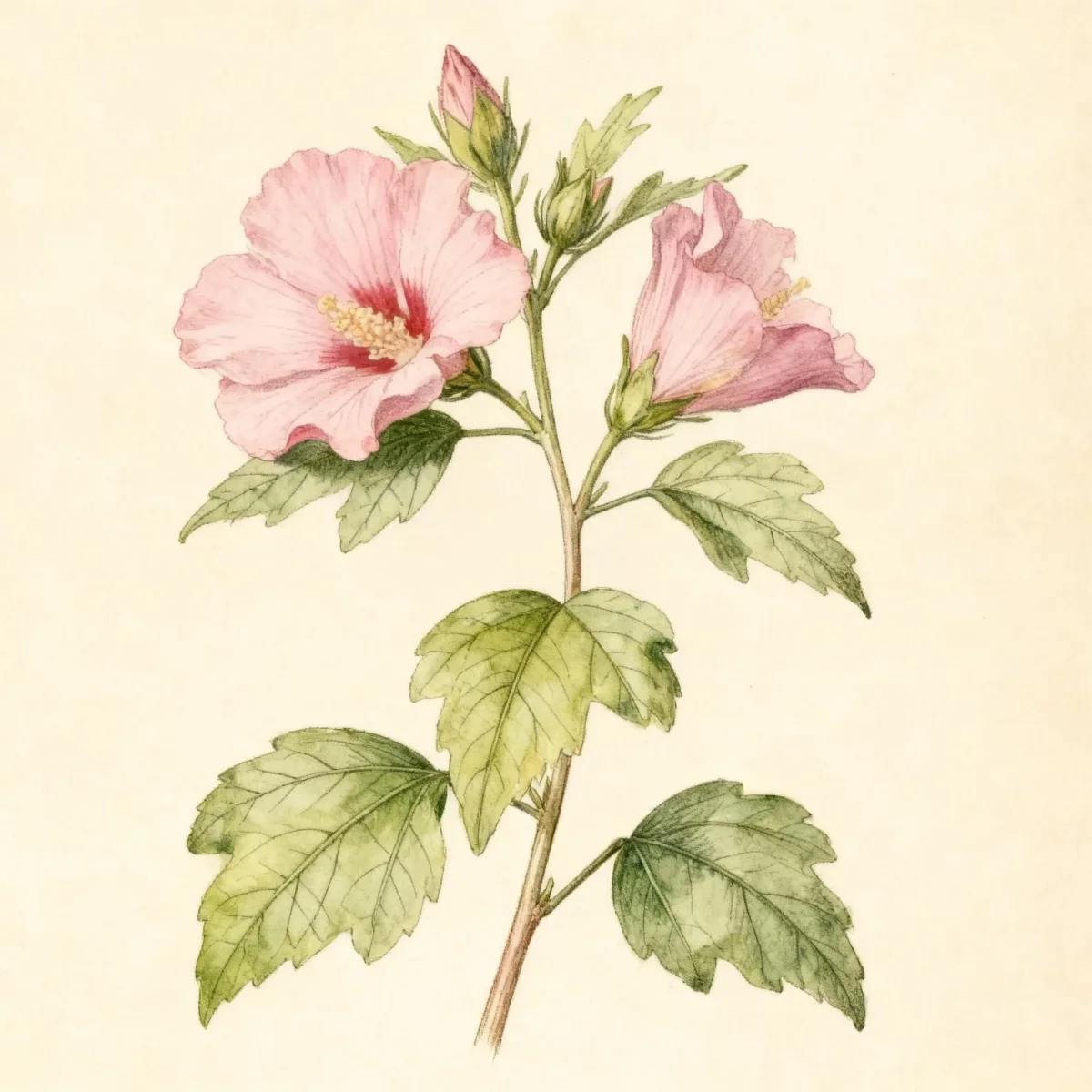
- Bloom Description: Pink with red eyes
- Sun Exposure: Full sun to part shade
- Water Needs: Medium
- Maintenance Level: Low
How to Grow
Plant Hibiscus syriacus during the dormant season, either early spring or late fall, provided the soil temperature is favorable. It adapts well to average, medium moisture, well-drained soils, although best flowering occurs in full sun. While it tolerates poor soils and some drought once established, it prefers moist, organically rich conditions for optimum performance.
Care for your Rose of Sharon is straightforward. Water regularly during establishment to maintain medium soil moisture levels. Fertilizing is rarely necessary unless the soil is exceptionally poor. The most critical task is pruning; shape the shrub in the spring to maintain desired form. For larger, more impressive blooms, consider cutting back stems to just 2-3 buds in late winter.
Be mindful that Hibiscus syriacus can sometimes self-seed aggressively if conditions are optimal. To prevent unwanted seedlings, deadhead fading flowers. This plant is known for being highly tolerant of urban pollution and summer weather extremes.
Landscape Uses
The versatility of the Rose of Sharon makes it a staple for numerous landscape applications. Its upright growth habit lends itself perfectly to functioning as a naturalistic hedge or a dense screen, providing privacy throughout the growing season. It excels when massed in groups or used as a distinct specimen plant where its summer flowers can be fully appreciated.
Consider incorporating Hibiscus syriacus into shrub borders near foundations where its height can balance built structures. Its tolerance for clay soils and drought means it fills difficult spots where other flowering shrubs might struggle. When mass planting, allow adequate space for air circulation to help mitigate potential fungal issues, ensuring the health of your low-maintenance hedge.
Standout Features
Flower Qualities
- Showy
Noteworthy Characteristics
Hibiscus syriacus, commonly called rose of Sharon or shrub althea, is a vigorous, upright, vase-shaped, multi-stemmed, deciduous shrub that typically grows 8-12’ tall. It may be trained as a small tree or espalier. Showy, hollyhock-like, 5-petaled flowers (to 3” diameter) appear over a long, early-summer to fall bloom period. Genus name is the old Greek and Latin name for mallow.
Tolerances
- Deer
- Drought
- Clay Soil
- Black Walnut
Potential Problems
The plant exhibits some susceptibility to common fungal issues like leaf spots, blights, rusts, and canker, often related to humidity or poor air circulation. These conditions are best managed by ensuring proper pruning for airflow and avoiding overhead watering late in the day. Occasionally, insect pests like whiteflies and aphids may appear, but the most significant foliage threat comes from Japanese beetles. If Japanese beetles are present, monitor foliage closely, as unchecked feeding can severely damage leaves during bloom time.
Frequently Asked Questions
What hardiness zones is Rose of Sharon suitable for?
Hibiscus syriacus is reliably hardy in USDA Zones 5 through 8, offering excellent performance across a wide range of regions.
How large does Rose of Sharon grow?
This shrub typically matures to a height between 8 and 12 feet tall, with a corresponding spread of 6 to 10 feet wide.
When does Rose of Sharon bloom?
The attractive flowers of Hibiscus syriacus appear over a long season, blooming consistently from June straight through October.
What sun exposure does Rose of Sharon need?
For the best performance and most abundant flower production, aim to site your Rose of Sharon where it receives full sun, though it will tolerate part shade.
Conclusion
The Rose of Sharon provides indispensable late-season structure and color, standing out due to its low maintenance demands and robust tolerance of adverse conditions. This reliable beauty, Hibiscus syriacus, offers significant ornamental value as a screen, specimen, or hedge. Before planting, confirm your location falls within USDA Zones 5-8 and plan for spring pruning to maximize the spectacular summer bloom period.
Propagation Tips
Propagation of Hibiscus syriacus is easily achieved using stem cuttings, which should be taken when the plant is semi-hardwood (usually mid-summer). Ensure you use sharp, clean tools to take 4-6 inch cuttings from healthy growth, dipping the base in rooting hormone before placing them in a moist, well-drained substrate. While seedlings can arise from dropped seed, germination may result in flower colors that differ from the parent plant, making cuttings the preferred method for color fidelity.
Design Ideas
Because the Rose of Sharon blooms primarily in summer and fall, pair it with shrubs that offer spring interest, such as early-flowering lilacs or viburnums. Its upright, vase shape contrasts beautifully with mounding or spreading groundcovers at its base. For a sophisticated, hot-climate accent, utilize Hibiscus syriacus as a screen against functional buildings or fences, softening the hard architectural lines with its broad foliage and large flowers.