Carolina moonseed (Cocculus carolinus)
Cocculus carolinus, or Carolina moonseed, is a versatile deciduous vine producing attractive red berries. It thrives in partial shade.
Scroll down to discover growing tips, care requirements, companion plants, and more
Complete Plant Information
Overview
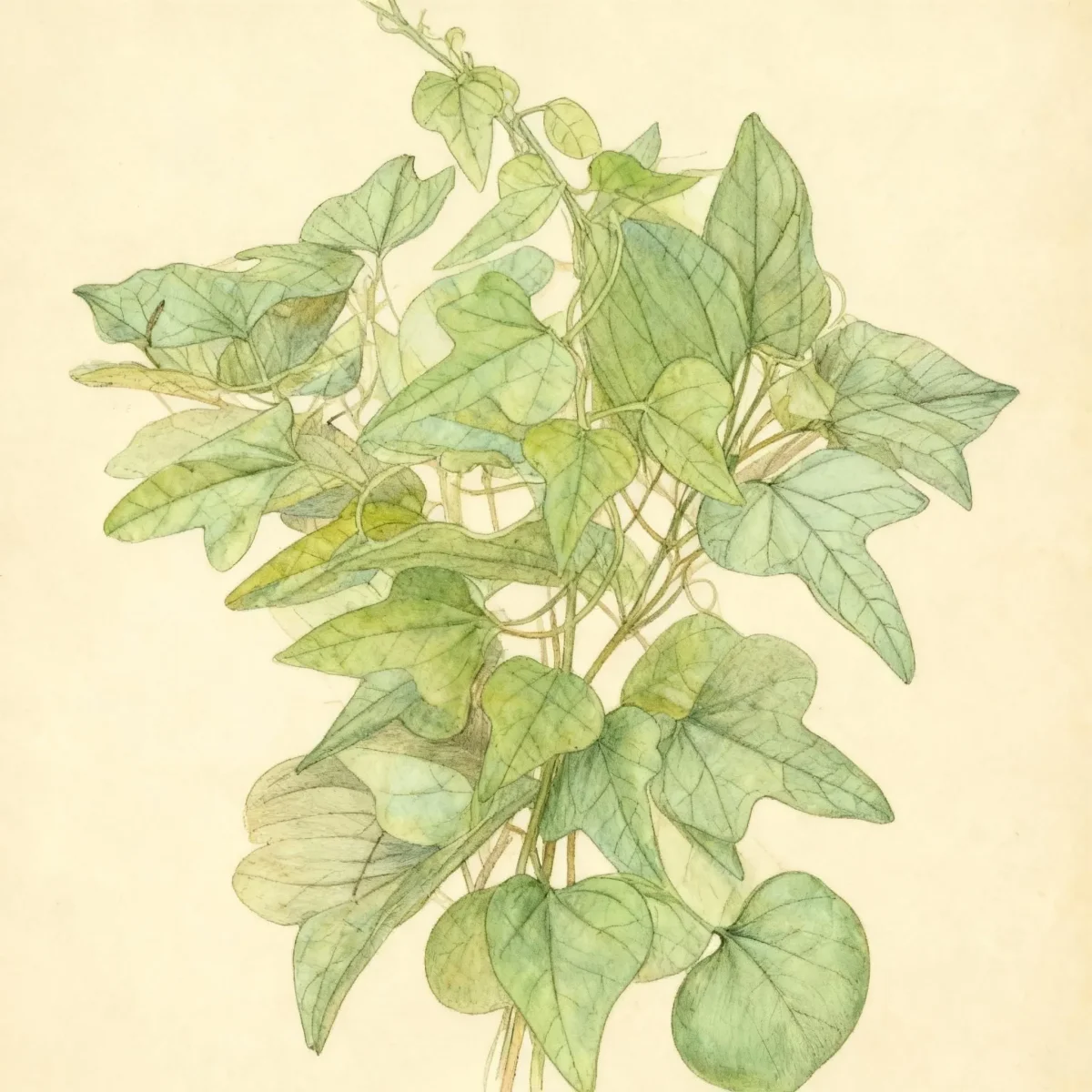
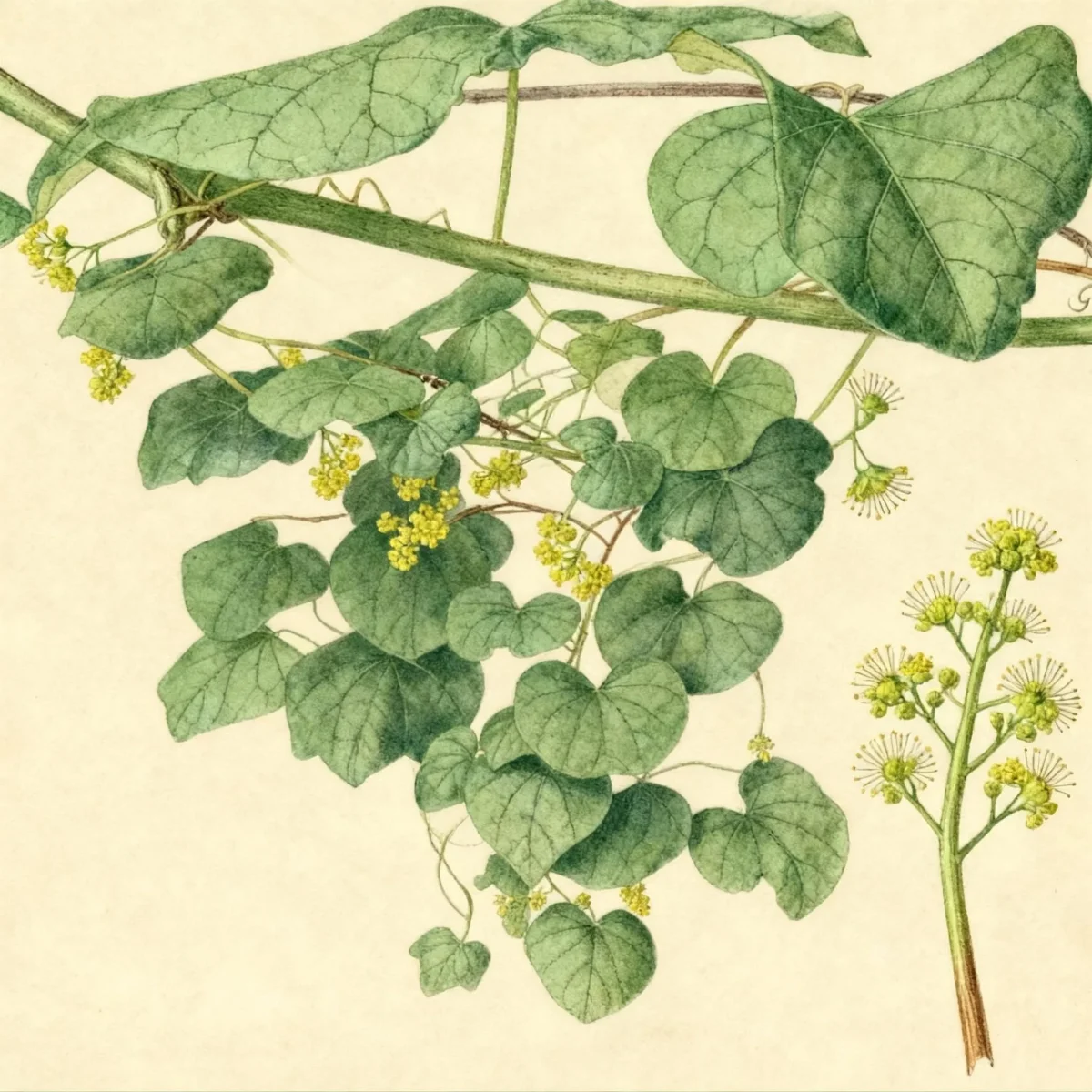
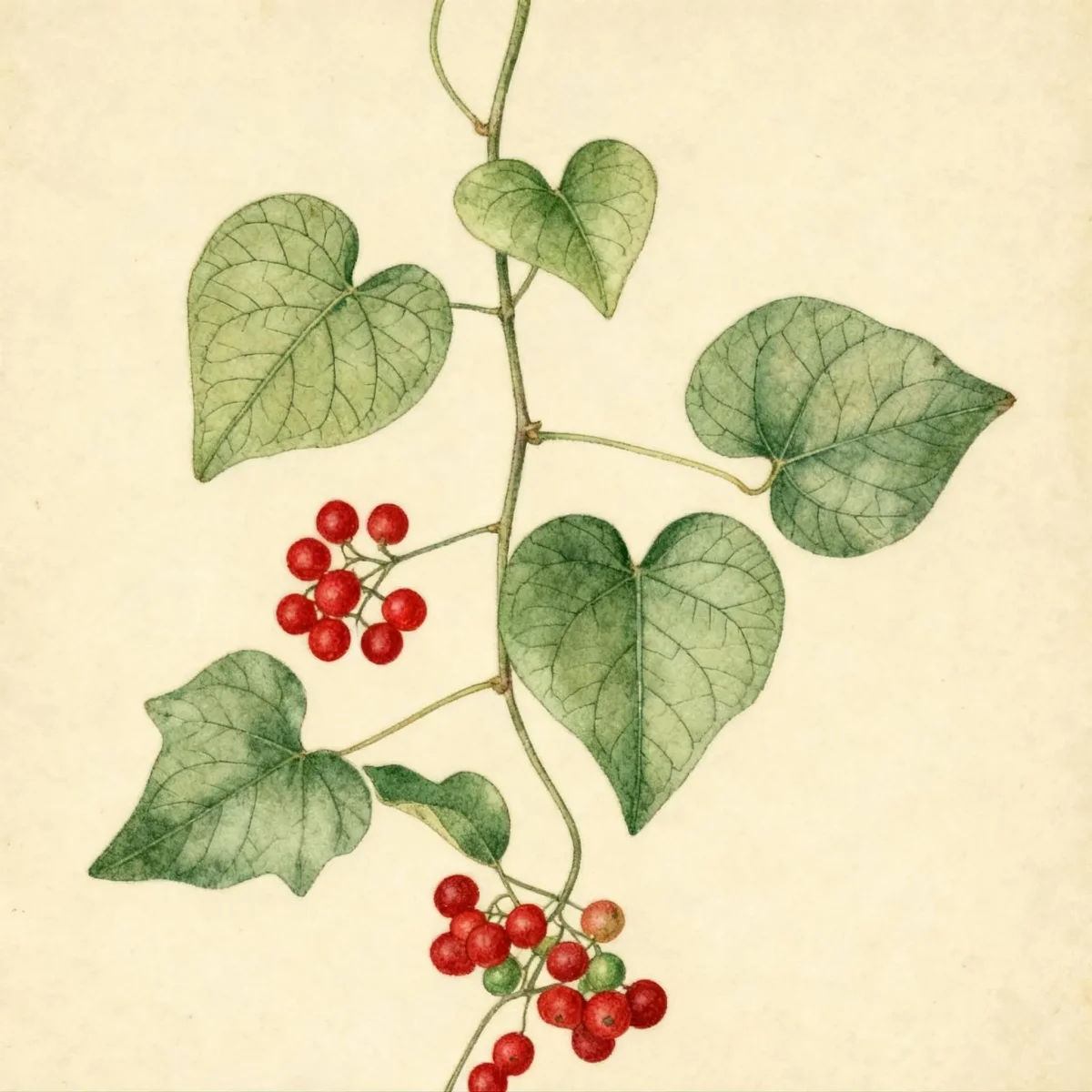
Cocculus carolinus, widely known as Carolina moonseed, is a vigorous, deciduous woody vine native to the Southeastern United States. This plant adds great texture to the landscape, climbing via thin twining stems or scrambling along the ground, making it quite adaptable to various supports. Gardeners appreciate this vine for its reliable foliage and the stunning display of bright red berries it offers late in the growing season.
While the spring bloom is structurally insignificant, the showy fruit mass truly defines the landscape appeal of Cocculus carolinus. It is celebrated for its low maintenance requirements and tolerance for a wide array of soil and growing conditions once established. This vine should be utilized where its rambling nature can be properly managed or supported by structures.
Although very adaptable across its native range, gardeners in the northern reaches of its zone should note that Cocculus carolinus may experience dieback in severe winters. Providing it a protected spot ensures better performance throughout its mature size range, allowing for the full ornamental benefit of the Carolina moonseed.
Fast Facts
- Plant Family: Menispermaceae
- Plant Type: Vine
- Native Range: Southeastern United States
- Hardiness Zones: USDA Zones 5-9
- Size at Maturity:
- Height: 10-14 ft
- Spread: 3-6 ft
- Bloom Time: July to August
- Bloom Description: Greenish white
- Sun Exposure: Full sun to part shade
- Water Needs: Medium
- Maintenance Level: Low
How to Grow
Cocculus carolinus is exceptionally easy to establish, thriving best when planted in average, medium soil that remains well-drained. It is tolerant of many soil types, which simplifies site selection, though it prefers locations receiving full sun to light afternoon shade. For climbing structures or support systems, ensure they are in place at the time of planting, as this vine can grow quickly through the season.
This vine requires a medium amount of water to maintain healthy growth, especially during initial establishment or during exceptionally dry spells. Due to its low maintenance profile, routine fertilization is usually unnecessary unless the soil quality is very poor. Pruning is primarily cosmetic or necessary to keep the vine confined to its designated support system.
Gardeners in colder regions along the Zone 5 boundary must exercise caution. Winters can cause partial dieback, meaning the vine may retreat significantly to the ground. Planting Cocculus carolinus in a somewhat protected microclimate, slightly sheltered from harsh winter winds, is highly recommended in these transition areas. Be aware that young plants may take a few years before they reliably begin producing their signature fruit.
Landscape Uses
The twining nature of Cocculus carolinus makes it an excellent candidate for vertical interest in the garden. It performs admirably when trained onto trellises, arbors, or sturdy fences, providing dense summer coverage. Its scrambling habit also allows it to be woven effectively through established, large shrubs or used to create informal screens and hedgerows, softening structural elements instantly.
When planning its use, consider pairing the Carolina moonseed with broadleaf evergreens or plants that offer winter structure, as Cocculus carolinus is deciduous. The contrast between its medium green leaves and the bright red autumn berries stands out beautifully against darker foliage backgrounds, making it a prime choice for late-season color contrast.
Standout Features
Flower Qualities
- Insignificant
Fruit Qualities
- Showy
Noteworthy Characteristics
Cocculus carolinus, commonly called Carolina moonseed, is a deciduous, Missouri native, woody vine which climbs with thin twining stems or scrambles along the ground. The best ornamental features are its foliage and its attractive red berries in fall, which are pea-sized drupes maturing in late summer and persisting well into the season. The single crescent-shaped seed inside each drupe lends itself to common names like Carolina moonseed and Carolina snailseed.
Tolerances
- No specific tolerances listed.
Potential Problems
This vigorous vine generally experiences few issues, showing resilience against serious insect infestations or common disease problems. Its hardiness is excellent across most of its range, though extreme winter cold in Zone 5 can cause dieback, requiring simple cleanup in spring. Monitor for scale or minor fungal issues if the plant is situated in very deep, damp shade.
Frequently Asked Questions
What hardiness zones is Carolina moonseed suitable for?
Cocculus carolinus is reliably hardy in USDA Zones 5 through 9, though winter performance in Zone 5 should be watched closely.
How large does Cocculus carolinus grow?
When mature, this vine typically reaches a height between 10 and 14 feet, with a spread ranging from 3 to 6 feet wide.
What sun exposure does Carolina moonseed need?
This plant adapts well to a range of lighting, performing best in locations that receive full sun to partial shade conditions.
When does Cocculus carolinus bloom?
The flowering period for this vine occurs from July into August, producing small, inconspicuous greenish white flowers.
Conclusion
The Cocculus carolinus, or Carolina moonseed, offers superb textural interest and fantastic late-season color thanks to its showy red fruit clusters. Its low maintenance nature and tolerance for partial shade make it a dependable choice for vertical gardening projects utilizing trellises or arbor support. Before planting, confirm that your garden falls comfortably within USDA Zones 5-9 for the best long-term success with this excellent native vine.
Wildlife Benefits
The vibrant, pea-sized red drupes produced by Cocculus carolinus in late summer and fall are a significant food source for various bird species. While the flowers themselves are noted as insignificant, the persistent fruit clusters provide essential late-season sustenance, especially as migratory birds prepare for their journey. Planting Carolina moonseed near windows or high-traffic areas can offer excellent viewing opportunities for local avian activity.
Companion Planting
When integrating Cocculus carolinus into perennial borders, consider complementary plants that appreciate similar light and moisture levels. Pairing it with plants that provide strong contrasting form or color, especially later in the season, maximizes visual impact. Shrubs with dark, evergreen foliage make excellent backdrops, allowing the bright berries of the vine to truly pop visually. Since this vine can be aggressive, ensure companion plants are vigorous enough to compete in the root zone.