Yellow floating heart (Nymphoides peltata)
Discover Yellow floating heart (Nymphoides peltata), a low-maintenance aquatic perennial with showy yellow flowers for ponds and water gardens.
Scroll down to discover growing tips, care requirements, companion plants, and more
Complete Plant Information
Overview
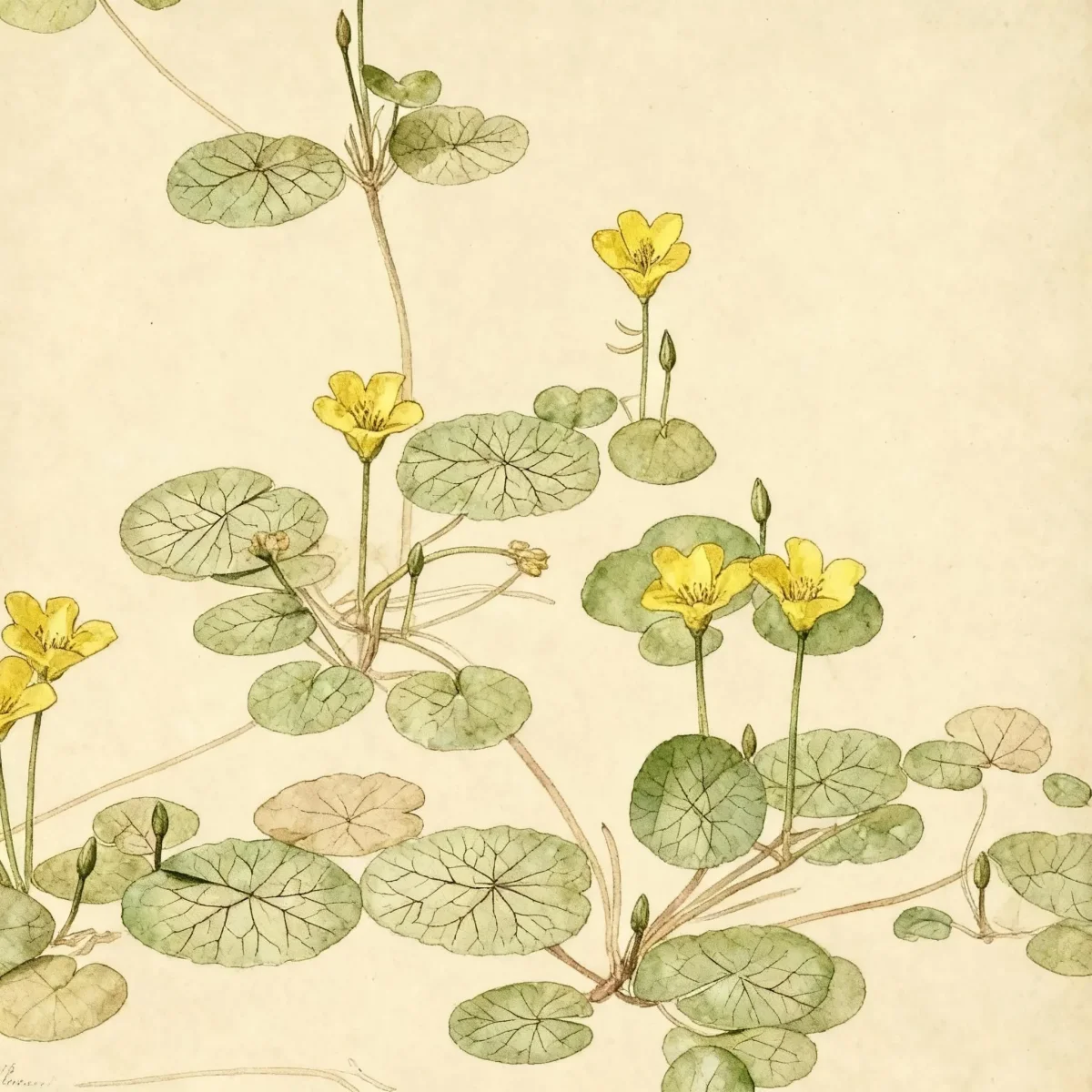
Yellow floating heart, scientifically known as Nymphoides peltata, offers a unique aesthetic in aquatic environments, closely resembling a miniature water lily. Its flat, heart-shaped leaves rest upon the water surface, providing excellent coverage, interspersed with charming, star-shaped, fringed yellow flowers throughout the summer months. This herbaceous perennial is valued for its low maintenance requirements and vigorous, spreading nature, making it an excellent choice for pond ecosystems.
Native to Europe and Asia, Nymphoides peltata has naturalized across various regions of the United States, establishing itself as a reliable water plant where conditions are suitable. Gardeners appreciate how this plant quickly establishes itself, covering still water bodies with its attractive foliage and bright blooms. While beautiful in full sun, be mindful of its spreading habit, especially in warmer climates where it may become overly aggressive.
The visual impact of Nymphoides peltata is immediate, providing a dynamic, floating element in any water feature. Successfully growing yellow floating heart means providing it with plenty of sunlight and still water, rewarding the gardener with reliable seasonal color and texture. It is highly effective as a water cover, reducing algae growth by shading the water column.
Fast Facts
- Plant Family: Menyanthaceae
- Plant Type: Herbaceous perennial
- Native Range: Europe, Asia
- Hardiness Zones: USDA Zones 5-10
- Size at Maturity:
- Height: 0.25-0.5 ft
- Spread: 1-3 ft
- Bloom Time: May to September
- Bloom Description: Yellow
- Sun Exposure: Full sun
- Water Needs: Wet
- Maintenance Level: Low
How to Grow
For optimal growth, Nymphoides peltata needs to be situated where it receives full sun exposure throughout the day. The ideal placement is in 1 to 2 feet of still water, anchored to an organically rich, sandy bottom loam, or grown easily within containers placed on the substrate of a pond or water garden. Since plants spread via underwater runners, ensure adequate space, though containers provide excellent root restriction if necessary.
Watering is implicitly handled by its aquatic nature; the surrounding environment must be continuously saturated or submerged. Maintenance for yellow floating heart is generally low. While plants may be started from seed, the simplest method for propagation is dividing off the small plantlets that develop along the submerged stems.
In colder regions, like the St. Louis area mentioned in cultivation notes, these plants will survive winter resting at the bottom of a pond, similar to hardy water lilies. However, gardeners must monitor growth, as in milder winters, Nymphoides peltata can spread quite aggressively, potentially dominating and crowding out less vigorous native aquatic species.
Landscape Uses
Yellow floating heart excels as a floating water lily-like plant, perfectly suited for integration into constructed ponds, bog gardens, or ornamental water features. Its low profile and spreading habit make it an excellent choice for naturalizing shallow edges of larger ponds or creating floating islands of texture. For a cleaner look, gardeners often use containers to manage the spread of Nymphoides peltata.
When designing a water garden, consider pairing yellow floating heart with emergent plants or taller marginals that contrast nicely with its flat leaves and bright yellow blooms. The continuous surface coverage provided by the heart-shaped leaves is aesthetically pleasing against stonework or waterfall spillways.
This aquatic perennial also performs well in rain gardens or wet depressions where standing water might be common occasionally, provided the area receives ample full sun. Its tolerance for wet conditions makes it functional for managing runoff while simultaneously adding significant visual interest throughout the summer blooming season.
Standout Features
Flower Qualities
- Showy
Noteworthy Characteristics
Nymphoides peltata, commonly called yellow floating heart or water-fringe, is a rhizomatous, floating-leaf, aquatic perennial that looks like a small water lily (Nymphoides means resembling Nymphea). It is native to Europe and Asia but has naturalized widely across the US. It features ovate to rounded, flat, heart-shaped, medium green leaves (up to 4”) that cover the water surface, complemented by star-shaped bright yellow flowers with fringed lobes blooming 2-3” above the leaves in summer.
Tolerances
Potential Problems
Nymphoides peltata typically presents no serious insect or disease problems for the dedicated water gardener. Due to its robust growth, the primary concern is related to its vigorous spreading habit rather than pest infestations. Effective management focuses on controlling its spread rather than combating foliage damage.
If the plant becomes too dense, it can shade out other submerged or emergent species in the pond. To prevent this overcrowding, periodic thinning or harvesting of excess runners is recommended, especially in areas with mild winters where Nymphoides peltata thrives aggressively.
Frequently Asked Questions
What hardiness zones is Yellow floating heart suitable for?
Yellow floating heart (Nymphoides peltata) is suitable for USDA Hardiness Zones 5 through 10.
How large does Yellow floating heart grow?
This aquatic perennial typically reaches a height between 0.25 and 0.5 feet with a spread ranging from 1 to 3 feet across the water surface.
What sun exposure does Yellow floating heart need?
Nymphoides peltata requires full sun exposure to produce its best foliage and prolific yellow blooms.
When does Yellow floating heart bloom?
Yellow floating heart blooms reliably from May through September, showcasing its distinctive, one-day, star-shaped yellow flowers.
Conclusion
The Nymphoides peltata, or yellow floating heart, is an invaluable addition to any pond or still water feature, providing dynamic surface coverage and cheerful yellow flowers across the high summer season. Its low maintenance profile, provided it has full sun and adequate moisture, ensures beautiful results with minimal intervention. Before planting, always assess your local climate to ensure it falls within USDA Zones 5-10, and plan your water depth accordingly to maximize the charm of this water lily lookalike.
Propagation Tips
Propagating Nymphoides peltata is straightforward, which contributes to its reputation as a fast-spreading plant. While the flowers can produce seeds, the most practical and reliable method for increasing your stock of yellow floating heart is through vegetative division. As the runners extend horizontally across the water surface or just below it, they naturally produce small plantlets.
To divide these off, simply snip the runner connecting a new plantlet to the parent. These smaller sections can then be transplanted directly into the mud layer or repositioned securely in individual pots within the water body. This technique is best performed during the active growing season, generally spring through early fall.
For overwintering in zones near the lower limit of its hardiness range, ensure the attached pieces or potted plants are submerged deeply enough that the base remains below the frost line, allowing the rhizomes to survive dormancy at the pond bottom.
Design Ideas
Utilizing Nymphoides peltata effectively in design involves embracing its floating nature. For formal ponds, use wide, shallow containers to establish defined zones where the yellow floating heart can flourish without encroaching too heavily on open water or hardscape features. The dense leaf cover is excellent for creating visual depth.
In more naturalistic settings, allow the runners to spread freely in sheltered bays or edges where they can intermingle with grassy marginals like cattails or irises, offering textural contrast. The bright yellow flowers provide a necessary warm tone against the cooler greens and blues typical of pond construction materials.
Remember that the leaves of yellow floating heart obscure the water surface, which can hide fish if you are trying to view them; therefore, balance its use with open areas. It pairs beautifully with white or pink water lilies, creating a multi-hued floating tapestry under full summer sun.