Osage orange (Maclura pomifera)
The Maclura pomifera, or Osage orange, is a robust, thorny tree known for tough wood and historical hedgerows. Grow in full sun.
Scroll down to discover growing tips, care requirements, companion plants, and more
Complete Plant Information
Overview
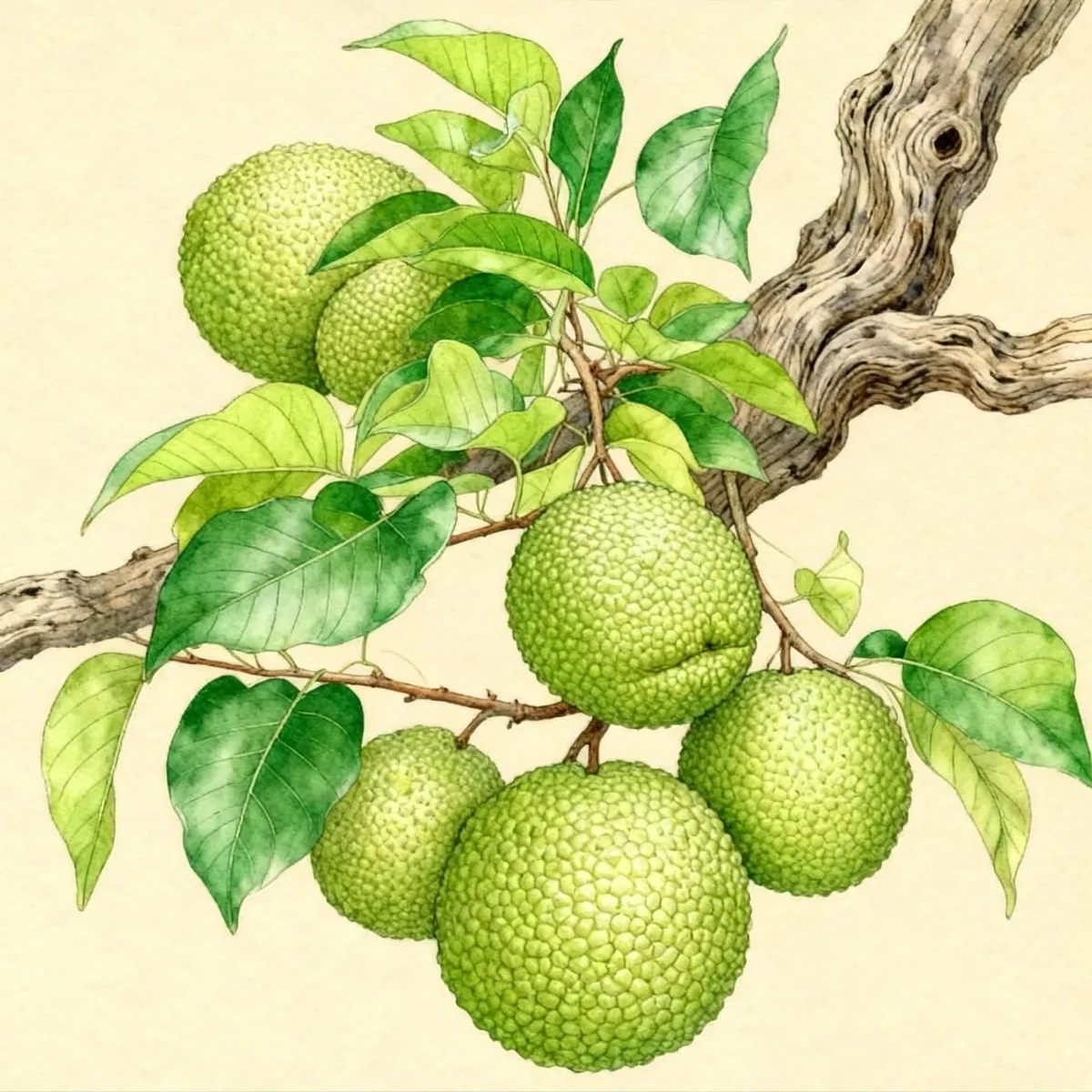
The Maclura pomifera, commonly known as Osage orange, is a fascinating and historically significant North American native tree. Valued for its incredibly dense, rot-resistant wood—once sought after for making bows—it is a tree of substance and resilience. While its fruit, the hedge apple, can create litter issues, its toughness offers solutions where other ornamental trees fail.
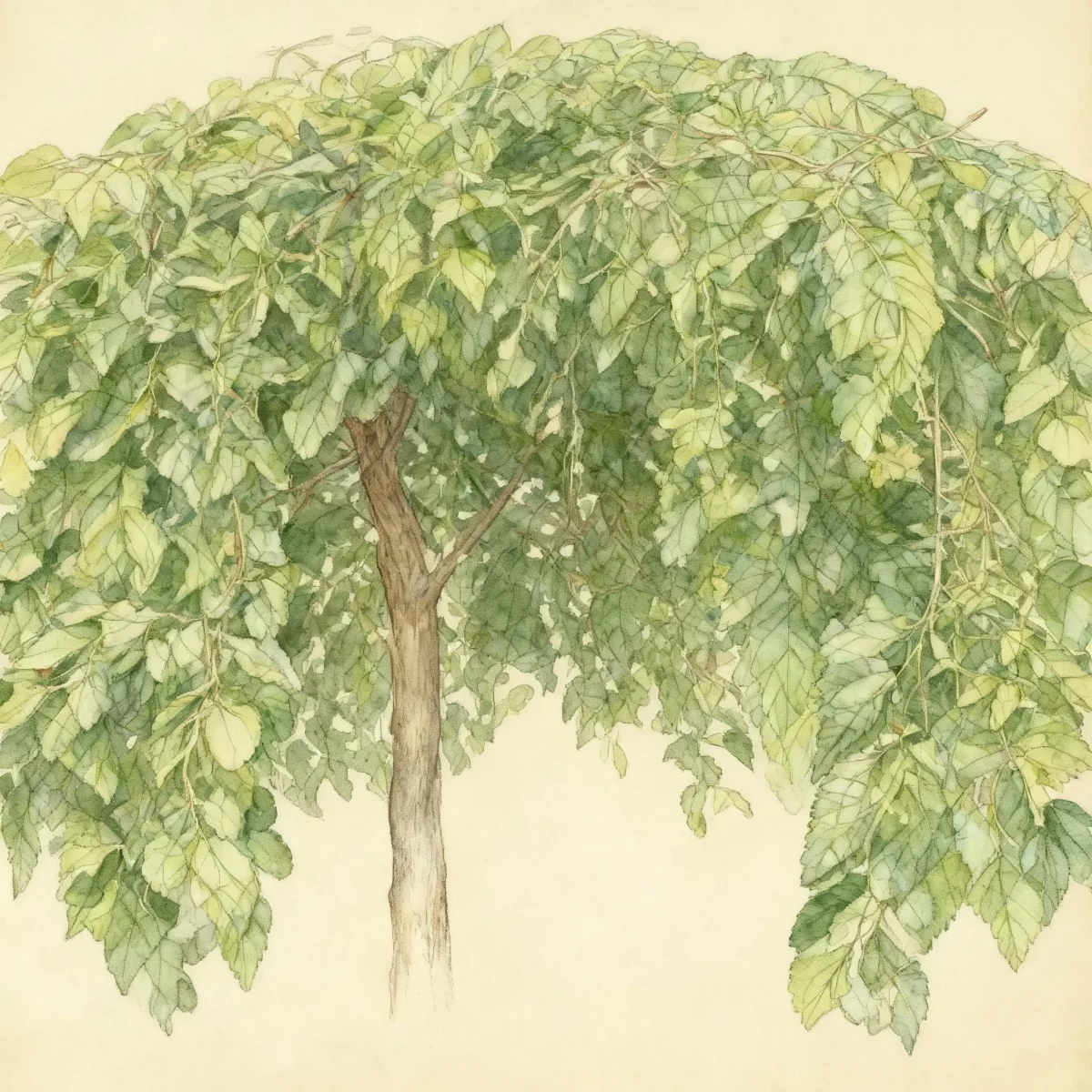
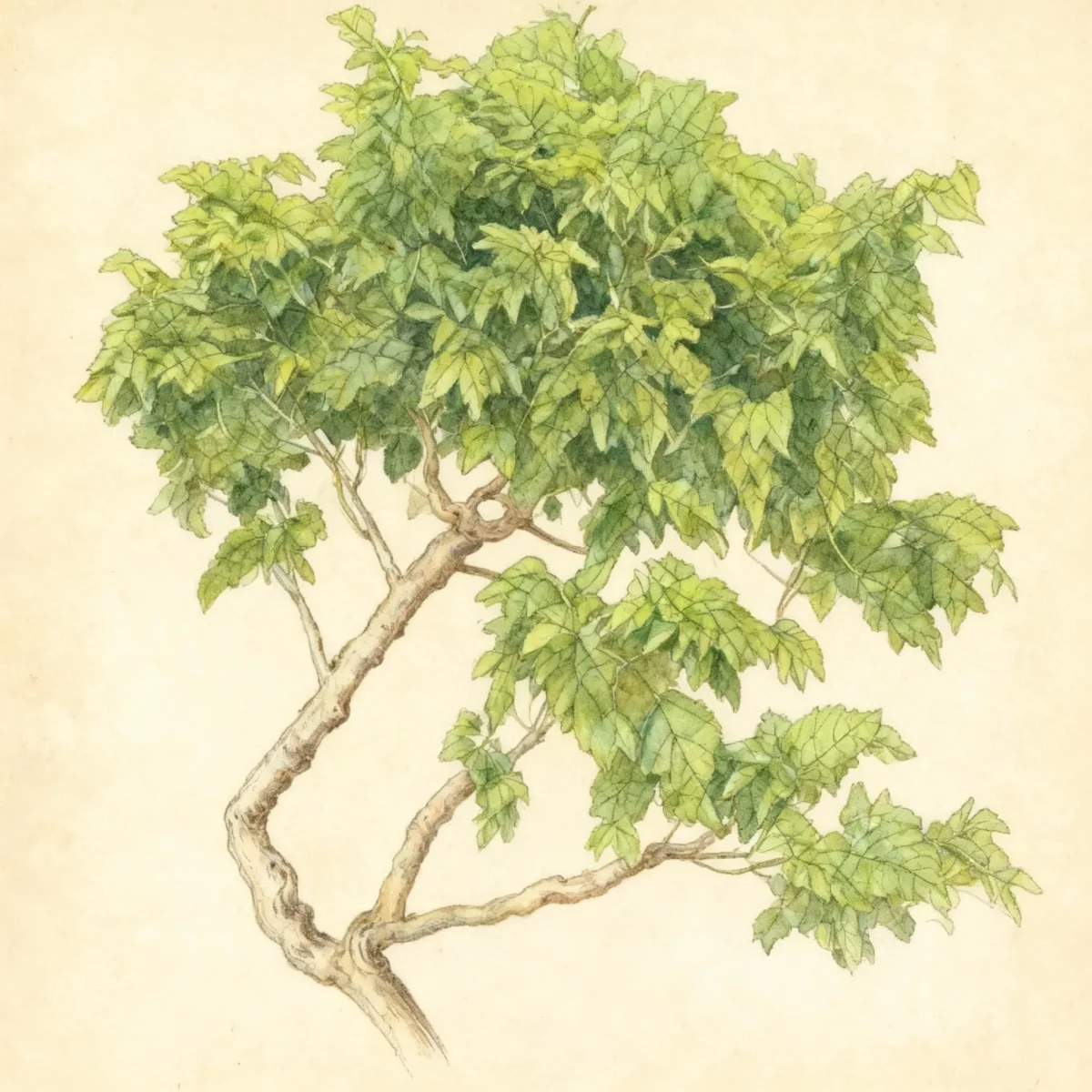
This deciduous tree establishes a broad, rounded crown, easily reaching mature heights of 35 to 60 feet. Its striking autumn color and unique texture make it stand out, though it is most famous for its historical role in creating impenetrable living fences. Understanding the native range and basic culture is key to successfully incorporating this tough specimen.
A critical feature of the Osage orange is that it is dioecious, meaning separate male and female trees exist. Gardeners must plan accordingly if they wish to avoid the large, inedible fruits produced by female specimens. Its low maintenance and adaptability ensure that Maclura pomifera remains a practical choice for challenging sites.
Fast Facts
- Plant Family: Moraceae
- Plant Type: Tree
- Native Range: Arkansas, Texas, Louisiana, Oklahoma
- Hardiness Zones: USDA Zones 4-9
- Size at Maturity:
- Height: 35-60 ft
- Spread: 35-60 ft
- Bloom Time: June
- Bloom Description: Green
- Sun Exposure: Full sun to part shade
- Water Needs: Dry to medium
- Maintenance Level: Low
How to Grow
Planting the Osage orange is best achieved in early spring or late fall, allowing the roots time to establish before extreme weather. This tough species adapts readily to average, dry to medium, well-drained soils, but it truly excels in poor soils where other woody plants struggle. Provide full sun for the best growth habit, though part shade is tolerated.
Once established, the Maclura pomifera requires very little supplemental care. It tolerates drought conditions exceptionally well, though it prefers uniformly moist soils during establishment. Fertilization is generally unnecessary unless attempting to rescue a struggling specimen in extremely poor media. Be mindful that female trees require a nearby male pollinator to produce fruit.
Pruning is primarily required when establishing tight hedgerows, as the vigorous shoots are armed with vicious thorns, making them difficult to manage. Due to its tolerance for heat, cold, and wind, little winterization is needed other than general site selection away from high-traffic pedestrian areas if fruit production is intended.
Landscape Uses
Historically, the Osage orange was the penultimate choice for property lines, forming impenetrable windbreaks and living fences due to its dense suckering habit and vicious thorns. Today, where large, tough boundaries are needed, it remains highly effective, particularly in areas characterized by poor soil quality where hardiness is paramount.
For landscape design, male trees offer excellent potential as formidable shade trees situated in strategic corners of a larger property. Avoid planting female Maclura pomifera near patios or walkways, as the grapefruit-sized fruits that drop in fall create significant litter and tripping hazards.
When used as a specimen, ensure adequate space exists for its massive spread of 35 to 60 feet. Its unique bark texture and structure provide year-round interest, contrasting nicely with finer-textured evergreens used as backdrops.
Standout Features
Flower Qualities
- Insignificant
Fruit Qualities
- Showy
Noteworthy Characteristics
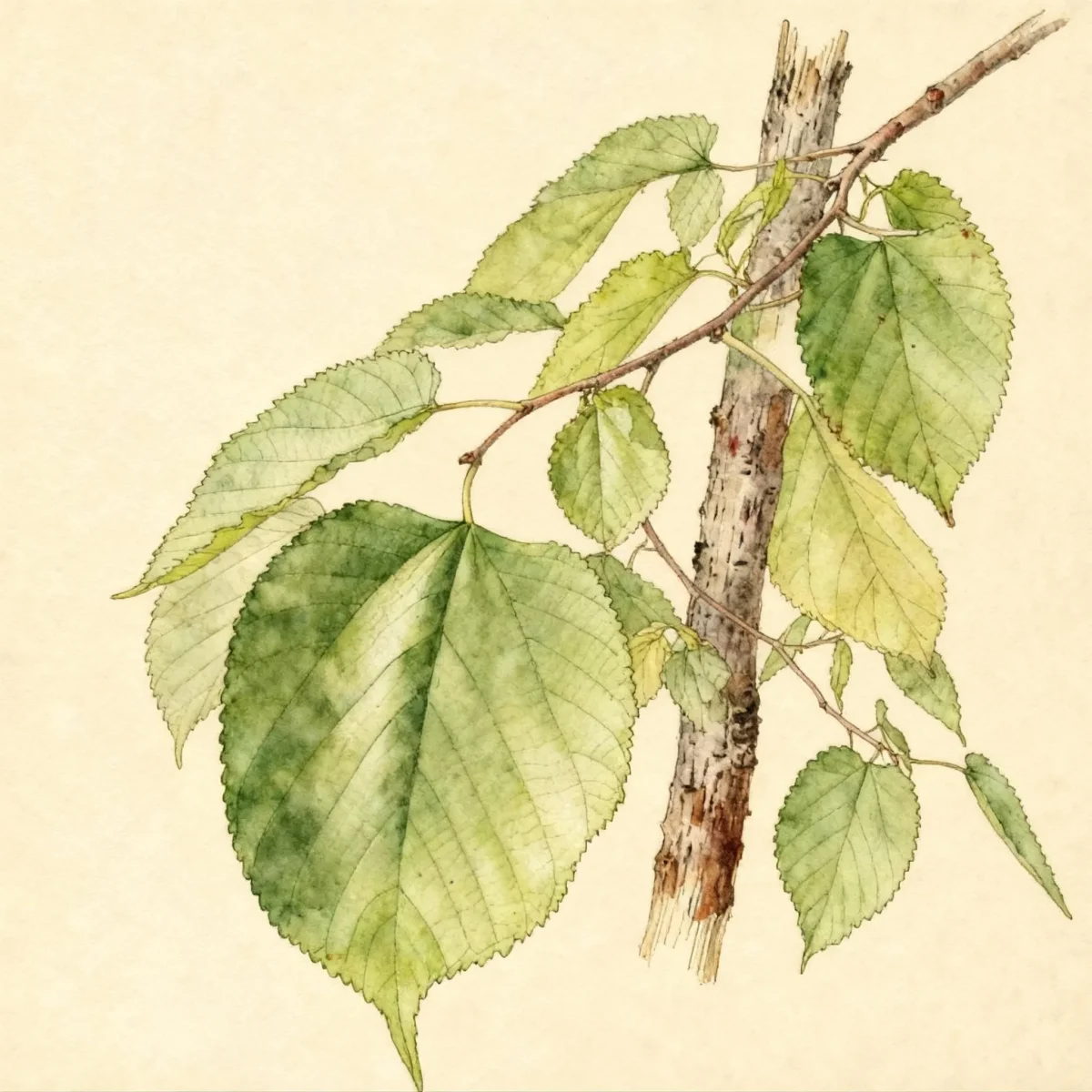
The Maclura pomifera, better known as Osage orange, is native to the rich bottomlands of Arkansas and Texas but has naturalized widely across the US. This spiny, deciduous tree features orange-brown bark, shiny dark green leaves that turn yellow in autumn, and milky sap. The inedible, wrinkled fruits resembling large oranges appear on female trees only when a male pollinator is present nearby. This species is renowned for its extremely tough, long-lasting wood, which Native Americans used extensively for crafting bows.
Tolerances
- Drought
- Clay Soil
- Air Pollution
Potential Problems
The primary issue with mature female Osage orange trees is the considerable litter problem caused by the large, non-edible fruits dropped in the fall. Male trees also produce non-showy flowers that create a litter problem; if these flowers are not cleaned up promptly, they can rot and produce an unpleasant odor on the ground. Fortunately, Maclura pomifera generally avoids serious insect or disease infestations, contributing to its low maintenance profile.
Frequently Asked Questions
What hardiness zones is Osage orange suitable for?
The Osage orange is suitable for USDA hardiness zones 4 through 9.
How large does Maclura pomifera grow?
This tree typically matures to a height between 35 and 60 feet, with a corresponding spread of 35 to 60 feet, forming a broad crown.
What sun exposure does Osage orange need?
Maclura pomifera performs best in full sun but will tolerate partial shade conditions.
When does Osage orange bloom?
Flowering occurs in June, producing greenish, non-showy flowers on separate male and female plants.
Conclusion
The Osage orange is celebrated for its immense toughness, thriving in poor soils and significant drought where other trees falter. Whether utilized for its durable wood, historical function as wildlife containment via hedgerows, or as an imposing shade tree (using male cultivars), Maclura pomifera offers incredible value. Ensure you select a male specimen if you desire low litter, and confirm USDA zone compatibility before planting this historically rich tree.
Companion Planting
Because Osage orange tolerates poor soils and drought remarkably well, it functions best as a perimeter plant or windbreak rather than being integrated into highly manicured perennial borders. Companion planting near this tree should focus on species that share similar low-nutrient requirements or can withstand the intense structural competition provided by a large tree canopy. Consider planting hardy native grasses or tough, drought-tolerant shrubs along its drip line that can handle competition from the established Osage orange roots.
If you are establishing a hedgerow, historically, other thorny or dense species were planted alongside Maclura pomifera to create layered barriers. For modern landscape applications where a male shade tree is desired, pair it with robust understory plants known for tolerating dry shade conditions once the crown develops, prioritizing species hardy to Zone 4.
Seasonal Care Calendar
Spring is the ideal time to inspect your Osage orange for winter damage and manage any suckering growth emerging from the base or roots if you wish to control its spread. Since this species naturally handles poor soil, fertilization in spring is generally skipped.
Summer requires minimal intervention; monitor for prolonged, extreme drought, although the Maclura pomifera is highly tolerant once established. If using a female tree, the large fruits will start developing during the summer months.
Fall is when the leaves turn yellow before dropping, and fruit drop occurs if present, necessitating cleanup if planted near high-traffic areas. Winter is the dormant period, offering the best time to safely prune any dead or crossing branches, although heavy structural pruning is rarely needed.